In 1549 the English marriage service had couples promise to love “till death us depart”, and “depart” meant separate. The line became “till death us do part” in the prayer book of 1662, when the old word had begun to mean something else. The vow that most couples still hear at a wedding has therefore been reworded at least once, and the island of Malta has reworded its own idea of marriage far more recently: until 1975 the only law governing marriage there was canon law, and divorce became possible only in 2011.

What the vow was before it was a vow about death
The words belong to the medieval Sarum rite, the order of service used in much of England before the Reformation, and the 1549 Book of Common Prayer carried them across. The change in 1662 was a modernisation of “depart” and not a change of meaning. What did change was the thing being promised. For most of history marriage was an alliance between families, in which love was expected to follow the wedding, not cause it. The historian Stephanie Coontz argues in Marriage, a History that marrying for love became the ideal only from the late eighteenth century. Her case has critics, who think she overstates how pure marital love was, but the shift she describes sits behind almost every wedding tradition couples now choose.
Malta: a century of canon law, then four decades of change
Malta compressed that history into a few decades. Canon law alone regulated marriage until the Marriage Act came into force in August 1975, and the Act applied to civil and religious weddings alike, with a Marriage Registry set up the same year. A concordat with the Holy See then led to amendments in 1995 under which a Catholic marriage celebrated in Malta has civil effects from the moment of the ceremony, an arrangement particular to the island. In 2014 a revision removed the priority given to church tribunals over the civil courts in annulment cases.
Divorce was the largest step. A referendum on 28 May 2011 approved it, with 53.2 per cent in favour, and until then Malta was one of only two countries in the world where divorce was not possible. The vote was consultative, so parliament still had to pass the law. Civil unions followed in 2014 with the same rights and obligations as marriage, and in July 2017 parliament amended the Marriage Act so that same sex couples could marry.
What the numbers show
The figure most often repeated about weddings is that half of them end in divorce. Figures for England and Wales from the Office for National Statistics point lower and show that recent marriage cohorts are divorcing less, so the half is out of date as a general rule. The National Statistics Office in Malta recorded 2,334 marriages in 2024, and Maltese court records reported 483 divorces registered in 2023, though other sources give a slightly higher figure for that year. Civil weddings have outnumbered church weddings since 2016, when 1,524 couples married at the registrar’s office and 1,397 in church.
For a couple planning a wedding, the numbers show that the civil route is now the more common one in Malta, with the church route still chosen by a large share of couples.
How a civil wedding works in Malta
The Marriage Registry handles every marriage celebrated in Malta and Gozo, whether civil or religious, and it asks couples having a civil wedding to contact it at least three months before the date so that the banns can be published. A marriage must then take place within three months of the banns, and one contracted outside that window is void. There is no official residency requirement, so couples do not need to live on the island first. Both partners attend an appointment at the Registry to present their passports or identity cards, and two witnesses give their names and identity numbers. Original documents are required, and the Registry publishes separate lists for EU and non EU nationals.
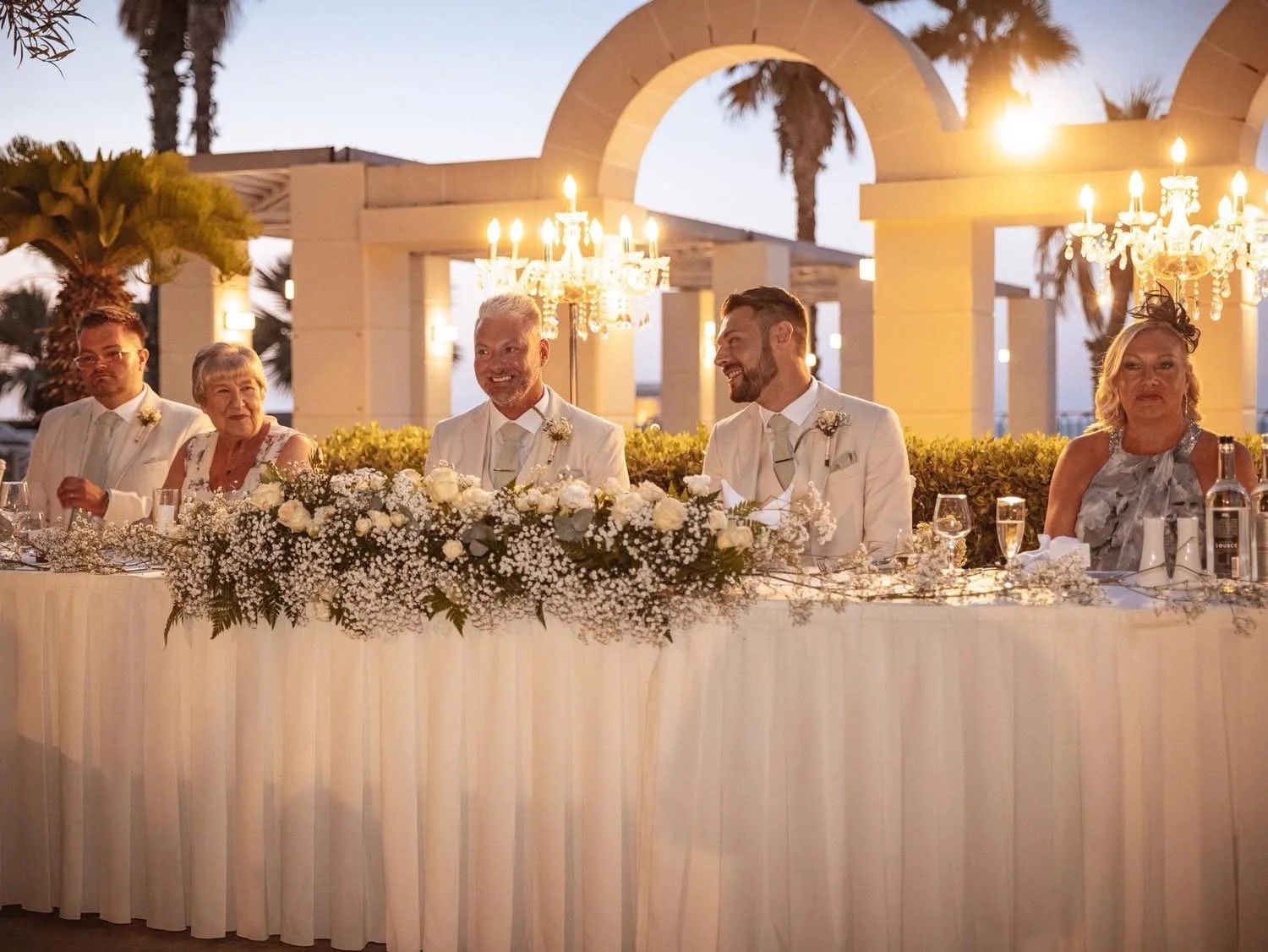
The ceremony can take place in the Registry’s own marriage room, or in another public place the Registrar accepts. That second option is what makes a wedding at a palazzo, a harbour or a hotel possible, and each location has to be confirmed with the Registrar in advance. Fees and the document list change, so couples should take the current figures from the Registry’s own pages and not from a guide.
Quick answers
Can you divorce in Malta? Yes. Divorce has been legal since 2011, after the referendum.
Can same sex couples marry in Malta? Yes. Parliament opened marriage to same sex couples in July 2017, after civil unions began in 2014.
Do you have to live in Malta to marry there? There is no official residency requirement.
How early should you contact the Marriage Registry? At least three months before the wedding date.
What this means when you plan the day
The choice of route shapes the whole day: where the ceremony is held, who conducts it, what paperwork the couple needs and how long it takes. Couples of different faiths, couples who have been married before and same sex couples should each confirm their route with the Marriage Registry for the chosen date before booking anything else. It also changes the guest list and the style of the day, because a wedding that brings two families and two traditions together is a different event from one for a couple on their own.
Jewel Weddings, led by Helen Falzon, plans weddings in Malta and Sicily, including Hindu weddings and harbour celebrations that bring different traditions into one day. The Edit on Jewel Weddings describes that work, and the magazine issue shows it page by page.
Our verdict
“Till death us do part” survives because it is simple, and the law around it in Malta is anything but simple. A wedding there is more open than it was a generation ago, which means more decisions at the start. Couples should settle the ceremony route and the legal steps first, then the venue and the day around them.
Check your date with Jewel Weddings.