
The Wedding Atlas · Italy
Getting Married in Italy
From the lakes and Dolomites of the north to the Ligurian coast, the hills of Tuscany and Umbria, the Amalfi Coast and the islands, Italy offers a wedding setting for almost every kind of couple. Venice and Rome add water and palazzi, and Puglia and Calabria the quieter south. Choose the landscape first, and let the venue follow.
Part of the Italy destination guide.
Where to marry
Explore Italy
Italy is a country of lakes, coasts, hills, islands and cities. Each guide has its own settings, its journey and the venues we list there.
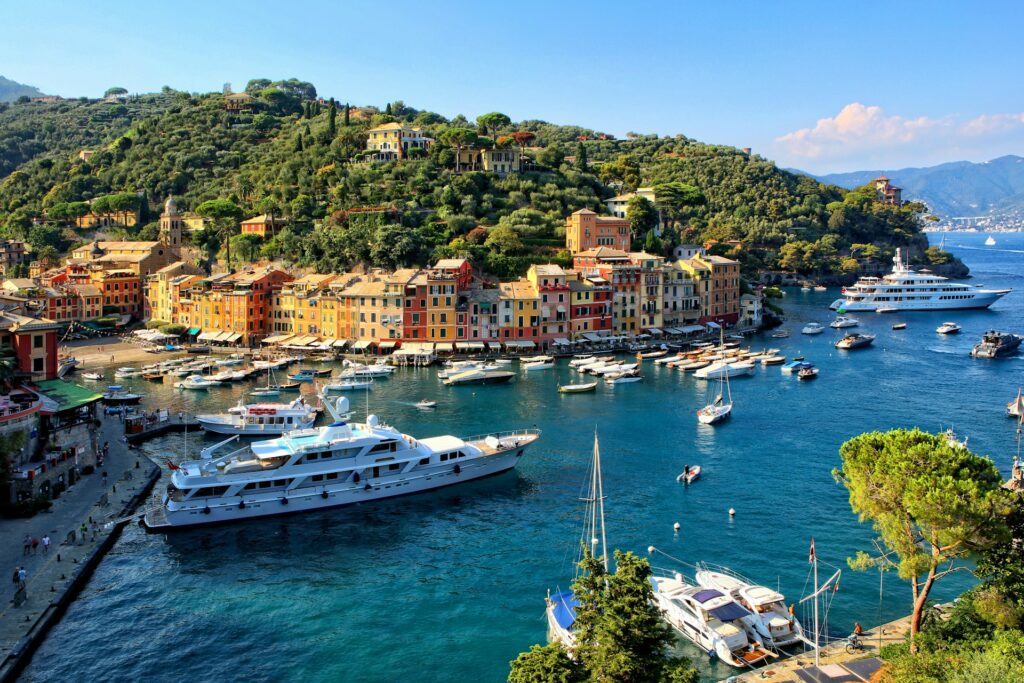
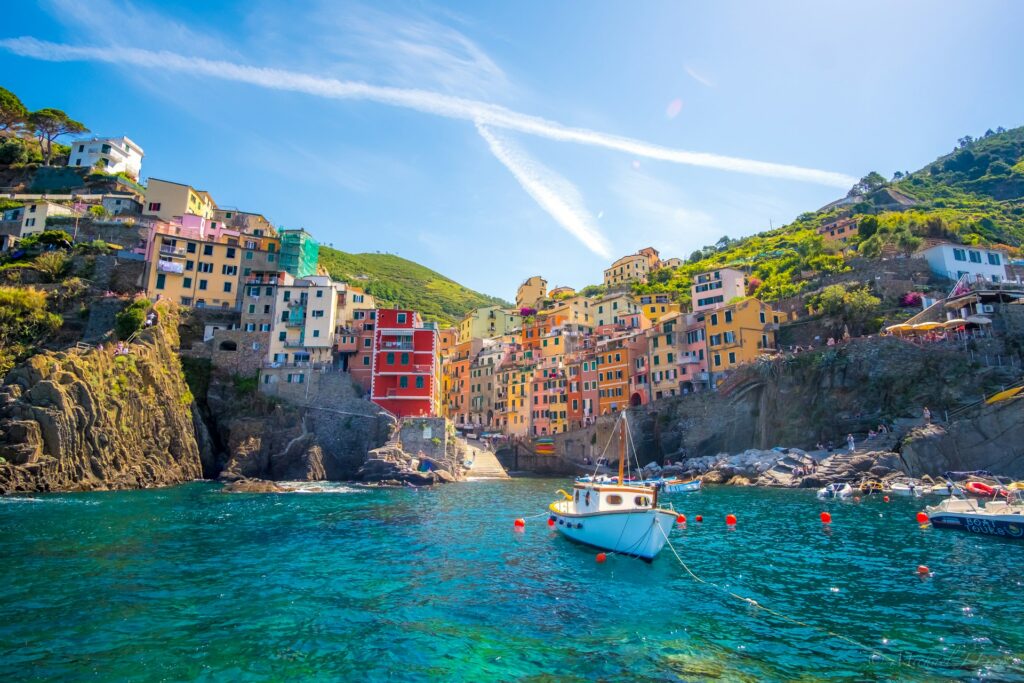
The Ligurian coast
Lakes and the Alps
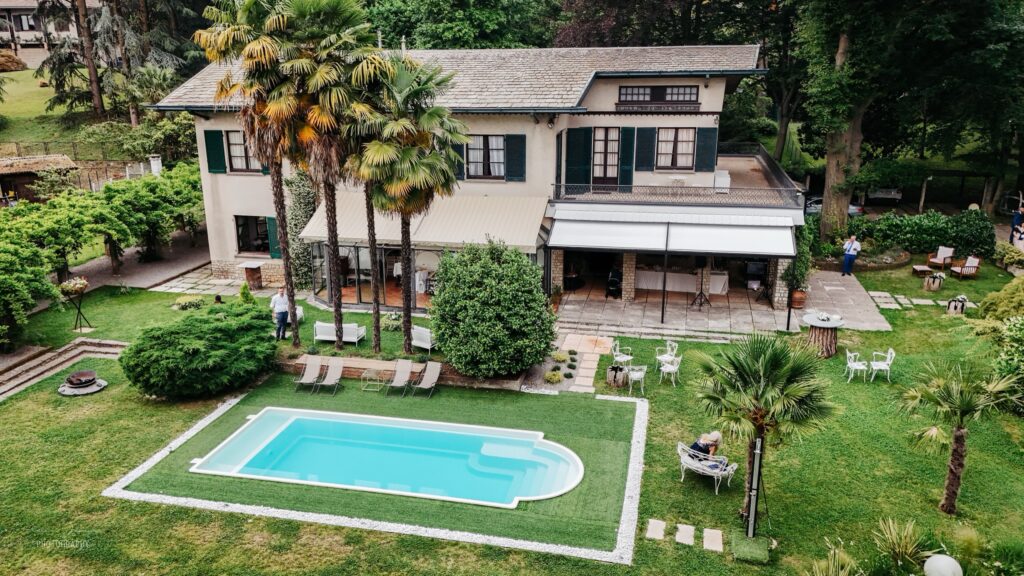 Photo: Villa Sofia
Lombardy
Lakeside villas, wine estates and walled towns in northern Italy.
Photo: Villa Sofia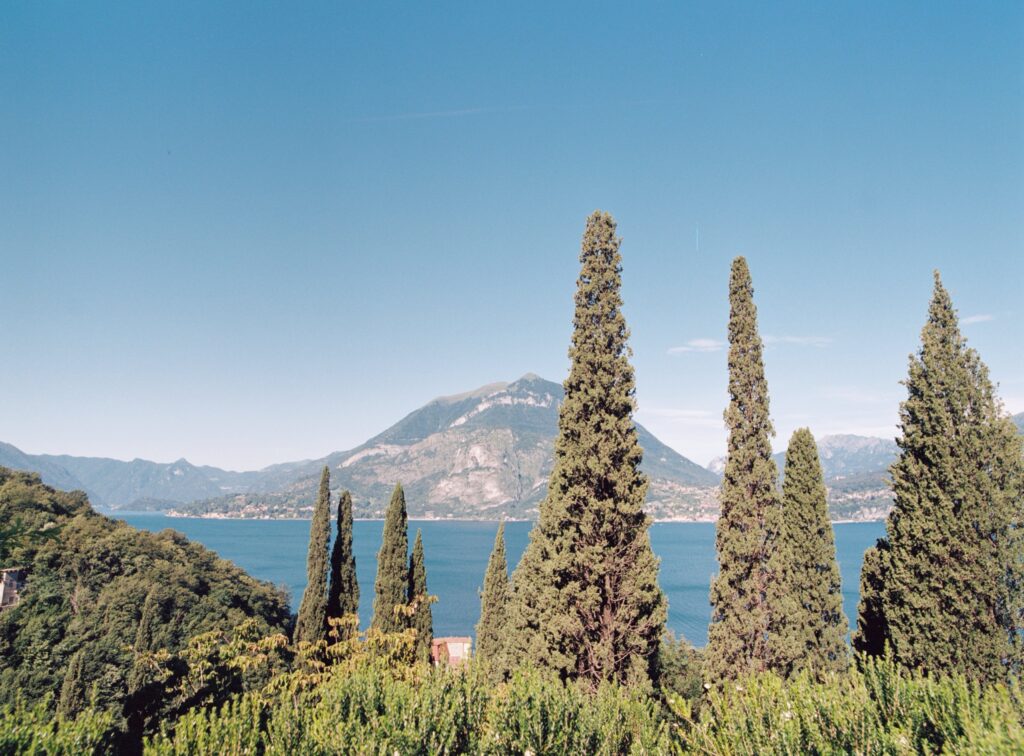 Photo: Villa Nascosta
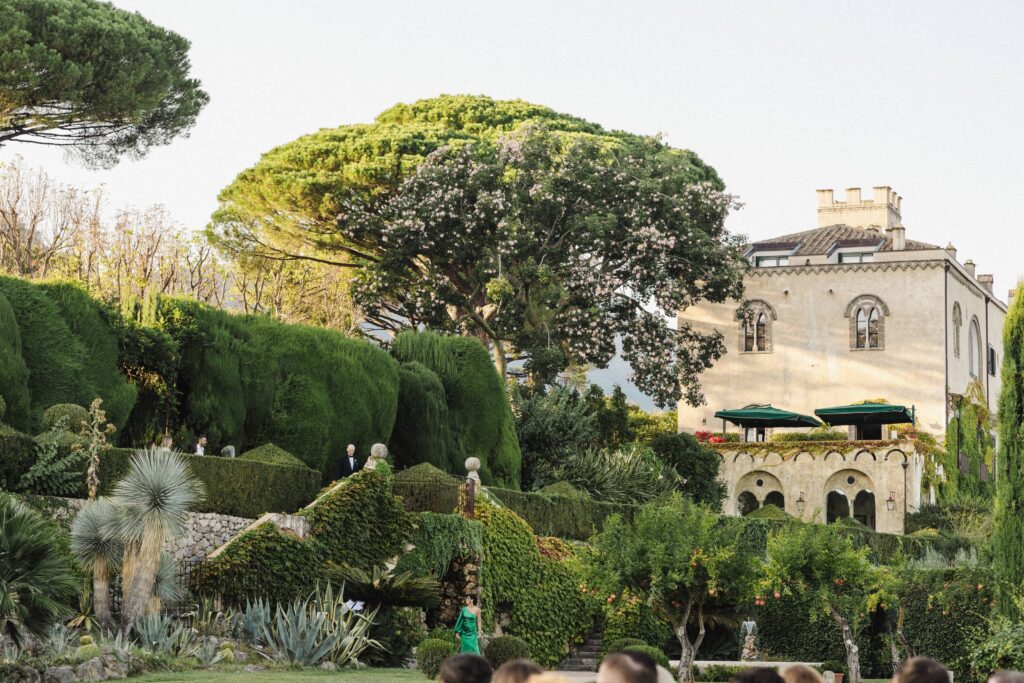
Lake Como
Historic villas, garden terraces and boat arrivals on an Alpine lake.
Photo: Villa Nascosta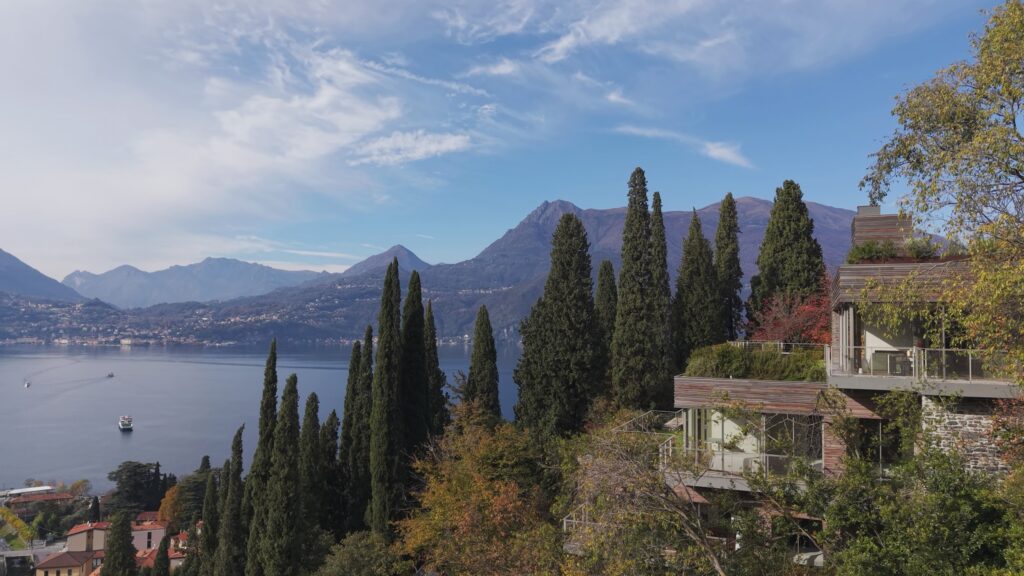 Photo: Villa Nascosta
Bellagio
A lake town on the promontory where Lake Como divides.
Photo: Villa NascostaMountains and wine country
Palazzi and the lagoon
Hills, hill towns and the capital
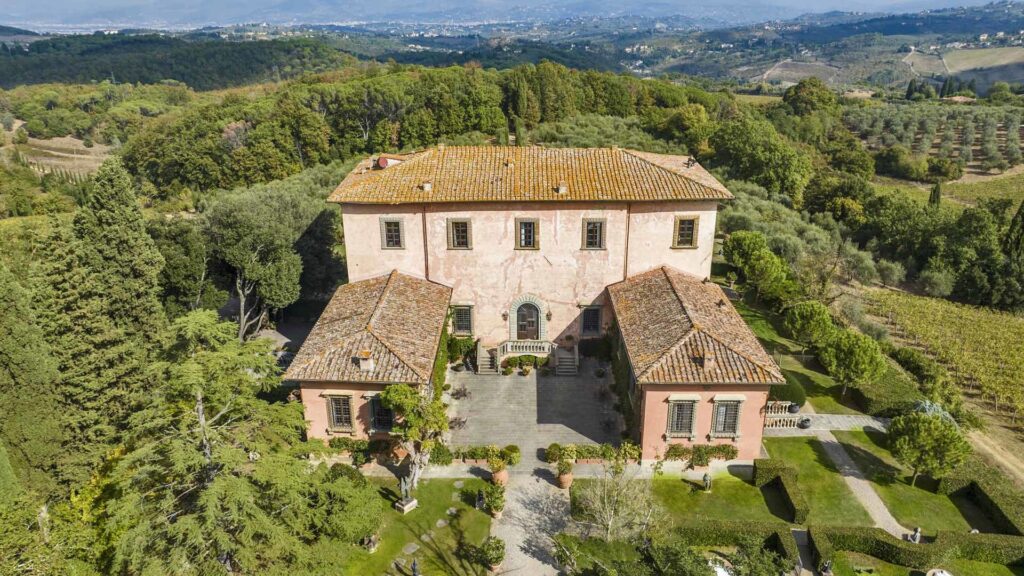
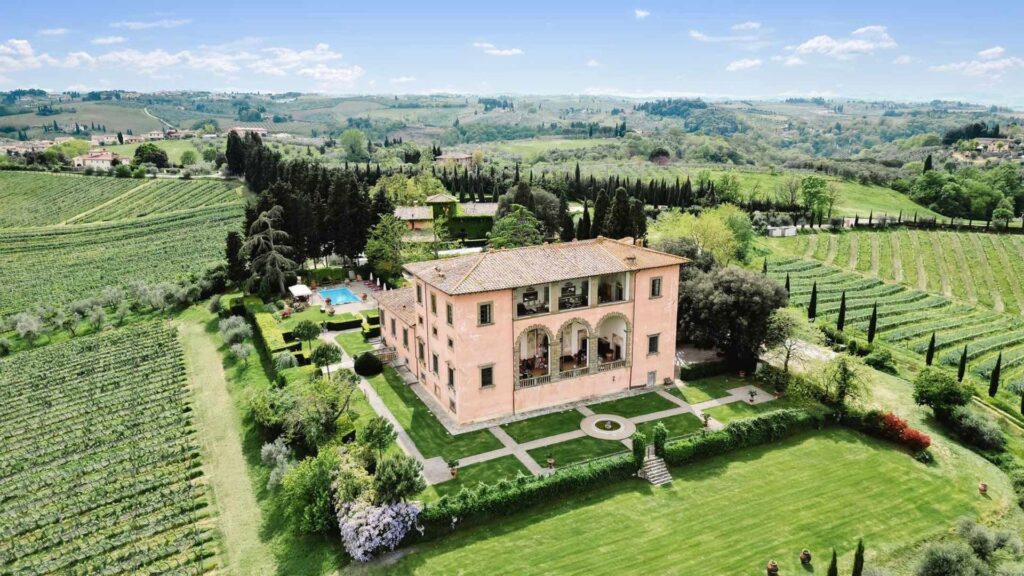 Photo: Villa Mangiacane
Tuscany
Villas, castles and farm estates in the hills of central Italy.
Photo: Villa Mangiacane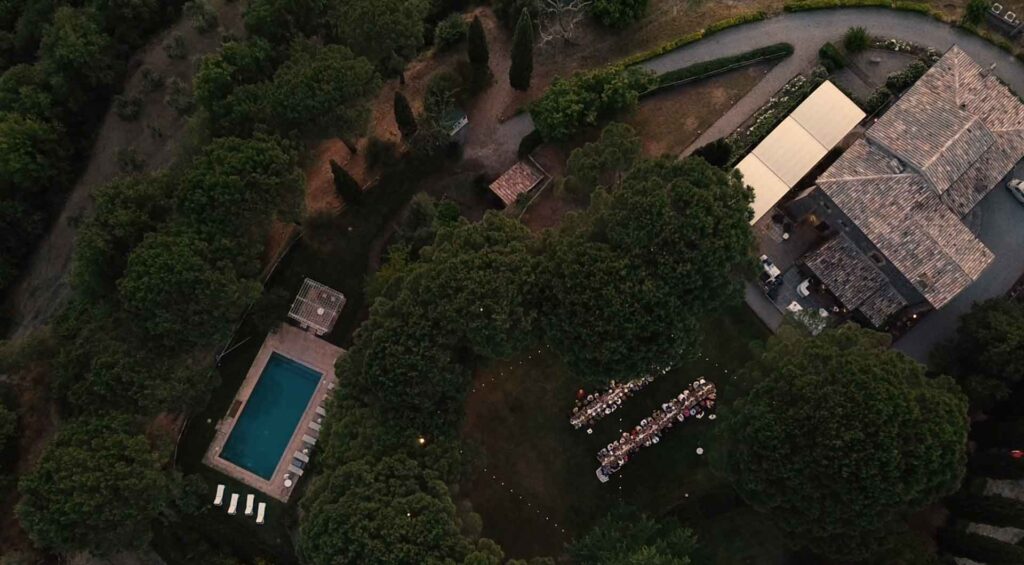 Photo: Torre Collevento
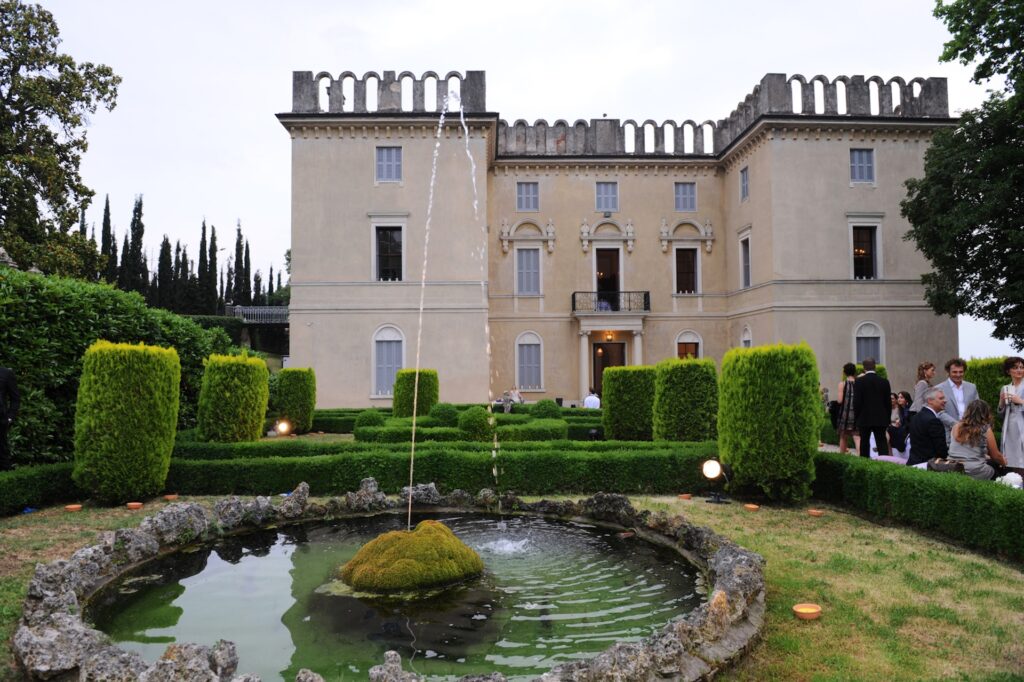
Umbria
Green hills, hilltop towns and olive groves in central Italy.
Photo: Torre Collevento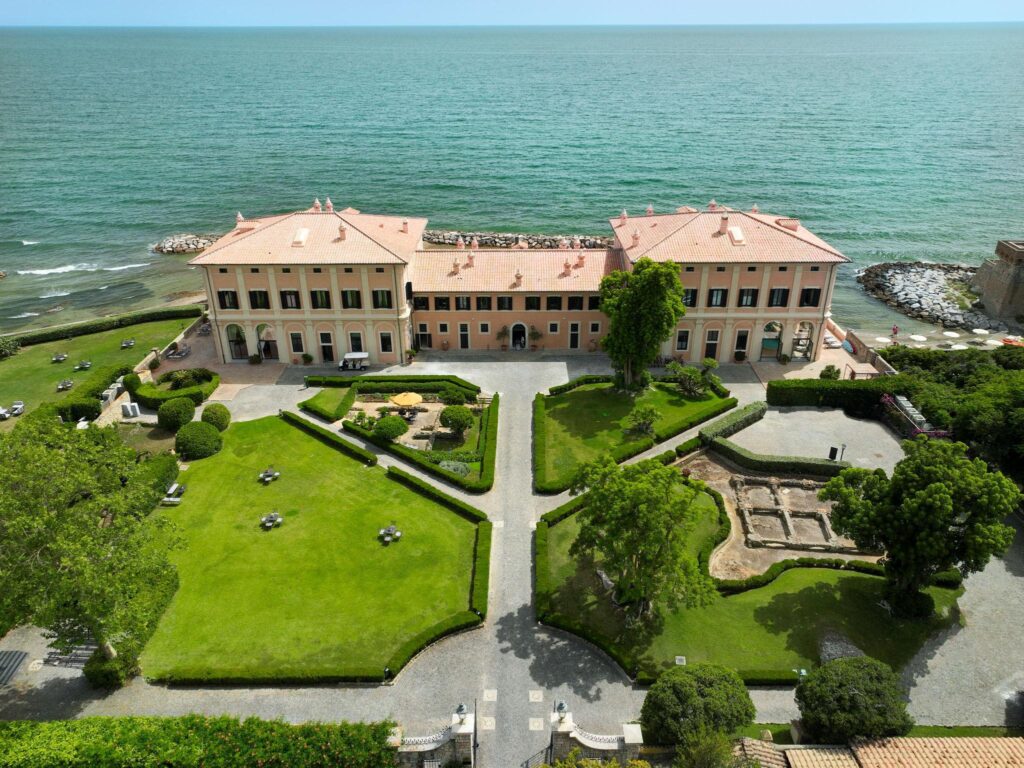 Photo: La Posta Vecchia Hotel
Rome
Palazzi, villas and rooftop terraces in the Italian capital.
Photo: La Posta Vecchia HotelThe Bay of Naples and the Amalfi Coast
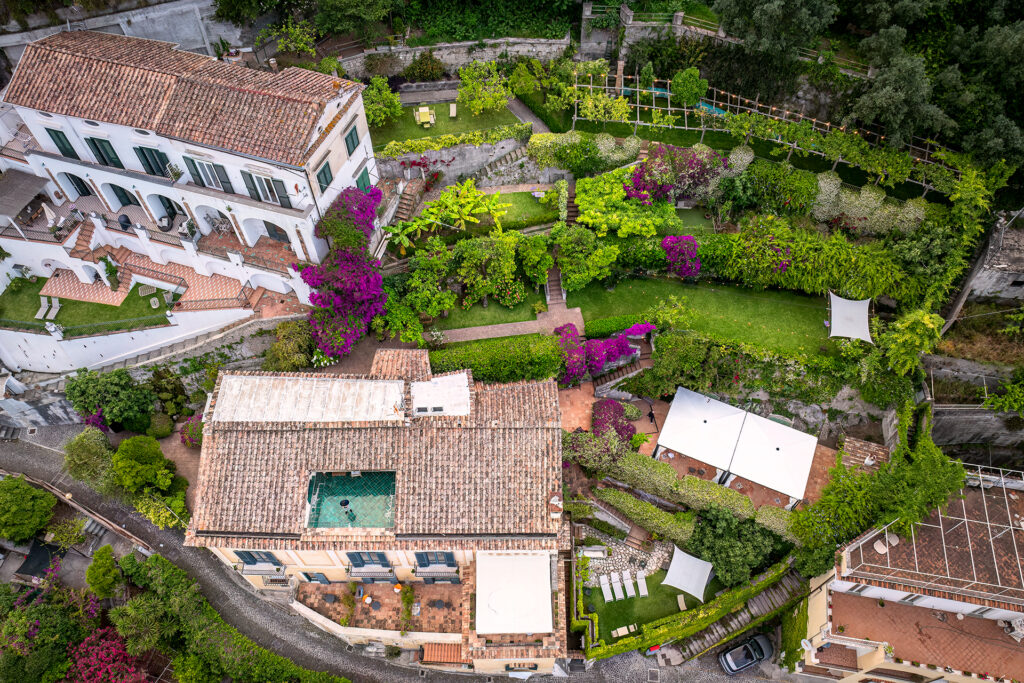 Photo: Palazzo Suriano
Campania
Coast, volcano, islands and farming estates around the Bay of Naples.
Photo: Palazzo Suriano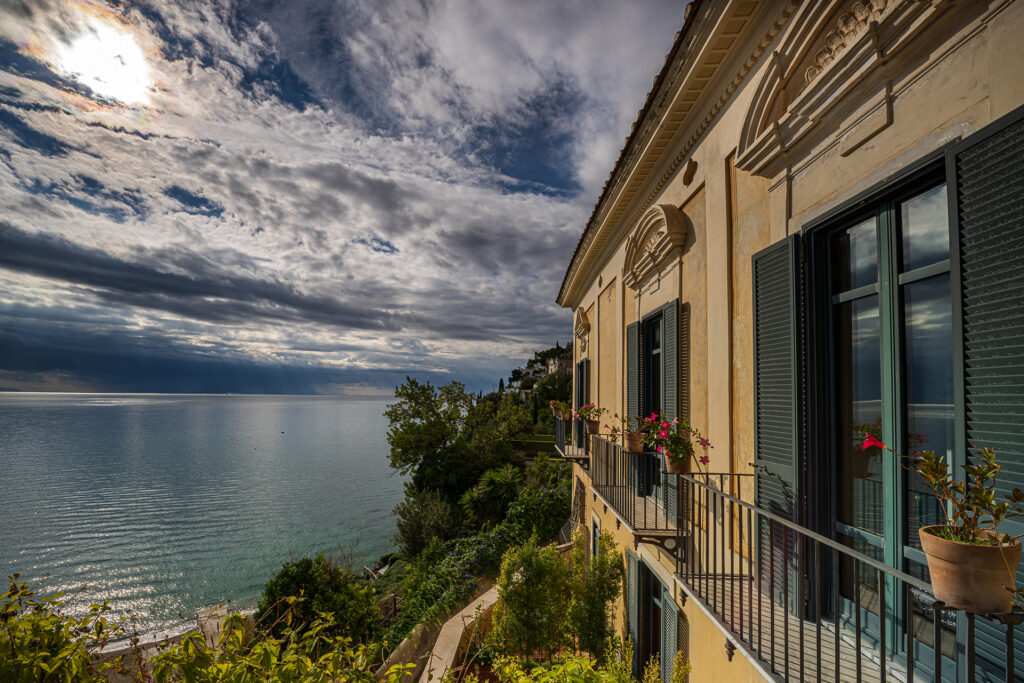 Photo: Palazzo Suriano
Amalfi Coast
Cliff-face towns, terraced gardens and boat transfers on the Tyrrhenian Sea.
Photo: Palazzo Suriano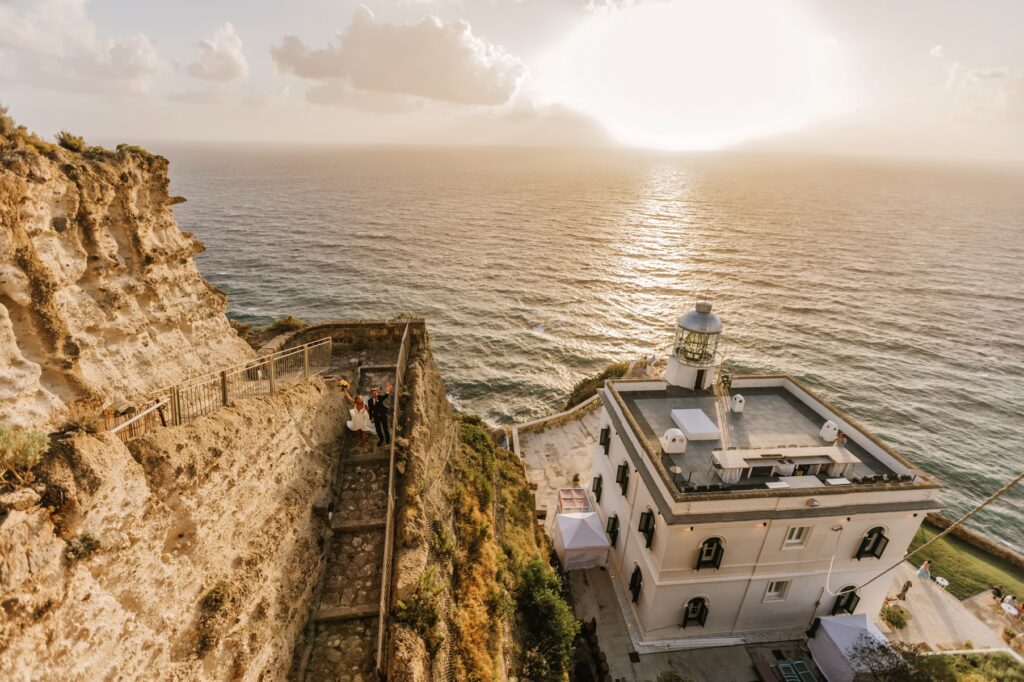 Photo: Stefania Silvestro
Ischia
A volcanic island in the Gulf of Naples, with thermal springs and a castle on a rock.
Photo: Stefania SilvestroThe heel and toe of Italy
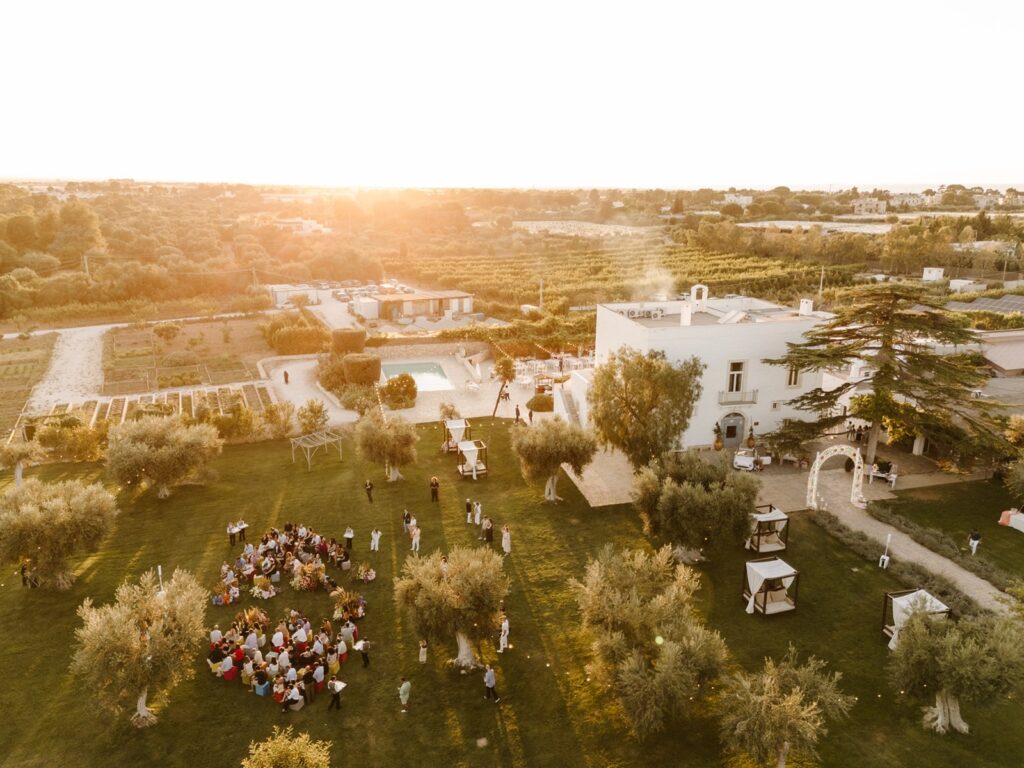 Photo: Tenuta Pinto
Puglia
Masserie, trulli and baroque towns in the heel of Italy.
Photo: Tenuta Pinto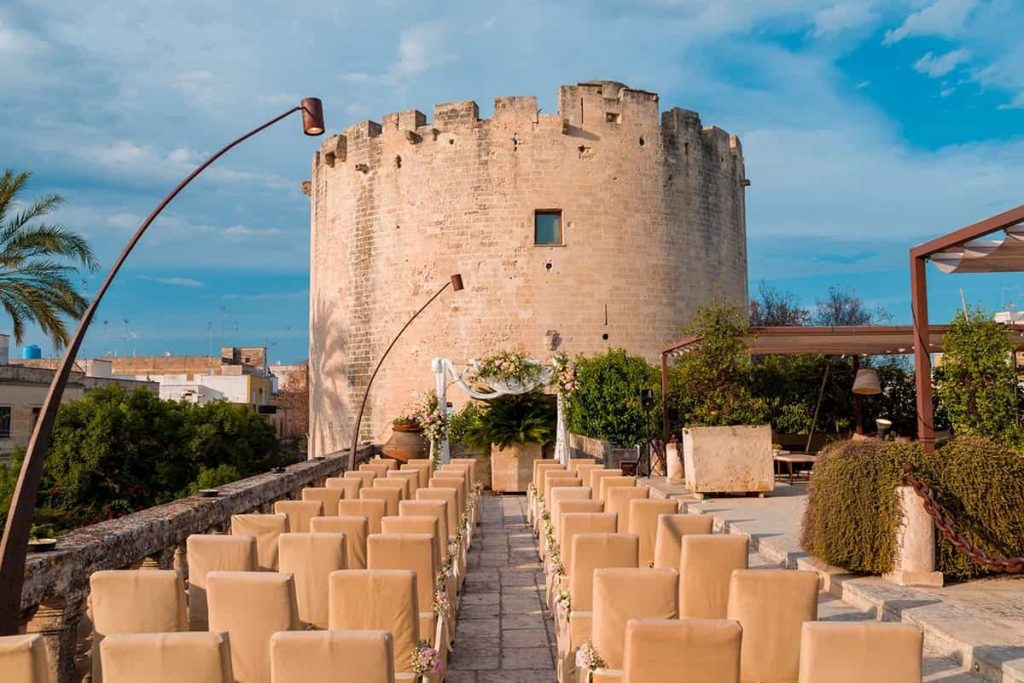 Photo: Torre del Parco
Lecce
A baroque city of golden stone at the heart of the Salento peninsula.
Photo: Torre del Parco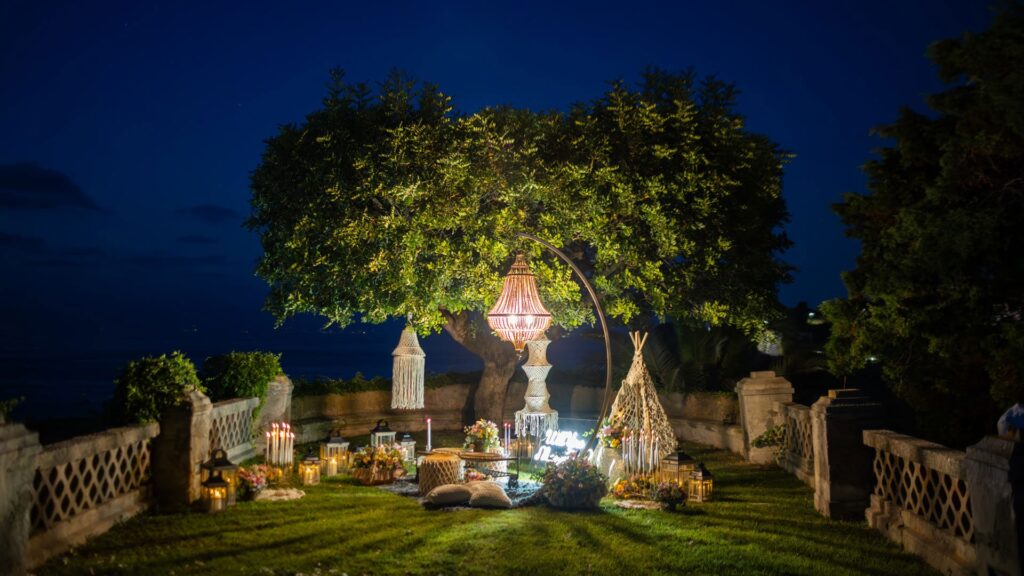 Photo: Villa Paola
Calabria
Cliff towns, Greek ruins and undeveloped coast at the toe of Italy.
Photo: Villa PaolaSicily and the Aeolian Islands
Taormina and the Aeolian Islands lie in Sicily and have their own guides.
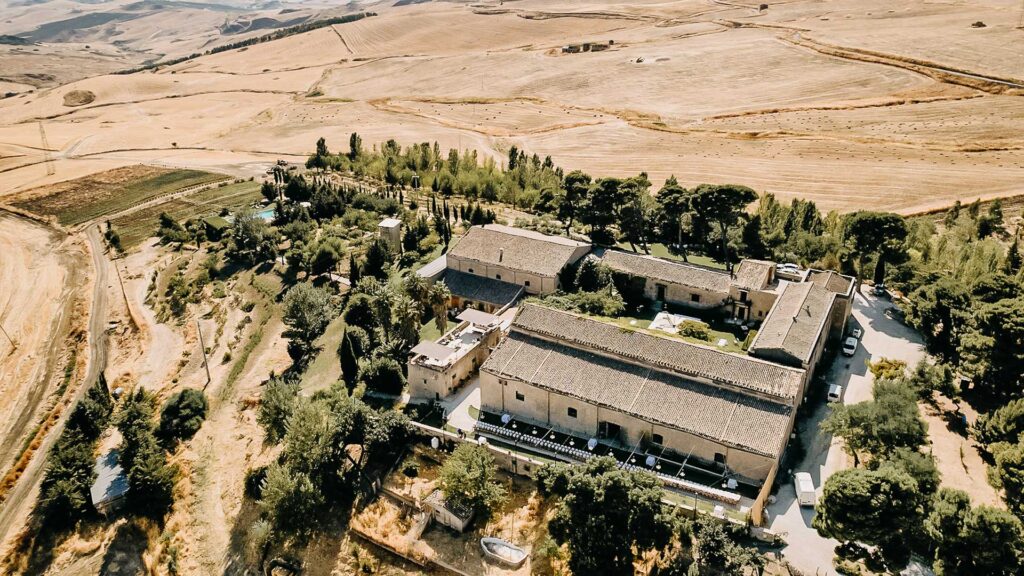 Photo: Susafa
Sicily
Baroque towns, volcanic coast and farm estates on a large Mediterranean island.
Photo: Susafa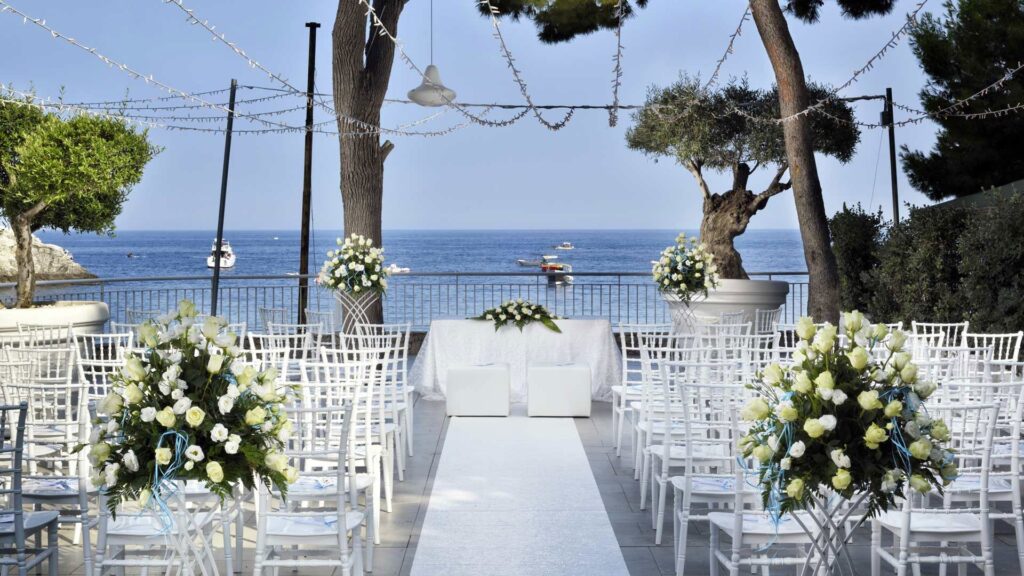 Photo: La Plage Resort
Taormina
A Greek theatre facing Etna, on a ridge above the Ionian Sea.
Photo: La Plage Resort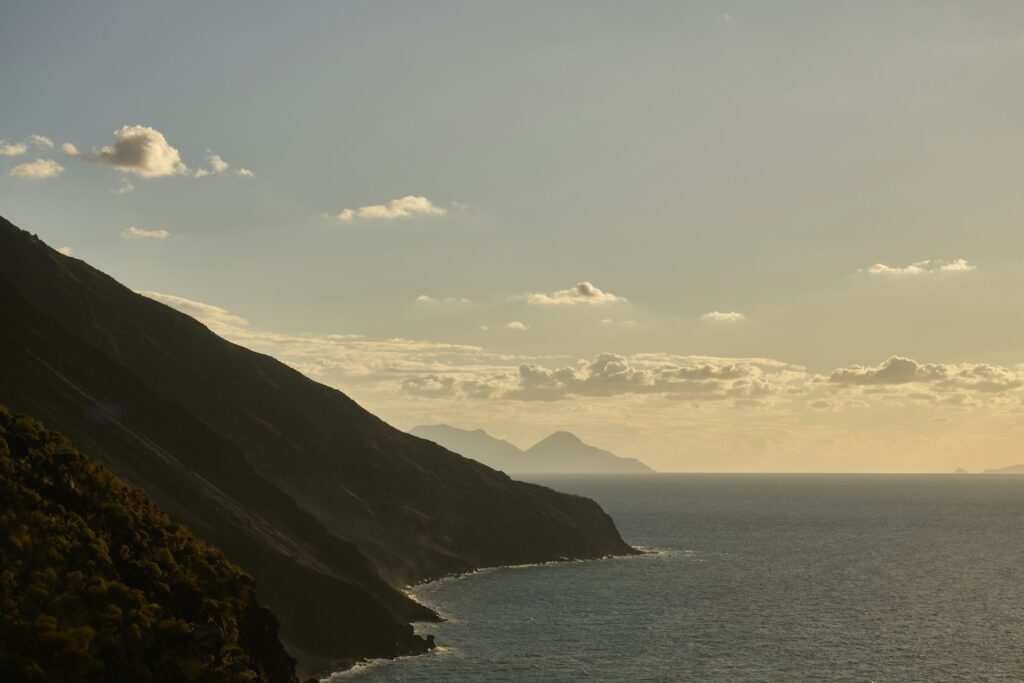
Aeolian Islands
A volcanic archipelago off the north coast of Sicily, reached by hydrofoil and ferry.
Not sure which destination suits you? .
On the map
Where the guides are
Each marker is one guide. Tap a marker to read a line about it and open the guide.
Choosing where to marry
Which Italy suits you
For lakes and mountains
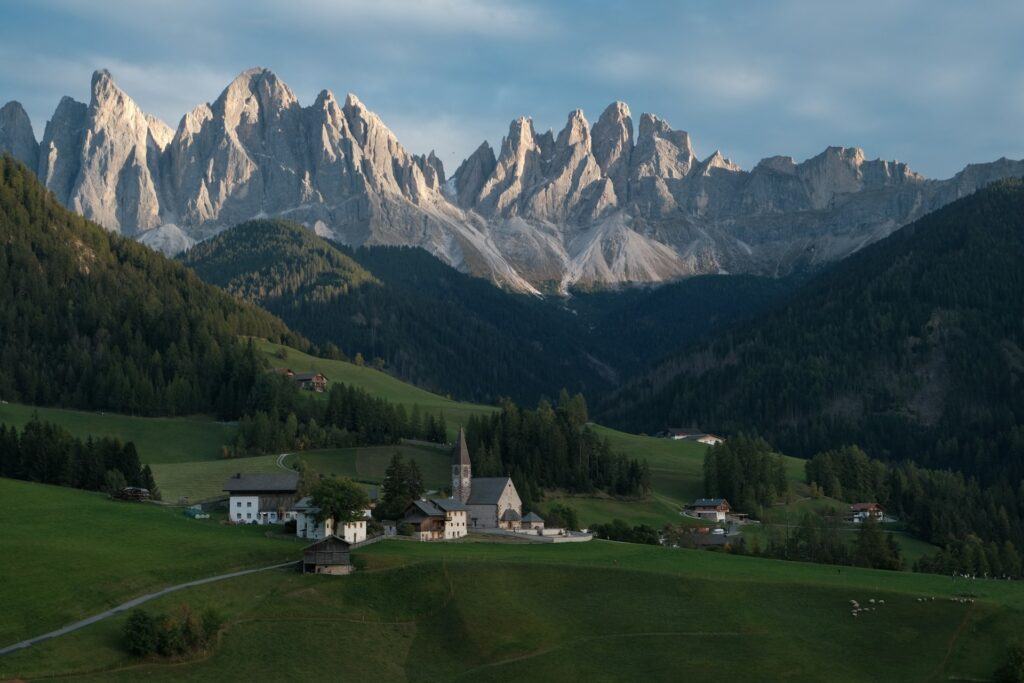
Lombardy holds Lake Como, Lake Maggiore and the Franciacorta wine country, with formal garden terraces, cool water light and the Alps along the northern horizon. On Lake Como the shores carry a dense concentration of historic villas, private gardens and grand hotel terraces, and Bellagio sits at the tip of the promontory where the lake divides into two branches, with views in three directions across the water. The Dolomites are a UNESCO World Heritage landscape of pale limestone peaks above green alpine valleys, a backdrop found nowhere else in Italy.
For the Ligurian coast
Liguria is a narrow coastal strip between the Alps and the Mediterranean, where villages perch on cliffs and gardens are terraced above the water. Portofino is a small harbour village reached only by boat or on foot, with coloured houses round the piazzetta and yachts at anchor. The Cinque Terre are five medieval fishing villages on a near-vertical coast above the Ligurian Sea, reached by train, boat or on foot.
For hills, vines and olive groves
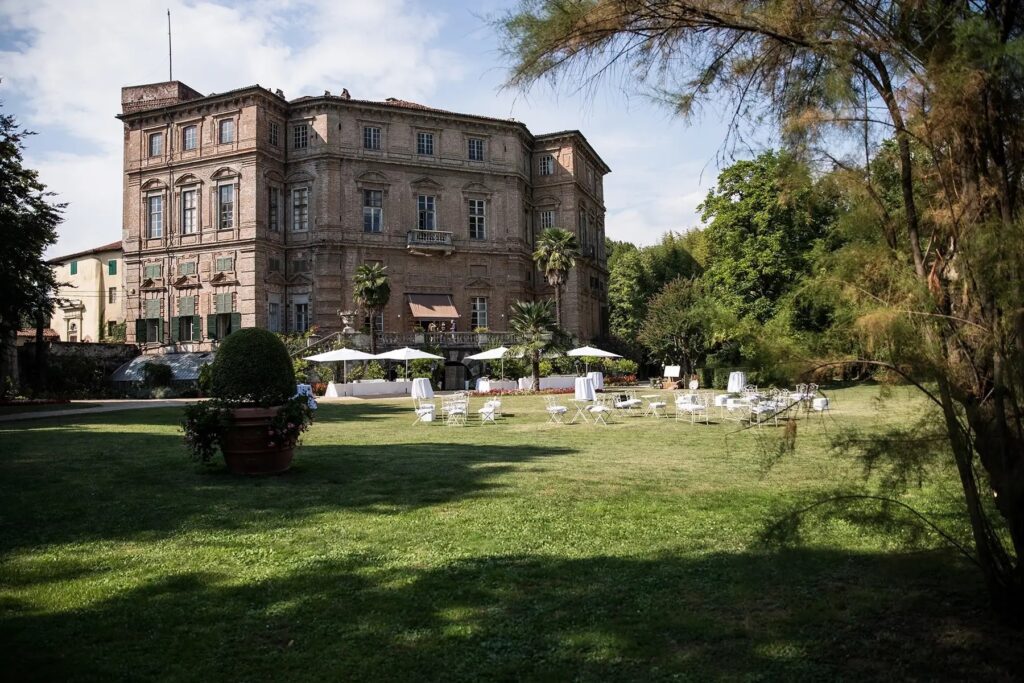
Tuscany is architectural and agricultural, with cypress avenues, hillside estates, medieval villages and the light that photographers come to work in. Umbria is greener and quieter than its neighbour, a region of rolling hills, oak woodland and medieval hilltop towns. Piedmont is a wine and food region that the international wedding market has only begun to find, with the Langhe hills, Savoy royal palaces in Turin and white truffle territory around Alba.
For palazzi, villas and the water city
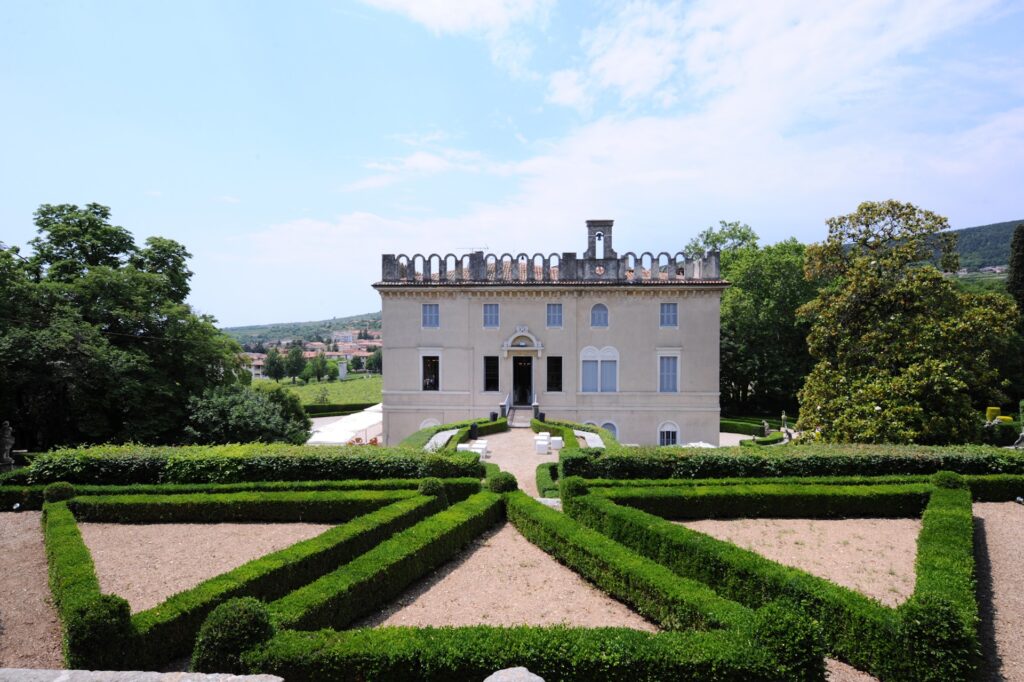
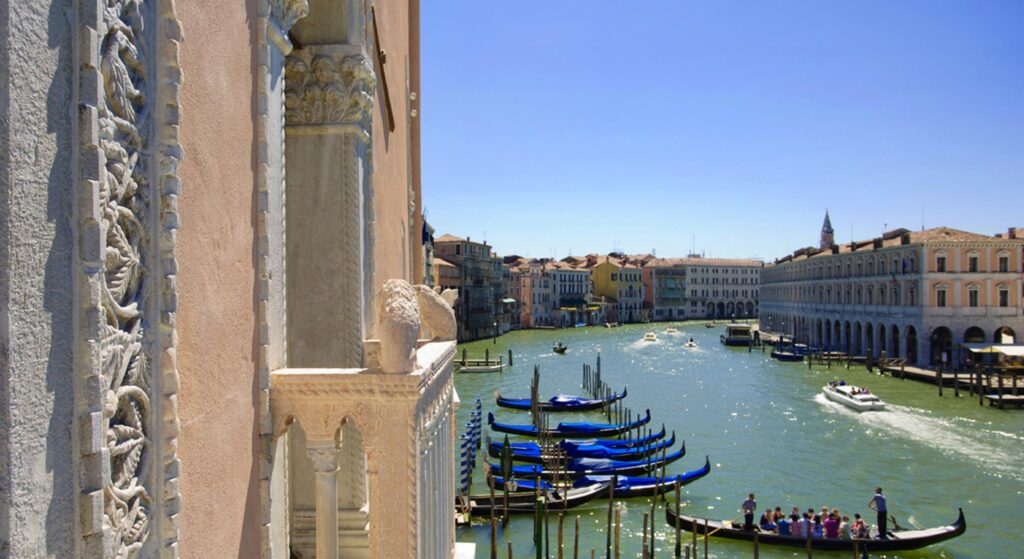
Rome ranges from grand to intimate, with ceremonies in sixteenth-century palazzi and receptions in courtyards where ivy climbs old walls. Venice has no roads, and Gothic and baroque architecture is packed onto a walkable island with water present at every turn. The Veneto holds the work of Palladio, among them the Villa Rotonda, Villa Barbaro and Villa Emo, and the walls and palaces the Venetian Republic left in towns from Verona to Belluno.
For the south and the Bay of Naples
Campania holds the Amalfi Coast and much more besides, including the Sorrento Peninsula, the Bay of Naples, Capri, Ischia, Pompeii and Paestum. The Amalfi Coast is a UNESCO World Heritage site of cliff-face towns and terraced lemon groves above the sea, and a wedding there has to be planned around the terrain. Ischia is larger than Capri and less known abroad, with thermal springs, an ancient castle and fishing villages. Puglia sets fortified farmhouses among old olive groves beside whitewashed hill towns, Lecce is built of pale golden limestone and is the centre of Salentine baroque, and Calabria, at the toe of Italy, is one of the least visited regions, which suits couples who want privacy.
For islands
Sicily is large enough to hold several different settings, so a wedding there is planned around one part of the island rather than the whole. Taormina sits on a ridge above the Ionian Sea, and its Greek theatre is placed so that Etna fills the backdrop. The Aeolian Islands are seven volcanic islands off the north coast of Sicily and make one of the most remote wedding destinations in Italy. Sardinia combines granite boulders, turquoise water and white sand with a hospitality sector built for yachting and resort guests.
Planning
Wedding costs and planning by destination
Each guide sets out how to get there and where guests stay. Costs, journeys and places to stay are written up for Tuscany and the Amalfi Coast; the links below are grouped by the destination they describe.
Tuscany
Tuscany is the most requested wedding region in Italy.
Amalfi Coast
The Amalfi Coast is a UNESCO World Heritage site, and every part of a wedding there is planned around the terrain.
- CostsAmalfi Coast wedding costs: what venues publish and what to add
- Getting thereGetting to the Amalfi Coast for a wedding: flights, trains, ferries
- Where guests stayWhere guests stay for a wedding on the Amalfi Coast: venues with rooms and hotels
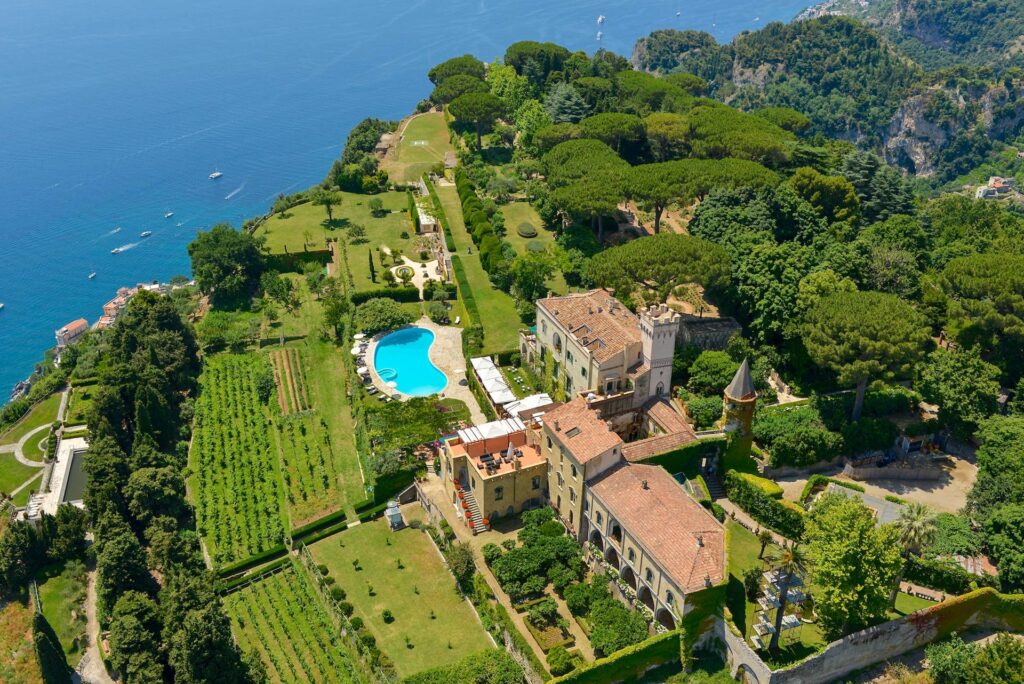
- From The 5 Star EditVilla Cimbrone: An English Garden Above the Amalfi Coast
Questions couples ask
Before you decide
How does Umbria compare with Tuscany as a wedding destination?
Umbria is less visited and more forested, with a more intimate landscape. Couples who want the quality of a Tuscan wedding with less crowding often choose it.
Can a Veneto villa wedding be combined with Venice?
Yes. A pre-wedding stay or a honeymoon in Venice is easily added to a Veneto estate itinerary, and Venice Marco Polo airport serves both. A planner can coordinate the estate and the Venice accommodation together.
How do wedding guests get around Lake Como?
By water. The lake roads are narrow and slow in summer, so private water taxis, small ferries and chartered boats are the standard method. Most premium venues have private jetties, and a planned boat schedule is as important as any other part of the logistics.
Is boat travel normal for wedding guests on the Amalfi Coast?
For most wedding parties boat transfers are the main transport in summer, because the road is too slow for group movements. Boats run between Positano, Amalfi, Ravello and Salerno, and many planners build the boat programme into the itinerary.
What is a masseria, and why is it the main venue type in Puglia?
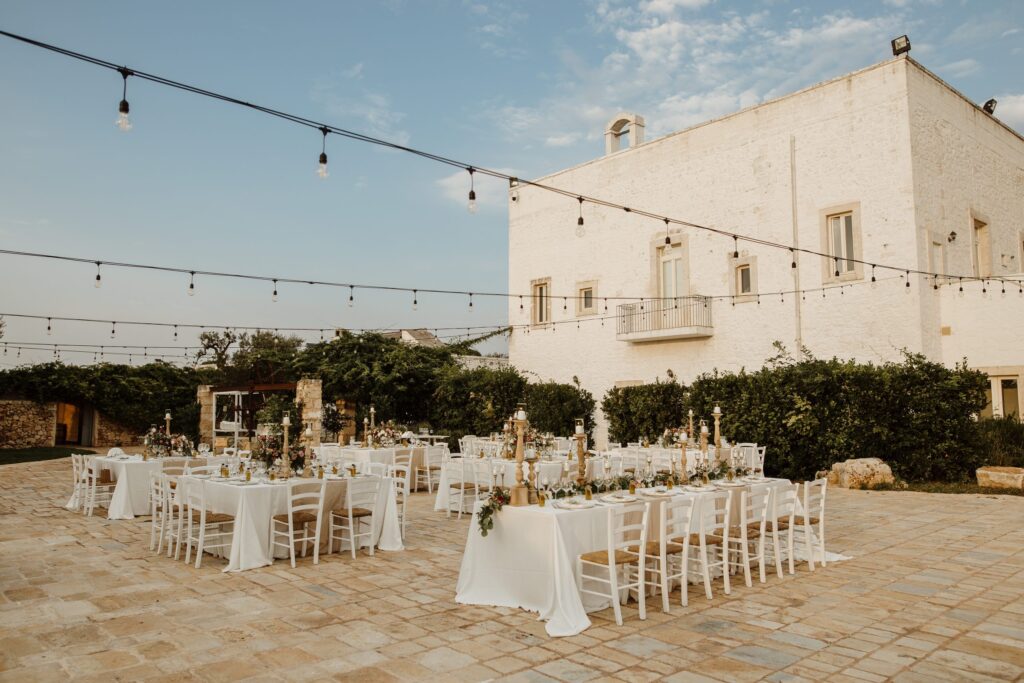
A masseria is a fortified farm estate, built in the medieval and early modern period to protect workers and livestock from coastal raids. The thick stone walls, enclosed courtyards and farm setting now suit weddings. Most premium masserie include exclusive use, accommodation, private ceremony and reception spaces and a resident team.
Which side of Sicily suits a wedding better, east or west?
The east, around Taormina, Catania and the Val di Noto, has the most established wedding venues and the best air connections through Catania. The west, around Palermo and Trapani, has coastal venues that are less visited and more local in character.
The venues
A glimpse of venues across Italy
Meet Aura
Your wedding planning companion for Italy
Ask Aura about wedding destinations, venues and planning possibilities across Italy, drawing on the information available through 5 Star Weddings.
The directory
Ready to look at venues and people?
The guides help you choose where. The destination page lists the venues and wedding professionals themselves.