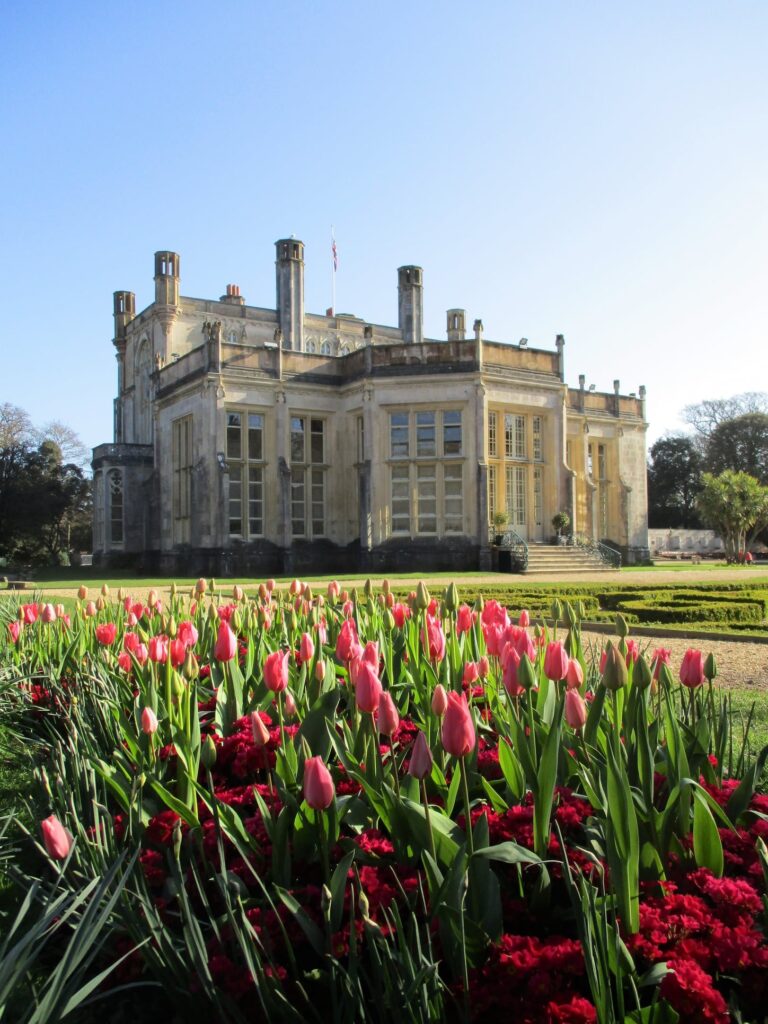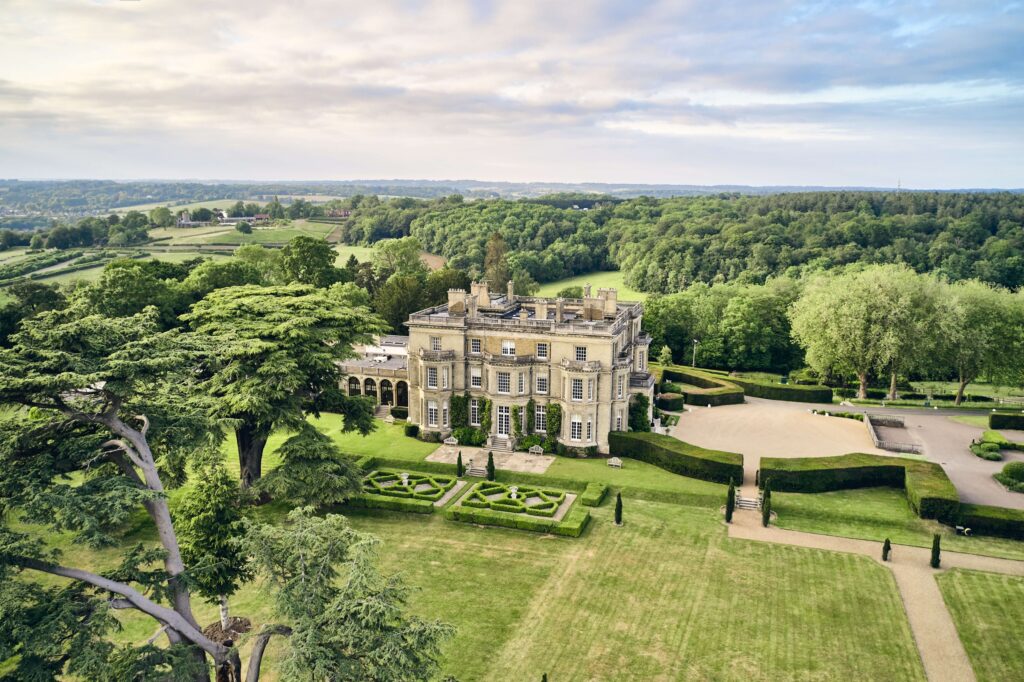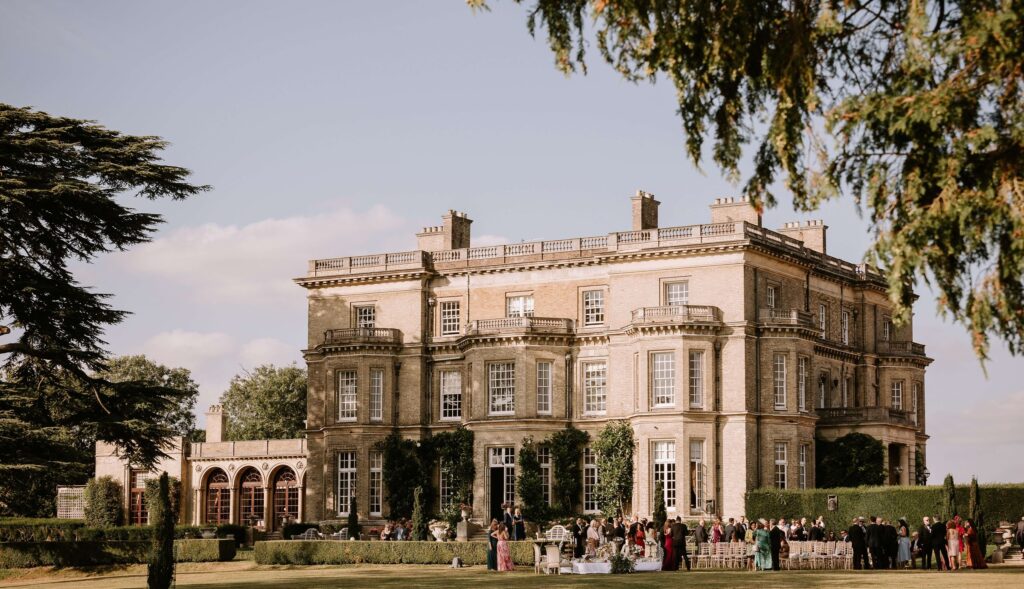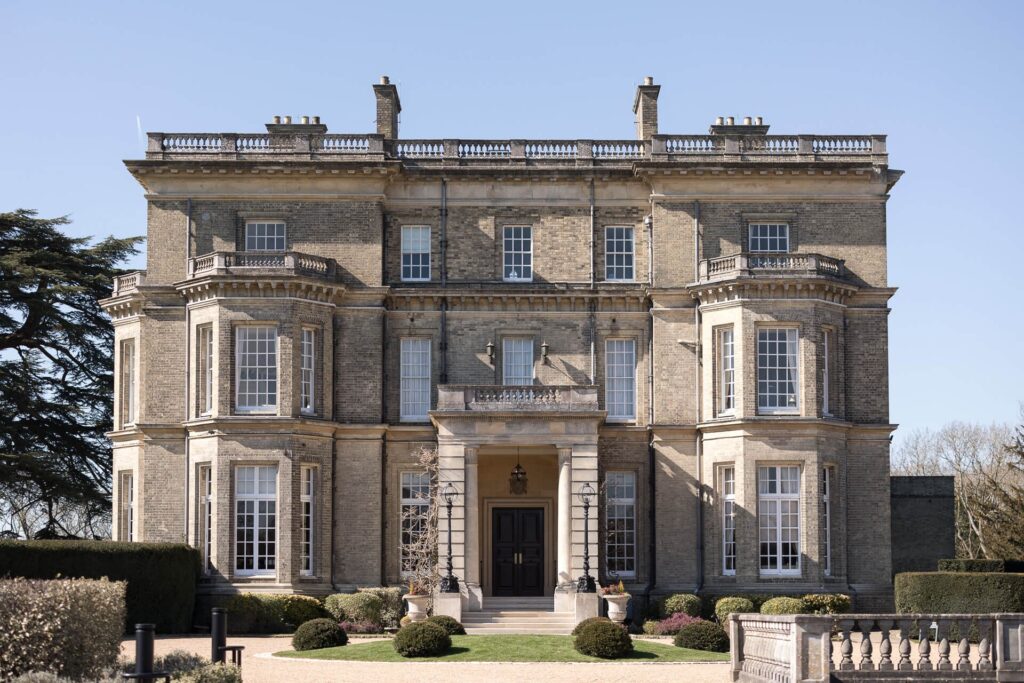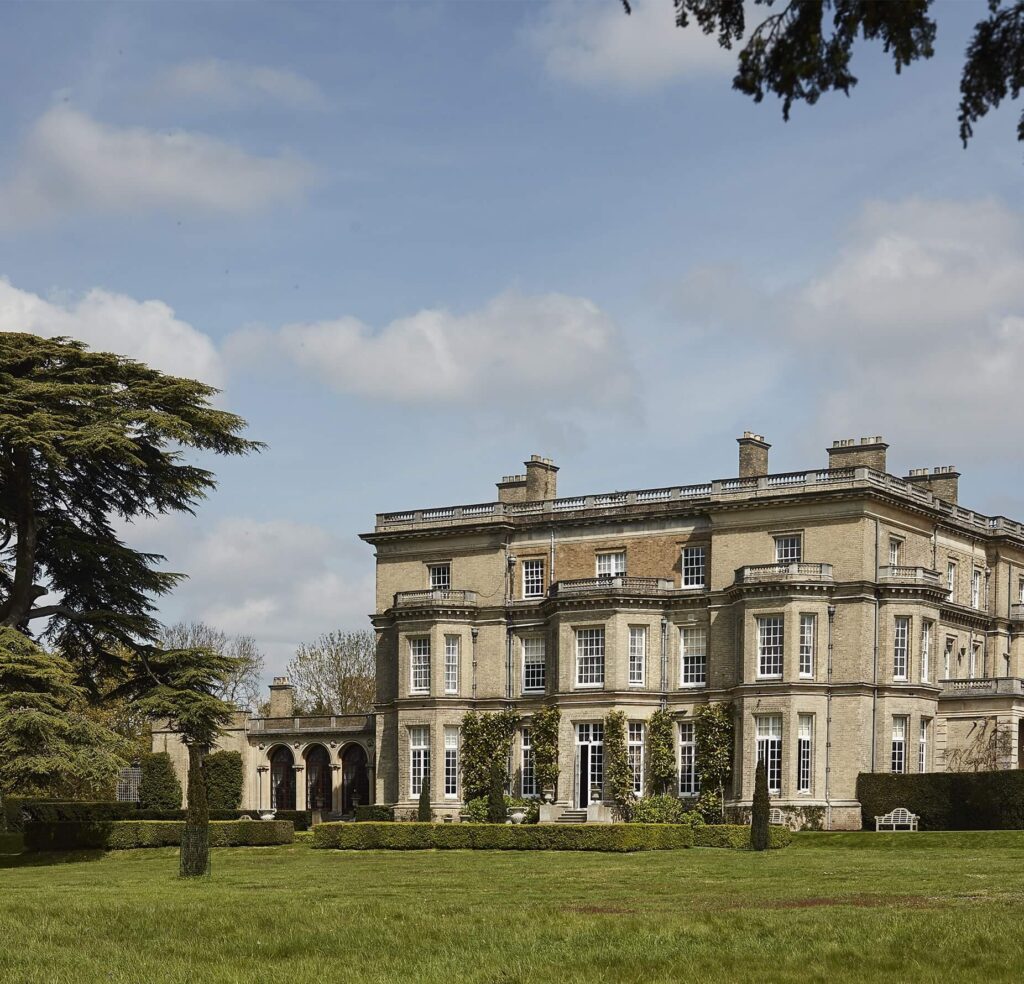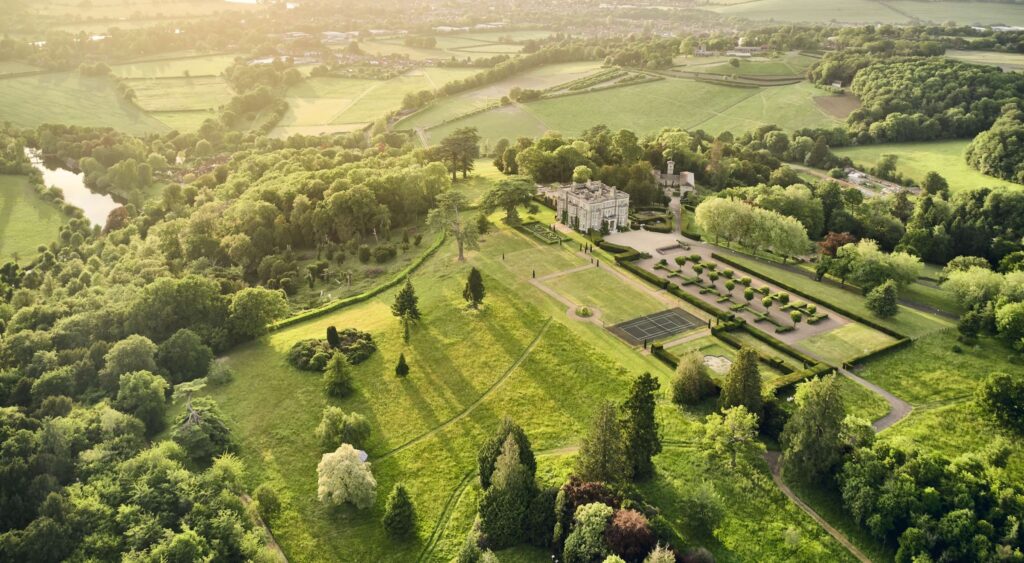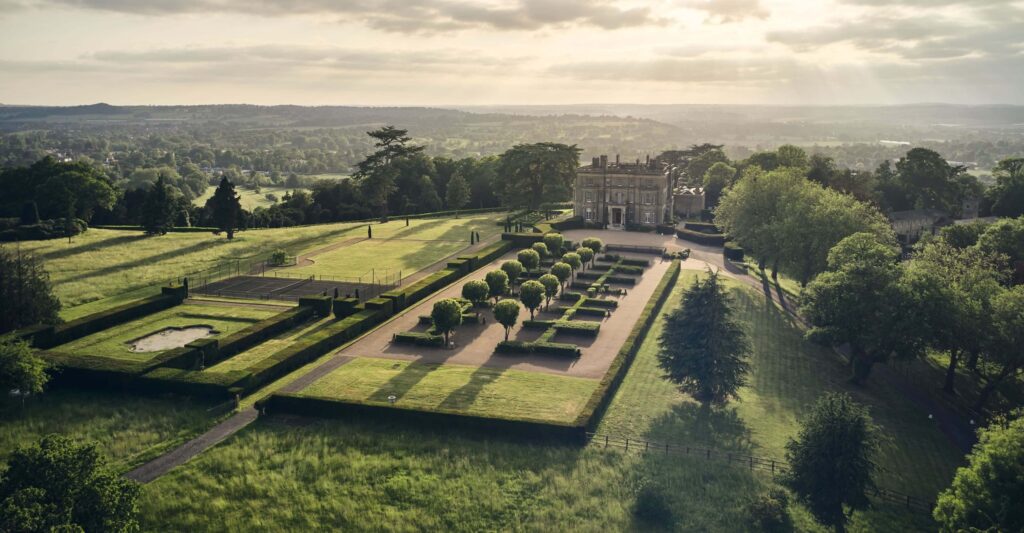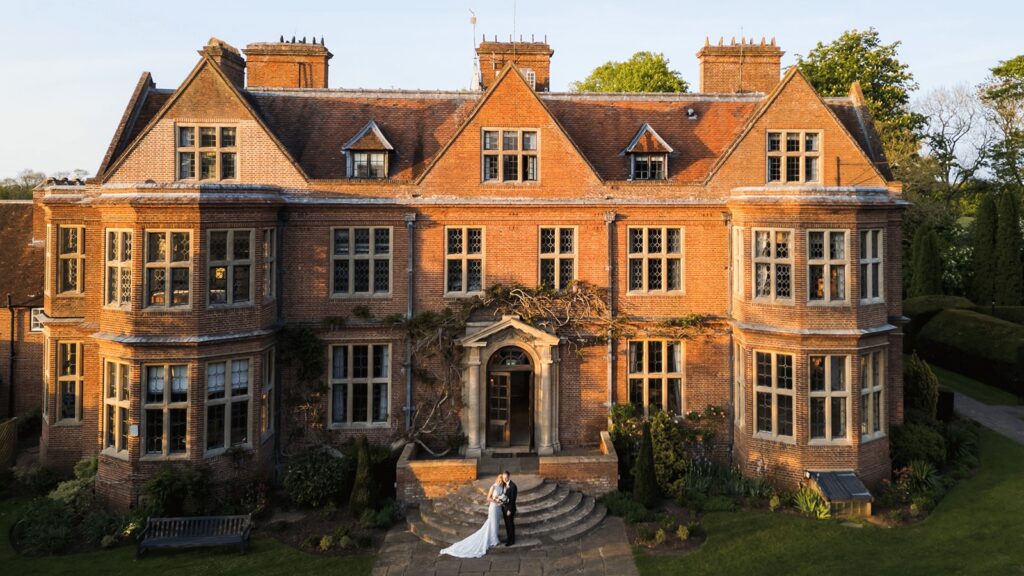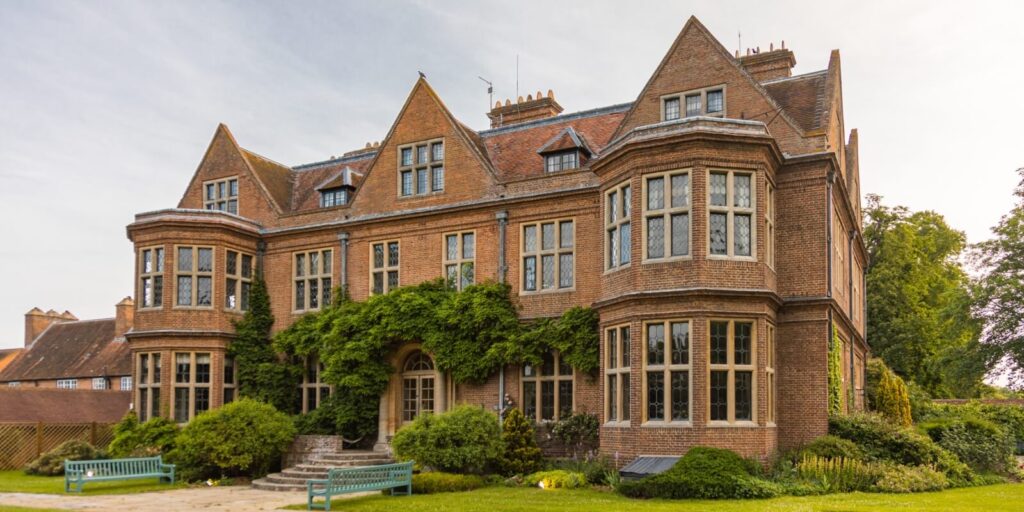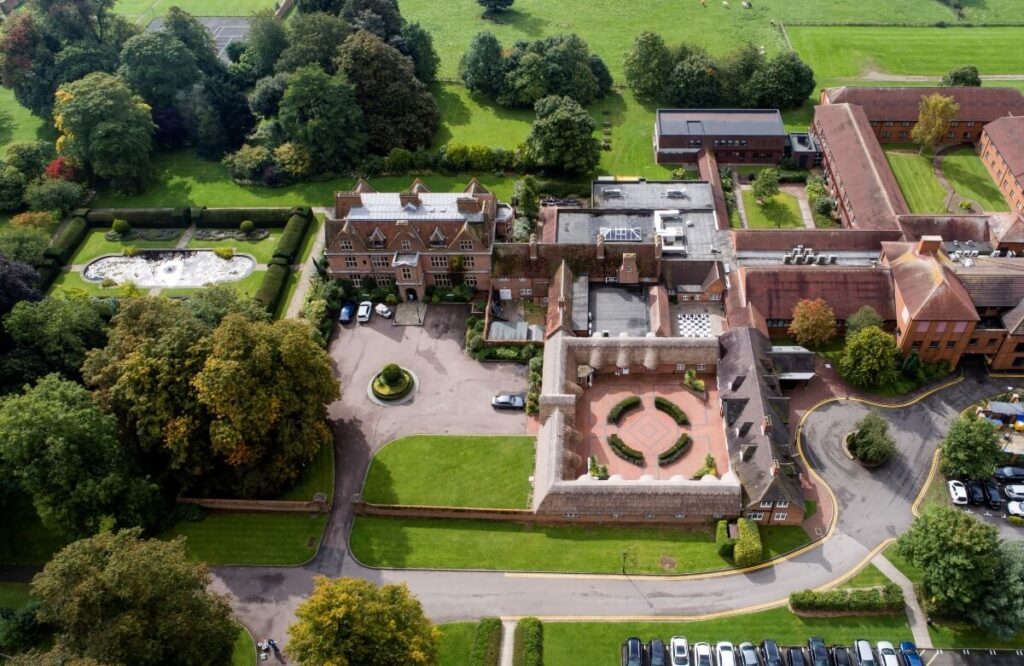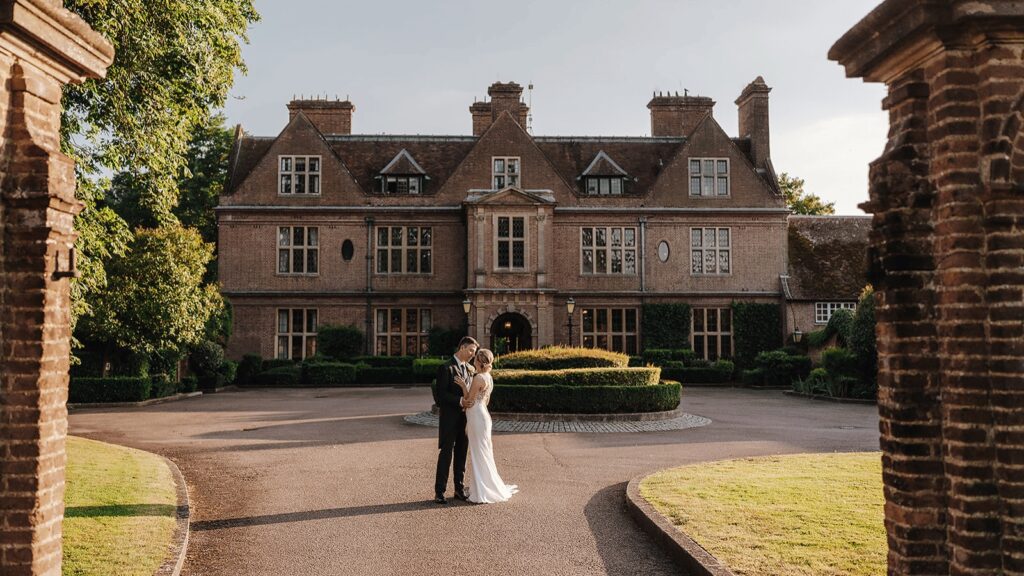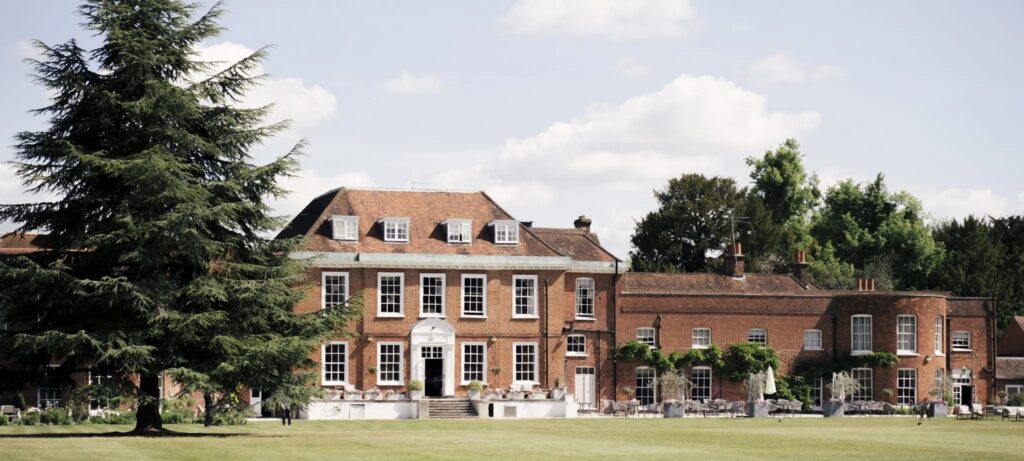
The mansion at Stoke Park was paid for, in large part, by Pennsylvania. John Penn, the soldier, scholar and poet who built most of what stands on the estate today, spent a large share of the £130,000 that the new government of the United States paid for his family’s claim to a plot of land in Pennsylvania, a plot of some 26 million acres. The money crossed the Atlantic and came to rest in Buckinghamshire, in a white house in 300 acres of parkland that still takes its guests up a wide flight of steps.
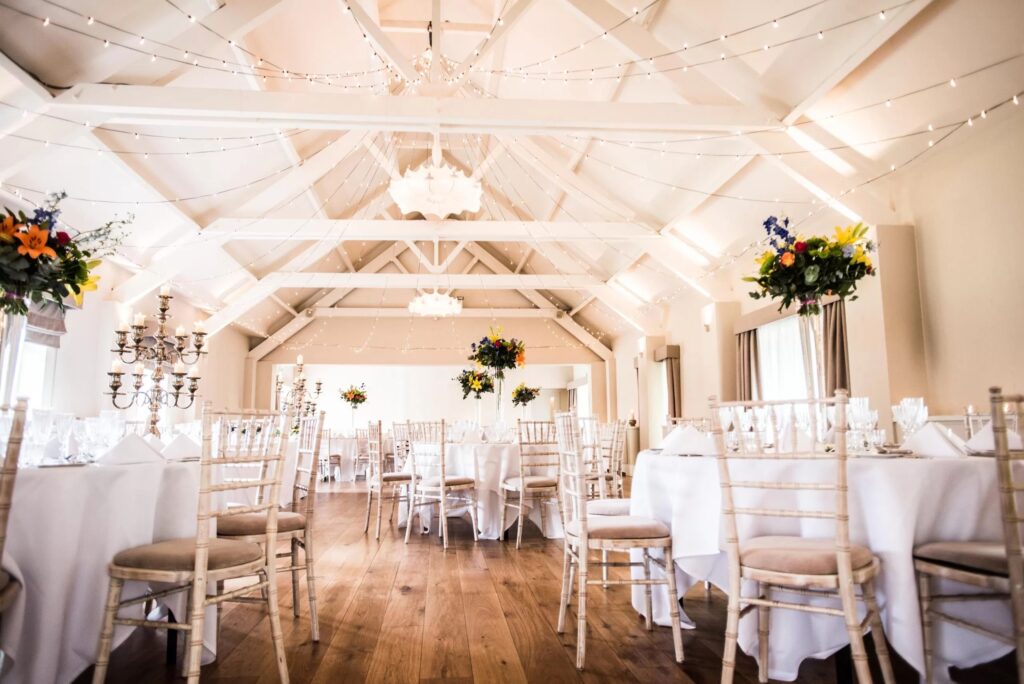
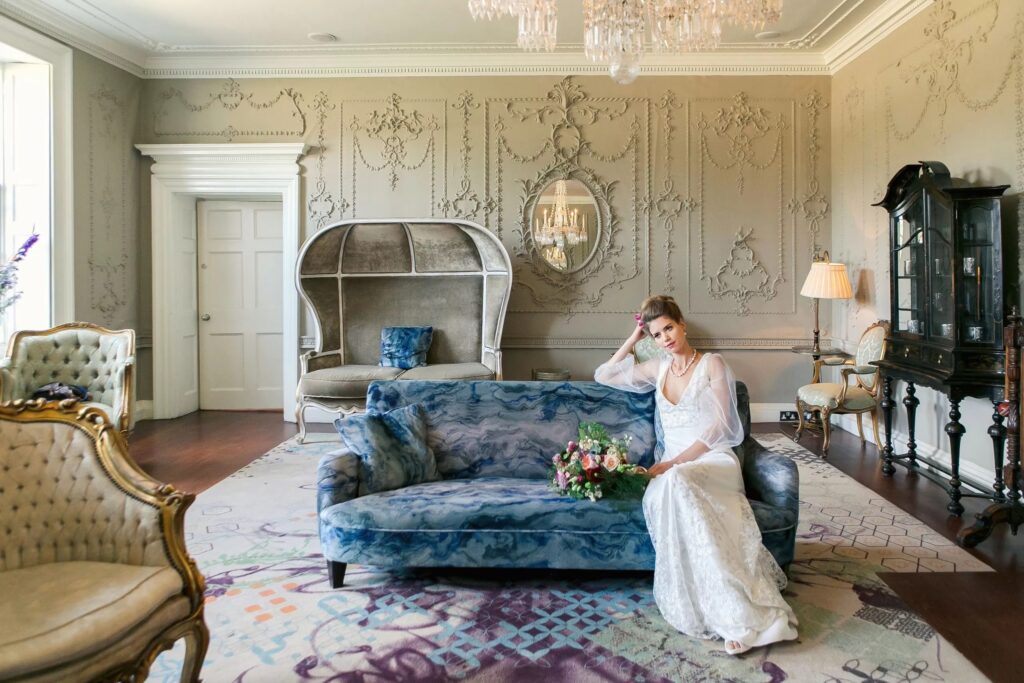
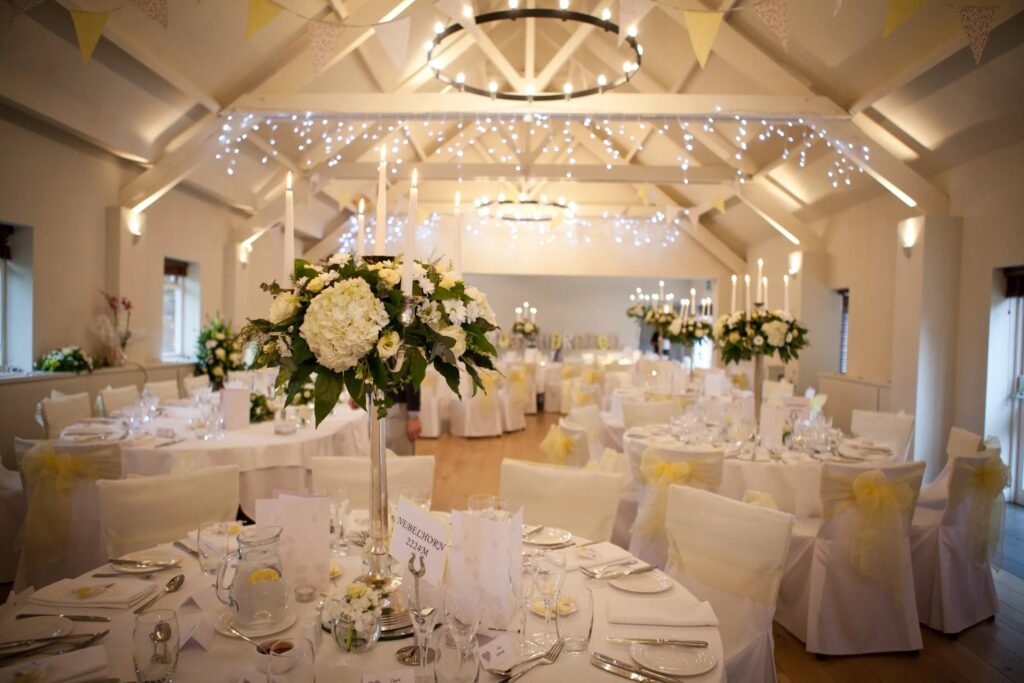
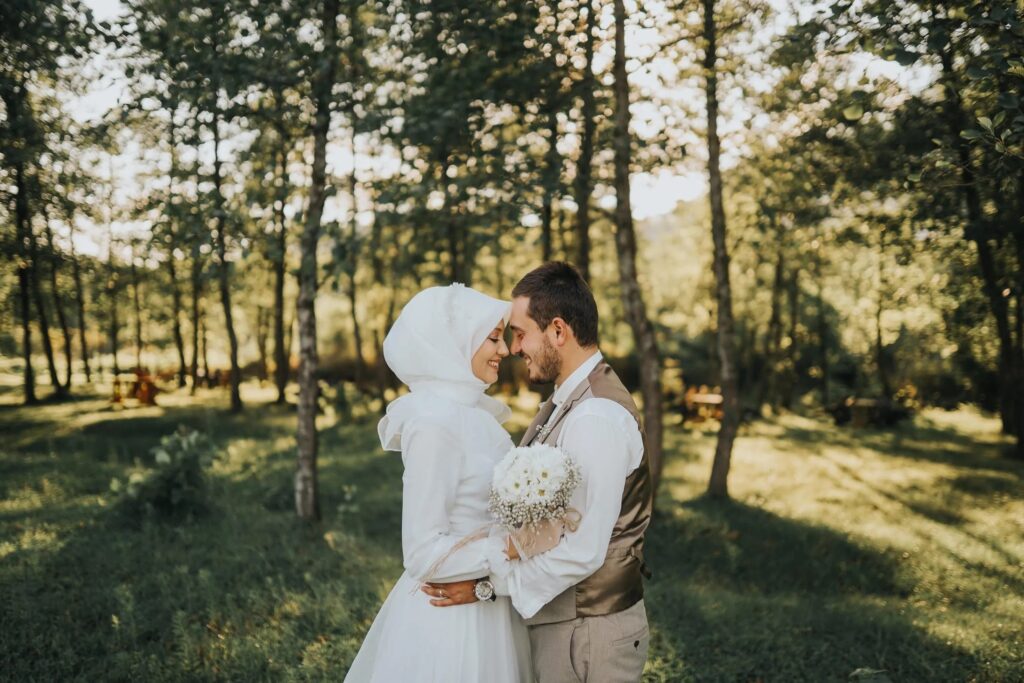
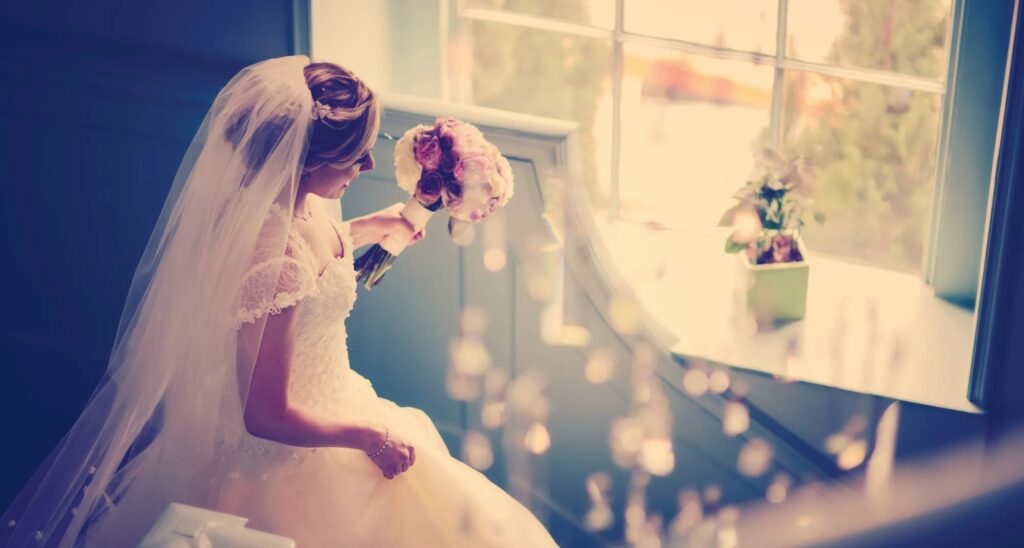
Stoke Park is a hotel and sporting estate at Stoke Poges, 35 minutes from London and seven miles from Heathrow. It offers three licensed rooms and a terrace for ceremonies and receptions, dining for up to 120 guests and 14 acres of private gardens for photographs.

An estate older than the house
The land has a much longer record than the mansion. Its history reaches back to the Domesday Book, and from 1066 it passed down a single line of descent for 515 years. That line ended in 1581, when the estate had to be sold to the Crown to pay the debts of Henry Hastings, the third Earl of Huntingdon. His father, Francis Hastings, who had commanded the army of Henry VIII, had rebuilt the manor house in 1555, and part of that earlier house can still be seen today.
It is a useful corrective to the usual picture of a country house wedding, which tends to begin and end with one famous family. Stoke Park has had many owners, and each left something on the ground.
The house that American money built
John Penn, who lived from 1760 to 1834, is the figure most responsible for the estate’s present character. The mansion was designed by James Wyatt, architect to George III, and was completed in 1788. Wyatt went on working on the house and the monuments in the park between 1790 and 1813, so the grounds were shaped over more than two decades rather than in a single campaign.
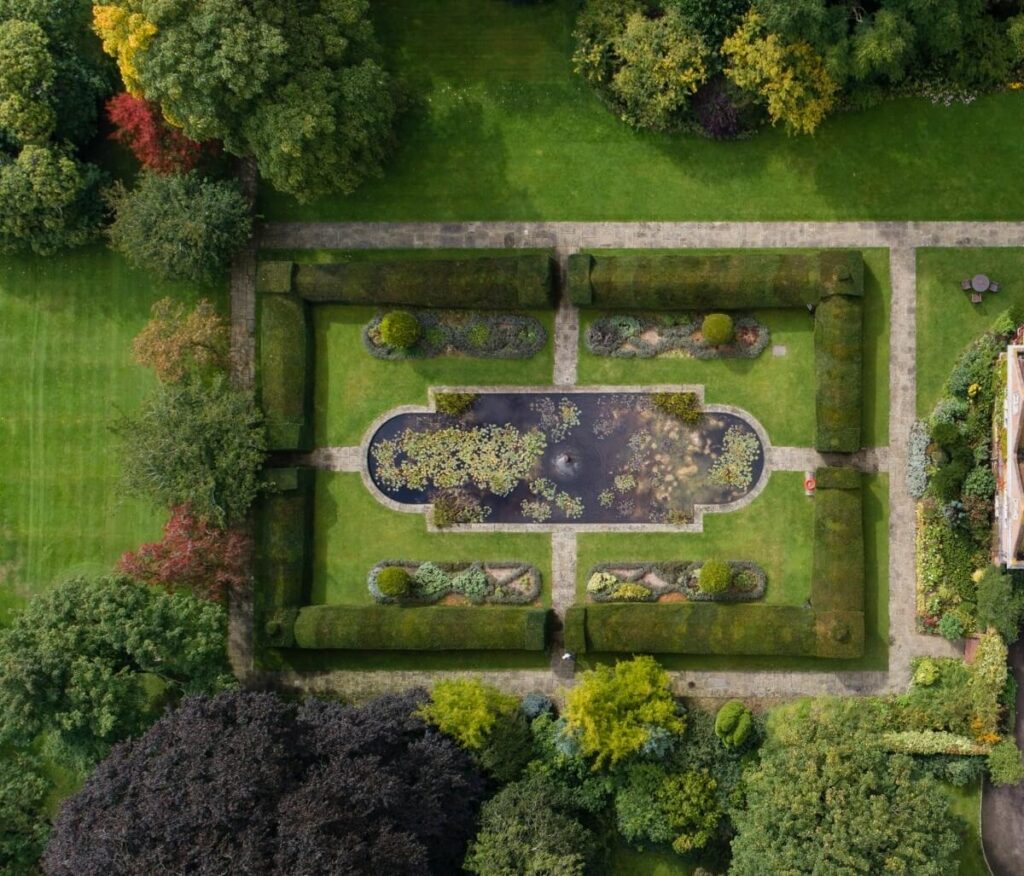
The parkland is the work of two of the great names of eighteenth century landscape design. Lancelot Brown, known as Capability Brown, and Humphry Repton both worked at Stoke Park, and the landscape that can be seen today dates from Repton’s design of 1792. The result is a long view of lawns and trees running down to water, with the white mansion set above it. The estate is listed Grade II on the Register of Historic Parks and Gardens, which means that the setting couples see in their photographs is a protected one.
The architecture has a curious afterlife in Washington. The main building is a Georgian mansion at the centre of its parkland, and the United States Capitol, which was built later, bears some resemblance to it. It is a fitting echo for a house funded from the proceeds of American land.
Britain’s first country club
For its first century the mansion was a private residence. In 1908 it changed purpose. Nick Lane Jackson, known as Pa Jackson and the founder of the Corinthian Sporting Club, bought the estate and turned it into the first country club in the United Kingdom. One of his first moves was to commission Harry Colt, the celebrated amateur golfer and course architect, to lay out a golf course. The course, the tennis courts and the conversion of the mansion were all completed within eight months.
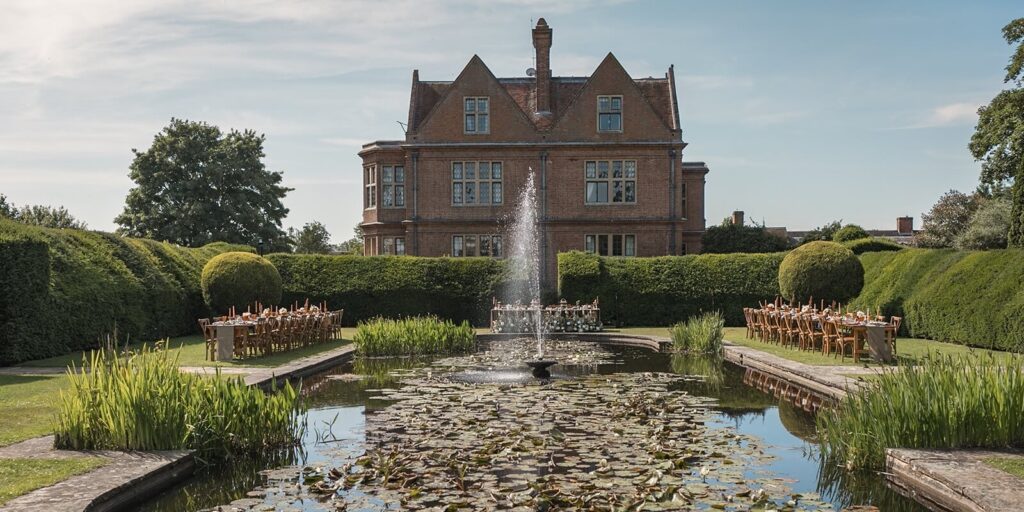
The new club had an impressive list of patrons. Its first president was Prince Albert of Schleswig-Holstein, and the committee included Lord Chesterfield, Lord Kinnoull and Lord Decies. In 1910 the golf writer Bernard Darwin described the clubhouse as a dazzling vision of white stone, steps, terraces and cupolas, with a lake in front and imposing trees in every direction, and said that there was far more to do than play golf. Guests could play lawn tennis, bowls or croquet, or sit on the terrace and loaf. That description still fits a weekend at Stoke Park, which is why the estate has always suited a wedding that lasts longer than an afternoon.
The estate on screen
Stoke Park has been the backdrop to a long list of films, and a few of them are worth knowing about before a visit. The duel between James Bond and Goldfinger in Goldfinger, in 1964, was filmed on the golf course, and the club was used again for Tomorrow Never Dies in 1997. The rowing and mini break scenes in Bridget Jones’s Diary, in 2001, were filmed in the mansion, on the lakes and in the Pennsylvania Suite, which is named for the family behind the house. The ending of Layer Cake, in 2004, was filmed on the mansion steps.
It is a reminder that the house photographs unusually well, and that the steps, the lake and the lawns are already familiar to anyone who has seen those films. A couple who plan a wedding here will find that the setting has a cinematic quality before a photographer arrives.
The rooms for a celebration
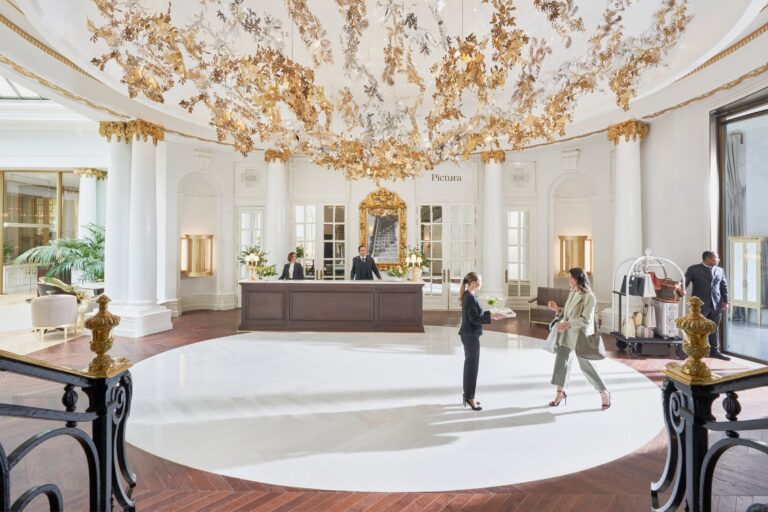
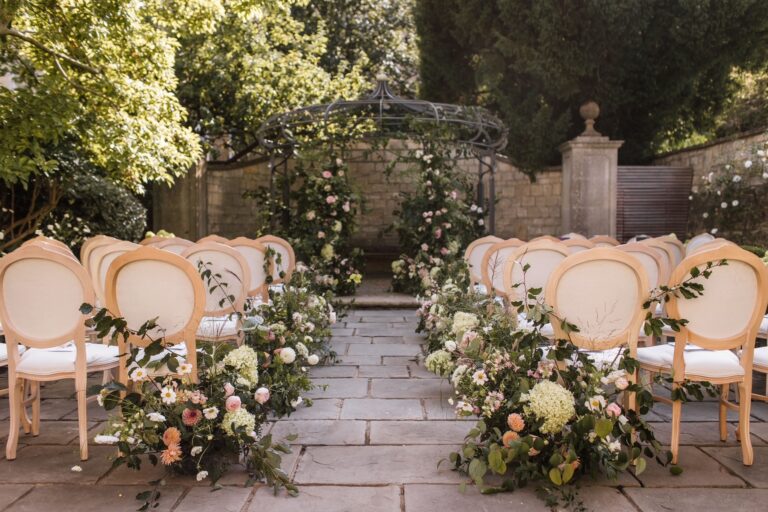
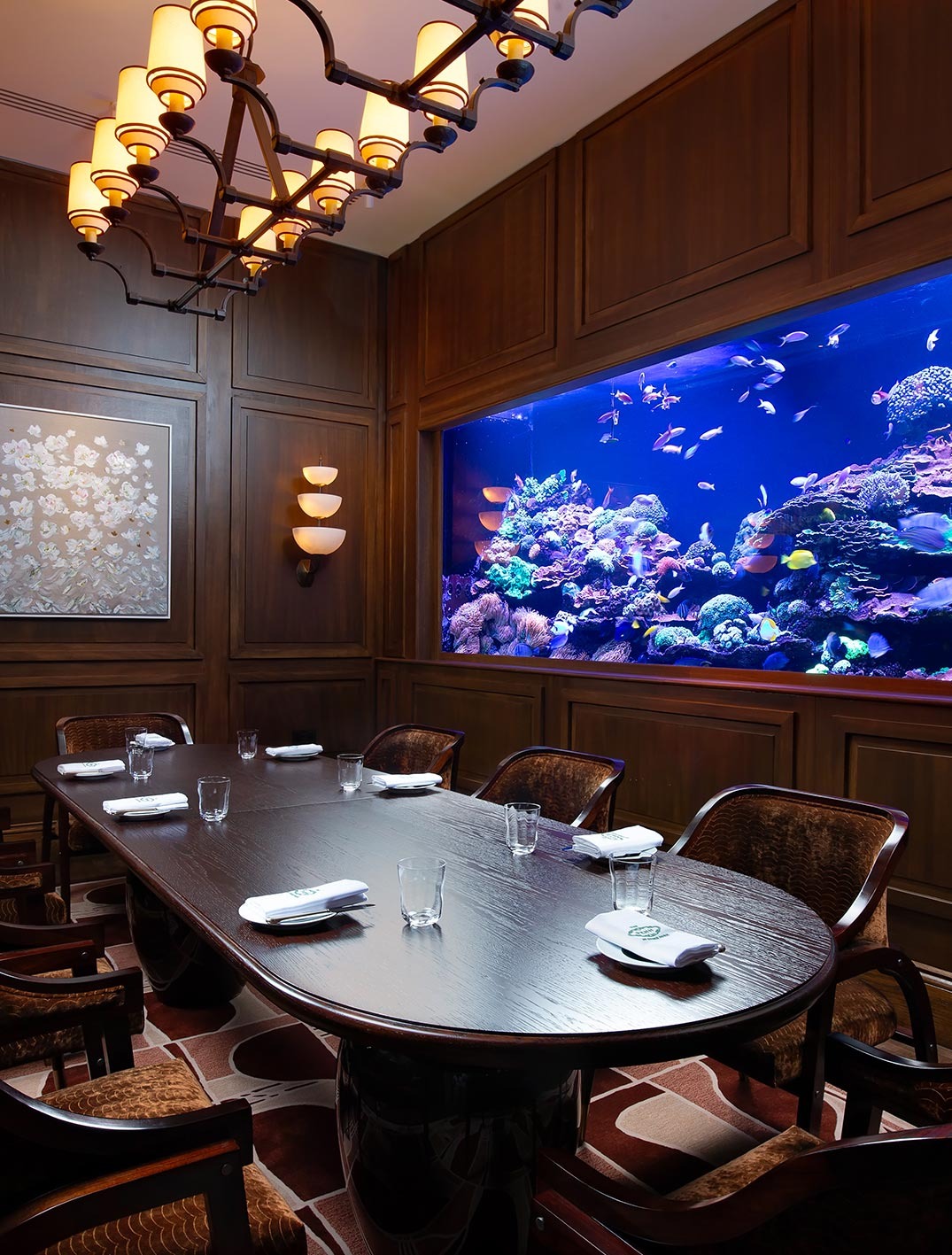
The estate offers three licensed rooms and the Southern Terrace for ceremonies, civil partnerships and receptions, and its dining rooms seat up to 120 guests. That figure is the dining capacity, so it is the number to use when planning a seated wedding breakfast. A smaller party can use one of the private dining rooms, and the terrace, which has tables laid under parasols beside a glasshouse, takes the drinks reception and, in good weather, the meal.
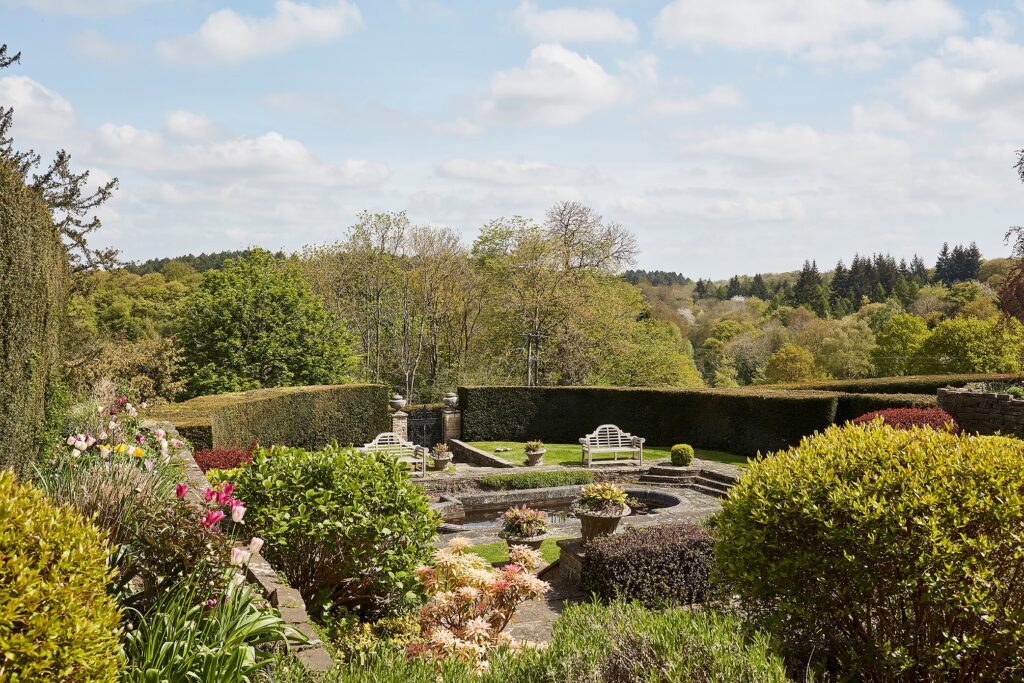
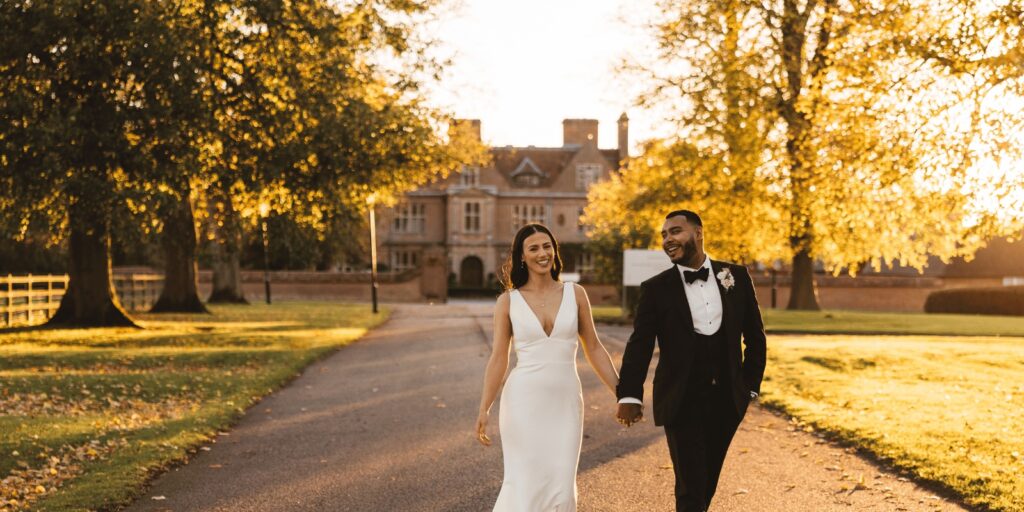
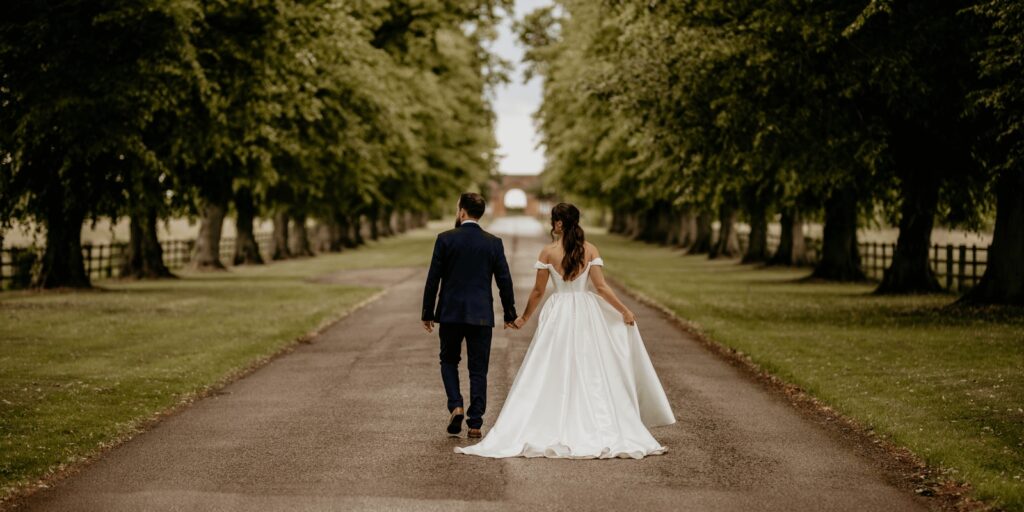
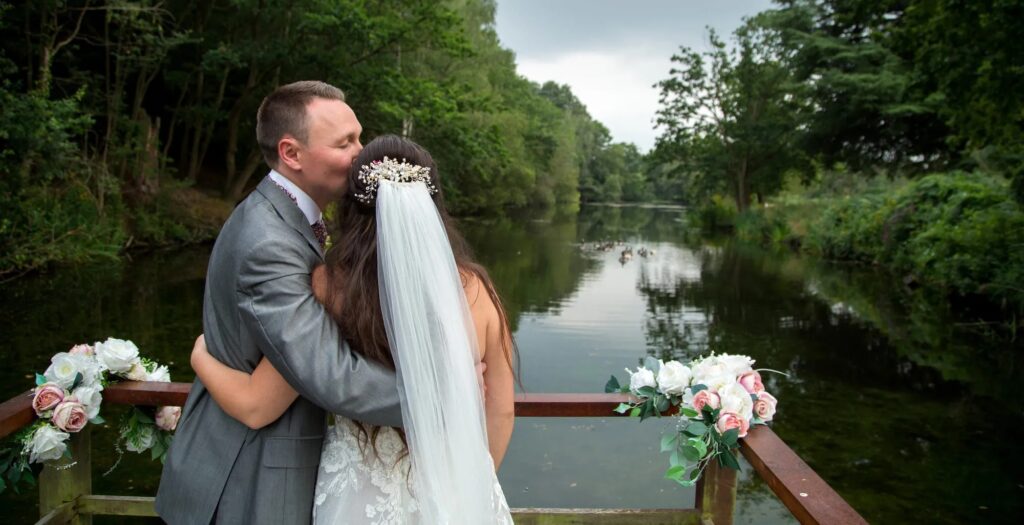
Fourteen acres of private gardens are set aside for photographs, which is a generous allowance. They allow the couple to leave the party for half an hour and walk along the water, the bridge and the lawns without sharing the view with other guests.
A sporting estate
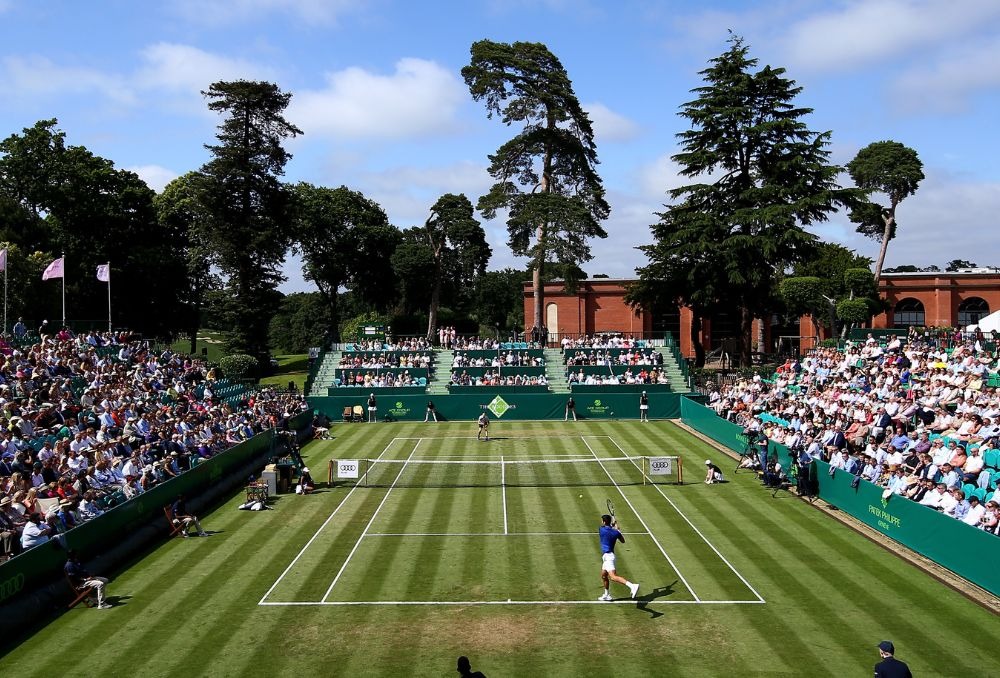
The estate has remained a place for sport. The 27 hole championship golf course designed by Harry Colt opened in July 1909 and drew immediate praise, and it is counted among the top 100 courses in England. It has hosted a series of notable tournaments, among them the News of the World Match Play in 1928 and 1937. A golf academy has been added, and the grass tennis courts host The Boodles, the exhibition tournament held the week before Wimbledon, where leading players in the men’s game have competed since 2002.
For a wedding this means that the guests have something to do. A group that has come from abroad for a long weekend can play golf, watch tennis in June or use the spa, and the estate does not depend on the ceremony to keep a house party occupied.
A new chapter
The estate changed hands in April 2021, when Reliance Industries acquired it, and an extensive programme of restoration followed. A pavilion opened in 2008 holds a spa, a swimming pool and a gym, with bedrooms and suites on the first and second floors. For couples planning a wedding, the change of ownership and the restoration are reasons to ask for current information rather than to rely on older guides. Capacity, rooms and packages should be confirmed with the estate directly.
The journey from London
Stoke Park is about 35 minutes from central London by car and seven miles from Heathrow, which keeps the journey short for guests flying in. The hotel is a five star property and the surrounding countryside is quiet, so guests who stay the night will sleep well and wake up to the lake.
Planning your wedding
The practical questions are the guest number, the room and the season. Couples should ask which of the three licensed rooms is free on their date, whether the Southern Terrace can be used for the ceremony and the drinks, and how the 14 acres of gardens are managed during the reception. They should also ask how the estate handles golf and tennis events, since The Boodles falls in June and the course is in regular use, and what accommodation is held for the wedding party.
Wedding pricing is given on request, so it is worth asking for a full quotation early and comparing it with a tour of the house and grounds.
A house with a story to tell
Stoke Park suits couples who want a wedding on a grand scale without a stiff formality, in a house with a layered history and a landscape designed by two of the greatest names in English gardening. It works for a long weekend, with golf, tennis and the spa for the guests who are not at the table.
See the Stoke Park profile, read the Stoke Park issue of the magazine or browse wedding venues in the United Kingdom. When you are ready, Check your date.