
Getting Married in Charleston & the Low Country
Plantation houses, live oaks hung with Spanish moss and the waterways of the South Carolina coast. Charleston draws couples with antebellum architecture, working plantation houses and a live oak canopy that lines the roads of the Low Country. Together they form a visual language of their own, pairing historic grandeur with a subtropical landscape.
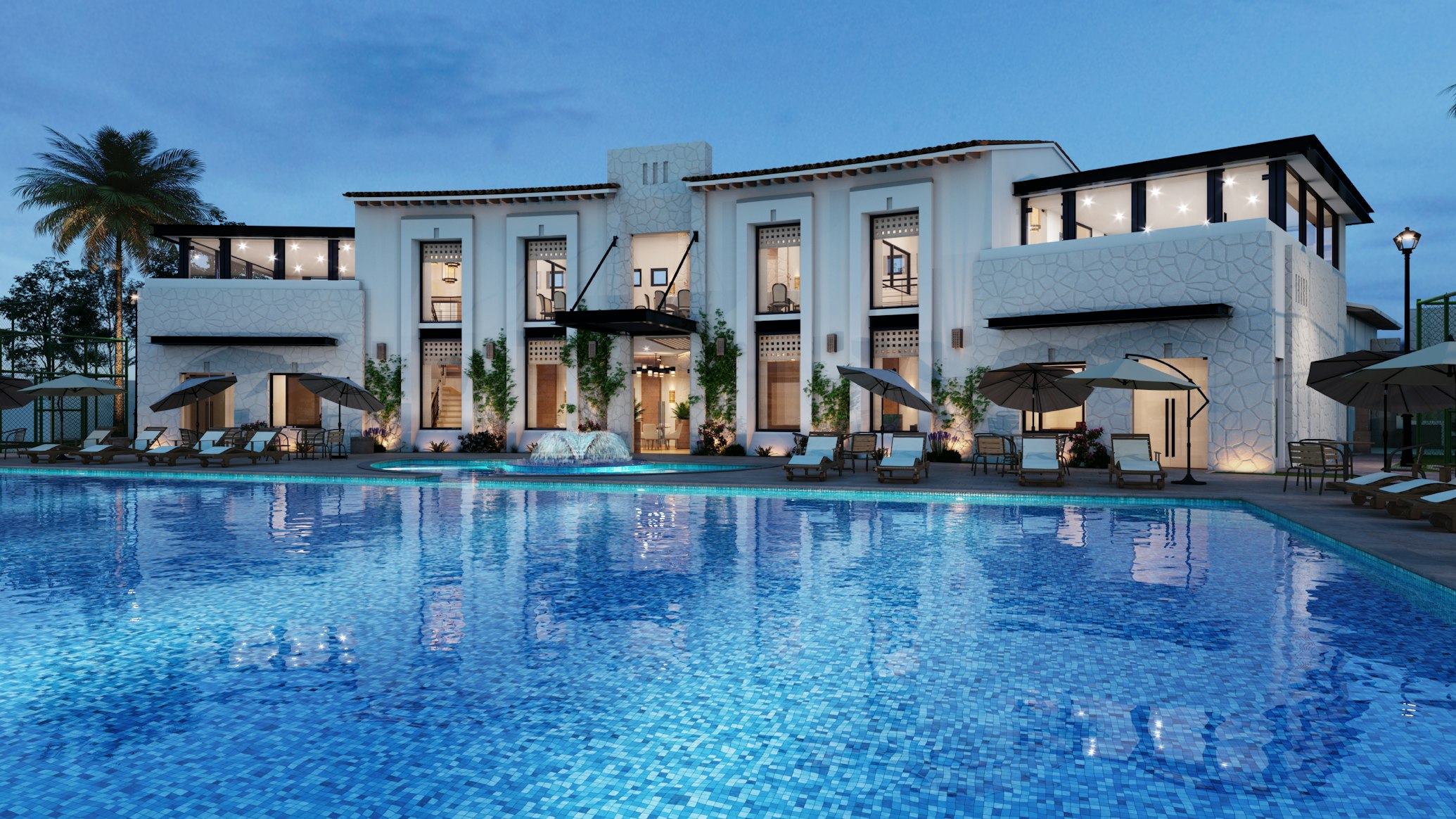
Plantation houses, live oaks hung with Spanish moss and the waterways of the South Carolina coast
The plantation wedding is the defining format. Properties such as Lowndes Grove (1786, on the waterfront), Middleton Place (1741, with landscaped gardens) and Boone Hall Plantation (the Avenue of Oaks) offer ceremony and reception settings that read as historic rather than themed.
Kiawah Island lies south of the city and adds a resort dimension, with ceremony lawns and a private beach at the resort there. Its subtropical character differs from the formal city but shares the same coastal light.
Food adds to the offer. Gullah Geechee culinary heritage, local seafood and a newer generation of serious chefs mean wedding catering is regionally distinctive and strong.
Where to Get Married in Charleston & the Low Country
Historic Charleston
The downtown peninsula, with cobblestone streets, antebellum row houses and the Battery. It is walkable and visually consistent, and works as a base for city weddings.
The Plantation Belt
The Route 61 corridor west of the city, including Middleton Place and Magnolia Plantation. It is the heart of the plantation wedding format.
Kiawah Island
A private barrier island south of the city. A resort anchors the wedding offer, and the island is self-contained, with a subtropical beach character.
Johns Island
Rural, agricultural and more intimate than the plantation belt, with Legare Waring House as the anchor venue. The quieter register suits smaller, less formal celebrations within driving distance of the city.
When to marry, and what to arrange
The season
When to Get Married
Spring and autumn are the best windows. Summer is extremely hot and humid, with afternoon temperatures regularly above 95 degrees and a heat index above 105. Hurricane season runs from June to November, with the most serious storm risk from August to October. Winter is mild and uncrowded, though many outdoor venues are quieter.
Recommended wedding months
March to May and October to November
Peak season is April and May, and the shoulder months are October to November.
Settings, travel and stays
Choosing a Setting
Plantation House Buyout. Full hire of a working plantation property, usually with the main house, grounds and outbuildings. It is the signature Charleston wedding format, offered at properties including Lowndes Grove, Middleton Place and Boone Hall.
Avenue of Oaks Ceremony. Live oak-lined avenues at properties such as Boone Hall and Lowndes Grove make widely photographed ceremony settings. The canopy of Spanish moss forms a natural arch that no installed structure can replicate.
Downtown Historic Mansion. Historic mansions within the Historic District host ceremonies and receptions in the middle of the walkable city.
Resort Grand Wedding. A resort wedding keeps rooms, ceremony and reception together, which makes it the most complete format for logistics in the region.
Getting There
Charleston International Airport (CHS) is a short transfer from downtown and further from Kiawah Island. There are no direct UK flights, so guests connect through New York (JFK, LGA, EWR), Charlotte (CLT), Atlanta (ATL) or Washington (IAD).
Charleston International Airport (CHS). The primary gateway, with frequent connections from major US hubs including Charlotte, Atlanta, New York and Washington. It is close to the Historic District and a longer private car transfer from Kiawah Island.
Charlotte Douglas International Airport (CLT). A long drive away, but with broader direct international service and extensive transatlantic routes, which suits larger groups connecting from Europe.
Where Guests Stay
Charleston has a strong hotel stock in the Historic District. Kiawah Island is self-contained, and plantation venues mostly require guests to stay in the city and transfer.
Kiawah Island resort. A resort with a private beach and several pools, a complete resort wedding destination for larger groups south of the city.
Historic District boutique hotel. A small boutique hotel in the Historic District, with a curated food and cocktail programme. It suits small wedding parties wanting an intimate base.
Downtown design hotel. A mid-century modern hotel downtown with rooftop views, one of the design-led hotels in the city.
Good to know
Food and Drink
The city's food draws on Gullah Geechee culinary heritage, coastal seafood and a serious modern restaurant community. Wedding caterers are regionally distinctive.
Raw bar oysters. Oysters from local beds served at an informal raw bar, with a focused menu that suits rehearsal dinners.
Southern restaurant dining. A Southern restaurant with a private dining room for groups, serving a menu built from Southern-sourced ingredients.
Waterfront seafood. Seafood-led waterfront dining on Sullivan's Island, a short drive from the city and often requested for rehearsal dinners.
Good to Know
Summer heat. A June or July wedding needs serious climate planning, or it can be uncomfortable for guests. Outdoor summer ceremonies are kept short, with misting stations and shaded cocktail space, and evening start times reduce heat exposure.
Hurricane season. Hurricane season peaks from August to October. Wedding insurance covering weather cancellation is strongly recommended for any event from August onwards, and the policy details are checked with the insurer.
Mosquitoes. Mosquitoes are very active across the Low Country from late spring through autumn. Good tent linings and perimeter treatment are needed for outdoor summer and autumn events.
Carriage permits. A horse-drawn carriage through the Historic District is a popular way to arrive at a rehearsal dinner. Permits are required and routes are restricted, so a licensed carriage company is booked far ahead.
Marrying legally and entry rules
The legal requirements for marrying here, and who needs a visa, are being checked and are not published yet. Confirm both with the official authority that will marry you before you book.
Planners, photographers, florists and musicians who work in Charleston & the Low Country
How do the main plantation venues differ?
Lowndes Grove offers full privacy and a waterfront setting, and Middleton Place offers historically significant gardens. The choice depends on guest count, formality, and whether a historic garden or a waterfront setting is the priority.
How do guests get from the airport to Kiawah Island?
It is a drive by private car, longer than the transfer to downtown. The resort provides a shuttle service for guests arriving in groups.
Is Charleston suitable for international guests?
Yes, although no transatlantic flights arrive directly at CHS. Connections through Charlotte, Atlanta or New York are quick and frequent.
When is the best time of year for a Charleston wedding?
Spring and autumn are the best windows. Summer is extremely hot and humid, and hurricane season runs from June to November, with the most serious storm risk from August to October. Winter is mild and uncrowded, though many outdoor venues are quieter.
Where do wedding guests stay in Charleston?
Charleston has a strong hotel stock in the Historic District. Kiawah Island is self-contained, and plantation venues mostly require guests to stay in the city and transfer. The Kiawah Island resort has a private beach and several pools, a complete resort wedding destination for larger groups south of the city.
Meet Aura, Your Wedding Planning Assistant
Describe your dream wedding, from the destination and setting to the number of guests and your budget. Aura will help you discover wedding venues and professionals that match your plans.
More Wedding Destinations
United StatesAspenBig Sur & CarmelLos AngelesAll destinations
How We Compiled This Guide
This guide draws on the venues' own published details, official sources and the knowledge of our editors. Entry and legal information can change, so confirm it with the authority that will marry you before you book.