
Getting Married in Mallorca
A mature Balearic wedding market of fincas, villas and direct UK flights. Mallorca is the most developed wedding destination in Spain and among the most developed in Europe. The island has hosted international couples for two decades, and the result is a deep pool of finca and villa estates, a mature network of local photographers, florists and caterers, and direct scheduled flights to Palma from every major UK airport.
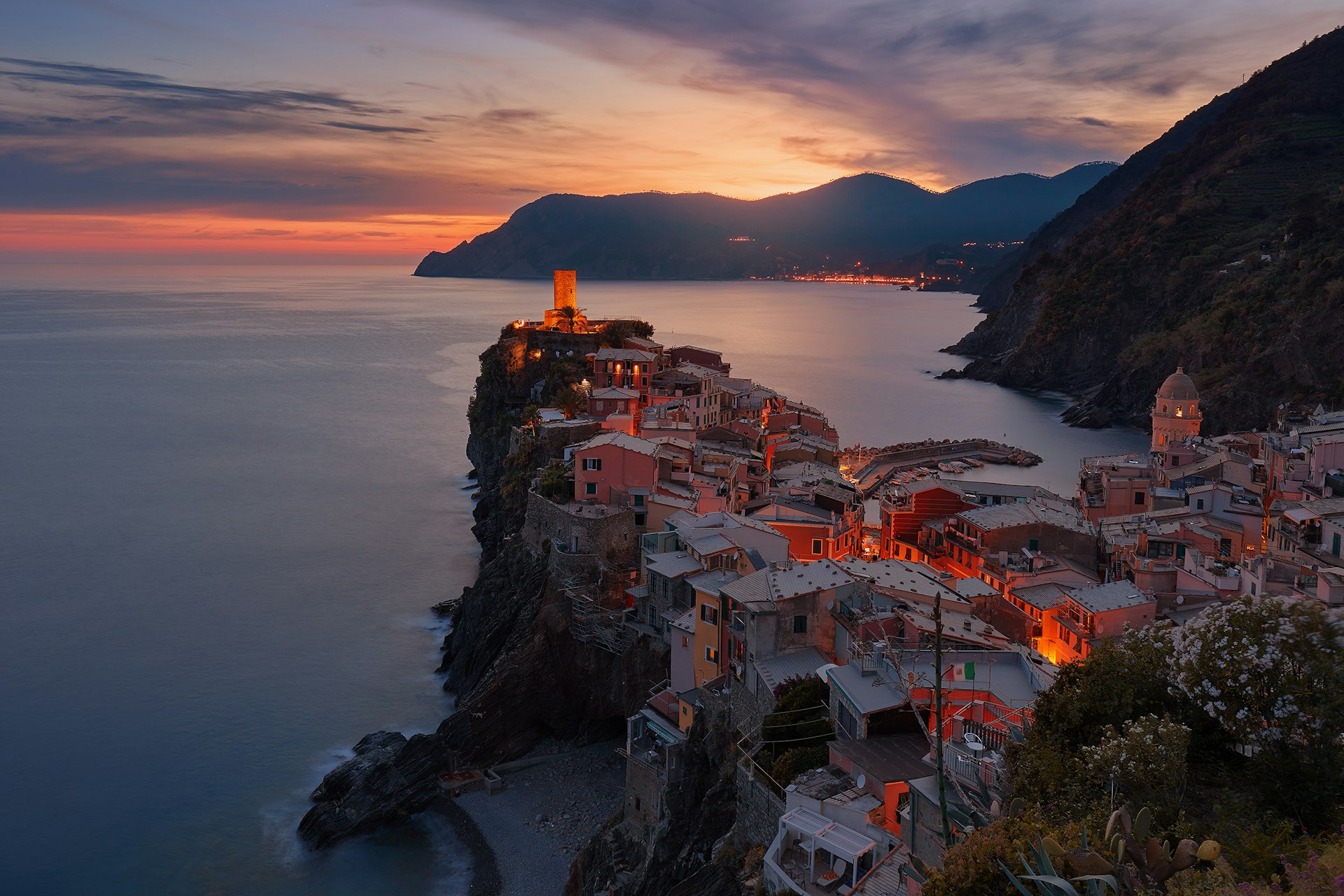
A mature Balearic wedding market of fincas, villas and direct UK flights
The island divides into four wedding geographies. The UNESCO-listed Serra de Tramuntana along the northwest coast holds the most dramatic landscape, with villages such as Deià, Valldemossa and Sóller. The southwest hinterland behind Palma has the most mid-range to premium fincas and villas. The northeast, around Artà and Capdepera, is quieter. The north, around Pollença and Alcúdia, combines beach access with a working town culture.
The long season, from April to October with little rain risk, makes Mallorca workable across a wide window, and local planners handle coach transfers and ceremony locations routinely.
Where to Get Married in Mallorca
Tramuntana mountains
Stone-terraced olive groves dropping to the sea, and mountain villages including Deià, Valldemossa, Sóller and Banyalbufar. Fincas here are usually more secluded and distinctive than in the villa-heavy southwest. Demand is very high, and the most sought-after properties must be booked far ahead.
Southwest (Calvià and Andratx)
The largest concentration of hireable villas and fincas, close to the airport. The stock mixes restored stone fincas, modern villas and boutique hotel estates, with the widest range of prices and the strongest transfer logistics.
Pollença and the North
The market town of Pollença and the Roman town of Alcúdia, with pine-clad hills falling to the Bahia de Pollença and the Formentor peninsula. There are fewer wedding venues than in the southwest, but more island character.
East (Artà and Capdepera)
The least visited corner, with a talayotic landscape, pine forests and fincas that are more secluded and less marketed. Properties are often reached only through specialist agents. It suits couples who want real remoteness.
When to marry, and what to arrange
The season
When to Get Married
May and June are widely seen as the best months: green landscape, warm but not extreme heat, and no peak crowds yet. September is the favourite of most experienced planners, with eased heat, the warmest sea and a clearer island after August. July and August work but are demanding and priced at the peak. October suits couples who want lower costs and an autumnal palette.
Recommended wedding months
May, June, and September
Peak season is July and August, and the shoulder months are April and October.
Settings, travel and stays
Choosing a Setting
Finca. The defining Mallorcan venue: a farmhouse estate of local sandstone and terracotta tiles among olive, almond or carob groves. Most offer exclusive use of the main house and cottages, a ceremony terrace or garden, and a pool terrace for the aperitif.
Private villa. A purpose-designed or converted property on an elevated site with sea or mountain views, with infinity pools and stone terraces that suit photography. Many of the best run through specialist agencies and need a planner.
Hotel estate. Small hotel estates, several offering full buyout or significant event hire. A buyout gives hotel service alongside the exclusivity most couples want.
Getting There
Palma de Mallorca Airport (PMI) is among the best-connected regional airports in Europe, with direct scheduled services from London and virtually every UK regional airport. Southwest venues lie closest and Tramuntana venues are further by road.
Palma de Mallorca (PMI). The only practical gateway, with direct services from all major UK airports and most European capitals, and more flights from April.
Barcelona (BCN). For intercontinental guests who cannot route directly into Palma, with frequent short domestic flights.
Where Guests Stay
The best accommodation lies in the Tramuntana mountains and the southwest hinterland, where a few estate hotels sit at the top of the market.
Monastery hotel (Pollença). A former Jesuit monastery converted into a boutique hotel in olive groves above the Pollença valley, the most intimate of the estate hotels, with a completely private setting.
Fortress hotel (Palma Bay). A 19th-century military fortress converted into a cliff hotel above Palma Bay, close to the airport. Limestone ramparts and sea views suit couples who want a fortress aesthetic over a rural estate.
Manor-house hotel (Deià). Two 16th-century manor houses in olive and lemon groves above Deià, with mountain and sea views. Helicopter transfers to the village are possible.
Finca and villa estates (southwest). The deepest pool of exclusive-hire fincas on the island, typically large, set in olive or carob groves and managed through specialist agencies.
Good to know
Food and Drink
Mallorcan food is rooted in the island's farming and fishing traditions and differs from the mainland.
Pa amb oli. Toasted bread rubbed with ripe tomato and dressed with olive oil, served with sobrasada, cheese or jamón. Common at finca aperitif hours.
Ensaimada. A light, coiled sweet dough made with saïm (pork lard) and dusted with icing sugar, baked daily and best eaten warm in the morning.
Sobrasada. A soft, spreadable cured sausage of minced pork, paprika and black pepper. Mallorca is the only region licensed to produce Sobrasada de Mallorca IGP, so it is the most identifiably Mallorcan product.
Good to Know
Finca access and supplier relationships. The best fincas and villas work through planners with established relationships. Booking directly usually leads to a refusal or to second-tier properties, so a planner embedded in the local network is not optional.
Accommodation blocks for guests. The most popular villages (Deià, Sóller, Pollença) have limited hotel stock that books out well ahead for summer weekends. Guests should receive a shortlist and book independently as early as possible.
Road transfers from Palma Airport. The Ma-1 motorway links the airport to the southwest. The Ma-10 mountain road into the Tramuntana is scenic but narrow in places, so coaches need vehicles rated for mountain roads.
Symbolic and legal ceremonies. Most international couples hold a symbolic ceremony in Mallorca and complete the legal marriage at home. A specialist wedding lawyer can advise on requirements for any nationality combination.
Marrying legally and entry rules
The legal requirements for marrying here, and who needs a visa, are being checked and are not published yet. Confirm both with the official authority that will marry you before you book.
Planners, photographers, florists and musicians who work in Mallorca
What makes Mallorca so popular for Spanish weddings?
It combines a deep venue pool with strong UK flight connectivity, and the local supplier network has grown over two decades of destination weddings. Direct flights from virtually every UK airport remove the routing problems of other Spanish regions.
How does a finca differ from a villa?
A finca is a stone farmhouse estate with agricultural character. A villa is usually purpose-built, with a more dramatic position and an infinity pool, but less architectural character.
Which area of Mallorca suits a wedding best?
The southwest has the deepest venue pool and the simplest logistics. The Tramuntana has the most dramatic landscape, the northeast the most seclusion, and the north a working Mallorcan character. For most couples a specific venue decides.
Does a Mallorca wedding need a local planner?
Yes, strongly. The best fincas, villas and suppliers are not practically open to anyone outside the local network.
When is the best time of year for a wedding in Mallorca?
May and June are widely seen as the best months, with a green landscape, warm but not extreme heat, and no peak crowds yet. September is the favourite of most experienced planners, with eased heat and the warmest sea. July and August work but are demanding and priced at the peak, and October suits couples who want lower costs and an autumnal palette.
Meet Aura, Your Wedding Planning Assistant
Describe your dream wedding, from the destination and setting to the number of guests and your budget. Aura will help you discover wedding venues and professionals that match your plans.
More Wedding Destinations
SpainAndalusiaBarcelonaCosta BravaAll destinations
How We Compiled This Guide
This guide draws on the venues' own published details, official sources and the knowledge of our editors. Entry and legal information can change, so confirm it with the authority that will marry you before you book.