
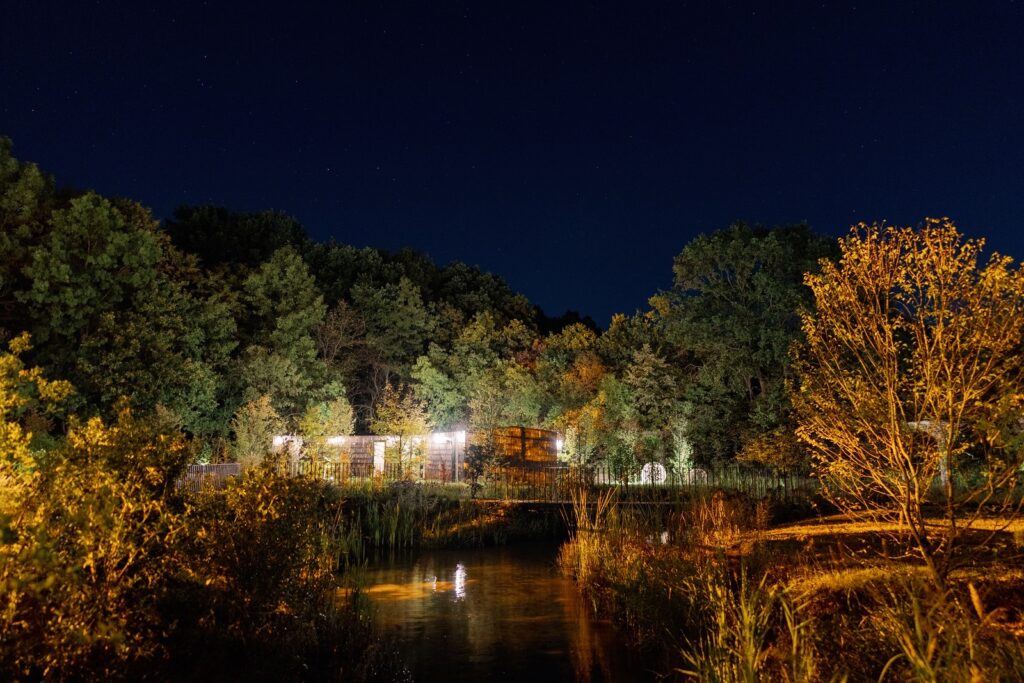
Bucharest
Iris Orangerie
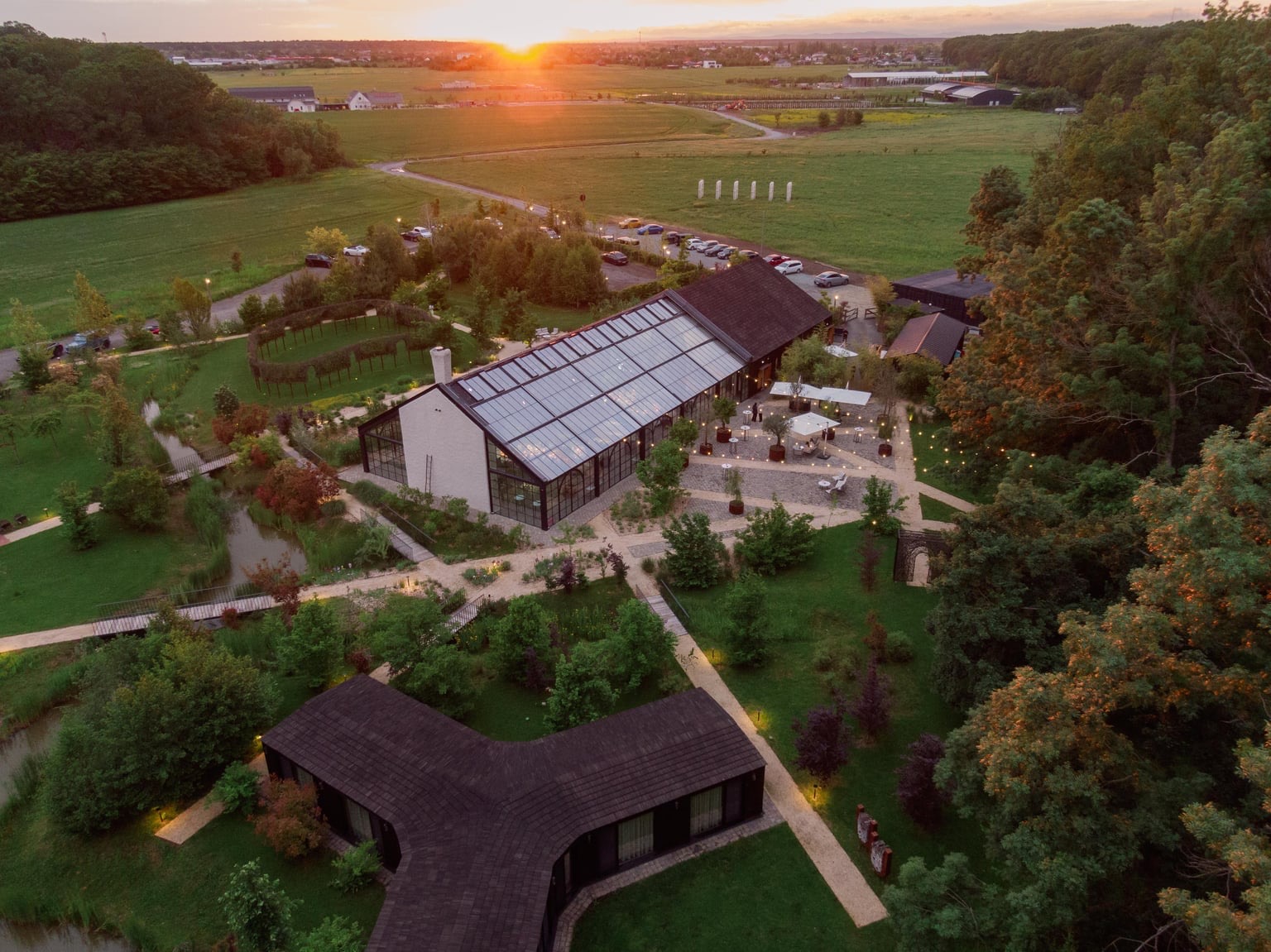
Iris Orangerie is a glasshouse event venue on a 4 hectare estate at the edge of Snagov Forest in Ciolpani, 35 minutes from the north of Bucharest.
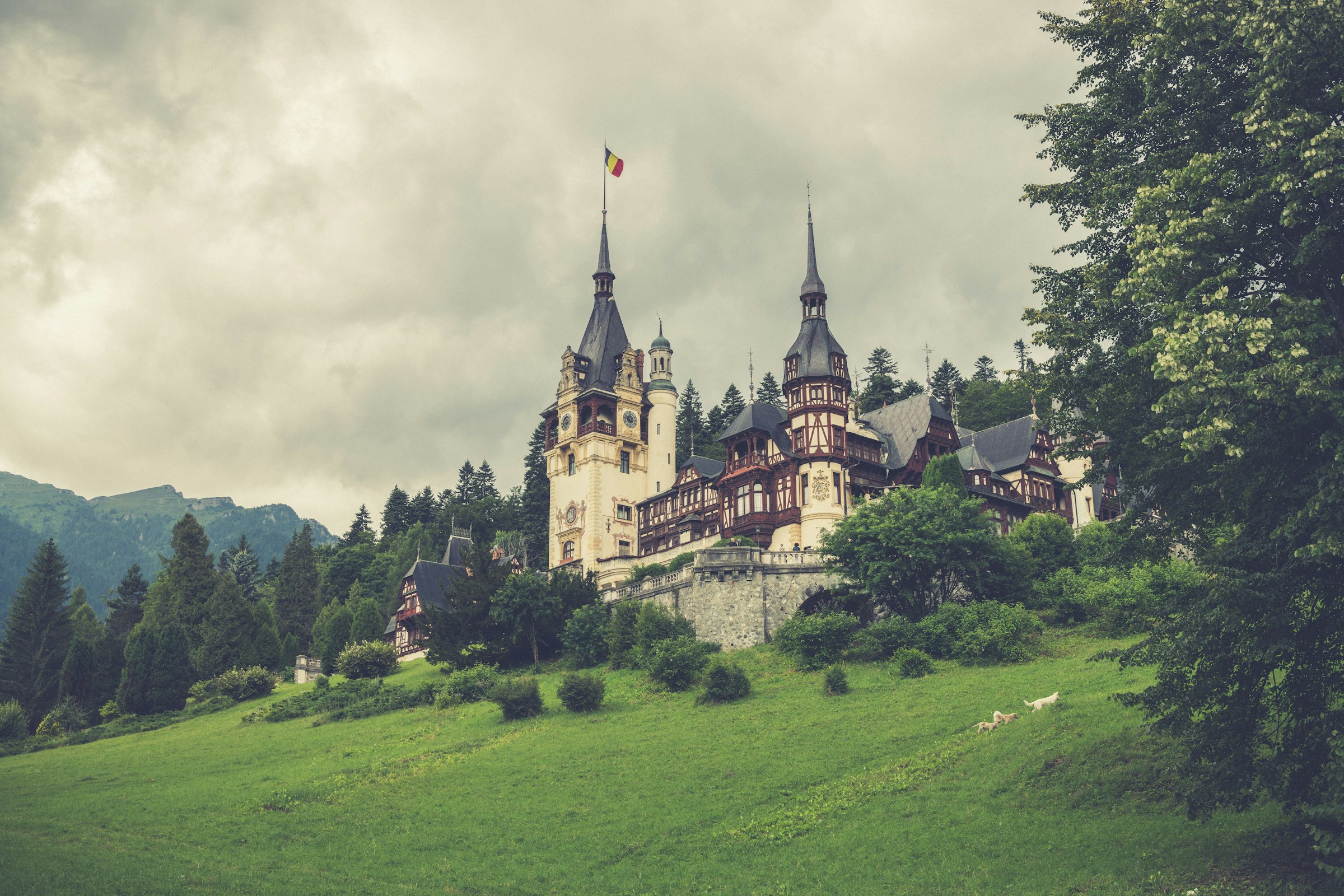
Castles in the Carpathians, Saxon towns and a town hall that marries in a fortnight. Romania offers what no Mediterranean destination can: castles, fortified churches and medieval towns in a mountain landscape, with a capital city an hour's flight from most of Europe. The Carpathians and the Transylvanian Alps carry deep forests, glacial lakes and alpine villages; below them stand the Saxon towns of Brașov, Sibiu and Sighișoara, and the two castles everyone knows, Bran and Peleș. Bucharest, in the south, has the grand hotels and the belle-époque palaces for a city wedding, and the Black Sea coast and the Danube Delta lie to the east.
The legal side is a civil ceremony at the town hall, and nothing else counts. The couple files a declaration of marriage and the marriage is concluded eleven to fourteen days later, within the fourteen-day validity of the medical certificates both partners obtain in Romania. The foreign partner brings an apostilled birth certificate with a notarised Romanian translation, a notarised affidavit of freedom to marry from their embassy in Romania, proof of the end of any previous marriage, and the prenuptial medical certificate from a clinic in the town of the wedding. The religious or symbolic ceremony at the castle or the estate is held after the civil one.
The weather divides the year cleanly. April to June is the sweet spot: green landscapes, comfortable temperatures and the castles less crowded than in July and August, which are the warmest months and the busiest at Bran and Peleș. September and October bring mild weather and autumn colour to the alpine villages and medieval towns. Winters are cold, with snow in the mountains and a continental chill in the east.
The Saxon town below the Carpathians, with Bran Castle and the Peleș royal palace at Sinaia within an hour: the castle wedding country, and the busiest in high summer.
The fortified Saxon towns of central Transylvania: Sibiu's squares and towers, Sighișoara's walled citadel, and the fortified village churches between them, for a medieval setting away from the crowds.
Alpine villages and manor estates in the forests and hills, some restored as guesthouses by their old families, for a wedding that takes a village for the weekend.
The capital: belle-époque palaces, grand hotels and boulevards, Otopeni airport twenty minutes away, for a city wedding with the whole of Europe a short flight off.
The wetlands of the delta and the Black Sea coast in the east, with a Mediterranean-leaning climate, for a summer wedding by the water.
A short selection from the venues listed with us. The full collection has every Romania venue.
Iris Orangerie is a glasshouse event venue on a 4 hectare estate at the edge of Snagov Forest in Ciolpani, 35 minutes from the north of Bucharest.
Venues in the guide are listed with 5 Star Weddings. Our editors choose which listed venues to feature, and a place in the collection does not depend on a feature here.
April to June gives green landscapes and comfortably warm days; September and October mild weather and autumn colour. July and August are the warmest and the castles are at their most crowded. The west has hot, humid summers and mild winters; the east is continental, with hot summers and icy winters; the Black Sea coast and the south are warmer. A winter wedding is a snow wedding.
Recommended wedding months
May, June and September
Peak season is July and August, and the shoulder months are April and October.
Castle and royal palace. Bran, Peleș and the smaller castles of Transylvania: the ceremony in the courtyard or the garden, the civil formalities at the town hall beforehand.
Saxon town house and citadel. Hotels in the restored merchant houses of Brașov, Sibiu and Sighișoara, with the squares and towers as the setting.
Manor estate and village guesthouse. Restored manors and whole-village guesthouses in the Transylvanian hills, taken by one party.
City palace and grand hotel. Bucharest's belle-époque palaces and the hotels of the Calea Victoriei, for a formal city wedding.
Mountain lodge. Lodges and chalets in the Carpathians for a small wedding with the forest and the peaks.
Bucharest is the international gateway; Transylvania is reached by road or by the regional airports. A coach from Bucharest to Brașov is about three hours through the mountains; Cluj and Sibiu airports serve central Transylvania directly.
Bucharest Otopeni (OTP). The main gateway, about 20 minutes from the city centre; roughly three hours by road to Brașov and the Bran corridor.
Cluj-Napoca (CLJ). The second city's airport, with direct European flights; the gateway to northern and central Transylvania.
Sibiu (SBZ). A small airport with seasonal and year-round European routes, minutes from the Saxon town.
Guests stay in the Saxon towns' restored houses, in the castle hotels and manors of Transylvania, in a mountain lodge, or in Bucharest's grand hotels.
Brașov. Boutique hotels in the old town and lodges in the Poiana Brașov resort above it, for the Bran and Peleș weddings.
Sibiu and Sighișoara. Hotels inside the citadels and restored townhouses on the squares.
Bucharest. The grand hotels of the centre, for a city wedding or the night before the drive north.
Romanian cooking is hearty and rural: stuffed cabbage leaves, polenta, smoked meats, sheep's cheeses from the mountains, plum brandy, and wines from some of Europe's oldest vineyards.
Sarmale. Cabbage or vine leaves stuffed with minced meat and rice, the dish of every Romanian wedding table.
Mămăligă. Polenta, served with sheep's cheese and sour cream or beside a stew.
Mountain cheese and smoked meats. Telemea and caș from the Carpathian shepherds, and the smoked sausages of Transylvania's Saxon villages.
Only the town hall marries you. Romania recognises only the civil marriage performed at the town hall (primăria) of the place where the Romanian partner resides, or where the wedding is held for two foreigners. The religious or symbolic ceremony at the castle follows it and has no legal effect of its own.
Eleven to fourteen days. The couple files a declaration of marriage at the town hall; the marriage is concluded between eleven and fourteen days later, and within the fourteen-day validity of the medical certificates. Plan the civil ceremony for the week of the wedding and arrive early for the paperwork.
The documents for the foreign partner. A certified copy of the birth certificate with a notarised Romanian translation made by a Romanian notary; a notarised statement that the person is free to marry, obtained from their own embassy in Romania; proof of the end of any previous marriage (divorce or annulment decree, or a death certificate) with a Romanian translation; and the prenuptial medical certificate from a clinic in the town of the wedding. Public documents from outside the EU are apostilled for use in Romania.
The medical certificate. Both partners obtain a prenuptial health certificate from a clinic in the town where they marry; it is valid for fourteen days, which sets the timetable.
Romania follows Schengen rules: British passport holders visit without a visa for up to 90 days in any 180-day period, counted together with other Schengen countries. The passport must have been issued less than ten years before arrival and be valid for at least three months after the planned departure from the Schengen area (gov.uk, checked 5 October 2026). Carry the passport when travelling on from Romania by land into Hungary or Bulgaria: border guards check it there. EU and EEA nationals need no visa. Other nationalities check whether they need a Schengen short-stay visa through the Romanian Embassy in their country.
The legal marriage and the celebration are separate. Ask your venue or planner what the town hall requires for the place where you plan to marry.
Geta Ungurean AgencyNunta pe PlajaAndrei WeddingsFind Romania wedding professionals
May and June for green landscapes and comfortable days, or September and October for mild weather and autumn colour in the mountains and the medieval towns. July and August are the warmest months and the castles are crowded; winter brings snow.
Yes, in a civil ceremony at the town hall, which is the only legally valid form. File the declaration of marriage with an apostilled birth certificate and notarised Romanian translation, a notarised affidavit of freedom to marry from your embassy in Romania, proof of the end of any previous marriage and a prenuptial medical certificate from a local clinic; the marriage is concluded eleven to fourteen days later. The castle or garden ceremony follows.
No, for stays of up to 90 days in any 180 under Schengen rules; the passport must be under ten years old and valid for three months after departure. Other nationalities check with the Romanian Embassy.
Fly to Bucharest Otopeni and drive about three hours to Brașov and the Bran corridor, or fly directly to Cluj-Napoca or Sibiu for central Transylvania. A coach from the airport is the usual arrangement for a wedding party.
Guests stay in the Saxon towns' restored houses, in the castle hotels and manors of Transylvania, in a mountain lodge, or in Bucharest's grand hotels. Brașov has boutique hotels in the old town and lodges in the Poiana Brașov resort above it, for the Bran and Peleș weddings. Sibiu and Sighișoara have hotels inside the citadels and restored townhouses on the squares.
Describe your dream wedding, from the destination and setting to the number of guests and your budget. Aura will help you discover wedding venues and professionals that match your plans.
Abu DhabiAeolian IslandsAlentejoAlgarveAll destinations
This guide draws on the venues' own published details, official sources and the knowledge of our editors. Entry and legal information can change, so confirm it with the authority that will marry you before you book.
Ask for a place, a name, a trade or the whole wedding. Every answer comes from checked records.
Your cookie choices
We use essential cookies to run the site. With your permission we also use statistics cookies to see how the site is used, and marketing cookies for affiliate links. You can change this at any time. Cookie Policy