
Castello di Collegno
Twelfth-century Savoy castle in a century-old park, minutes from Turin, Piedmont
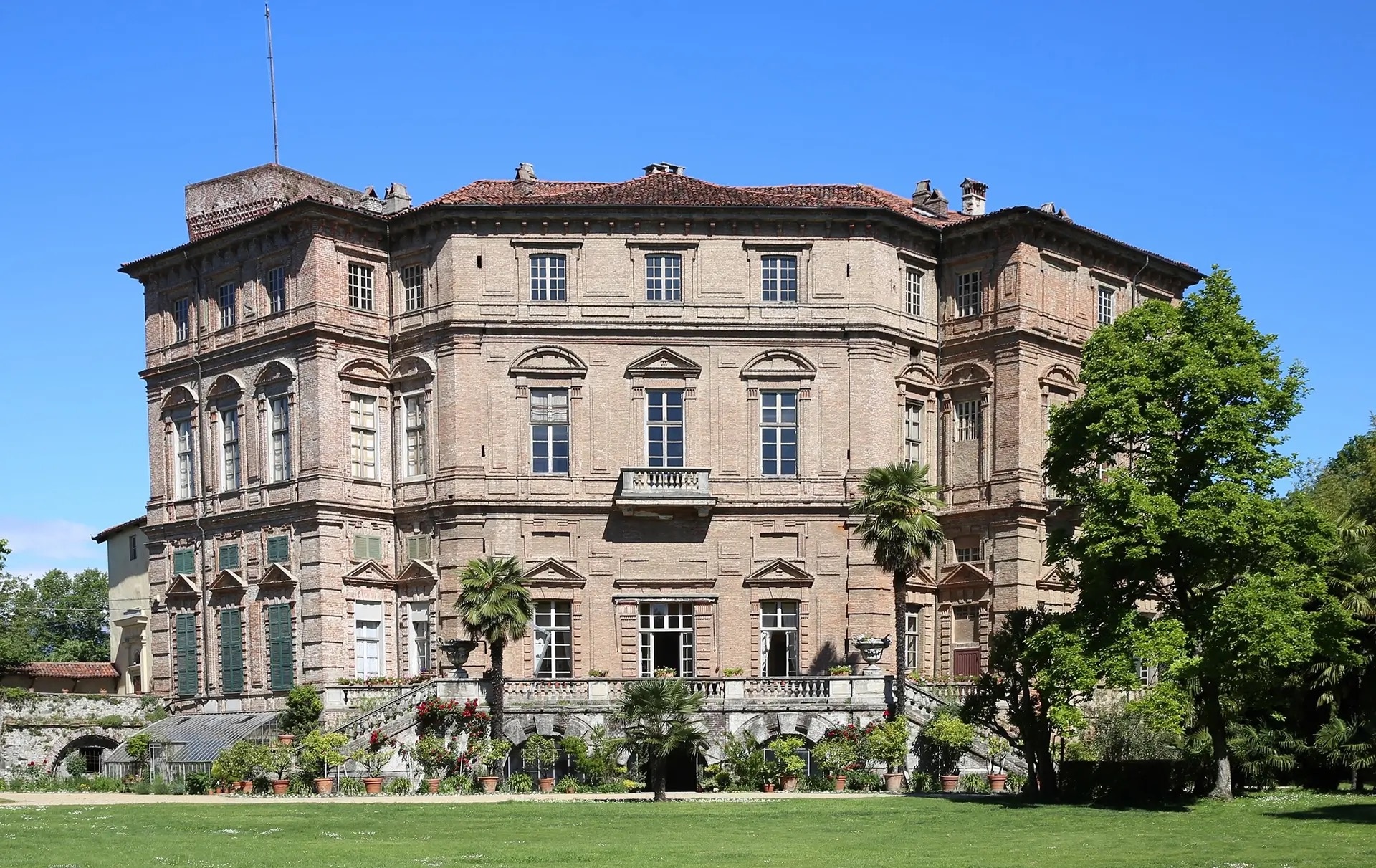
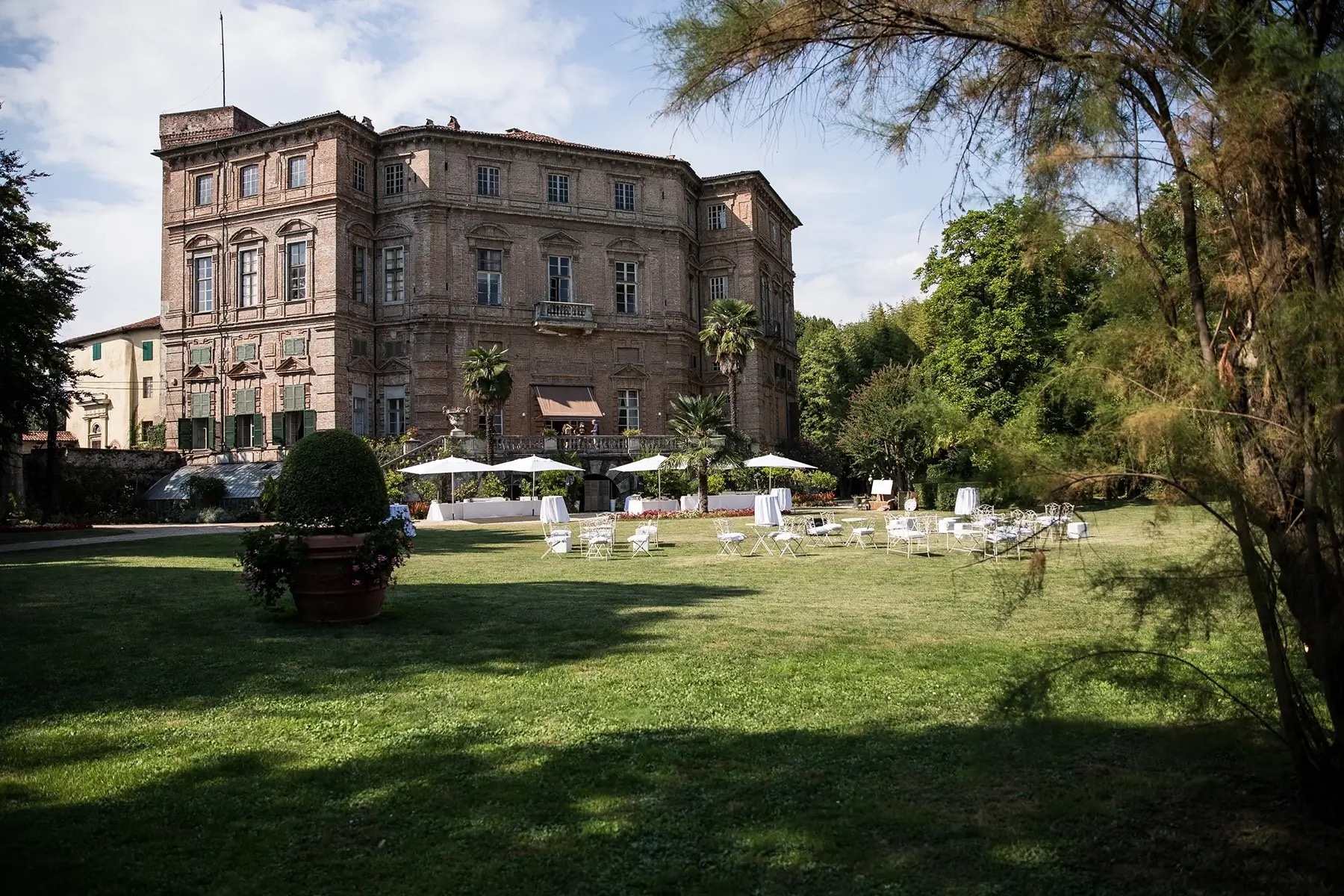
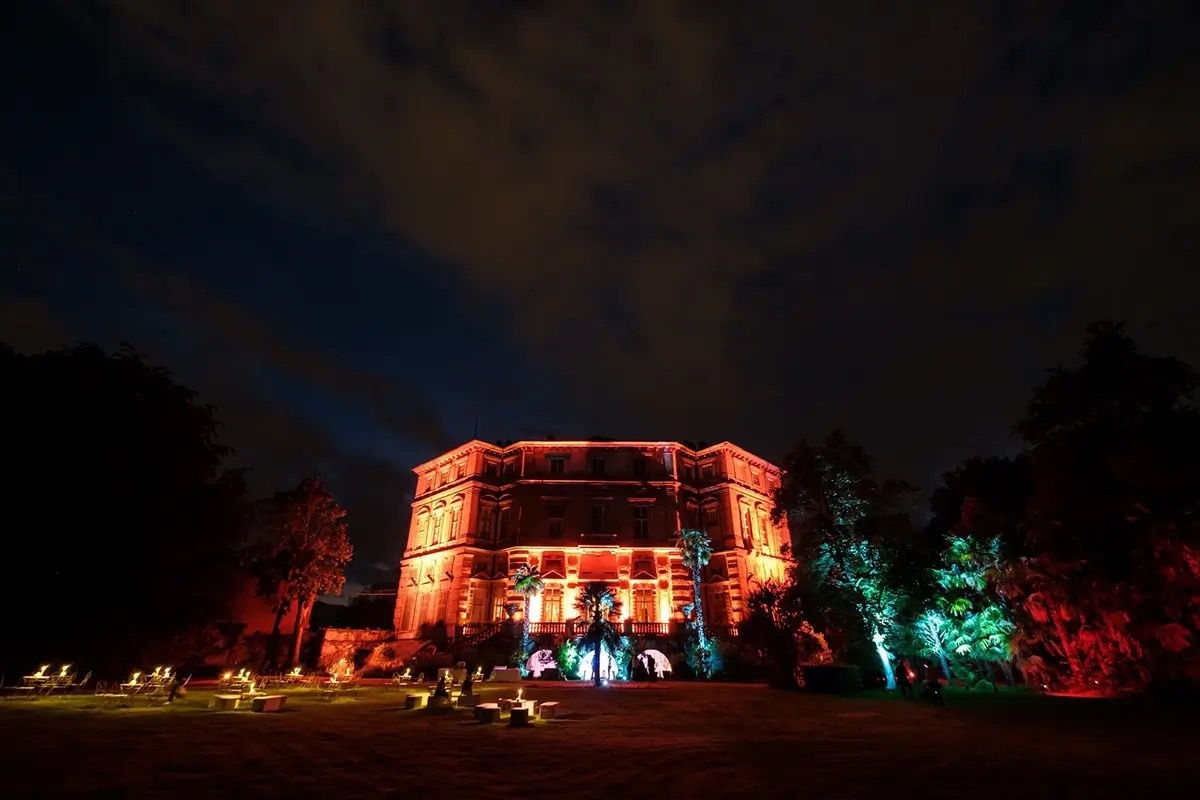
Castello di Collegno is a castle founded in the twelfth century by Umberto III of Savoy, set in a century-old park a few minutes from the centre of Turin and taken by one wedding party at a time.
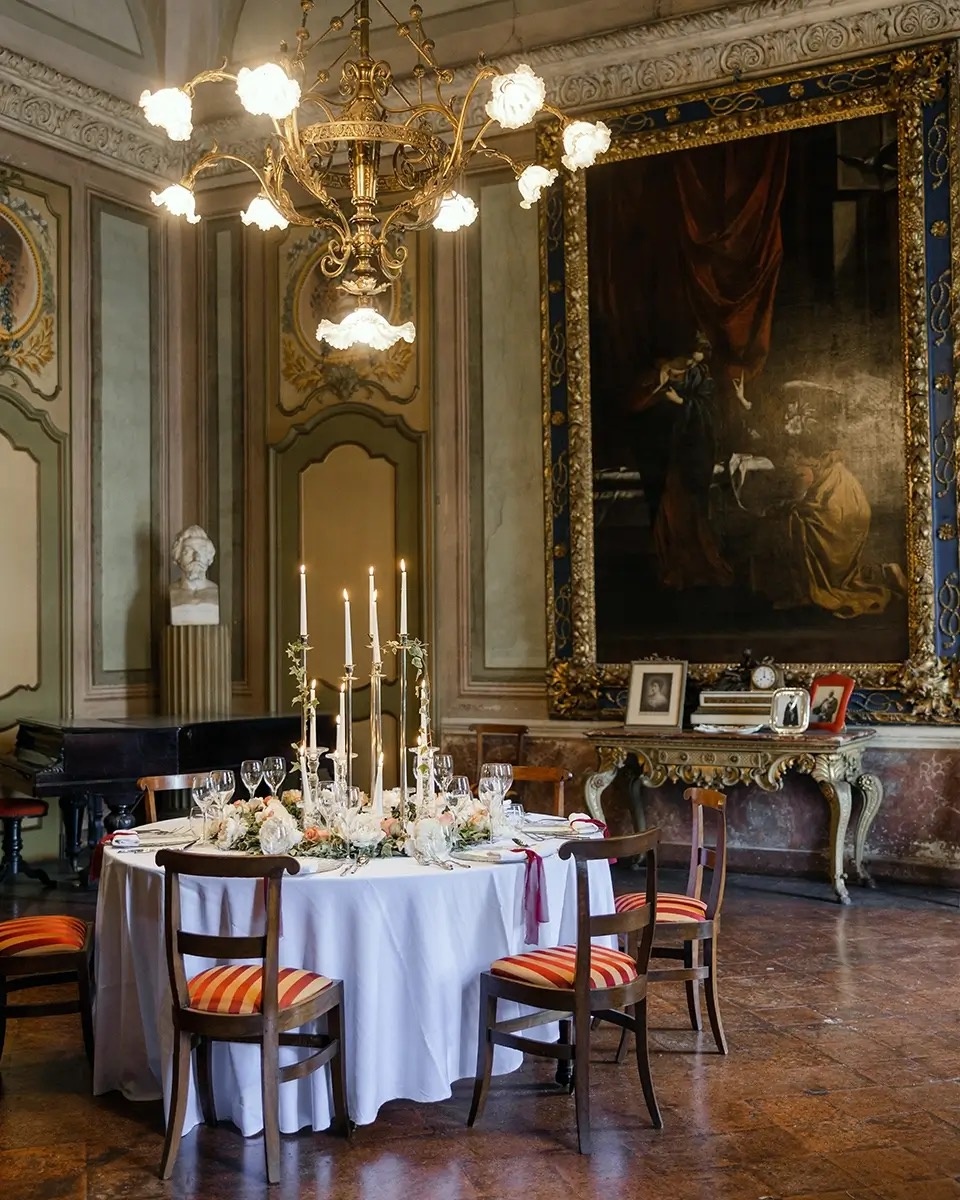
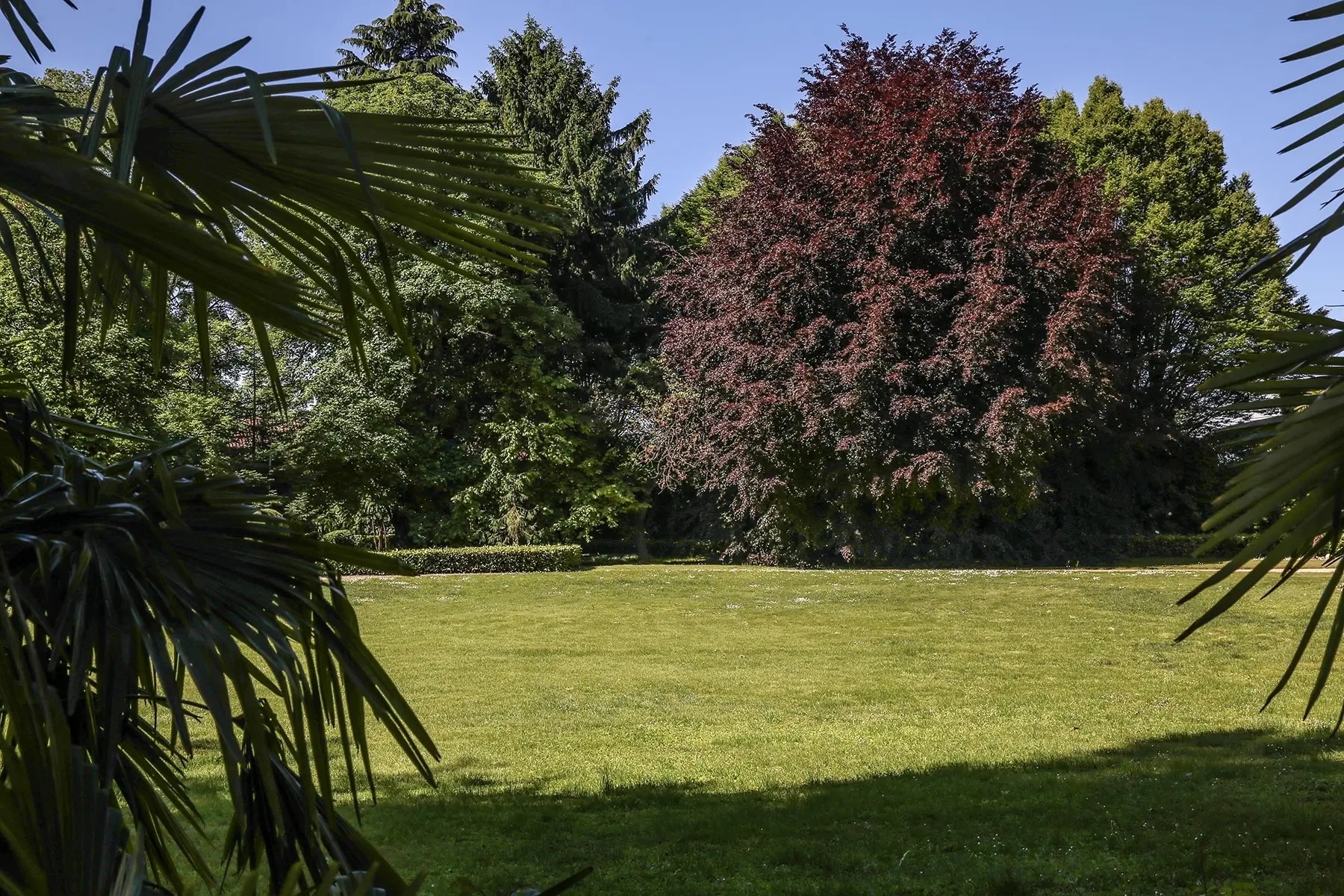
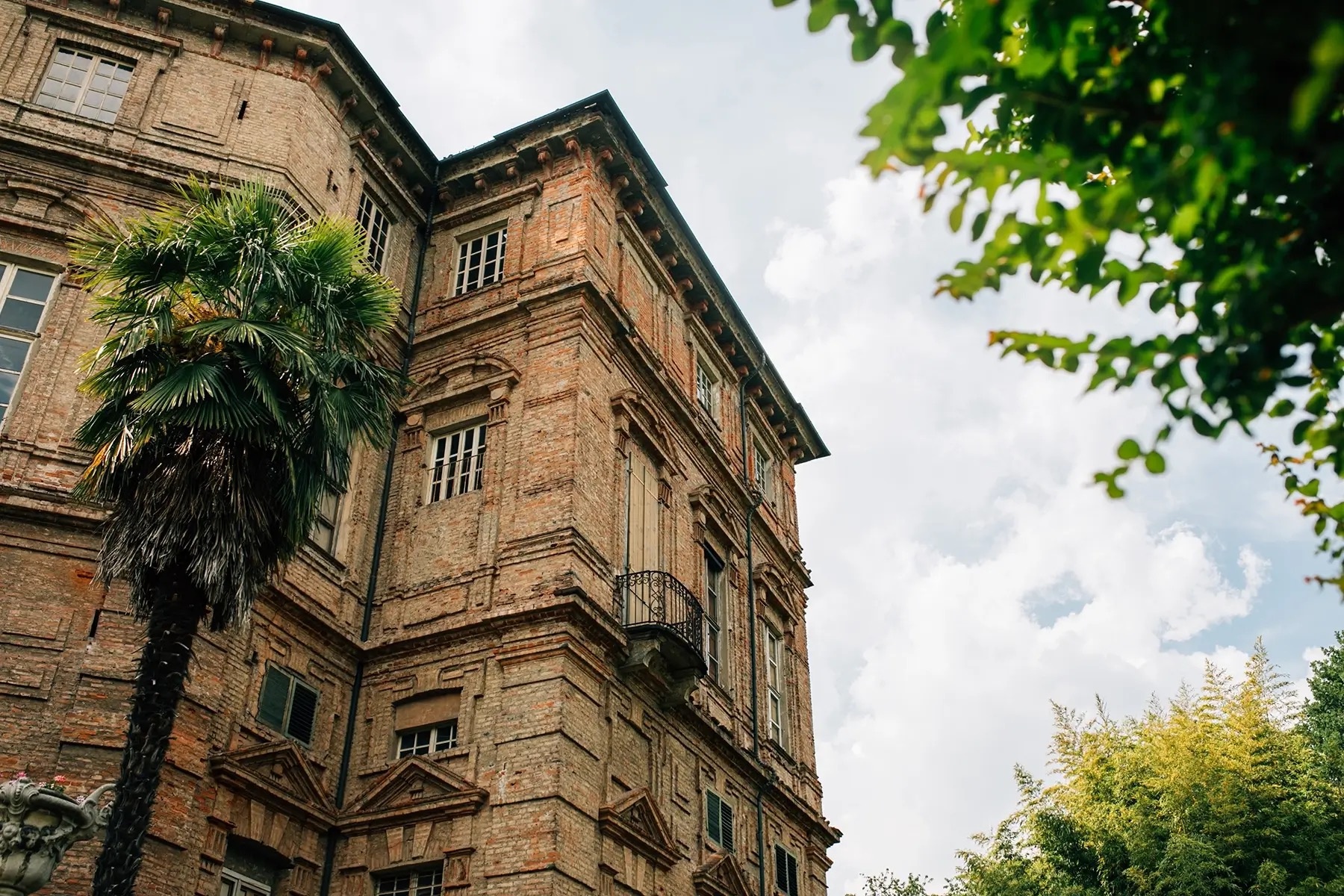
Castello di Collegno stands on Via Alpignano in Collegno, a few minutes from the centre of Turin and about twenty minutes from Turin Airport. Umberto III of Savoy founded it in the twelfth century, and the Counts Provana di Collegno and later the Guidobono Cavalchini family turned the fortress into a noble residence. The structure, the antique furnishings and the period artworks have largely been kept, including a Music Room that follows drawings by Filippo Juvarra, and the grounds are a century-old park of tall trees.
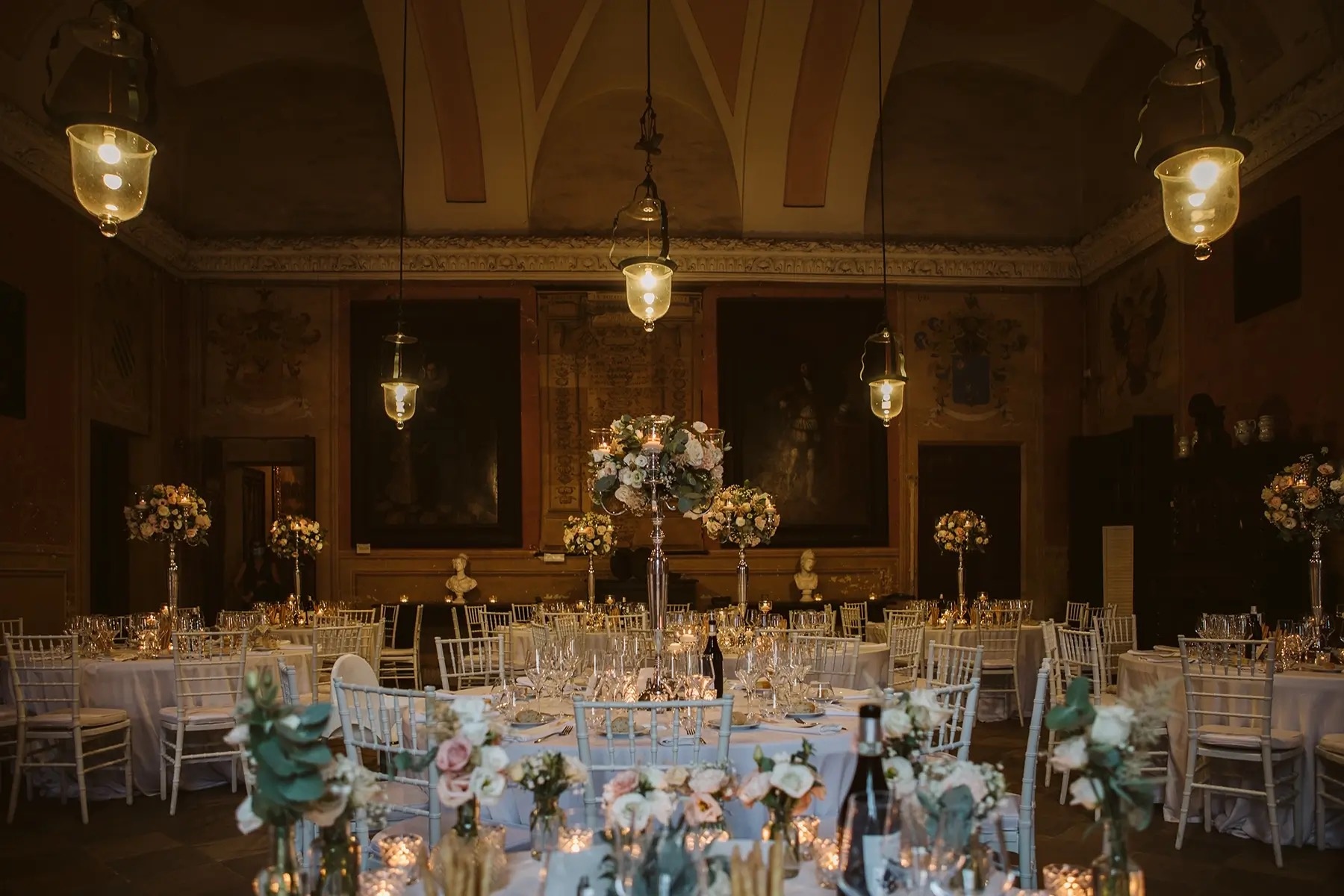
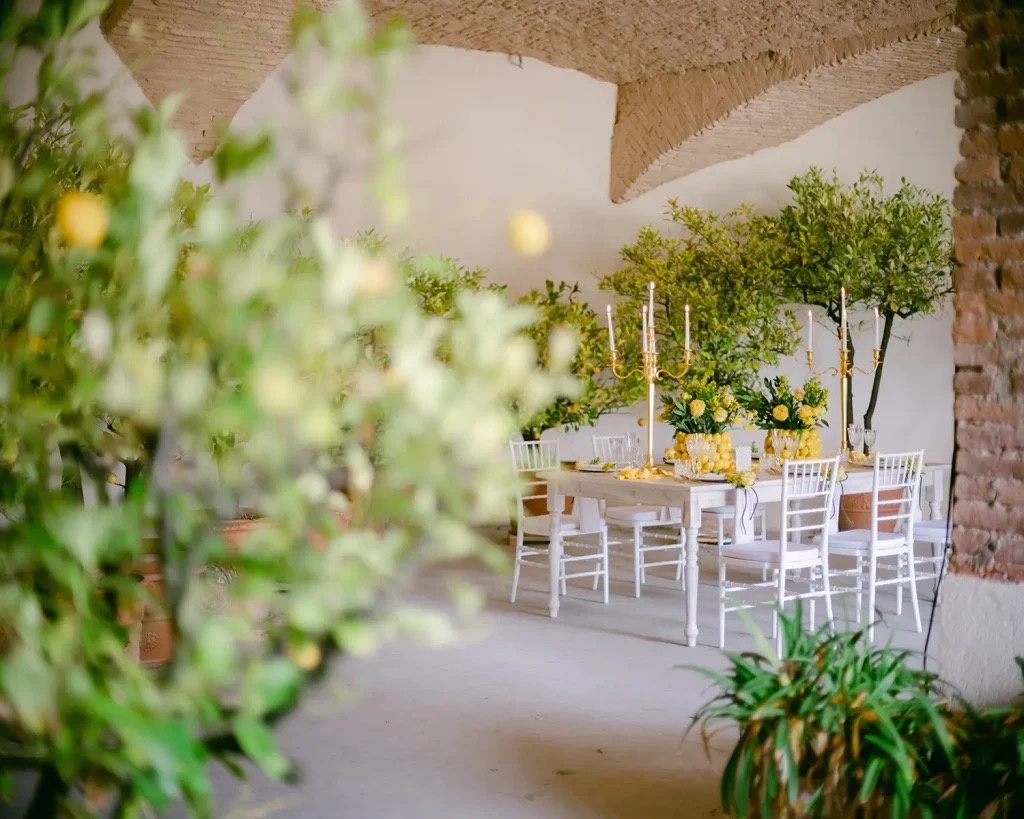
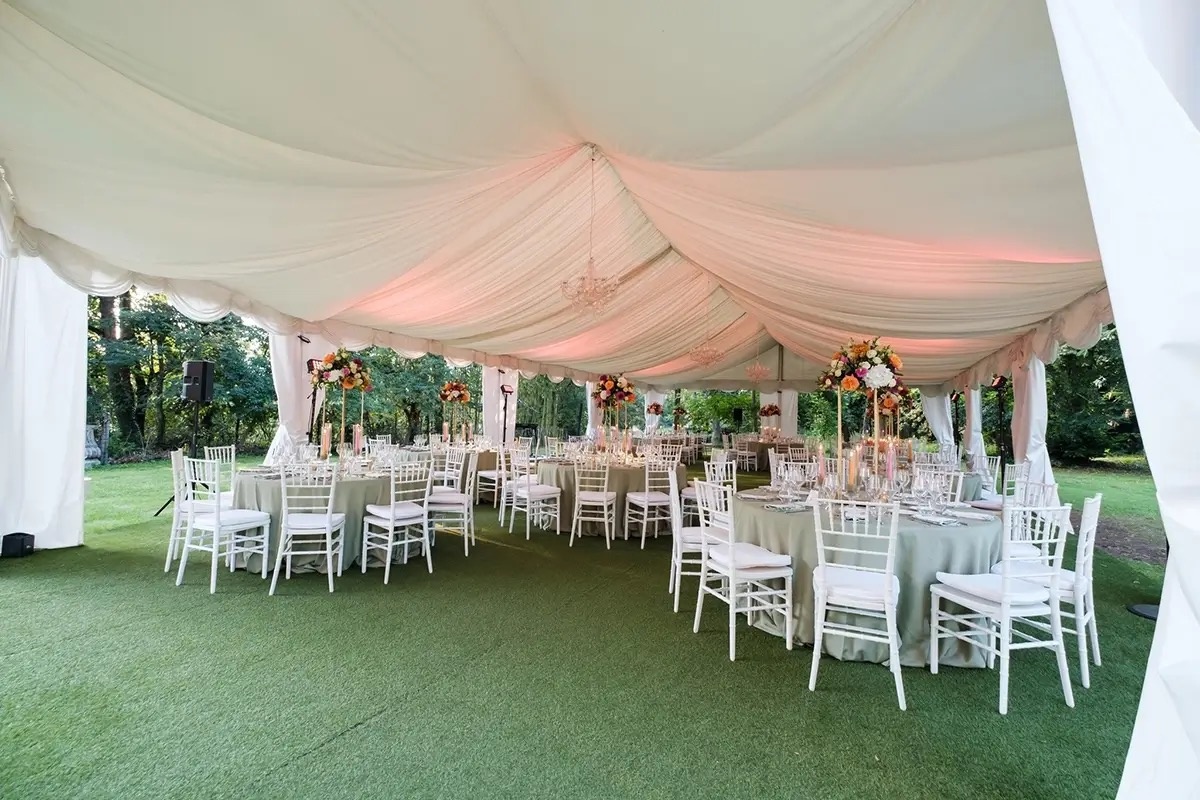
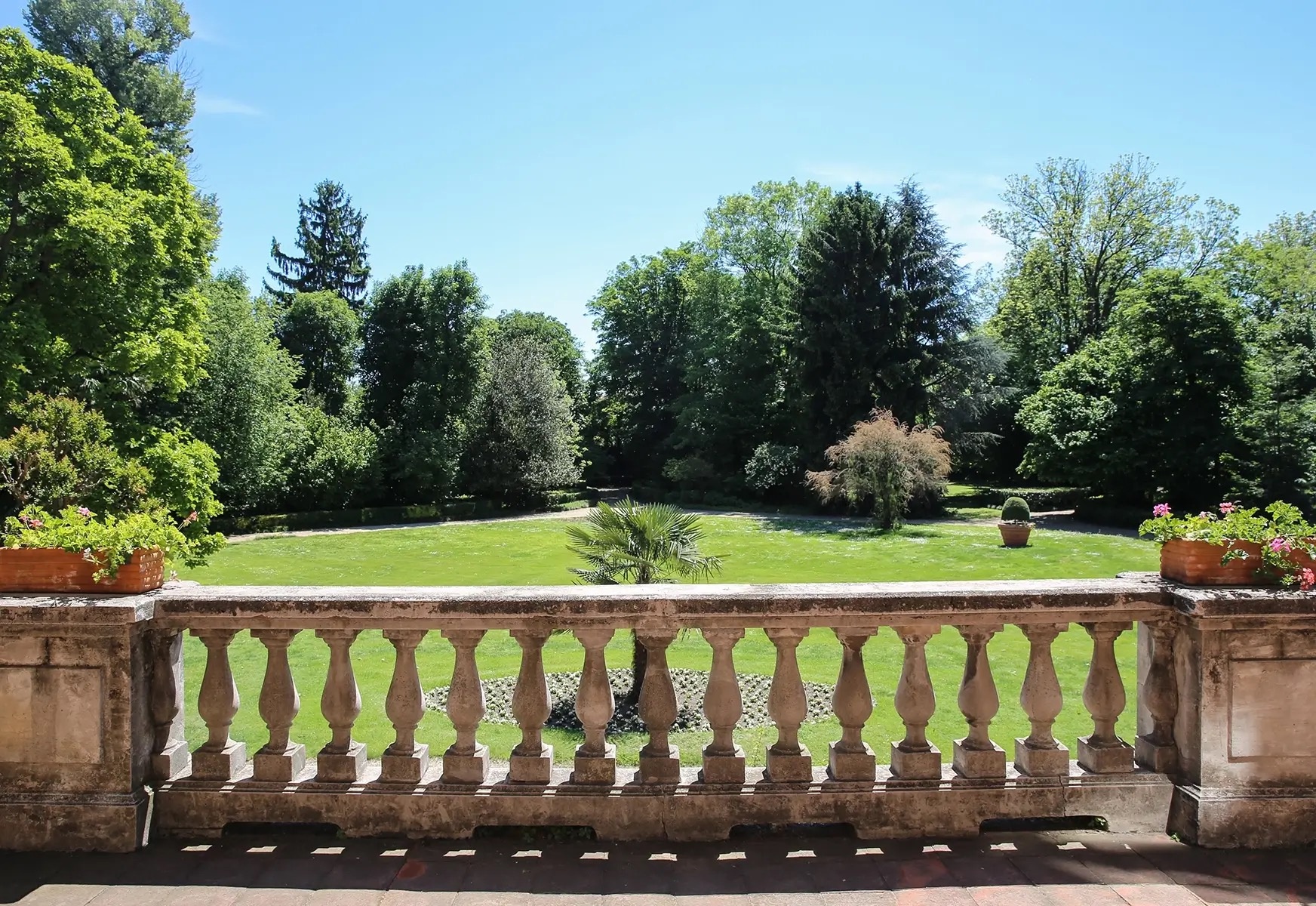
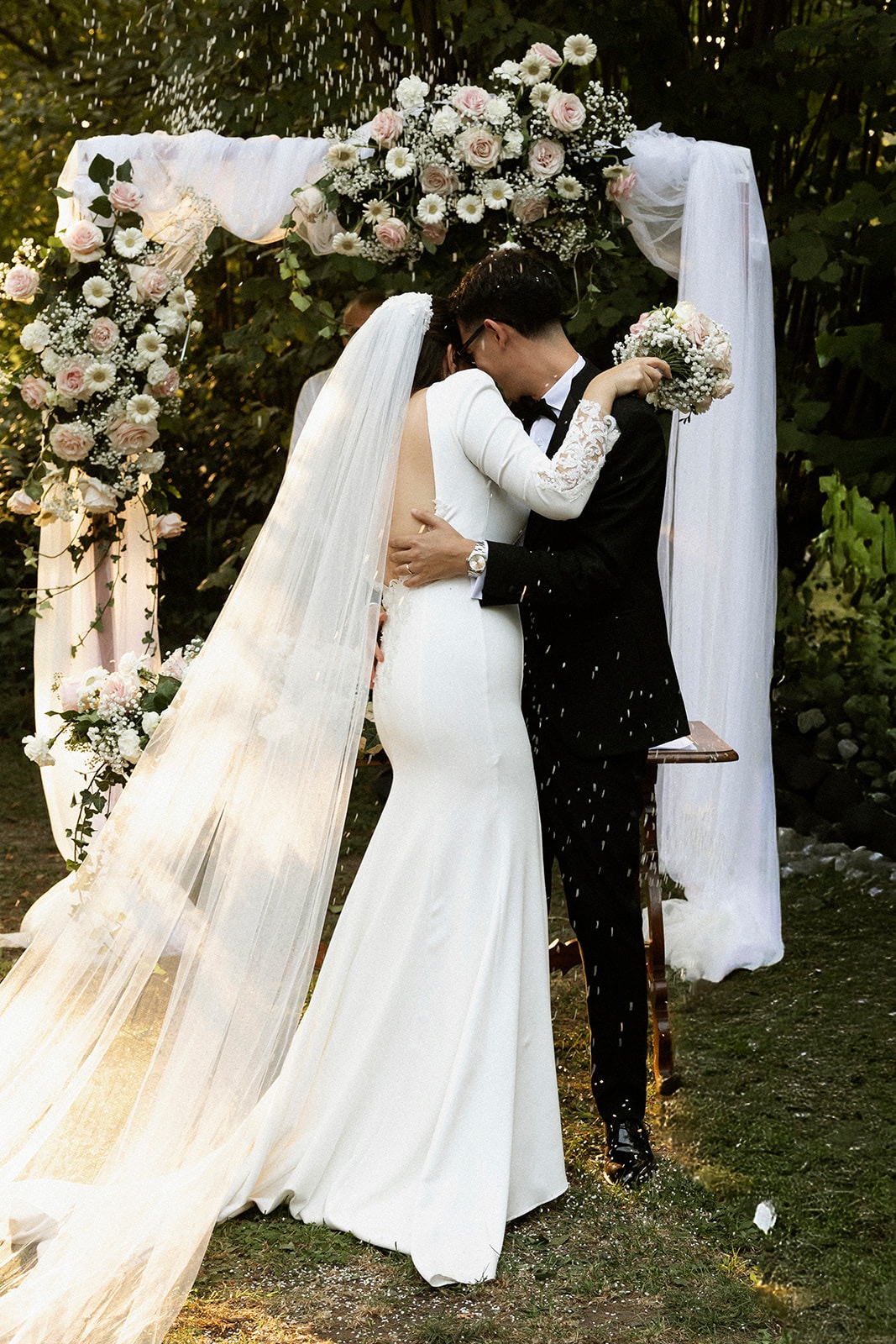
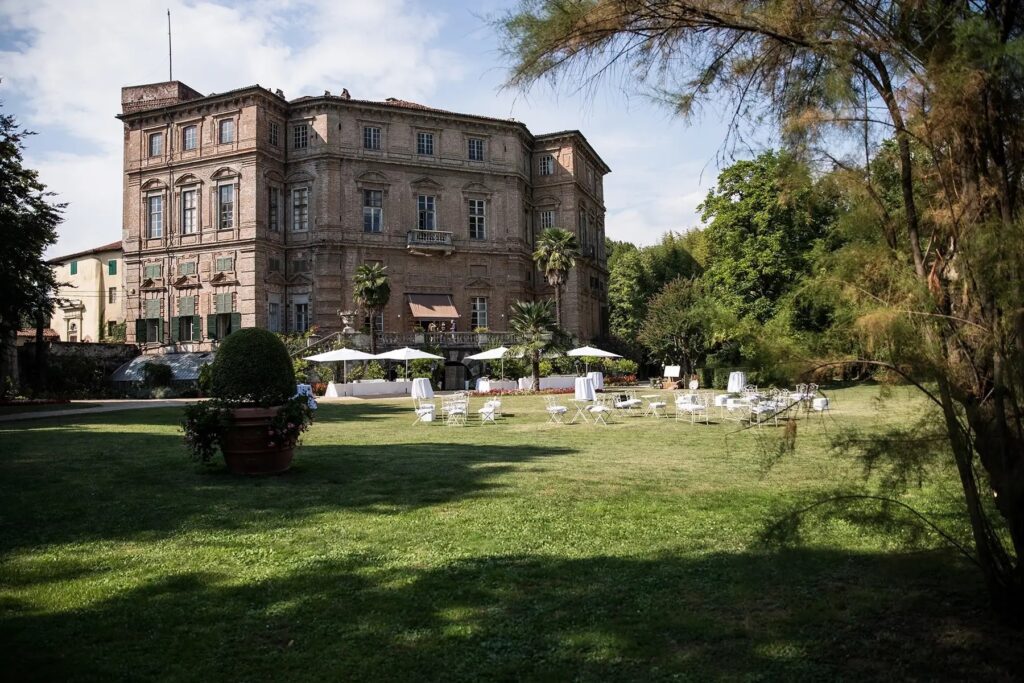
Couples take the castle for themselves. Civil ceremonies are held in the frescoed Saloni Nobili or outdoors in the Corte Segreta and the park, with a balustraded terrace for the aperitif. Around 140 guests can dine in the two Noble Halls, while the red-brick Limonaia and a marquee of more than 200 square metres add space for a larger or weatherproof party. There is no restaurant on site, so a caterer of the couple's choosing prepares the menu, usually built around Piedmontese cooking and local wines. Guests stay in Turin, where hotels of every kind are close at hand.
Castello di Collegno
Gallery
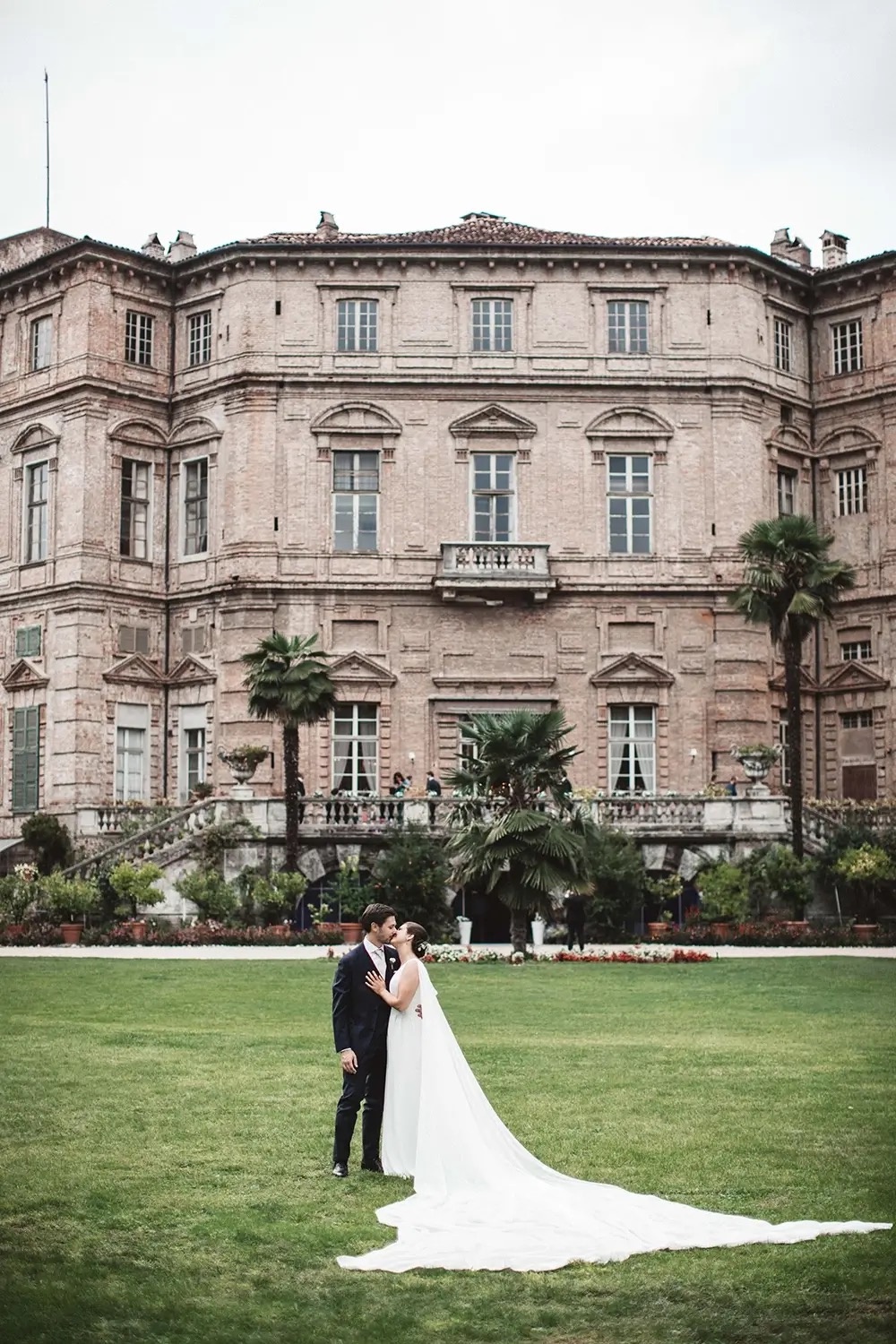
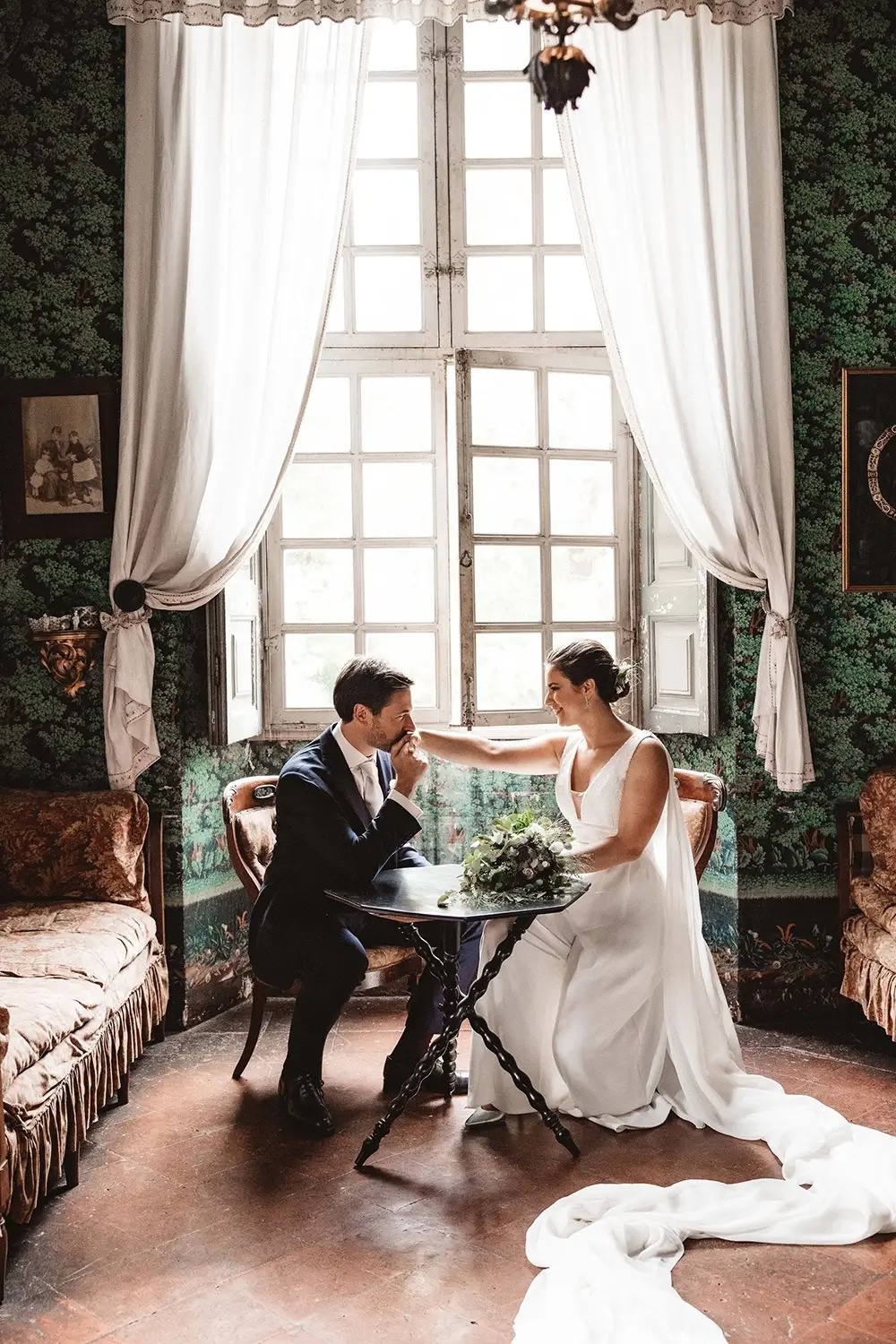
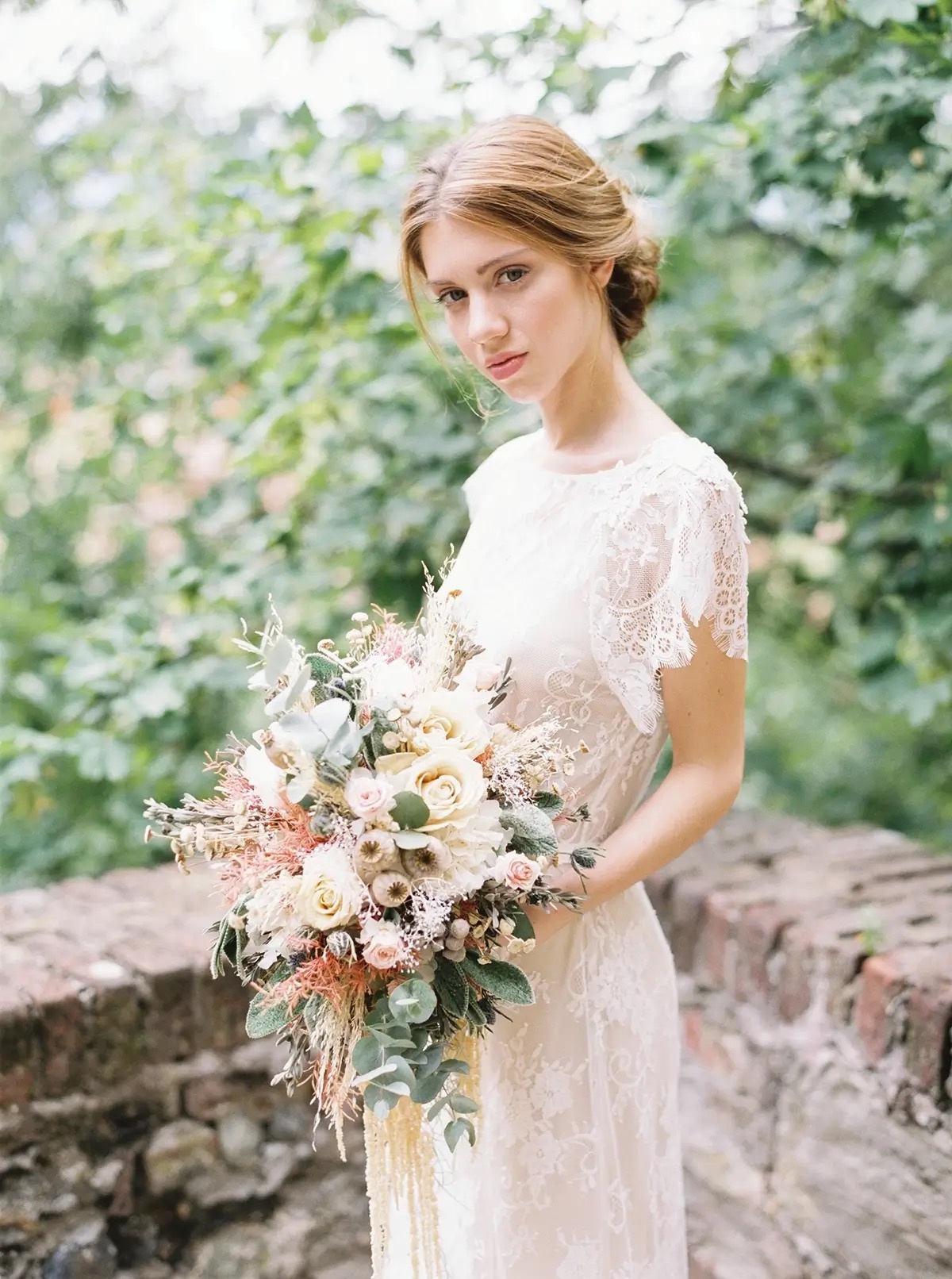
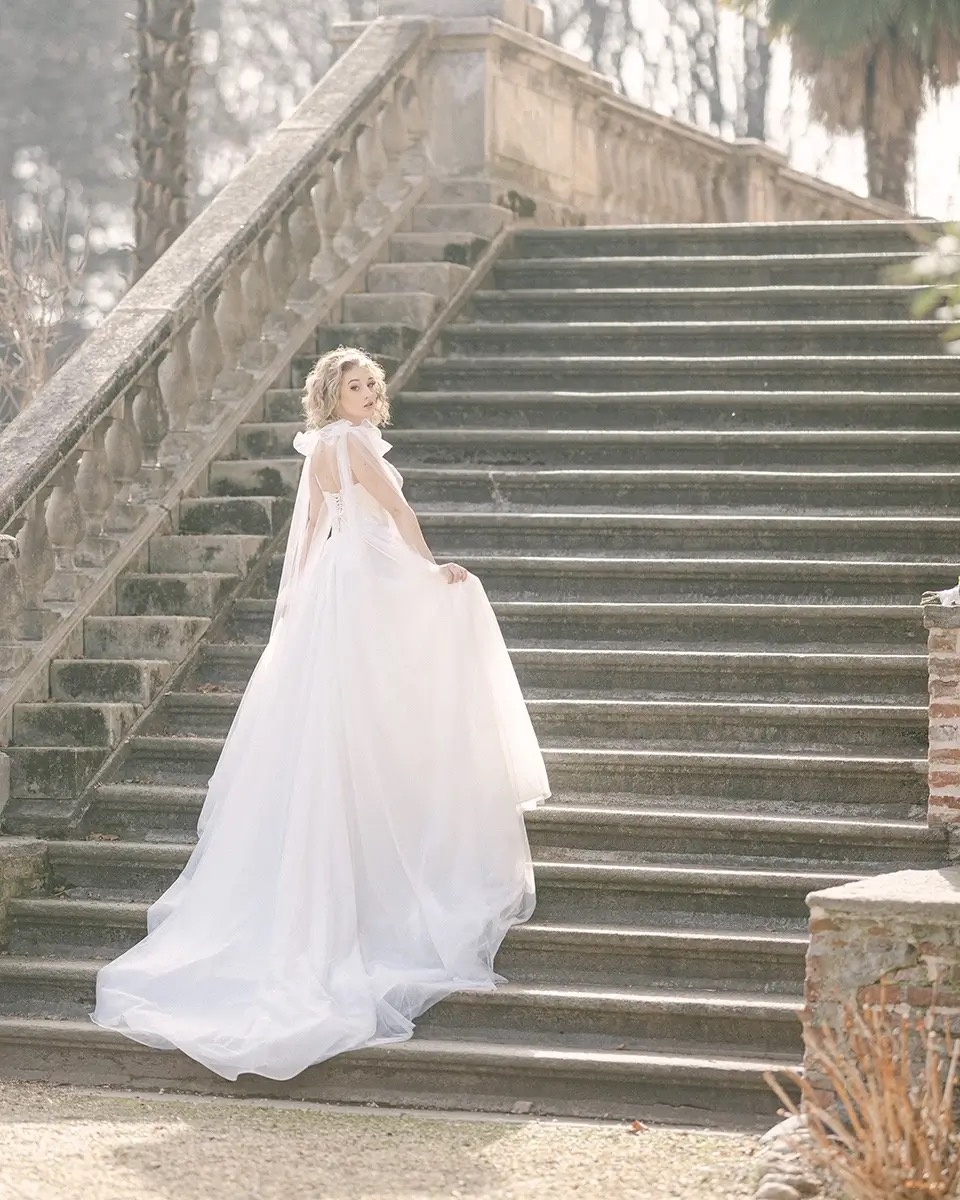
Images courtesy of Castello di Collegno
The venue on film
The Essentials
- Where
- Collegno, near Turin, Piedmont, Italy
- Capacity
- Around 140 in the Noble Halls, up to 200 with the marquee
- Stay
- No on-site rooms; Turin hotels a few minutes away
- Ceremony
- Civil, in the Noble Halls, the Corte Segreta or the park
- Price
- On enquiry
- Exclusive use
- The whole castle and park
- Catering
- Your own caterer
- Nearest airport
- Turin, about 20 minutes
A Savoy fortress that became a noble home
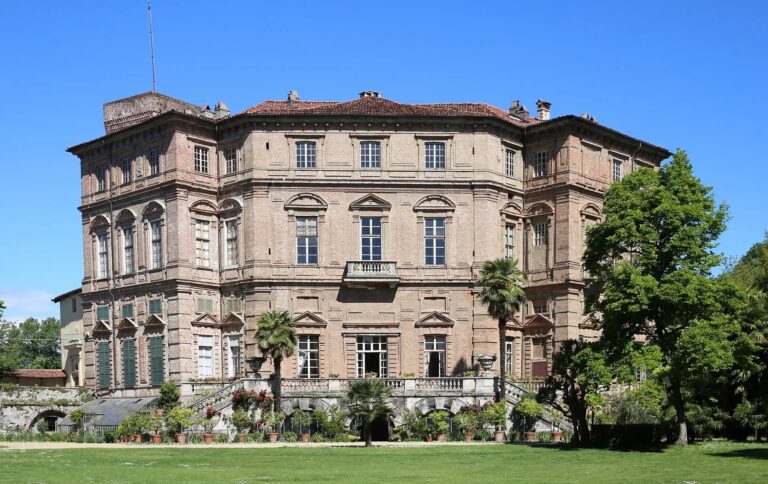
Umberto III of Savoy founded the castle in the twelfth century, and over the following centuries the Counts Provana di Collegno and then the Guidobono Cavalchini family turned a military stronghold into a refined residence. Much of the original structure survives alongside antique furnishings and period works, among them an oil painting attributed to Gentileschi and a Music Room that follows original drawings by Filippo Juvarra.
Ceremonies in the courtyard, halls and park
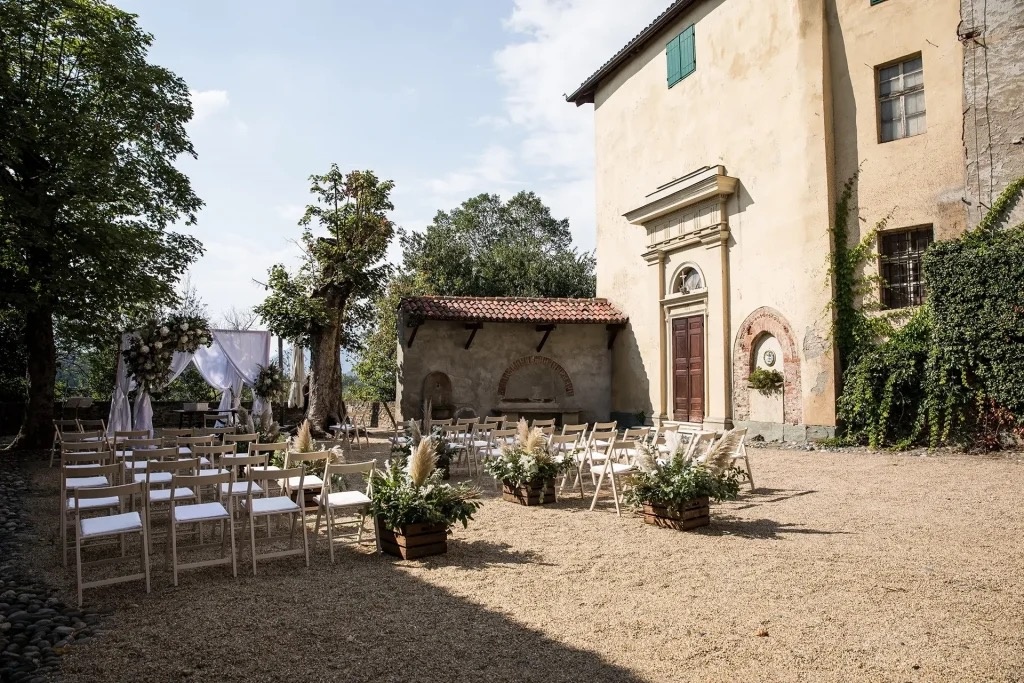
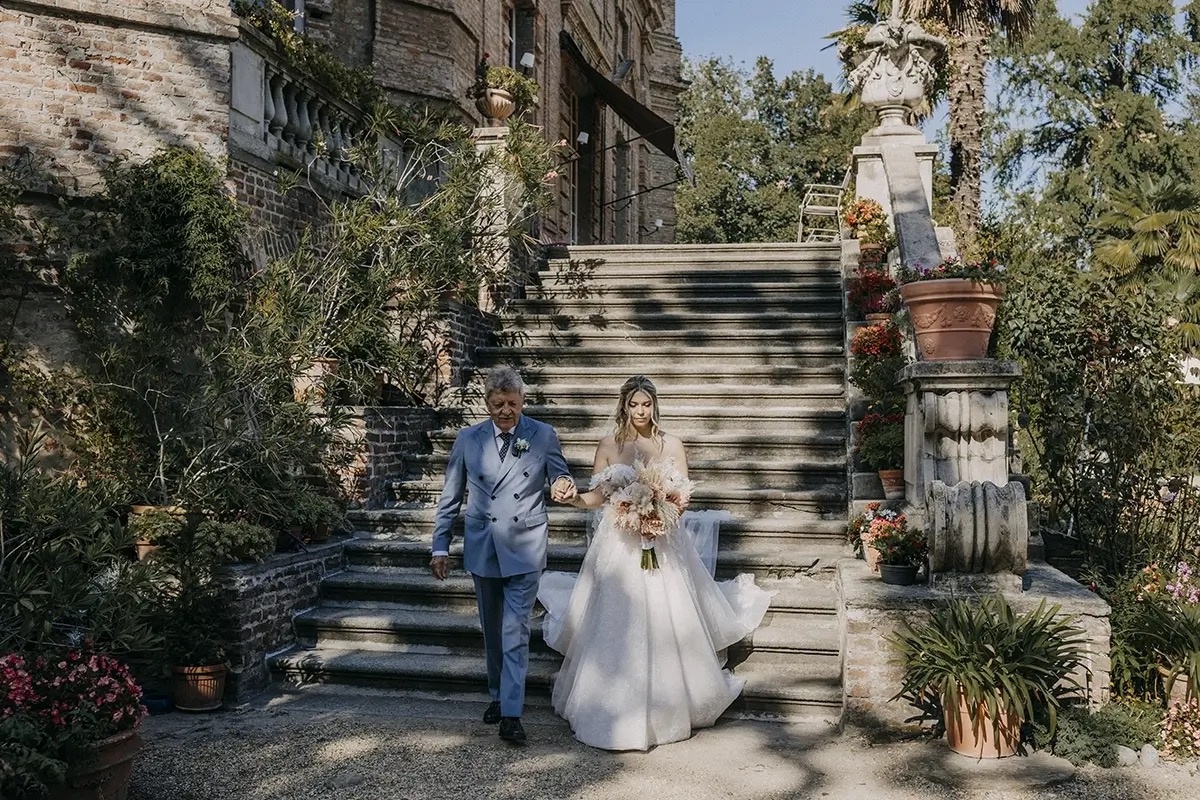
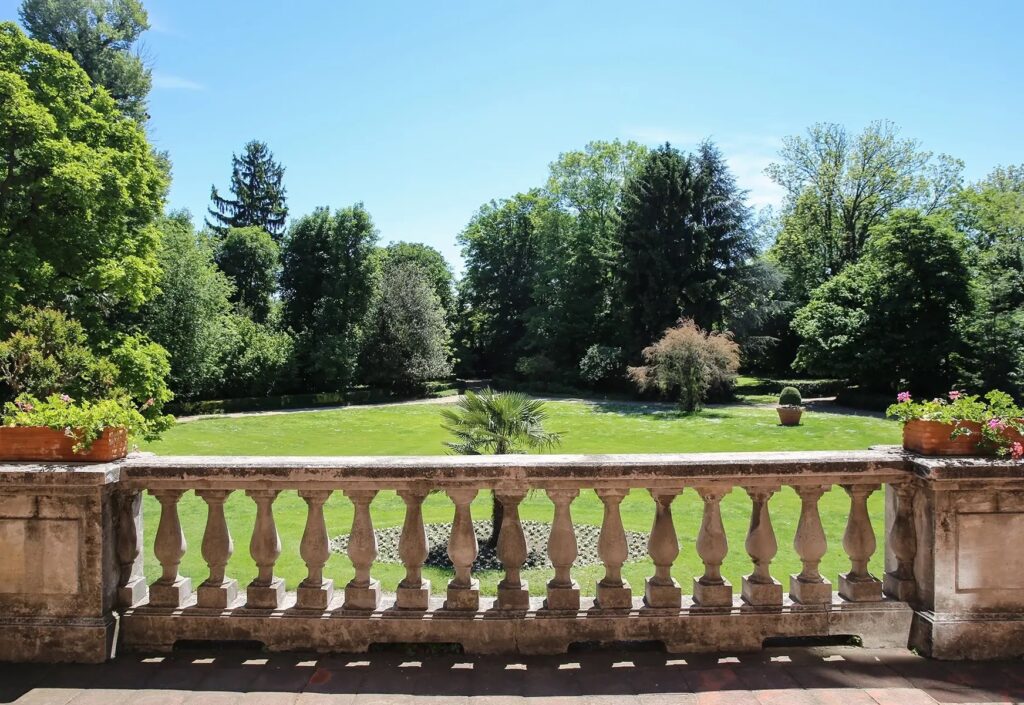
Civil ceremonies are held in the frescoed Saloni Nobili or outdoors, in the Corte Segreta and beneath the tall old trees of the park. A balustraded terrace above the park suits the aperitif, and the whole castle is reserved for a single party.
A celebration of your own design
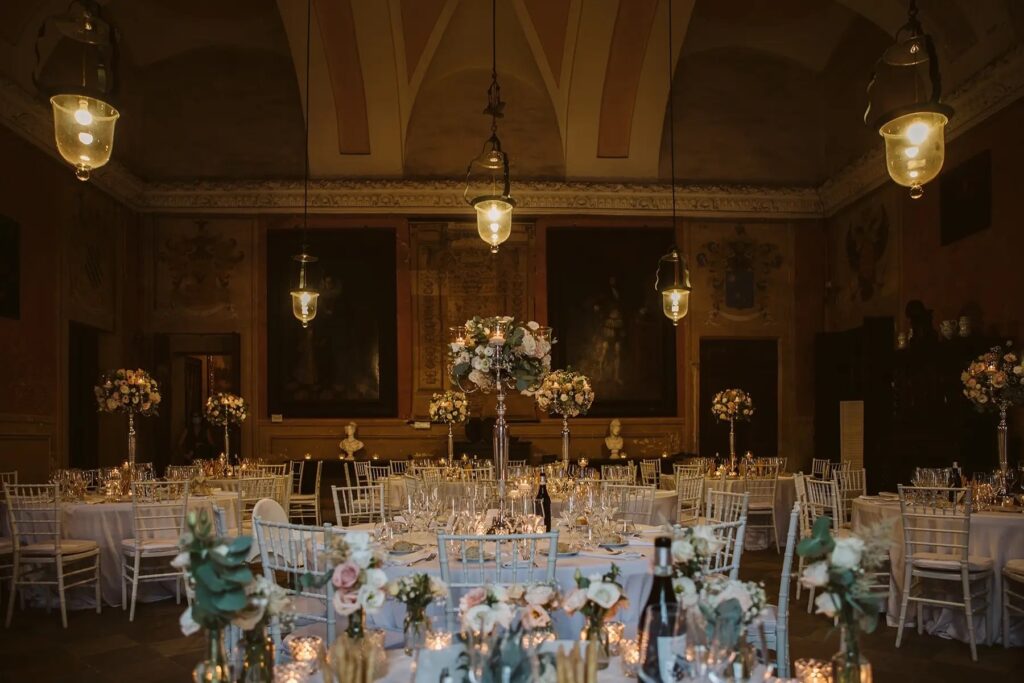
The reception can fill the Noble Halls, the red-brick Limonaia or a marquee on the grounds, and the kitchen is left to the caterer you choose. Piedmont's wines and cooking give plenty to build a menu around, with every dietary need catered for.
Turin on the doorstep
The century-old park gives a private, wooded setting, yet the arcades, palaces and Mole Antonelliana of Turin are only minutes away, so guests can combine seclusion with a city weekend.
A 12th-Century Savoy Castle
Founded in the 12th century by Umberto III of Savoy and turned from a fortress into a noble residence, set within a century-old park minutes from Turin.
The CastleThe Saloni Nobili
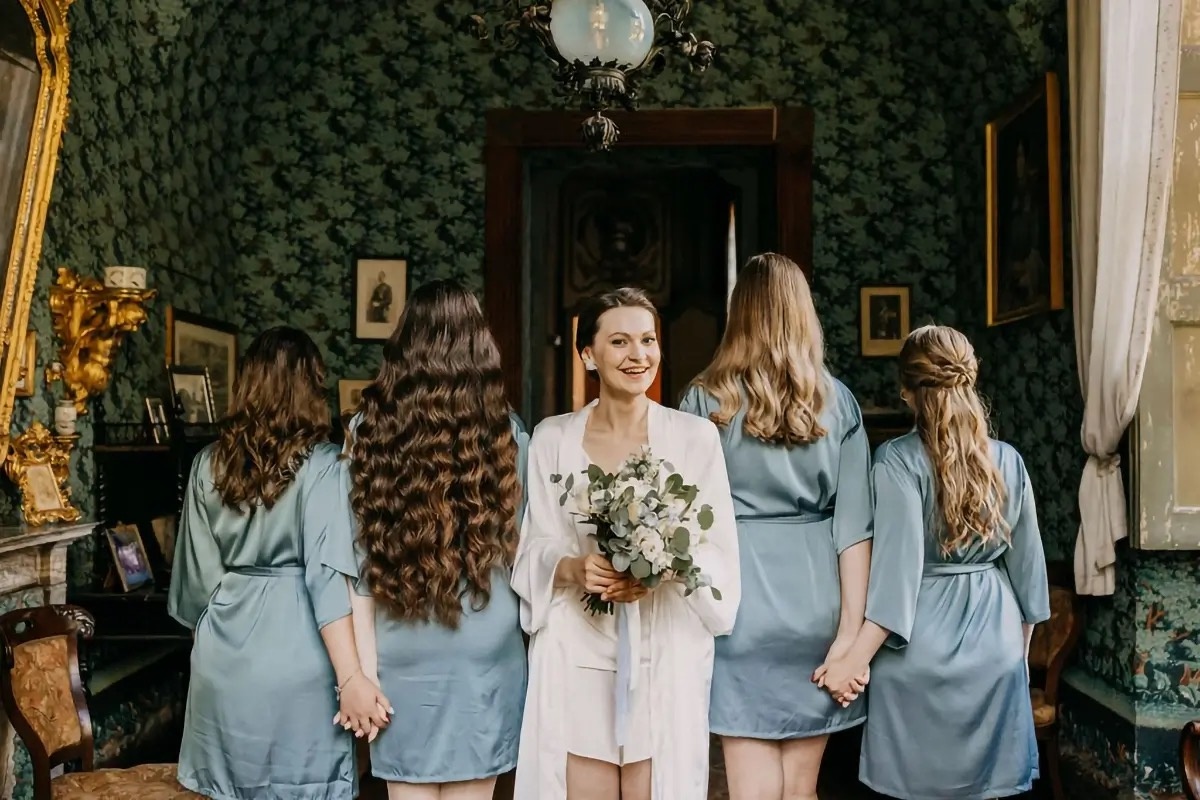
Frescoed Noble Halls hung with period artworks and lit by antique lanterns, seating up to around 140 across two rooms.
The Halls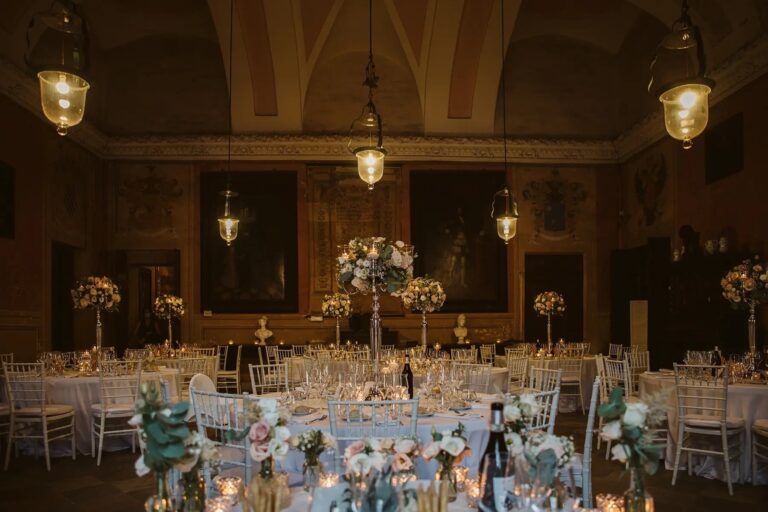
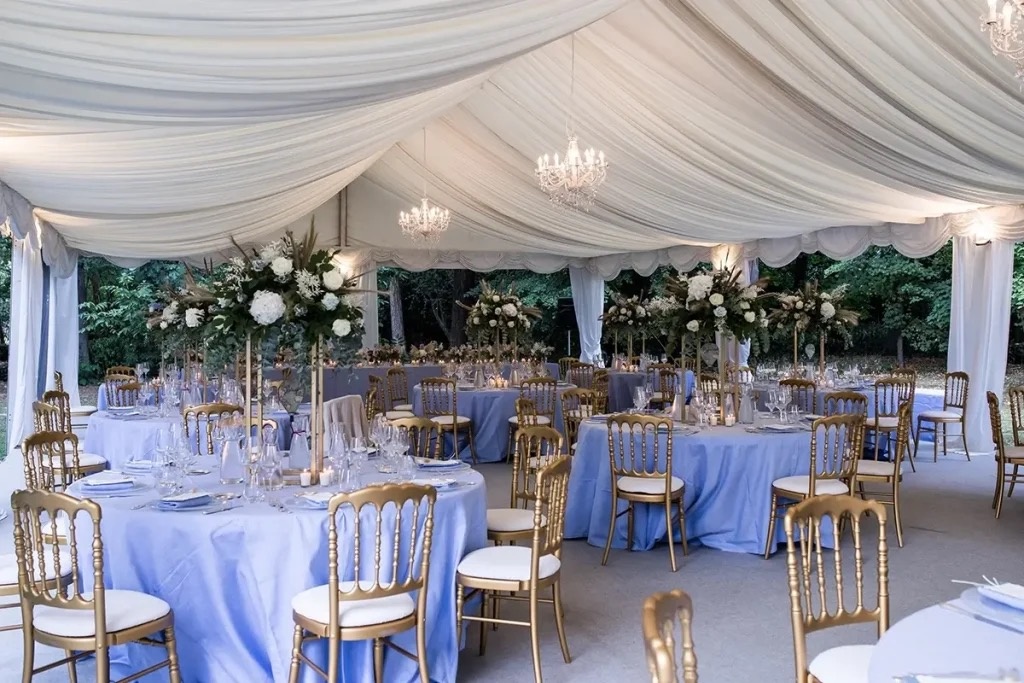
The Limonaia & The Marquee
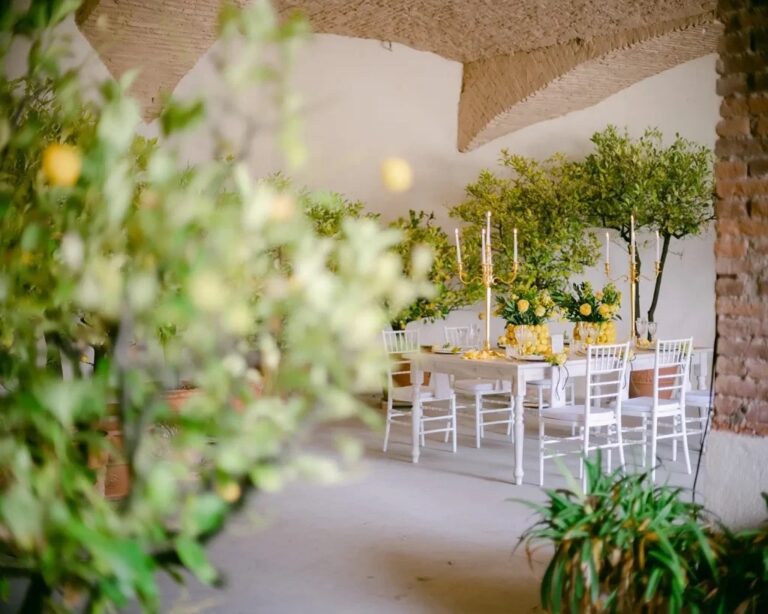
The red-brick Limonaia (Lemon House) and a 200+ sqm marquee extend the celebration, for receptions and dancing in the park.
The SpacesThe Secret Courtyard & Park
The Corte Segreta and the century-old park, with majestic centennial trees, for outdoor ceremonies, aperitifs and photographs.
The Park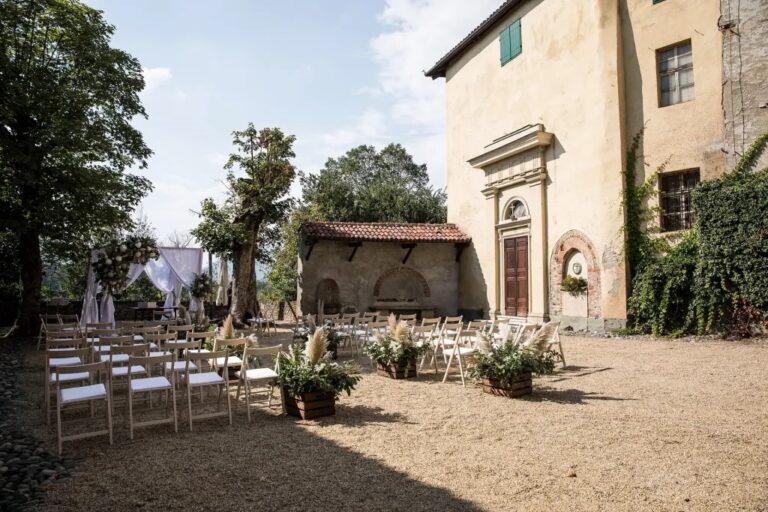
The whole of Castello di Collegno, to yourselves
The whole castle, its salons and the century-old park.
- The castle and its salons
- The century-old park
- The Corte Segreta and balustraded terrace
Enquire about your wedding at
Castello di Collegno
Share a few details about your wedding at Castello di Collegno and your enquiry will be passed on to them. A reply cannot be promised, and no time can be given for it.
Piedmont
Castello di Collegno stands on Via Alpignano in Collegno, within its own century-old park, just minutes from the centre of Turin. Turin Airport is about twenty minutes away, with the city's mainline stations and the motorways close by, making the castle easily reached while feeling a world apart, in the heart of Piedmont.
Castello di Collegno
Via Alpignano 2/A, 10092 Collegno (TO), Piedmont, Italy
Things to do nearby
- Central Turin
- The Langhe and Monferrato
- The century-old park
Getting there
- Turin Caselle (TRN)
- Milan Malpensa (MXP)
What guests say
Be the first to review Castello di Collegno.
Whether you married here, came as a guest or stayed, your review helps the next couple decide. Each one is checked before it appears.
Castello di Collegno
How many guests can celebrate at Castello di Collegno?
The two frescoed Noble Halls seat around 140 guests between them. The Limonaia and a marquee of more than 200 square metres give extra room, or cover if the weather turns.
Does the castle hold civil ceremonies?
Yes. It is licensed for civil ceremonies, which take place in the Noble Halls or outdoors in the Secret Courtyard and the park.
Is the castle hired exclusively?
Yes. A couple takes the entire castle, its salons and the park for their own party.
Who provides the catering?
There is no in-house restaurant. Couples bring a caterer of their choice and plan a Piedmontese or fine-dining menu with Piedmont wines.
Can guests stay at the castle?
There are no bedrooms on site. Turin, with a broad choice of hotels, is a few minutes away and the team will advise on where to stay.
How far is the castle from the airport?
Turin Airport is about 20 minutes away, and the castle sits a few minutes from the centre of the city.
What is the history of the castle?
Umberto III of Savoy founded it in the twelfth century, and the Counts Provana di Collegno and later the Guidobono Cavalchini family shaped it into a noble residence. The original structure, antique furnishings and period artworks remain.