
Marrying in Loire Valley
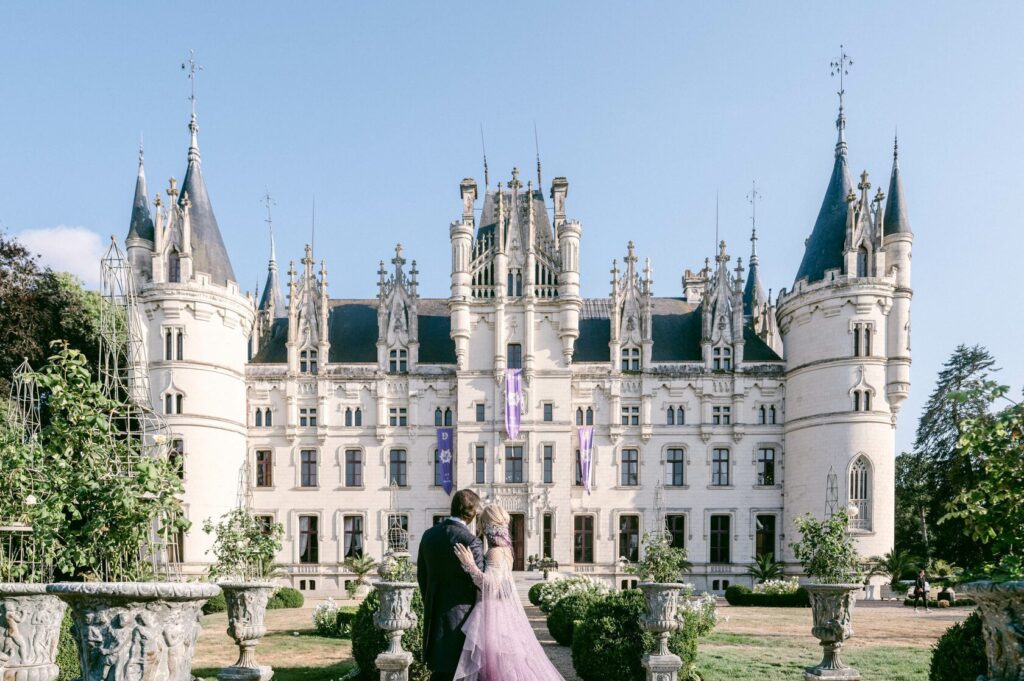
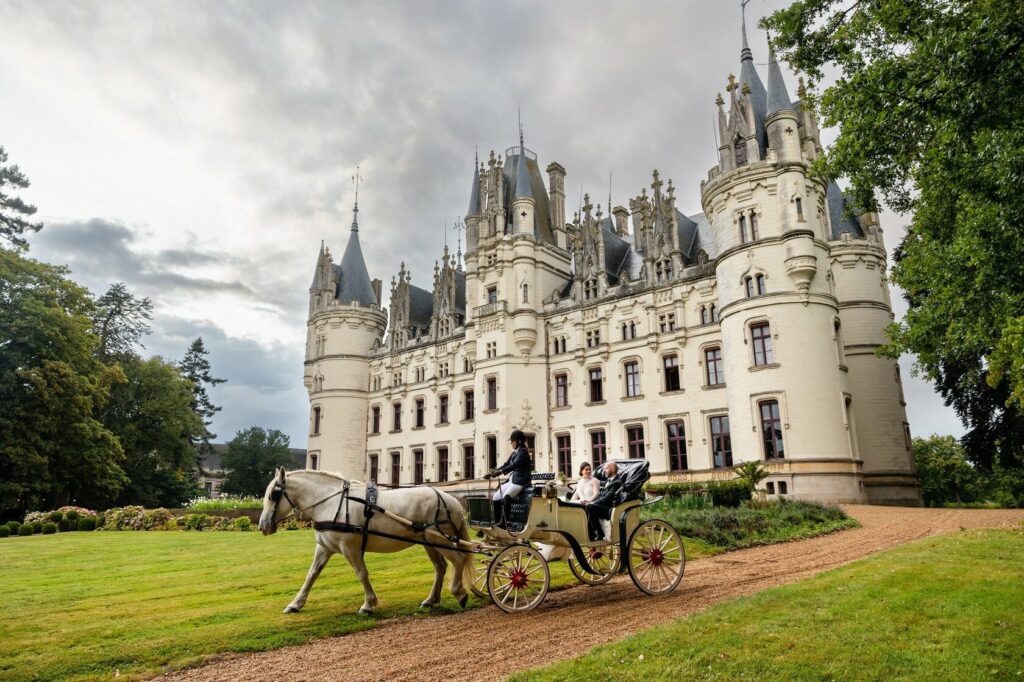
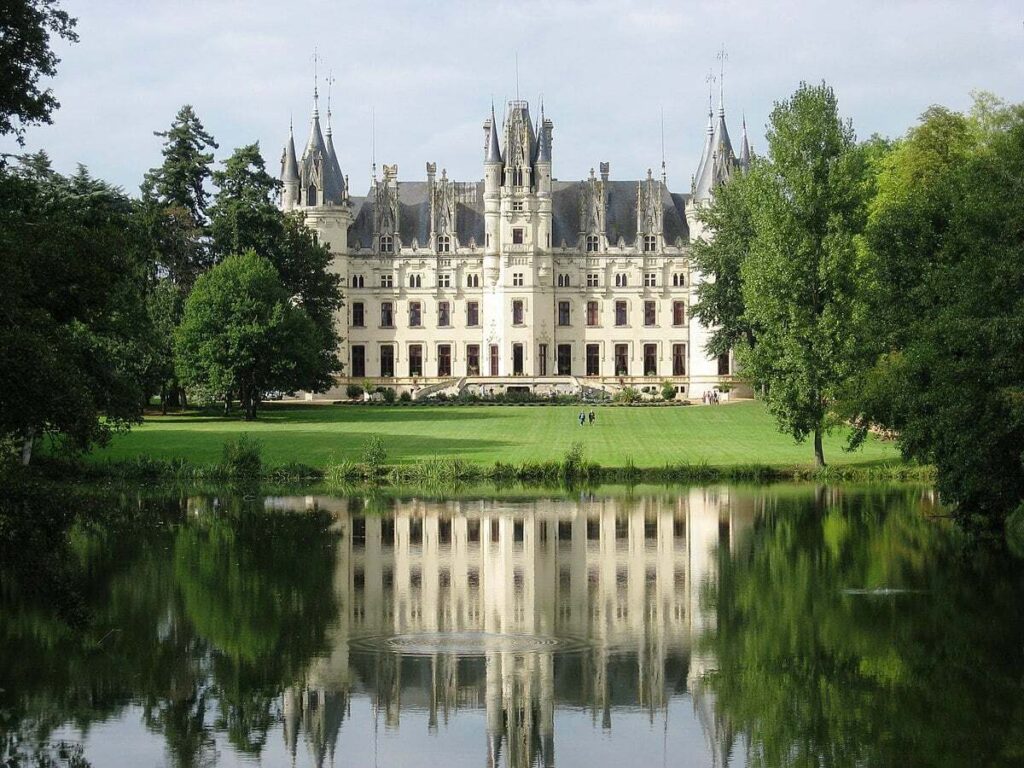
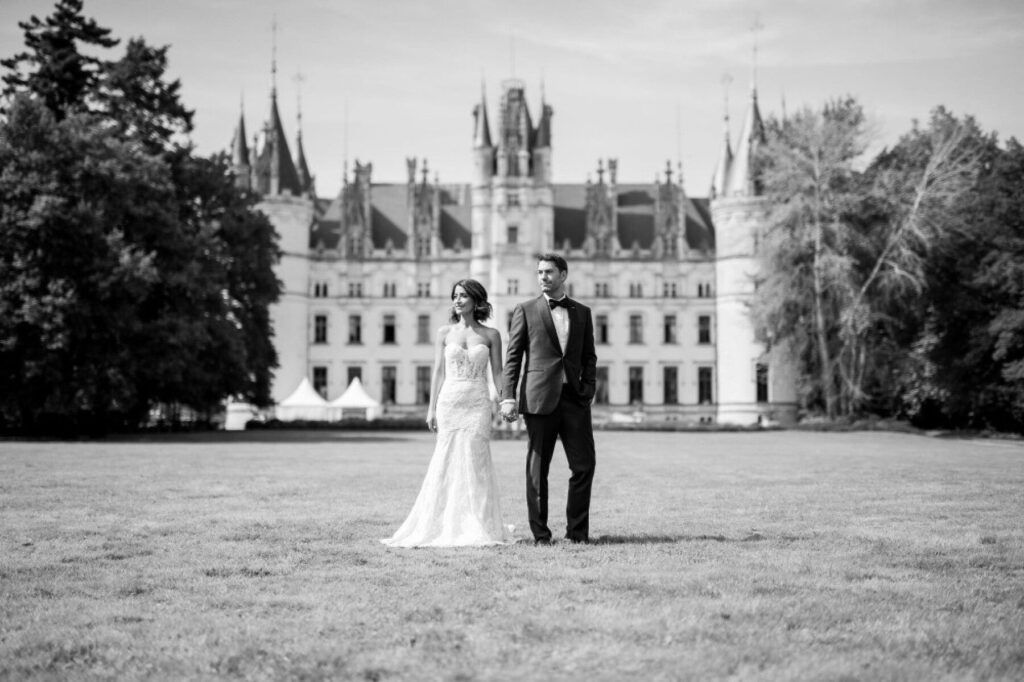
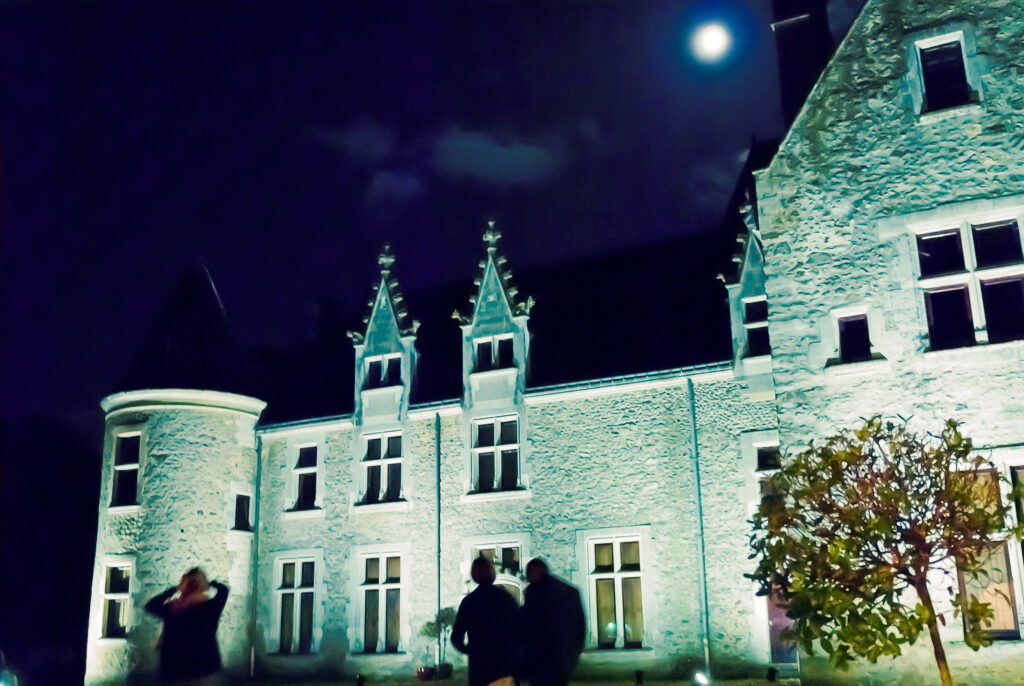
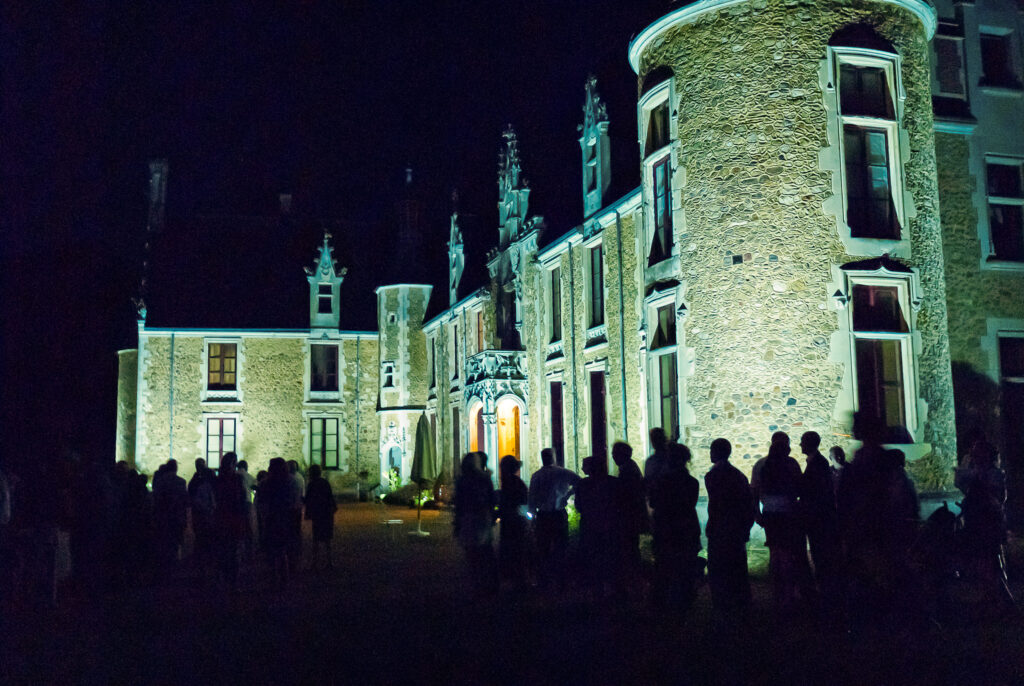
The Loire Valley is where the French court built a run of major residences: Chambord, Chenonceau, Amboise, Villandry and Cheverny. The central Loire corridor is a UNESCO World Heritage landscape. For weddings the practical point matters as much as the history: many of these châteaux are privately owned and can be hired exclusively.
The valley divides into three zones. The Blois area to the east holds the most major châteaux. The Touraine, around Tours, offers a broad middle range of manoirs and domaines close to the TGV station at Saint-Pierre-des-Corps. Anjou to the west, around Angers and Saumur, has troglodyte cave settlements, wine estates making Chenin Blanc and Saumur-Champigny, and châteaux that see less demand.
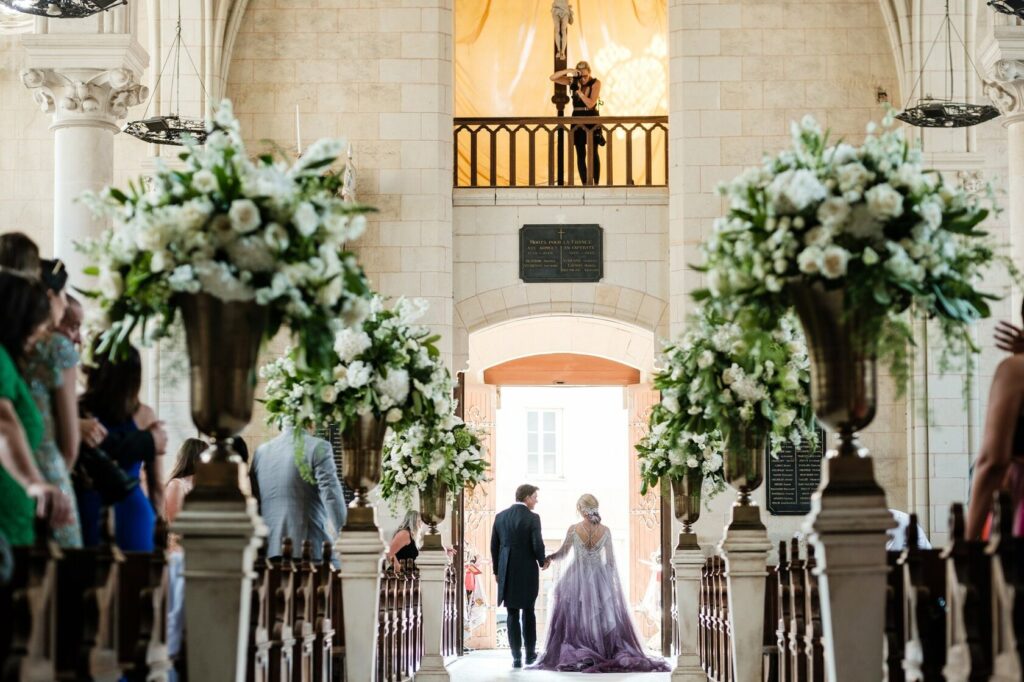
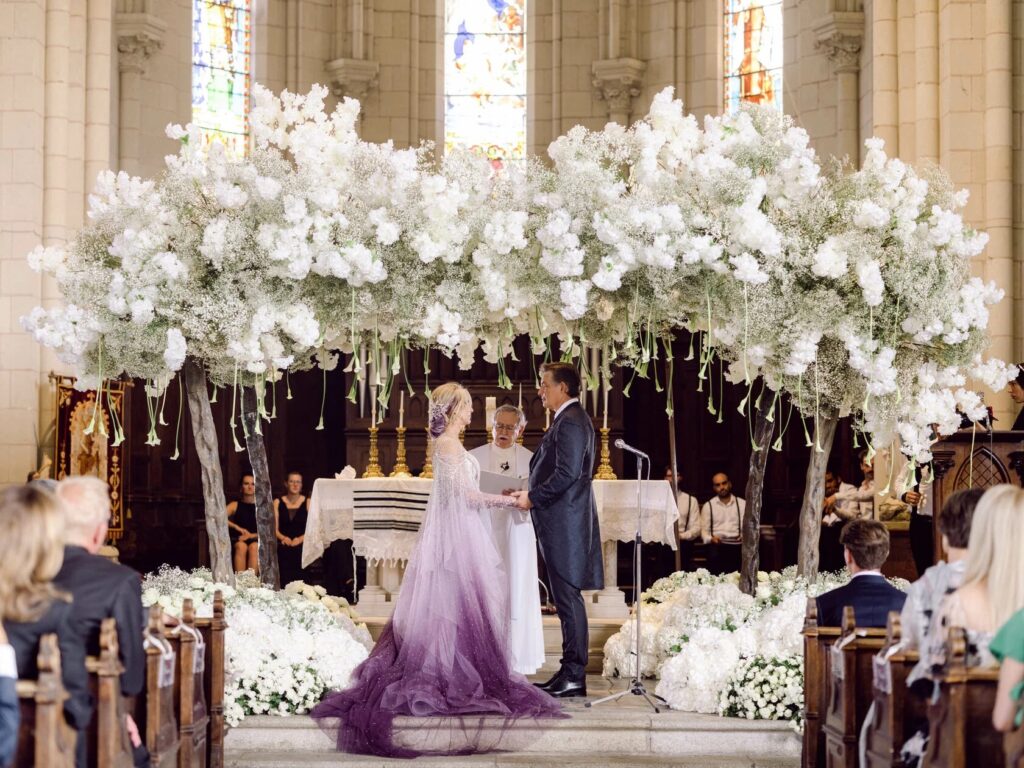
Loire weddings lean formal. Most venues lack public transport, so coach transfers from Tours or Blois are needed. The reward is real exclusivity.
The seasons
- Best
- Shoulder
- Peak
- Quieter
5 Star view Our reading of the wedding year, from the months below.
- Best months
- June and September
- Shoulder season
- May and October
- Peak season
- July and August
June combines long daylight with moderate temperatures and gardens at their fullest. July and August are hot without often becoming severe. October brings autumn colour across the Sologne forests. The season runs from May to October, and most venues are dormant in winter.
Daylight and sunset
The bar runs from sunrise to sunset on the 15th of each month. A ceremony is usually timed an hour or two before the sunset shown.
Calculated From the coordinates of Loire Valley, local time, for 2027.
Ramadan and Eid
For couples and guests who observe them, the dates to plan a wedding around.
| Year | Ramadan | Eid al-Fitr | Eid al-Adha |
|---|---|---|---|
| 2027 | 8 Feb to 8 Mar | 9 Mar | 16 May |
| 2028 | 28 Jan to 25 Feb | 26 Feb | 5 May |
Calculated From the Umm al-Qura calendar. The observed dates follow the sighting of the moon and can fall a day either side.
The areas of Loire Valley
Blois and the Sologne
The best-known zone. The Sologne forest surrounds a dense cluster of privately owned estates, and Cheverny, Beauregard and other châteaux offer exclusive weekend hire. Demand is high for June and July.
Amboise and the Cher Valley
The Cher runs between Amboise and Blois past riverside châteaux and white tufa villages. Chenonceau spans the river but is state-managed and cannot be hired, though the properties beside it offer a similar landscape. Amboise works as a guest base.
Tours and Touraine
The commercial and transport centre. The TGV stop links the Loire to Paris, and the hinterland holds the largest number of hireable châteaux and manoirs at a range of prices, which suits international guests.
Anjou (Angers and Saumur)
The western Loire, less visited and priced lower. Saumur lies at the centre of the Saumur-Champigny and Muscadet wine zones. Troglodyte architecture cut into the white tufa cliffs is found nowhere else in France.
What venues are like
Private château
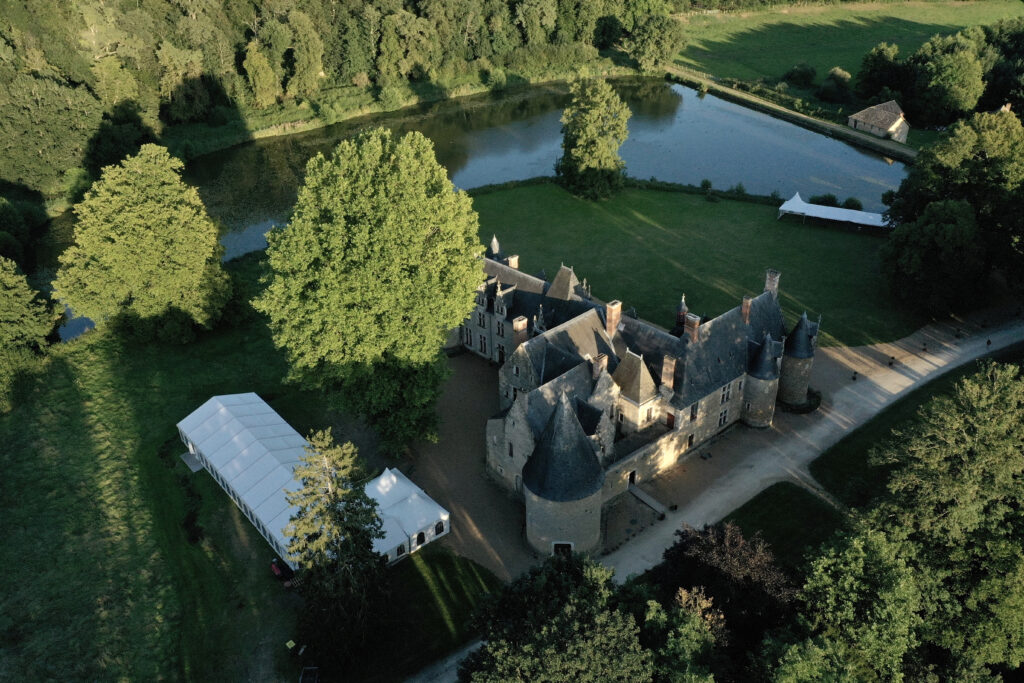
The defining Loire venue type. Most offer exclusive residential hire for the whole weekend, with rooms in the main house and converted outbuildings.
Domaine viticole
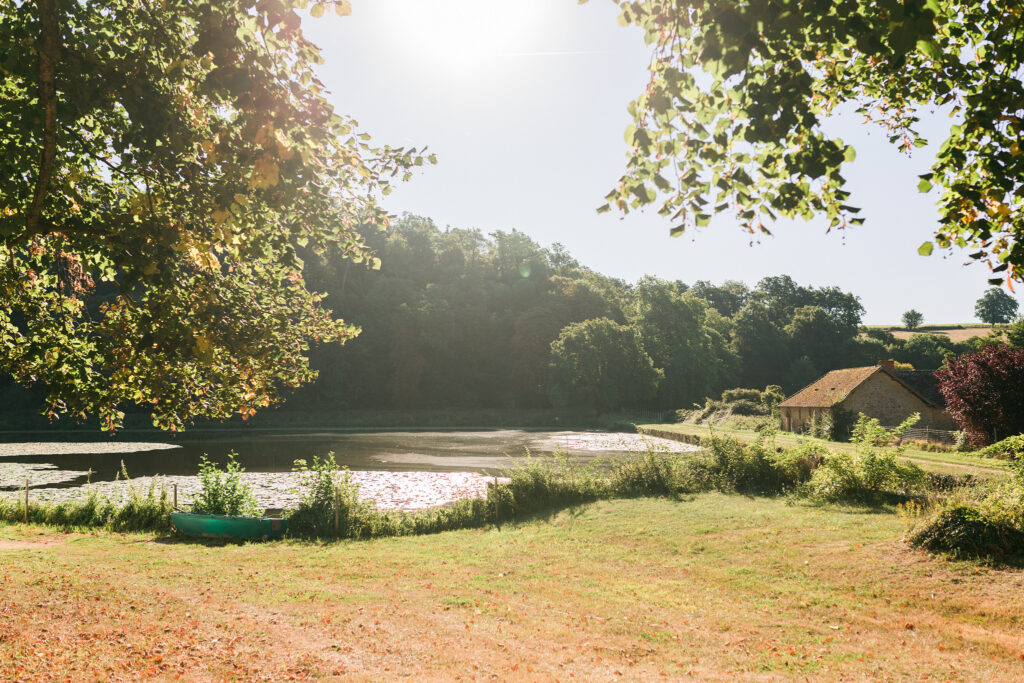
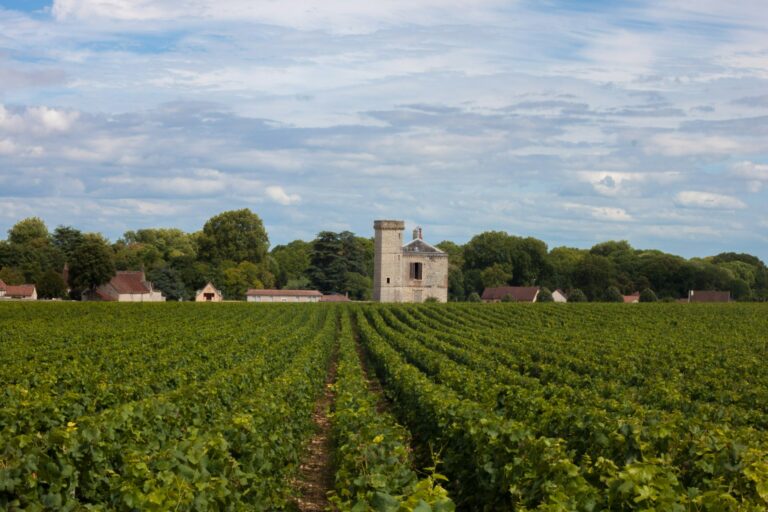
Wine estates in the Touraine and Anjou appellations, smaller and more agricultural than the major châteaux, and usually easier on price and availability. Chenin Blanc estates in Vouvray and Montlouis are well regarded.
Manoir
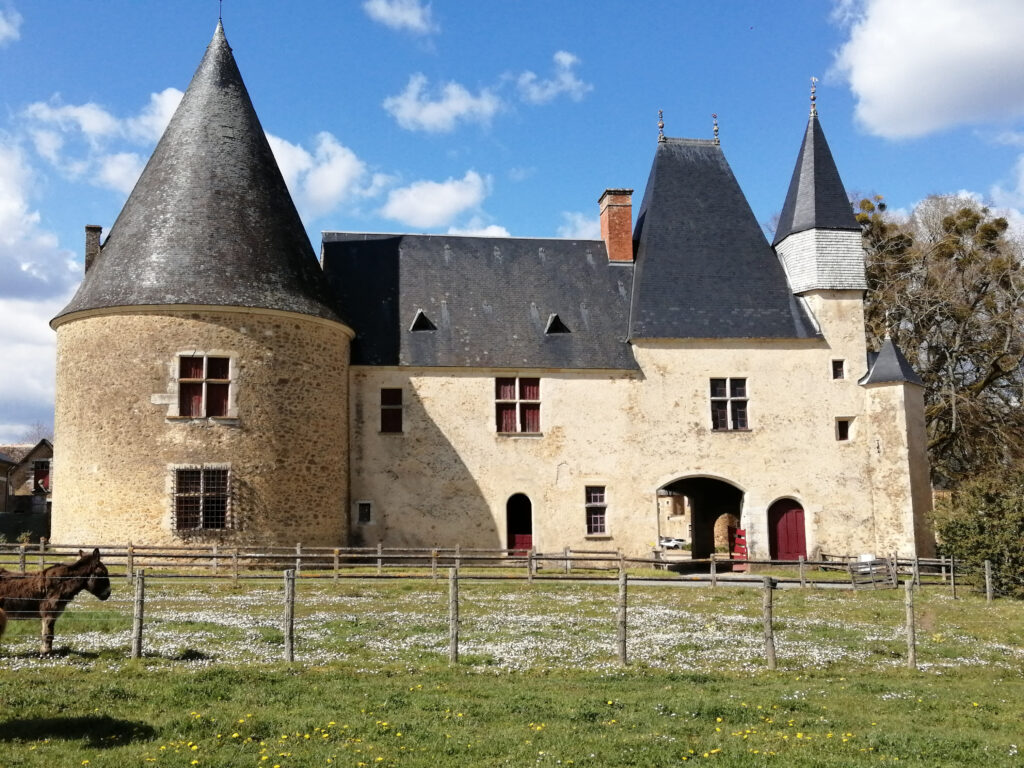
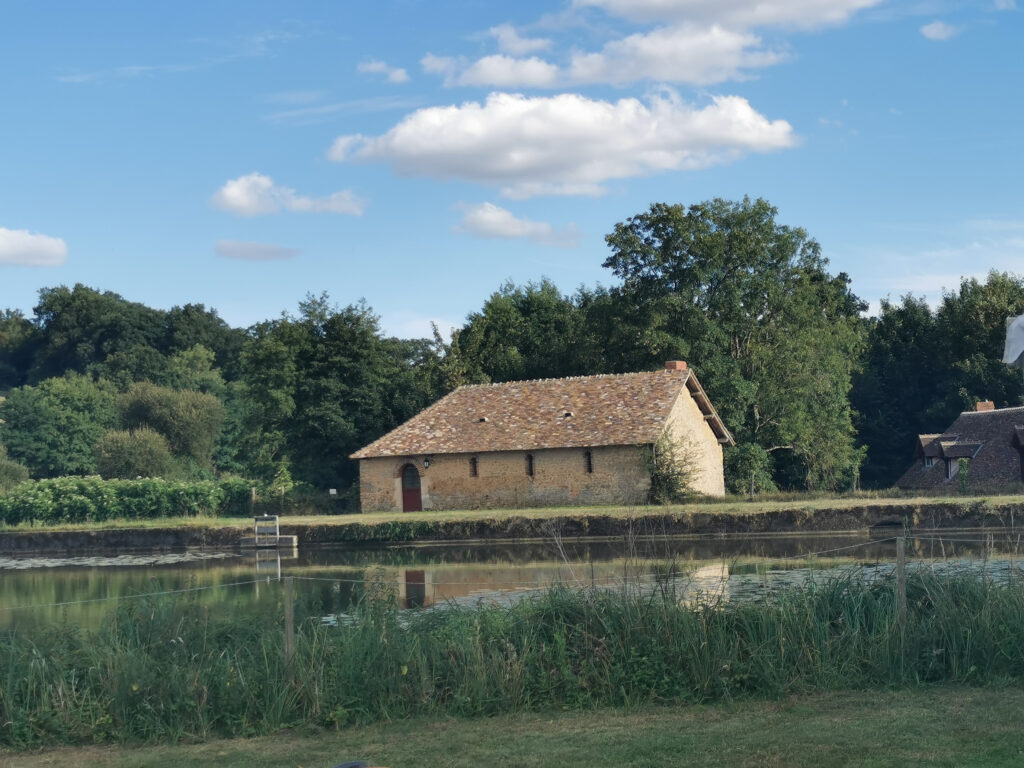
A smaller country house, usually from the sixteenth to eighteenth century, in private grounds. The category covers the widest price range and some of the most characterful properties.
Airports and transfers
- Paris Charles de Gaulle (CDG) The main international gateway, with a TGV to Tours from the airport's own station. Best for intercontinental guests.
- Paris Orly (ORY) Linked to Tours by TGV from Massy-TGV, with stronger connections from southern Europe and North Africa.
- Nice Cote d'Azur (NCE)
- Bordeaux Merignac (BOD)
- Marseille Provence (MRS)
- Lyon Saint-Exupery (LYS)
- Nantes Atlantique (NTE)
- Toulouse Blagnac (TLS)
- Paris Beauvais (BVA)
- Angouleme Cognac (ANG)
The TGV from Paris Montparnasse reaches Tours at Saint-Pierre-des-Corps, with Angers a little further. Coach transfers from the stations at Tours or Blois are the standard way to move a wedding party. The A10 motorway serves guests who drive.
Marrying legally in France
Civil marriage in France is held at the town hall, in public, before the mayor or a deputy, and a religious ceremony may not come before it. At least one of the couple, or one of their parents, must have a home or an established residence of at least one month in the commune on the day the banns are published. Two foreigners with no home in France can marry only at the consulate of one partner's country or in an overseas collectivity.
- 1After one month of residence in the commune
File with the town hall
Both partners attend to lodge the file at the town hall of the chosen commune, with original identity documents, proof of address dated more than one month earlier, birth certificates (under 6 months old if issued abroad; apostille or legalisation may be required), sworn translations, and where asked a certificate of custom and a certificate of celibacy.
- 2Ten days of banns, then the prosecutor's review
Banns and hearing
Banns are posted for 10 days and the wedding cannot take place before the 10th day after publication; it must take place within one year after that period ends. The registrar hears the couple, usually together, and alerts the prosecutor to any serious sign of fraud, who has 15 days to allow or oppose the marriage.
- 3The day
The civil ceremony
At the town hall in a room open to the public, before the mayor or a deputy, with the couple's witnesses. The mayor may use another communal building, which the prosecutor may oppose.
- Residence
- 1 month in the commune before banns
- Banns
- posted 10 days
- Where
- town hall, open to the public
- Religious ceremony
- never before the civil marriage
Already married at home?5 Star view
French law allows only the civil ceremony to carry legal effect, and a religious marriage must not be celebrated before it. Many couples therefore marry in their own country or at a town hall and hold the blessing or celebration at the venue; a ceremony with no legal effect needs none of the steps above and the venue and planner arrange it.
Who needs a visa
Travelling from the United Kingdom
British passport holders visit France without a visa for up to 90 days in any 180-day period, counted across the whole Schengen area. The passport must have been issued less than 10 years before arrival and be valid for at least 3 months after the day you plan to leave. The European Union's Entry/Exit System registers fingerprints and a photograph at the border on a first visit.
Other nationalities
EU, EEA and Swiss nationals need no visa. Other nationalities check with the French embassy or consulate in their country. Overseas departments and territories have their own entry rules; check with the French embassy.
Reference service-public.gouv.fr: Marriage in France (F930, read 2026-10-21). gov.uk: France entry requirements (travel advice, read 2026-10-21). European Union entry rules for visa-exempt visitors (EES, ETIAS) and European Commission implementing decisions on multiple-entry visas for Saudi, Bahraini and Kuwaiti nationals. Checked 21 October 2026. Rules change: confirm with the authority that will marry you before you book.
Accommodation
Accommodation ranges from grand Renaissance châteaux to small maisons de maître, mostly around Tours, Angers and the wine villages of Vouvray and Sancerre.
At the table
Loire cooking is defined by river fish, mushrooms grown in the valley's tufa caves, Touraine goats' cheese and wines from bone-dry Sancerre to honeyed Vouvray.
Rillons and Rillettes
Slow-cooked pork eaten cold with bread: rillons are caramelised belly chunks, rillettes a spreadable pâté. Both suit a wedding aperitif.
Sandre au Beurre Blanc
Pike-perch fillets with beurre blanc, a white butter sauce made with Muscadet and shallots, the signature dish of Loire river cooking.
Crottin de Chavignol
A small, firm goats' cheese from the Sancerre appellation, eaten young and creamy or aged and nutty.
Tarte Tatin
The upside-down caramelised apple tart, created at Lamotte-Beuvron in the Sologne and served warm with crème fraîche.
What planners tell couples
Getting there
Tours Val de Loire Airport has limited connections, so Paris Charles de Gaulle and Orly are the main gateways, each linked to Tours or Angers by TGV. Driving from Paris on the A10 is the alternative.
Cycling the valley
The Loire à Vélo route follows the river on dedicated paths past major châteaux. Many couples build a guided cycling day into the wedding week.
Château season
Most venues and attractions are fully open from April to October. Outside that window access is limited and some boutique properties close.
Wine and appellation diversity
The Loire makes sparkling Crémant de Loire, red Chinon and sweet Coteaux du Layon. A Loire-only wine pairing sets a wedding here apart.