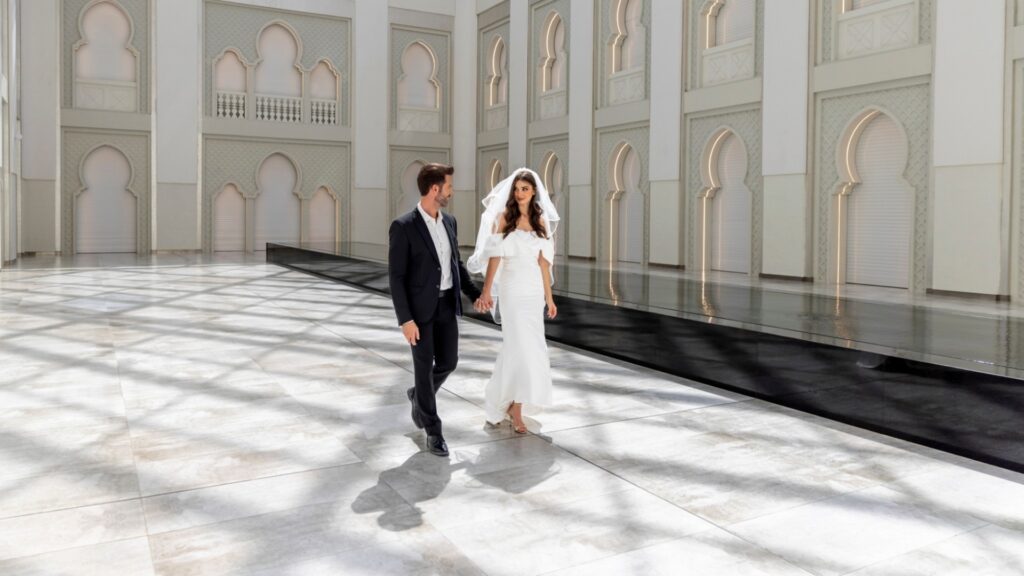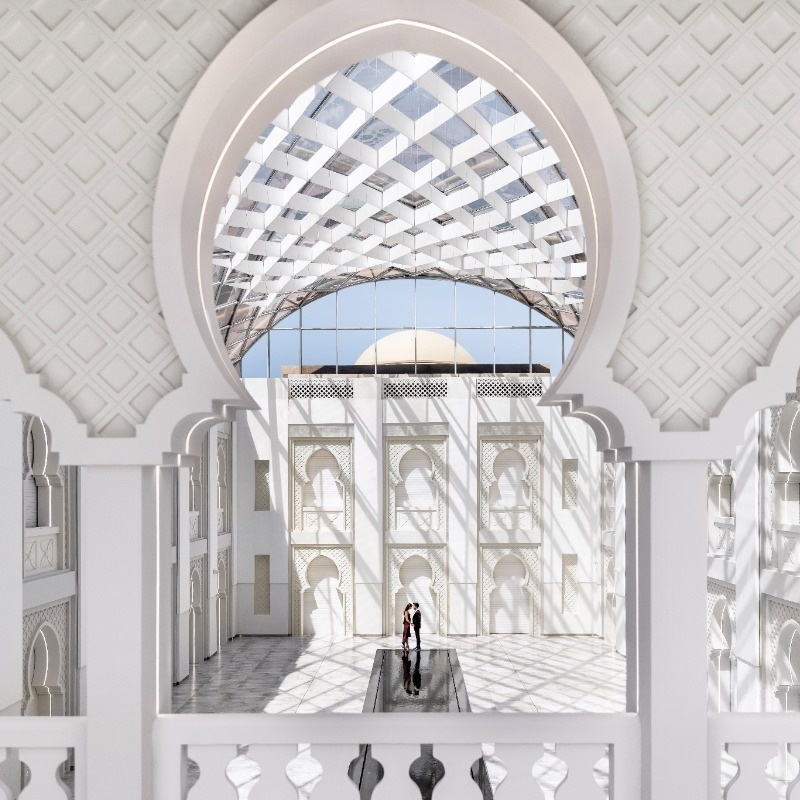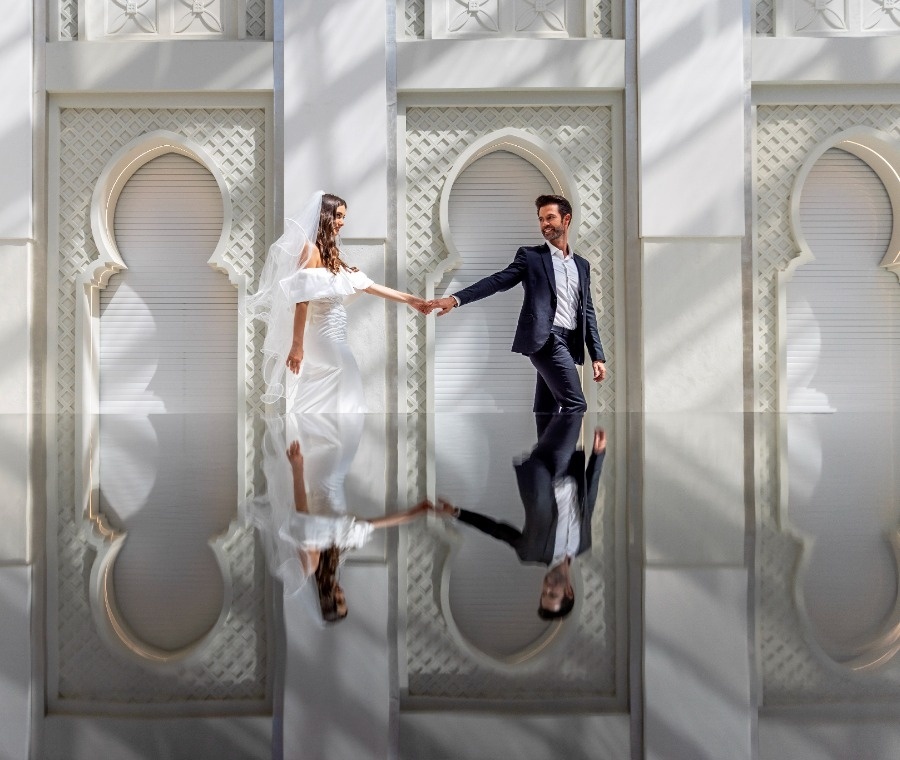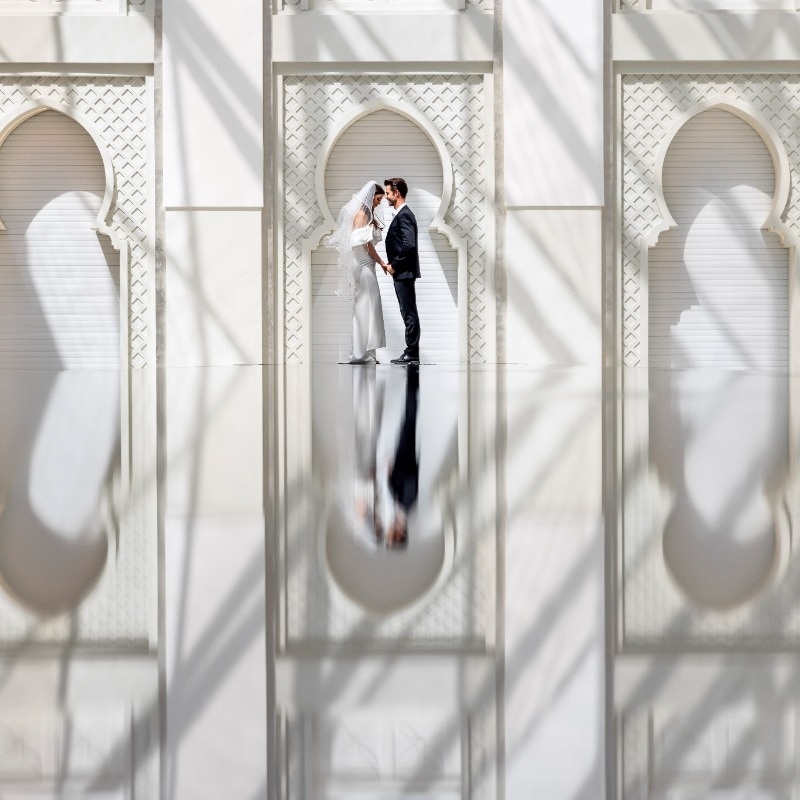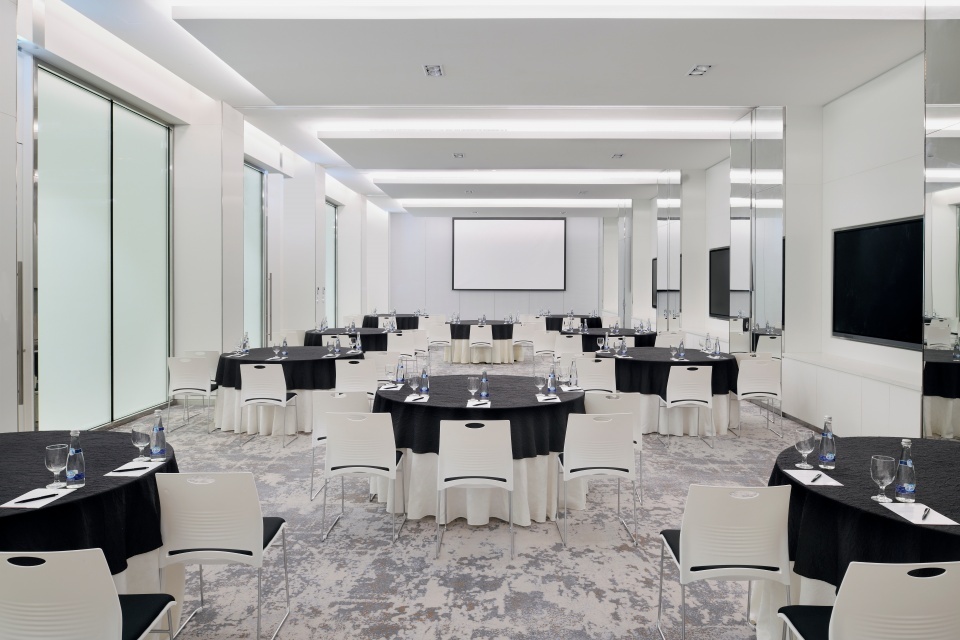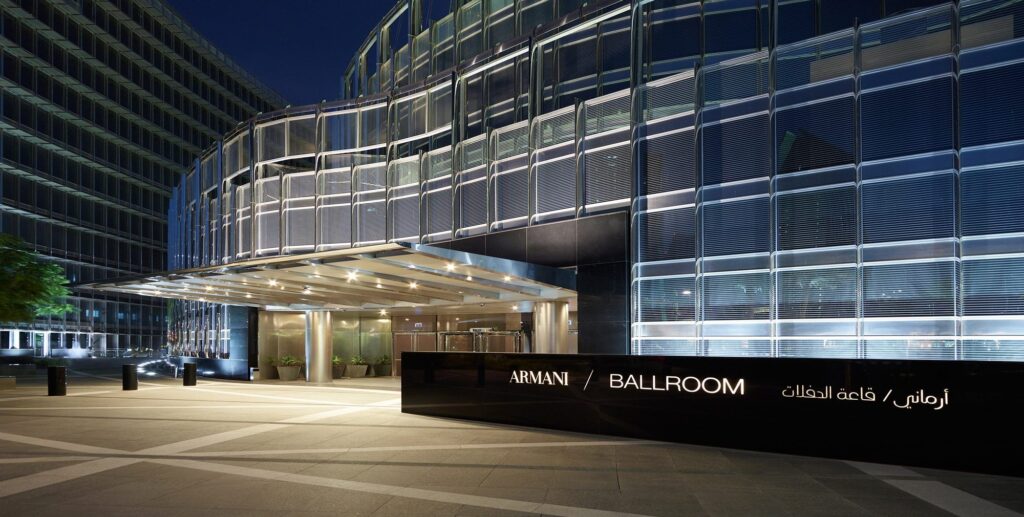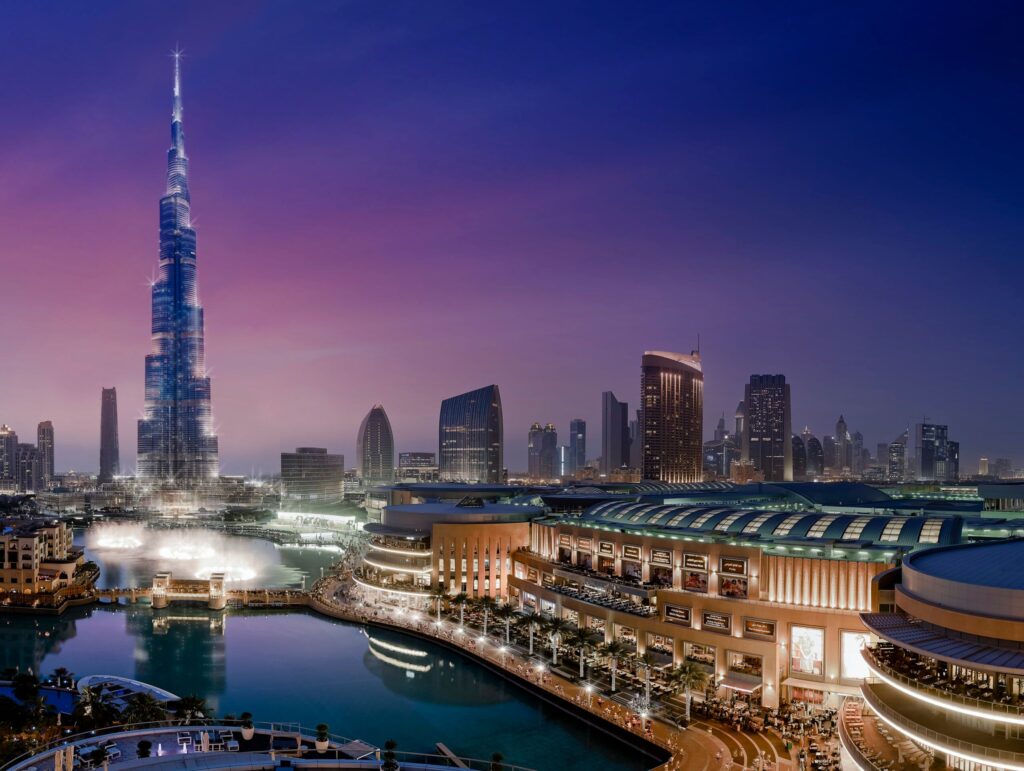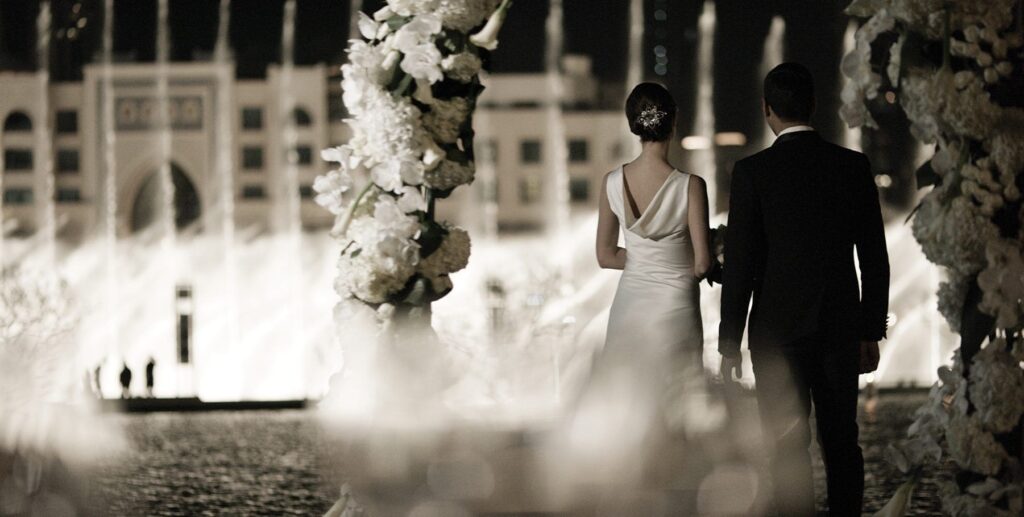
Burj Al Arab Jumeirah closed in 2026 for the first restoration in its history. Jumeirah announced the programme in April and gave it about 18 months, and the hotel is expected to reopen in October 2027. For a couple, that turns the question of whether to marry in Dubai’s sail into a question of when. A wedding here, whether a ceremony for a few close family on the helipad near the top of the tower or a banquet in the Al Falak Ballroom, is now a wedding in the restored building.

A sketch of a sail, and an island to stand it on
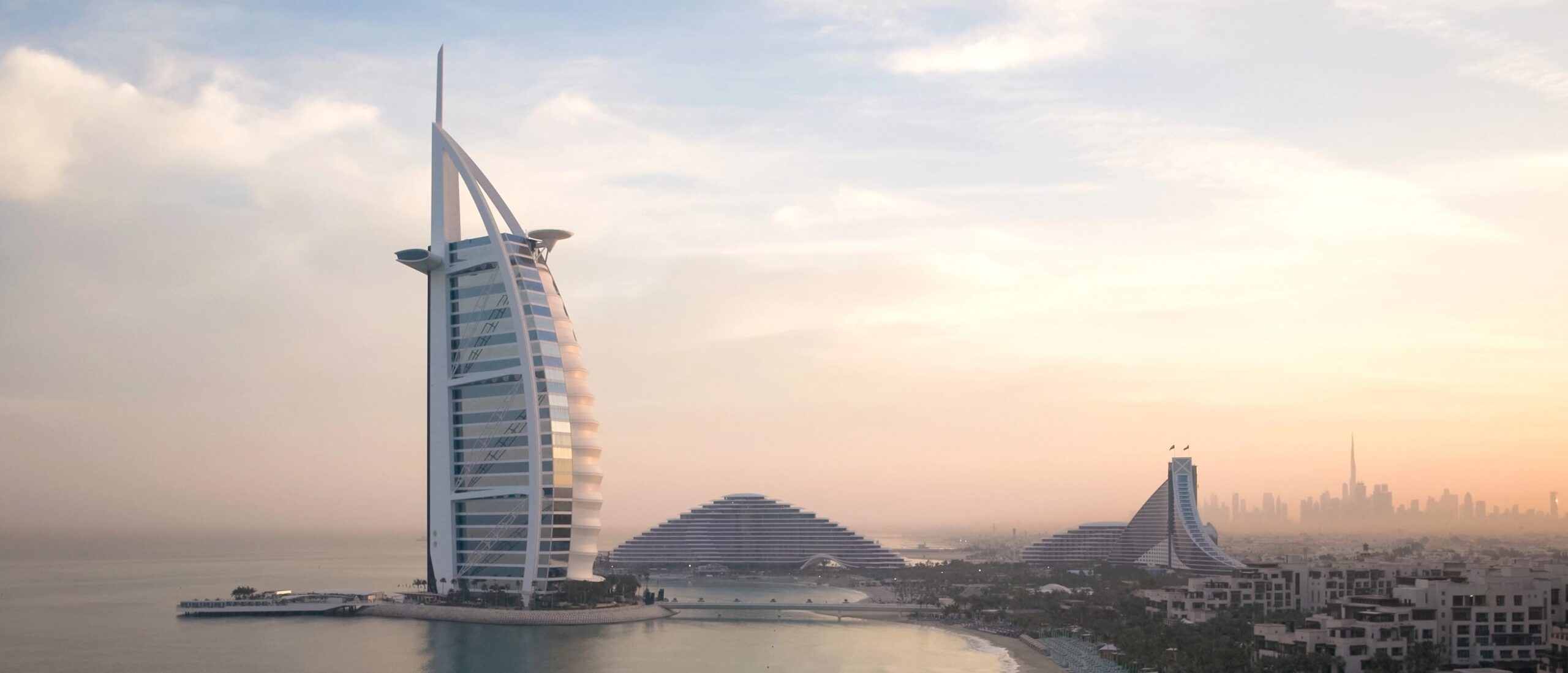
The design began in 1993 with a sketch inspired by a passing sail, and the finished tower takes the shape of the sail of a dhow, a tribute to the maritime past of Dubai. The architect was Tom Wright of the British consultancy Atkins. Building started in July 1994, but before the tower could rise there had to be ground to put it on. Land was reclaimed about 280 metres off Jumeirah Beach, and the builders drove 230 concrete piles, each 40 metres long, into the sand, with a layer of rock and a honeycomb of concrete to hold back erosion. The reclamation alone took about three years.
The hotel opened on 1 December 1999. The tower rises 321 metres, and its translucent fibreglass facade shields the building from the desert sun by day and serves as a screen for lighting at night. A private, curving bridge links the island to the shore.
Gold leaf, marble and an atrium 180 metres high
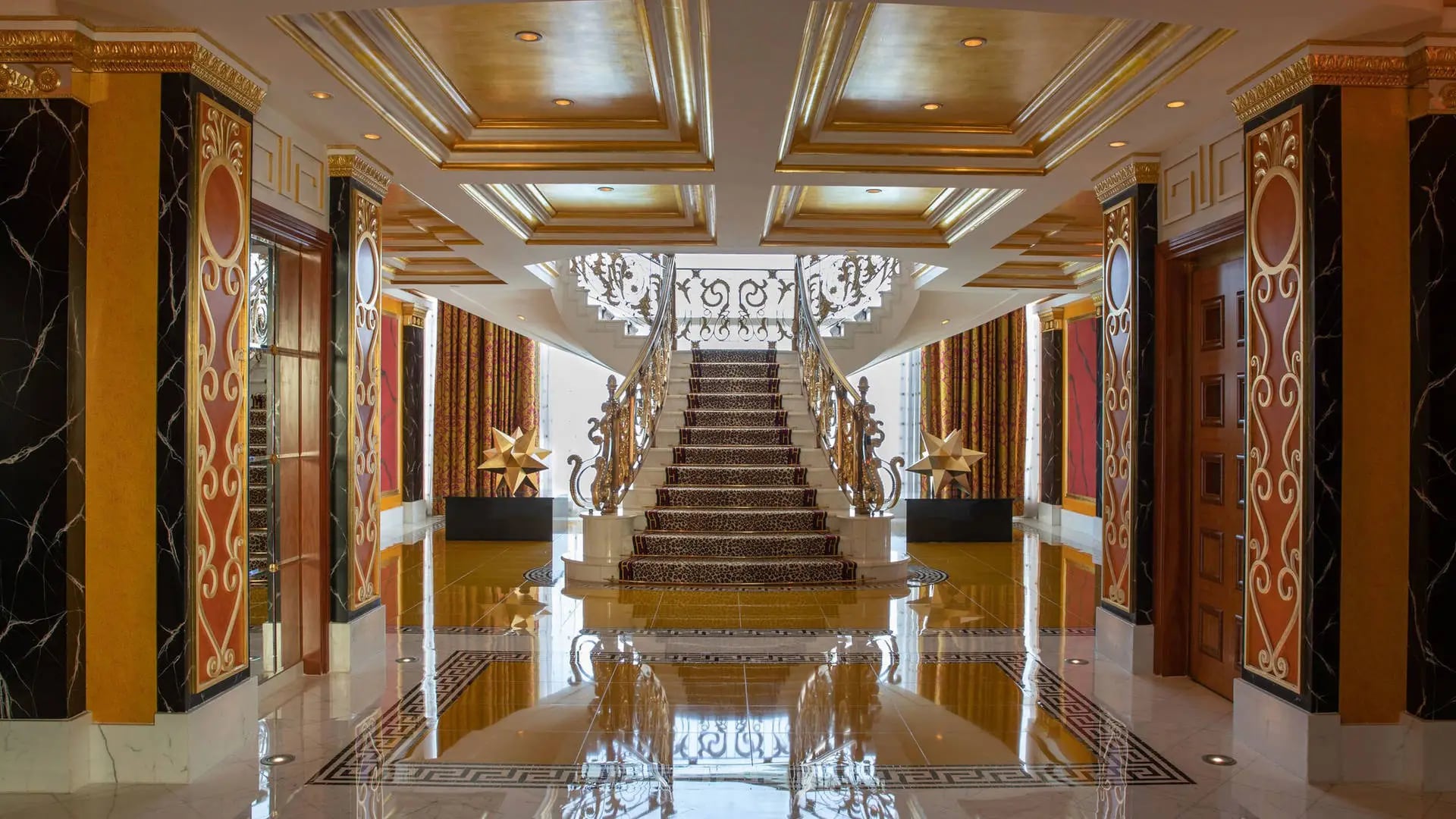
Inside, the atrium rises 180 metres through the sail. The interiors were designed by Khuan Chew and John Carolan of KCA International and are known for their gold leaf, Statuario marble and Swarovski crystal. Those materials are what the restoration sets out to keep.
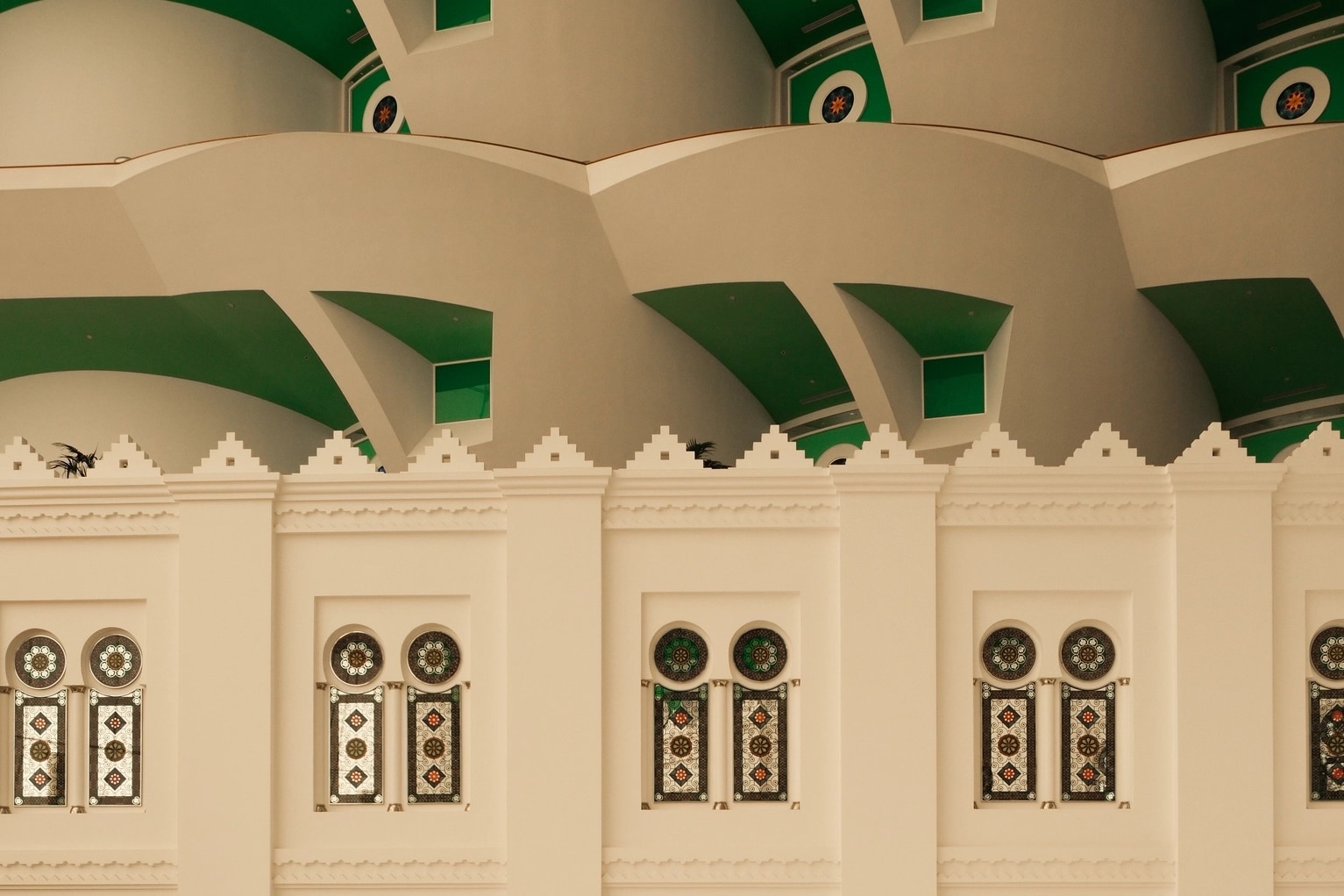
The work is led by Tristan Auer, the Paris interior architect who restored the Hôtel de Crillon. He trained under Philippe Starck and Christian Liaigre and founded his own studio in 2002. His brief is renewal rather than reinvention: most of the bold decoration, the craftsmanship and the materials stay, with bespoke fabrics, new finishes and discreet technical upgrades added for comfort and longevity, so that the hotel carries its character through the next 25 years and beyond. Auer has called it the first restoration of a property of this calibre in Dubai.
While the work runs, the suites, the restaurants and the wellness facilities inside the hotel are all closed. Guests who held bookings were offered rooms at other Jumeirah hotels.
Vows on the helipad
The helipad sits near the top of the tower, 210 metres above the Gulf, and was designed by the Irish architect Rebecca Gernon. Tiger Woods teed off from it in 2004, and in 2005 Roger Federer and Andre Agassi played tennis on it. In April 2014 Jumeirah opened it to weddings, with the couple arriving by helicopter or by Rolls-Royce Phantom and a planner designing each ceremony. That first offer also took in a tasting with the executive chef, a cake consultation with the pastry chef, time at Talise Spa and sessions with a personal stylist.
The helipad takes a ceremony for up to eight guests. It suits a couple who want to say their vows with parents and witnesses in the sky and hold the larger celebration in the rooms below. Jumeirah’s short film, Wedding in the Skies on Burj Al Arab helipad, shows a ceremony there.
A ballroom after the Viennese opera house
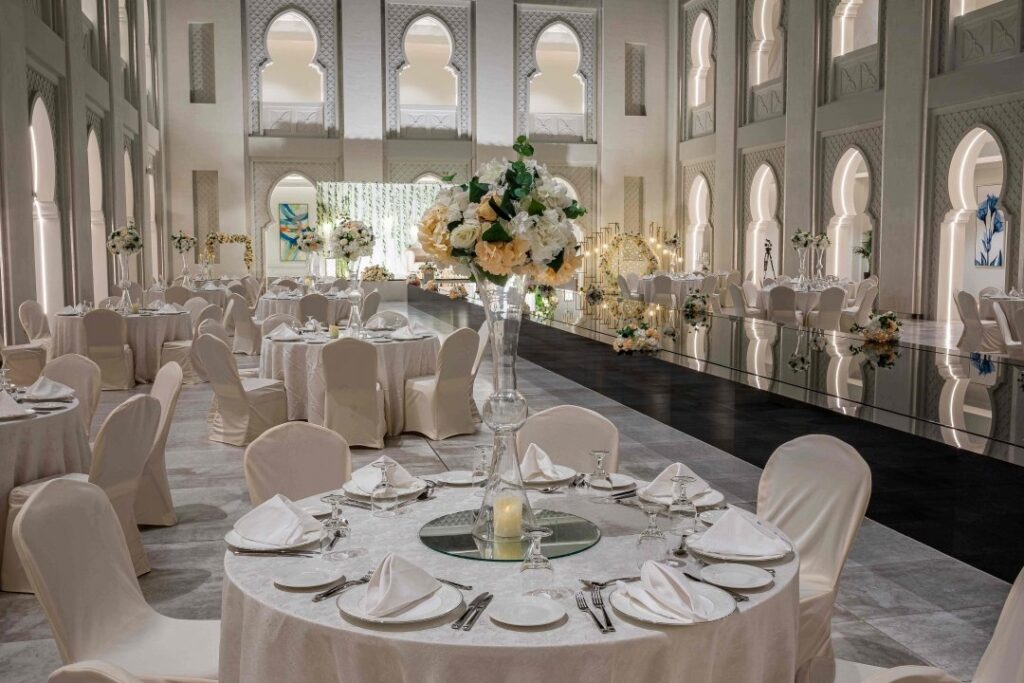
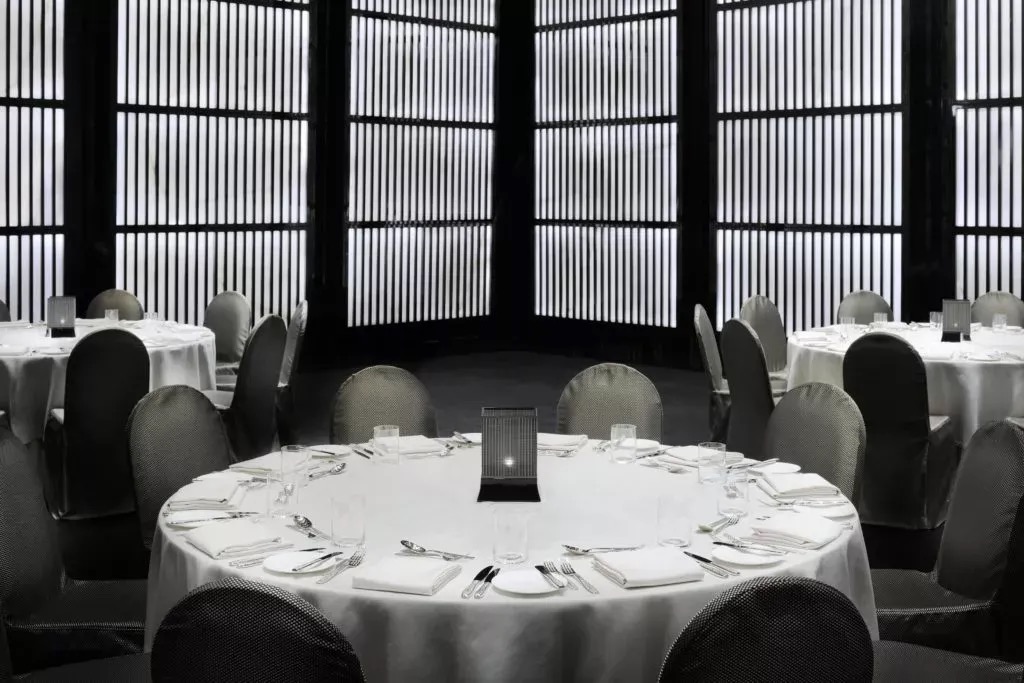
For a full wedding, the principal room is the Al Falak Ballroom, a gold room decorated in the manner of a Viennese opera house. It seats up to 250 for a banquet, with formal silver service, and holds 300 standing.
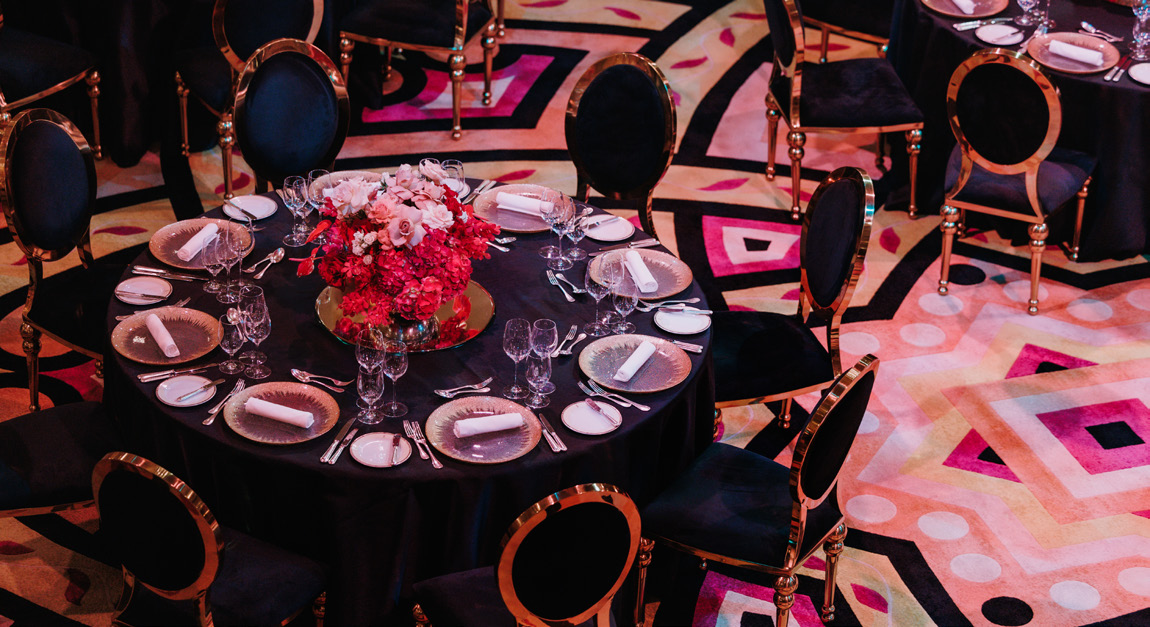
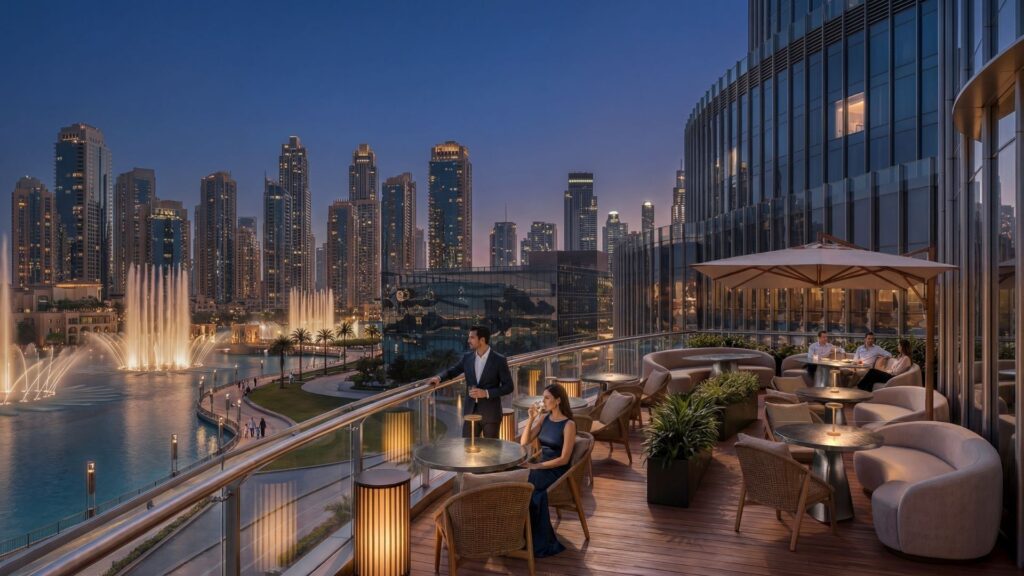
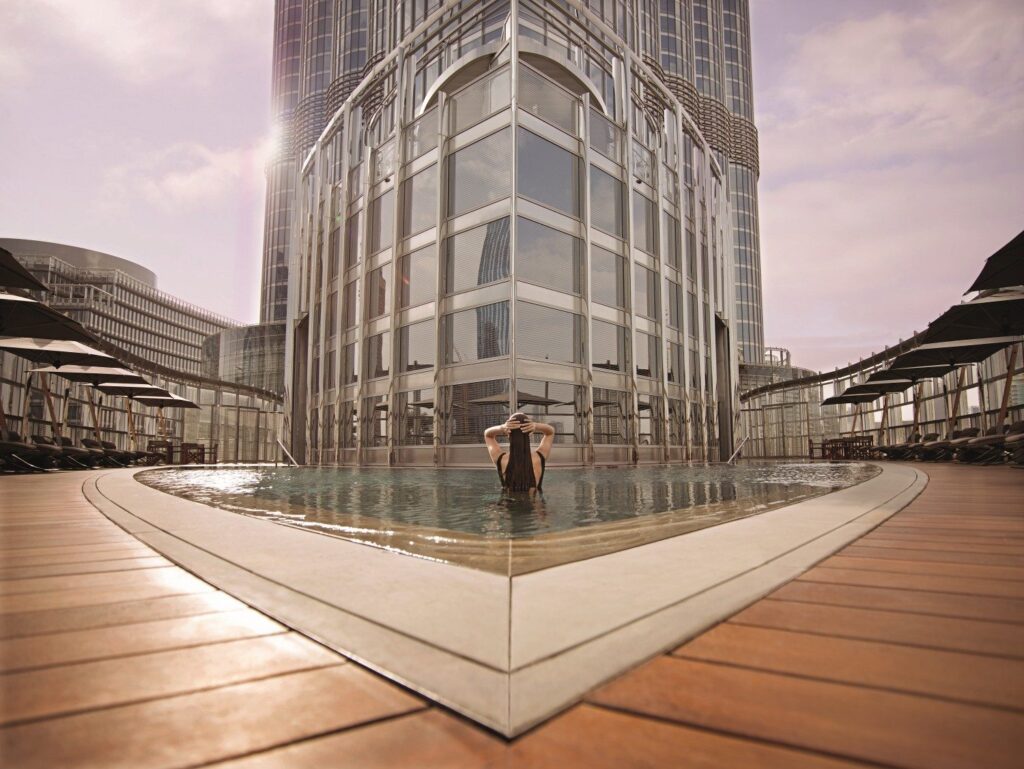
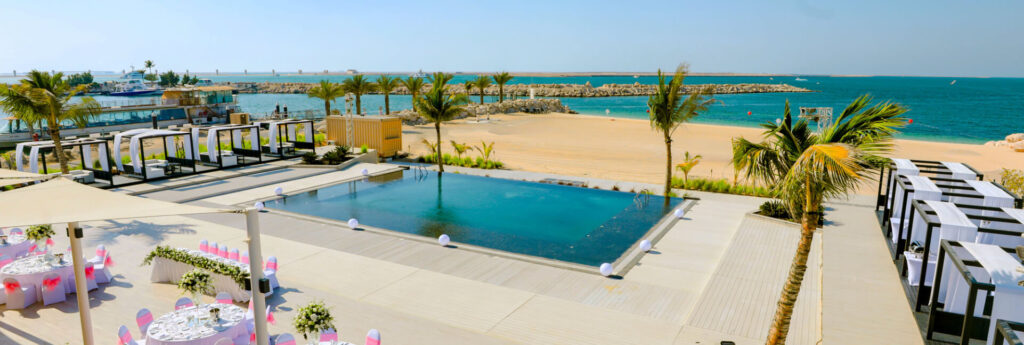
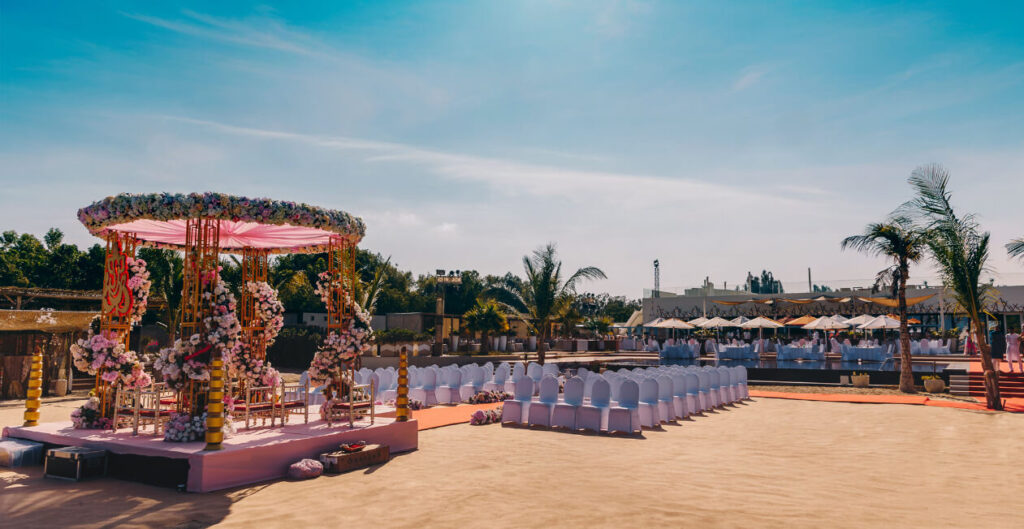
Higher in the sail, the Skyview takes ceremonies and receptions of up to around 60 guests, with views over the Gulf and the Dubai coastline. At sea level the Terrace reaches out into the water: about 10,000 square metres with an adults only saltwater infinity pool, a freshwater pool and 32 air conditioned cabanas, an open air setting for drinks or a reception beside the sea. The Marina Garden, a lawn by the water, seats around 100 to 150. For a smaller dinner, Al Mahara can be taken for a private celebration.
Dinner 200 metres up, or beside an aquarium
Al Muntaha, on the 27th floor, is about 200 metres above the Gulf in a structure cantilevered 27 metres out from each side of the mast. Before the closure it held one Michelin star for French and Italian cooking by chef Saverio Sbaragli.
Al Mahara is reached through a simulated submarine voyage and set around an aquarium of about 990,000 litres of seawater, behind acrylic some 18 centimetres thick. Before the closure its kitchen was led by Andrea Migliaccio, chef of L’Olivo on Capri, which holds two Michelin stars.
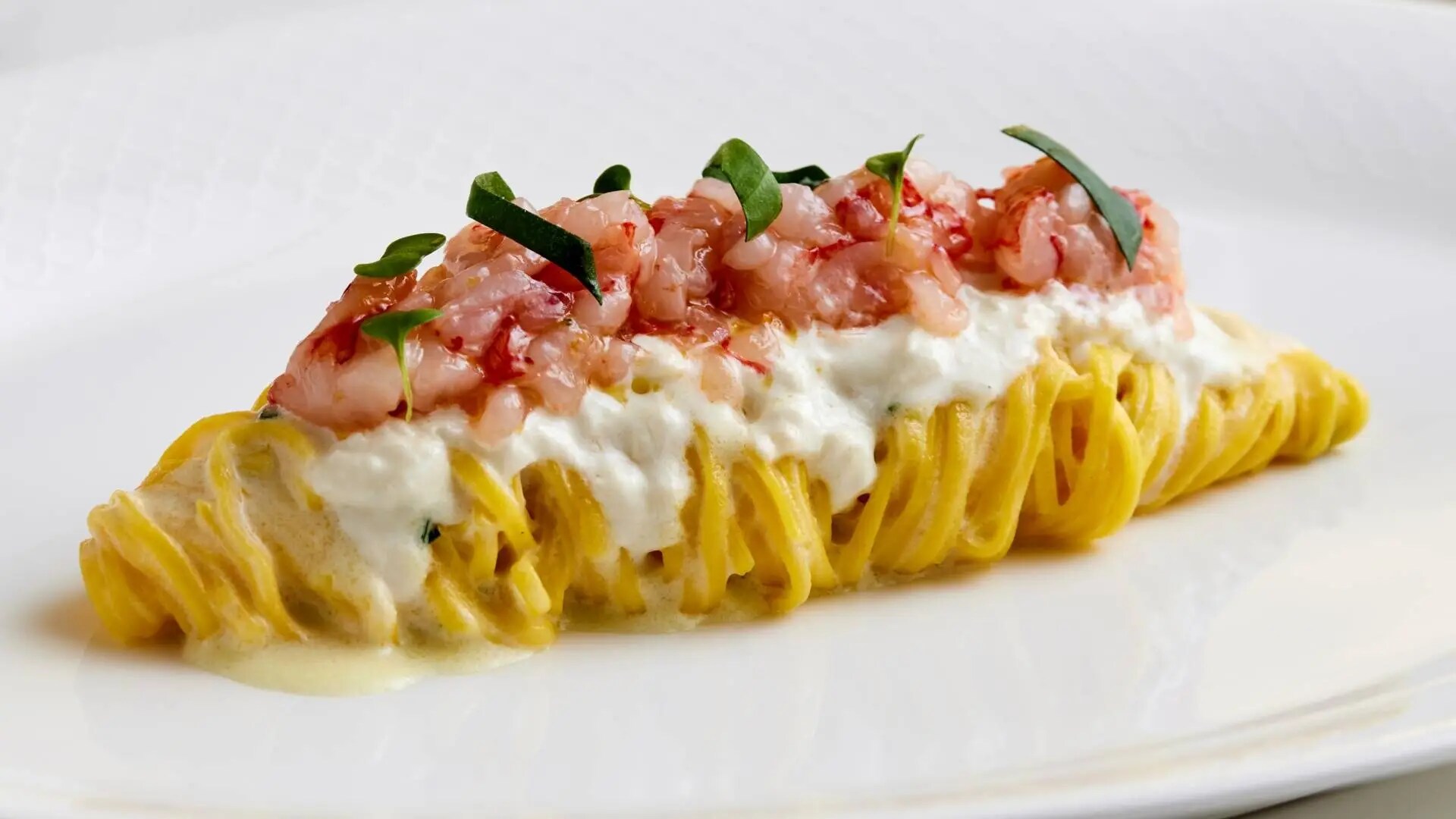
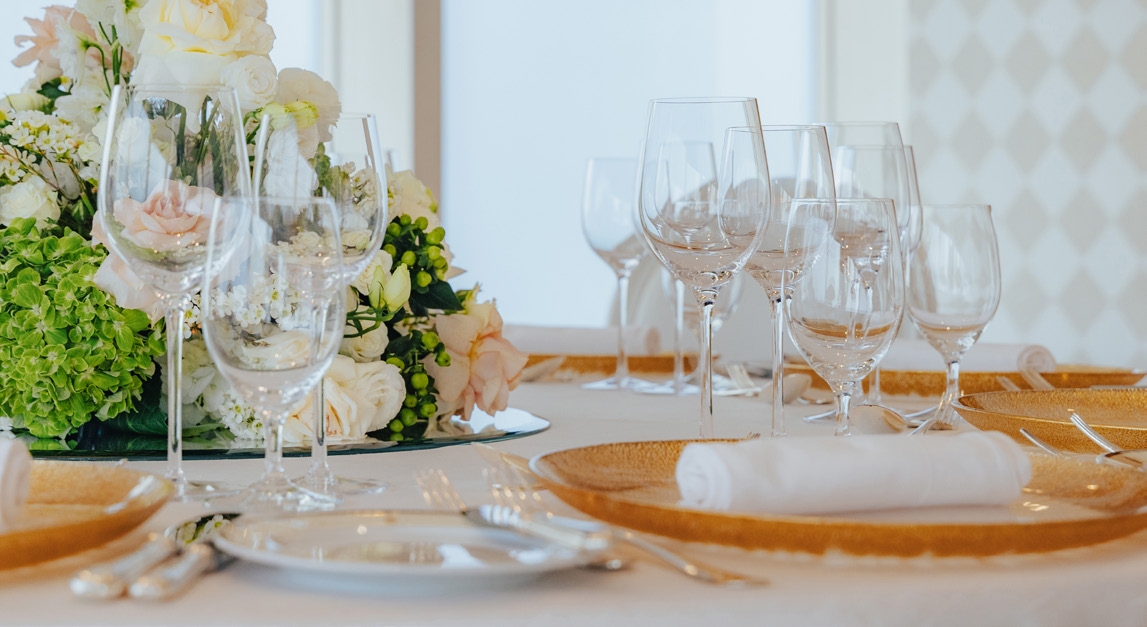
All wedding catering comes from the hotel’s own kitchens. Menus are composed with each couple, the pastry kitchen makes the cake, and the sommelier and the mixologists pair the drinks.
For the rest of a wedding weekend, the hotel had nine restaurants and bars before the closure, among them SAL on the beach, Bab Al Yam, Al Iwan, afternoon tea at Sahn Eddar and cocktails at Gilt and the Skyview Bar. The hotel also arranged yacht charters on the Gulf.
Duplex suites and a spa above the sea
Every room is a two storey duplex suite, from 170 to 780 square metres, with floor to ceiling windows over the Gulf, a butler on call around the clock and Hermès bathroom amenities. The wedding party can stay together in the tower, with the couple in one of the signature suites near the top of the sail.
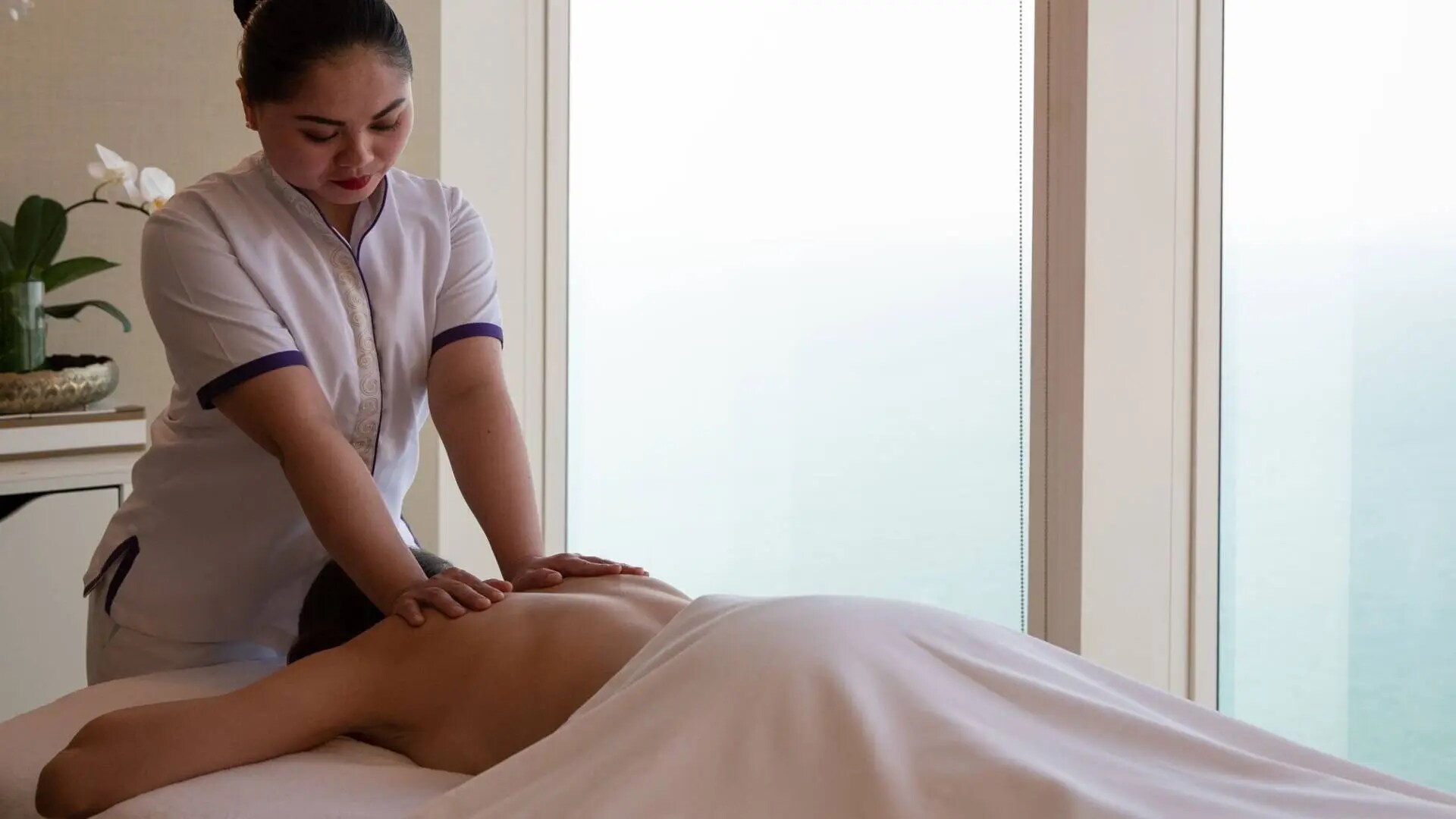
Talise Spa sits 150 metres above the Gulf, with 14 treatment rooms, separate ladies only and mixed facilities, and private suites for couples, so the bridal party can be looked after on the morning of the wedding without leaving the building.
Reaching the island
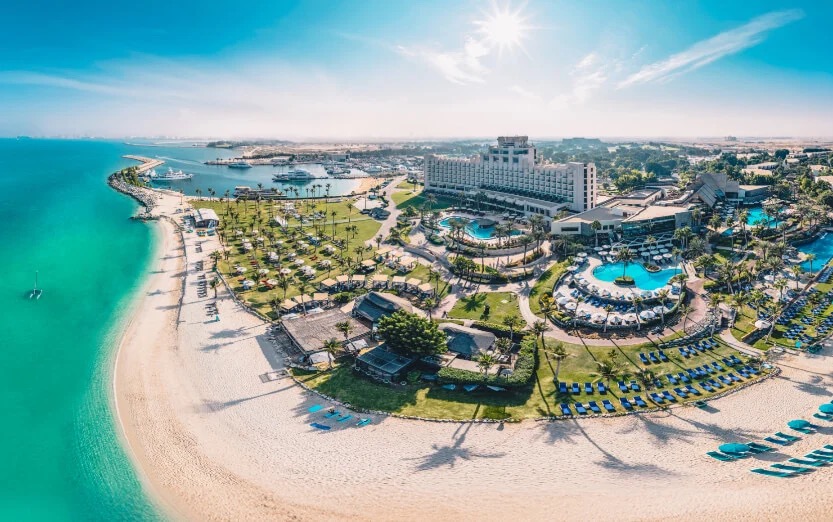
The hotel stands off Jumeirah Street in Umm Suqeim 3, about 30 minutes by car from Dubai International Airport. Guests can be met in chauffeur driven Rolls-Royces, and the helipad also takes helicopter transfers. The Jumeirah and Madinat page covers the stretch of coast around the island, Marrying in Dubai sets the hotel beside the city’s other venues, and Five Weddings on the Gulf includes its helipad among five Gulf hotels and resorts that host weddings. The United Arab Emirates Wedding Atlas covers the law on marrying in the country.
Booking the restored hotel
The reopening is expected in October 2027, so the first dates worth asking about fall after it. The settings, menus and chefs of the restored hotel belong in the first conversation with its wedding team. The Marina Garden is in highest demand from October to April, so a winter date there needs the earliest enquiry.
The decision a couple must make before enquiring is the size of the day: a ceremony for eight in the sky, or a banquet for up to 250 in the Al Falak Ballroom. Couples who know which they want can read the Burj Al Arab Jumeirah profile and check your date.