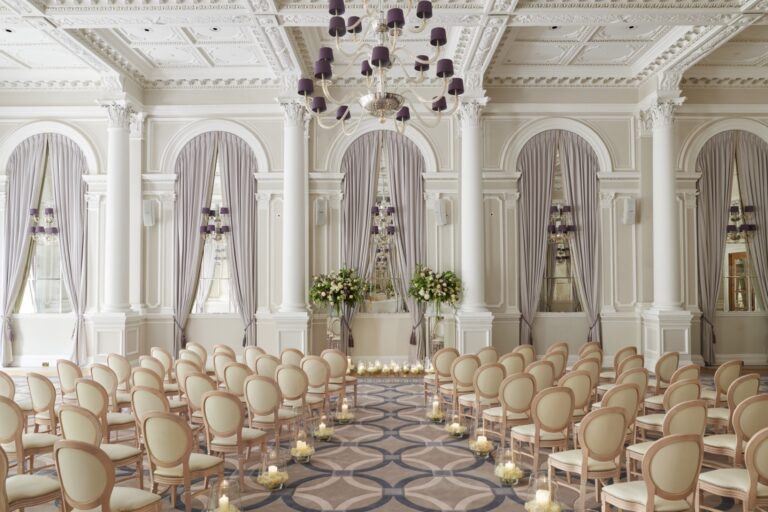
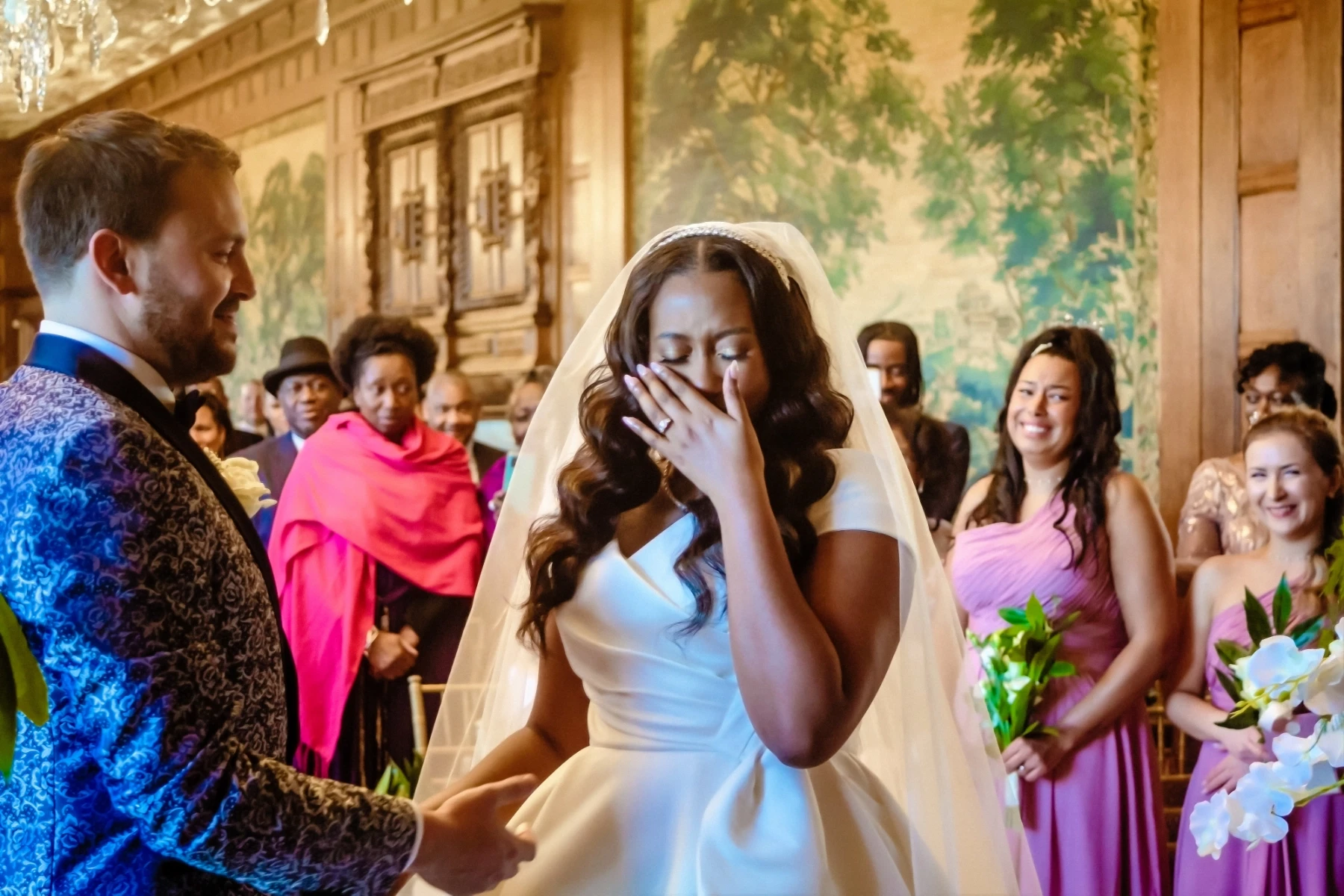
Tessa Williams founded A Touch of Nevaeh in London in 2017 and plans weddings that carry family, faith and culture across several days. She explains here how a wedding weekend is held together, how traditions share one programme, and what luxury means to her.
Tessa Williams was born and raised in London and founded A Touch of Nevaeh in 2017, the year she also gained her Certified International Event & Wedding Planning Professional (IEWP) certification through QC Event School. The company is named for her son, Nevaeh, whose footprints are part of its logo. It takes on a limited number of weddings each year, from UK weddings and multi-day weekends to destination celebrations, among them a weekend at Trump Turnberry, a Greek Orthodox wedding at North Mymms Park and an Afghan and Nigerian celebration at Fennes Estate. Tessa is an Executive Founder Board Member of The Wedding Privé, belongs to the European Wedding Planning Congress and partners with the Italian National Tourist Board.
We put our questions to Tessa, beginning with the name behind the company.
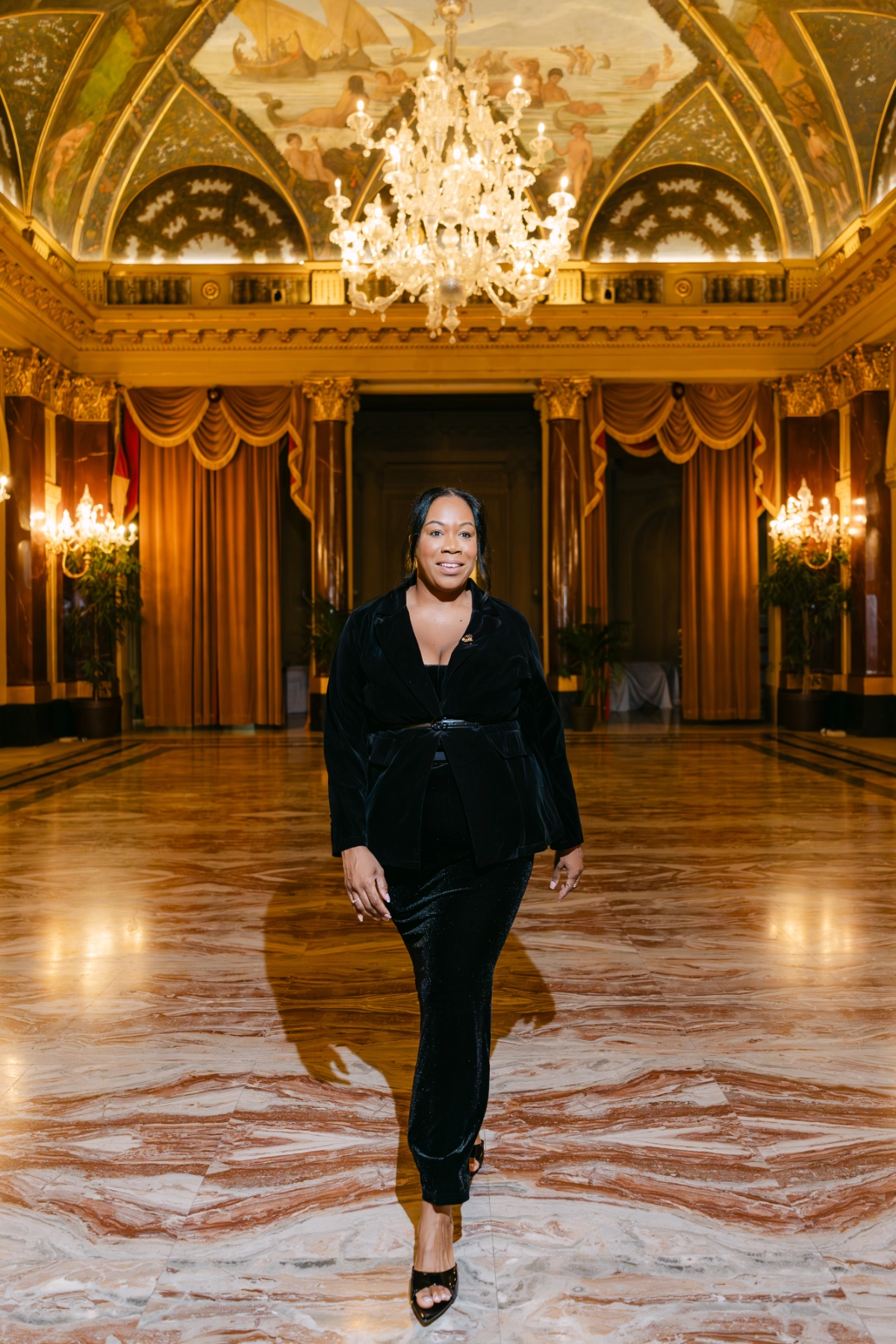
Tessa, your site explains that A Touch of Nevaeh is named for your son. If you would like to, tell us how that shapes the way you work with couples.
Tessa: My business was already in its early stages under a different name, but the year I lost my son, Nevaeh, through stillbirth was the year everything changed for me. The year I lost him was also the year he was reborn through A Touch of Nevaeh.
A Touch of Nevaeh is his legacy, his footprint in this world. His actual footprints are incorporated into our logo, a design originally developed with my dear friend, Eniola Alakija. Even when we recently rebranded, retaining his footprints was non-negotiable. No matter how much the business evolves, that part of its identity will always remain.
For me, it was about finding purpose beyond pain, and I hope my journey offers encouragement to other parents who have experienced a similar loss, showing that there can still be light, hope and purpose after pain.
That experience has shaped my appreciation for life, love and the precious moments we share with those closest to us. When couples entrust us with their celebrations, it goes far beyond creating something beautiful. It is about honouring their story, celebrating love and creating memories that will stand the test of time.
My hope is that, through the work we do, Nevaeh’s legacy will continue to live on for generations to come.
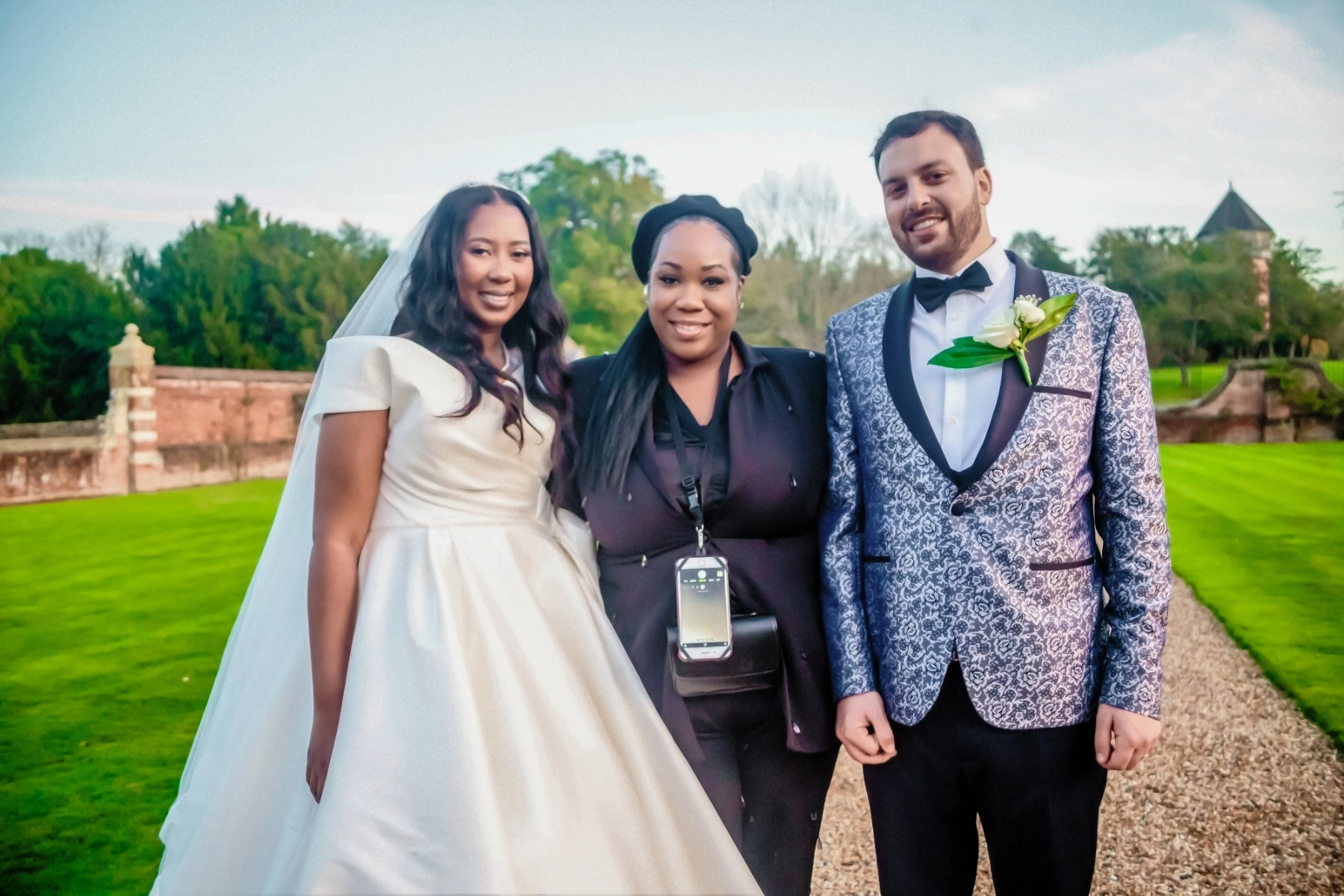
You say luxury has never been about extravagance. What does that mean in practice when a couple is deciding where to spend?
Tessa: I wasn’t born into luxury in the conventional sense. Growing up, luxury to me was my mum bringing out her finest silverware and china when we had guests, or putting on my Sunday best to go to church. There were no designer labels attached to those moments, but there was a sense of occasion, pride and care. That understanding of luxury has stayed with me.
I don’t believe in spending unnecessarily simply because something is trending or because another couple had it at their wedding. Every celebration should be personal to the couple and reflective of who they are.
I encourage couples to invest in what genuinely matters to them, whether that is exceptional cuisine, meaningful entertainment, a beautiful setting or the hospitality their guests receive. Every investment should have a purpose.
For me, true luxury is not about how much you spend, but how thoughtfully you spend it. It is about quality, intention, exceptional service and, above all, how an experience makes you feel.
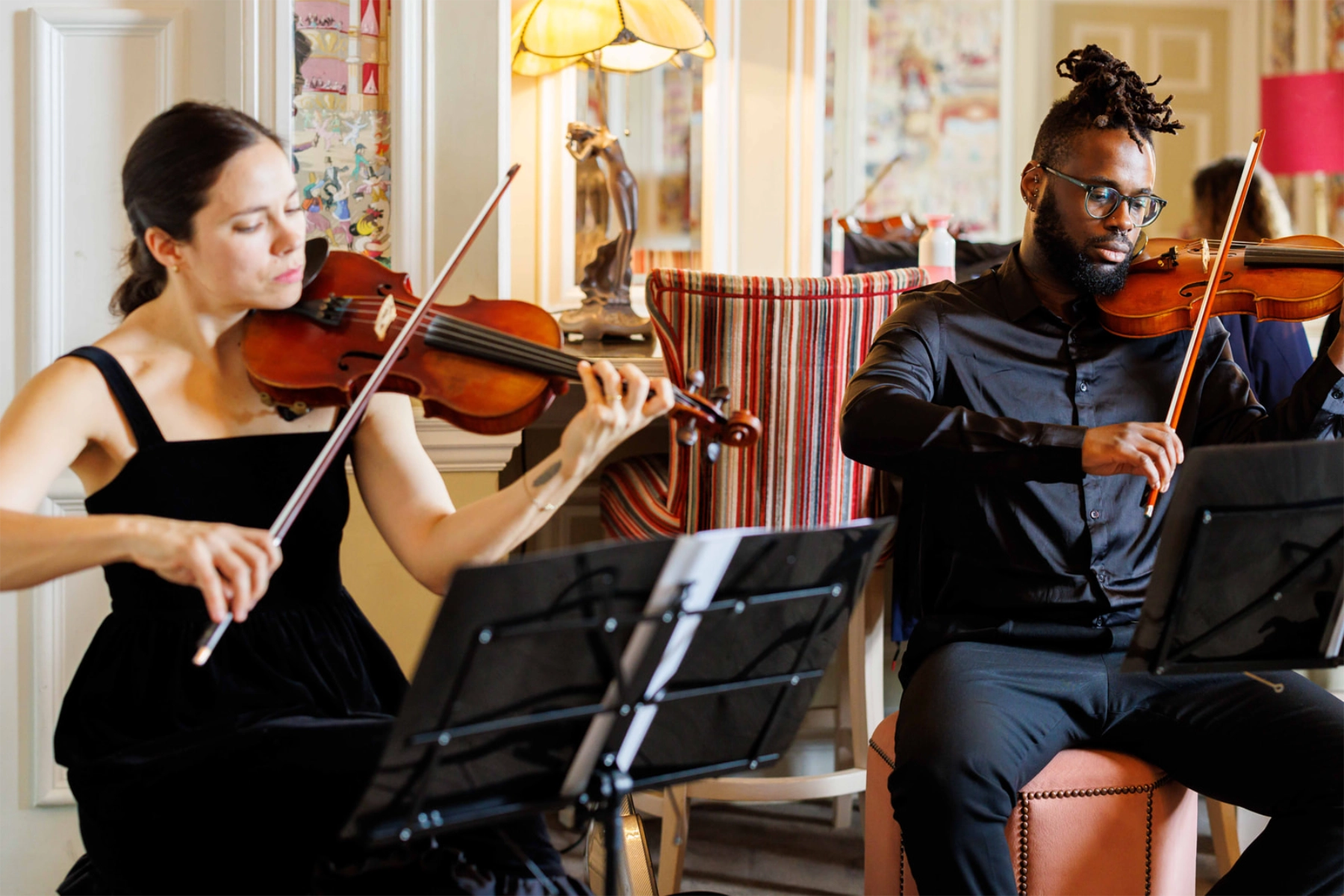
Many of your weddings run two to four days. What does a weekend look like from welcome drinks to farewell brunch, and what do couples underestimate?
Tessa: For me, a multi-day wedding is about creating a journey rather than simply extending the celebrations. Each day should have its own identity whilst feeling connected to the overall experience.
The welcome celebration is particularly important, especially when families are meeting for the first time. It acts as a natural icebreaker, allowing people to connect, build relationships and feel more relaxed in one another’s company before the wedding day. The wedding itself is the heart of the celebration, whilst a farewell brunch offers a more intimate and relaxed opportunity to come together before departing.
What couples often underestimate is the sheer volume of logistics and the complexity of the transitions between each event. From guest arrivals, accommodation and transportation to supplier coordination and transforming spaces, there is an enormous amount of work happening behind the scenes. Much of this goes unseen by both the couple and their guests, and that is precisely how it should be.
I also believe in giving guests time to breathe and enjoy their surroundings. Not every moment needs to be programmed. The beauty of a multi-day celebration is having the luxury of time with the people you love.
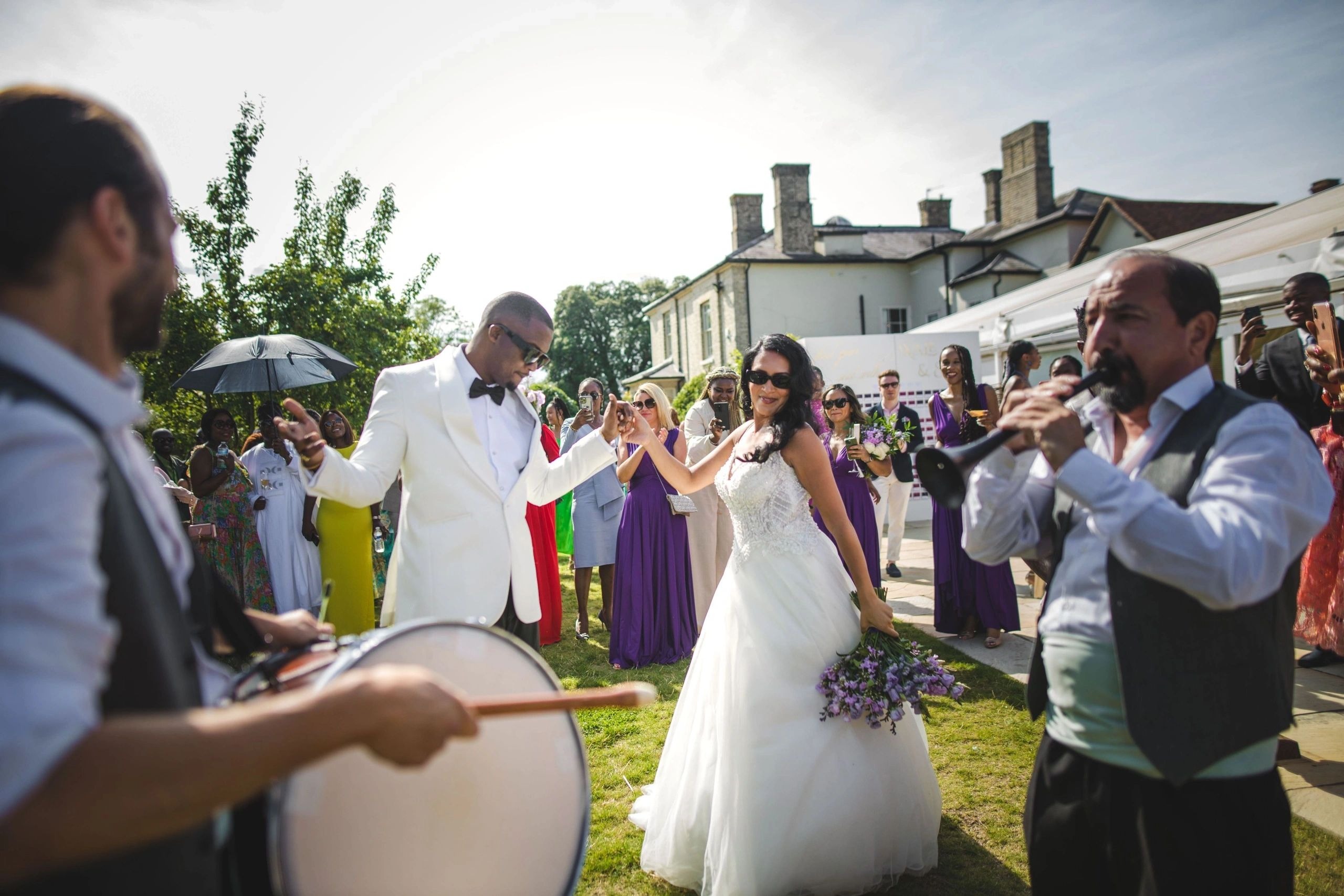
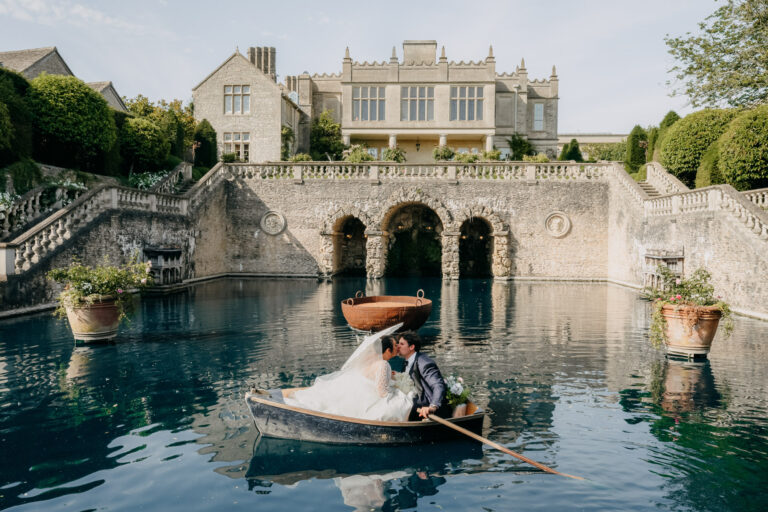
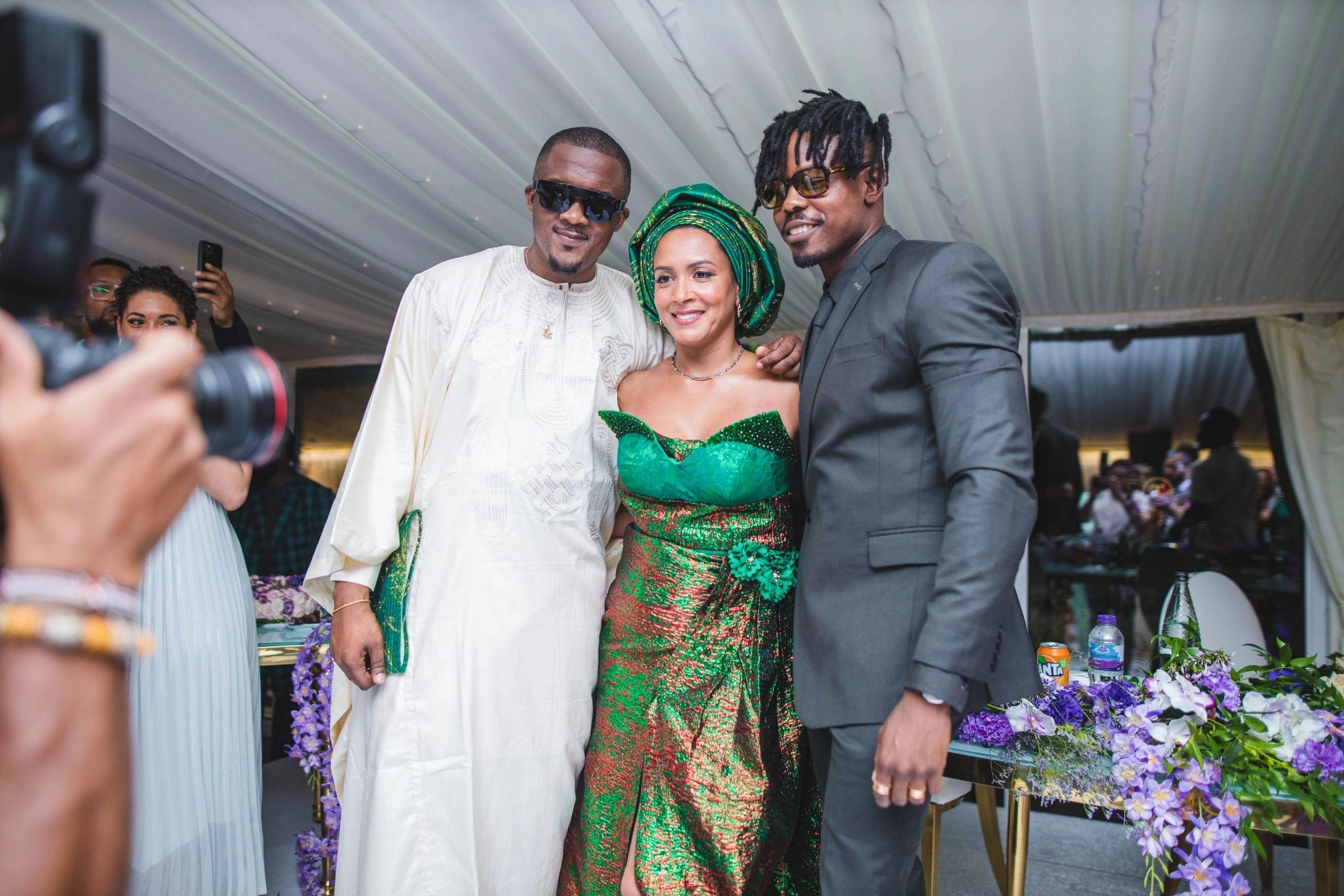
At Fennes Estate you planned an Afghan and Nigerian celebration, and at North Mymms Park a Greek Orthodox wedding for 300+. How do you build more than one tradition into one programme so nothing overshadows anything else?
Tessa: I always encourage multicultural couples to embrace their culture and heritage, but that doesn’t mean they need to have a fully traditional wedding. Elements such as food, music, attire, dance and meaningful cultural rituals can be beautifully incorporated into a modern celebration without losing their significance.
It begins with listening and understanding what matters to the couple. I personally love learning about different cultures, and every celebration is an opportunity for me to learn something new. It is also a wonderful opportunity for couples to deepen their understanding and appreciation of each other’s heritage.
Whilst family expectations are important to acknowledge, couples should never feel pressured to follow a tradition simply because it is how things have always been done. Their wedding should reflect their identity, their journey and their story.
When bringing different cultures together, I ensure that each chosen tradition is given the time, space and respect it deserves. It is not about one culture accommodating another, but about finding harmony between them.
Ultimately, it is about honouring where the couple comes from whilst celebrating who they are together.
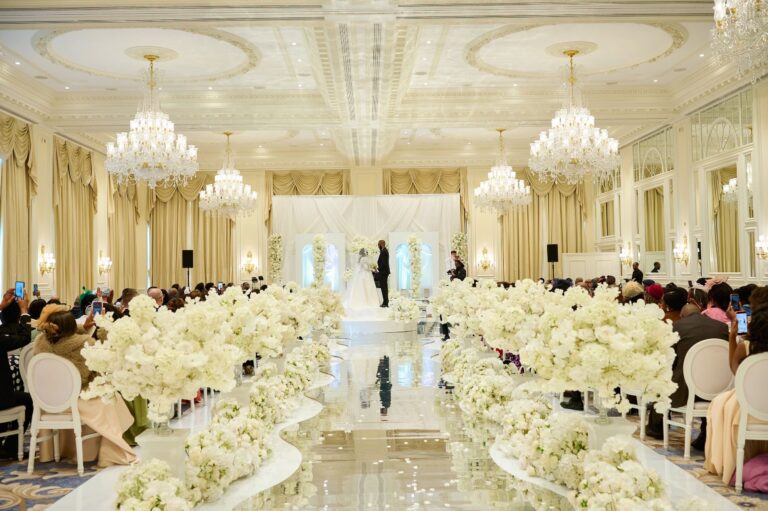
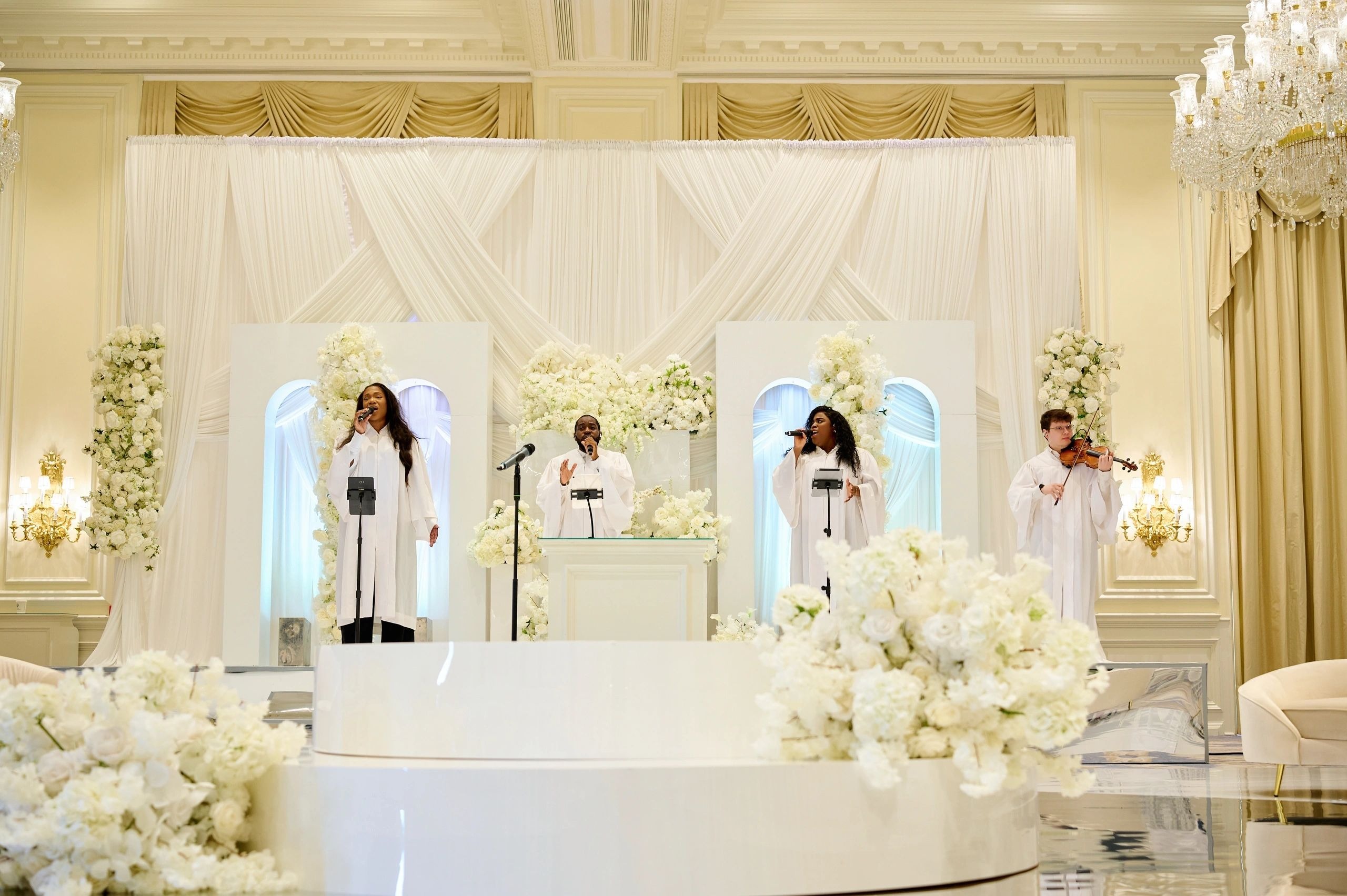
At Trump Turnberry you created a mirrored aisle with a live gospel choir. How does an idea like that travel from the first conversation to the day?
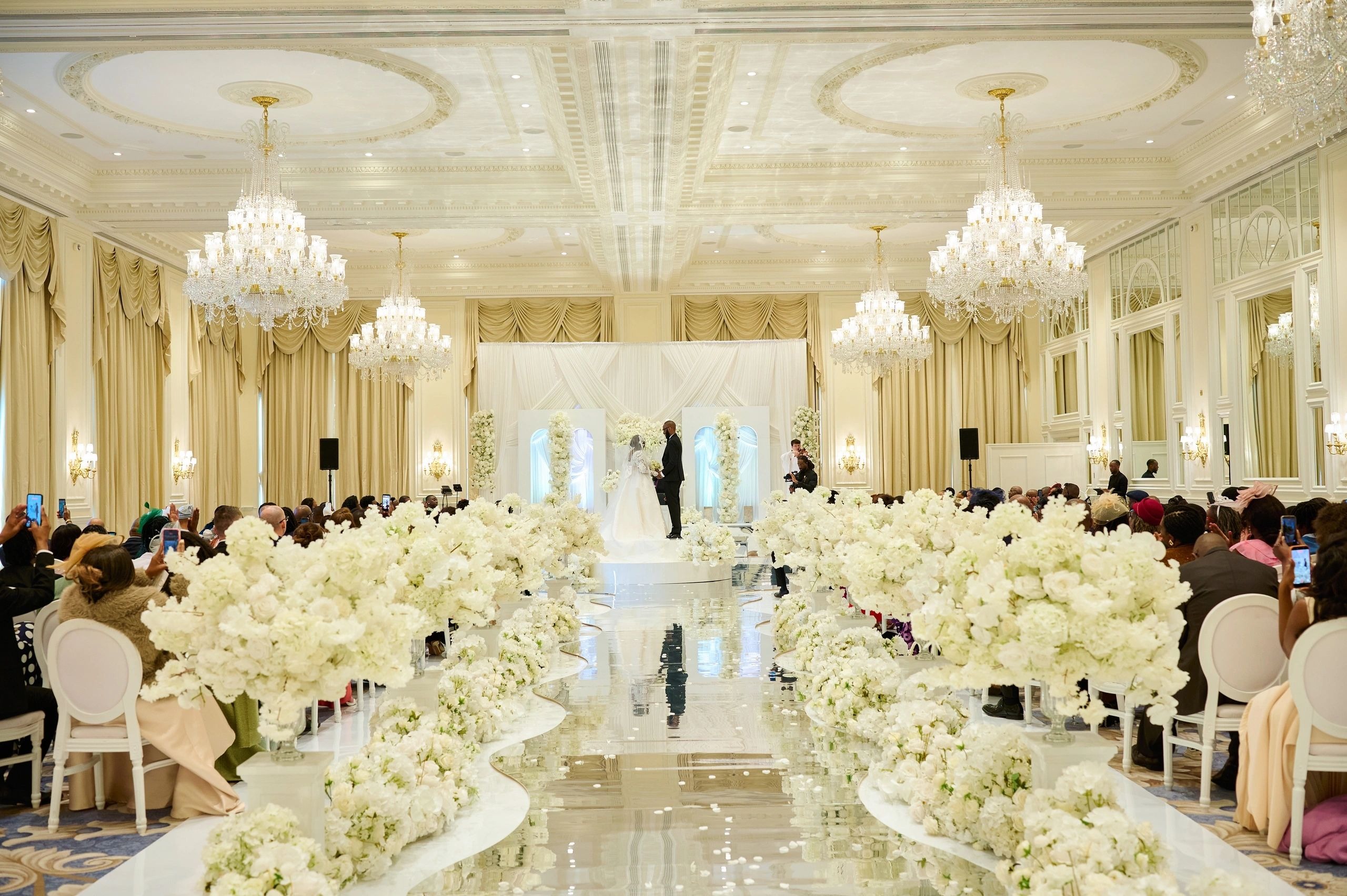
Tessa: The bride had a beautiful creative vision for her wedding at Trump Turnberry, which she developed alongside Design4Else. What made it particularly special was that every design element held a deeper meaning.
The bespoke curved mirrored aisle represented the twists and turns of the couple’s ten-year journey together, whilst the Circle of Love symbolised completion and eternity. Even the ceremony podium represented their union. The live gospel choir added another layer of emotion to an already deeply personal experience.
For me, bringing a creative vision to life begins with understanding the story behind it and the emotions the couple wants to evoke. Through thoughtful planning, collaboration and meticulous attention to detail, the design, music, atmosphere and timing all come together to tell that story.
One of the most rewarding moments for me as a wedding planner is witnessing a couple step into an experience they have envisioned for so long and seeing the emotion it brings when it finally becomes their reality.
One of your ceremonies was unplugged. Why did the couple choose that, and how do you ask 300 guests to put their phones away?
Tessa: For this particular wedding, many of the guests were industry professionals, and privacy and discretion were particularly important to the couple. Confidentiality agreements were in place, and the capturing and publication of images were restricted to approved photographers and videographers, with any further use subject to the couple’s permission.
Communicating this to 300 guests was actually quite straightforward, as many were already accustomed to working within environments where discretion and confidentiality are expected.
I believe it is about communicating the couple’s wishes clearly and respectfully, rather than making guests feel restricted. An unplugged ceremony also allows everyone to be fully present, experience the emotion of the occasion and share in the moment without distraction.
Ultimately, the couple should have the freedom to decide how their most personal moments are captured and shared.
What does discretion mean on the planner’s side, in practice?
Tessa: For me, discretion begins with trust. As wedding planners, we are often invited into a very personal chapter of our clients’ lives and entrusted with information that extends far beyond the wedding itself.
Discretion is not simply about signing a confidentiality agreement. It is about professional integrity, respecting boundaries and understanding that not everything we have access to is ours to share.
As the planner, it is our responsibility to educate not only our own team but also the extended teams of our suppliers. A design team may have 20 members of staff, whilst a catering team may have another 40. Expectations must be communicated clearly from the outset, ensuring everyone understands and respects the client’s privacy requirements. Where necessary, NDAs provide an additional layer of protection.
I believe every client, regardless of their profile or status, deserves the same level of respect and confidentiality. Being entrusted with someone’s private life is a privilege and a responsibility I take very seriously.
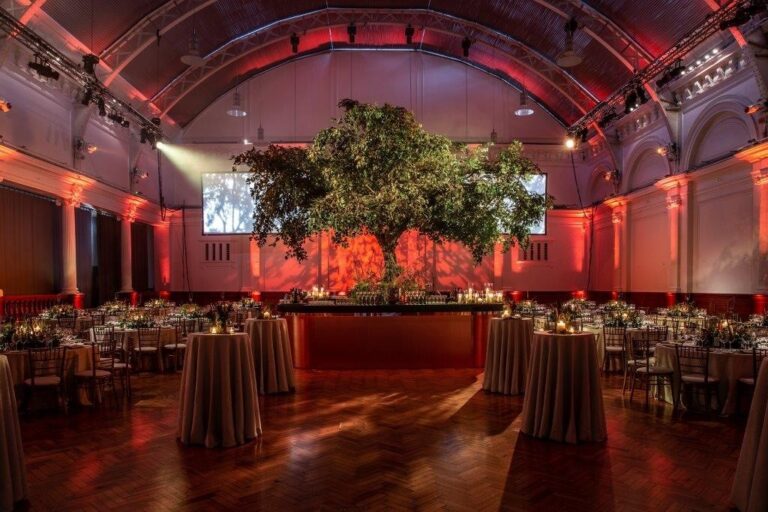
You led the Grand Relaunch of Chelsea Old Town Hall with the Royal Borough of Kensington and Chelsea. What did that teach you that you bring to weddings?
Tessa: Being entrusted with leading the planning of the Grand Relaunch of Chelsea Old Town Hall was a significant milestone in my career and an opportunity I remain incredibly proud of.
Working alongside the Royal Borough of Kensington and Chelsea reinforced the importance of leadership, collaboration and accountability.
It also taught me the value of building lasting professional relationships. Since the relaunch, I have been entrusted with further projects at other venues within the Royal Borough, something I never take for granted.
These are principles I carry into every wedding. It is about leading with confidence, establishing trust, communicating effectively and bringing together a collective of professionals who share a commitment to delivering an exceptional experience.
For me, excellence is not simply about the end result, but also how we arrive there.
You sit on the Executive Founder Board of The Wedding Privé and partner with the Italian National Tourist Board. What do you bring home from planning in Italy?
Tessa: What I particularly admire about Italy is its appreciation for heritage, craftsmanship, gastronomy and the art of hospitality. There is a wonderful balance between sophistication and authenticity, which resonates deeply with my own approach to luxury.
Through my role as an Executive Founder Board Member of The Wedding Privé and our partnership with the Italian National Tourist Board, established by our founder, Laura Somma, I have had the opportunity to deepen my understanding of Italy, its diverse regions and its wedding and hospitality offering.
I believe that experiencing a destination first-hand and building meaningful relationships with local professionals is invaluable. It allows me to advise couples from a place of knowledge and personal experience rather than simply relying on what is available online.
What I bring home is not only inspiration but also a deeper appreciation of how culture, heritage and hospitality can be woven into a celebration to create something truly meaningful.
How do you help a couple choose a destination, and why do you advise 18 to 24 months for a destination wedding?
Tessa: Choosing a destination begins with understanding the couple, their lifestyle, their vision and the experience they want to share with their guests. A destination should offer more than a beautiful backdrop; it should feel like a natural extension of who they are.
Beyond aesthetics, there are practical considerations such as accessibility, seasonality, climate, accommodation, local infrastructure and the overall guest experience.
For UK weddings and wedding weekends, we recommend 12 to 18 months, whilst for destination weddings and international celebrations, we advise 18 to 24 months. This allows sufficient time to explore destinations, conduct site inspections, secure preferred venues and suppliers, and thoughtfully curate the entire experience.
Shorter timelines can certainly be accommodated, depending on availability and the scale and complexity of the celebration.
For me, having the luxury of time allows us to make considered decisions rather than rushed ones, ensuring that every element of the celebration receives the attention it deserves.
What is the most common mistake couples make with a large, multi-day wedding?
Tessa: One of the most common mistakes is underestimating the financial and logistical commitments involved in delivering a large, multi-day celebration.
Couples often focus on the individual events without fully considering how they connect, the resources required to deliver them and the overall guest experience.
I always encourage couples to establish a realistic budget from the outset, with an appropriate contingency allowance. It is equally important to consider the practicalities of guest transportation, accommodation, staffing and the transitions between celebrations.
A multi-day wedding should feel effortless for the couple and their guests, but achieving that requires meticulous planning, thoughtful investment and an experienced team.
The earlier these foundations are established, the more freedom we have to be creative without compromising the quality of the experience.
What would you tell a couple who think they have left it too late?
Tessa: I would encourage them to have a conversation with an experienced wedding planner before assuming it is too late.
Whilst having more time is certainly beneficial, a shorter planning window does not necessarily mean compromising on the quality of the celebration. Choosing the right planner and the right team is particularly important in these circumstances.
Experience, knowledge and established industry relationships are invaluable. An experienced planner knows which suppliers they can trust, who they can rely on and who has the capability to deliver a celebration of the required scale and complexity.
Of course, flexibility, decisive decision-making and realistic expectations are equally important. I would always be transparent about what can realistically be achieved rather than make promises that cannot be fulfilled.
With the right expertise and trusted professionals behind you, what initially feels impossible can often become something quite extraordinary.
When does the travel become as important as the wedding?
Tessa: For me, the destination wedding experience begins long before the couple and their guests arrive at the wedding venue. From the moment they begin their journey, every touchpoint contributes to their overall experience.
Travel becomes particularly important when couples are bringing together guests from different parts of the world. Considerations such as accommodation, private transfers, personalised itineraries and curated local experiences are an integral part of the celebration.
This is one of the reasons I established The Luxé Travel by A Touch of Nevaeh, to extend our offering beyond the celebration itself and provide a more comprehensive approach to luxury travel and hospitality.
Whether it is a pre-wedding experience, a private excursion, an extended stay or the couple’s honeymoon, I believe these moments deserve the same level of care and attention as the wedding itself.
We are not simply planning a wedding in another country; we are creating an experience that begins before the celebration and extends beyond it.
Which wedding surprised even you?
Tessa: There is one wedding that will always hold a special place in my heart. It required an extraordinary amount of planning, with a number of unexpected challenges and last-minute changes right up until the evening before the wedding.
What surprised me was how, despite every challenge that presented itself, my team and I were able to find a resolution. Even the smallest things throughout the day seemed to fall into place in the most remarkable way.
From the morning until the end of the celebration, I felt God’s presence. What made it even more special was hearing the couple and several of their guests describe that very same feeling without me having shared my own experience with them.
Some of the guests were established industry professionals who regularly deliver large-scale events themselves. They described me as a logistics queen and rated the execution 99.9%, acknowledging that nothing is ever truly perfect. That feedback was incredibly reassuring.
No wedding is without its challenges. The true measure of our expertise is how we navigate those challenges without compromising the experience of the couple and their guests.
There is often a sense of magic in the celebrations we curate, something that is difficult to put into words. Somewhere along my journey, one of my dear industry friends gave me the nickname ‘T-Magic’, which others in the industry have since adopted. Perhaps that wedding was one of those occasions when I truly understood why.
Thank you, Tessa, for your time, for sharing Nevaeh’s story, and for answering our questions so generously. We are grateful for it.
A Touch of Nevaeh plans weddings in London and across the UK, and abroad. See the A Touch of Nevaeh profile for the details, read Three Weddings, One London Planner in The Edit, or visit atouchofnevaeh.com and Instagram. Ready to plan? Check your date.