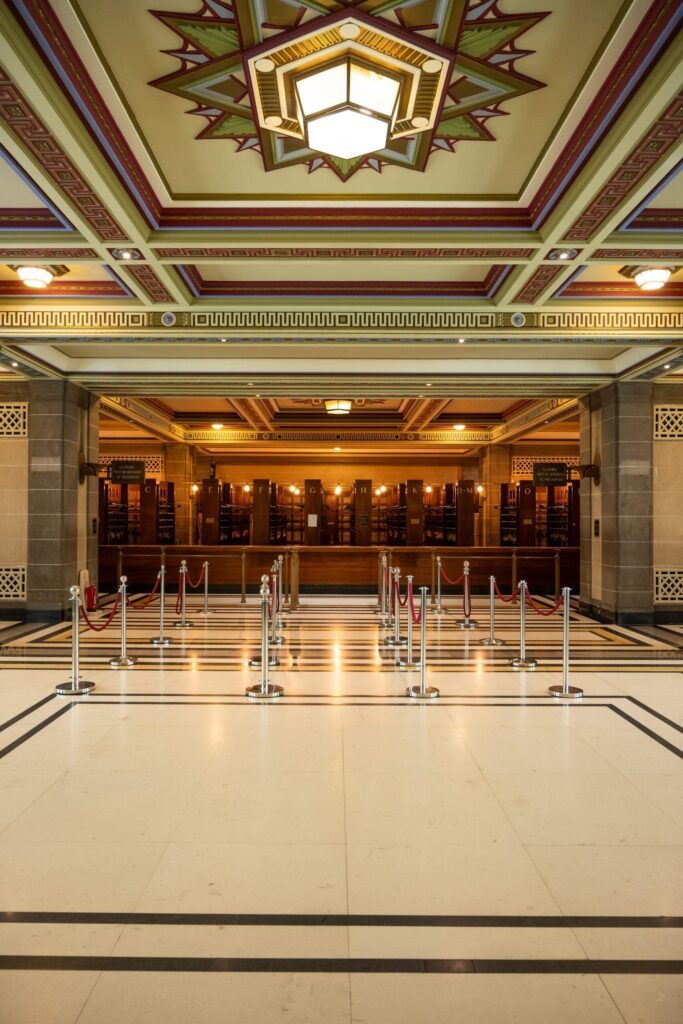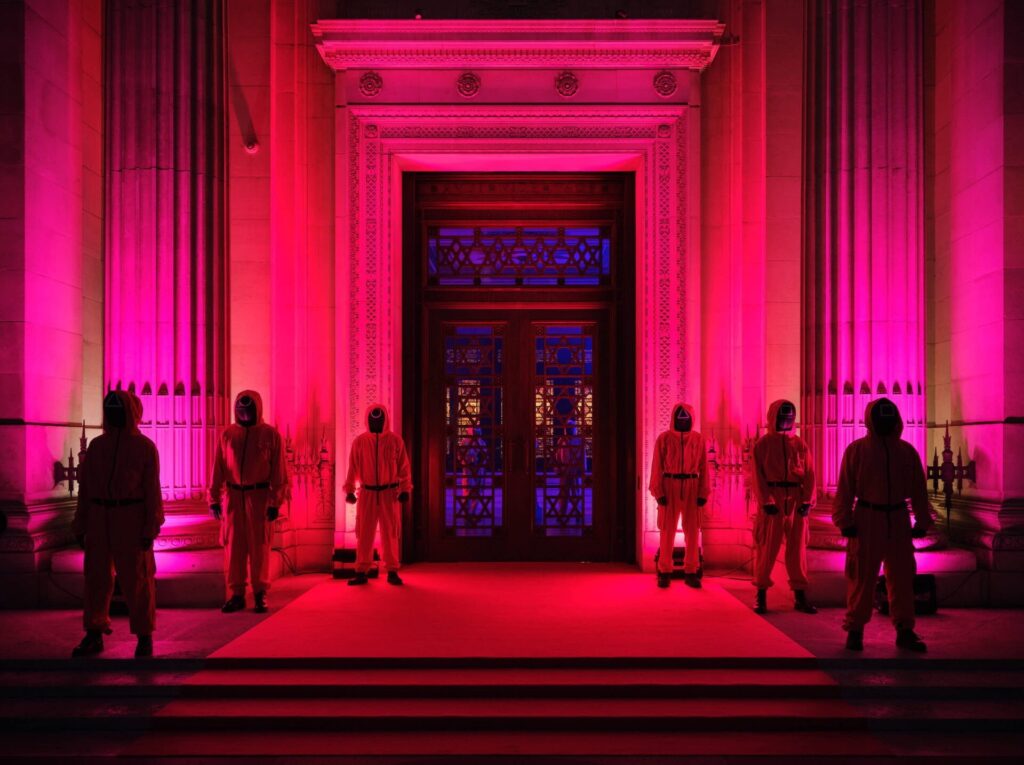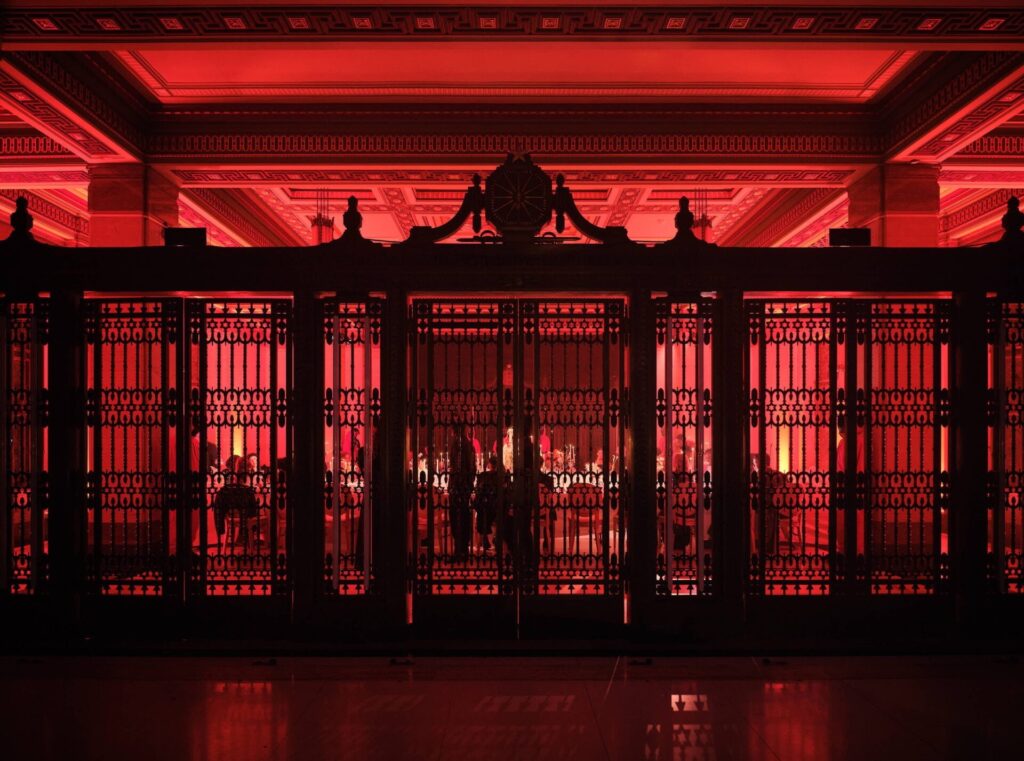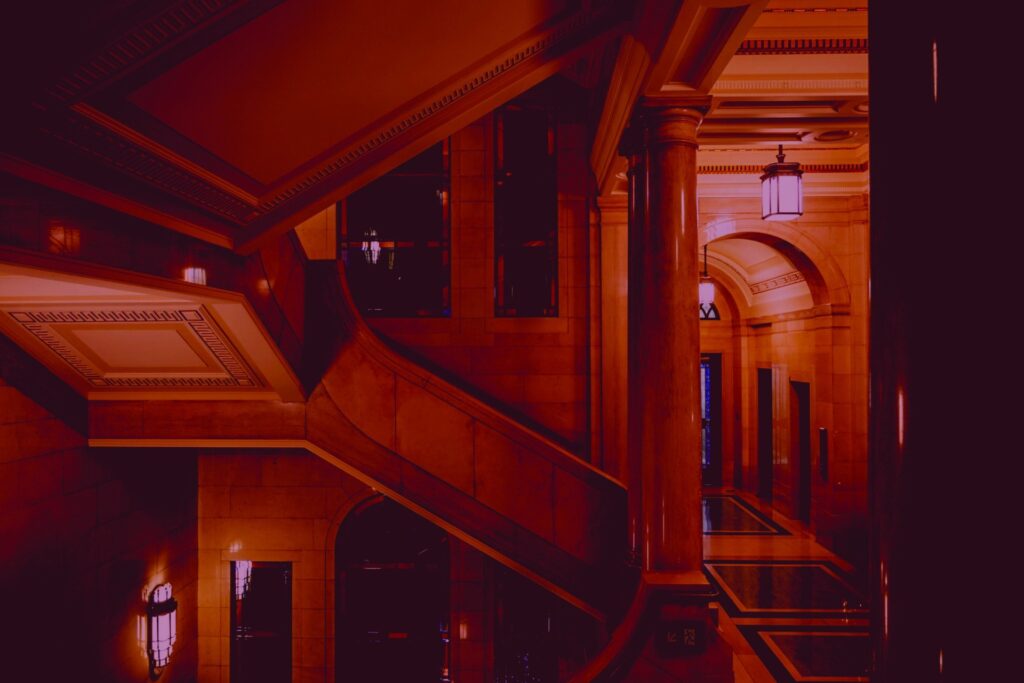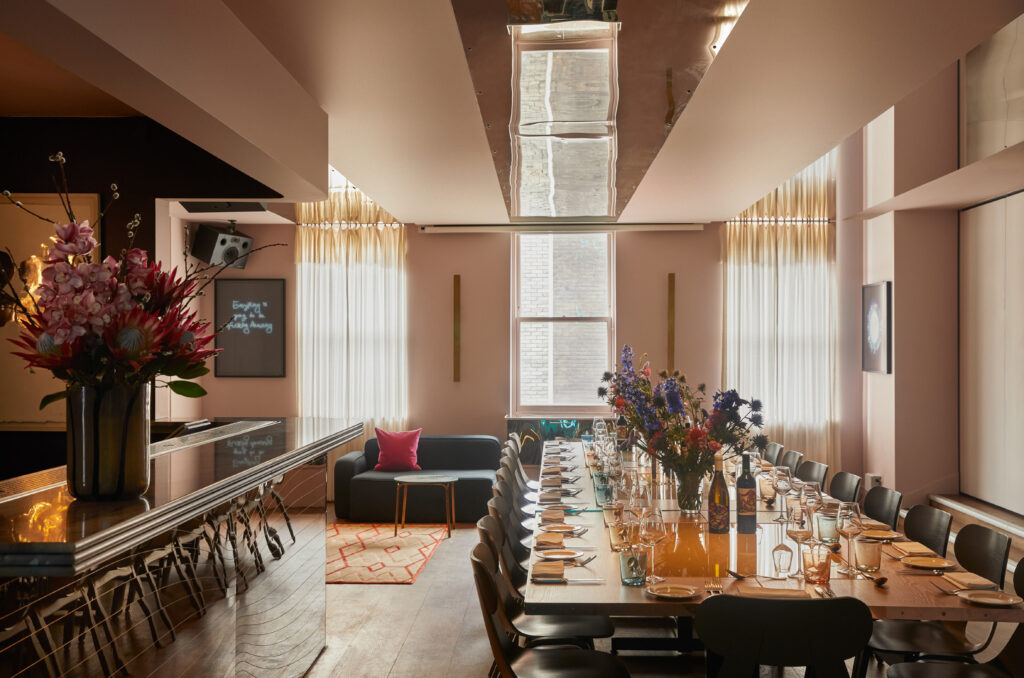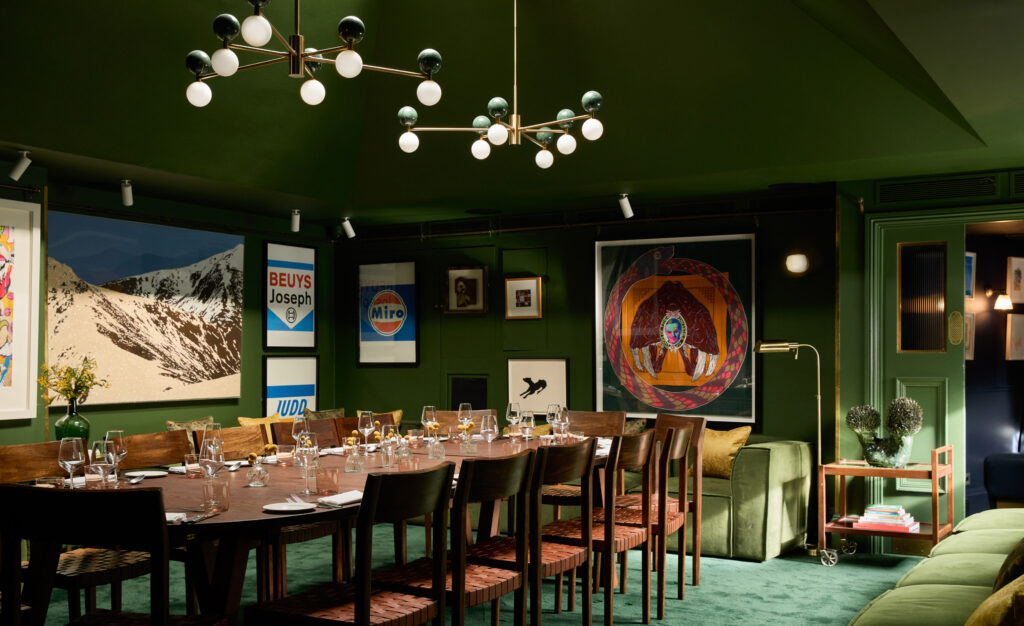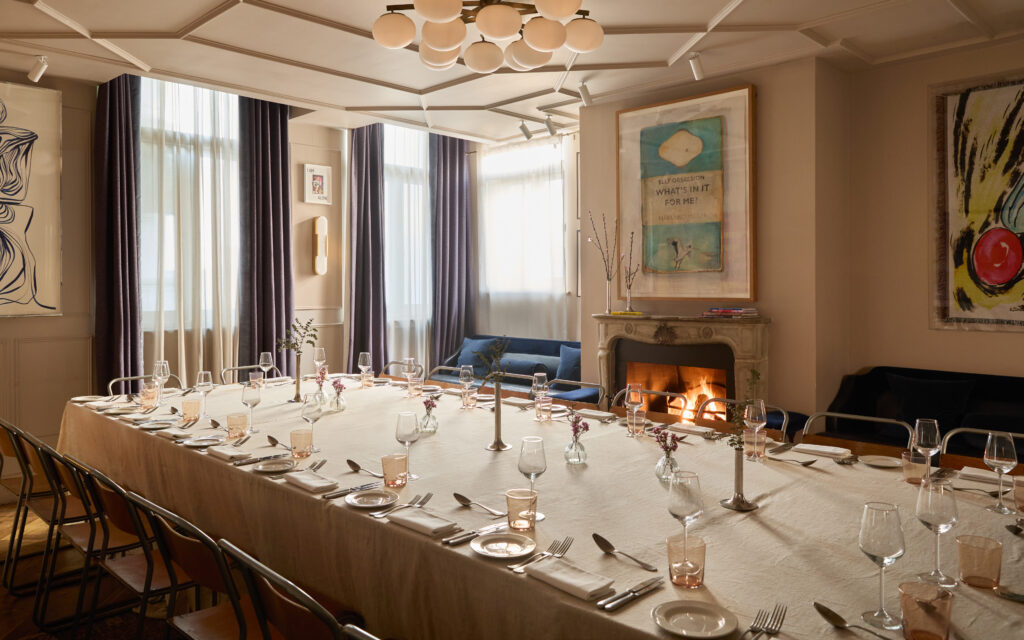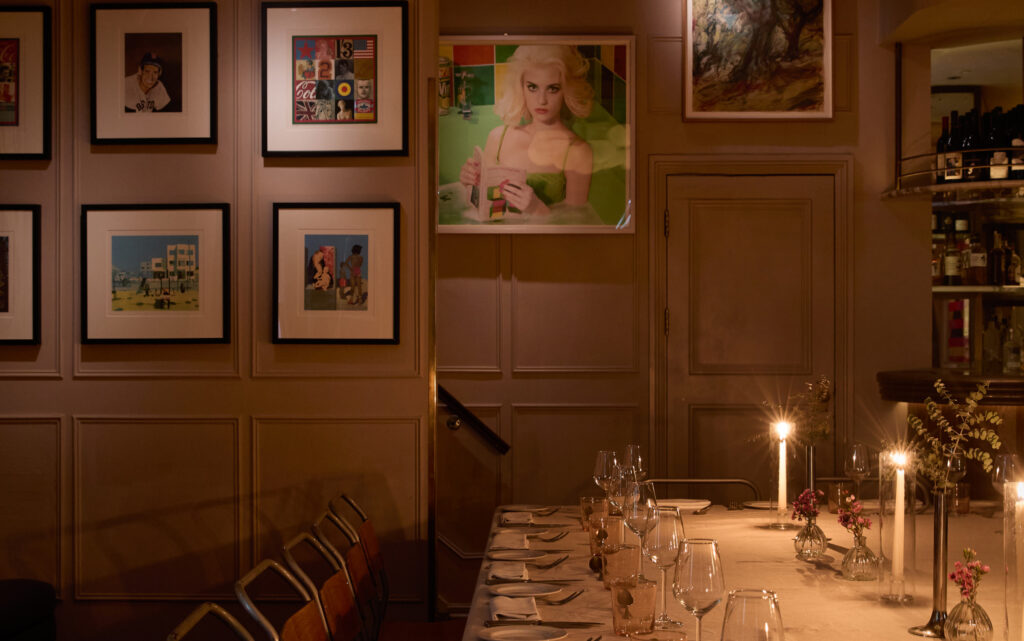
In 1888 Richard D’Oyly Carte, the impresario who produced the Gilbert and Sullivan operas, married his assistant Helen Lenoir at the Savoy Chapel, with Arthur Sullivan as his best man. The following summer, on 6 August 1889, the hotel he had built across the street opened on the Strand, paid for largely by the profits of The Mikado. The Savoy still carries the operas in its plan. Weddings here are held in rooms called Pinafore, Princess Ida and Patience, and Gondoliers, while the largest move to a ballroom on the river level.

A hotel built on comic opera
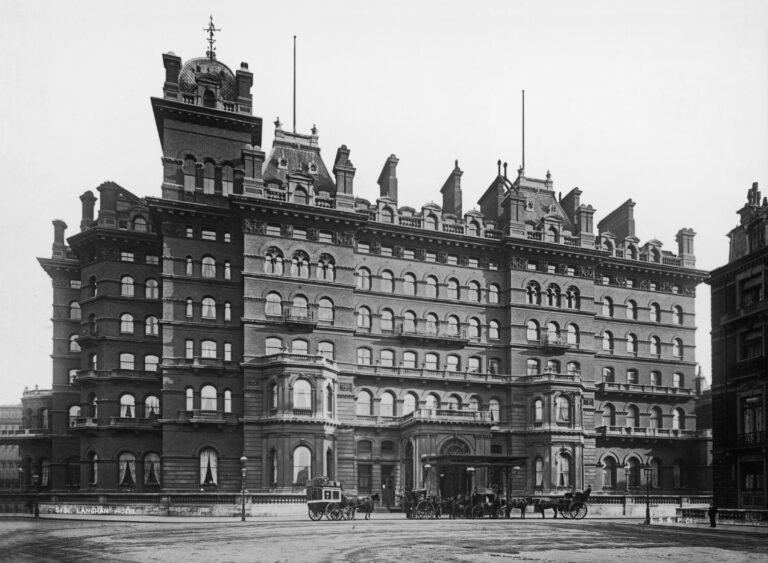
Carte bought land beside the Strand in 1880 to build the Savoy Theatre for the operas, and when it opened in 1881 it was the first public building in the world lit entirely by electricity. The hotel rose on the neighbouring plot, which Carte had first acquired to house the theatre’s generator. Thomas Edward Collcutt was the architect, and the Savoy opened as the first hotel in Britain lit throughout by electric light, with electric lifts and bathrooms attached to most of its rooms.
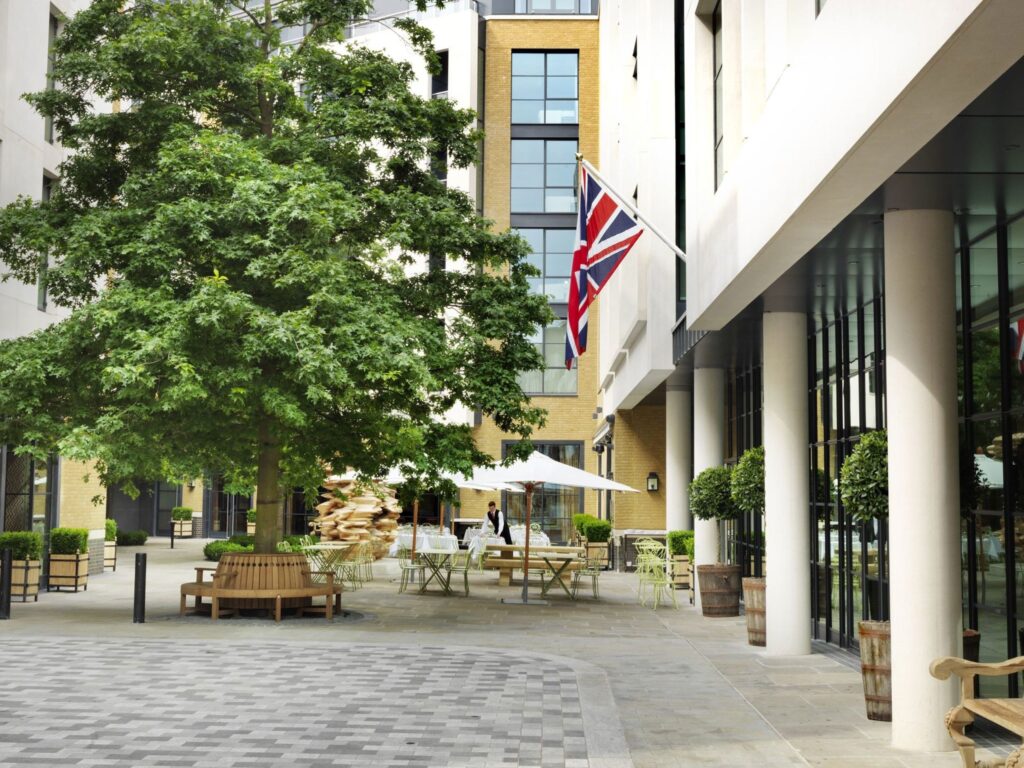
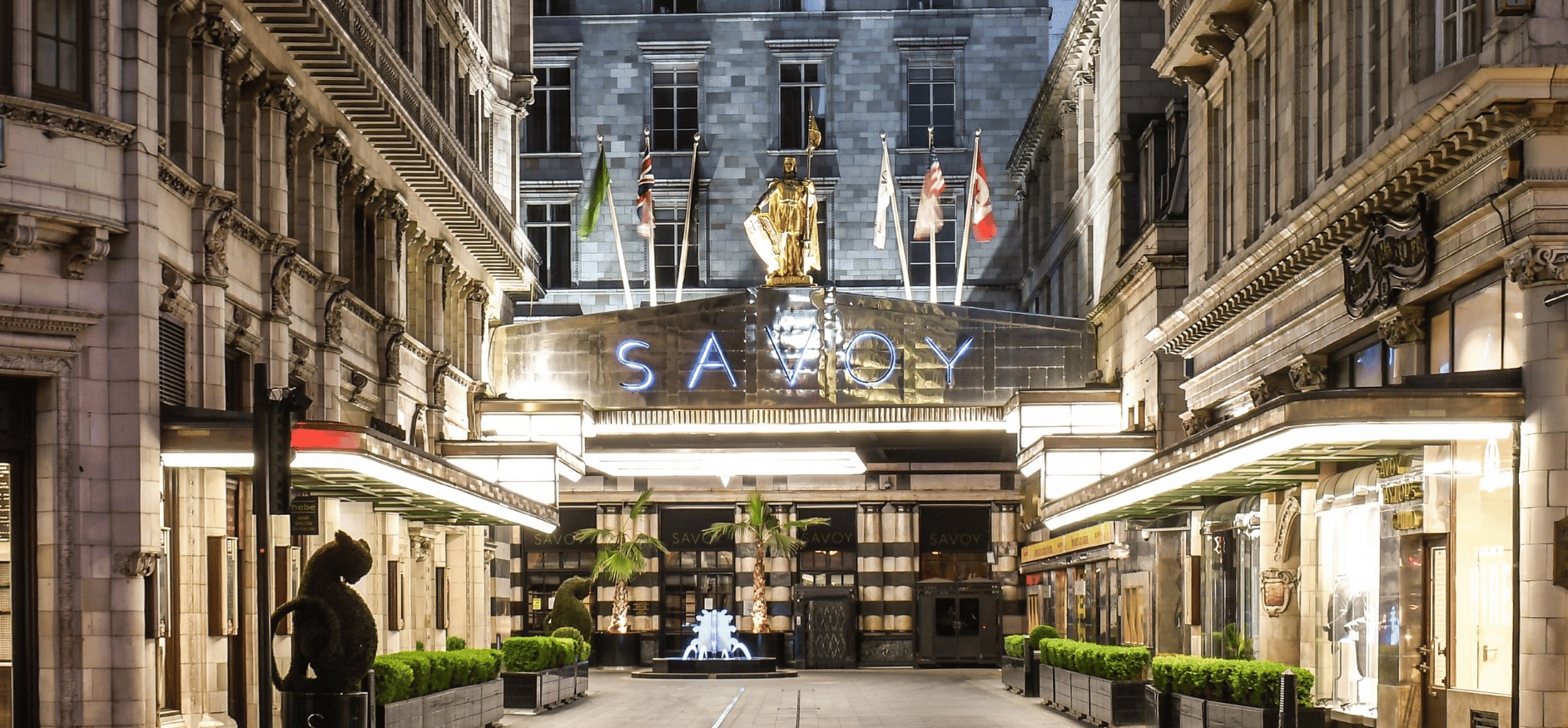
Carte hired César Ritz to manage it and Auguste Escoffier to run the kitchens, and in 1893 he bought Claridge’s as well. The name is far older than the building. In 1246 Henry III granted the land between the Strand and the Thames to Peter, Count of Savoy, and a gilded statue of Peter now stands over the entrance in Savoy Court, the forecourt where, uniquely among Britain’s streets, traffic drives on the right.
The chapel where Carte married still faces the hotel across the street. Begun under Henry VII and completed in 1512 as the chapel of the Savoy Hospital, it belongs to the Duchy of Lancaster and is a royal peculiar, outside the jurisdiction of any bishop. Weddings there are by special licence from the Archbishop of Canterbury’s Faculty Office, granted only where a couple has a qualifying condition, and the chaplain is the first person to speak to. Ceremonies at the hotel itself take place in its own licensed rooms.
Rooms named after the operas
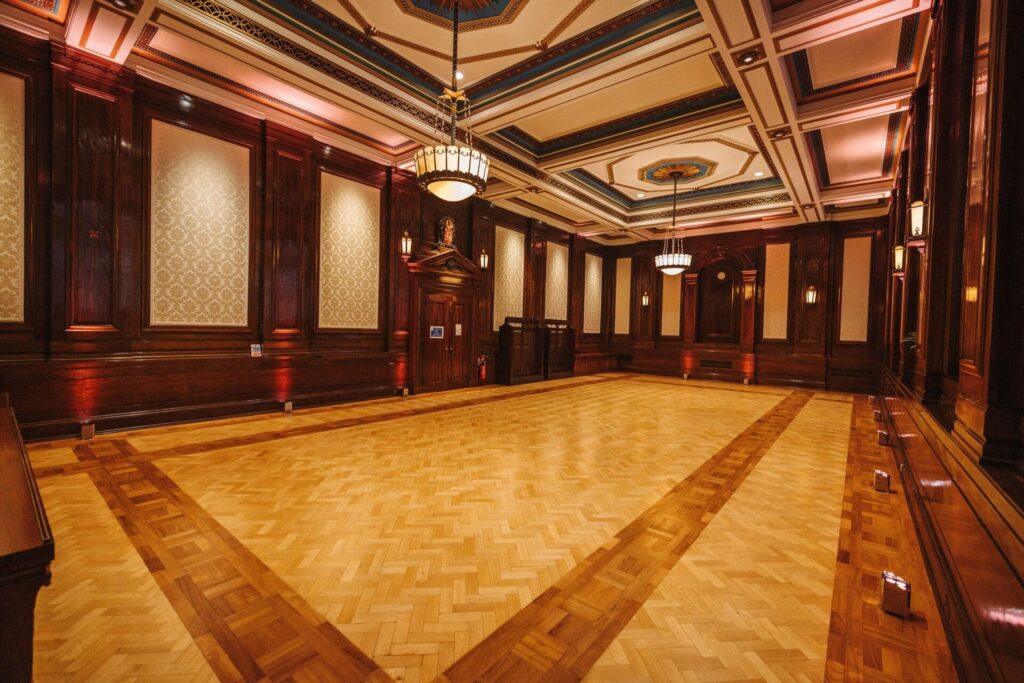
Three of the smaller wedding rooms, all on the ground floor, take their names from the operas. Pinafore, named after H.M.S. Pinafore, was one of the hotel’s original private dining rooms. The theatre designer Basil Ionides redesigned it in 1926, and it is an early example of an Art Deco interior. It is a room Winston Churchill frequented, and it is the home of The Other Club. It looks across Embankment Gardens towards the river and takes up to 60 guests for a reception.
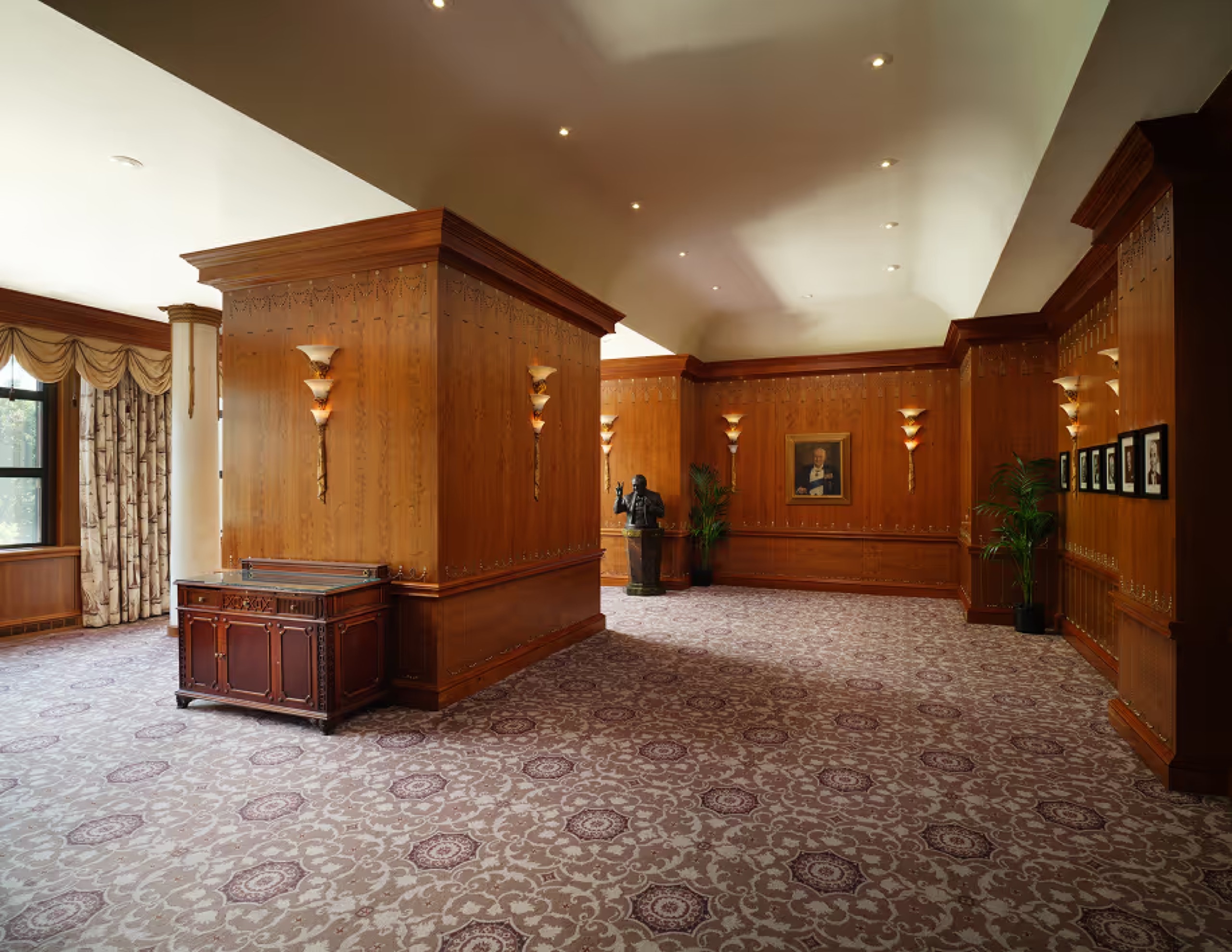
Next door, Princess Ida and Patience began as two of the private rooms the hotel opened with in 1889. The wall between them came down in 1935, leaving a single Edwardian style room that looks over the gardens to Westminster Bridge. It takes up to 50, and a connecting door opens it into Pinafore when a party needs both rooms.
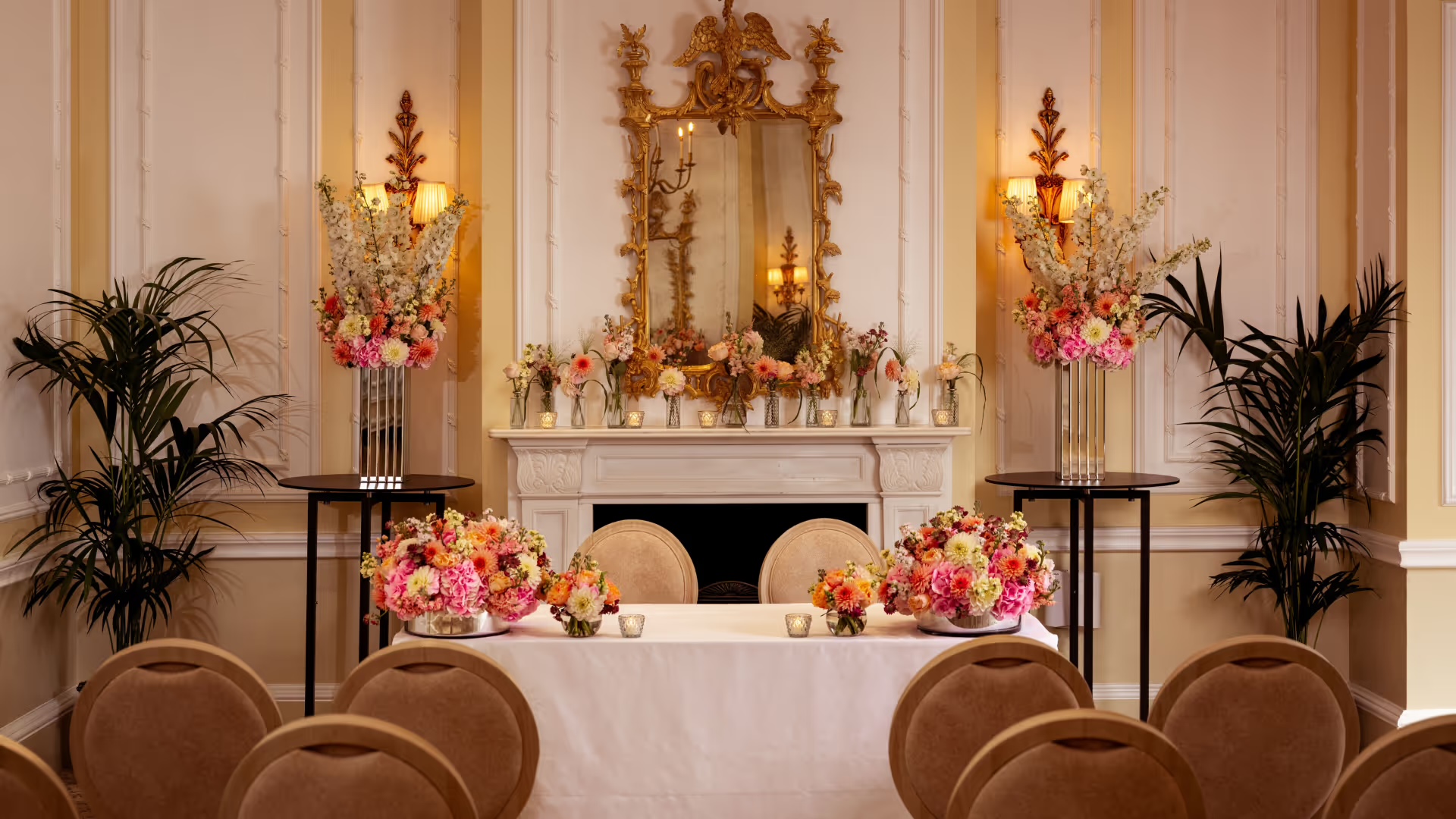
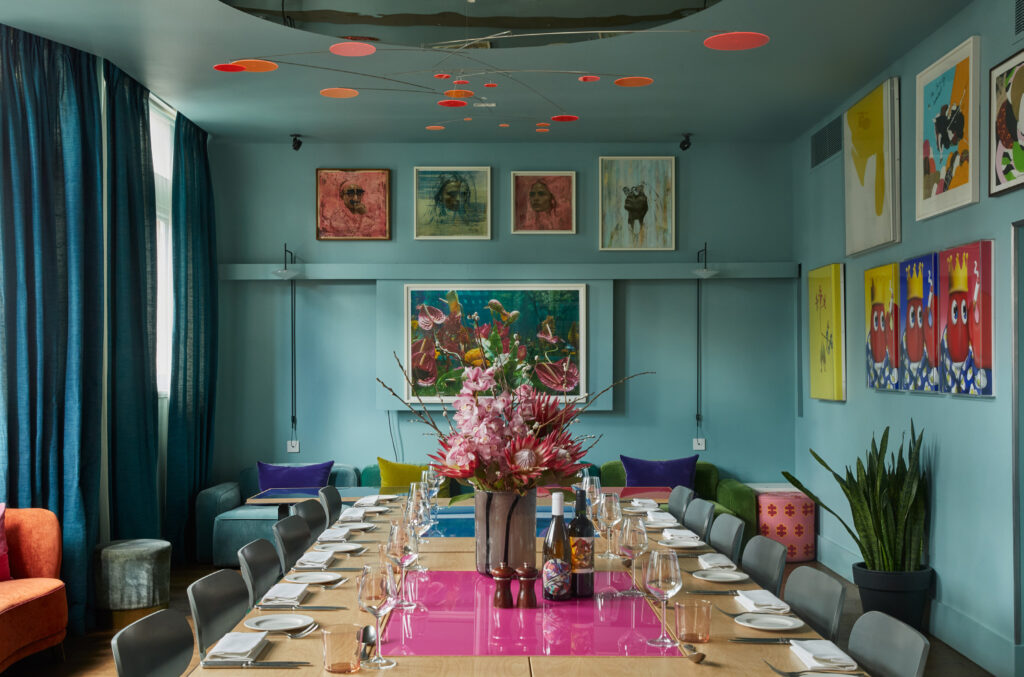
Gondoliers, the smallest, was created in 1935 out of what had been the ladies’ hairdressing salon, at a time when demand for small private rooms was growing. Its walls carry painted panels of 18th century Venetian life, a nod to the setting of the opera, which had its first night at the Savoy Theatre in December 1889, four months after the hotel opened. It takes up to 20.
The River Room and the Lancaster Ballroom
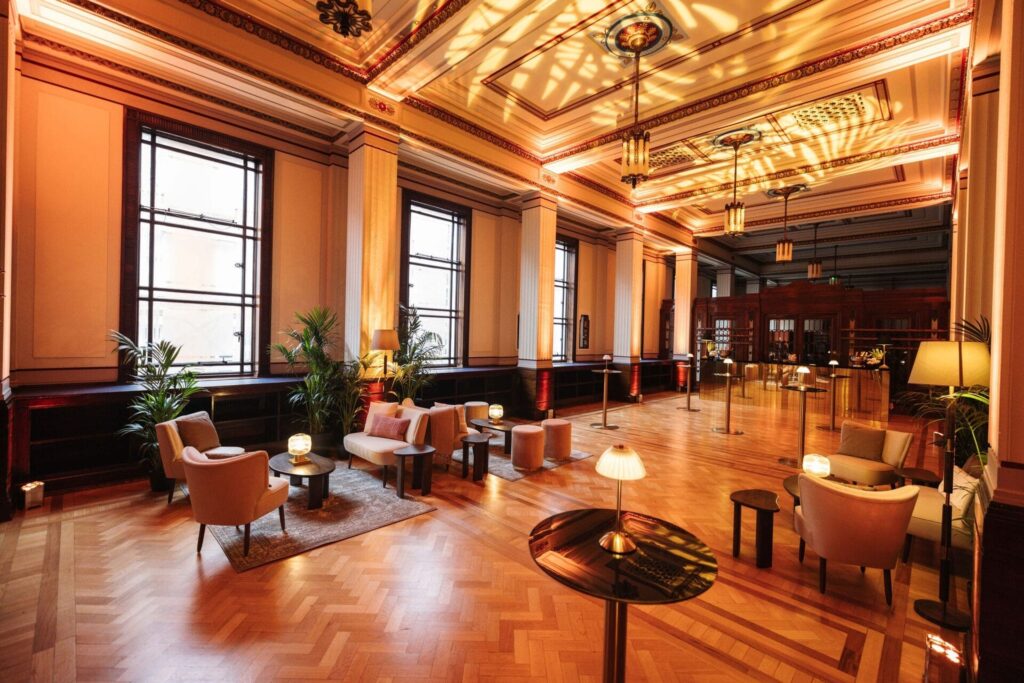
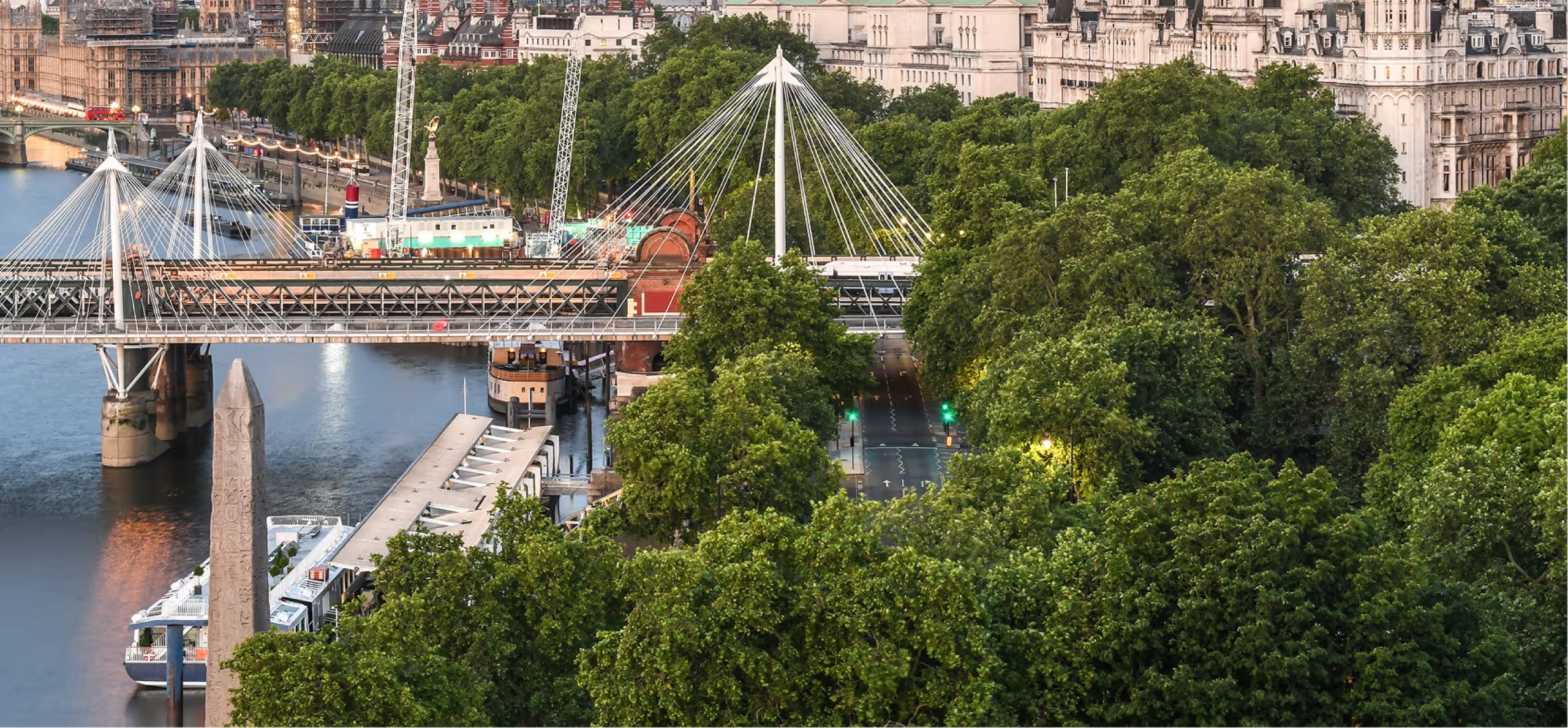
For larger weddings the hotel turns to the Thames. The River Room, on the mezzanine, was the Savoy’s original reception room facing the river and has been part of the banqueting floor since the early 20th century. It is a double-height room with views over Embankment Gardens, bright enough for a daytime wedding, and it takes up to 300 for a reception. In 1946 the Royal Family attended a wedding reception here, and press photographs from it showed Princess Elizabeth standing beside Lieutenant Philip Mountbatten, the year before their engagement was announced on 9 July 1947.
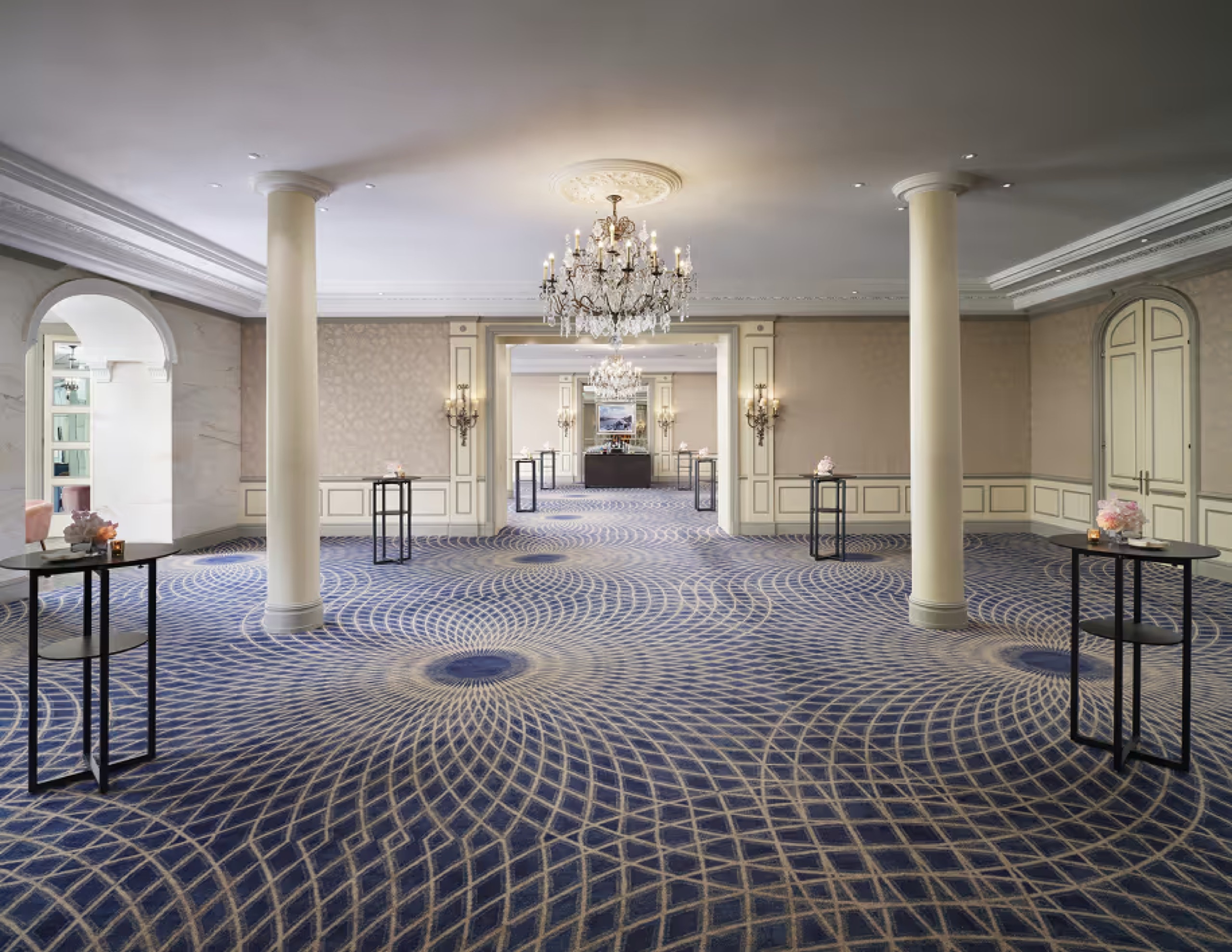
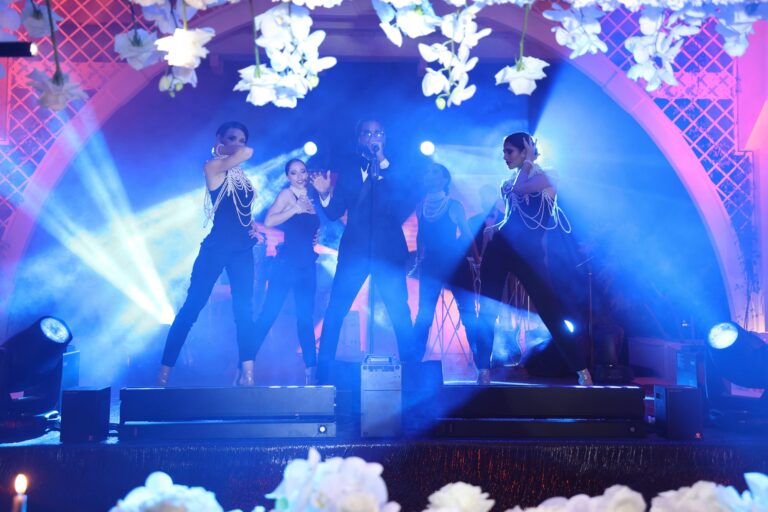
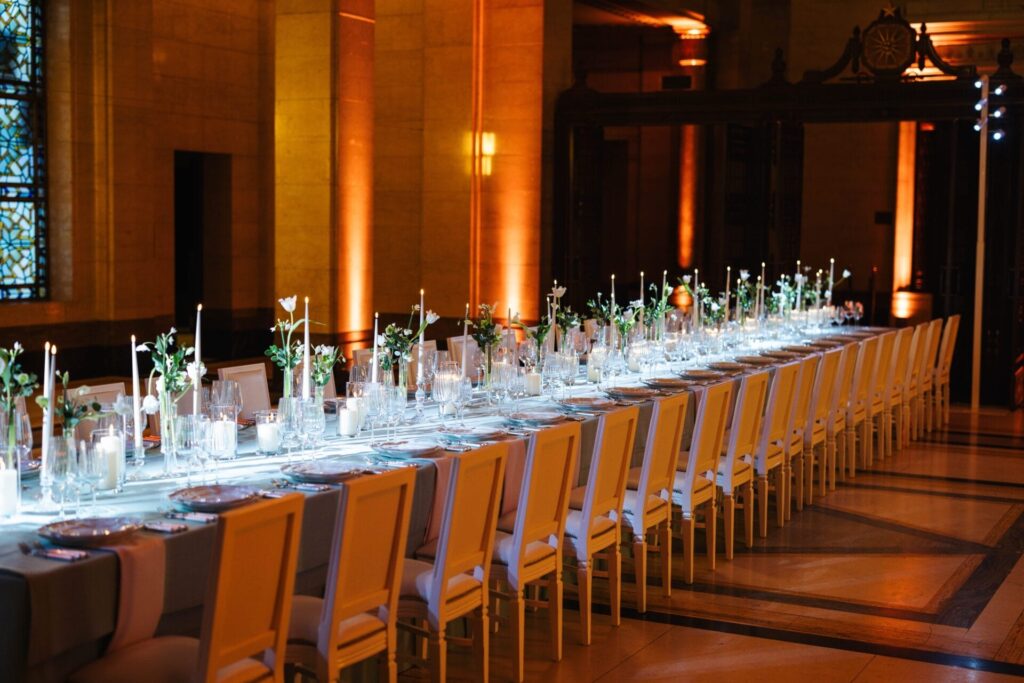
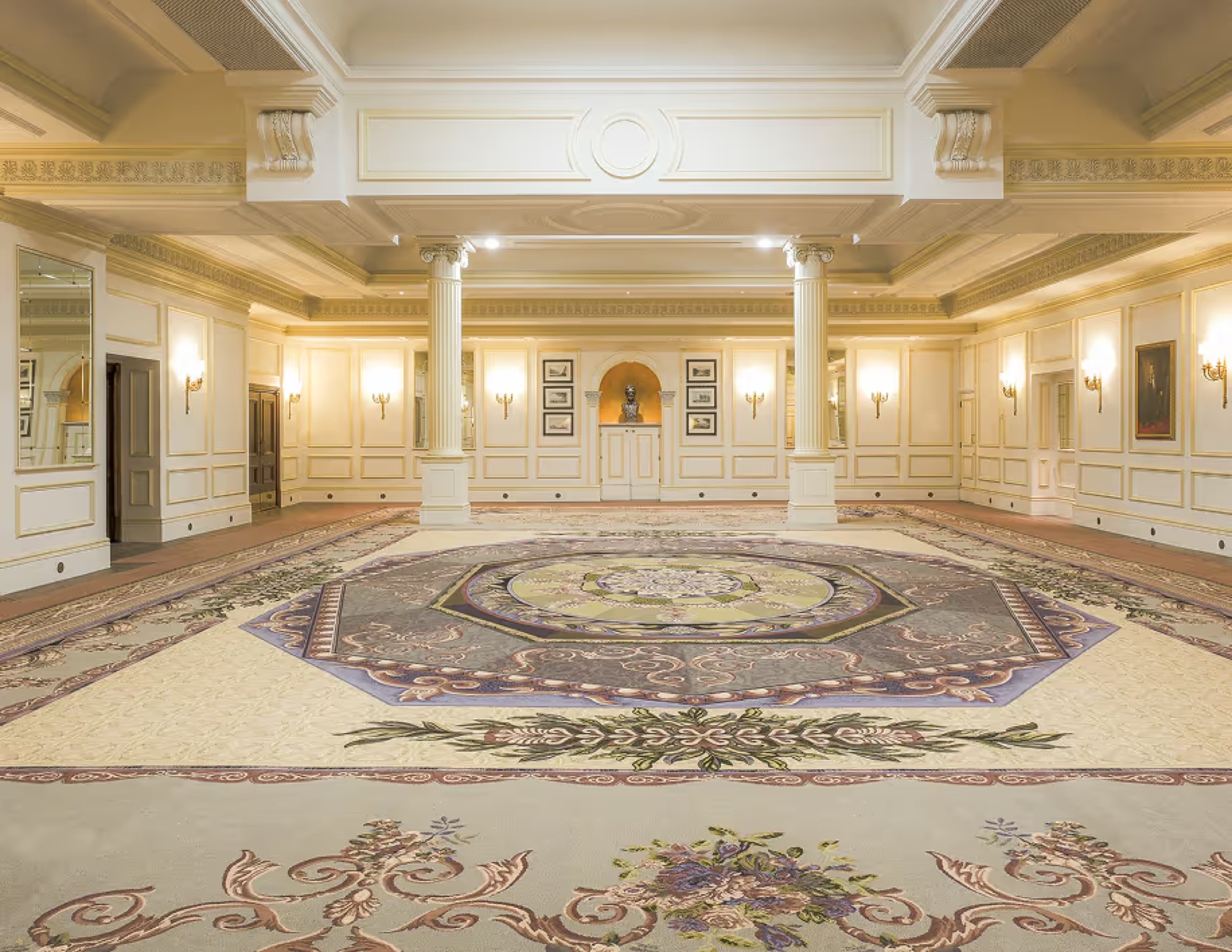
The River Room also serves as the drinks room for the largest events in the Lancaster Ballroom, on the river level. The ballroom covers 476 square metres, is decorated in the Art Deco style and has a stage of its own. It holds 700 for a reception, and it can be arranged for the ceremony as well.
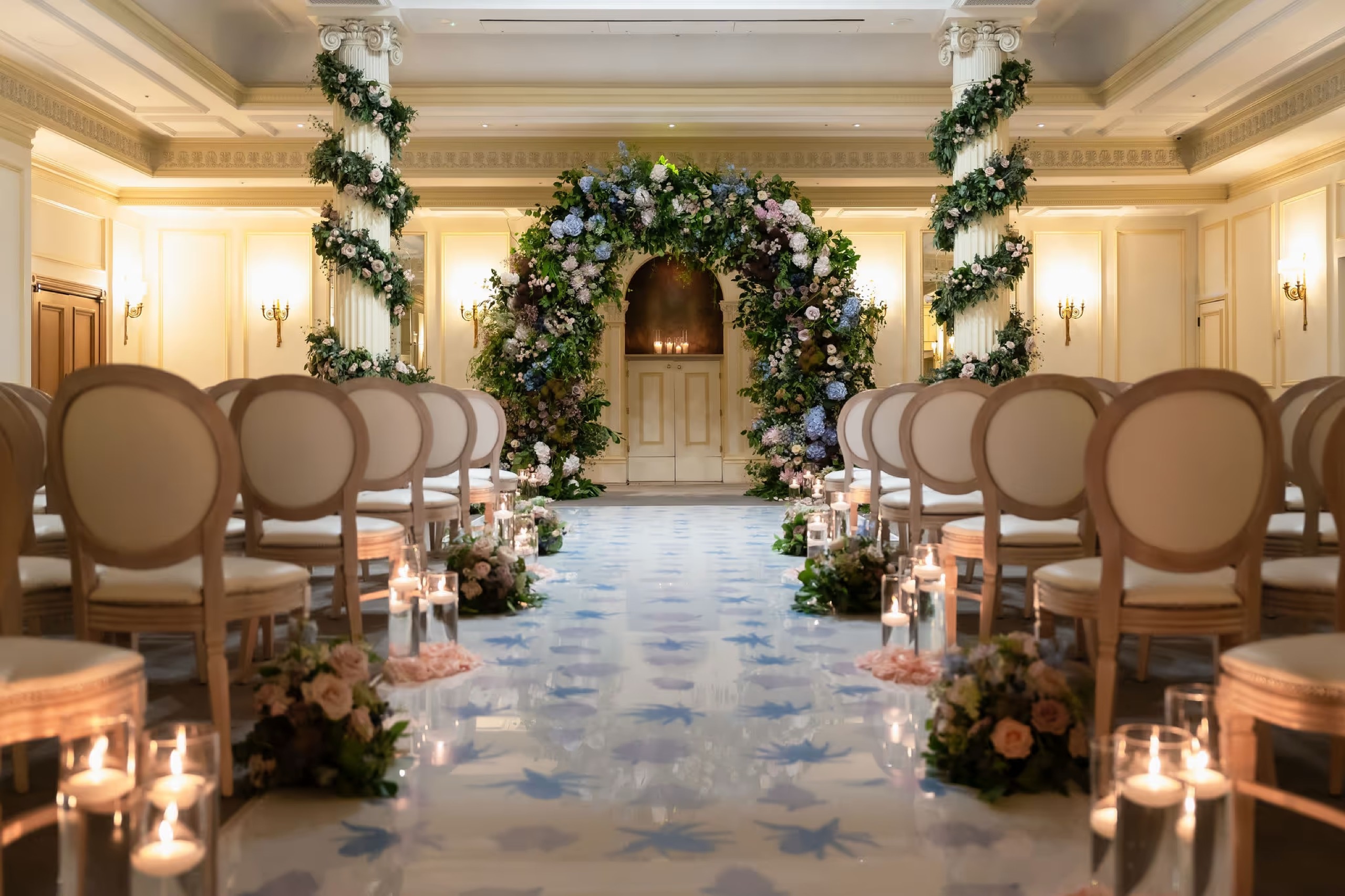
The Abraham Lincoln Room, on the lower level, was the hotel’s original banqueting room. In 1895 it held the wedding breakfast after the marriage of French royalty, and it took its present name in 1923, when the hotel was given a bust of the American president. Today it takes ceremonies and receptions of up to 200 and dinners of up to 120, and the Art Deco Manhattan room beside it serves as its reception room.
Cocktails, kitchens and flowers
The hotel’s chefs write seasonal wedding menus that draw on London producers, with oysters and caviar among the choices and kosher and vegan tasting plates for guests who need them. Alongside its own chefs, the Savoy works with a list of specialist external caterers it trusts. Escoffier is remembered in Restaurant 1890 by Gordon Ramsay, which holds a Michelin star, and Ramsay also runs the Savoy Grill and the River Restaurant. The flowers, from bouquets to installations in the ballroom, are designed by the hotel’s own florists, and the hotel’s wedding planners bring together the chefs, the florists and the logistics of the day.
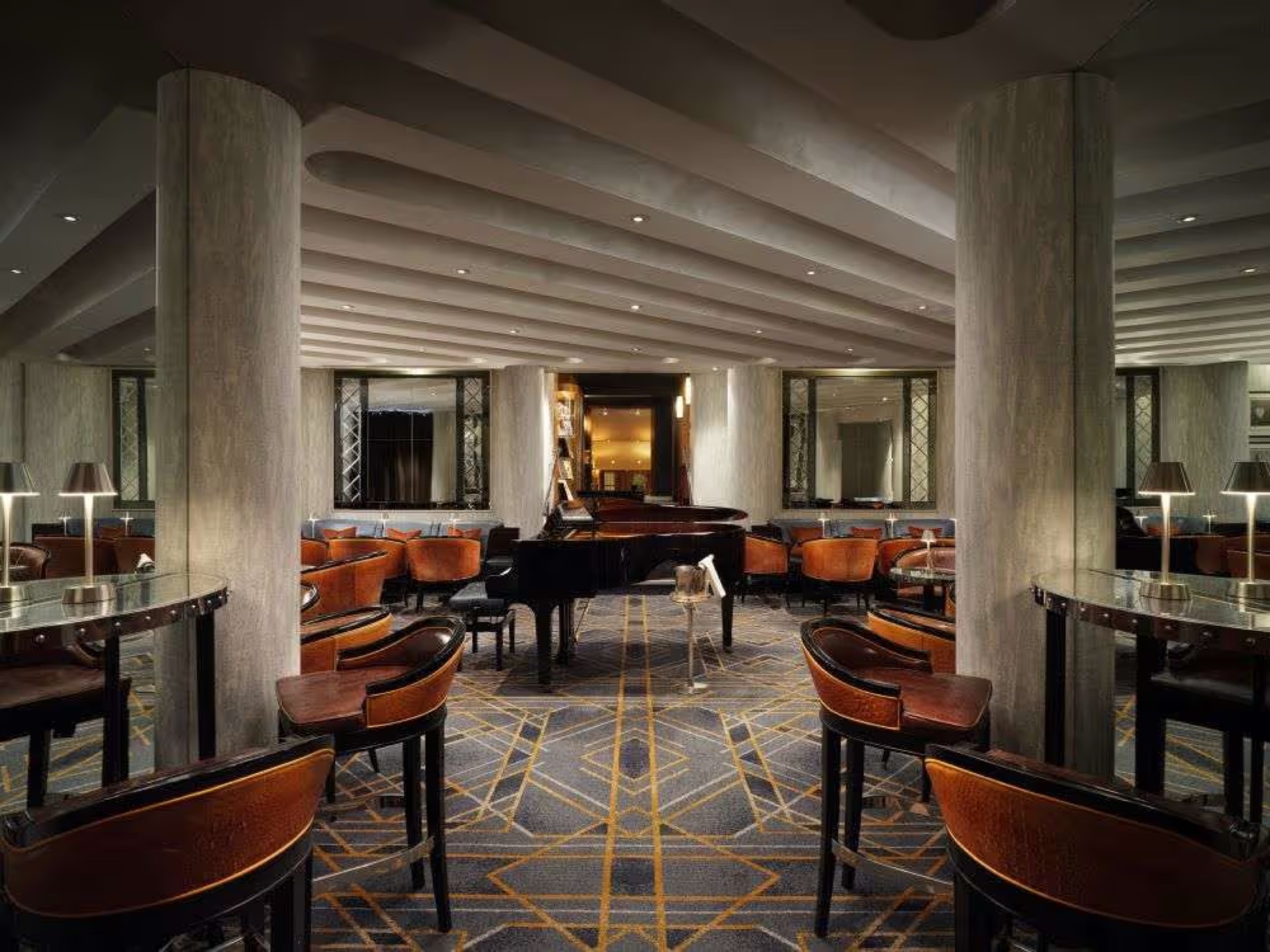
The American Bar has its own wedding story. Ada Coleman was its head bartender from 1903 to 1924, and her successor, Harry Craddock, published The Savoy Cocktail Book in 1930. For the wedding of Princess Elizabeth and Prince Philip at Westminster Abbey on 20 November 1947, the head barman, Johnnie Johnson, created a cocktail called Wedding Bells.
Upstairs, over the river
The rooms and suites come in two styles: Edwardian, in greys with tangerine accents, and Art Deco on the Strand side, in golds and caramels with marble bathrooms. Many of them face the Thames. Claude Monet stayed in 1899, 1900 and 1901 and painted the river from his rooms.
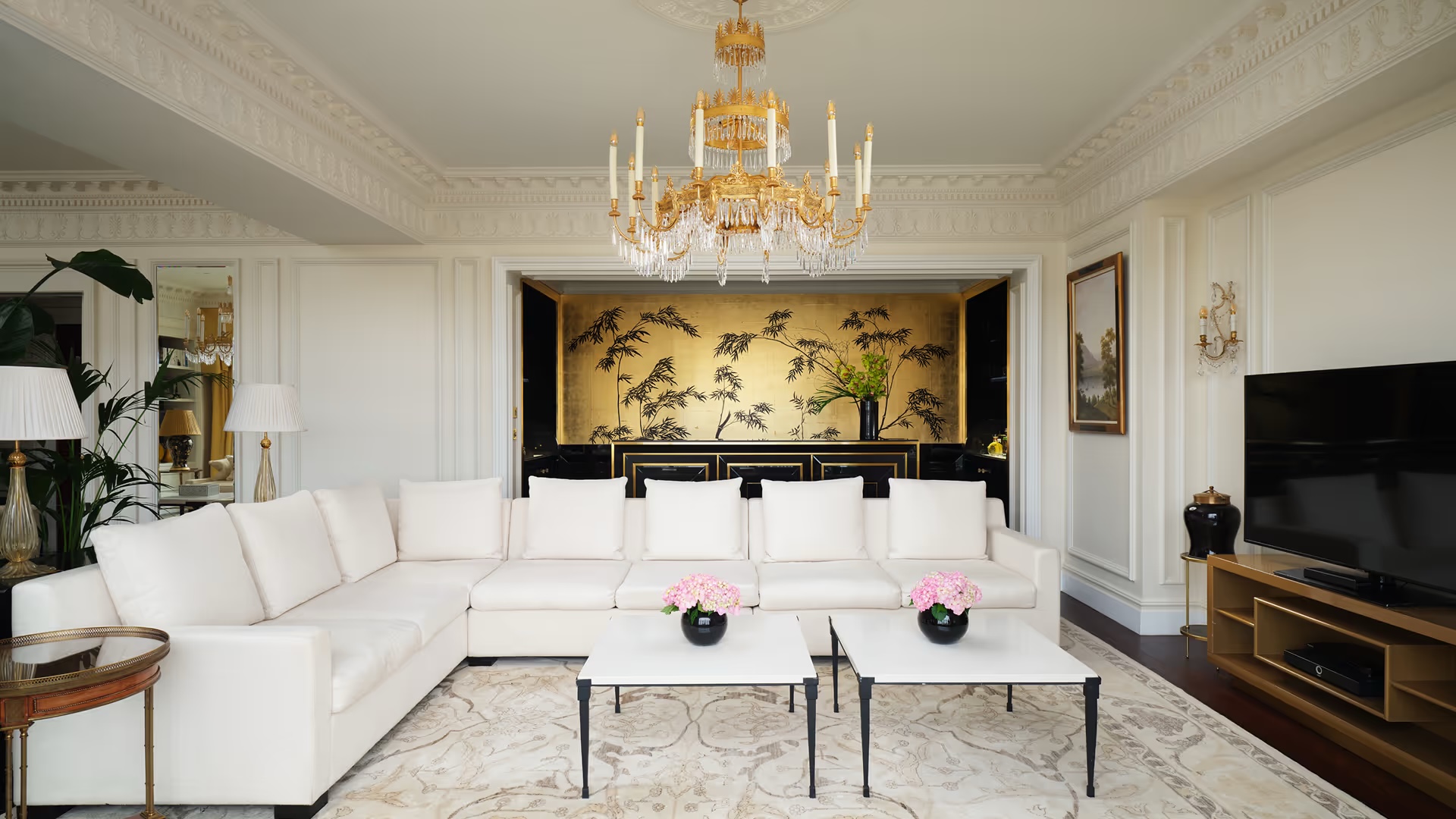
For the wedding night the hotel puts forward its River View Suites, the Savoy Suite and the Royal Suite. The Royal Suite runs along the river side of the fifth floor, with a sitting room, a living room with its own bar, a morning room for private dining and a dressing room lined in cedar. It can host a civil ceremony, a drinks reception and a private dinner, entirely in private.
Planning a wedding on the Strand
The Savoy is a working hotel, so a wedding usually takes its event rooms rather than the whole building, although hire of the entire hotel can be arranged on request. Each wedding is priced individually on request, according to the rooms, the season and the number of guests. Embankment Underground station is about 350 metres away, and Heathrow is about 45 minutes by road. A film of a wedding at the hotel by Keeley Wedding Films is on YouTube. For more of the capital, see our London wedding venues, and for another Art Deco wedding nearby, read our Edit on 60 Great Queen Street.
The opera rooms or the ballroom
The first decision at The Savoy is the size of the guest list. A party of up to 60 belongs on the ground floor, in Pinafore and its neighbours, the rooms named for the operas that paid for the hotel. A larger one moves to the River Room, or down to the Lancaster Ballroom for up to 700. Read the Savoy profile and check your date.