
The Wedding Atlas · Switzerland
Getting Married in Switzerland
From the lakeside city of Lucerne and the Bürgenstock plateau to Lake Geneva, the Bernese Oberland, Zermatt and St. Moritz, Switzerland offers a wedding setting of lakes and high mountains. Choose the landscape first, and let the venue follow.
Part of the Switzerland destination guide.
Where to marry
Explore Switzerland
Switzerland is a country of lakes and high mountains. Each guide has its own settings and its journey.
Lakes
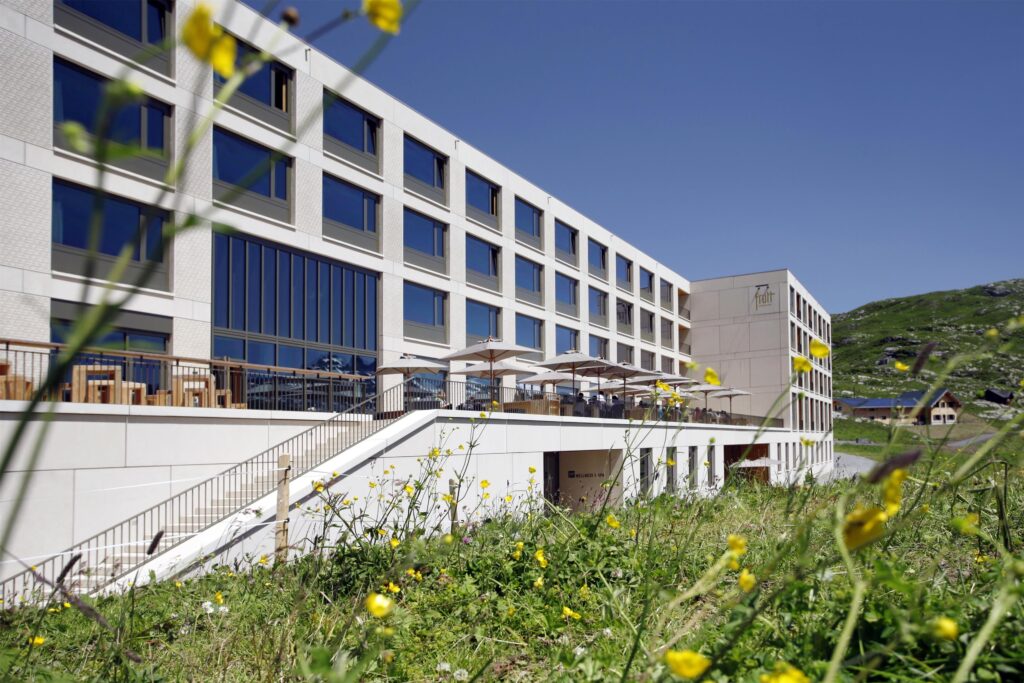
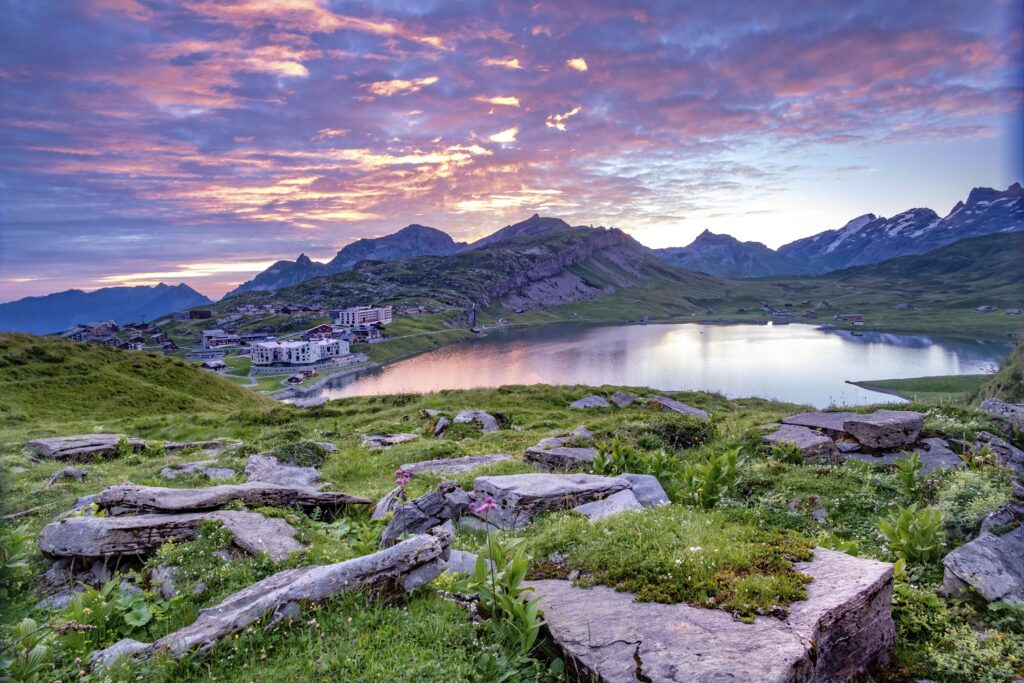 Photo: Frutt Mountain Resort
Lucerne
A medieval lake city between Pilatus and Rigi, with a covered wooden bridge.
Photo: Frutt Mountain Resort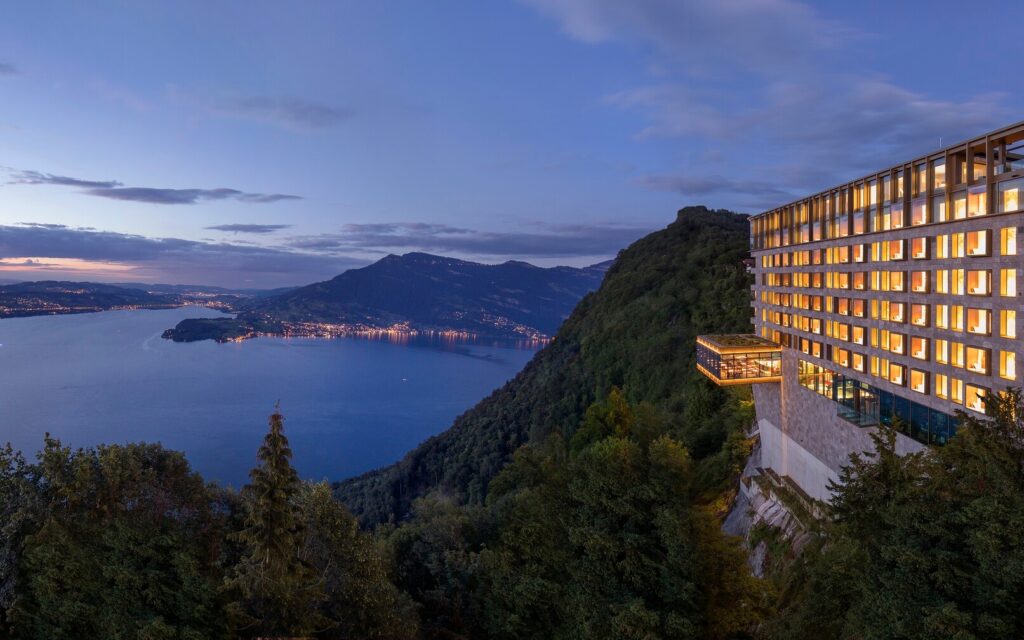 Photo: Bürgenstock Resort Lake Lucerne
Bürgenstock
A resort plateau above the southern shore of Lake Lucerne.
Photo: Bürgenstock Resort Lake Lucerne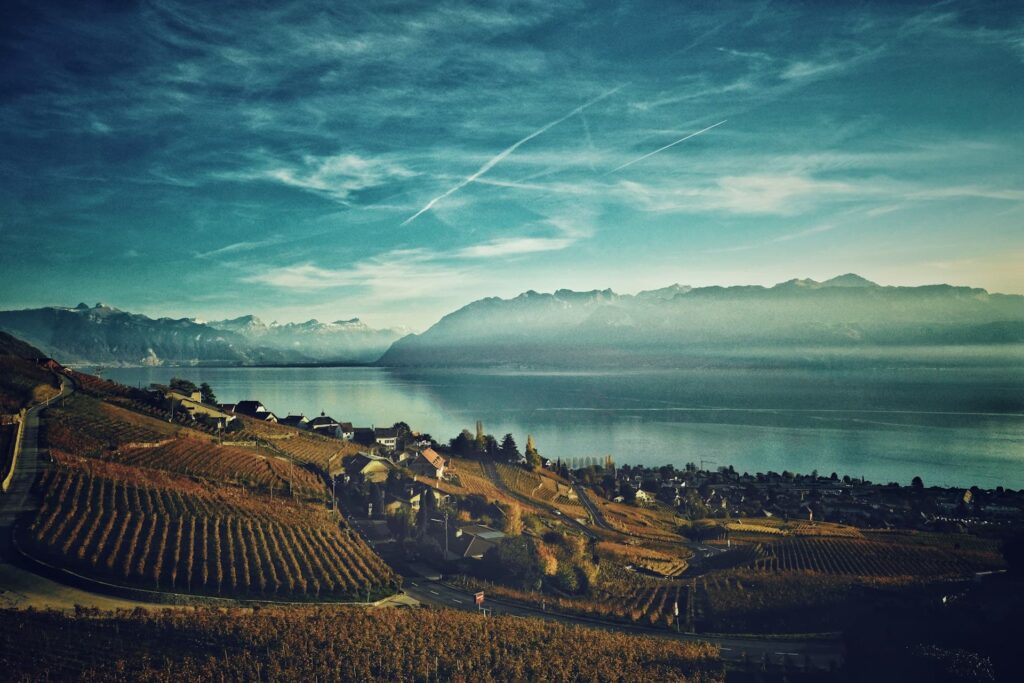
Lake Geneva
A long alpine lake, with the Lavaux vineyard terraces on its northern shore.
The high Alps
Not sure which destination suits you? .
On the map
Where the guides are
Each marker is one guide. Tap a marker to read a line about it and open the guide.
Choosing where to marry
Which Switzerland suits you
For a lake
Lucerne sits where the River Reuss drains Lake Lucerne, between the mountains of Pilatus and Rigi. The Bürgenstock is a flat-topped promontory rising 500 metres above the southern shore of Lake Lucerne, with cliffs falling to the water on three sides. Lake Geneva, or Lac Léman, is the largest lake in western Europe. The wedding corridor runs from Lausanne in the west to Montreux in the east.
For the high Alps
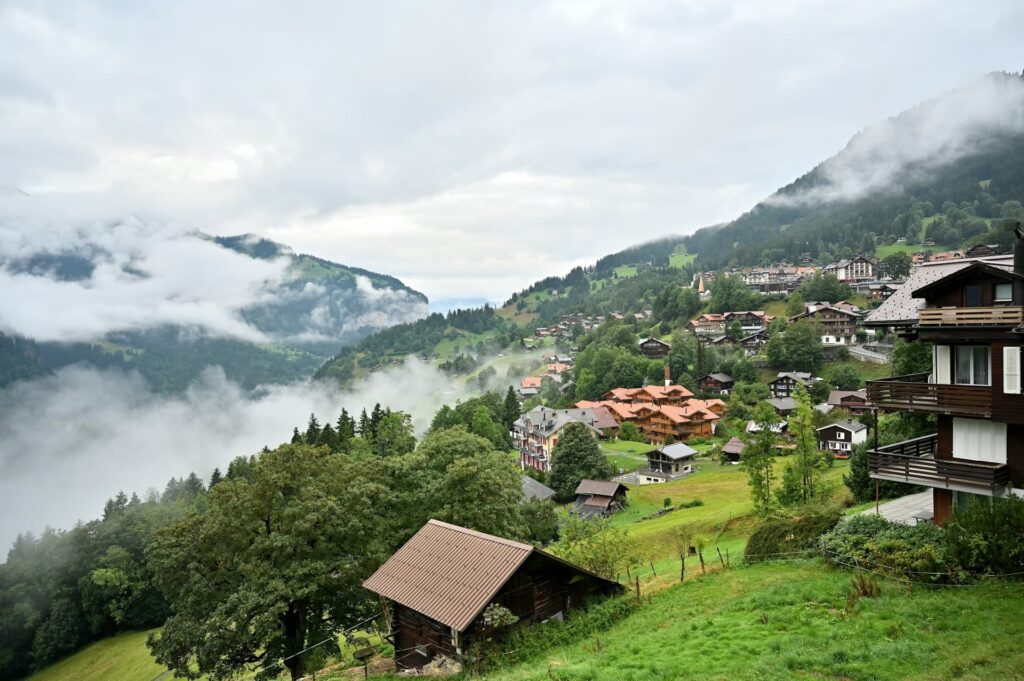
Interlaken lies on the flat valley floor between the Thunersee and the Brienzersee, the two lakes that drain the Bernese Oberland toward the Aare. The Engadin valley sits at 1,800 metres on a high plateau between granite peaks, and the altitude gives a sharper, more luminous light.
For a car-free village
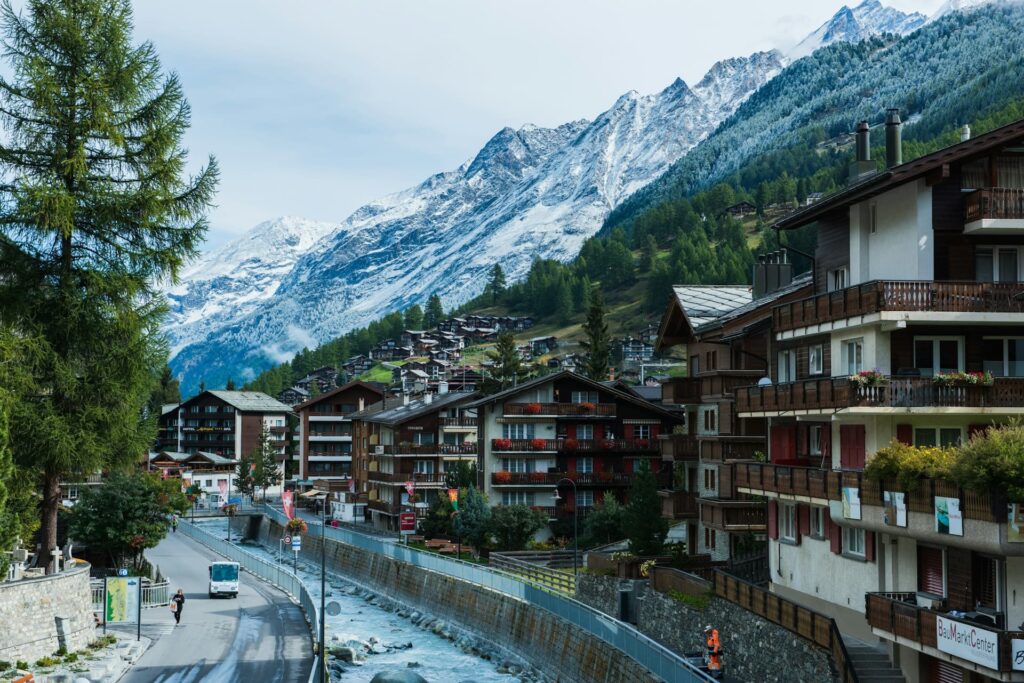
The Matterhorn rises 4,478 metres, and its pyramid profile stands apart from the surrounding ridges, directly above a single valley. Zermatt has been car-free since 1930. Guests arrive on the Matterhorn Gotthard Bahn cogwheel railway from Täsch, where cars are left, or take an electric taxi from the station. Wengen and Mürren are car-free villages above the Lauterbrunnen valley.
For summer or winter
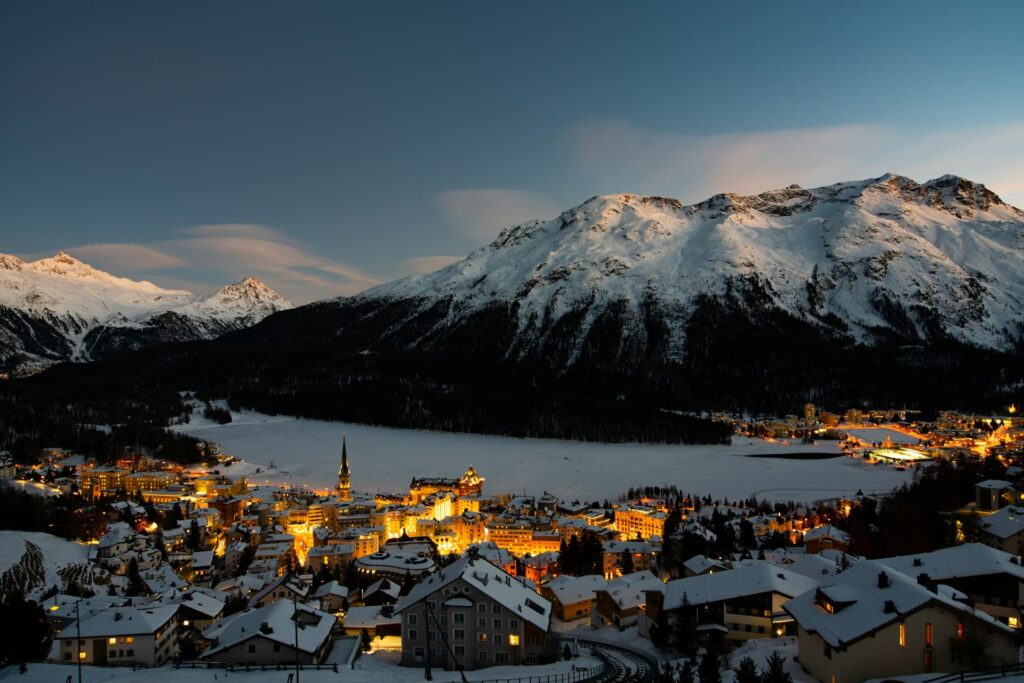
St. Moritz hosted the Winter Olympics in 1928 and 1948, and its guest books have carried the names of aristocratic families, film stars and industrial dynasties. Both seasons work and they differ. Summer brings lakes, meadows and the Engadin's famous 315 days of sunshine. Winter brings snow, carriages and White Turf.
The season
When to get married, region by region
Bürgenstock
July and August are the best months, at about 22°C by day on the plateau, a few degrees cooler than the lake shore. Measurable rain falls on 13 or 14 days a month in summer, so a covered option is sensible.
Bürgenstock stands about 420 m above Lucerne, which makes afternoons roughly 2.7°C cooler than in the city: about 22°C in July and August against 25 and 24°C in Lucerne (MeteoSwiss, Lucerne, adjusted for height). Measurable rain falls on 13 or 14 days a month from June to August (MeteoSwiss, Lucerne), and the plateau has no weather station of its own. Hotel stays around Lake Lucerne peak in July and stay within about 10 per cent of that level in June, August and September (Swiss Federal Statistical Office).
Interlaken & Bernese Oberland
Outdoor ceremonies suit May to September, with July the warmest and sunniest month. Measurable rain falls on 10 to 14 days a month in summer, so a covered option is sensible. These ratings describe Interlaken on the valley floor; the mountain villages above it are cooler.
In Interlaken the average afternoon high is 24 to 25°C in July and August, with about 220 hours of sunshine in July (MeteoSwiss, 1991 to 2020). Measurable rain falls on 13 or 14 days in June, July and August and on 10 days in September. Hotel stays peak in July and August and stay within about 15 per cent of that level in June and September (Swiss Federal Statistical Office).
Lake Geneva
July and August are the most reliable months, with afternoons of 25 to 27°C, rain on only 7 to 9 days and long, bright evenings. June and September are very good, and May is good.
Around Lake Geneva the average afternoon high is 25 to 27°C in July and August, with rain on 7 to 9 days a month and more than 250 hours of sunshine in July (MeteoSwiss, Geneva and Pully, 1991 to 2020). Geneva reaches 32°C or more on three or four days in July, so a late-afternoon ceremony is kinder. Hotel stays in the lakeside towns peak in July and stay within about 10 per cent of that level from June to September (Swiss Federal Statistical Office).
Lucerne
July and August are the warmest and brightest months, and September has the fewest wet days of the summer. Measurable rain falls on 10 to 14 days a month from May to September, so every outdoor ceremony needs a covered option.
In Lucerne the average afternoon high is about 25°C in July and 24°C in August, and July is the sunniest month of the year (MeteoSwiss, 1991 to 2020). Summer is also the wettest season, with measurable rain on about 14 days in June, 13 in July and August and 10 in September, so a covered option is sensible for any outdoor ceremony. Hotel stays peak from June to September (Swiss Federal Statistical Office).
St. Moritz & Engadin
July and August are the best summer months, at about 19°C by day, and January to March brings reliable snow. April and November fall between the seasons, so they are the months to avoid for an outdoor celebration.
St. Moritz stands at about 1,800 m, and the afternoon high is 19°C in July and August, with nights near 5°C (MeteoSwiss, Samedan, 1991 to 2020). From January to March the high is between minus 1 and 4°C and a typical morning has 40 to 46 cm of snow on the ground (MeteoSwiss), which suits a winter wedding planned around a heated indoor ceremony. April and November are the in-between months, with highs of 4 to 8°C and little settled snow, and November hotel stays fall to about an eighth of the peak (Swiss Federal Statistical Office).
Zermatt
July and August are the warmest months, at about 20°C by day, and the snow season from January to March is cold but reliable. April and November fall between the two seasons, so they are the months to avoid for an outdoor celebration.
Zermatt stands at 1,638 m, and afternoons reach about 20°C in July and August with cool nights near 8°C (MeteoSwiss, 1991 to 2020). From January to March the afternoon high is between 1 and 6°C and a typical morning has 47 to 65 cm of snow on the ground (MeteoSwiss), which suits a winter wedding planned around a heated indoor ceremony. April and November are the in-between months, with highs of 5 to 10°C and little settled snow, and November hotel stays fall to about a quarter of the peak (Swiss Federal Statistical Office).
The word shows how well the weather suits a wedding. The dots show estimated visitor busyness, based on tourism data rather than wedding bookings.
Planning
Planning by destination
Each guide sets out how guests reach the destination and what to do once there. The links below are grouped by the destination they describe.
Lucerne
Zurich Airport is the main gateway, with a direct train to the city on the efficient Swiss rail system.
- Read the guideThe Lucerne Wedding Atlas
Zermatt
Guests fly to Geneva or Zurich, take a train to Visp and change to the rack railway.
- Read the guideThe Zermatt Wedding Atlas
Lake Geneva
Geneva Airport is the main gateway, with direct services from several UK airports and a direct train to Lausanne.
- Read the guideThe Lake Geneva Wedding Atlas
Interlaken & Bernese Oberland
Interlaken Ost station is the arrival point for connections to Grindelwald, Wengen and the Jungfrau railway.
- Read the guideThe Interlaken & Bernese Oberland Wedding Atlas
St. Moritz & Engadin
The village is reached from Zurich Airport by train.
- Read the guideThe St. Moritz & Engadin Wedding Atlas
Questions couples ask
Before you decide
How do guests get to Lucerne for a wedding?
Zurich Airport is the main gateway, with a direct train to the city on the efficient Swiss rail system. The rail terminal sits under the arrivals hall, so no bus transfer is needed. Geneva Airport is a viable alternative for guests with better Geneva connections, but it is less practical than Zurich.
How do guests without cars reach Zermatt?
Guests fly to Geneva or Zurich, take a train to Visp and change to the rack railway. A wedding party should reserve a section of the busy summer train in advance to keep seats together.
When is Lake Geneva best for a wedding?
June and July are the most reliable, with warm days and long evenings. September is arguably the most beautiful, as the harvest begins and the tourist peak has passed. May and October are cooler but workable.
Which season suits a St. Moritz wedding better?
Both seasons work and they differ. Summer brings lakes, meadows and the Engadin's famous 315 days of sunshine. Winter brings snow, carriages and White Turf. The choice depends on the guest profile and programme.
What can guests do in the Bernese Oberland during a wedding weekend?
Options include the Jungfraujoch train, the First mountain above Grindelwald, the Lauterbrunnen waterfall walk, paddleboarding on Lake Brienz, paragliding from Beatenberg and the Harder Kulm with its Two-Lakes Bridge.
How do guests who are not staying at the resort attend?
Non-resident guests arrive by the scheduled SGV steamer, the hotel funicular from Kehrsiten or a private launch arranged by the resort. Checks take place at the landing stage and the funicular base.
The venues
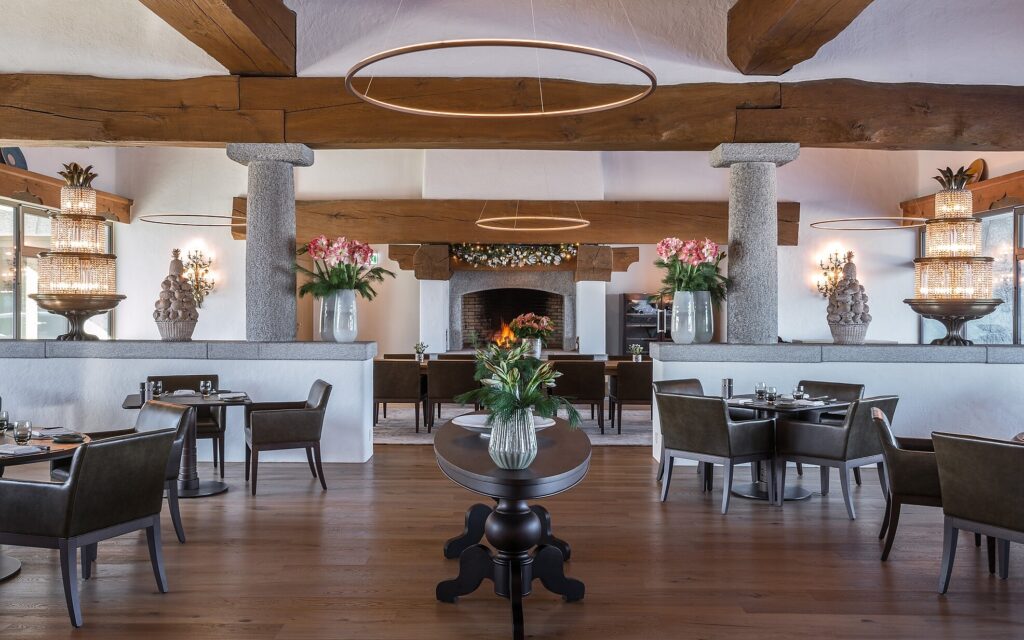
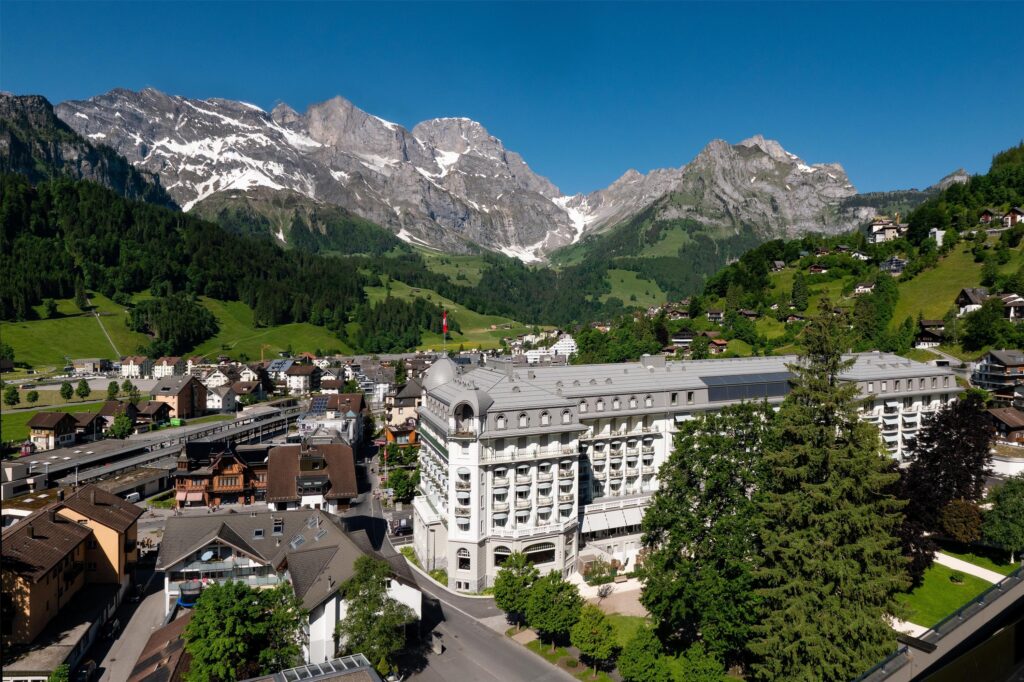
A glimpse of venues across Switzerland
Meet Aura
Your wedding planning companion for Switzerland
Ask Aura about wedding destinations, venues and planning possibilities across Switzerland, drawing on the information available through 5 Star Weddings.
The directory
Ready to look at venues and people?
The guides help you choose where. The destination page lists the venues and wedding professionals themselves.