
The Wedding Atlas · Spain · Andalusia
Getting Married in Andalusia
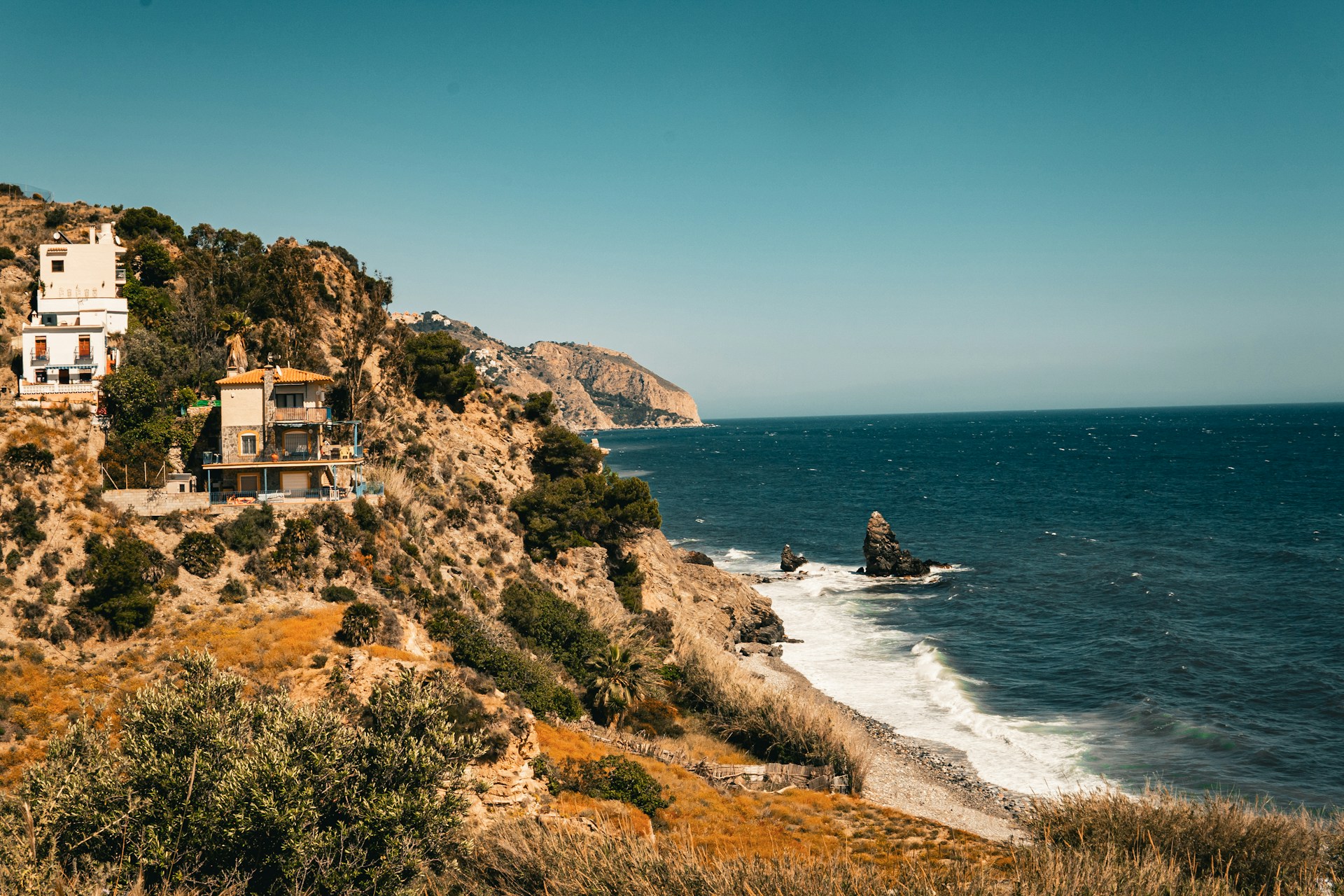
Whitewashed cortijos, Moorish cities and mountain villages across southern Spain. Andalusia is the wedding destination that looks most clearly like Spain. Whitewashed cortijo farmhouses among olive groves, the Moorish heritage of Seville and Granada and the limestone ridges of the Serranía de Ronda give a setting that belongs to the region alone.
Part of the Andalusia destination guide.
- Best months
- April to June and September to October
Where to marry
Where to Get Married in Andalusia
Seville and the Guadalquivir plain
A city of Baroque churches and courtyards, ringed by haciendas on a flat farming plain. It is the main transport hub of the region.
Ronda and the Serranía
The most dramatic rural zone. The town stands on a limestone ridge split by the Tajo gorge and crossed by the Puente Nuevo, with cortijo estates in the sierras around it.
Granada and the Alpujarras
The Alhambra and the Generalife gardens rise above the city, and the Albaicín has walled carmen properties looking across to them. The Alpujarras villages south of the Sierra Nevada are remote, with an architecture that carries Berber influence.
Cádiz and the white villages
The western zone, with Vejer de la Frontera, Arcos de la Frontera and the Grazalema villages. Jerez, the sherry capital, adds a wine and horse-breeding culture.
Find your area
Andalusia on the map
Andalusia
Have a guest count or a number of nights in mind? .
A Wedding in Andalusia
Whitewashed cortijos, Moorish cities and mountain villages across southern Spain
The region falls into four zones. Seville is the cultural capital, with Baroque churches, orange-tree courtyards and haciendas on the Guadalquivir plain. Ronda, above the Tajo gorge, is the most requested rural area. Granada offers the Alhambra as a backdrop and the white Alpujarras villages to the south. The Cádiz zone, around Jerez and the Sierra de Grazalema, is visited less by international couples.
Weddings here run to a pattern of outdoor ceremonies under olive trees, a long aperitif of Fino sherry and jamón ibérico, late dinners and often live flamenco.
Choosing a setting
Choosing a wedding setting in Andalusia
Cortijo
The rural venue most associated with Andalusia: a farmhouse estate built around a central courtyard, with whitewashed walls and terracotta tiles, set in olive grove, vineyard or cereal land.
Hacienda
A larger estate than a cortijo, with grander architecture and a link to olive oil, sherry or horse breeding. Most haciendas near Seville began as oil and cereal farms and host events beside a working operation.
Carmen or urban palacio
In Granada and Seville, a carmen, a walled private garden property in the Albaicín, or an urban palacio gives a city venue with real history. Carmenes with a direct view of the Alhambra are small and intimate.
The season
When to get married
Summers are the hottest of any mainstream European wedding destination, and Seville regularly passes 40 degrees Celsius in July and August. The workable seasons run from late March to early June and from mid-September to late October. April and May suit best, with green countryside and orange trees in flower in Seville. October brings steady warmth, the olive harvest and fewer visitors.
Getting there
How guests arrive
Several airports serve the region. Málaga is the best connected in the south and is the gateway for Ronda. Granada has few UK connections, so most guests fly to Málaga and transfer. The AVE high-speed train links Madrid with Seville and Málaga.
Málaga (AGP). The main gateway for Ronda, the Marbella hinterland and eastern Andalusia, with year-round direct flights from major UK airports.
Seville (SVQ). The best gateway for Seville and the haciendas of the plain, with direct flights from several London airports.
Jerez (XRY). Serves the Cádiz zone and the Grazalema villages. UK scheduled flights are limited, so seasonal connections should be checked.
Where guests stay
Under one roof, or nearby
Accommodation runs from hacienda estates and boutique city hotels to cortijo conversions in the Serranía de Ronda and the Sierra de Grazalema.
Seville hacienda estates
A Moorish hacienda converted to a hotel near Seville shows the type: a full courtyard, a pool terrace and the farmed plain as backdrop.
Ronda fincas and cortijos
Many cortijos around Ronda can be hired exclusively and sleep the core wedding party on site. Other guests stay in Ronda town, a short drive away.
Albaicín carmenes (Granada)
The whitewashed carmen properties have private gardens and direct views of the Alhambra, a small, atmospheric option inside a city.
Food and drink
Eating and drinking in Andalusia
Andalusian food is among the most regional in Spain: cold soups, fried fish, mountain-cured Ibérico ham and the sherry wines of Jerez.
Gazpacho and salmorejo
Gazpacho is the cold blended soup of tomato, cucumber and pepper from Seville. Salmorejo is the thicker Córdoba version, made with bread, tomato and olive oil and garnished with jamón and hard-boiled egg.
Jamón ibérico de bellota
A mountain-cured ham from the Sierra de Huelva and the Sierra de Aracena, from pigs that feed on acorns in the oak dehesa. Carved at the table during the aperitif, it features at weddings catered with local producers.
Sherry from Jerez
Fino, Manzanilla, Amontillado, Oloroso and Pedro Ximénez are the fortified wines of Jerez. Chilled Fino makes a regional aperitif wine.
Good to know
Before you book
Flamenco belongs to local networks
Authentic flamenco artists are based in Seville, Granada and Jerez. A planner with direct relationships there can secure a private performance rather than a tourist show.
Seville Airport connections
Guests who cannot fly directly to Seville can use Málaga, the best connected alternative, and continue by road or on the AVE.
Summer heat is a real planning constraint. Daytime outdoor ceremonies in July and August are impractical without serious cooling. Planners hold the ceremony in the early evening. April, May, September and October are far more comfortable.
People who work in Spain
Planners, photographers and other wedding professionals based in Spain.
 Alexandra SixtFounder and wedding planner, Ma Chérie Weddings Ibiza
 Mandy LagoFounder, Alago Events
 José LevyCEO and Founder, Spain4weddings
 NataliaFounder and wedding planner, Make It Happen BCN
 Natalia OrtizFounder, Weddings and Events by Natalia Ortiz
 Betsaida FernándezFounder and creative director, The Experialist
 AlicePhotographer and Filmmaker, Kaleidos Wedding
 Viviana FortunatoCEO and Creative Director, Cygnus Events
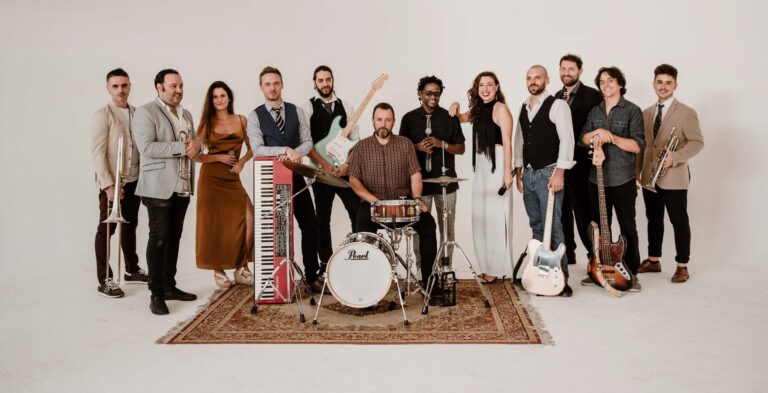 Stereo Star BandThe band, Stereo Star Band
Questions couples ask
Before you decide
What draws couples to Ronda?
A white town on a limestone ridge split by the Tajo gorge, with the Puente Nuevo spanning a drop of 120 metres, and cortijo estates in the country around it, all within a drive of Málaga Airport.
Which months suit an Andalusian wedding best?
April and May, when the landscape is green. September and October bring warmth, the olive harvest and fewer visitors. July and August work only at altitude.
How do guests reach Ronda from the UK?
By flying to Málaga and continuing by road, either by private transfer or hire car. A scenic rail line through the mountains also runs from Málaga via Bobadilla.
Can flamenco be part of the wedding?
Yes. Local planners routinely arrange performances by Seville or Granada artists.
Does Andalusia suit a small wedding?
Yes. It is not only a destination for large estates, and the smaller rural properties are among the most characterful settings for an intimate wedding.
Meet Aura
A planner who has read every venue in Andalusia
Tell Aura the setting, the season and the size of your day. She shortlists the venues and professionals that fit, and explains why.
More Wedding Destinations
MarbellaIbizaMallorcaBarcelona
This guide draws on the venues' own published details, official sources and the knowledge of our editors. Entry and legal information can change, so confirm it with the authority that will marry you before you book.