

Foreign couples can marry in Portugal. The civil marriage process starts at a Portuguese registry office (Registo Civil), and a couple from abroad brings identity documents, a birth certificate and a certificate of capacity to marry from their own country, issued less than six months before. The process should begin at least one month before the date, and once it is authorised the couple have six months to marry. This guide sets out the steps from the Portuguese justice registry, where the ceremony can be held and what to ask before you book a venue.
The legal route · Documents · Ceremonies and where · Couples from the UK · Planner and venue

The legal route
In short: foreign couples start the civil marriage process at a Registo Civil, with identity documents, a birth certificate and a certificate of capacity to marry. The file is lodged at least one month ahead, and the couple then have six months from authorisation to marry. Official source: Instituto dos Registos e do Notariado, organising a marriage.
The process begins with a declaration of the wish to marry at a civil registry office. In it the couple say which kind of ceremony they want (civil, Catholic, or civil in religious form), where it will be held, the property regime and the date and time. Foreign couples are directed to a Registo Civil in person. If one partner does not speak Portuguese and the registry officer does not speak their language, an interpreter is appointed.
Between the start of the process and the wedding, anyone may raise a reason why the marriage should not go ahead. Under 16s cannot marry, and 16 and 17 year olds need parental or guardian consent unless the registrar supplies it. The registry fee for the process and the marriage record is 120 euros. Official source for the process: Portal da Justiça, starting the marriage process.

Documents for foreign couples
- Identity documents: a residence permit, a passport or an equivalent document.
- Birth certificate: issued in line with the law of your own country.
- Certificate of capacity to marry: issued by the competent authorities of your country less than six months ago. If your country does not issue one, bring a declaration saying so.
- Translation: documents not in English, French or Spanish need a certified translation into Portuguese. Translation can also be waived for English, French or Spanish documents when the registry officer reads that language. Certified translations may be made by a Portuguese notary, a registry officer, a lawyer or solicitor practising in Portugal, or a Portuguese consulate, among others.
- European Union public documents proving capacity to marry, civil status, divorce or death are exempt from translation when they come with the multilingual form.
Apostille and legalisation are not mentioned on the registry pages read, so ask the registry how it treats documents from your country. Official source for translation: IRN, translation of documents.
Ceremonies and where
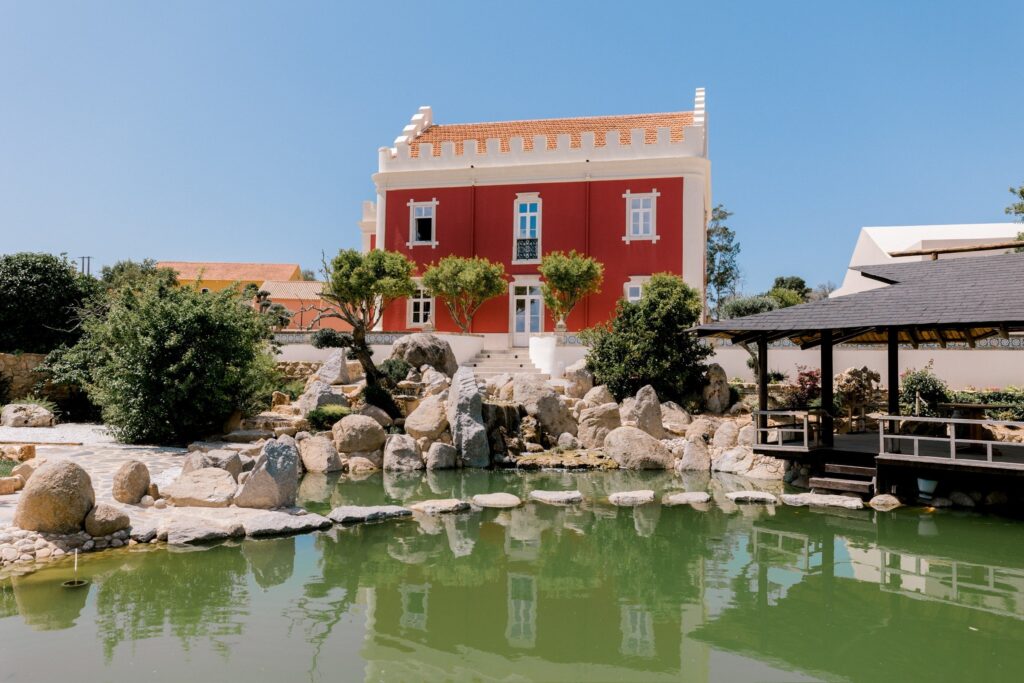
Civil. A civil wedding can be held at a registry office during normal opening hours. A couple who want another place, or a weekend or holiday, agree the date and hour with the registrar beforehand. A non-urgent wedding held outside the registry office costs 200 euros, as does one held at the registry outside opening hours, at the weekend or on a public holiday. Both partners attend, or one partner and the other’s proxy. Two to four witnesses may take part, though they are not required, and anyone may attend. In Lisbon and the Algarve, municipal spaces are available for weddings: at the Lisbon city hall (Câmara Municipal de Lisboa) and the Albufeira city hall (Câmara Municipal de Albufeira).
Religious. When the process starts, the couple choose between a civil ceremony, a Catholic ceremony or a civil ceremony in religious form. Nothing more is published on the registry pages read about how a religious ceremony takes legal effect, so ask the registry before you plan one.
Symbolic. The registry pages do not address purely symbolic ceremonies. Ask the registry whether a civil ceremony must come first if you want a blessing or celebration at your venue.
A marriage contract costs 100 euros for one of the standard property regimes in the Civil Code and 160 euros for an atypical regime.

Couples from the UK
British passport holders can travel to Portugal without a visa for up to 90 days in any 180-day period, counted across the Schengen area. The passport must have been issued less than 10 years before arrival and must be valid for at least three months after the day you plan to leave. The Entry/Exit System registers biometrics at the border.
A certificate of no impediment is not needed for marriage in Portugal if you live in Portugal or in another country outside the UK, and if the registrar asks for one you can show them the UK notice on marriage in Portugal. UK guidance does not say what a couple living in the UK should bring, so ask the registry or the Portuguese consulate which UK document is accepted as the certificate of capacity.
What a planner or venue can arrange
The legal process is lodged by the couple at the registry, and a planner in Portugal (see also the Algarve planner guide) can help with the date, the registrar and the translations. Ask any venue whether the registrar attends on site and whether it has hosted a civil ceremony before. Venues here include Solar do Paço Algarve in Algoz, with room for up to 500 guests, Casa-Museu José Maria da Fonseca in Azeitão near Lisbon, where venue hire starts from 11,000 euros plus VAT, Luz Houses in Moimento near Fátima, for up to 60 guests, and Craveiral Farmhouse in the Alentejo, which can be taken in exclusive use for up to 120 guests. Browse more in the Portugal hub, the Algarve and Lisbon pages and the Portugal Atlas.

What to ask the registry
- Which registry office will open our file, and can we lodge the documents from abroad or only in person?
- Will you accept our certificate of capacity to marry, or the declaration that our country does not issue one, and do you need an apostille?
- Which of our documents need a certified translation, and who may make it?
- Can the ceremony be held at our venue, which date and hour can the registrar attend, and what extra fee applies?
- Does a religious or symbolic ceremony need the civil step first?
Rules change and this is not legal advice; the registry or your consulate confirms the final requirements for your case.
Checked 2026-11-29 against Instituto dos Registos e do Notariado: Organizar o casamento (updated 28.07.2026, read 2026-11-29). Also read 2026-11-29: Portal da Justiça, Iniciar processo de casamento (updated 28.07.2026); IRN, Tradução de documentos (updated 28.07.2026); gov.uk, Living in Portugal (last updated 10 July 2026); gov.uk, Portugal entry requirements.
Check your date with the venue before you fall for a setting.
Updated 29 November 2026