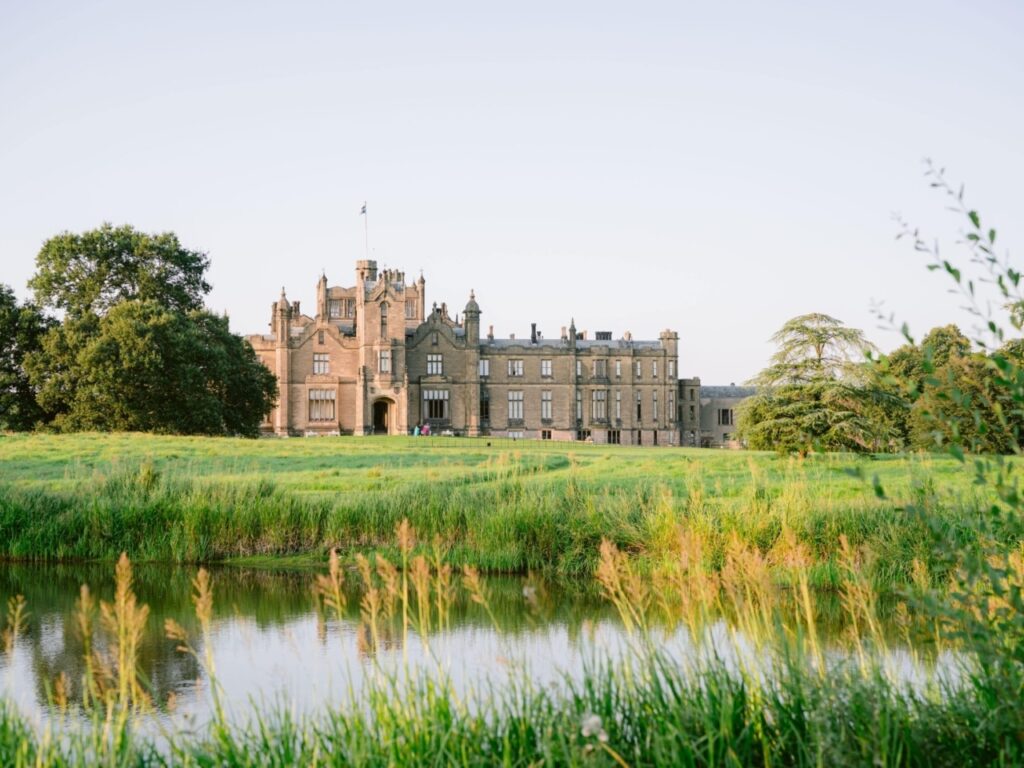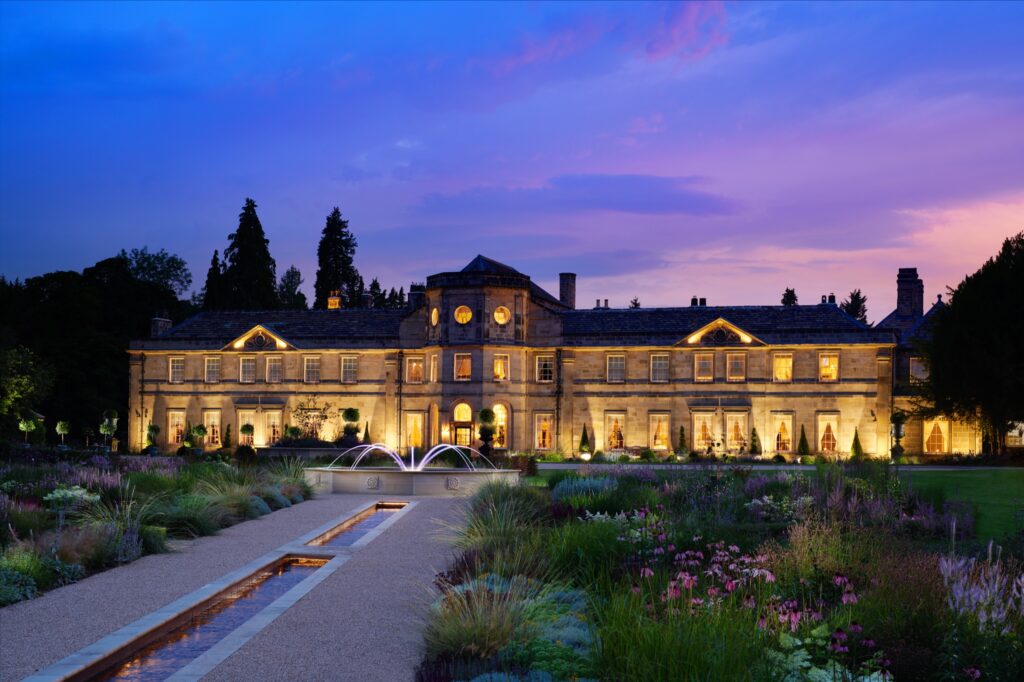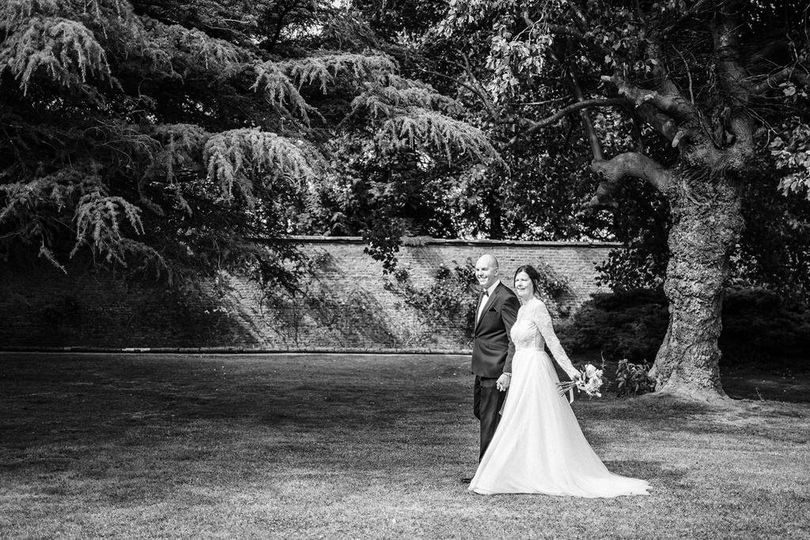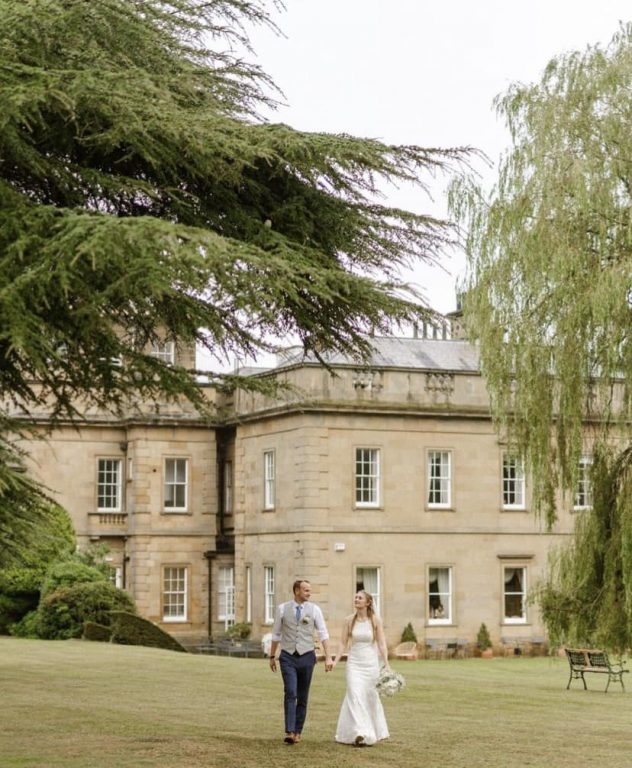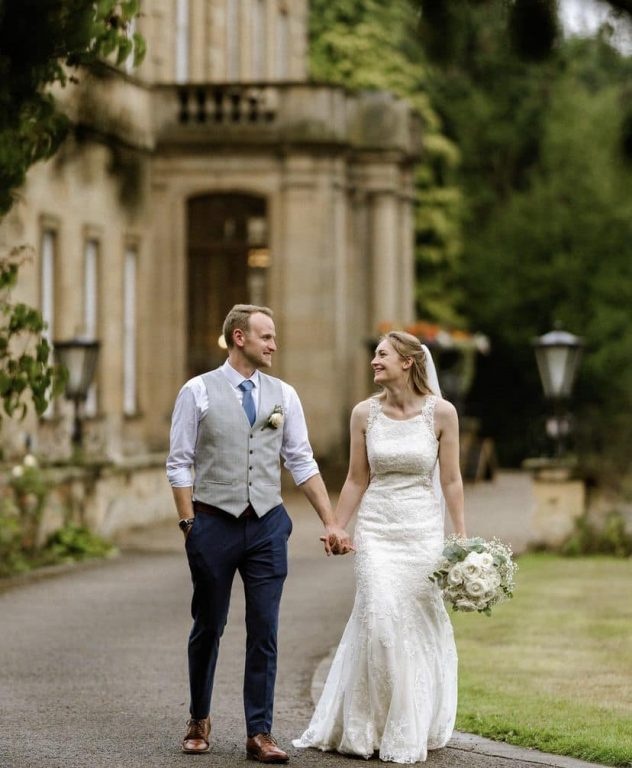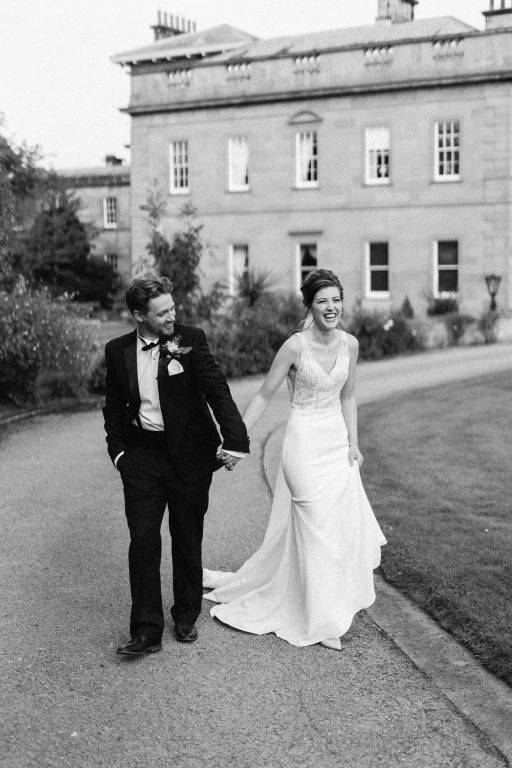
Birdsall House came to the Willoughby family through a wedding. In 1719 Thomas Willoughby, the second son of the first Lord Middleton, married Elizabeth Sotheby, the only child and heiress of the Sotheby house at Birdsall, on the edge of the Yorkshire Wolds south of Malton. Family tradition holds that they met when Thomas, travelling over the Wolds from Wollaton Hall in Nottingham, lost his way in a heavy snowstorm, followed a distant light to the Sothebys’ door and was given shelter for the night. Three centuries later their descendants still live in the house, and they open it for ten weddings a year, each couple given the whole house and estate from the day before the wedding to the day after.

From a Sotheby house to a Georgian seat
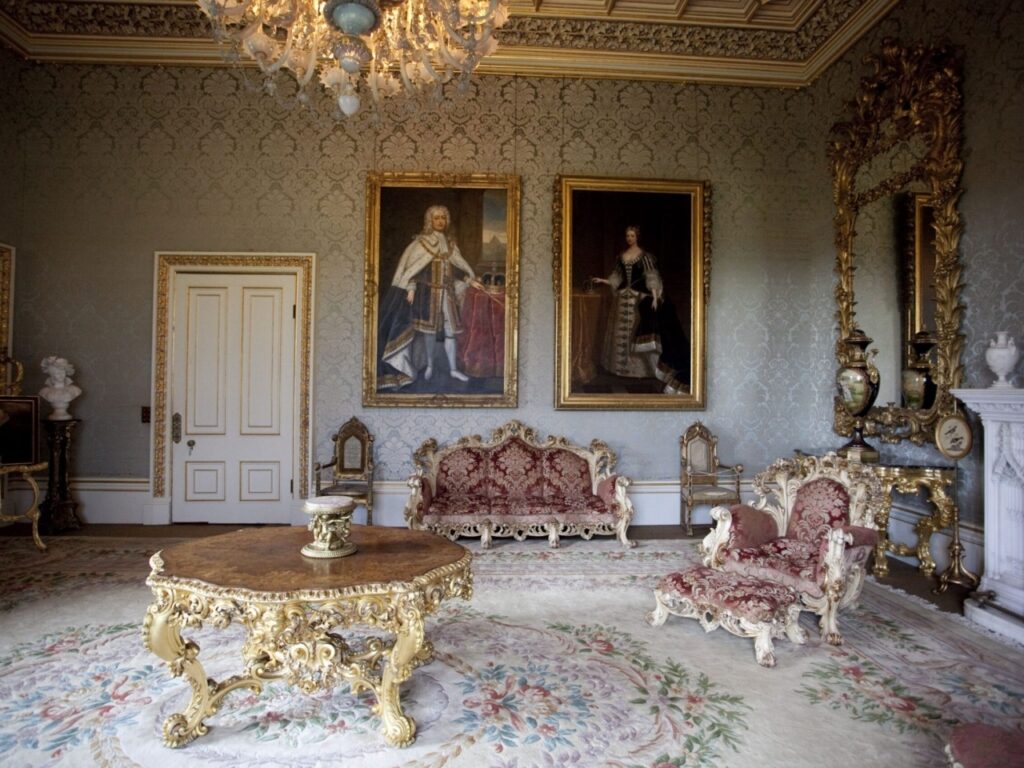
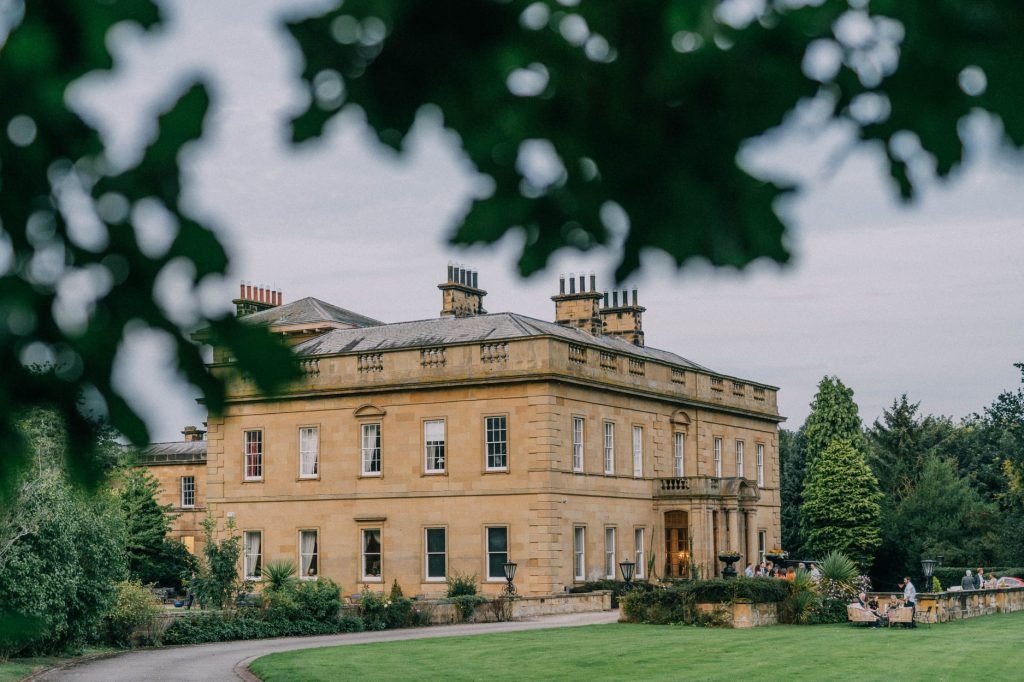
The Sothebys acquired the land after the Dissolution of the Monasteries and built their house around 1600. Thomas and Elizabeth inherited it in 1729, and the Willoughbys turned it into a Georgian country house: the main range was remodelled in 1749 and raised by a storey. In the later eighteenth century their son Henry added a wing of State Rooms, among them the Oval Room and the Ballroom, and in 1781 he succeeded a cousin as the fifth Lord Middleton, which took his attention to Wollaton.
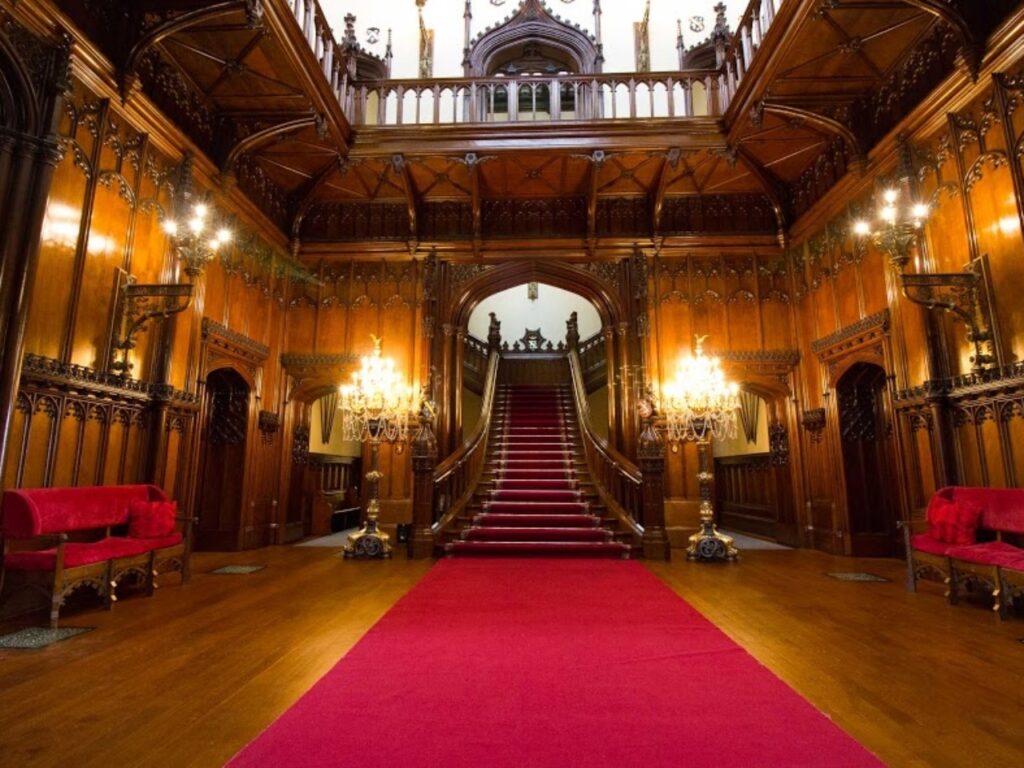
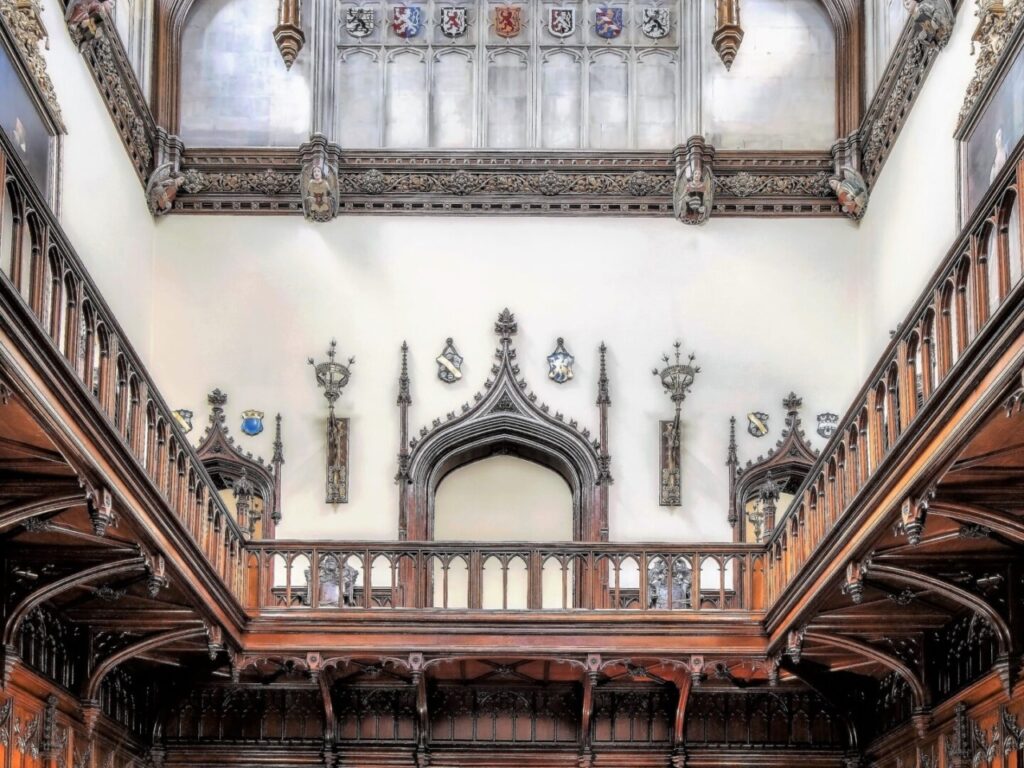
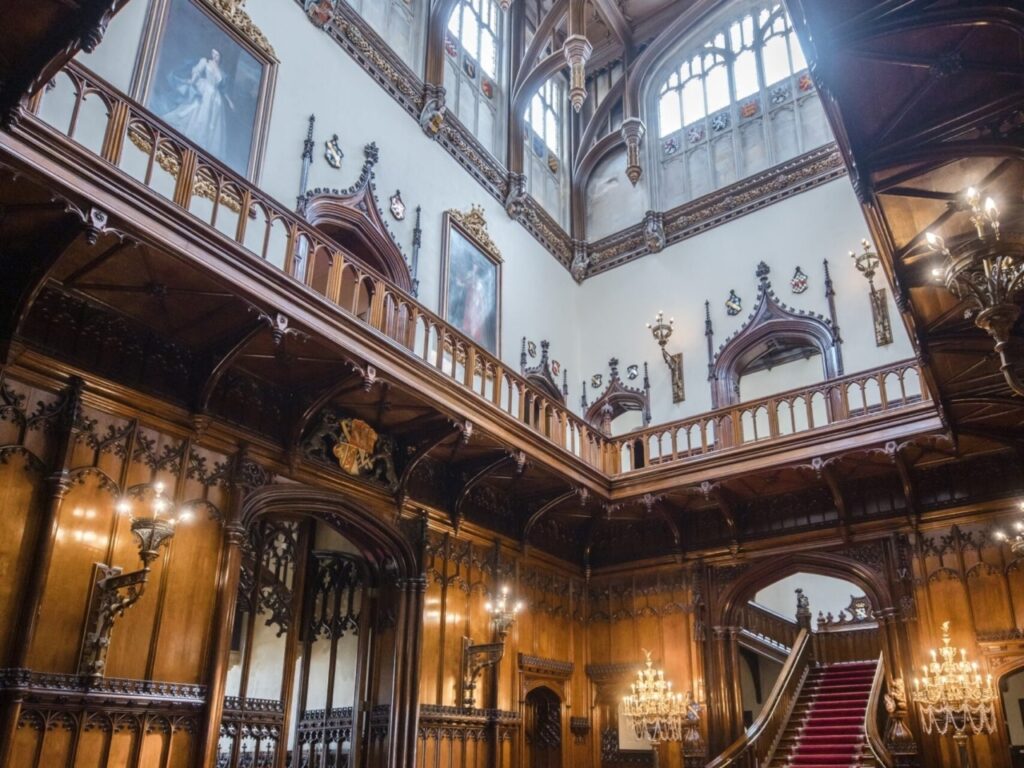
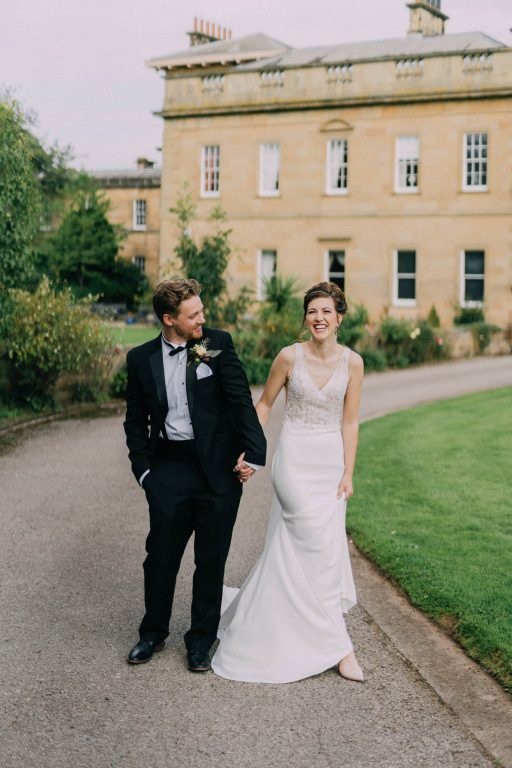
The eighth Lord Middleton chose Birdsall as his home and in 1871 commissioned the Victorian architect Anthony Salvin to enlarge it. Salvin built a wing opposite the Georgian one, on the other side of the main block, and it holds the Dining Room; his work inside includes the Doric screen in that room, the fireplaces of the Long Hall and the massive wooden main stair. Historic England lists the house at Grade II* and records that it was the first house in England to have a private gas system.
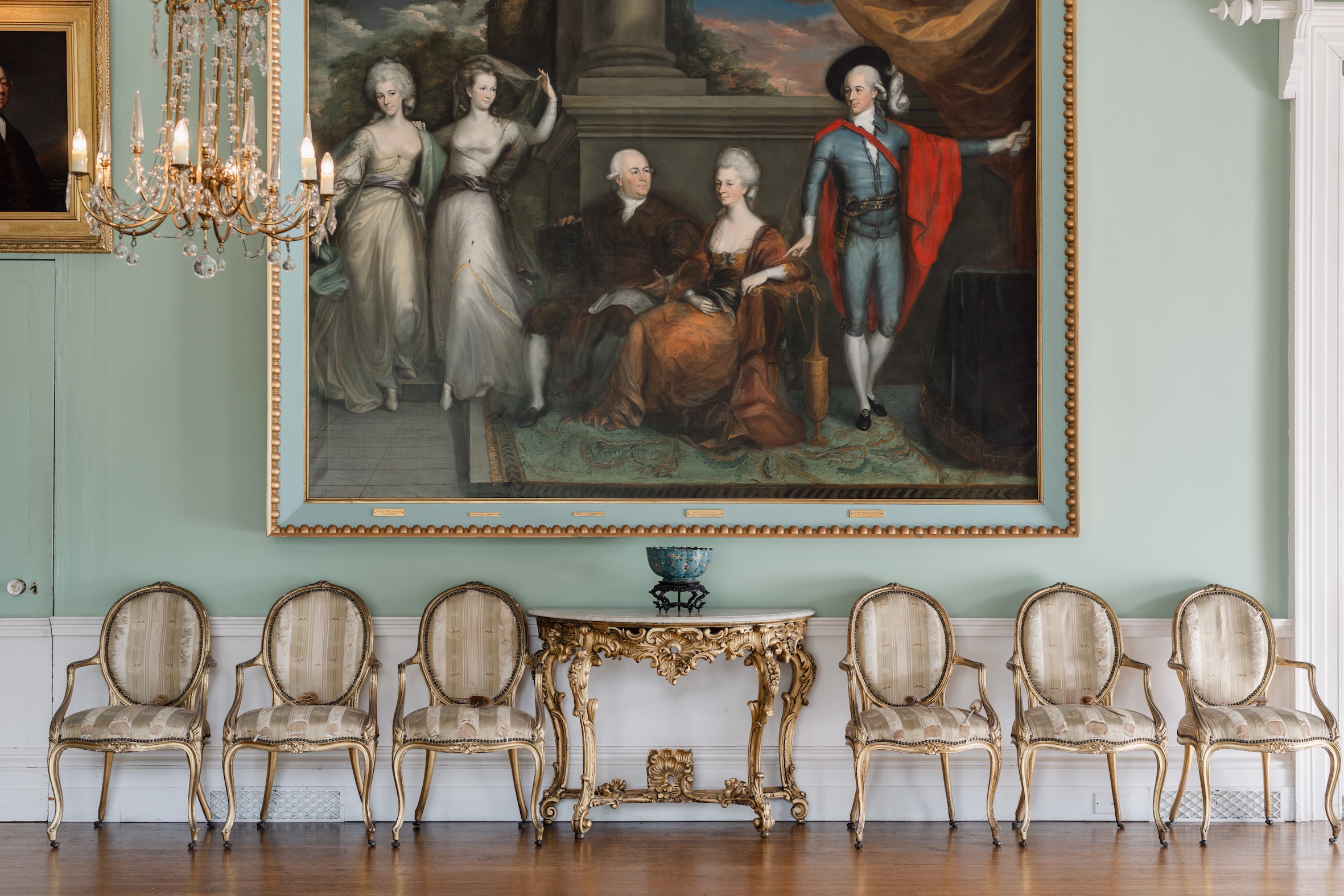
After the First World War, with several deaths in the family and double death duties to pay, the Willoughbys sold Wollaton Hall, two estates in Warwickshire and Applecross on the west coast of Scotland. Birdsall has been their only home since. James and Cara Willoughby live there today with their family. Cara leads the house and its events and gives the house tours, which take in paintings, antique furniture and family portraits going back to 1570.
A ruined church on the front lawn
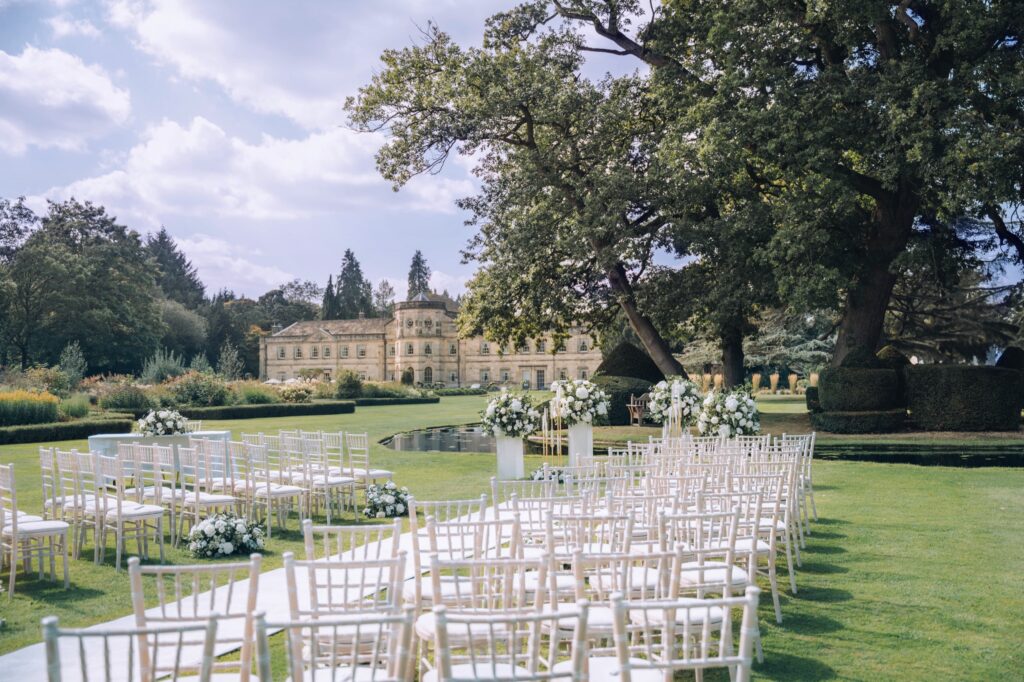
About ten metres east of the house stand the remains of All Hallows, the village’s medieval church: a twelfth century chancel arch, a south arcade of four pointed arches from the fourteenth century and a west tower, with a damaged churchyard cross set just beyond the chancel. The church was abandoned in the 1820s, when the sixth Lord Middleton extended the park and built a new church further to the north east, and the old one was kept as a feature of the grounds. The ruins and the cross are listed at Grade II.
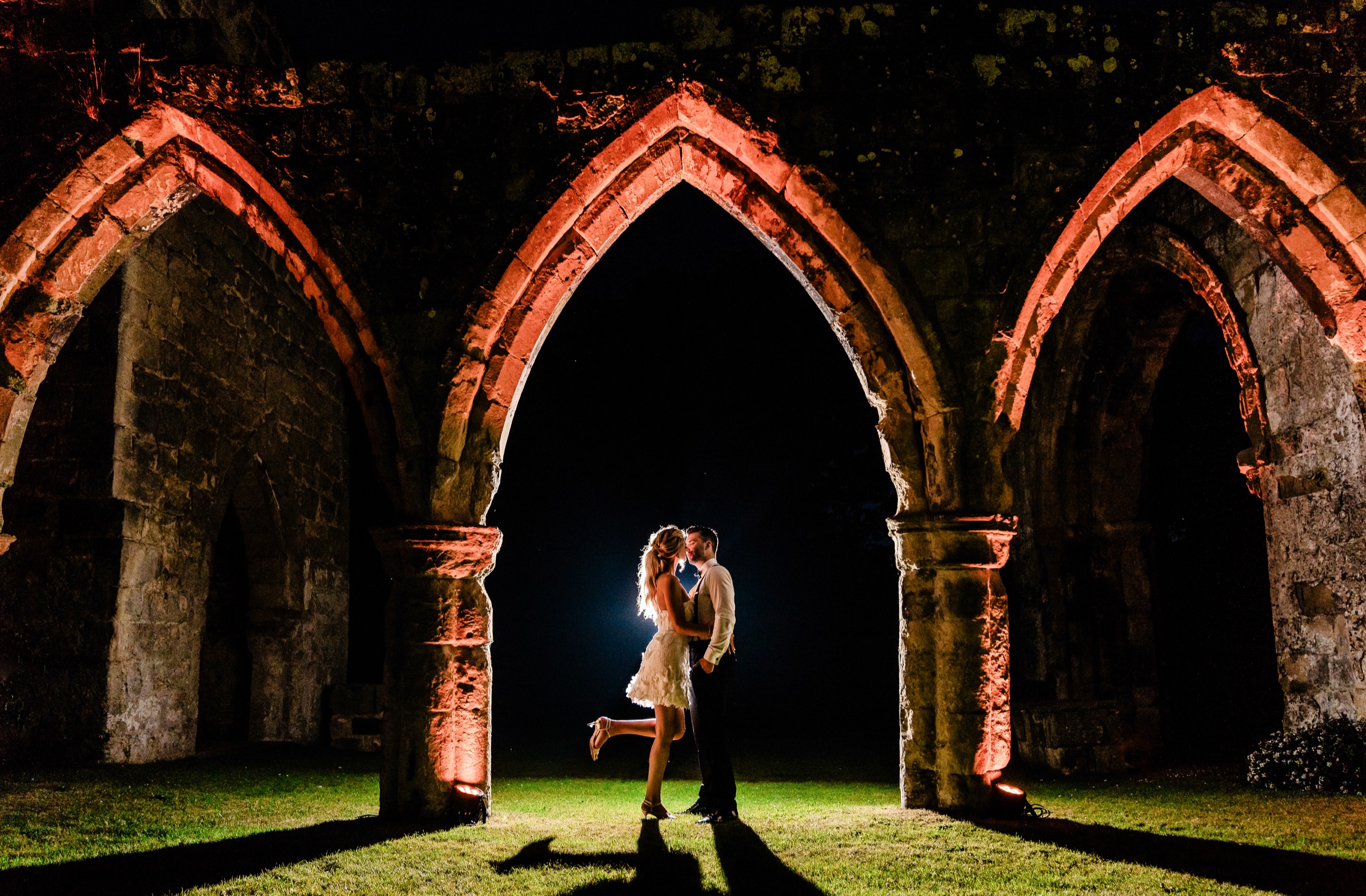
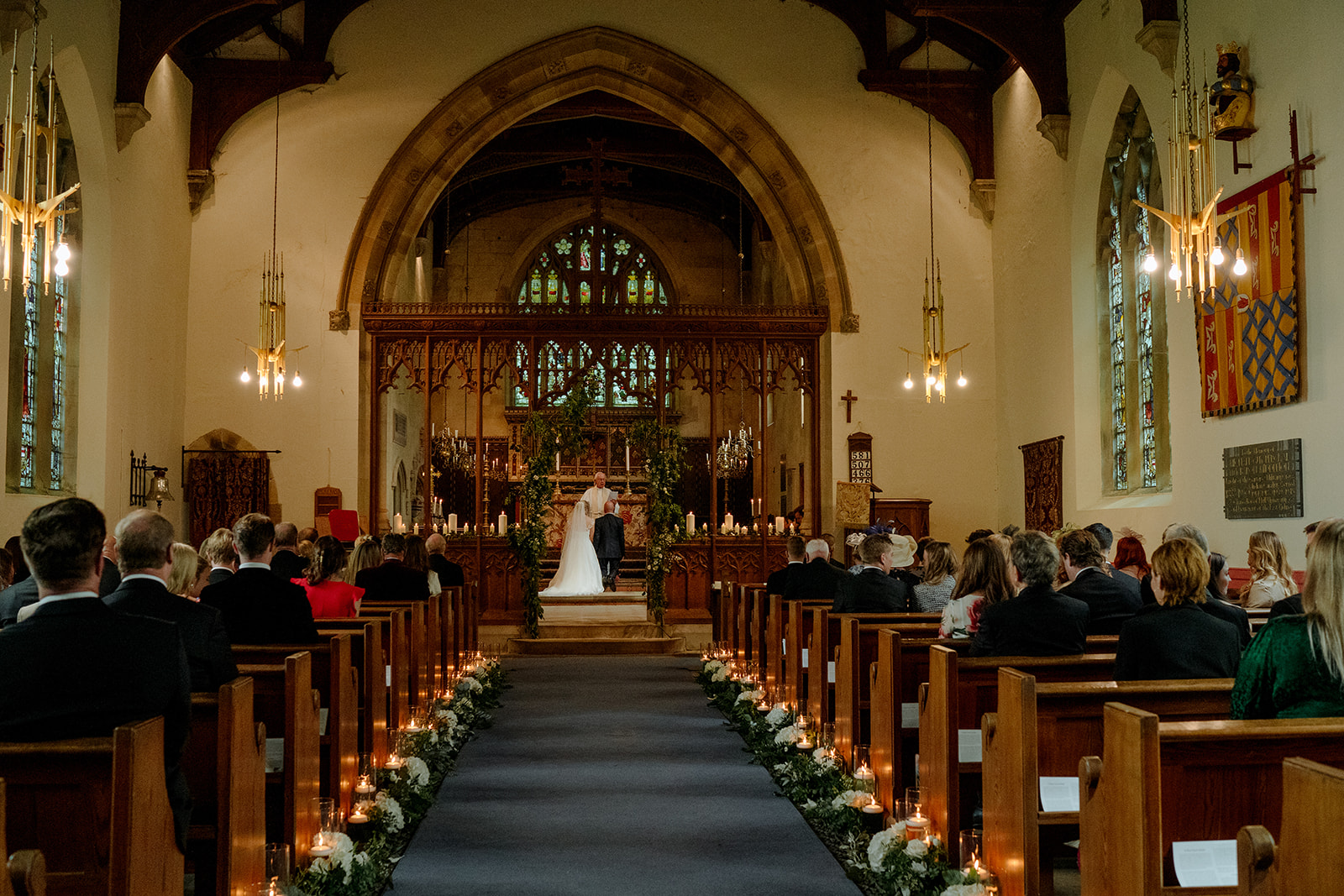
Civil ceremonies take place among those arches in the open air. The replacement church, St Mary’s, was built in 1823 and 1824, and the architect C. Hodgson Fowler added its chancel and the top stage of its tower between 1879 and 1881. It is listed at Grade II, belongs to the Parish of West Buckrose and is used for a religious ceremony or a blessing.
Vows in the State Rooms
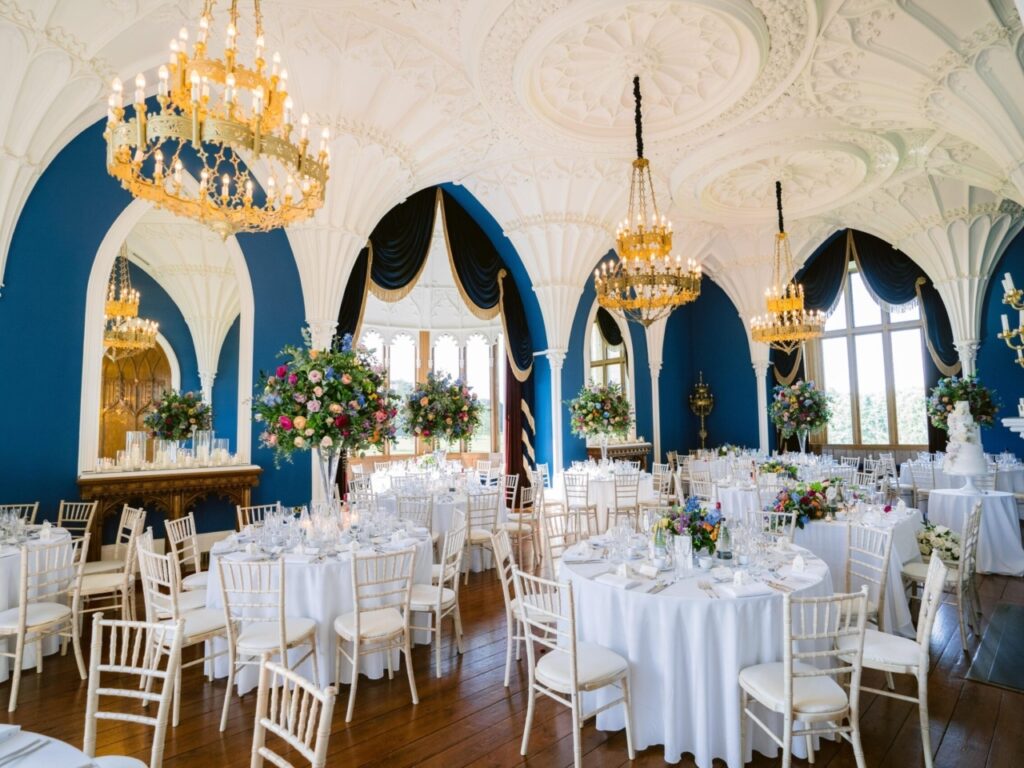
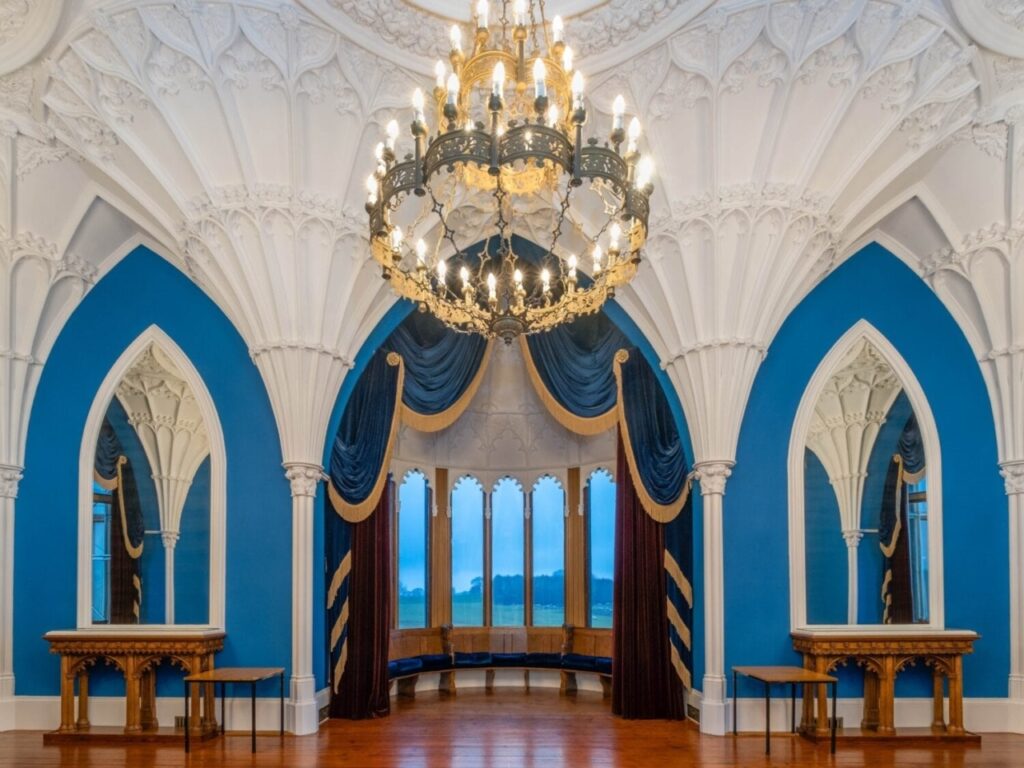
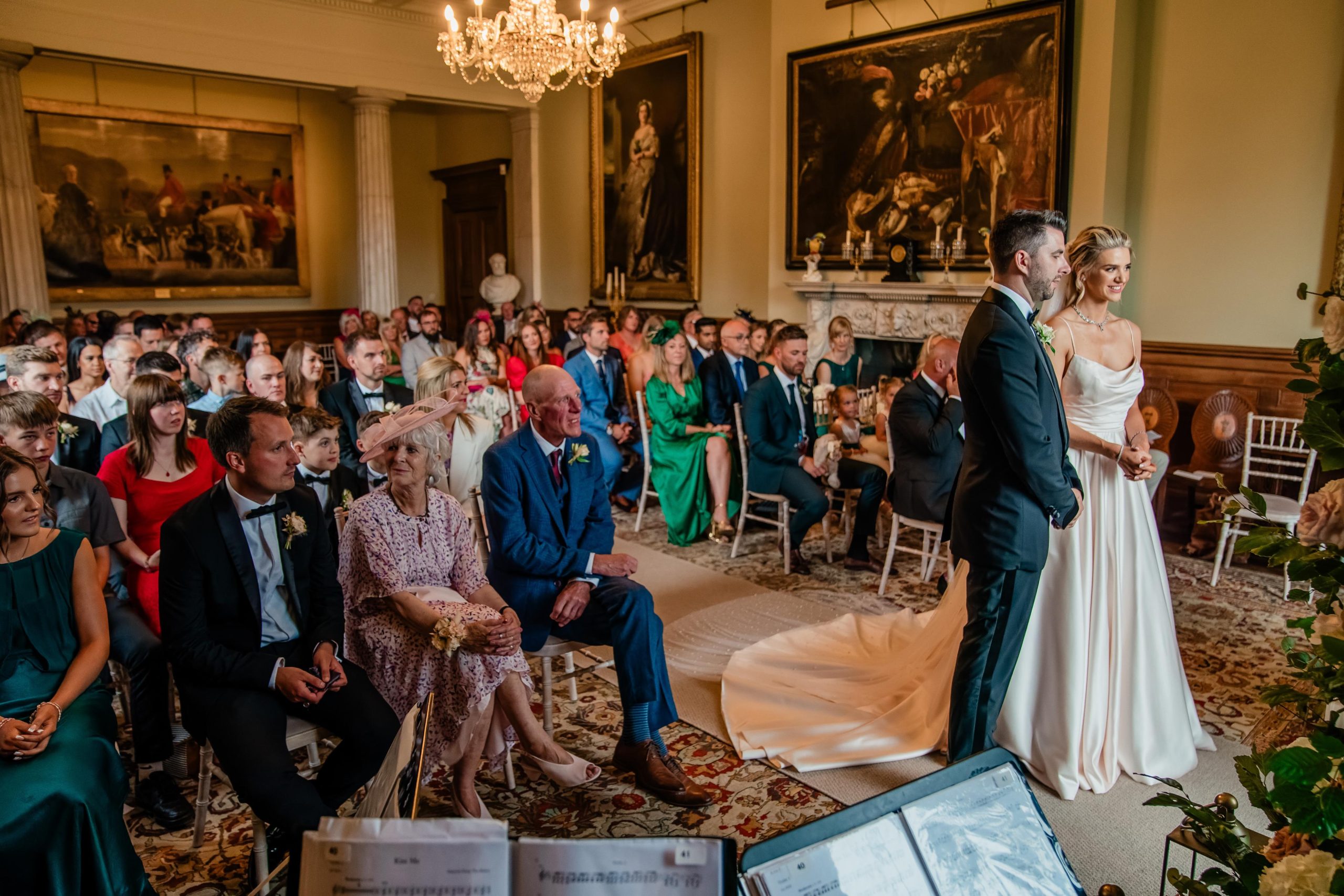
Inside the house, civil ceremonies are held in three of the principal rooms. The Dining Room seats 150, with Georgian windows looking over the front lawn to the ruins and a fireplace for a smaller gathering. The Ballroom, filled with natural light, also seats 150 beneath crystal chandeliers and family portraits. The Oval Room seats 60 and is hung with paintings the family collected, with a grand piano kept in tune. Guests enter through the Long Hall, which holds 50 standing and is where everyone gathers before an indoor ceremony, or for drinks on a cold day.
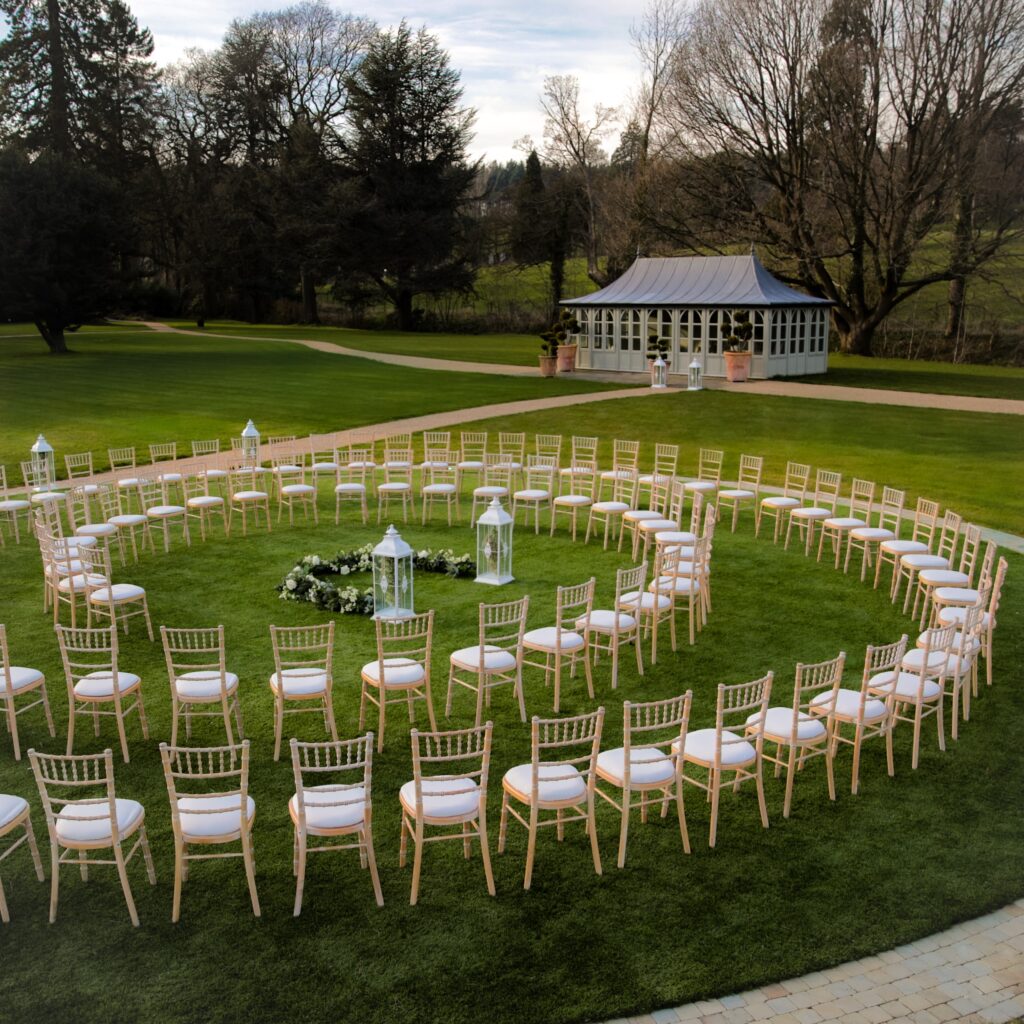
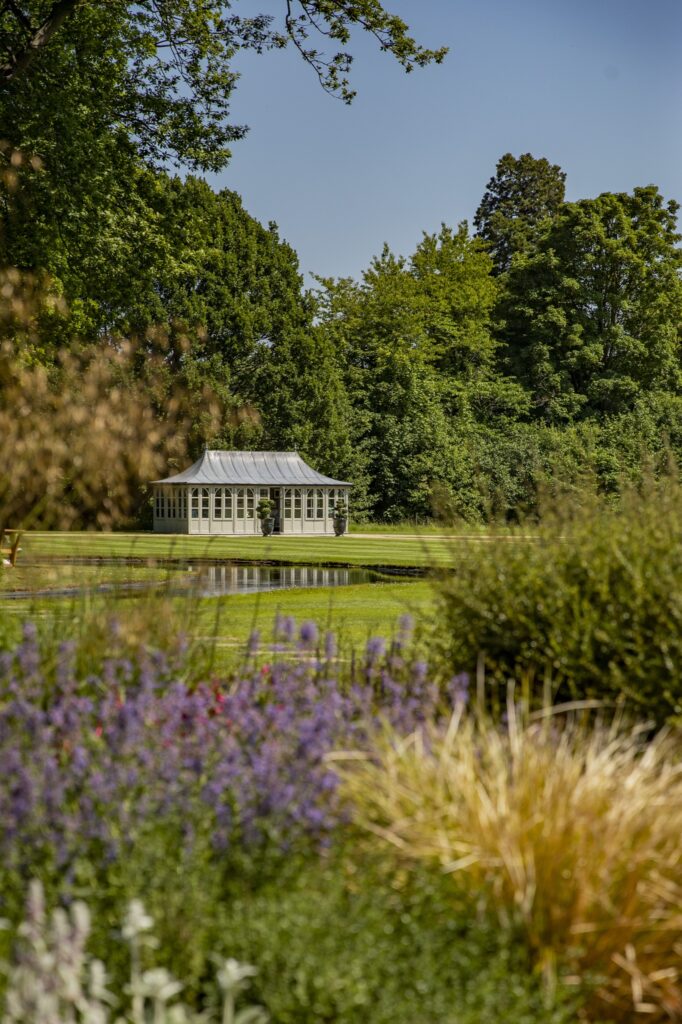
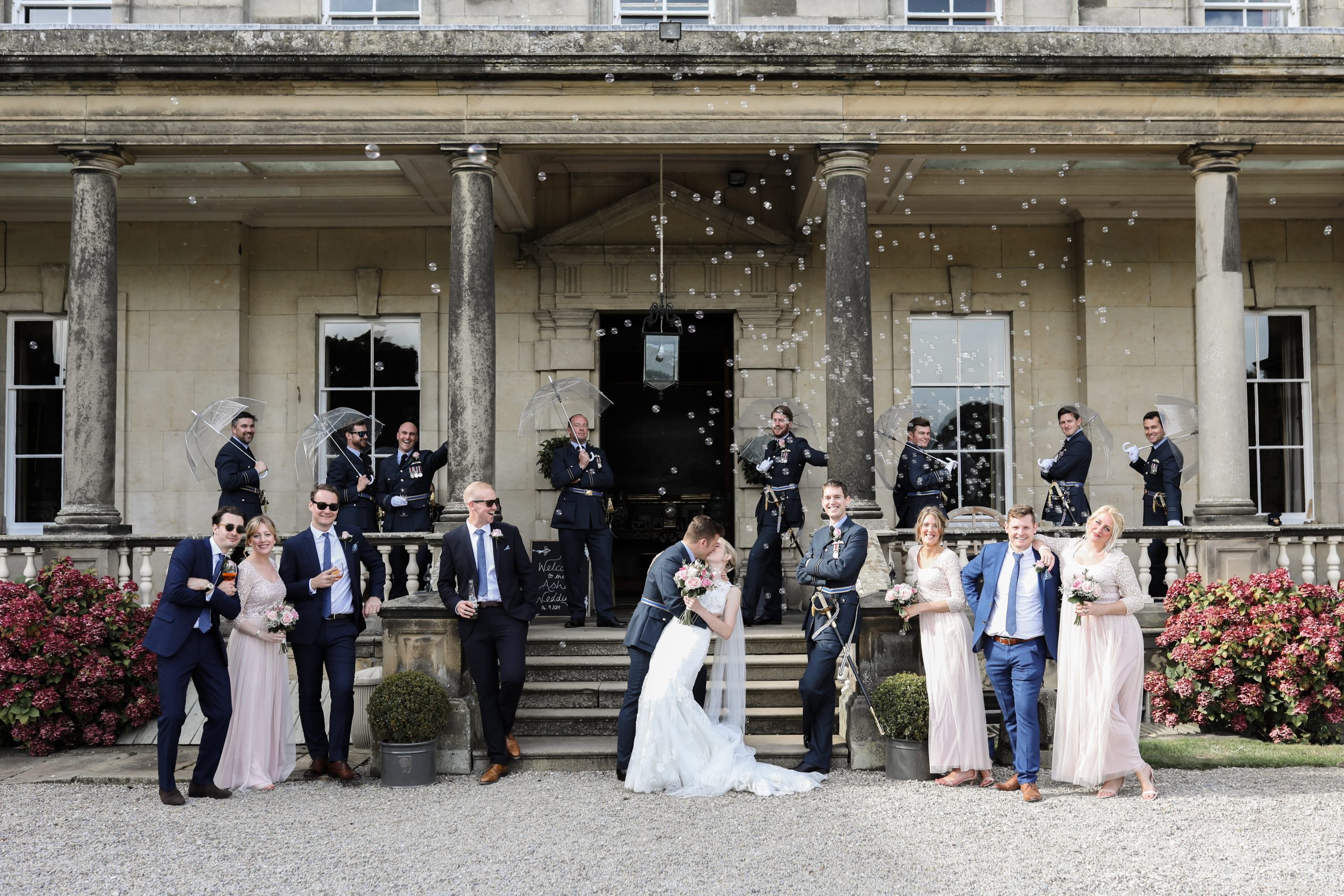
Across the front of the house runs the Verandah, a covered loggia used for ceremonies and, when the weather turns, for receptions, with room for 300 guests to be seated in front of it. For a very small wedding there is the Little Temple above the lakes, which holds ten, and the Library is offered for micro weddings.
Grounds shaped over two centuries
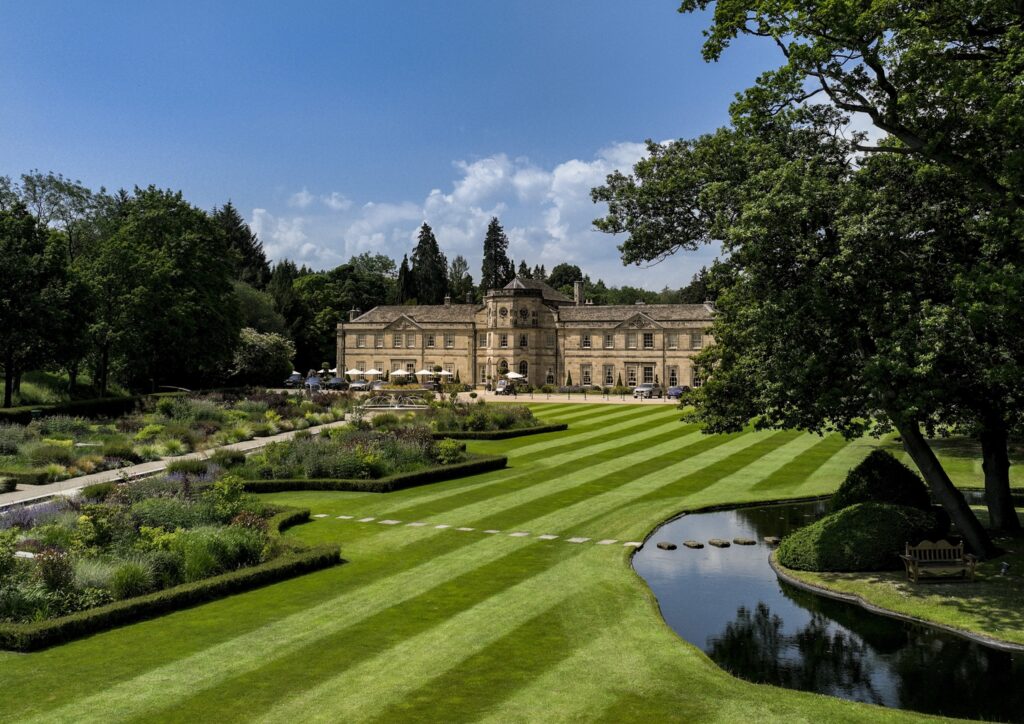
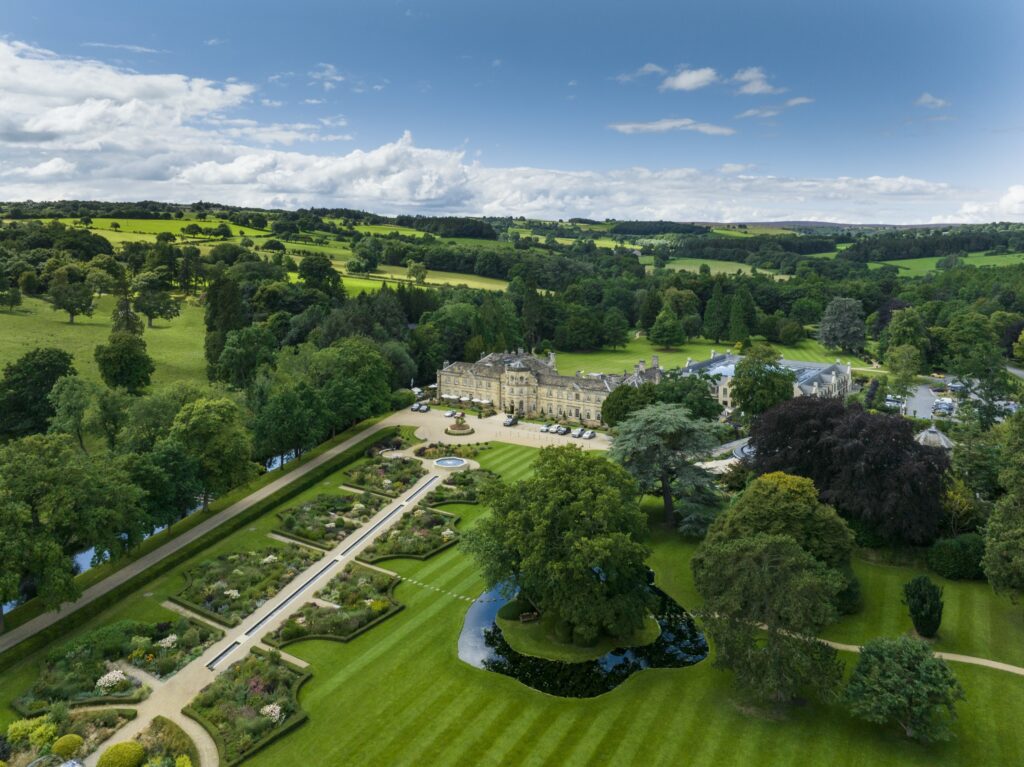
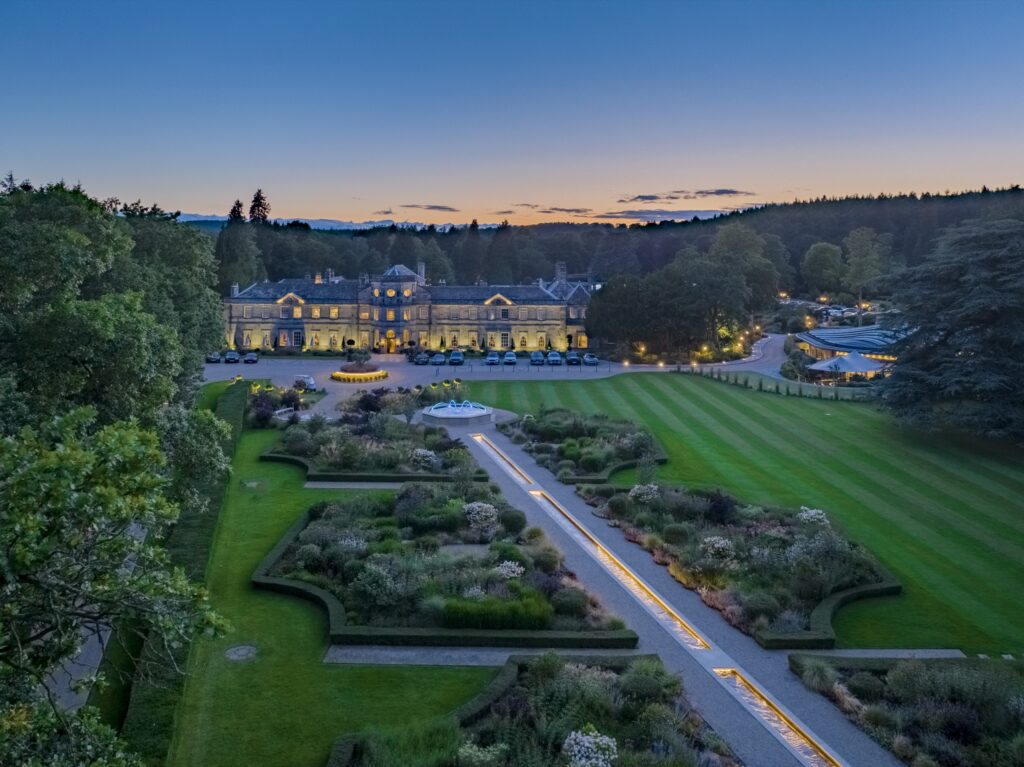
The park around the house was laid out by successive Willoughbys. As he inherited in 1729, Thomas Willoughby asked Thomas Knowlton, gardener to Lord Burlington at Londesborough, to visit, and Knowlton wrote of a new design for a garden and paddock. The family later commissioned William Chambers to design a temple for Birdsall, which Chambers published in his Treatise on Civil Architecture in 1759, though it is not known whether it was ever built. The park grew from eight acres around 1757 to just over 112 by 1891, and in 1873 a new kitchen garden of more than eight acres was built in the parkland to the north east.
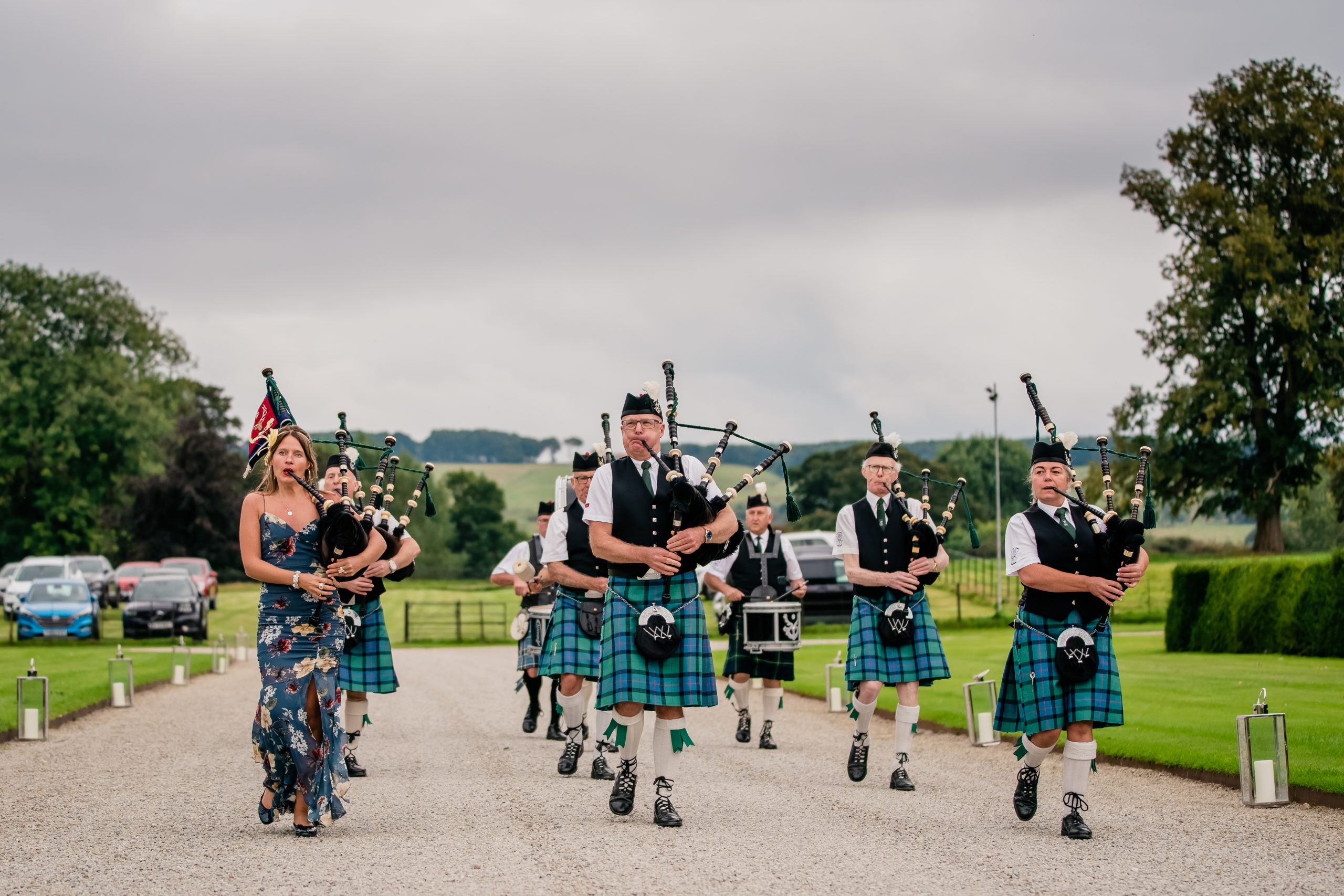
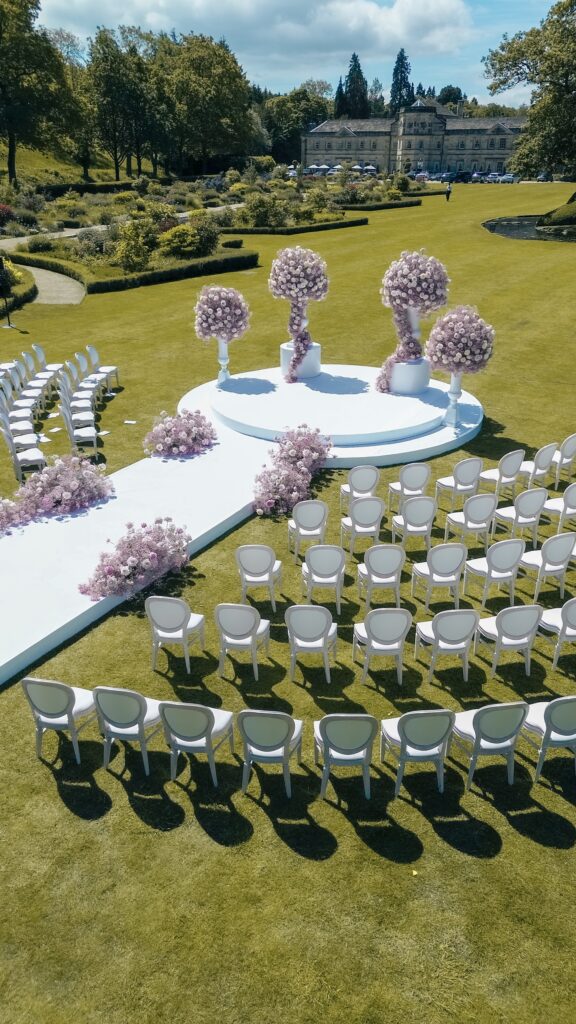
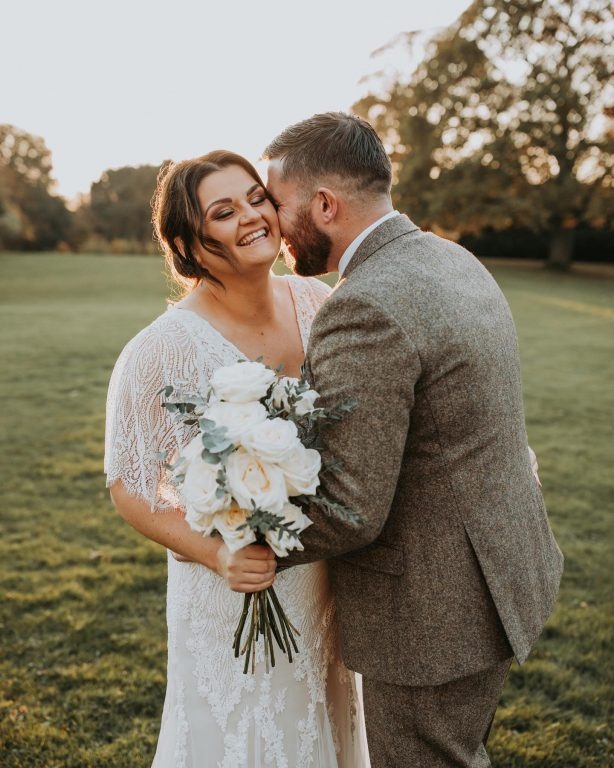
The lawns now carry the drinks reception, with croquet while the photographs are taken, and they take a marquee for up to 300.
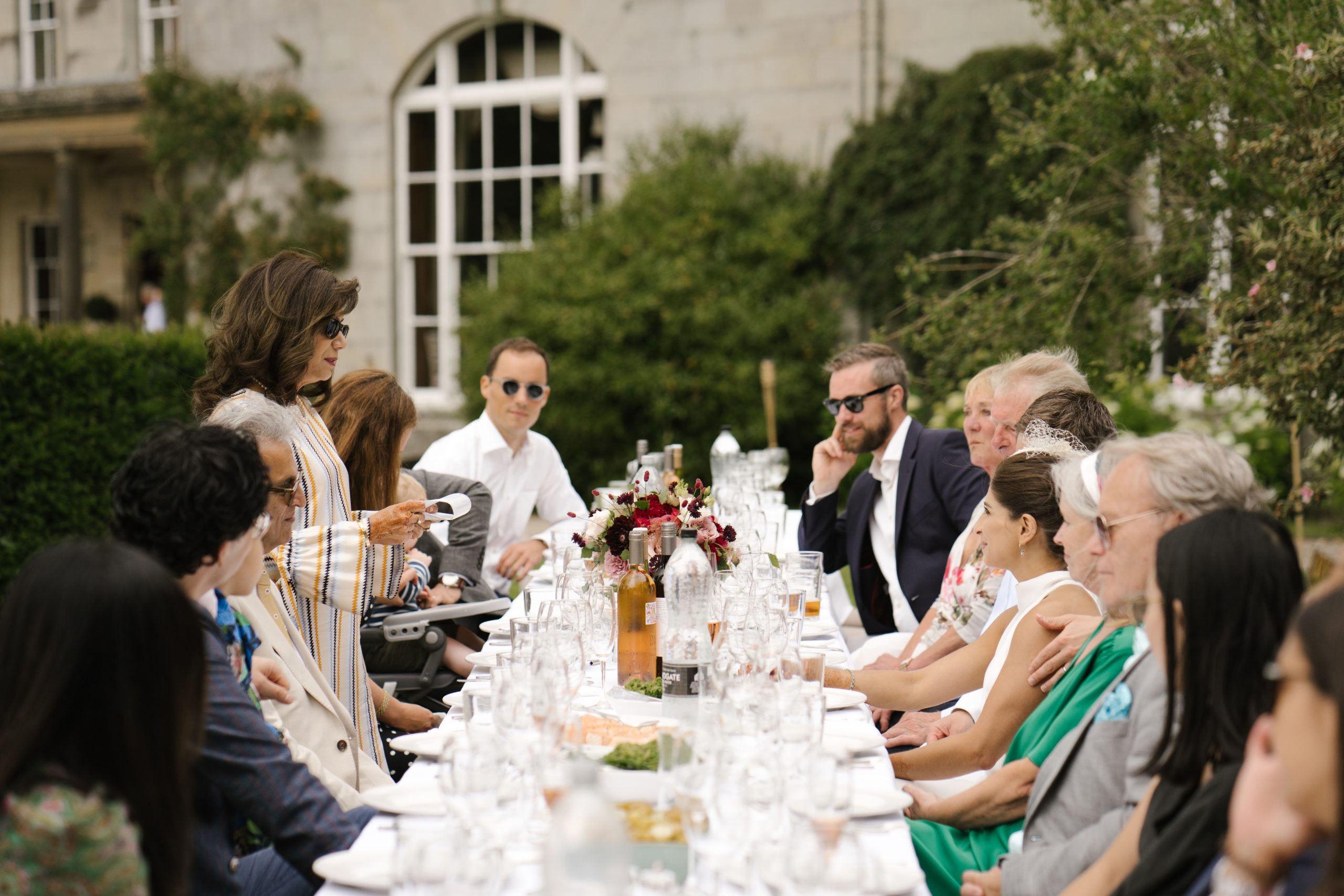
Dinner beneath the portraits
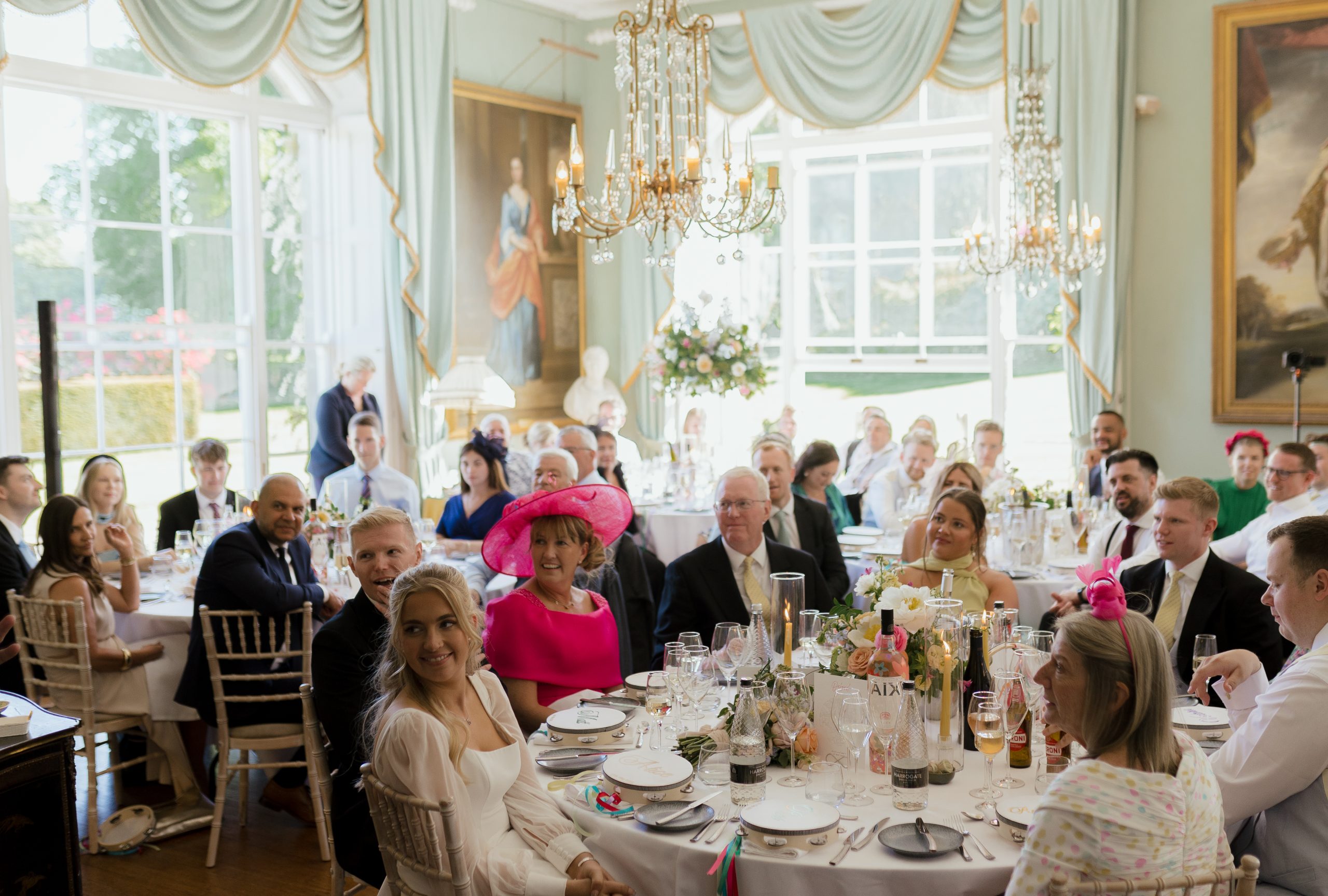
A sample day at Birdsall has the ceremony at two, drinks on the lawn at three and the wedding breakfast at five. Dinner is either in the Ballroom, which seats 110, or 150 when the Oval Room is opened alongside it, or in a marquee raised beside the Verandah. The Dining Room seats 80 for a smaller dinner and the Oval Room 48. Caterers are chosen from a list of recommended suppliers, whose chefs build menus around North Yorkshire produce. Fusion Events & Hospitality runs the bars, and corkage is offered for the drinks reception and the wedding breakfast, though not in the Old Kitchens. After the speeches comes a cocktail hour outdoors, while the photographer uses the evening light in the grounds.
Downstairs to the Old Kitchens
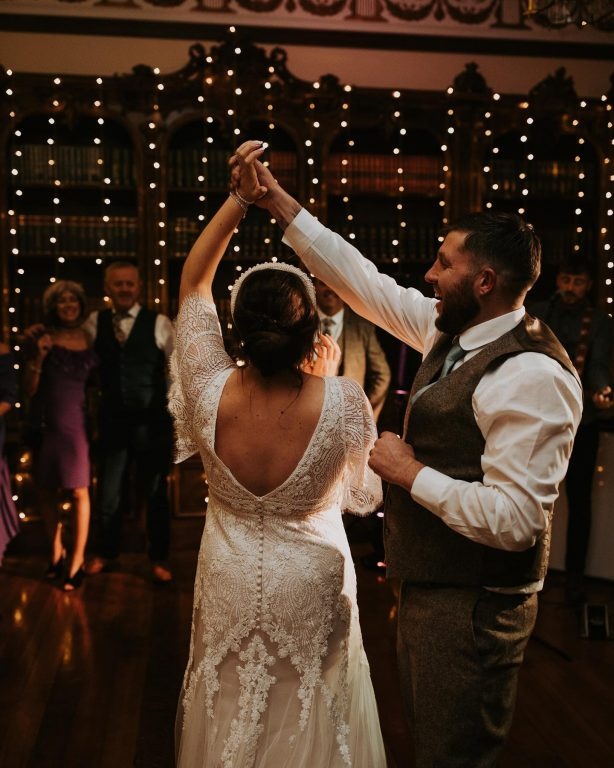
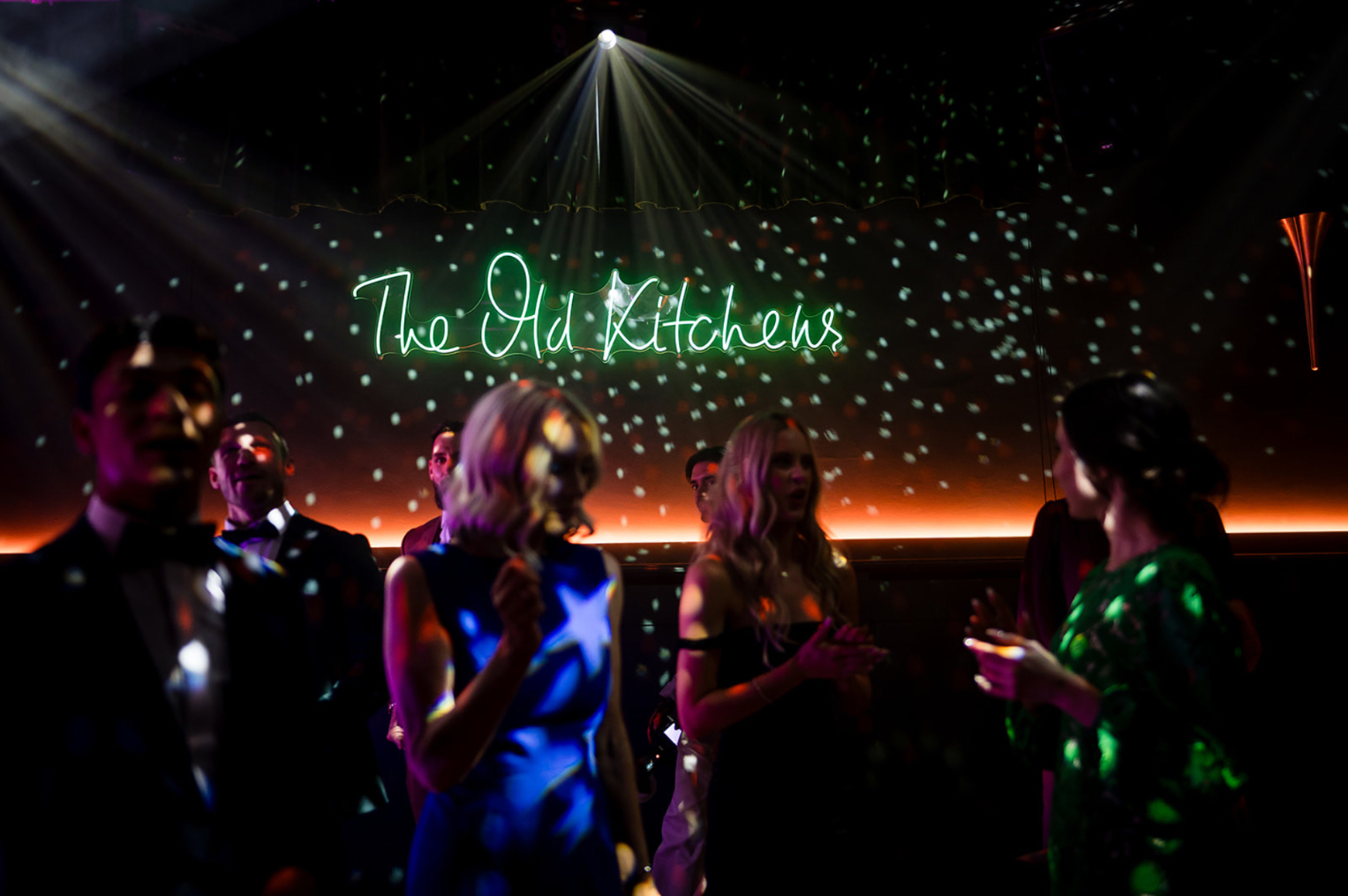
At half past eight the party moves below stairs for the first dance. The Old Kitchens were once the working heart of the estate, and in 2024 the family finished turning them into a speakeasy in the style of the prohibition era: a warren of rooms with a cocktail bar, a snug, velvet sofas and secret side rooms, The Pantry for late grazing platters, and a dance floor with its own sound and lighting. Up to 200 guests can be there for the evening, and additional evening guests come at no extra venue cost.
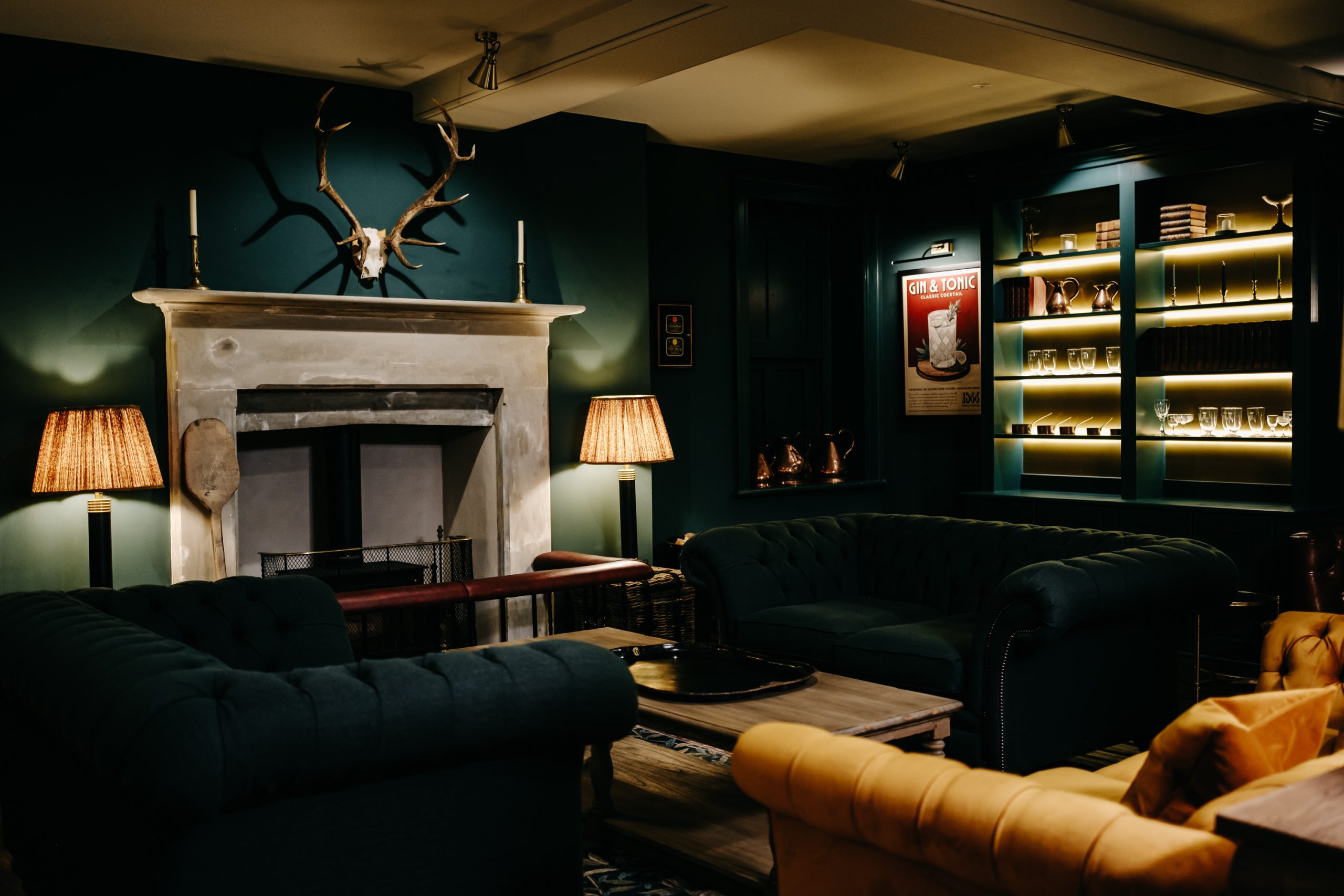
The house is licensed until 12.30am, with the option to extend, and on the sample day that is when the carriages are called.
Three days in one house
Because the booking runs from the day before the wedding to the day after, a wedding here usually becomes a weekend. On the sample Friday guests arrive at four, the rehearsal is at five, and welcome drinks lead into dinner at half past seven; the Dining Room can be used for that family dinner. Sunday brings brunch on the Verandah and croquet, then a barbecue lunch before everyone heads home at four.
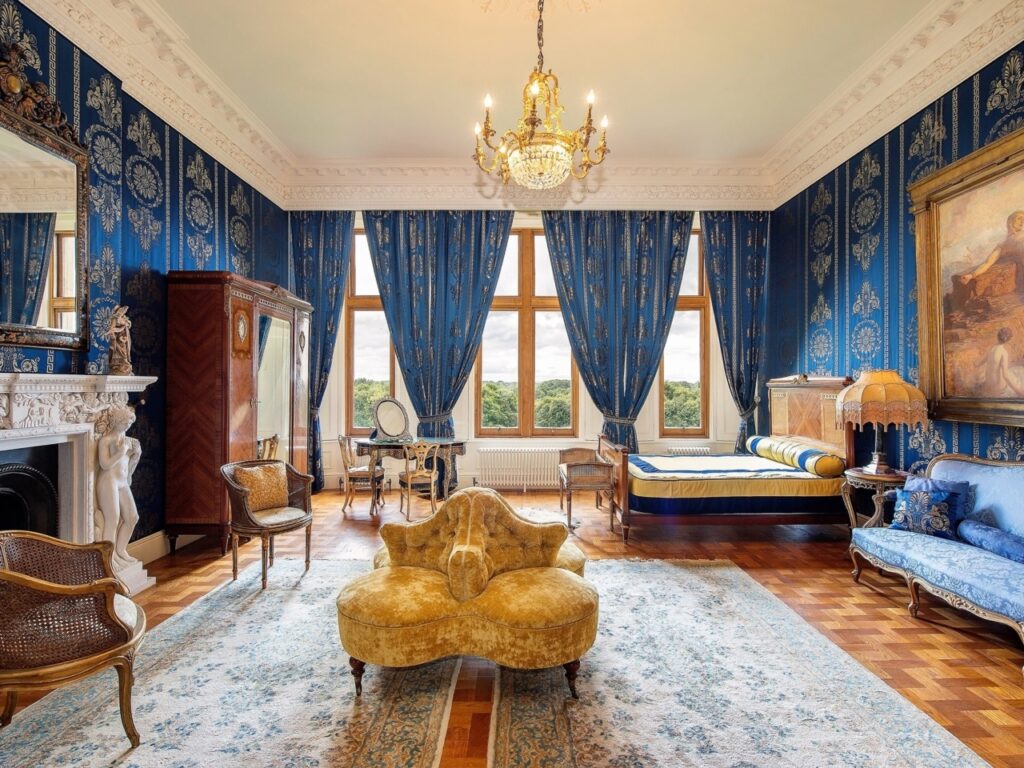
The house sleeps twelve in six bedrooms: the Bridal Suite, with a large dressing room and bathroom for getting ready, and five en suite bedrooms with Bramley toiletries. A larger party can stay at Langton Hall, Birdsall’s partner house two miles away, where restored cottages sleep 56 on a self catering basis, with a minibus between the two houses; Malton, four miles off, has several hotels. A planning service is included in the booking, led by Harriet Morris-Baumber and the events team, and couples who want their own wedding planner are welcome to bring one.
Birdsall is four and a half miles south of Malton, the nearest railway station, and York is the closest major station. Mobile signal at the house is very weak, so taxis are booked in advance. Leeds Bradford and Humberside are the nearest airports, Manchester and Newcastle serve long haul flights, Leeds East takes private aircraft, and helicopters can land at the house. A quotation is built from a facility fee for the house, an accommodation fee and charges for an agreed minimum number of guests.
For other country houses, read our Edits on Rudby Hall in North Yorkshire, Askham Hall and Hedsor House, or browse wedding venues in Yorkshire and the United Kingdom Wedding Atlas.
St Mary’s or the ruins
The decision that most shapes a wedding at Birdsall is where to say the vows. St Mary’s offers a service in the parish church, charged as a separate fee and reached by its own entrance from the village road, a narrow one way approach for cars only. The ruins of All Hallows keep the whole day on one lawn: the vows beneath the medieval arches, the drinks on the grass beside it, and dinner in the house that the marriage of 1719 brought to the Willoughbys. Read the Birdsall House profile and check your date.