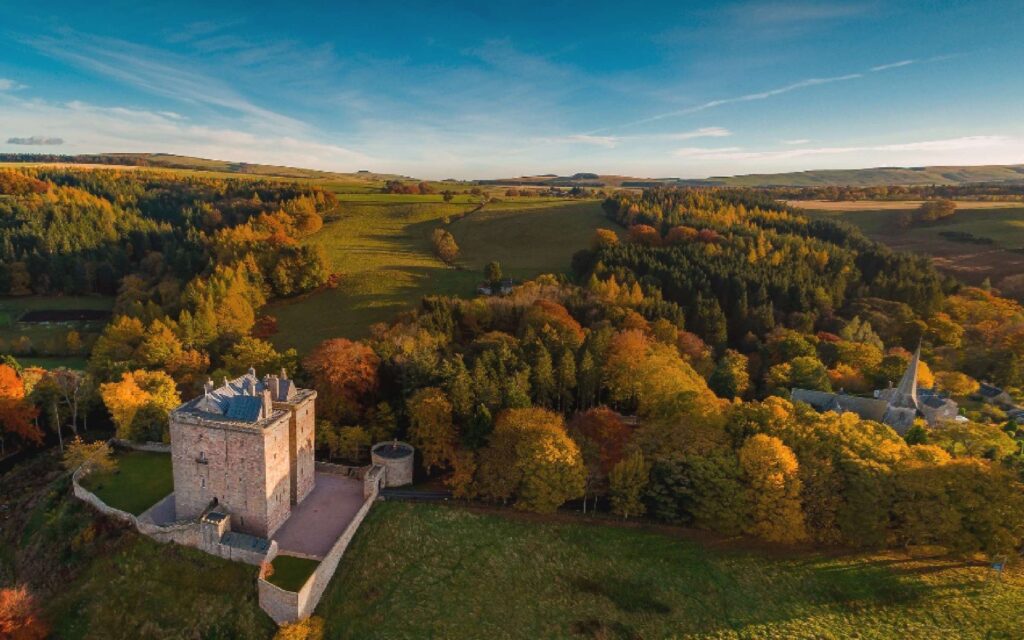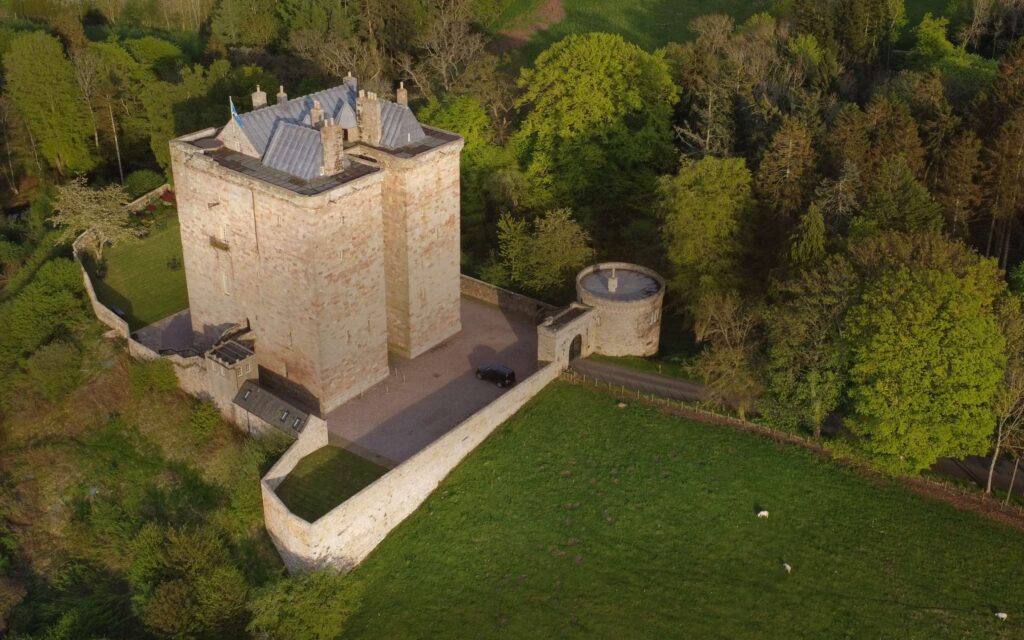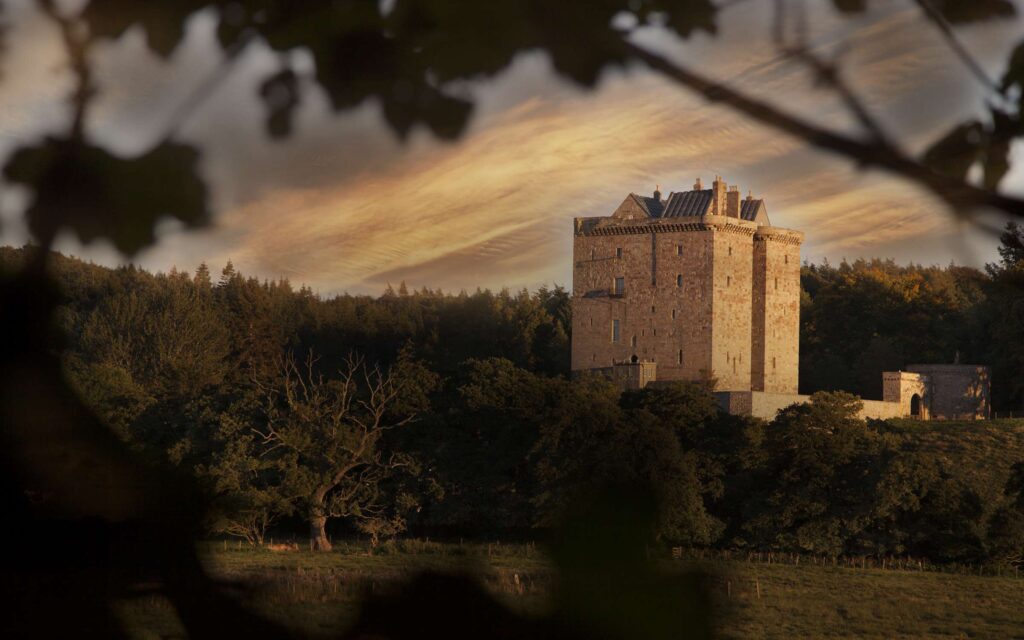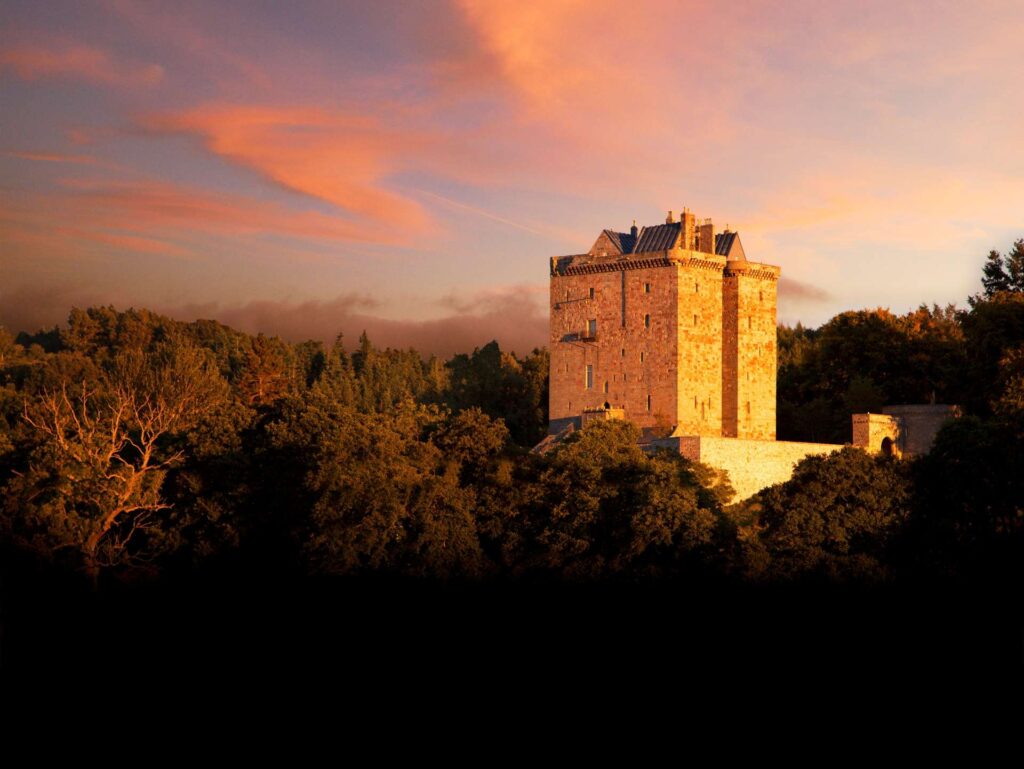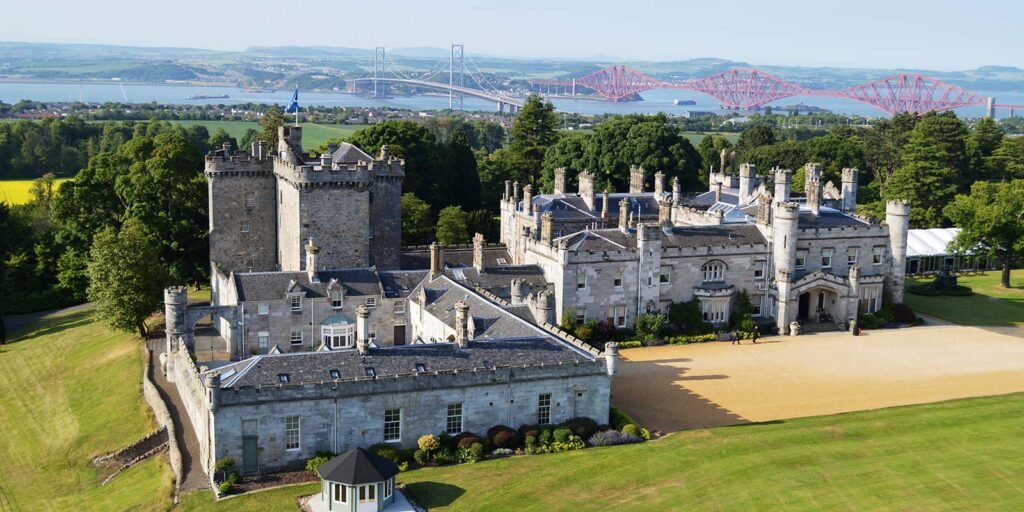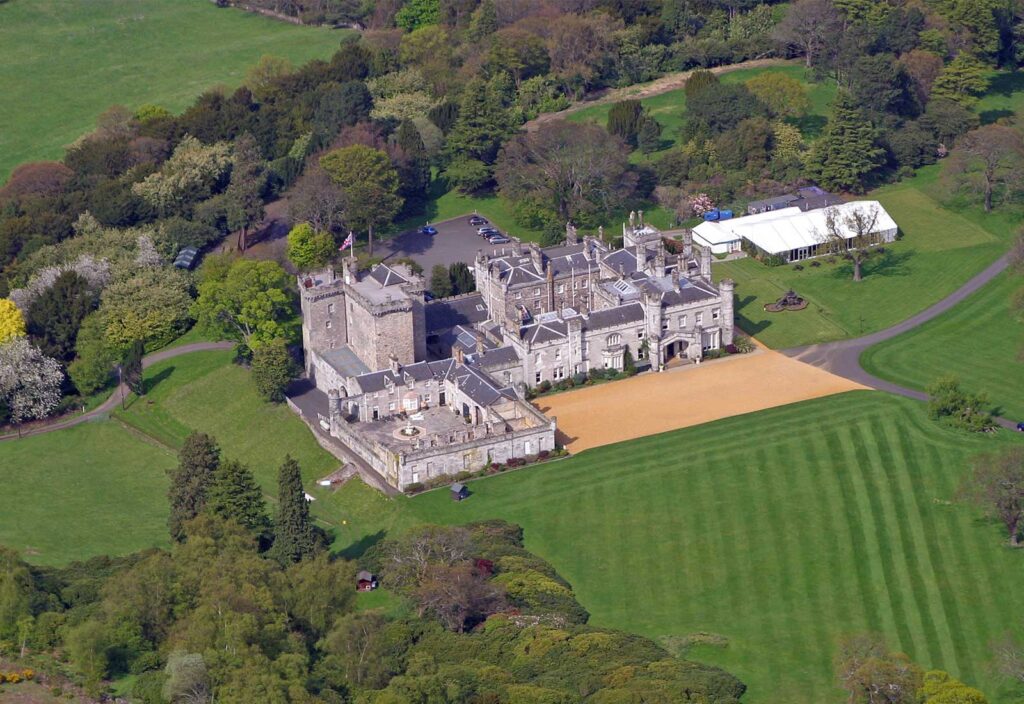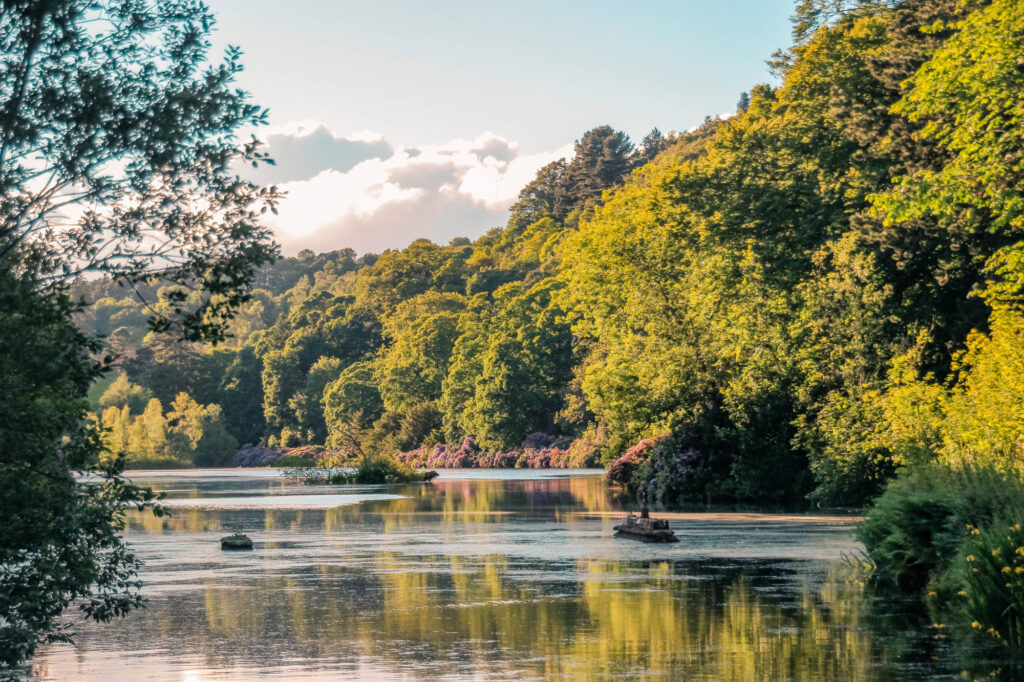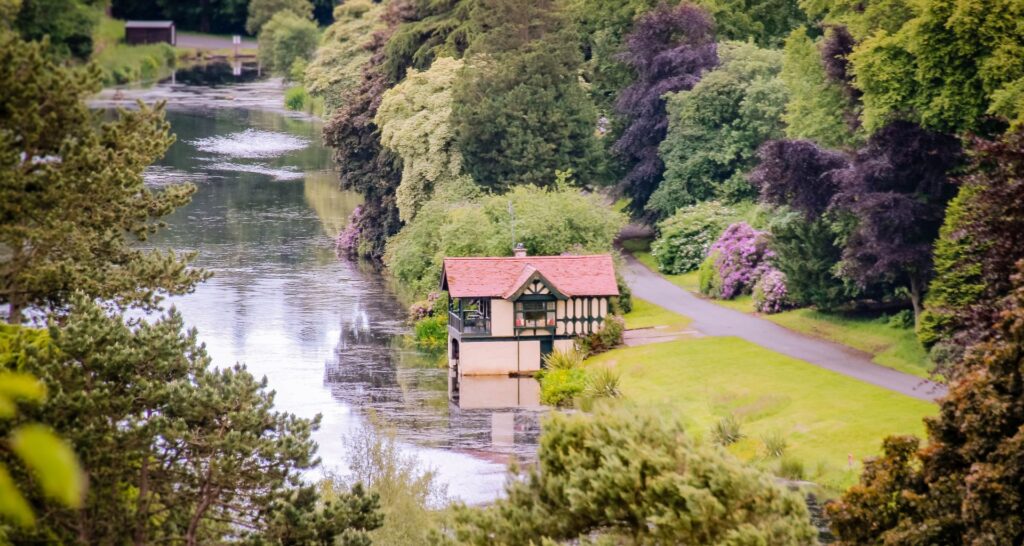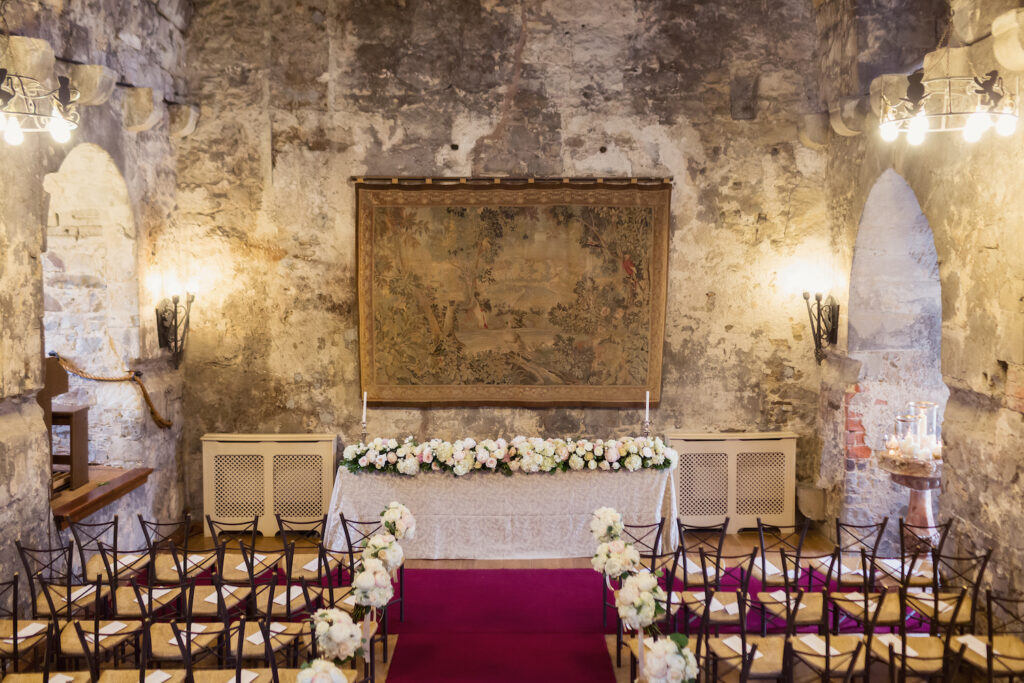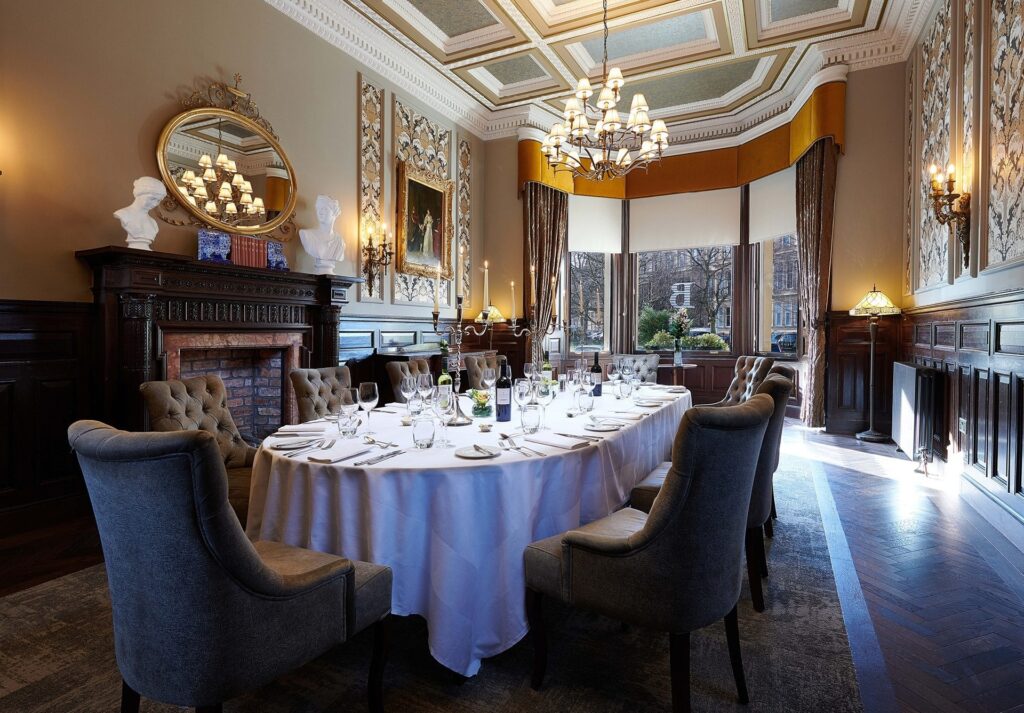
Isobel Wylie Hutchison was born at Carlowrie Castle in May 1889 and died there in February 1982, aged 92. In the decades between she walked around Iceland, wintered in Greenland and on the Arctic coast of Alaska, and gathered plants that are now held at Kew, the Royal Botanic Garden Edinburgh and the British Museum. At home she worked in the Victorian glasshouses, and two of them, Mackenzie and Moncur hot houses, now grow produce for the castle kitchen. Carlowrie has hosted weddings and events since 2014. It stands on the edge of Kirkliston, just under ten minutes from Edinburgh Airport, and couples take it on exclusive use, with the walled gardens and nine bedrooms included.

The botanist who kept coming home
Isobel was the granddaughter of Thomas Hutchison, the Leith wine merchant who commissioned Carlowrie, and the niece of Robert Hutchison, who finished it. Her father died when she was ten, and his trusts left her financially independent for life. She never married. As a young woman she often walked the eight miles from Carlowrie into Edinburgh rather than take the family car, and she kept walking: in 1948 she went on foot from Carlowrie to London, and National Geographic published her account, A Stroll to London, in 1950.
In 1927 she sailed along the east coast of Greenland on official permission to collect flowers. She returned to spend the winter of 1928 to 1929 at Umanak, collecting seeds and plants for the Royal Horticultural Society and learning Greenlandic, and in Greenland she met the explorer Knud Rasmussen, who later came to stay at Carlowrie. In 1933 she travelled through Alaska to Martin Point on the Arctic coast and was frozen in there for the winter. In 1936 she sailed through the Aleutian Islands aboard the cutter Chelan, and on Attu she and the crew found 69 plants. Two years earlier the Royal Scottish Geographical Society had made her the first woman to receive its Mungo Park Medal. She filmed as she travelled, and her films, diaries and papers are kept by the National Library of Scotland.
The RAF used Carlowrie during the Second World War and left it run down, and electricity arrived only in 1951. In the grounds Isobel planted rare species brought back from her journeys and kept the layout of the formal gardens, which survives. A blue plaque at the castle records her life, one of the suites carries her name, and each May the castle presents the Isobel Award to a person or group improving the lives of others.
David Rhind’s castle on much older ground
Thomas Hutchison, wine merchant and Provost of Leith, gave the commission to the Edinburgh architect David Rhind, remembered chiefly for banks and public buildings, among them the Commercial Bank of Scotland’s headquarters on George Street, now The Dome. Thomas died in 1852, before the house was finished, and his son Robert completed it in 1855 at a cost of £33,000. Robert, an authority on trees, was elected a Fellow of the Royal Society of Edinburgh in 1864 for his expertise in forestry and was president of the Royal Scottish Arboricultural Society from 1864 to 1871.
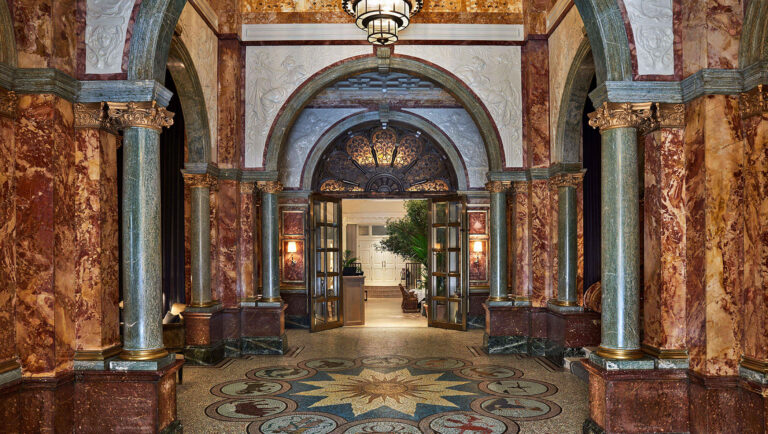
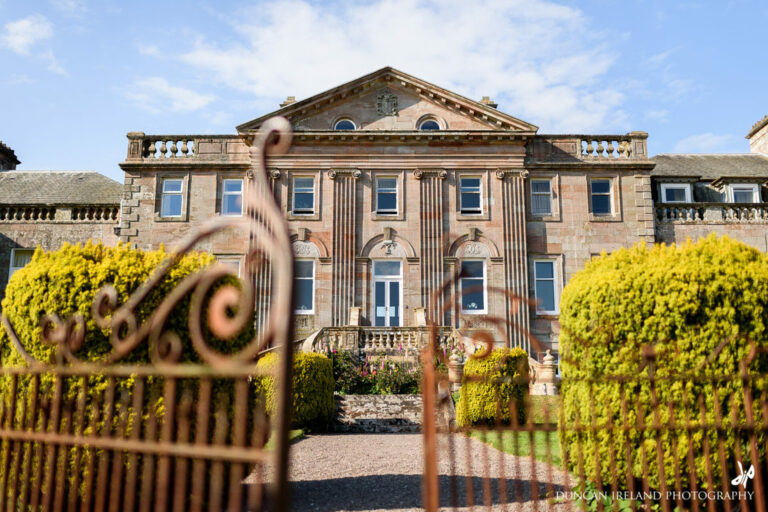
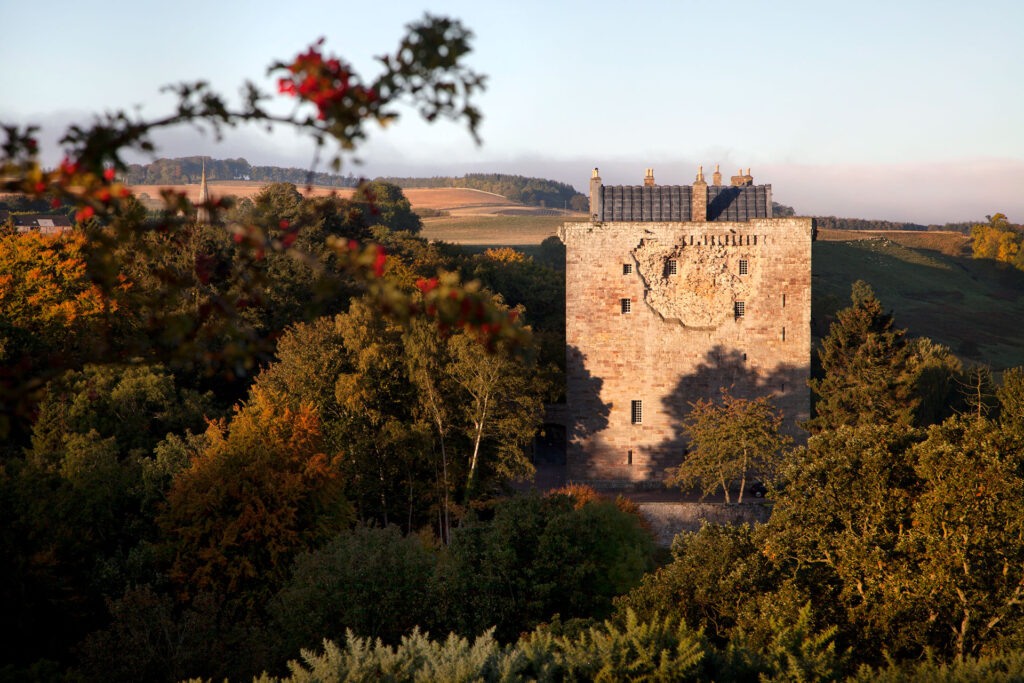
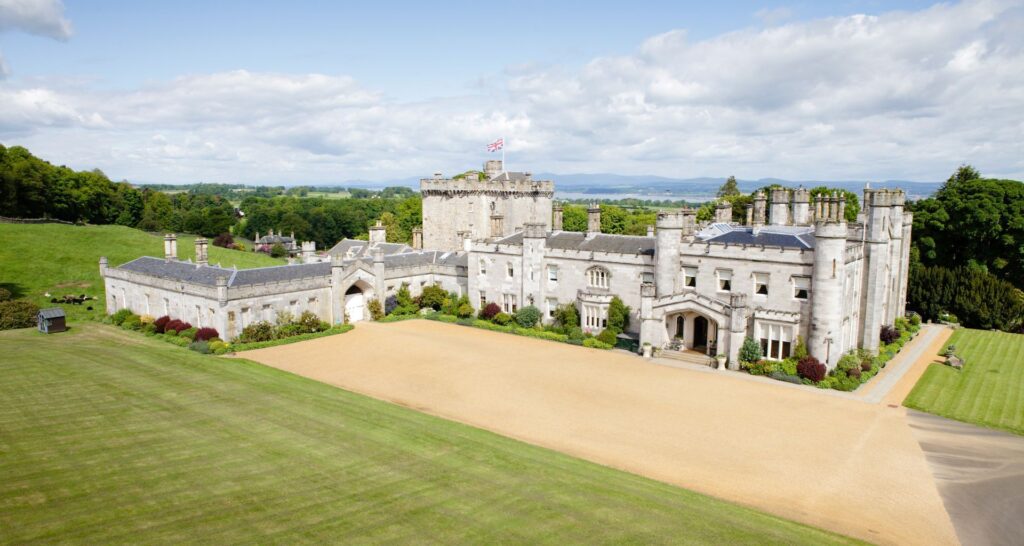
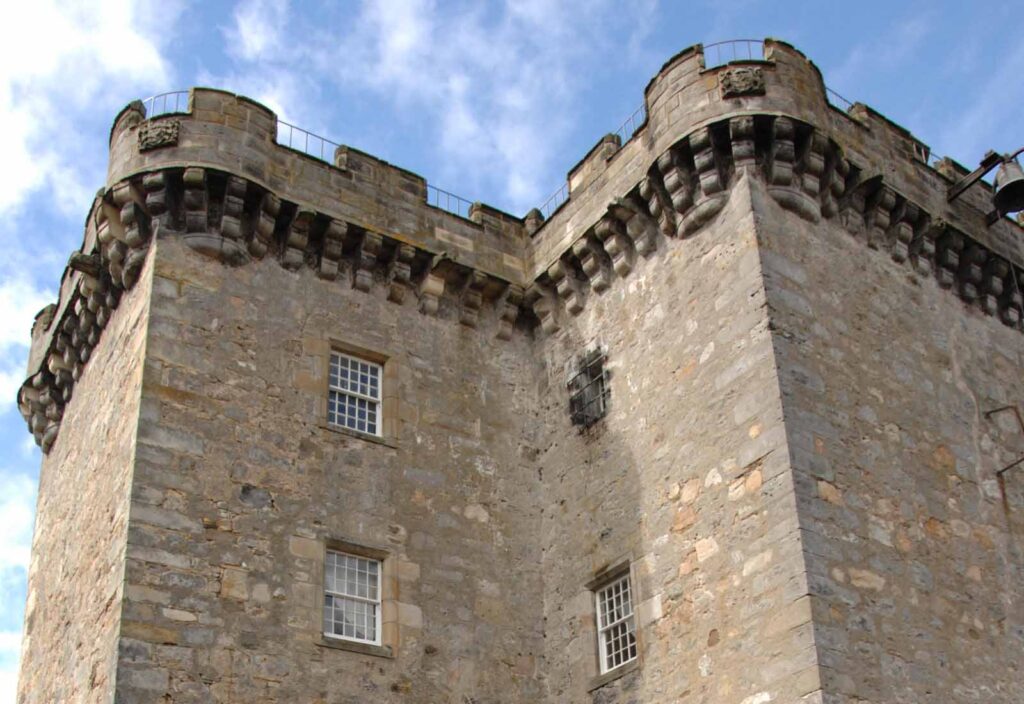
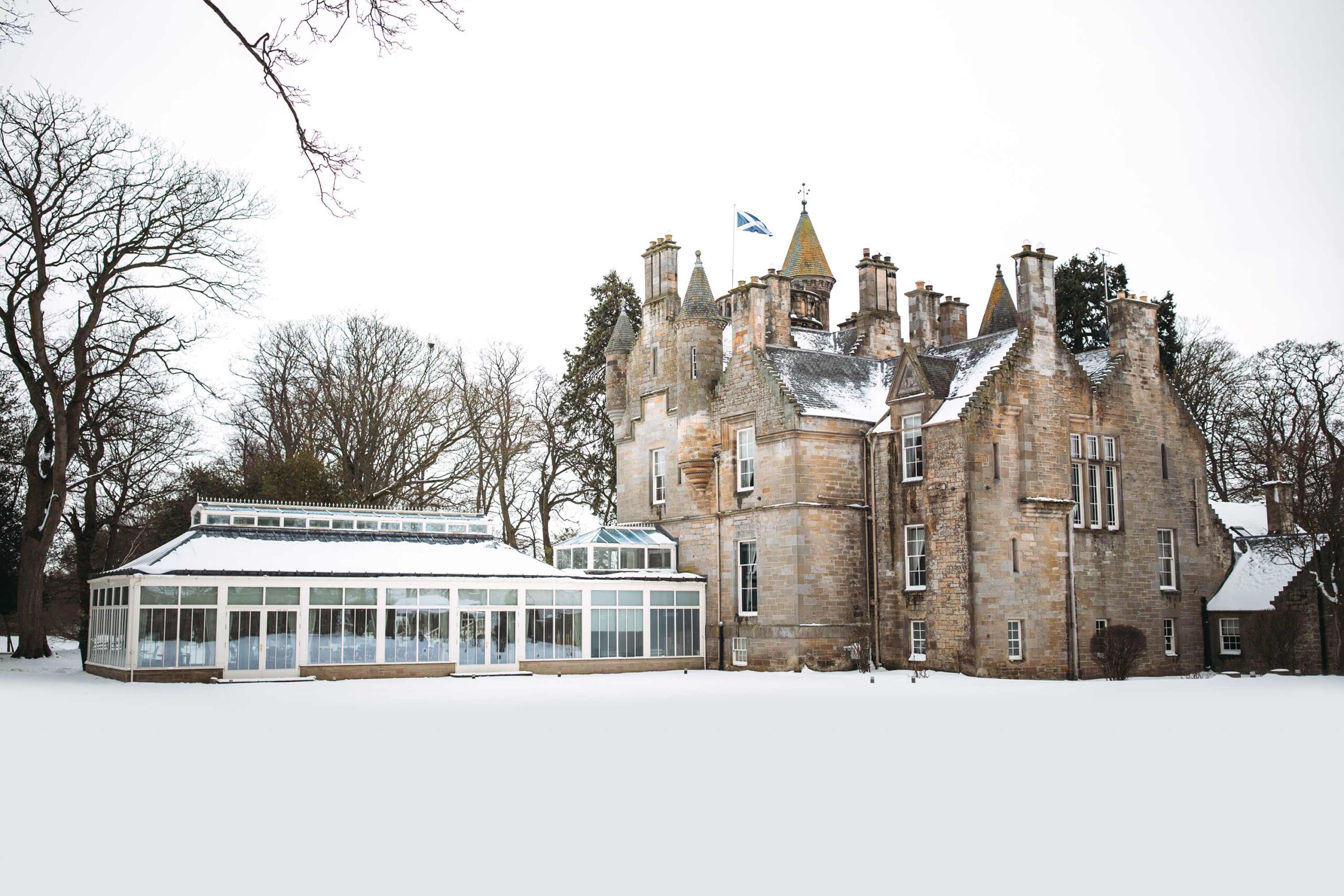
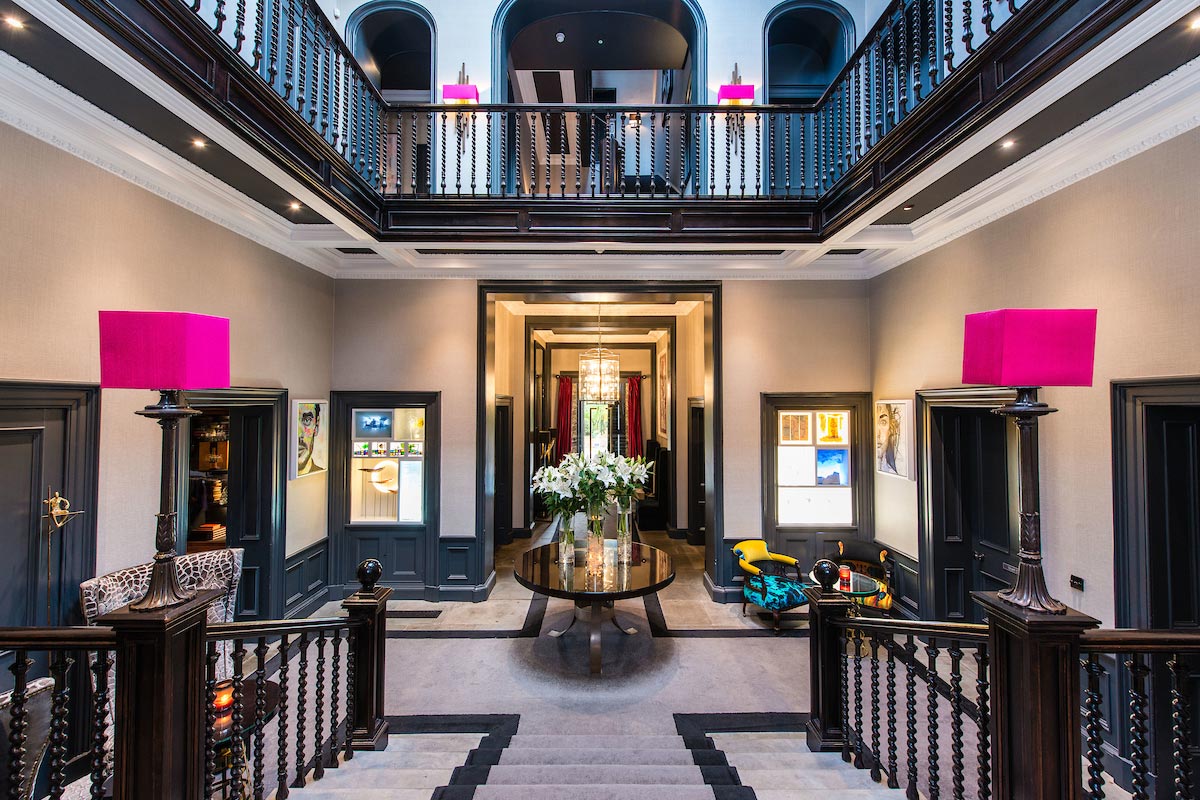
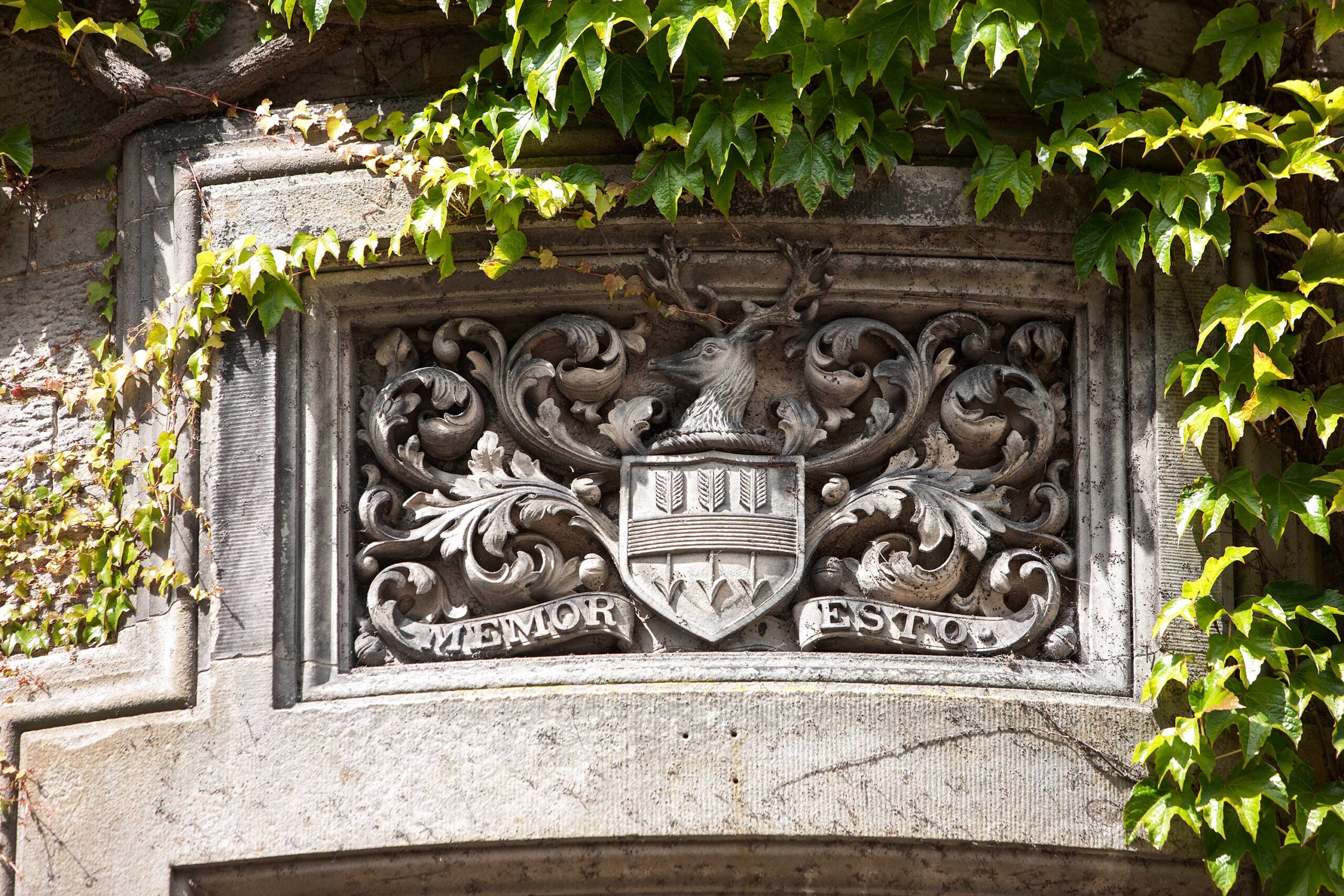
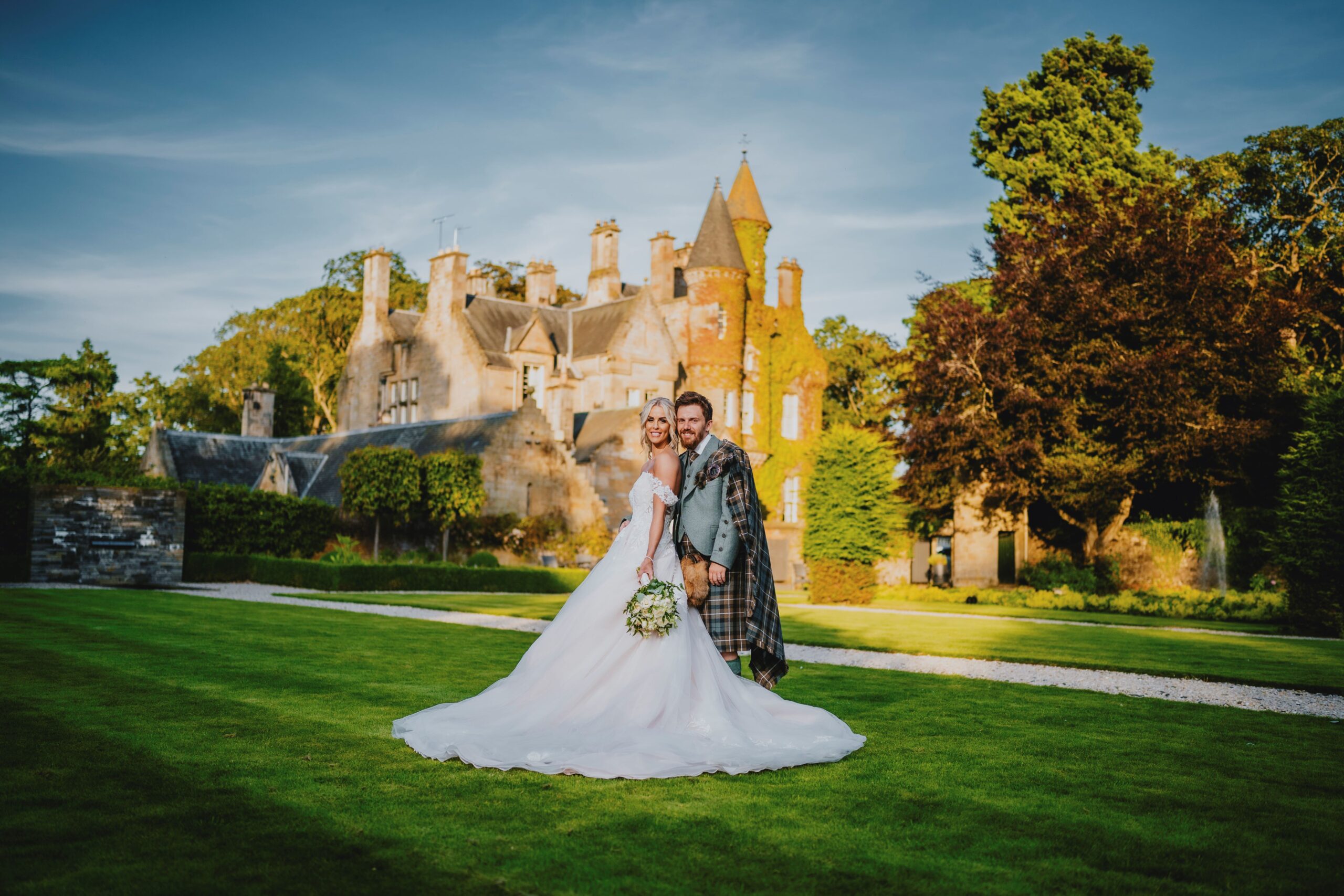
Historic Environment Scotland lists Carlowrie at Category A, together with its terrace, lodge, stables and walled garden. The house is a Scots Baronial mansion in honey coloured sandstone, raised on a broad balustraded terrace, with a round three stage entrance tower at the centre of the south front bearing the initials TH, the date 1852 and a carved armorial panel. Inside, a mosaic floor leads from the tower into a central saloon, lit from above and galleried at first floor level, with a grand staircase of twisted iron balusters.
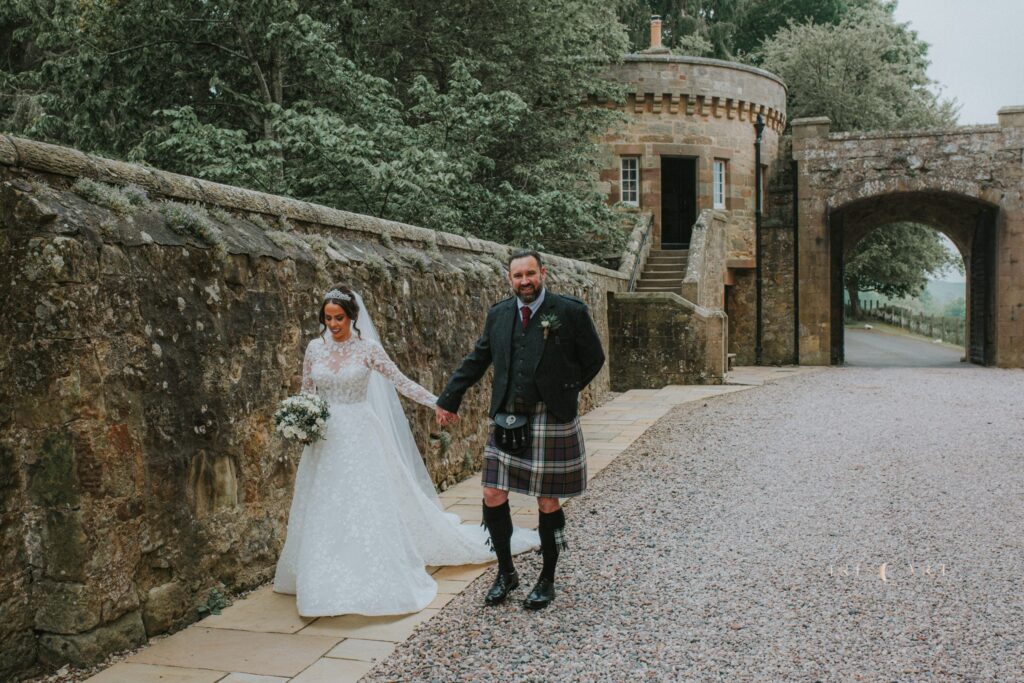
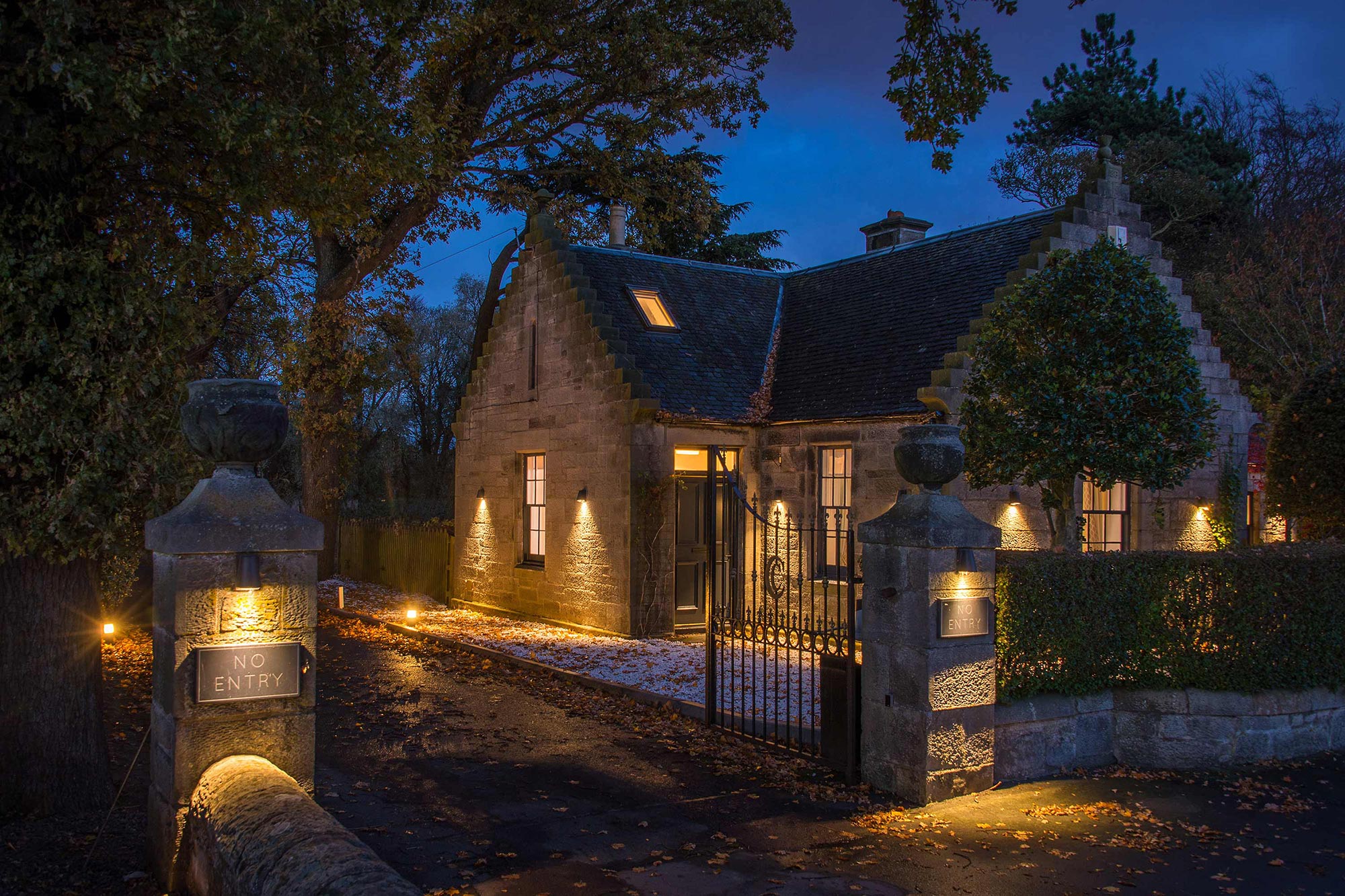
The land has a longer history than the house. A deed of 19 August 1591, written on goatskin parchment and recording the transfer of part of the Carlowrie lands to James Lindesay of Esperstoun, is on display in the castle. Rhind came back in 1873 to design outbuildings and the Gate Lodge, 300 metres from the castle, which carries a marriage lintel dated 1611 and inscribed with the initials D.M. and I.M. and the words BLISSIT BE GOD IN ALL HIS GIFTIS.
The Hutchisons kept Carlowrie until 1982, when it was sold to the Marshall family, the only other family to have lived there. Their son Andrew Marshall bought it in 2012, spent two years refurbishing it and opened it for weddings and events in 2014. His collection of contemporary urban and pop art, which includes Banksy’s Umbrella Girl, now hangs throughout the house, and in 2024 Carlowrie gained B Corp certification for its social and environmental practices.
Ceremonies in the Orangery and the walled garden
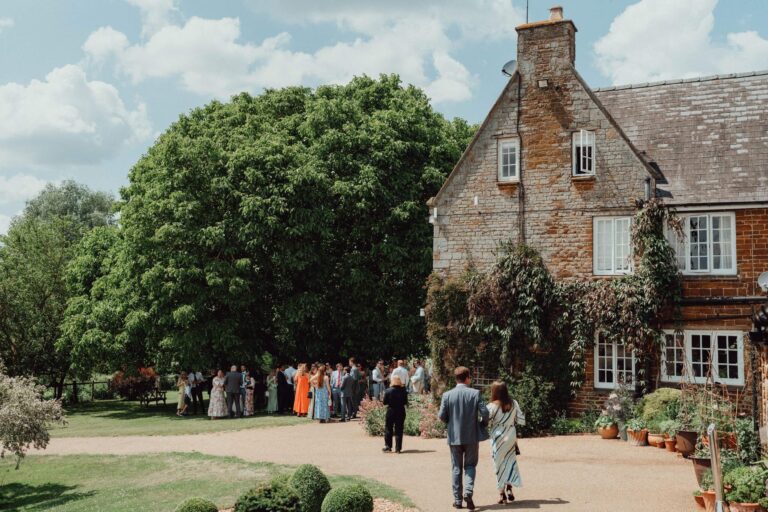
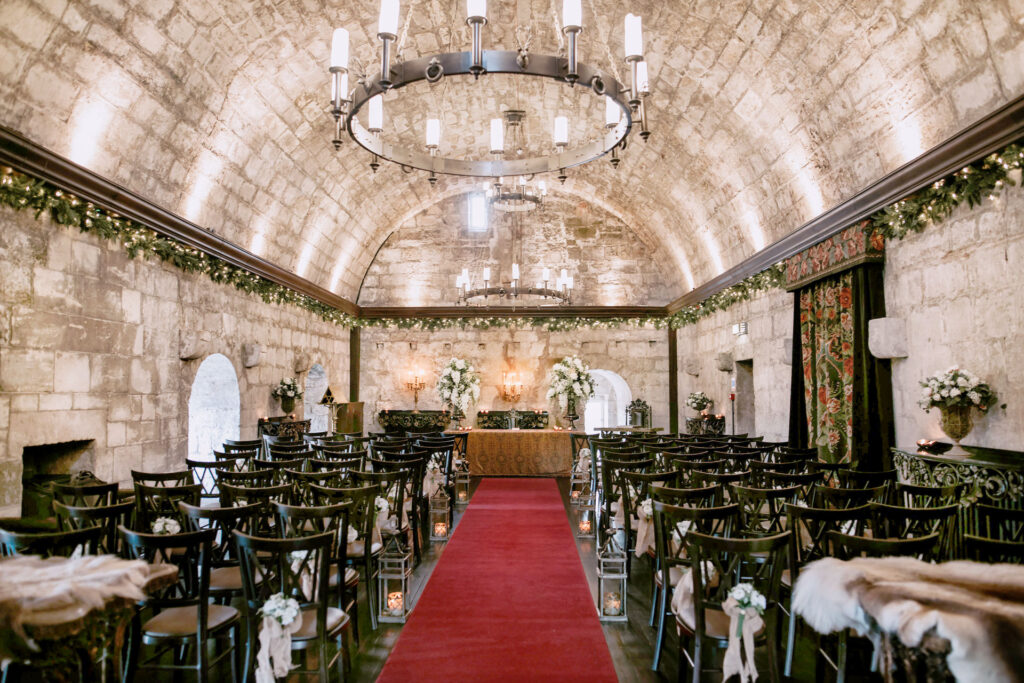
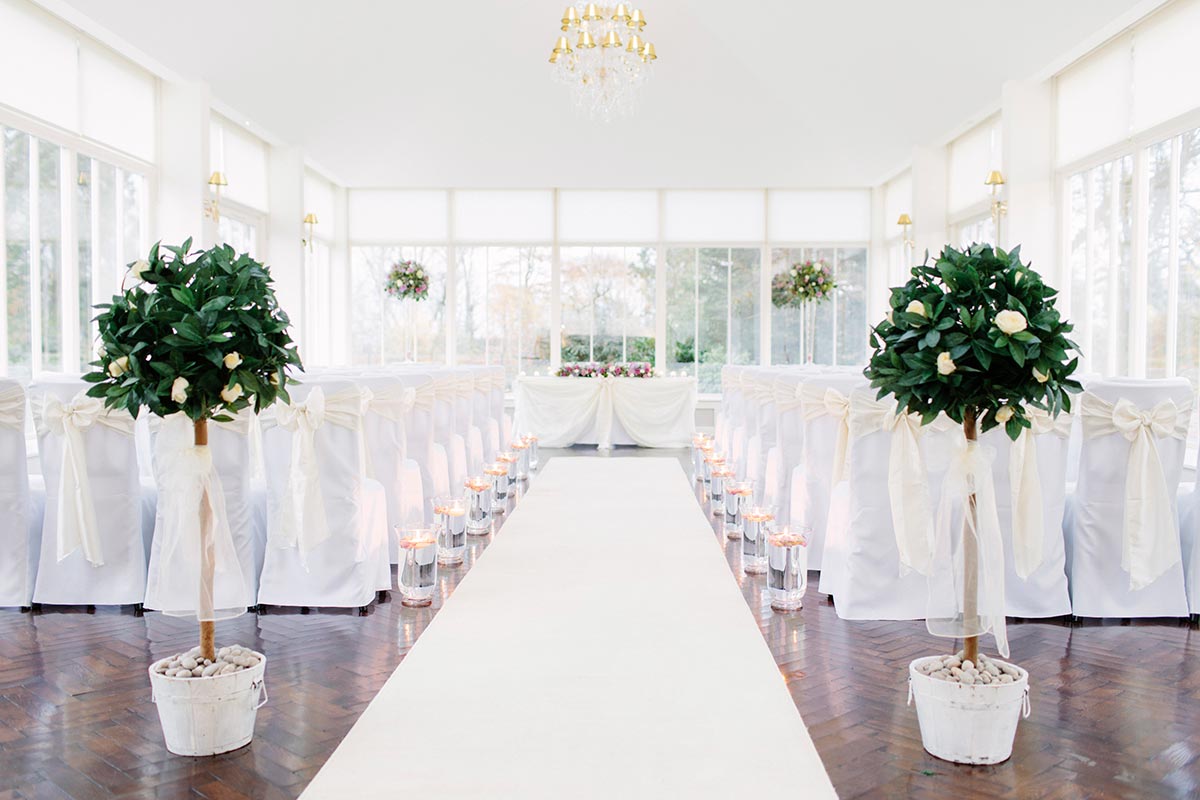
Indoor ceremonies take place in the Orangery, a glazed room on the ground floor with direct access to the lawn, which is styled for the ceremony and then used again for dinner and the evening. The hire includes a ceremony set with an aisle runner, bay trees and candle vases, together with chairs and tables for 110, linen, tableware and a PA system for the speeches.
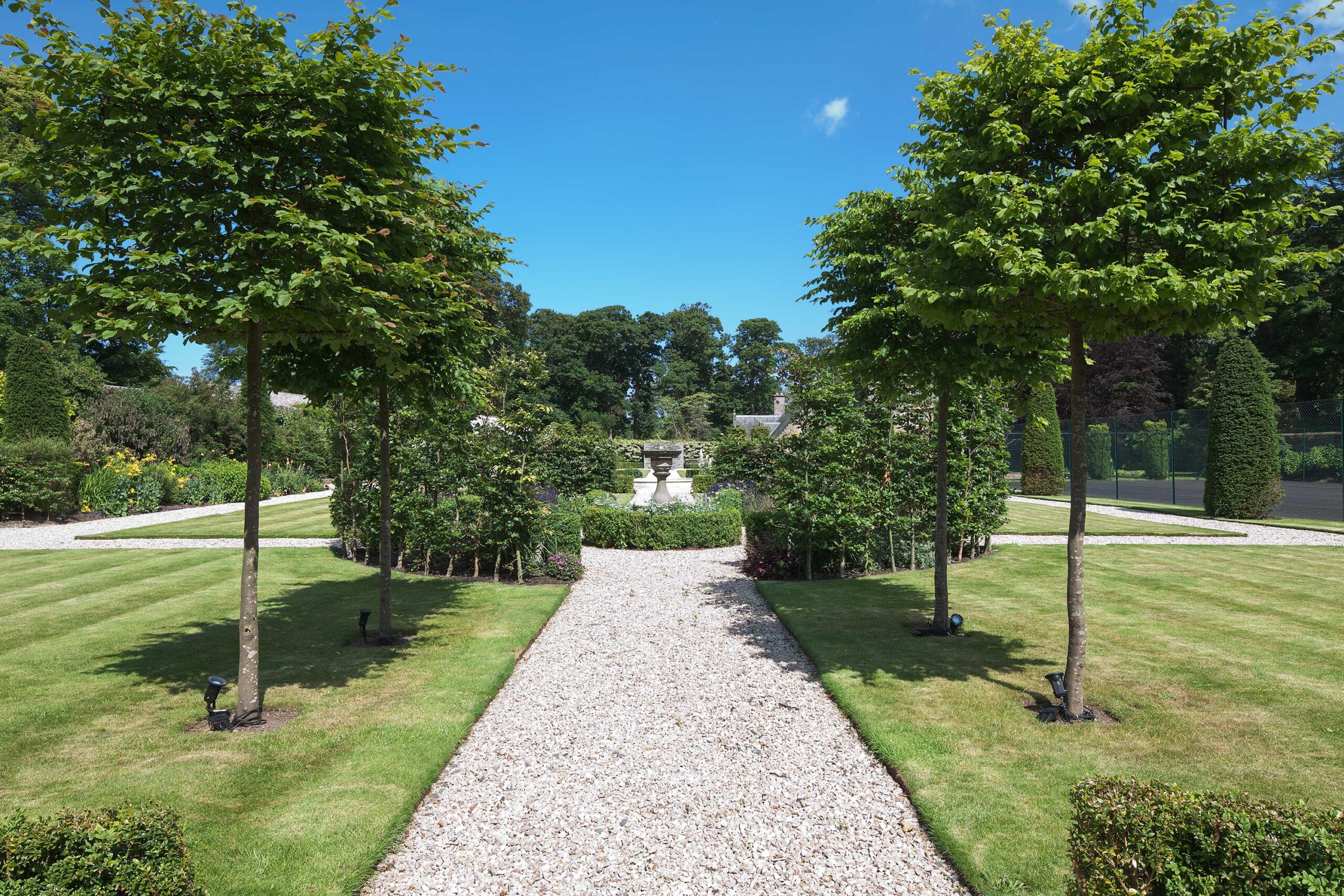
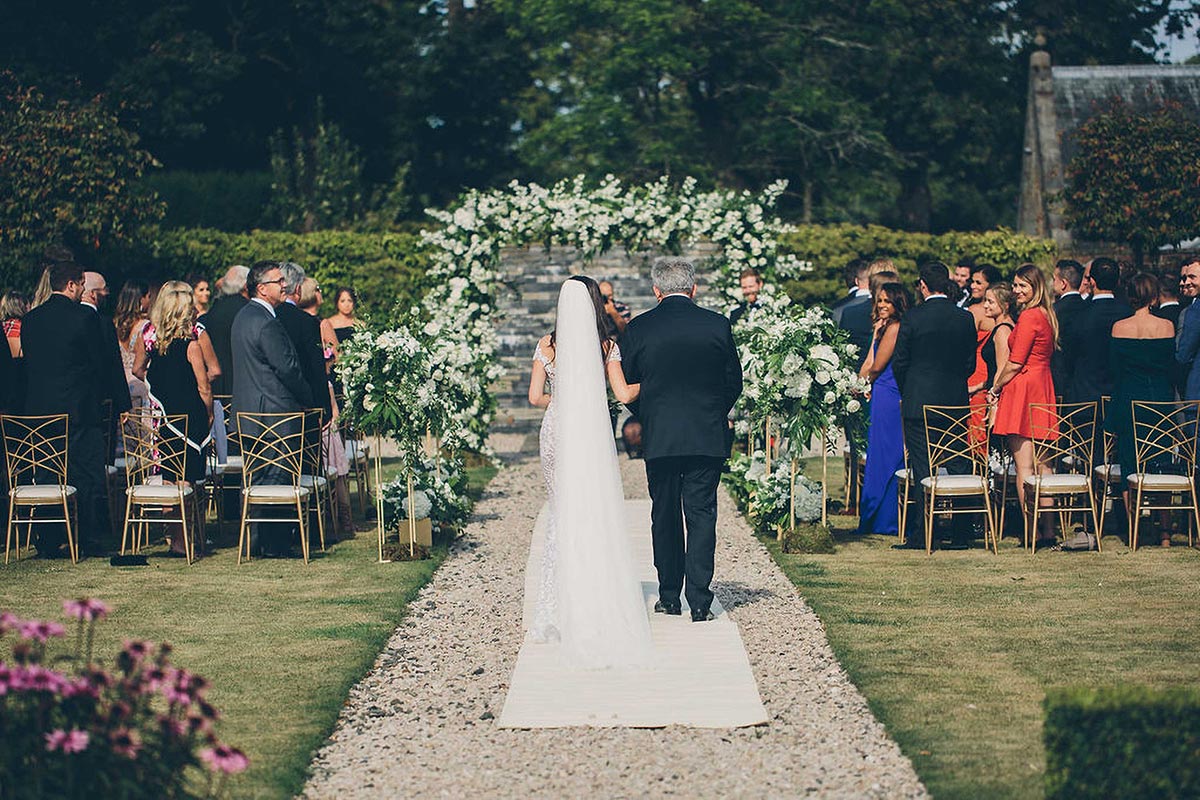
In the summer months the walled garden, with its striped lawns and fountains, is used for outdoor ceremonies, and the castle provides outdoor seating and bars.
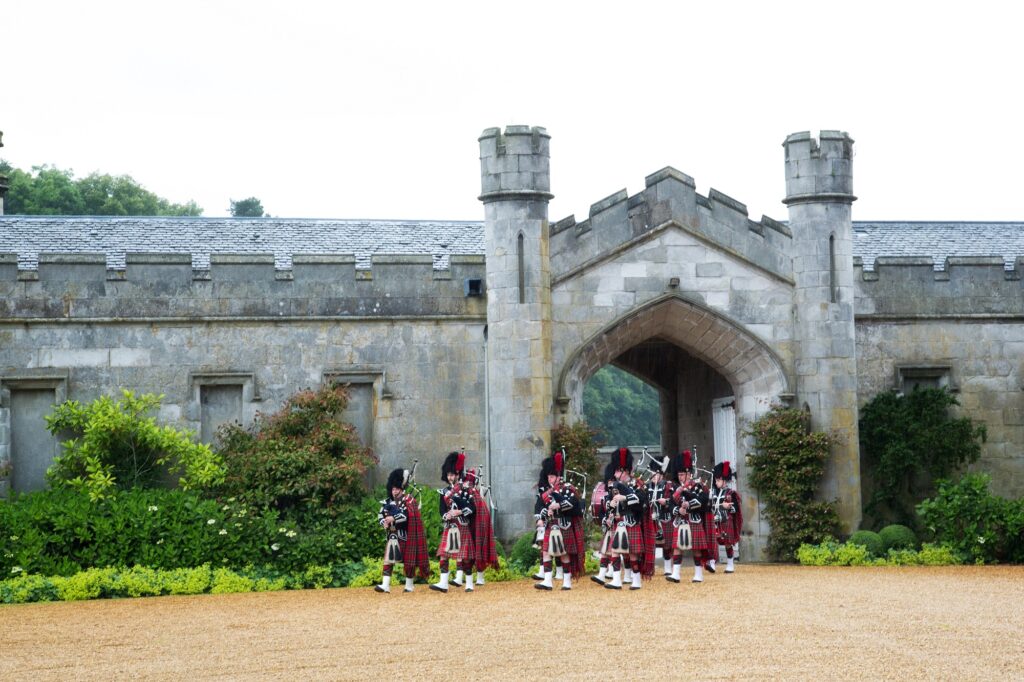
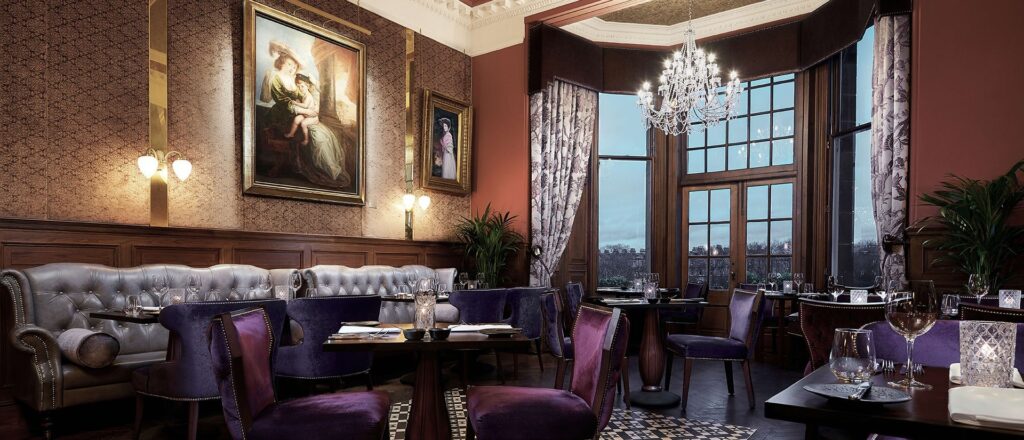
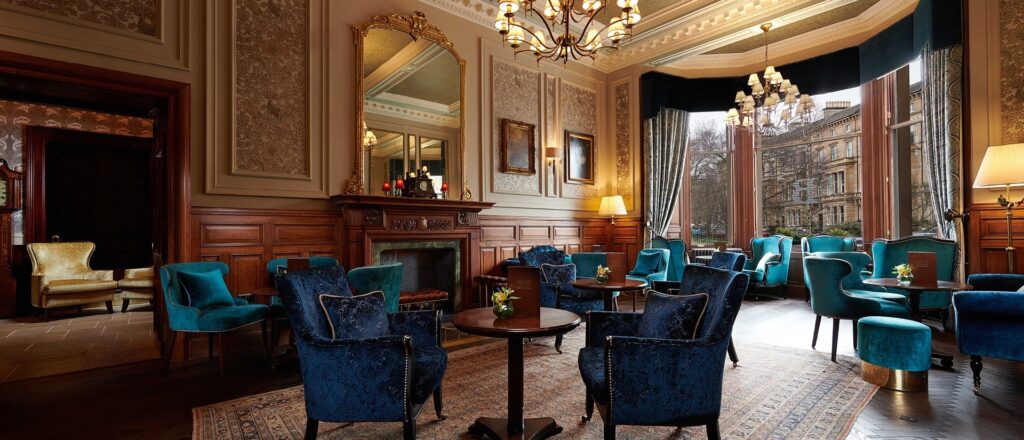
The rest of the ground floor is given over to guests. The Piano Room has a baby grand piano; the Marble Room keeps a Champagne bar; and the former library is now the Library Bar, pouring malt whiskies, local gins and Carlowrie’s own Crémant, made in the Loire Valley. A piper to greet guests, a ceilidh and fireworks can all be added to the day.
Dinner, and Isobel’s hot houses
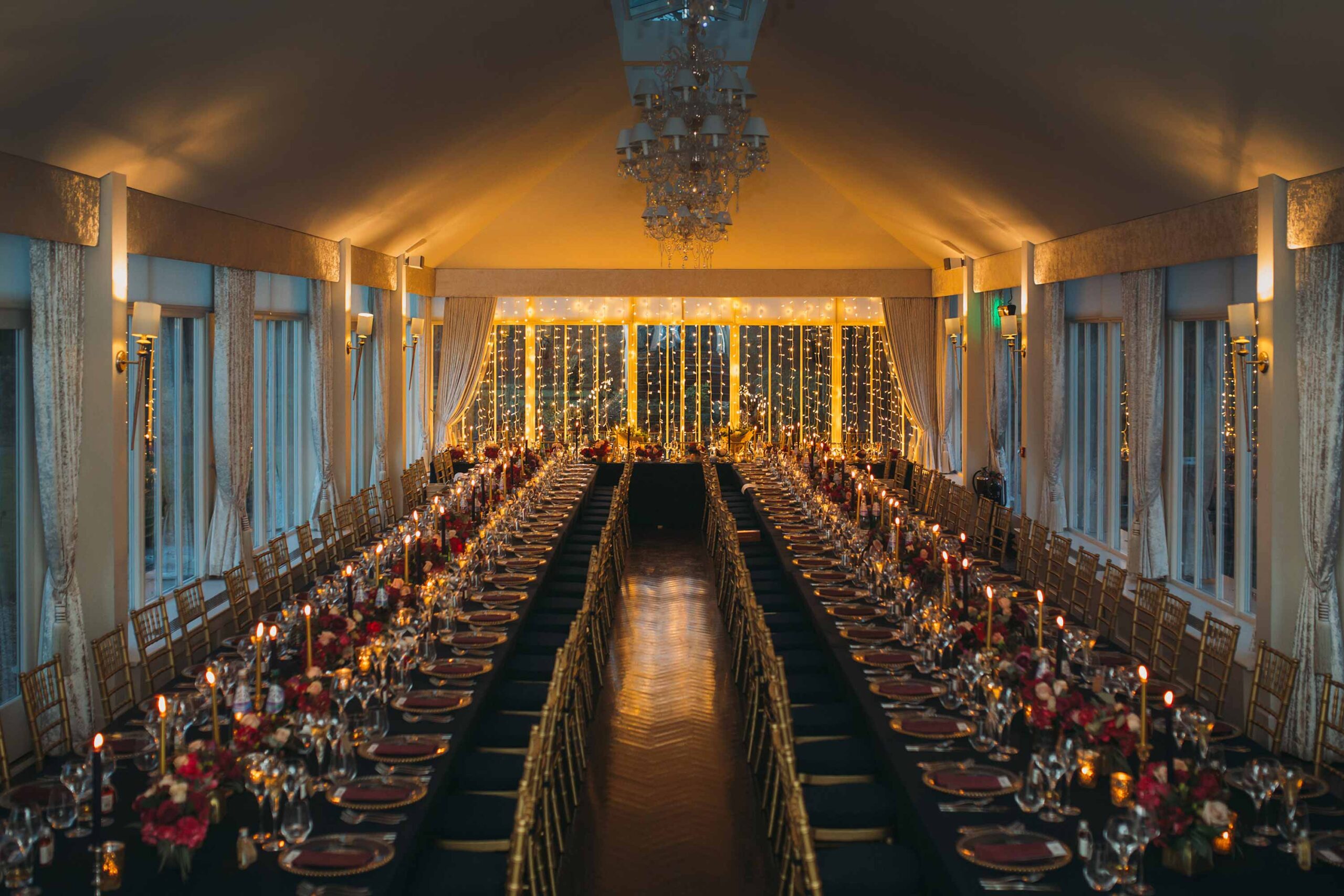
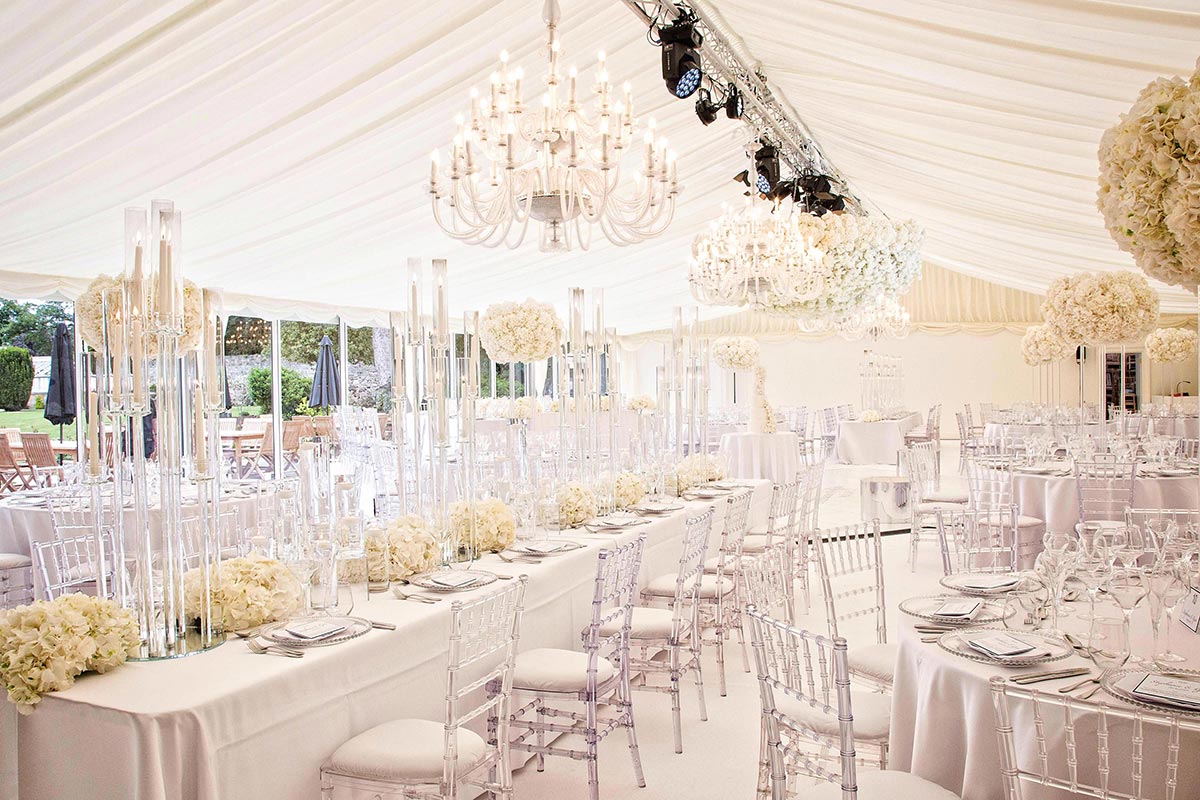
Dinner is served either in the Orangery or in a marquee overlooking the lawn. The Orangery seats 100 with a top table, or 110 on round tables of ten. The marquee seats 275 for dinner and holds 450 for an evening reception, with floor to ceiling windows looking across the lawn to the castle, a marble topped bar, crystal chandeliers and its own restrooms. The two can also work together, with the wedding breakfast in the castle and a larger evening party in the marquee.
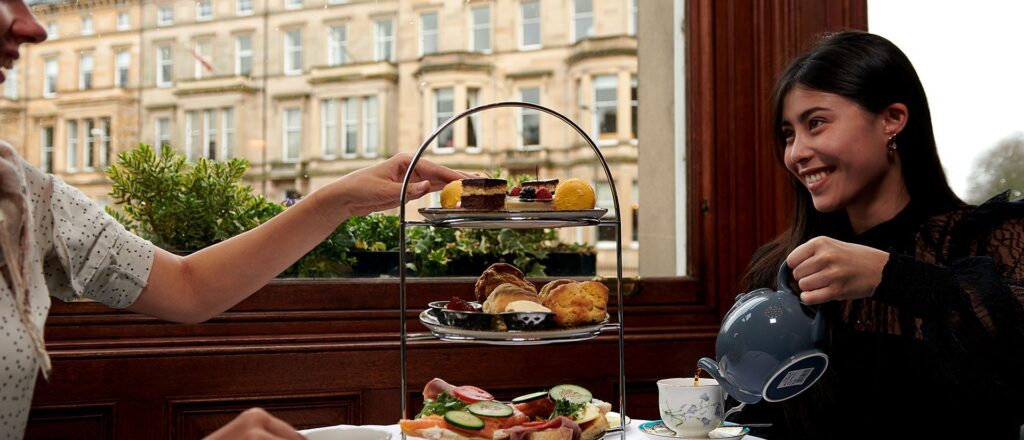
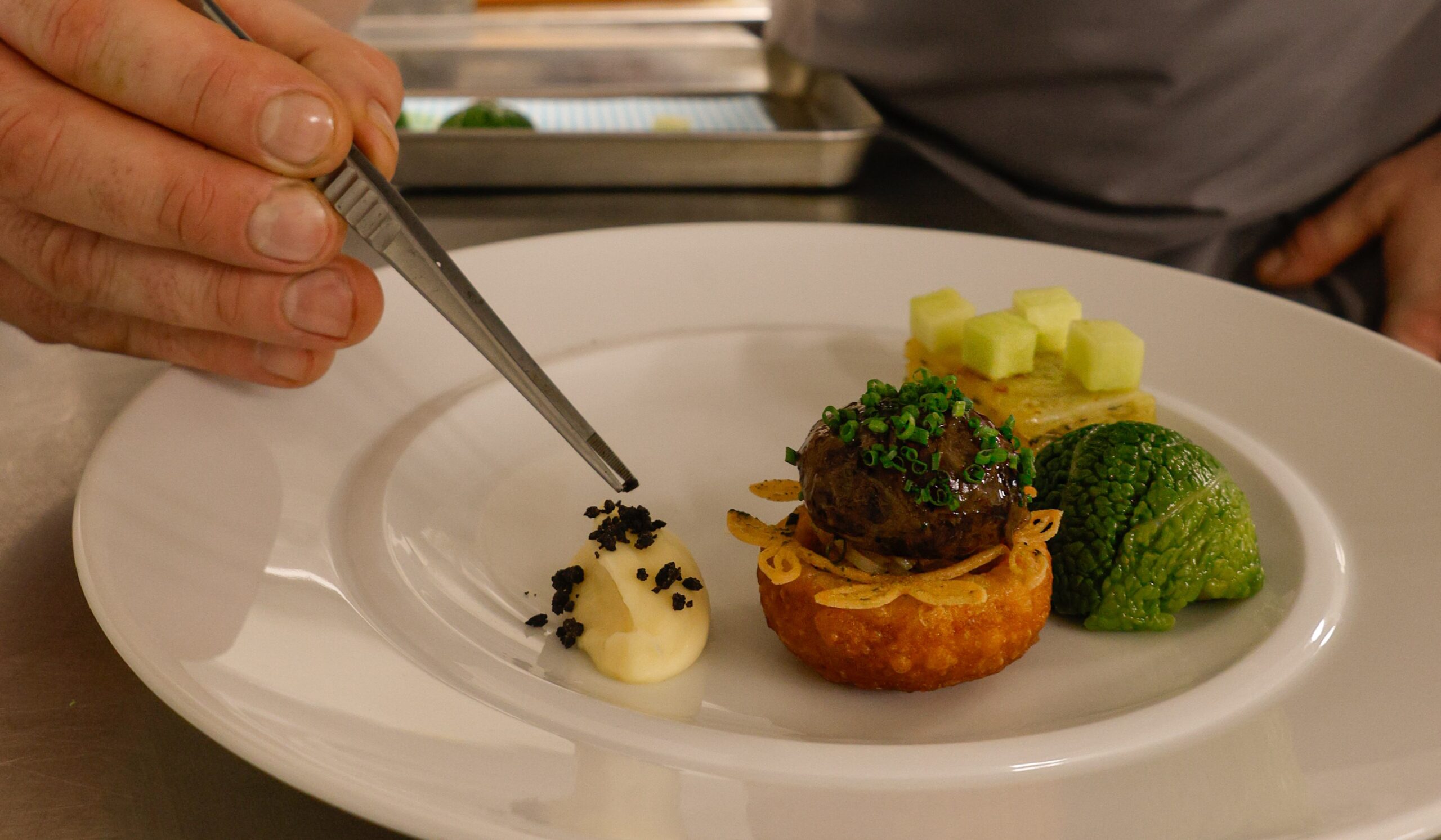
The kitchen is led by the executive chef David Millar, who won Scottish Chef of the Year at the Scottish Culinary Championships in 2025. He trained in Michelin starred kitchens, among them Alain Ducasse at the Hôtel de Paris in Monaco, and has competed on Great British Menu. Beef comes from the Buccleuch Estate and fish from fishmongers on the Scottish coast. On the estate, the two hot houses supply the seasonal menus, and a physic garden created by the head gardener grows fruit and vegetables for the chef.
Twenty one bedrooms on the estate
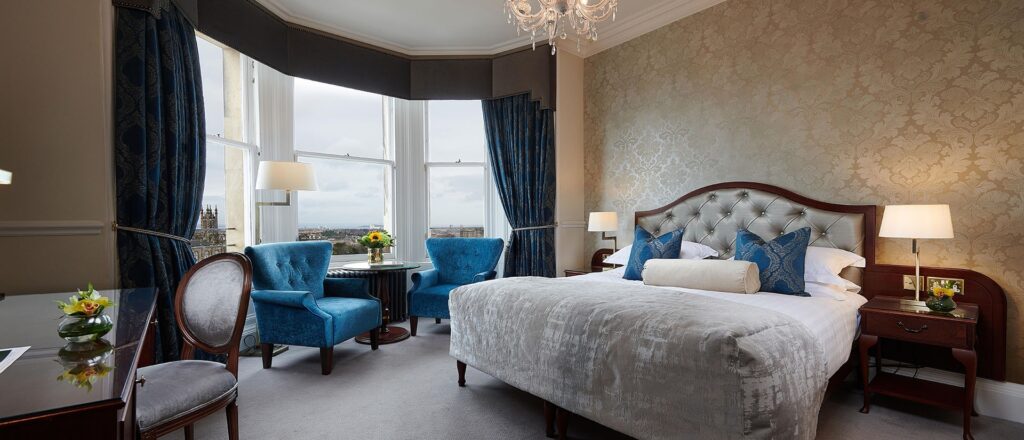
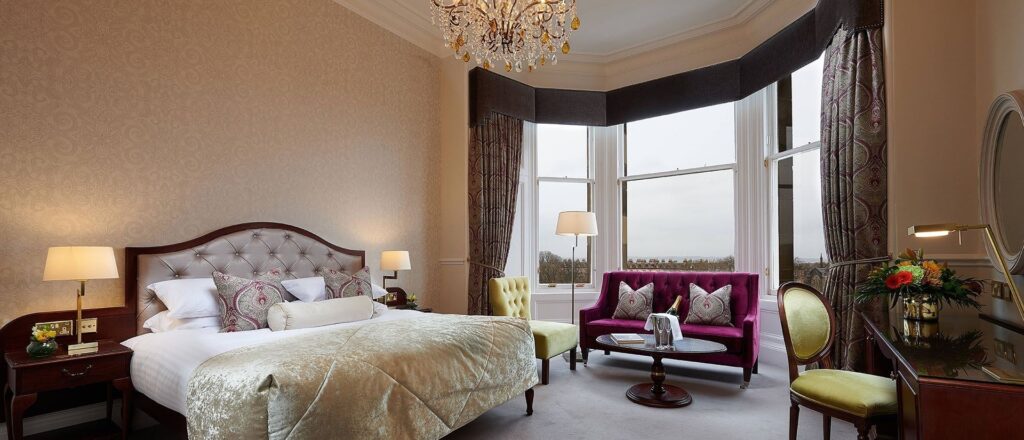
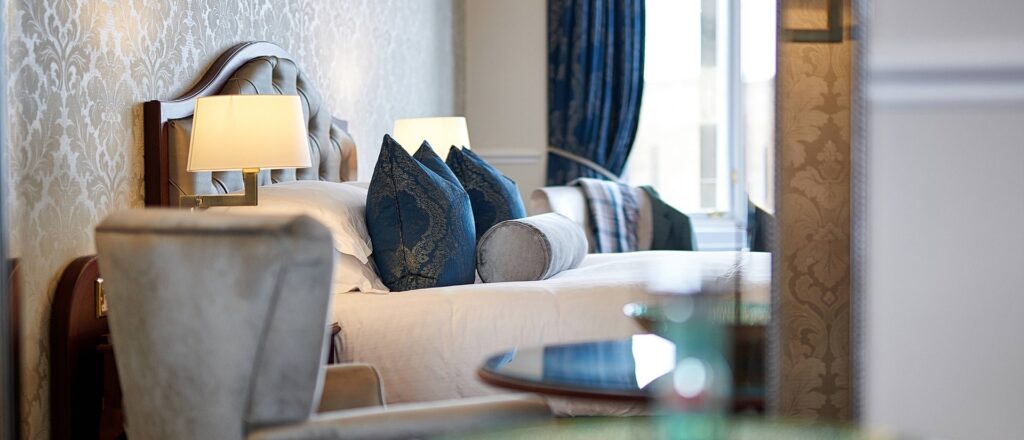
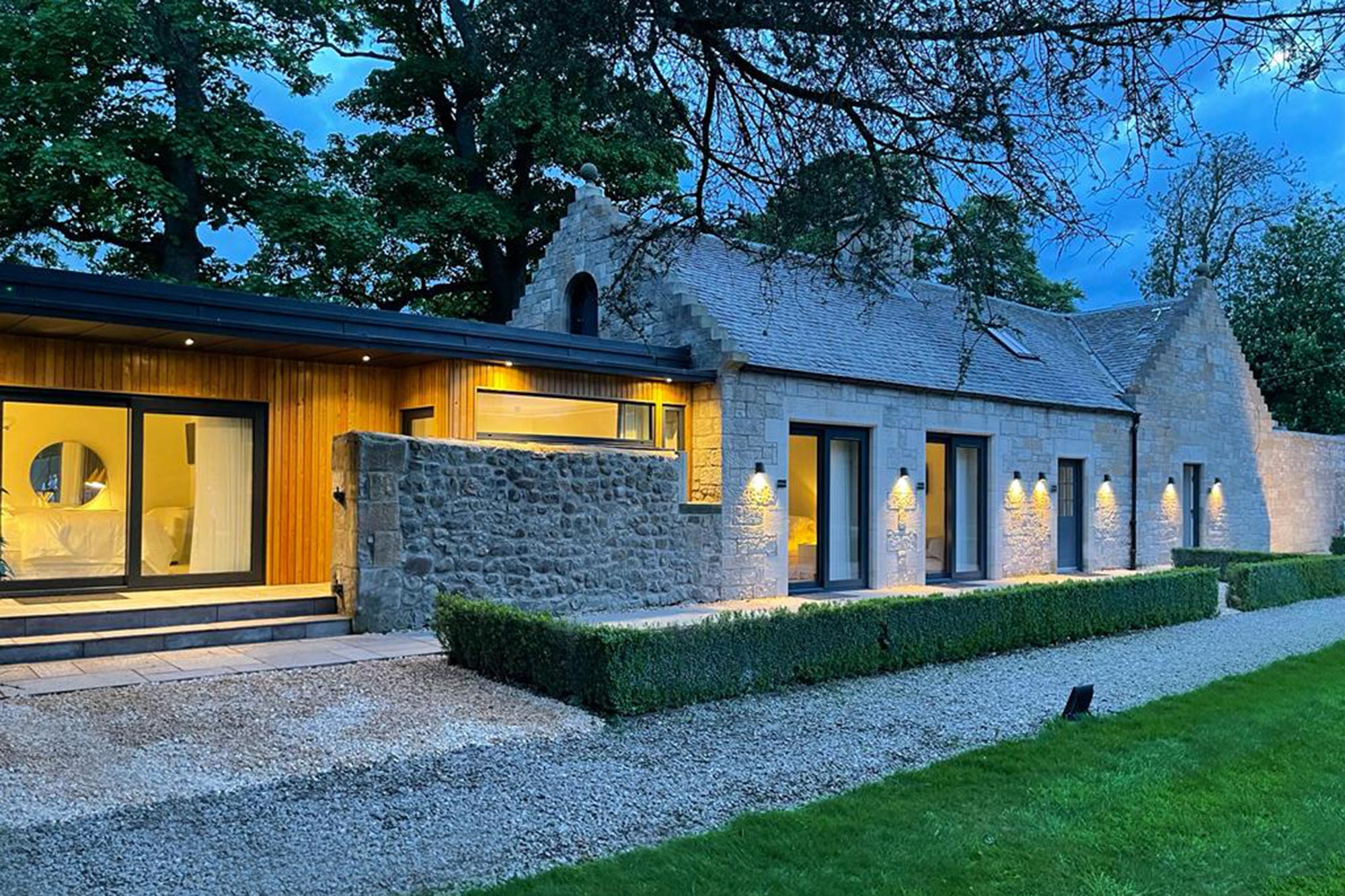
Exclusive use includes the nine bedrooms in the castle, which sleep 18, and the estate has 21 bedrooms in all for up to 40 guests. The castle rooms have beds and cabinetry handmade by Atelier 1852, original works by contemporary artists, and bathrooms with roll top baths, marble tiles, underfloor heating and walk in showers. The Marshall room serves as the bridal suite. The Isobel, the suite named after Isobel Wylie Hutchison, has two double bedrooms, two bathrooms, a living and dining room and a private garden.
The Stables add seven en suite rooms looking over the walled garden towards the castle. The Gate Lodge has three double bedrooms on the ground floor and two more upstairs, with two bathrooms, a kitchen and a lounge, and can be taken for guests at a further cost. The couple and bridal party can arrive from noon on the wedding day, other resident guests from 2pm, and everyone leaves by 10.30 the next morning.
Carlowrie stands at the top of a tree lined avenue on the edge of Kirkliston, about ten miles from the centre of Edinburgh. The airport is just under ten minutes away by car, the city centre about twenty and Glasgow Airport about an hour; Dalmeny, on the ScotRail network, is the nearest station, a little over two miles away as the crow flies. There is extensive parking and a helicopter landing position, and for guests who stay on, the estate can arrange falconry or Highland games. Prices are set out in the castle’s wedding brochure, sent on request.
For more castle weddings, read our Edits on Leeds Castle and Amberley Castle or our 40 castle wedding venues in the UK, or browse wedding venues in Edinburgh and the United Kingdom Wedding Atlas.
Inside the house, or out to the marquee
The choice that shapes a Carlowrie wedding is where dinner is served. A guest list that fits the Orangery can marry, dine and dance without leaving the castle, moving between the Orangery, the Piano Room, the Marble Room and the Library Bar; a longer list takes dinner out to the marquee, with the castle across the lawn. Read the Carlowrie Castle profile and check your date.