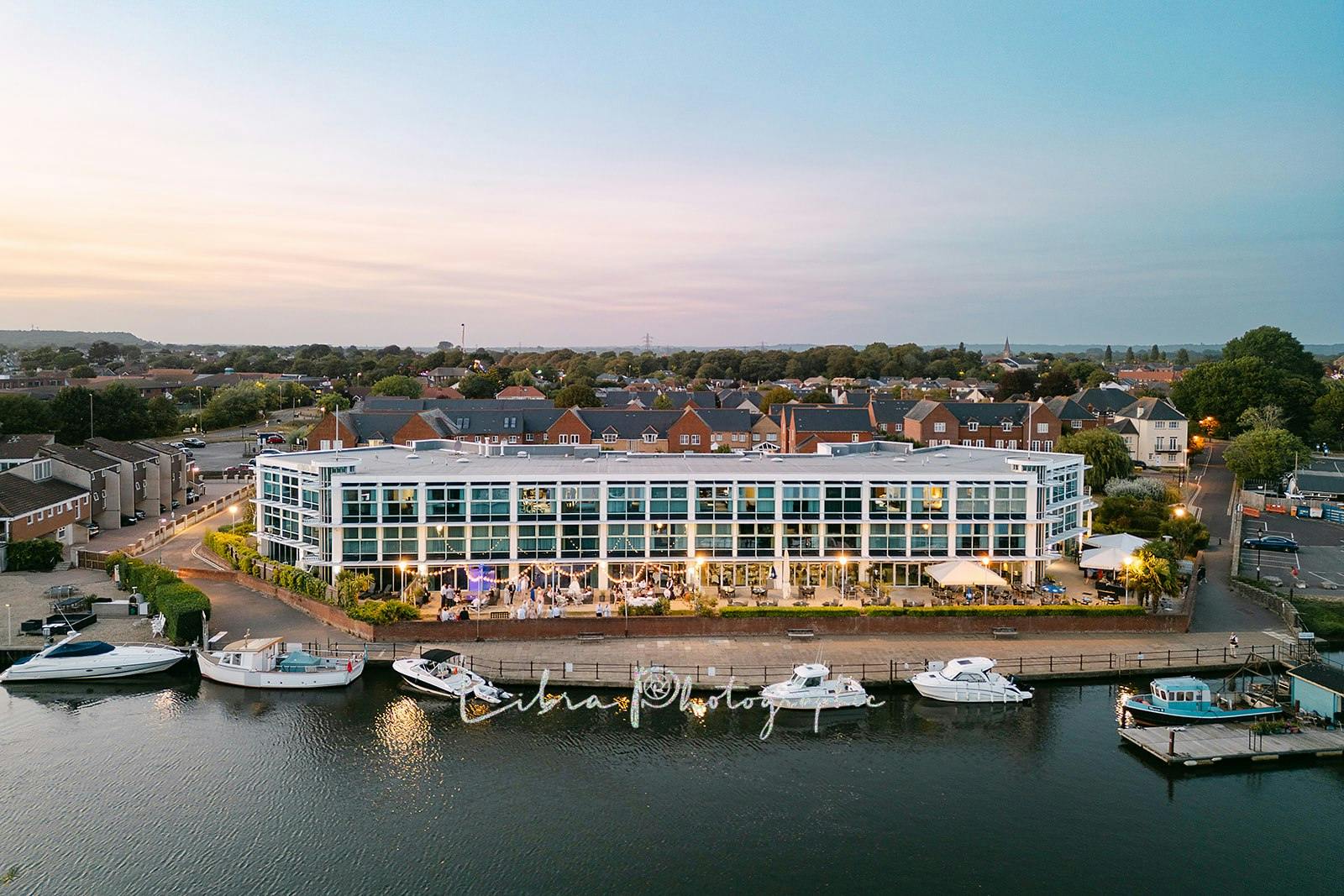
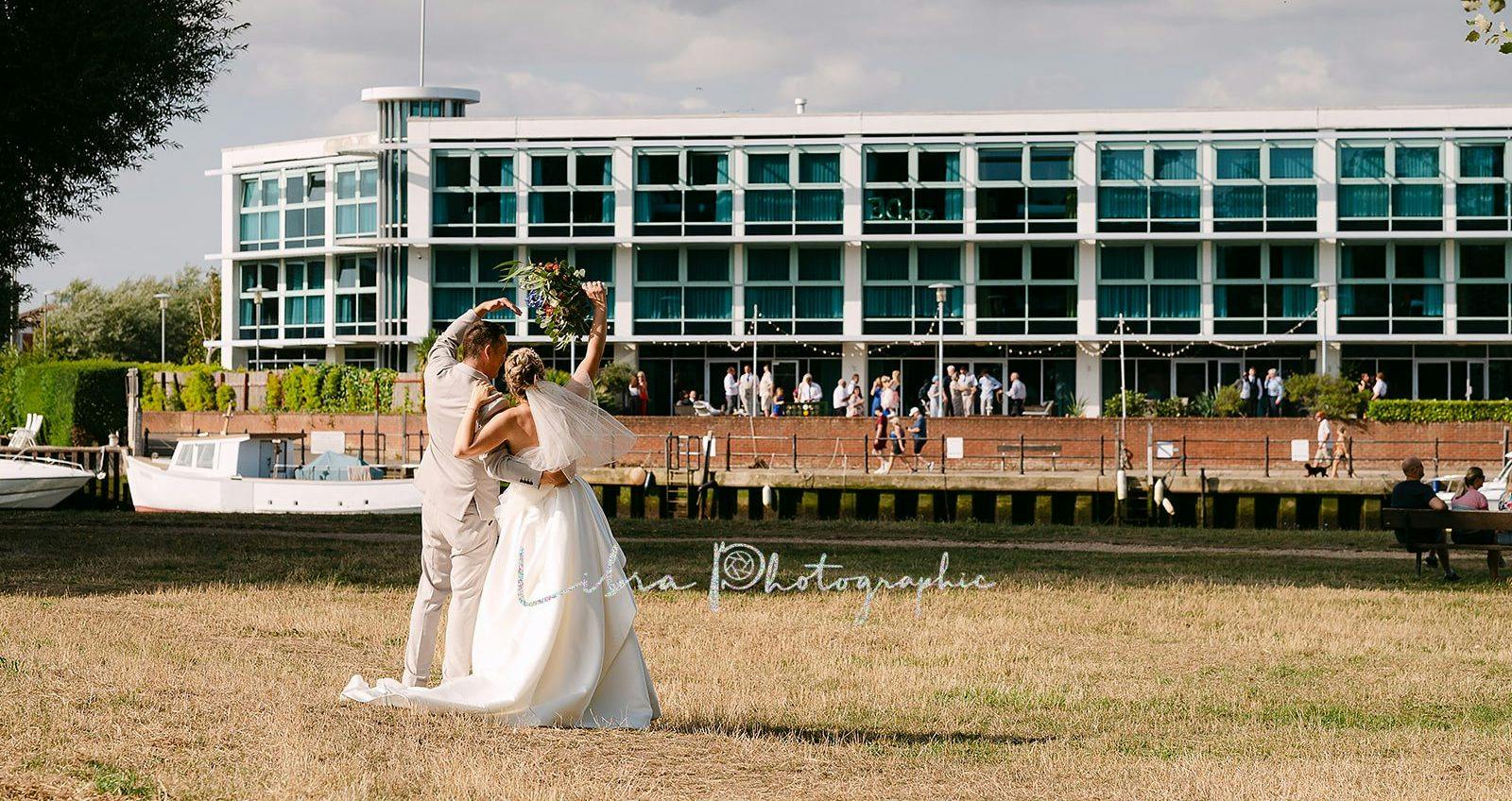
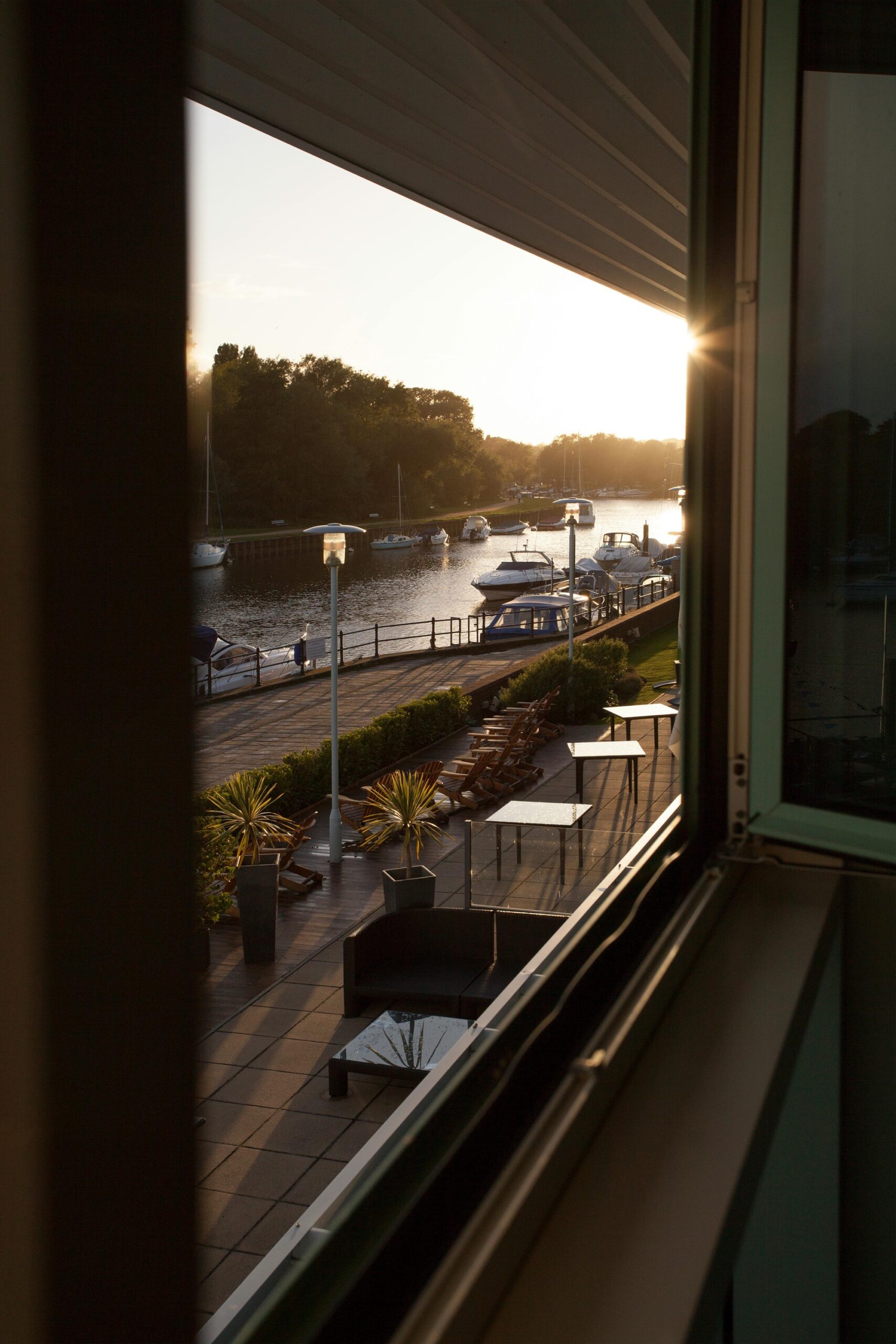
A passenger ferry has crossed the River Stour at Wick since about 1815, and Captain’s Club Hotel & Spa stands at its Christchurch landing on Wick Lane. The hotel is far younger, a long building of white render and glass with motor boats moored along the quay below its terrace. Couples marry here indoors, in a room with floor to ceiling windows on the river, eat from a kitchen that holds two AA Rosettes, and sleep upstairs in rooms that look over the moorings.

The ferryman’s crossing
The ferry began as a job for one man. It was set up to give work to a farm labourer named Marshall after a kick from a horse left him unfit for the fields, and for well over a century the boat was punted across. Outboard engines were fitted in 1947 and halved the time of a crossing, and apart from a short break in 1957 the service has carried on since. The landing appears on the first Ordnance Survey 25 inch maps of 1864 and 1886, and Dorset’s historic environment record suggests that the crossing itself may be of considerable antiquity.
Bournemouth Boating Services, a family business based upstream at Tuckton, still carries passengers across at Wick, and from April to October its river boats link Tuckton Tea Gardens, Wick Ferry, Christchurch Quay and Mudeford Sandbank at the mouth of the harbour.
On the far bank, Wick takes its name from the Old English for a dairy farm and has been part of Bournemouth since 1901. The earliest known record of the name Bournemouth involves its manor: in 1406 a fish eighteen feet long, washed up at “La Bournemowthe”, was cut up at Wick, and four portions went to Christchurch Priory as tithe. Beside the village, Wick Fields are ancient grassland, grazed by a herd of Galloway cattle and protected as part of the Hengistbury Head nature reserve.
From holiday camp to riverside hotel
Before the hotel, this ground belonged to the Wick Ferry holiday camp. It was running by 1950, when the manager’s wife ran the camp restaurant and their son’s birthday parties were held in its dining room; a photograph of his fourth, in 1954, shows the table laid out on a patio where Captain’s Club stands today. Pontins later took the camp over and made it the first of its camps to be entirely self catering. It was sold in 1995 and later demolished.
Captain’s Club marks twenty years on the site in 2026. Its design is nautical, and the names follow the theme: the double and twin rooms are Staterooms, the bar is the Quay Bar, two of the event rooms are the Port and Starboard Suites, and the wedding packages are Pearl, Coral and Oyster.
Three rooms on the river
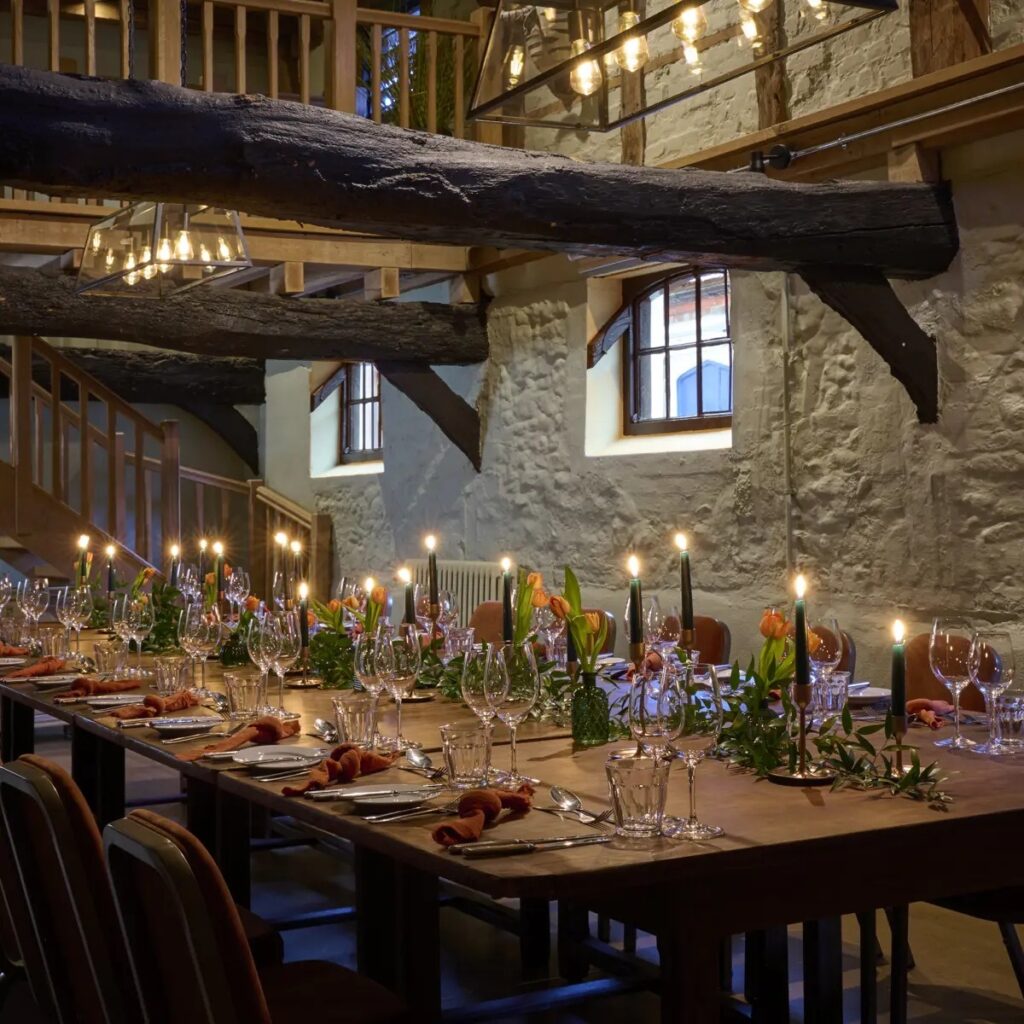
The hotel’s three event suites were all recently renovated, and each has its own character. The Waterside Suite is the largest, taking up to 110 guests for a wedding breakfast, and has a private bar; for a reception the hotel takes up to 120. The Starboard Suite takes up to 80 guests, or 70 seated, and has a private entrance and an outdoor terrace for drinks and photographs. The Port Suite, the smallest at 40, has its own bar and opens onto the riverside terrace.
Vows are not always said in the same room. On Coral and Oyster the ceremony is held in the Waterside Suite, which the couple have to themselves, while the smallest package, Pearl, uses the Club Suite, a fourth room, for both the ceremony and the wedding night.
The hotel is licensed for civil ceremonies, and every ceremony is held indoors. There are no gardens or grounds, so the terrace on the quay serves for drinks, meals and photographs rather than vows. On every package the registrar’s fee is extra and arranged by the couple, and the hotel recommends the register office in Bournemouth.
Pearl, Coral and Oyster
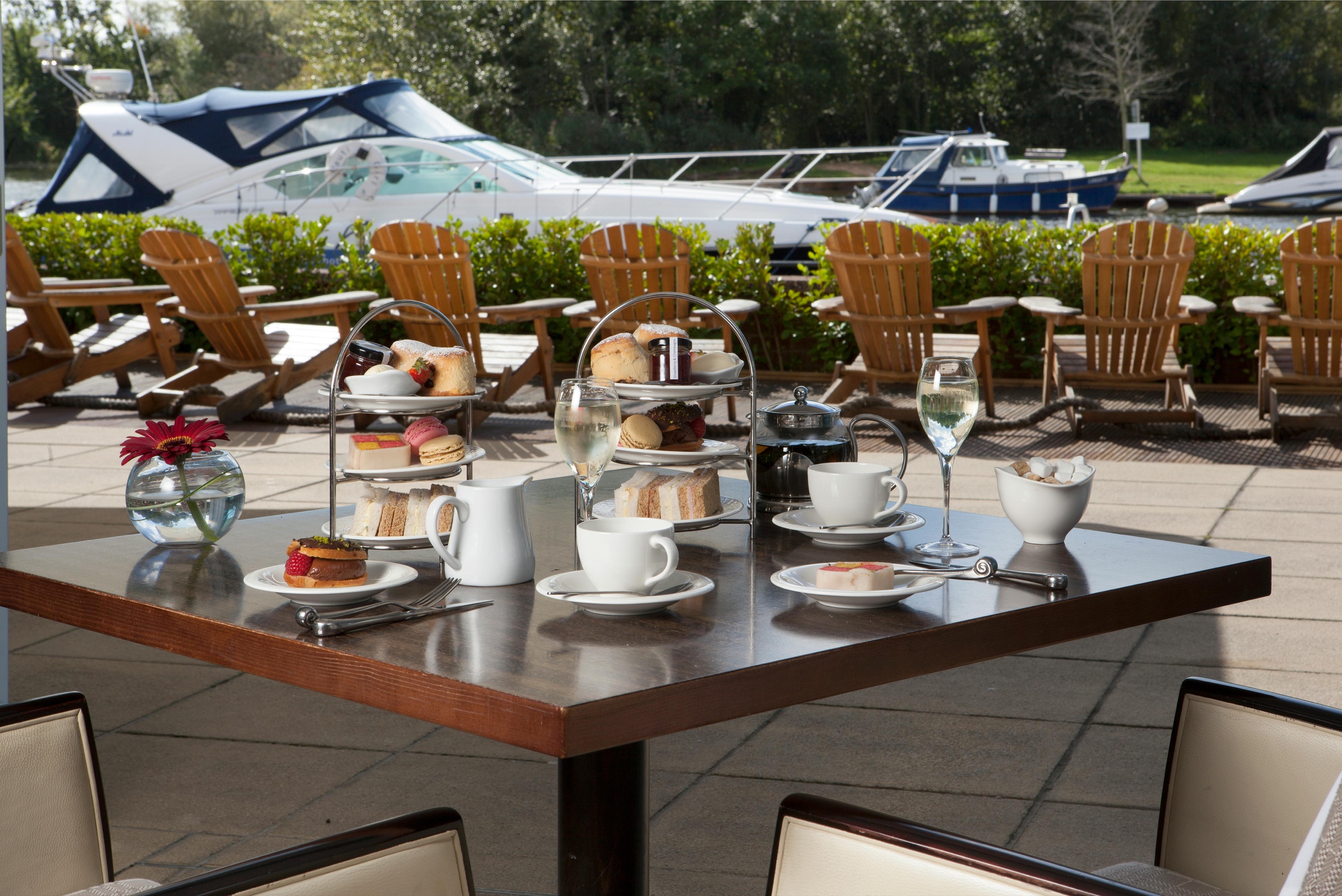
Weddings are sold as packages rather than as room hire, and the prices quoted for 2026 include VAT. Pearl is the most intimate, from £2,870 for up to 20 guests, and folds the ceremony, a drinks reception and the wedding night into a single suite. Coral, from £3,990 for 30 guests and open to as many as 50, is a daytime wedding that ends with afternoon tea in place of a dinner, and a three course meal can replace the tea if the couple prefer.
Oyster is the full day, from £12,895 for 40 guests and rising in steps to 100. Where Coral closes in the late afternoon, Oyster carries on through dinner and into the night, with a DJ until midnight and ten bedrooms held for the wedding party. Coral and Oyster both come with a wedding coordinator beforehand and an operations manager on the day.
A two rosette kitchen
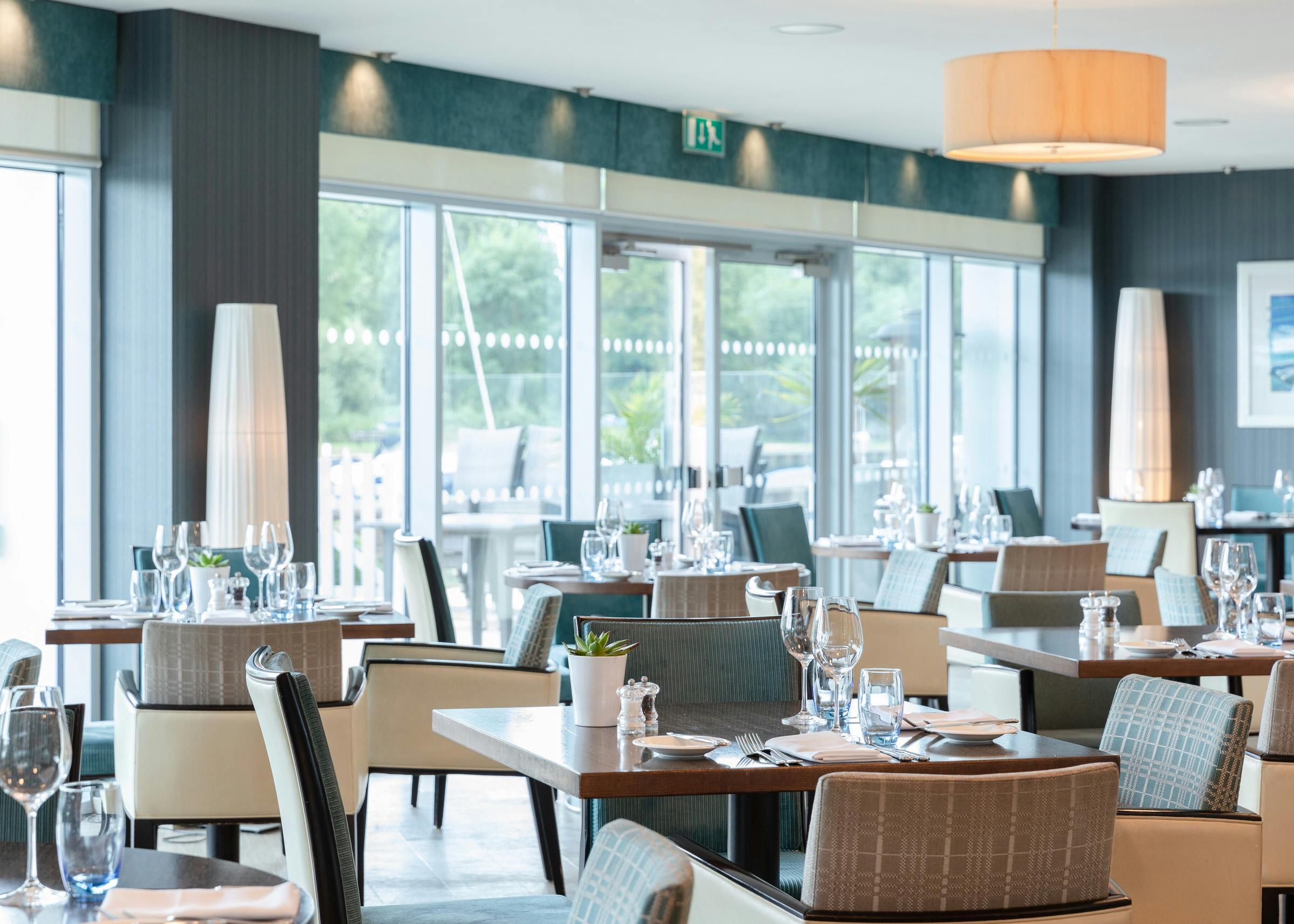
All of the wedding food comes from the hotel’s own kitchen, and outside caterers are not used. The Club Restaurant holds two AA Rosettes under head chef Mo Sabbir and looks over the Stour, and in the warmer months lunch and dinner can be taken on the riverside terrace.
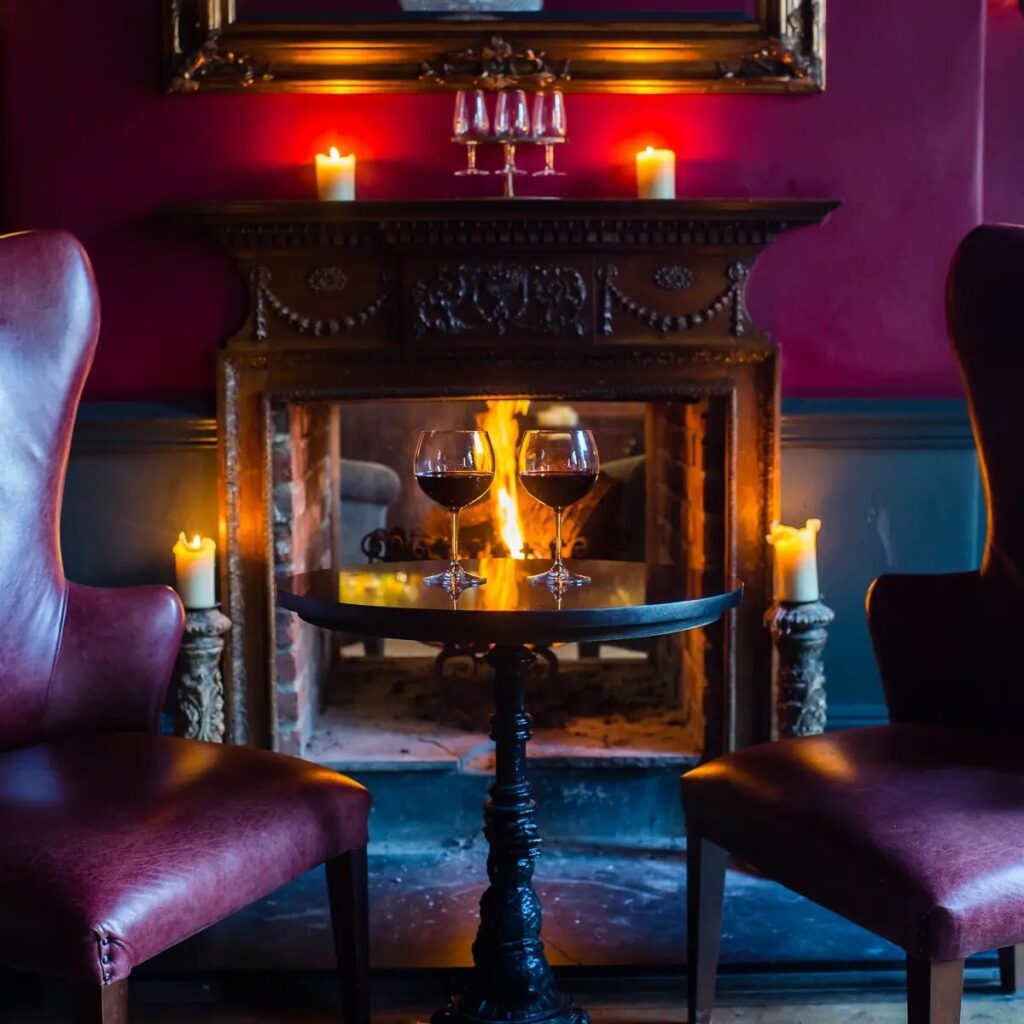
Drinks are taken in the recently refurbished Quay Bar, which has a fireplace and views of the river, or in the Club Lounge, a quieter room for armchairs and a drink before dinner. Guests who stay the night have breakfast the next morning looking out at the boats.
Staying above the moorings
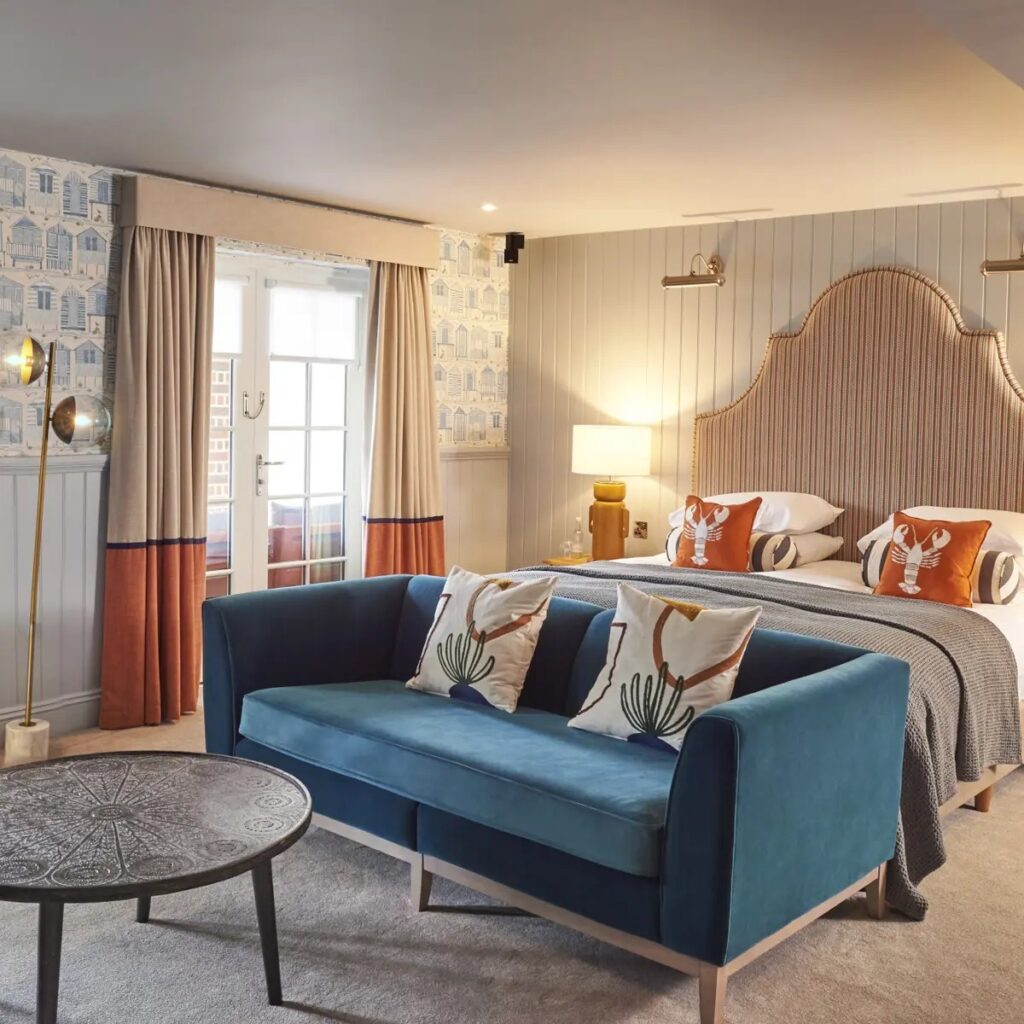
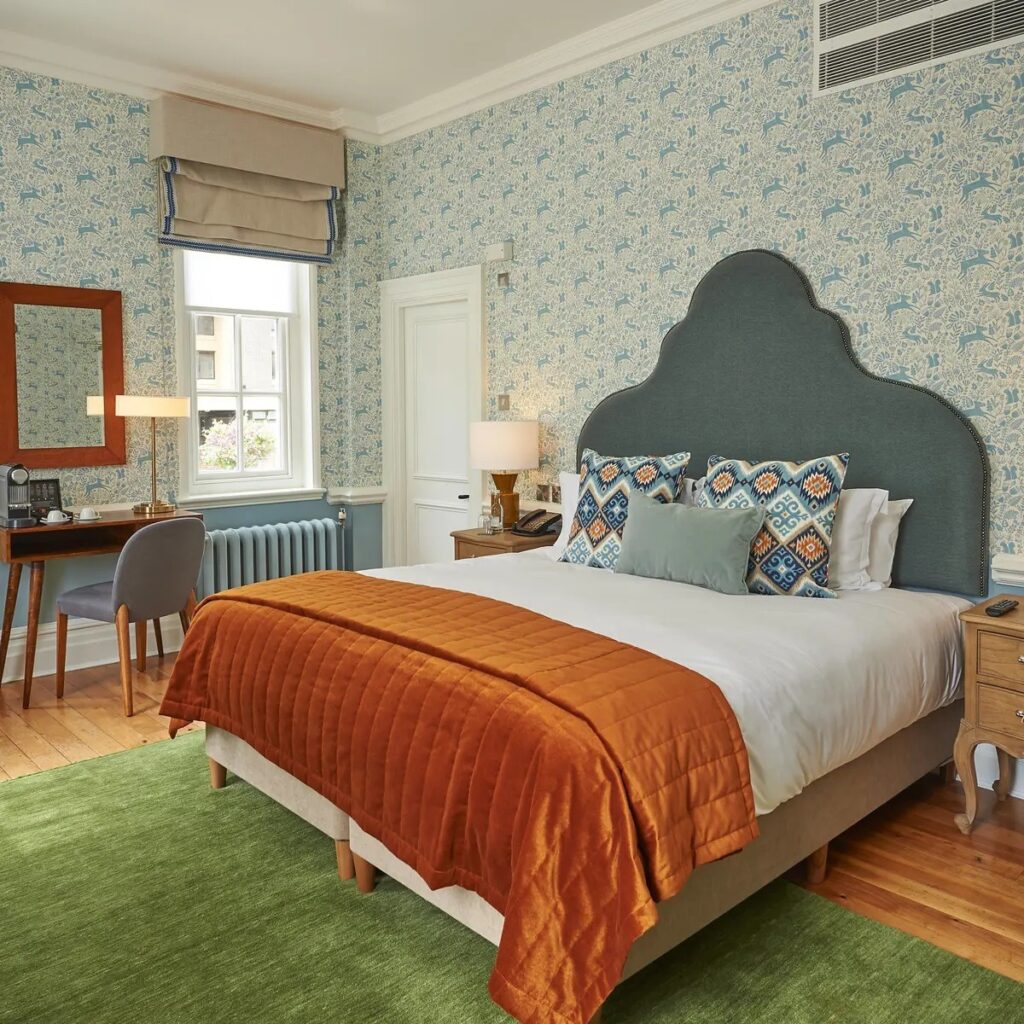
There are 29 bedrooms: 17 double and twin rooms and 12 suites of two or three bedrooms. The types run from the Staterooms, and a double adapted for wheelchair users, up to Junior Suites and the larger suites, with the Three Bedroom Suite sleeping six. Many rooms look over the river or the marina.
The CC Spa is compact. It has four treatment rooms using ESPA for face and body and CND for nails, a hydrotherapy pool with a Jacuzzi and a resistance jet for guests aged 16 and over, a sauna, poolside loungers and a private sun terrace. The pool is kept for hotel residents and spa day guests, so a wedding party staying the night can use it the next morning.
The harbour beyond the quay
Captain’s Club sits at the western end of the quay and open ground known locally as the Quomps, with Christchurch Priory at the far end. The Christchurch Regatta, held every year since 1909 around the second week of August, brings rowing races to the Stour and a funfair to the town quay. The Priory was begun in 1094 by Ranulf Flambard, then Dean of Twynham, and the town, first named Twynham for its place between two rivers, came to be called Christchurch after it.
The Avon joins the Stour beside the Priory, and both run into Christchurch Harbour, a shallow harbour with a double high water on each tide. It reaches the sea through a narrow channel known locally as the Run, between Mudeford Quay and Mudeford Spit, with Hengistbury Head along its southern side. For guests staying on, kayaks and paddleboards can be hired beside the hotel, the river ferry runs down to Mudeford Sandbank in season, and the Boat Club runs skippered charters along the coast for hotel guests.
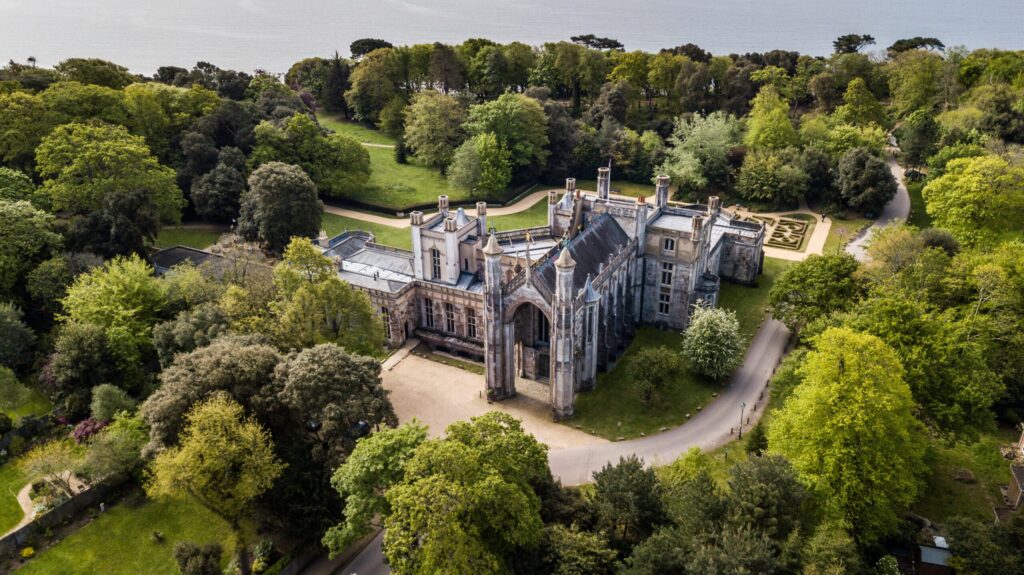
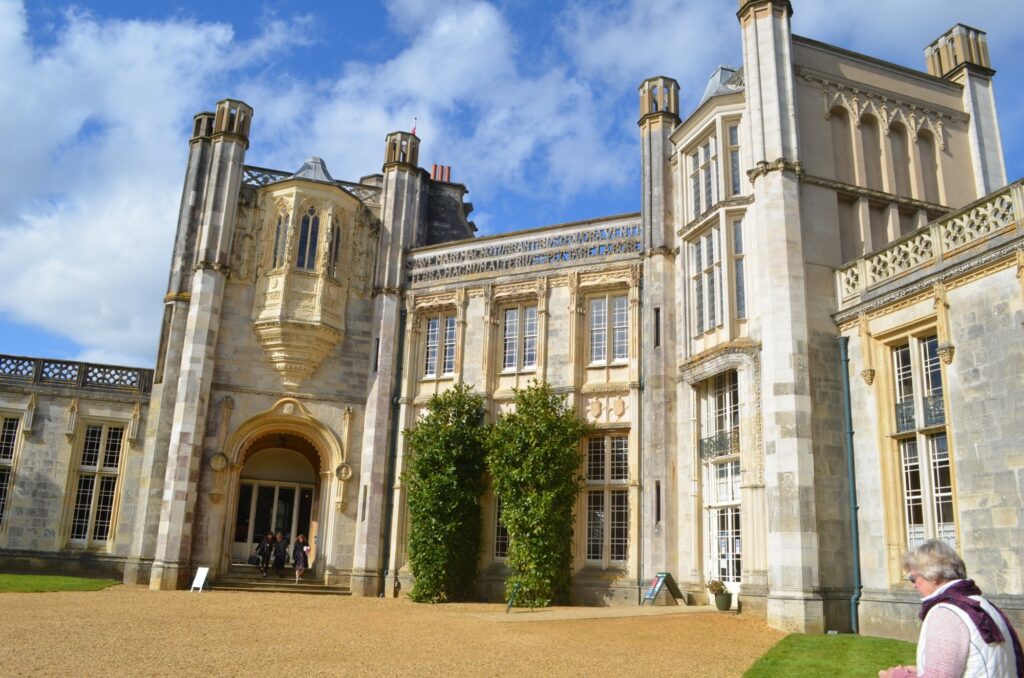
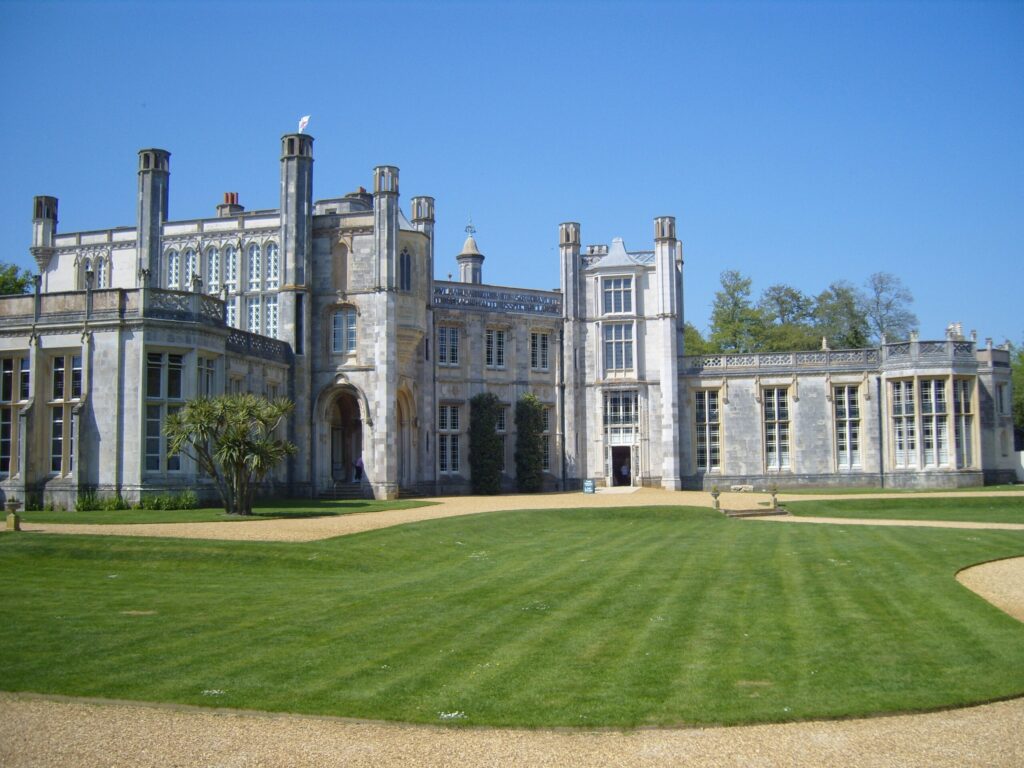
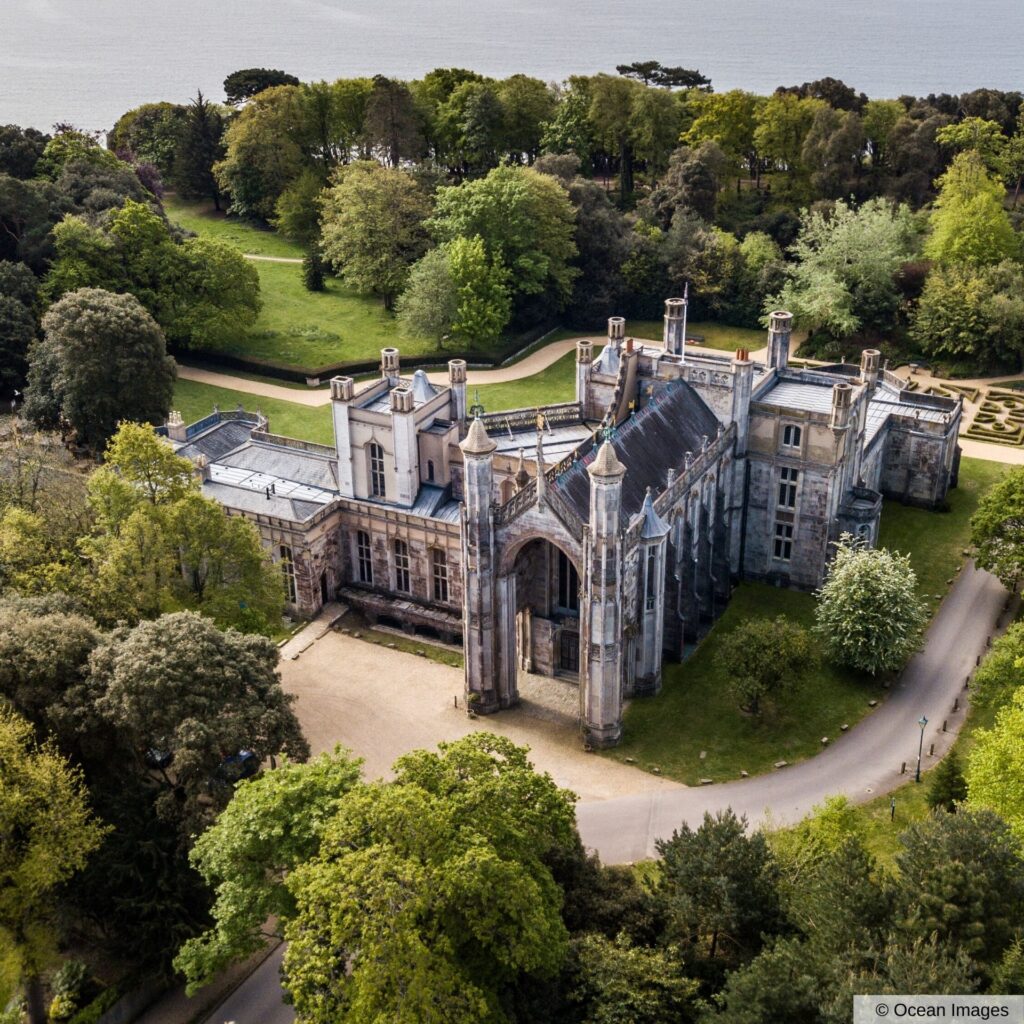
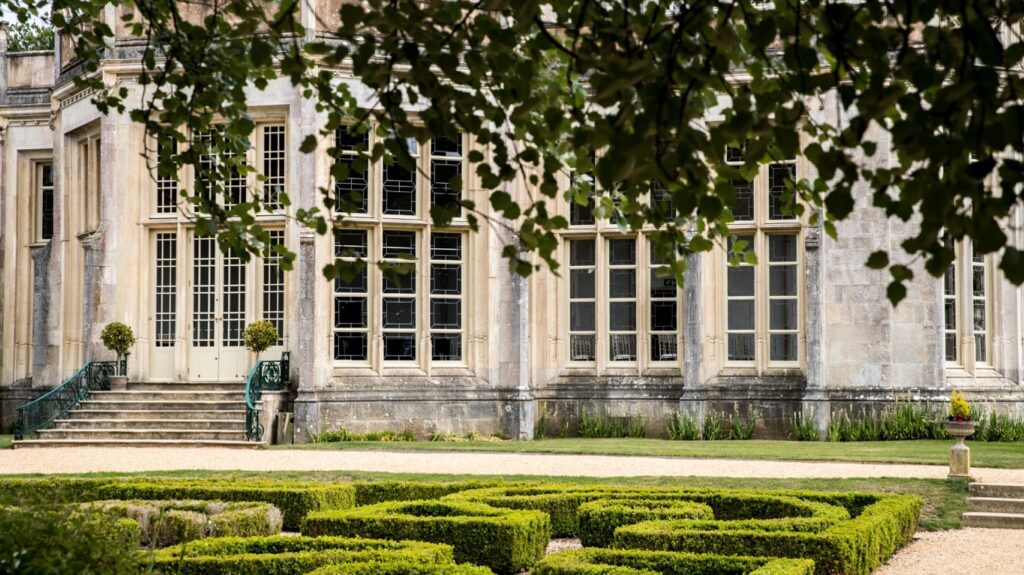
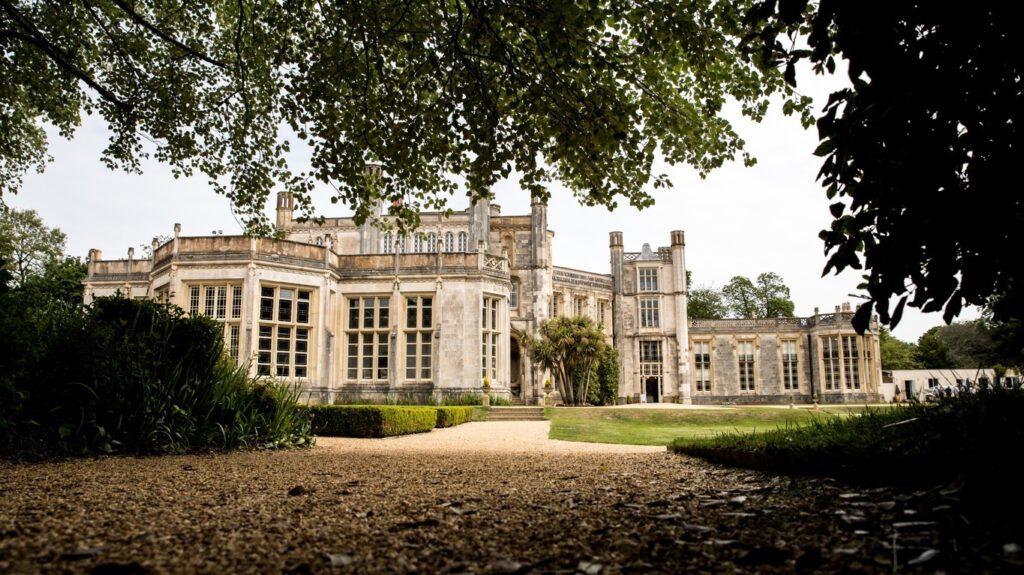
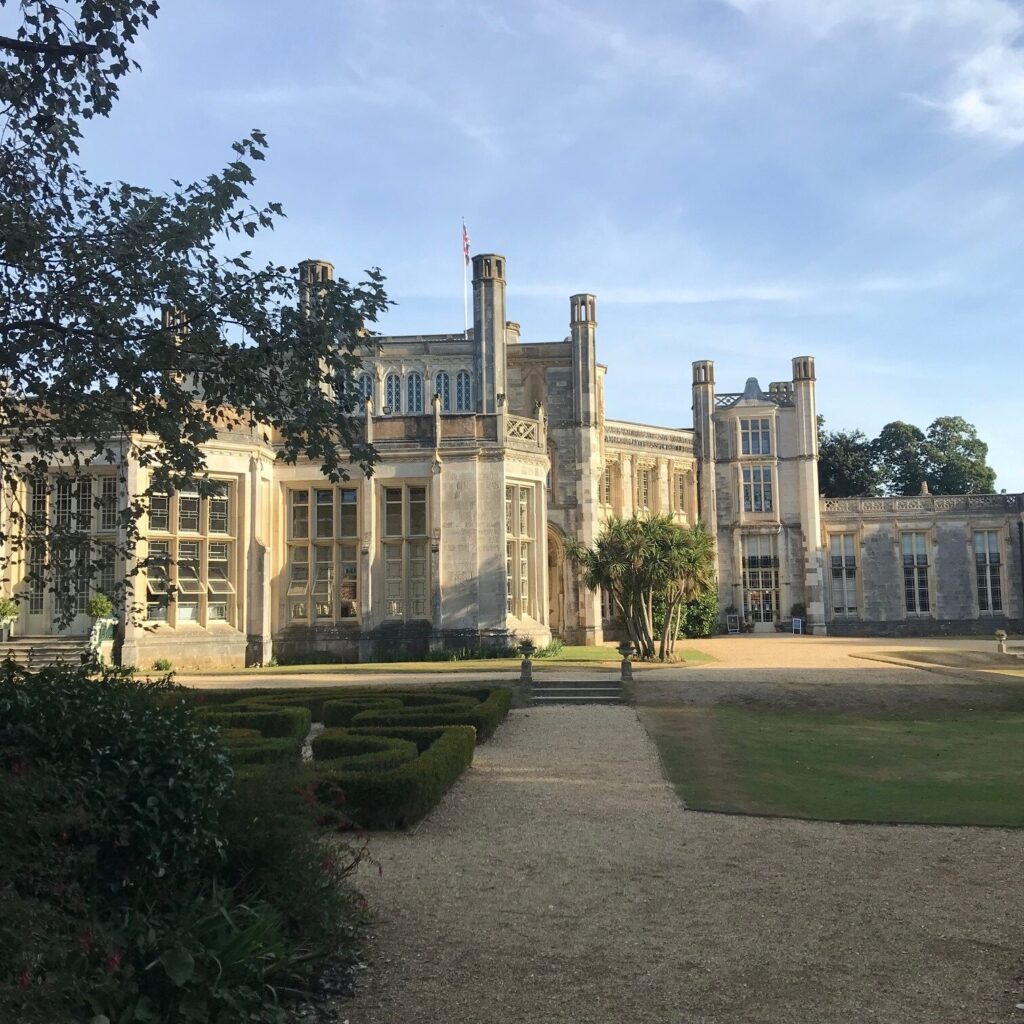
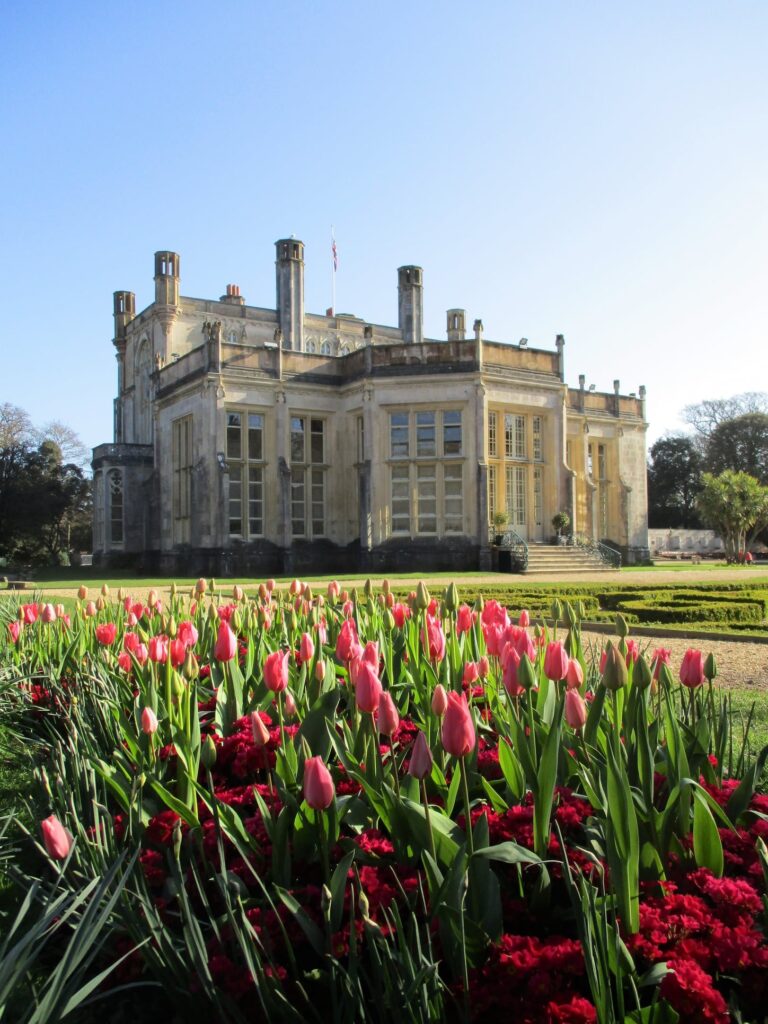
Bournemouth Airport is four miles away, about 15 minutes by car, and Southampton Airport is 24 miles. Christchurch station, on the South Western Railway line, is under a mile away. The hotel has 40 parking spaces, two of them accessible bays, with electric vehicle charging; residents park free and day guests pay the car park tariff. For another wedding on this stretch of the coast, read our Edit on Highcliffe Castle, browse Dorset wedding venues or open the United Kingdom Wedding Atlas.
Afternoon tea or the full day
The choice that shapes a wedding at Captain’s Club is how long the day runs. Coral keeps it to the daylight hours: vows in the Waterside Suite and afternoon tea for up to 50, with the river at the windows from the first toast to the last cup. Oyster carries the same room on through a three course dinner and a DJ until midnight, with ten bedrooms held upstairs so the wedding party wakes above the moorings. The hotel suits couples who want an indoor civil wedding with the river always in view; those set on outdoor vows should look elsewhere, as there are no gardens. Read the Captain’s Club Hotel & Spa profile and check your date.