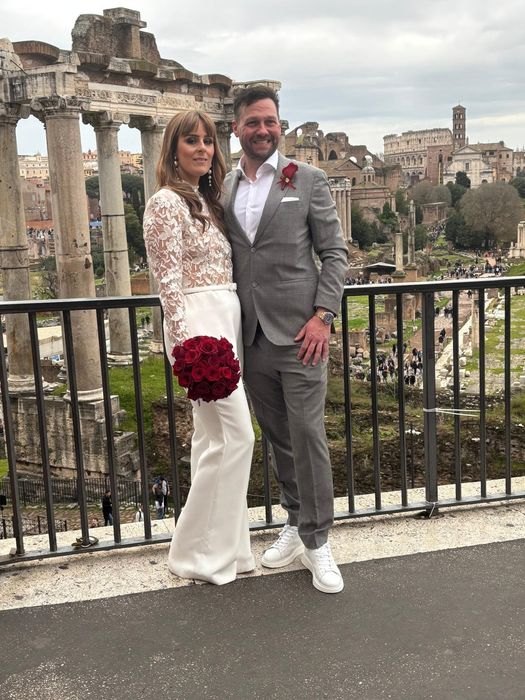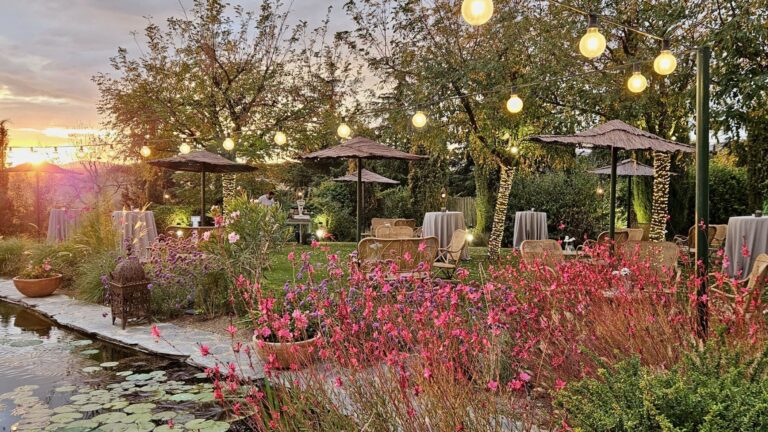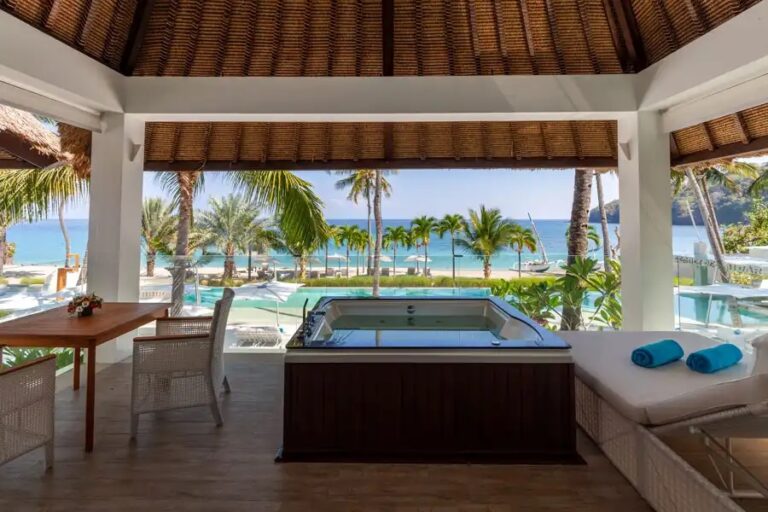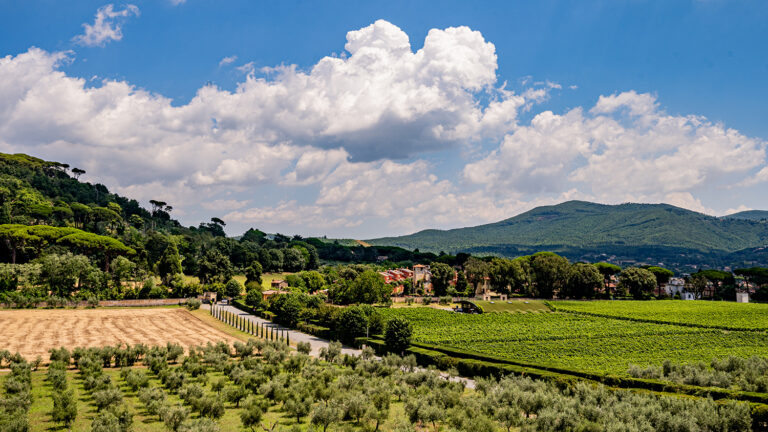
Most couples who marry in Rome visit it only once or twice before the wedding. Lily Happens, a planner based in the city and founded by Giovanna, works for exactly those couples: it finds the venue, the suppliers and the paperwork on the ground, and the couple arrive to a wedding that is already in place. Three of its weddings show how differently that can turn out, from a film inspired reception in a nineteenth century palace to a wedding that moved across the city.


Three weddings in three parts of Rome
Hollie and Charlie at Palazzo Brancaccio
Hollie and Charlie chose a theme from one of Rome’s most famous films, Roman Holiday, and turned the reception into a journey through the Rome of the 1950s. They held it at Palazzo Brancaccio, on the Esquilino, a palace often described as the last princely residence built in Rome. Prince Salvatore Brancaccio, from an old Neapolitan family, married the New York heiress Mary Elizabeth Field in 1870, and her fortune paid for the house; construction began around 1879 under the architect Gaetano Koch, and the building was finished by others after him. Today the palace hosts events, a restaurant and a museum of Oriental art. At Hollie and Charlie’s wedding the halls hosted the formal moments of the day and the gardens the more relaxed ones.
Lily Happens developed the concept, which was to evoke the film without recreating it: a refined retro look, understated sophistication and the lightness of Italian hospitality, set against the weight of the palace. The agency handled the design, the space planning, the choice of suppliers and the coordination of the wedding day.
Annette and Kyle at Villa Aurelia
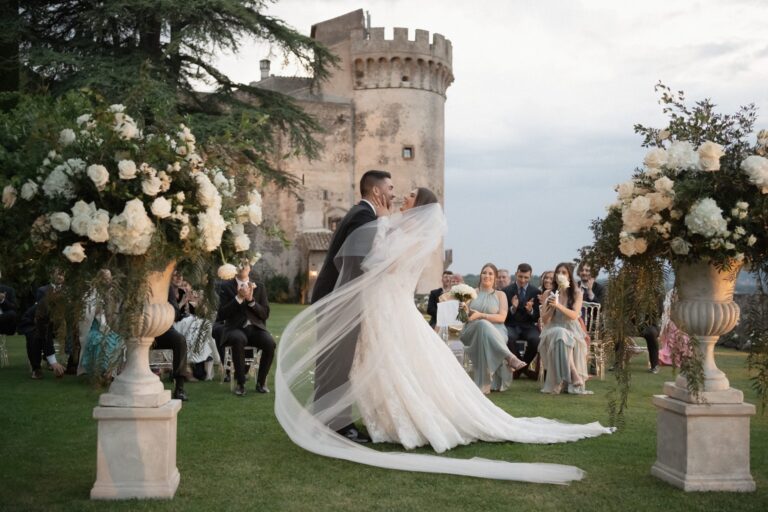
Annette and Kyle married at Villa Aurelia, on the Janiculum hill, which was built for Cardinal Girolamo Farnese in the 1650s. Giuseppe Garibaldi used it as his headquarters in 1849, during the defence of the Roman Republic, and French artillery damaged it badly. It passed to the American Academy in Rome in 1909, when the American heiress Clara Jessup Heyland bequeathed it, and it now hosts conferences, receptions and concerts. Their weekend began with an intimate welcome aperitivo in Trastevere and moved to the villa for the wedding itself, with floral arrangements and a tablescape designed to their style. The weather that weekend was unpredictable, and the plan B the agency had prepared was used. Annette and Kyle later wrote that having a planner who is local to Rome and responsive throughout made a real difference.
Sharelle and Damon across the city
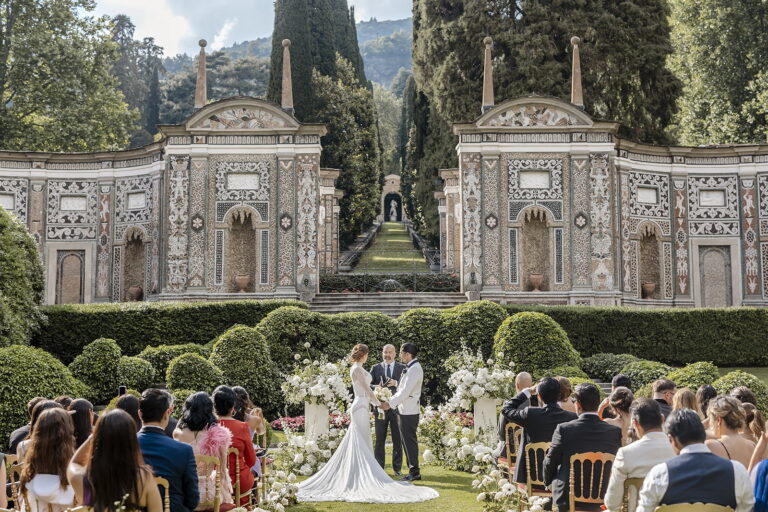
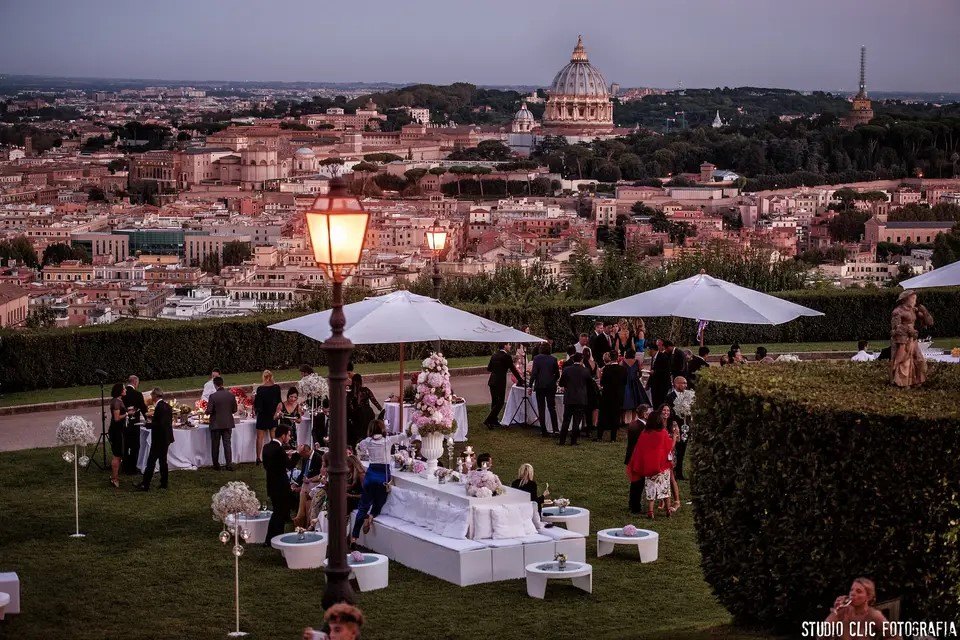
Sharelle and Damon wanted more than a one day celebration. With 40 guests travelling from around the world, Lily Happens designed what it calls an itinerant wedding, a series of settings through Rome. It opened with a welcome aperitivo, and the agency arranged a surprise photo shoot for the couple that evening. The next day the ceremony took place at the Horti Sallustiani, once part of the gardens commissioned by the Roman historian Sallust in the first century BC. Guests then moved to an aperitivo in Trastevere, whose name comes from the Latin trans Tiberim, “beyond the Tiber”, and to dinner at Meo Patacca, a traditional restaurant on the Piazza dei Mercanti.
The agency managed the creative direction, the logistics, the supplier coordination, the timelines, the guest experience and the transfers between each location. For a wedding that changes place four times in two days, the transitions are the planning.
What the settings have in common
The three weddings share little in style. Brancaccio is a late nineteenth century palace built with American money, Villa Aurelia a seventeenth century cardinal’s villa with a military history, and the Horti Sallustiani the site of a garden laid out two thousand years ago. What they share is a history a guest can read on the spot. Lily Happens treats the venue as the first decision, and these three show the range it works across, from a palace in the centre to a villa on the Janiculum and an ancient garden.
How a venue is chosen
Lily Happens treats the venue as the first decision, because it sets the legal format of the ceremony, the guest capacity and the logistics, and the agency puts it at roughly 40 to 50 percent of the total budget. It tests each venue against five points. Is the location licensed for a legally binding civil ceremony, or suited to a symbolic or religious one? Is there real usable space for the ceremony, the aperitivo, dinner and dancing, not just the brochure capacity? Does an outdoor venue have a credible wet weather alternative on site? How far is it from the city centre and from hotels, and what are the transfer times, parking and accessibility for guests from abroad? And what restrictions apply, such as curfews, noise limits, catering tied to the venue, music cut off times and permits for historic properties?
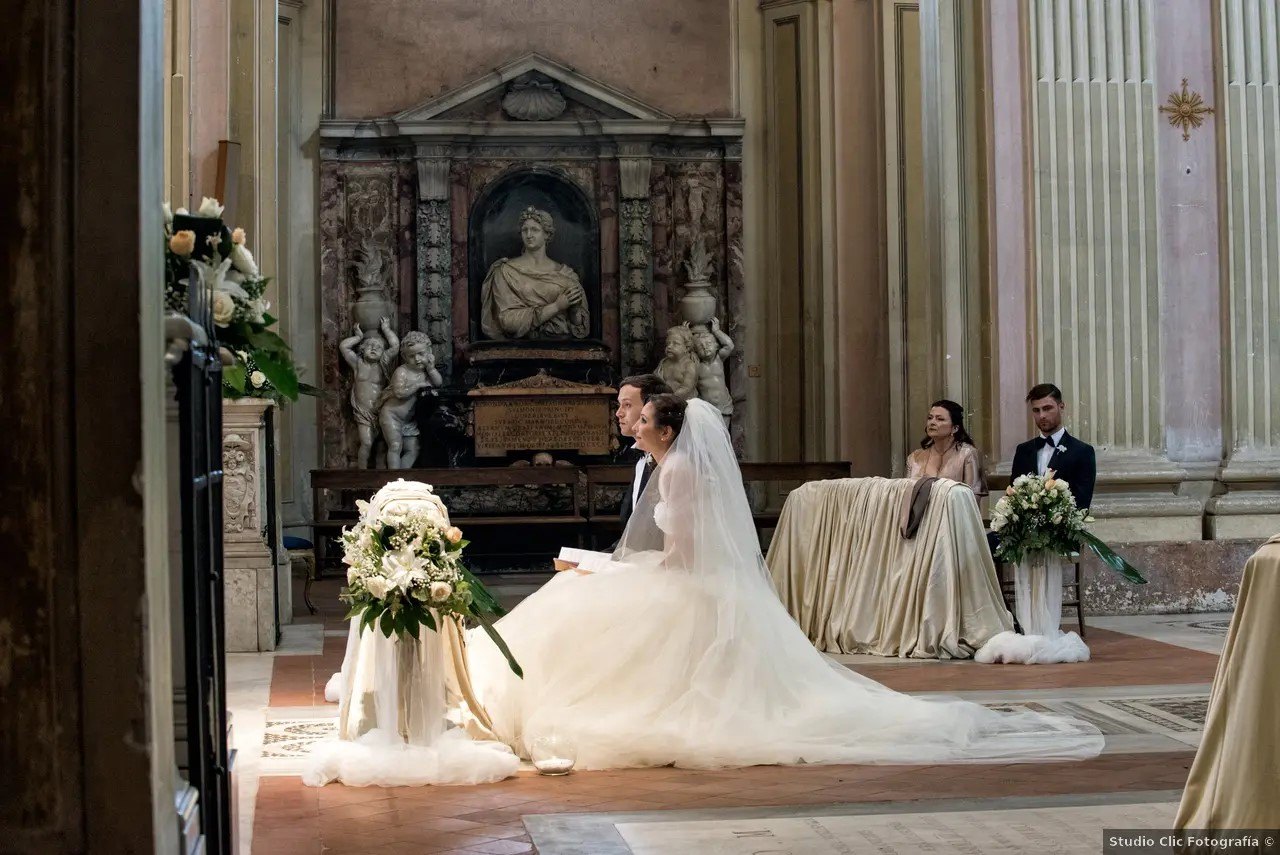
The agency shortlists venues that match the couple’s style and guest number, arranges a venue hunting itinerary with transport between the locations, and gives the couple a written comparison of pros, cons and the real total cost of each venue, not only the rental fee. It describes four kinds of setting: historic villas with gardens, suited to 60 to 150 guests; rooftops and terraces with city views for intimate weddings and welcome dinners; countryside estates outside Rome, with more space and flexibility on timings and music; and palazzi, the safest choice for winter dates and large formal dinners. One couple who planned a 60 guest weekend credit Giovanna with organising full venue hunting itineraries, even driving them between locations, before they chose Palazzo Brancaccio.
A budget before the suppliers
The agency starts from the couple’s total budget and allocates it before it approaches a single supplier. The total is split into venue, catering, flowers and décor, photography and film, music and entertainment, beauty, stationery, transport, permits and a contingency. The couple say what matters most, whether photography, food or flowers, and the agency allocates more there and less where it will not be noticed.
Each category is then proposed with two or three options already inside the price range, with what is and is not included stated clearly. Quotes are checked for overtime, service charges, VAT, travel fees, rentals, staff meals, and set up and breakdown, because Italian quotes are not standardised and two equivalent offers can differ by thousands of euros once those items are added. The couple can see at any time what has been committed, what has been paid and what remains open.
Suppliers who have already been tested
The agency works with a core network of florists, caterers, photographers, videographers, musicians, hair and make up artists, transport and rental suppliers it has worked with on completed weddings in Rome. To keep the network current, it tests one new supplier on each wedding in a low risk role, alongside the proven team. A supplier who falls short on quality, punctuality, communication, flexibility or professionalism is replaced before the wedding day, never on it, and established suppliers are reviewed after every event.
The paperwork for a foreign couple
For foreign couples, the paperwork and legal requirements to get married in Italy need to be assessed on a case-by-case basis, and Lily Happens can guide you through the process and help you navigate the necessary documentation.
When to start
For a full wedding weekend in Rome the agency suggests 12 to 18 months, and 8 to 12 months is workable. Intimate weddings and elopements can be organised in a shorter time. A couple do not need to travel to Italy before the wedding, though the agency can plan full venue hunting itineraries when they do. It also plans the days around the wedding: hotels, transfers, a welcome dinner and a farewell brunch for guests.
Planning with Lily Happens
The agency has a contact form for free advice, and couples should send the date range, the guest number, the type of ceremony and any venues they already have in mind. The agency also writes about Rome on its blog, from places for wedding photographs to marriage proposals. For the city and its wedding settings, open the Rome Wedding Atlas.
Lily Happens suits couples who want a wedding in Rome shaped around a venue with real history, and who need someone in the city to manage suppliers, paperwork and guests while they plan from elsewhere. Couples who know what they want can read the Lily Happens profile and check your date.