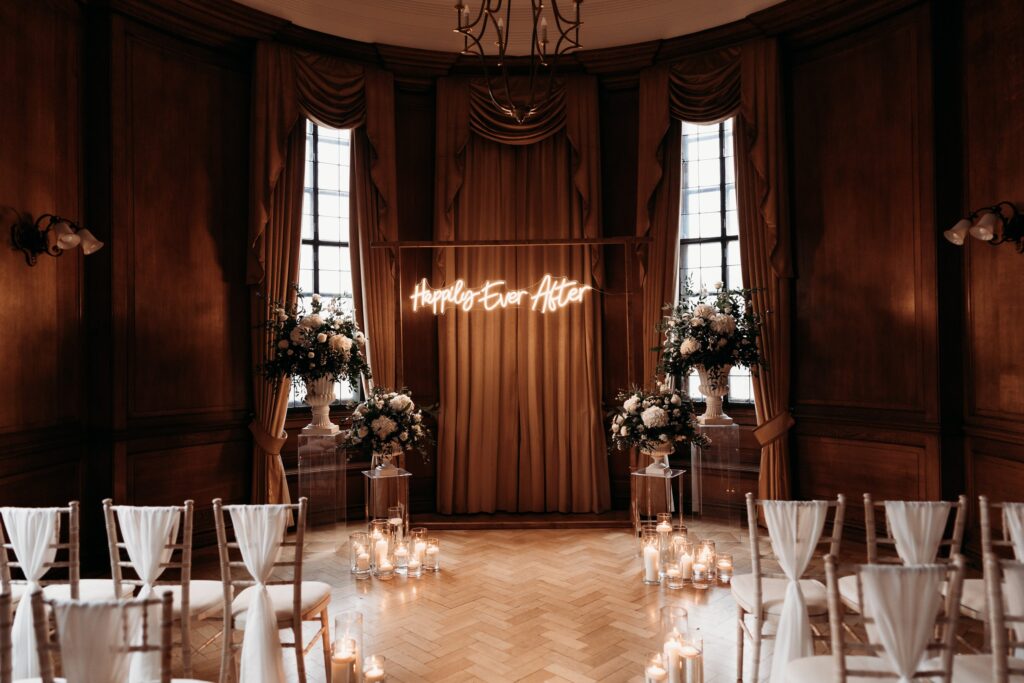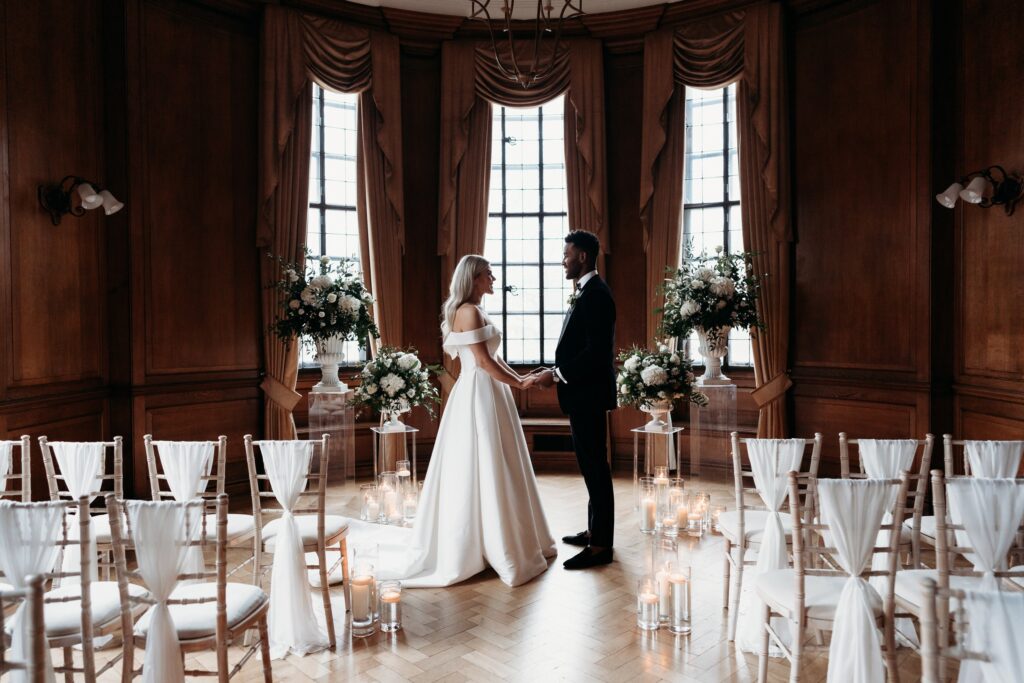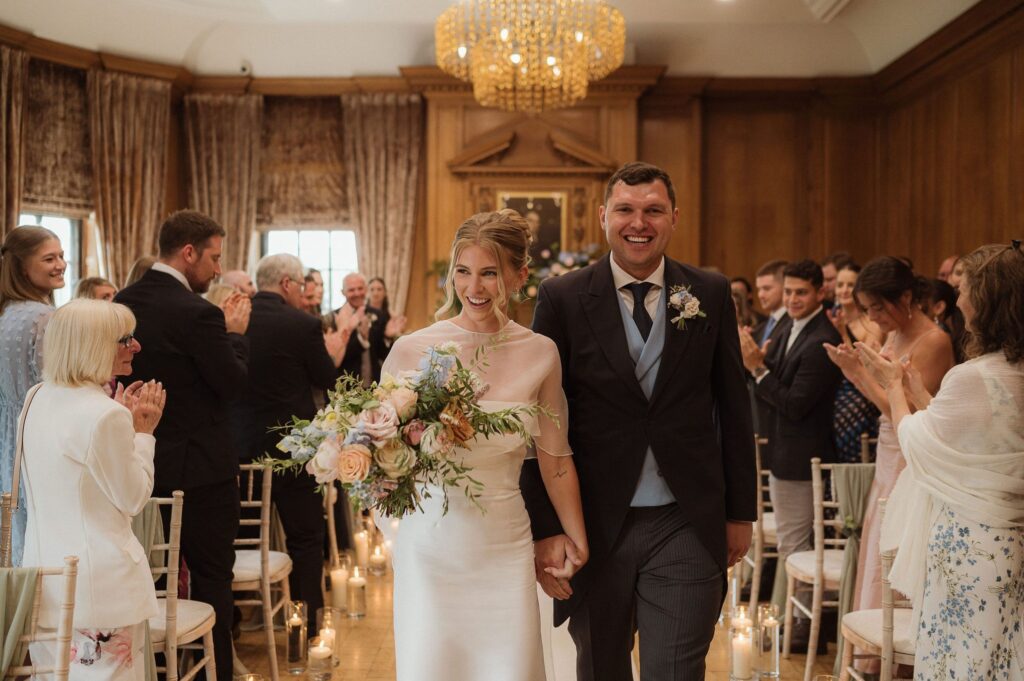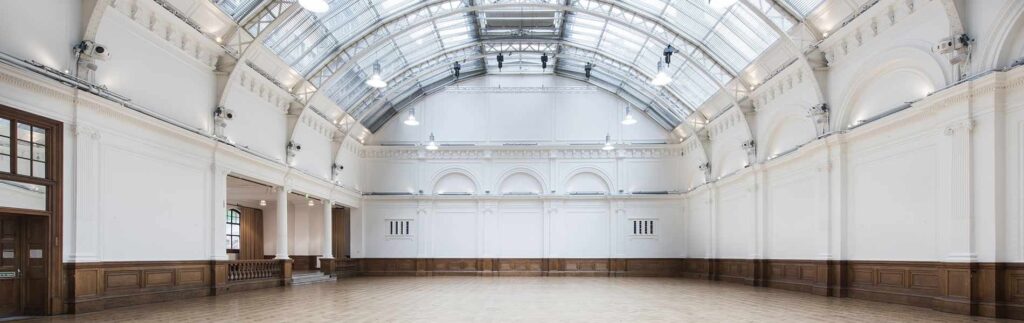
For most of the last two hundred years, the bank barn at Askham Hall was barely used. It was built in the mid 1700s for a working estate, with a threshing floor and bays for hay, oats and barley on the upper level and byres, stables and a cart shed beneath. When the Lowther family turned their house into a restaurant with rooms and a wedding venue, the barn became the wedding room: up to 150 guests sit down to dinner under its beams, and 200 can stay on for the evening. The house it serves stands in the village of Askham, near Penrith, inside the Lake District National Park.

A tower above the River Lowther
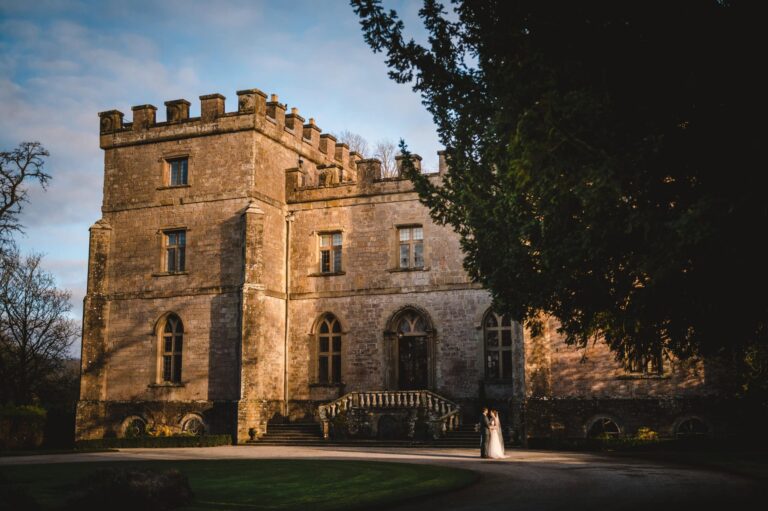
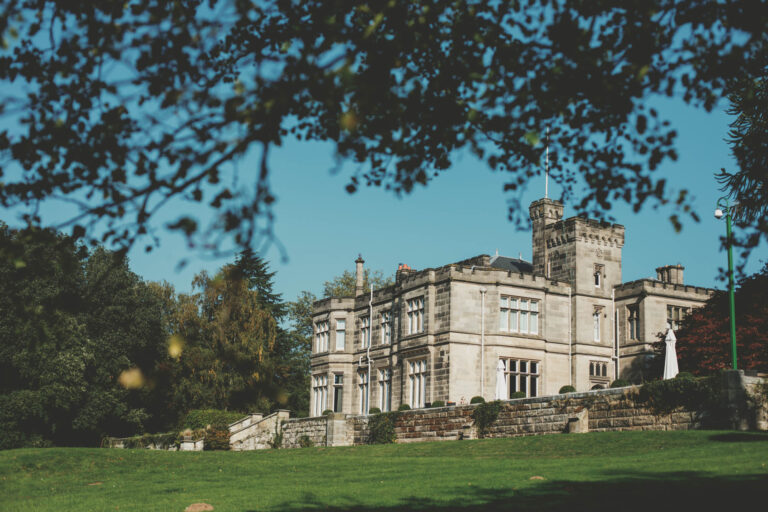
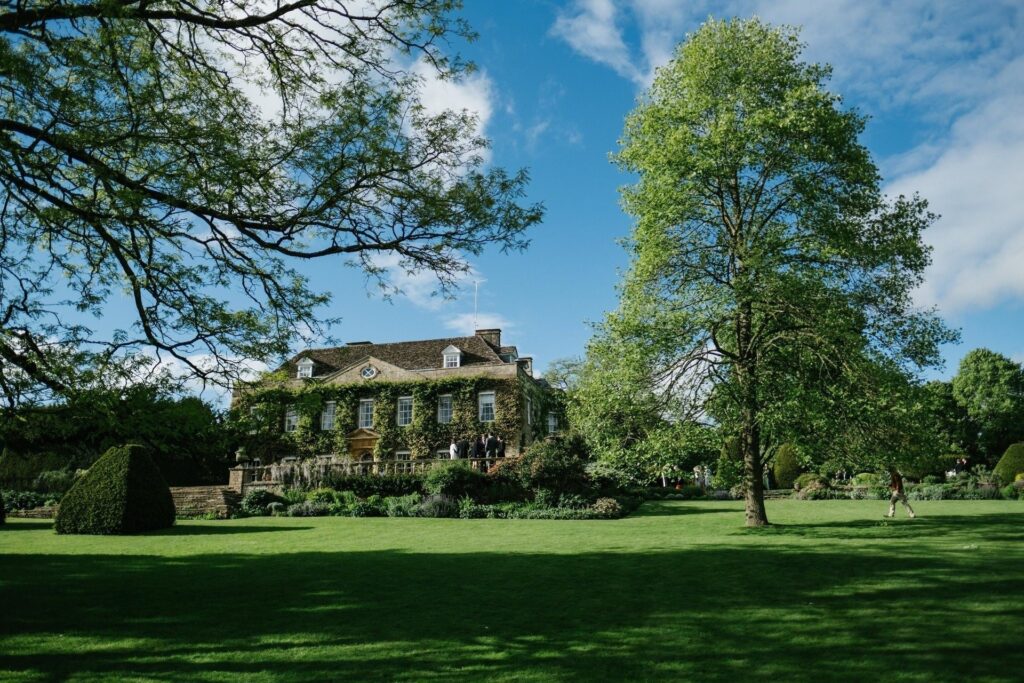
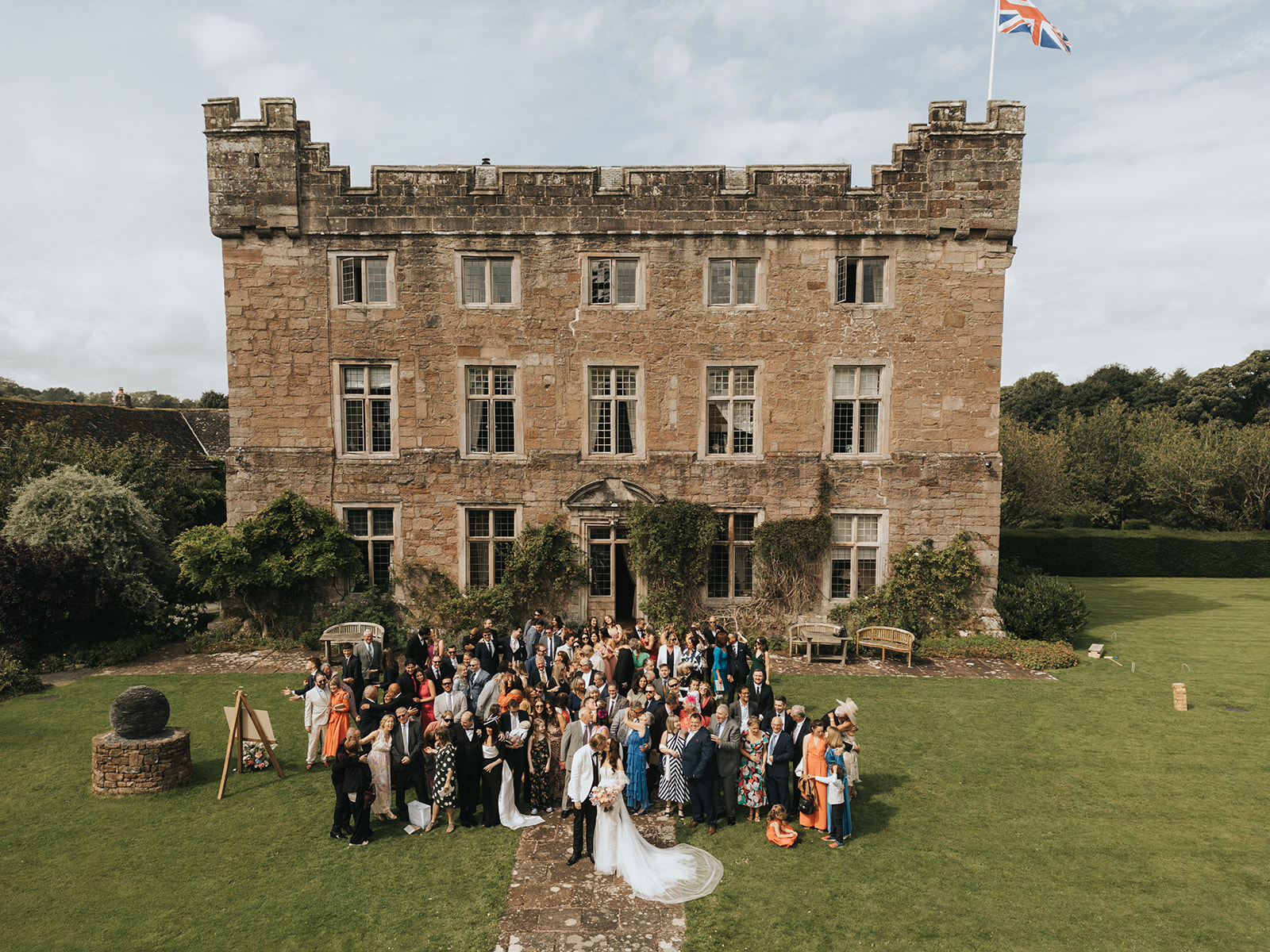
Askham Hall looks over the valley of the River Lowther, on the opposite bank from Lowther Castle, and sits beneath Askham Fell, sheltered from the winds higher up. Its oldest part is a pele tower of the fourteenth century, built when this was disputed country between England and Scotland and the village needed a strong house to take refuge in during raids. The tower now forms the south wing, altered around 1700. The Sandford family turned the stronghold into a much larger house; a datestone in the service ranges around the courtyard records Thomas and Anne Sandford and the year 1574. The whole building has been listed Grade I since 1968.
The Lowthers came to own Askham later. In the 1930s, as Lowther Castle was given up, Askham was renovated as a family home: it was electrified, the plumbing was renewed, the courtyard rooms were remodelled with large windows, and the entrance porch was added. The family of the 7th Earl of Lonsdale lived here until 2012. Prince Philip, who helped the 7th Earl establish the carriage driving event at the Lowther Show, stayed for show week, and for nearly 30 years his room was the Admiral’s Room.
After the 7th Earl’s death, the family judged the house too large for one household. Caroline, Countess of Lonsdale, and her children, Charles Lowther and Marie-Louisa Raeburn, arranged its conversion, and the conservation architects Feilden Clegg Bradley planned the change of use. Charles Lowther now owns Askham Hall, which belongs to the CIEL Hotels group with the Queen’s Head in the village and the George and Dragon at Clifton. The restaurant, Allium, holds a Michelin star: Richard Swale has been head chef since the hall opened and won the star in 2019.
From threshing floor to wedding breakfast
Bank Barn was built to a working plan. The threshing floor ran through the centre of the upper level, with storage bays on either side; the byres and stables lay below, in what is now the café, and the cart shed stood where the kitchen is, under the bar. Mary Lowther painted the barn in the late 1700s, and her picture hangs in the bedroom called Yew.
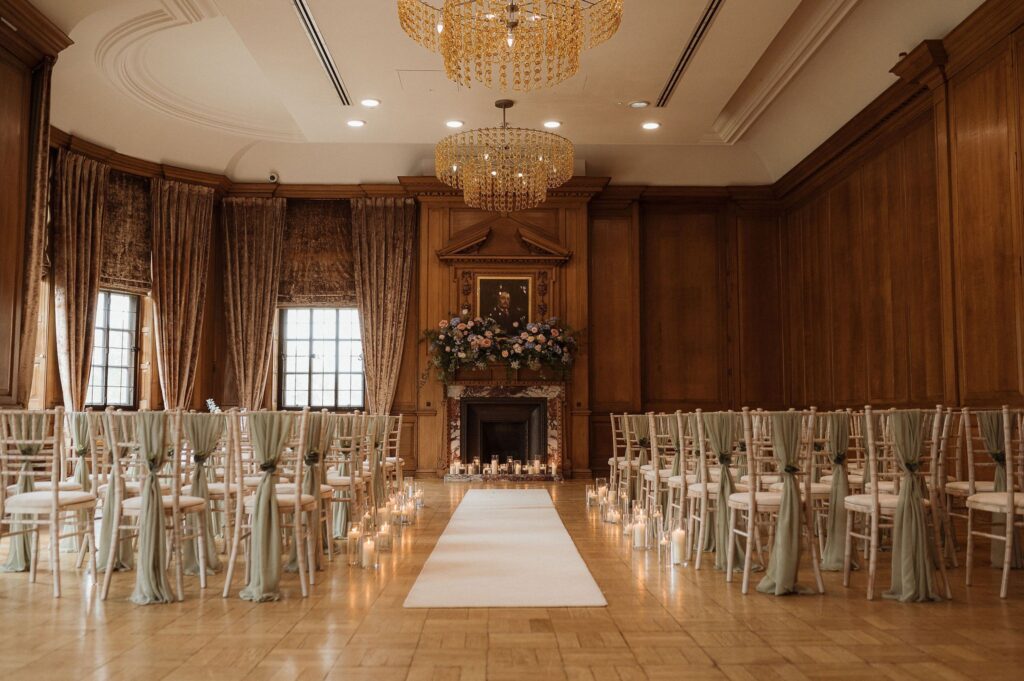
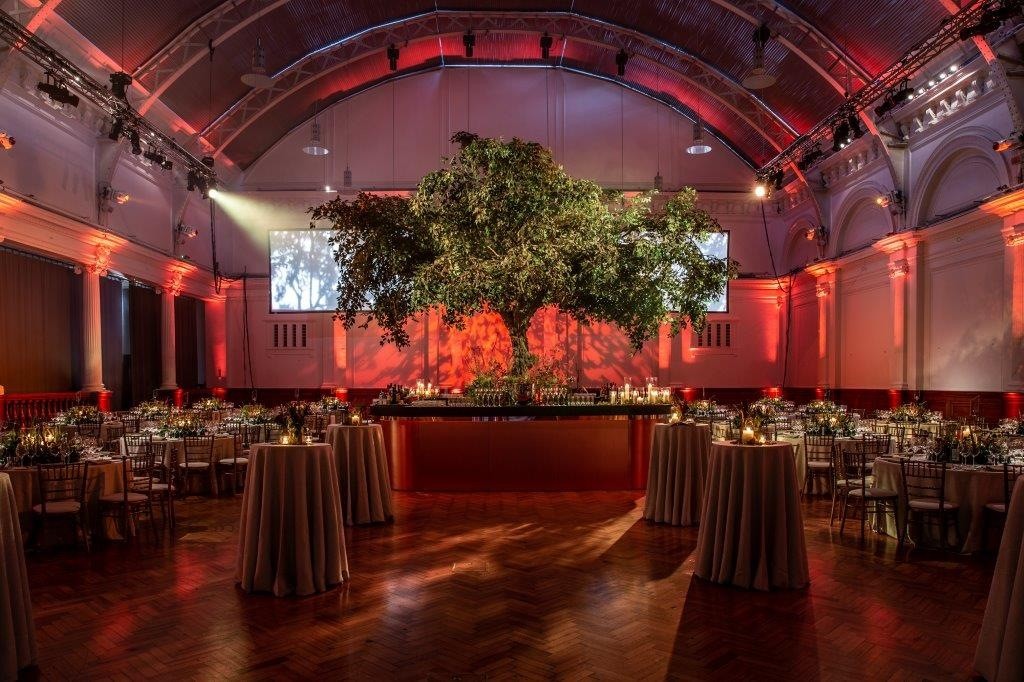
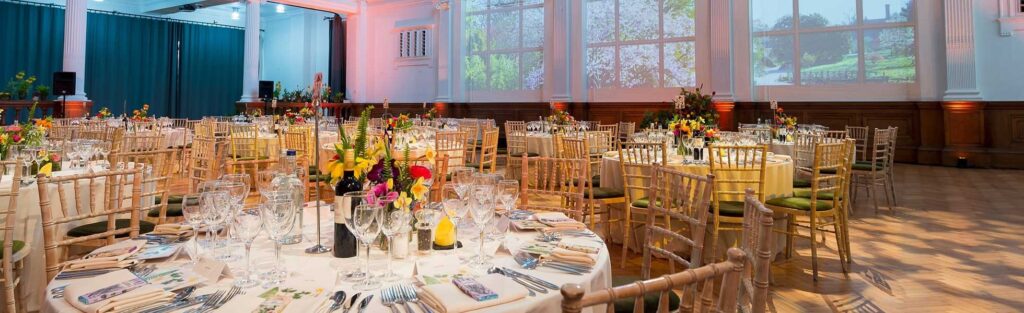
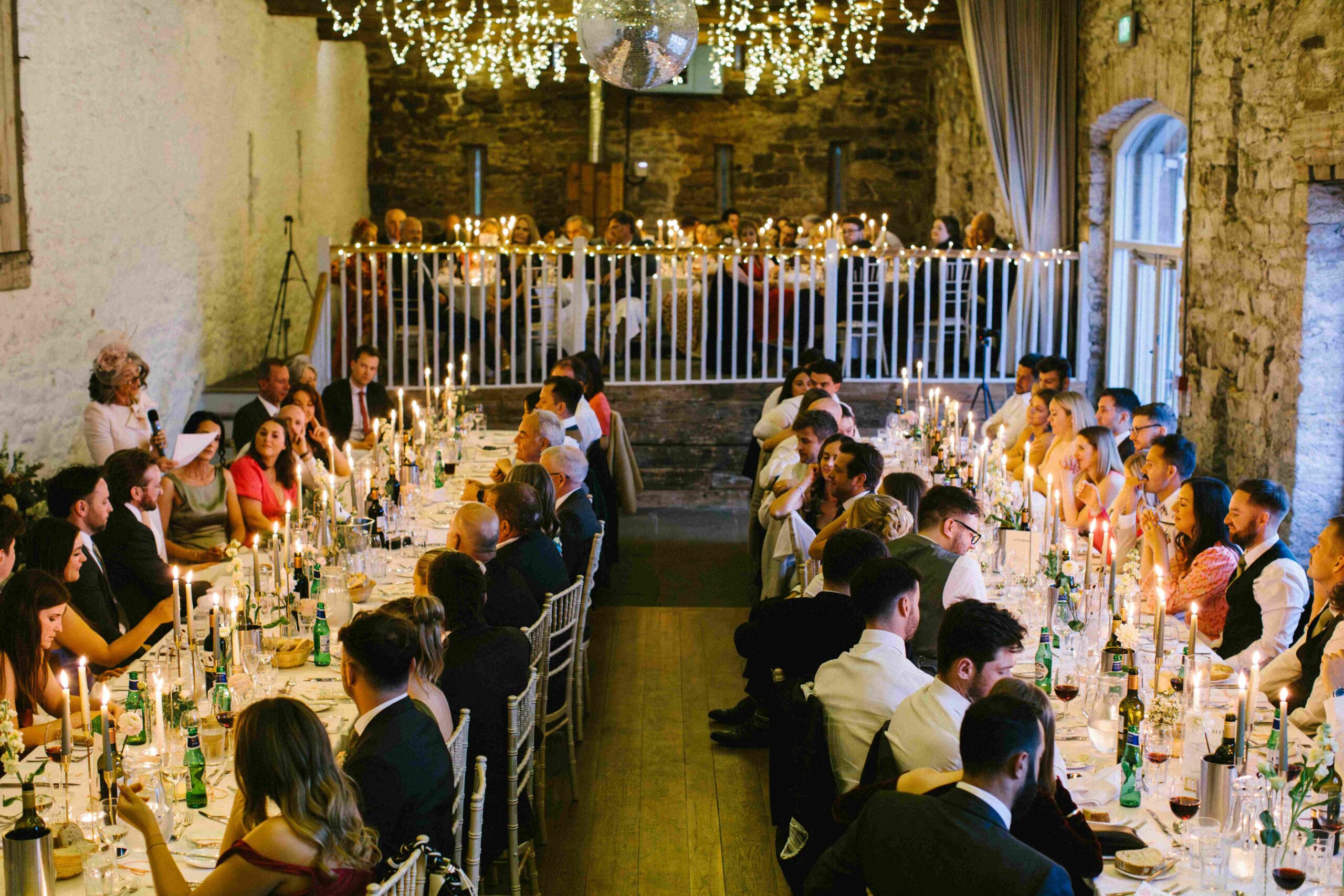
For a wedding the barn takes up to 150 guests for the wedding breakfast and the speeches, on round tables of ten or on long banqueting tables, and up to 200 for the evening. The ceiling is high and vaulted, the beams are exposed, and the room opens onto a paved terrace hung with festoon lights. Couples can get in from noon the day before to dress it. Venue hire covers a wedding coordinator, the tables and limewash Chiavari chairs, white linen, crockery, cutlery and glassware; microphones for the speeches and fairy lights inside the barn are charged as extras. Bands and DJs are welcome, a sound limiter is fitted, and the bar closes at 12.30am. The toilets and baby changing room are on the barn’s lower level, which has no lift.
Four places to marry, and two churches
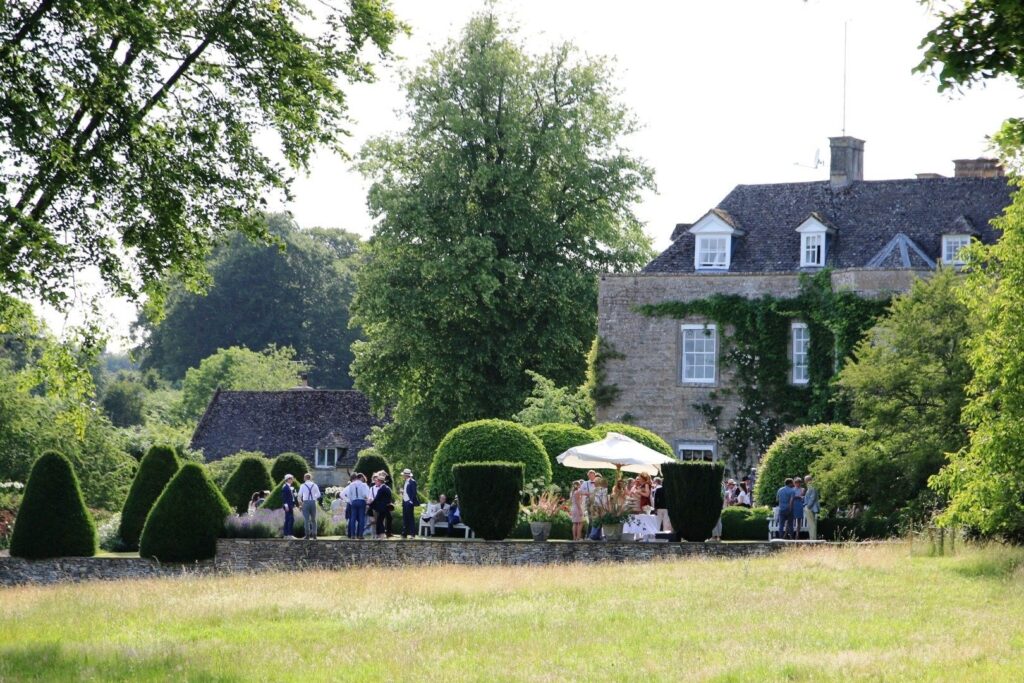
Ceremonies can take place in four settings on the estate. The Garden Pavilion and Bank Barn each hold up to 150 guests, the Medieval Hall 70 and the main house 32, and couples can choose a civil ceremony or a humanist ceremony led by a celebrant. The front lawn is the setting most couples ask for. Two churches are close by. St Peter’s, the nineteenth century village church above the River Lowther, is a short walk through the gardens by its own gate, and St Michael’s at Lowther, a thirteenth century church on the hill, looks across to Lowther Castle.
After the ceremony, drinks are served either in the Front Hall and on the lawn or in the Medieval Hall and the kitchen garden. With the minimum room booking in place, either option comes without a hire charge.
Lady Lonsdale’s gardens
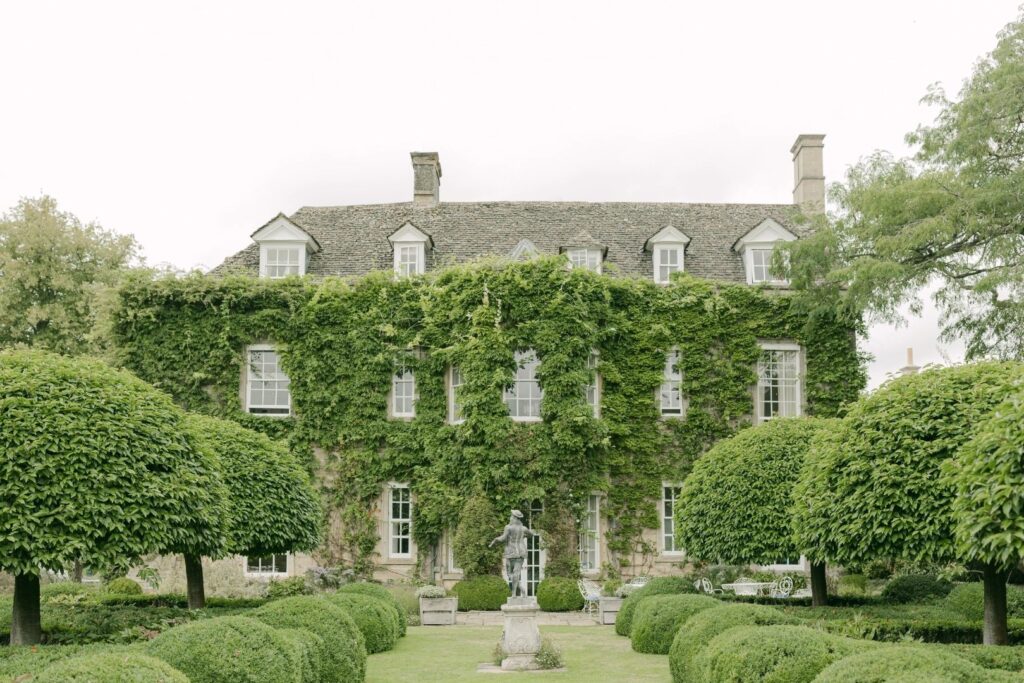
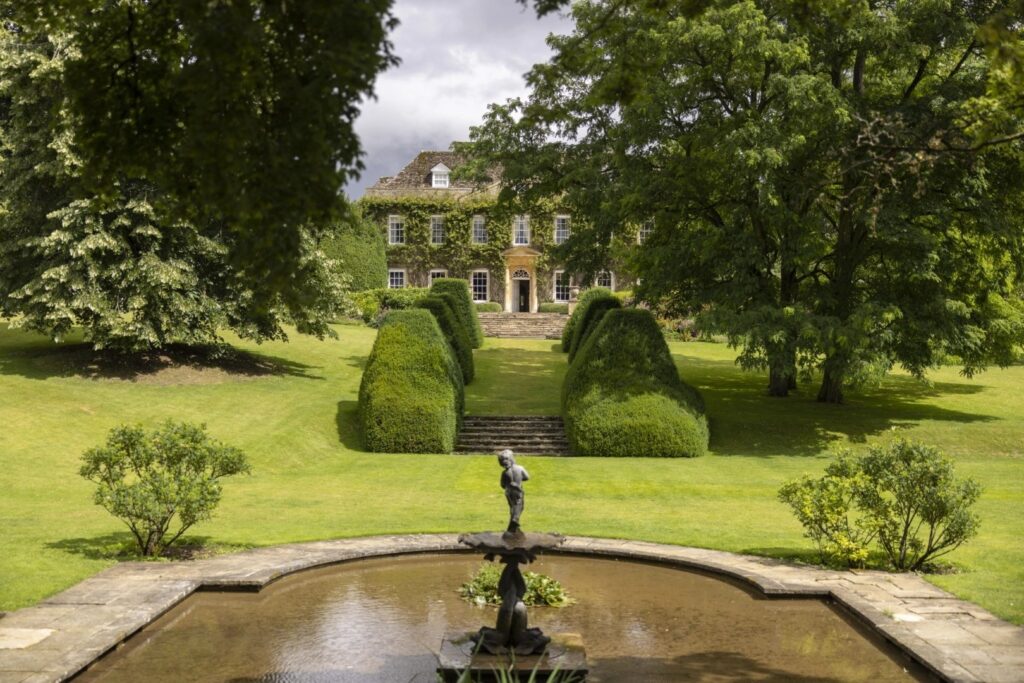
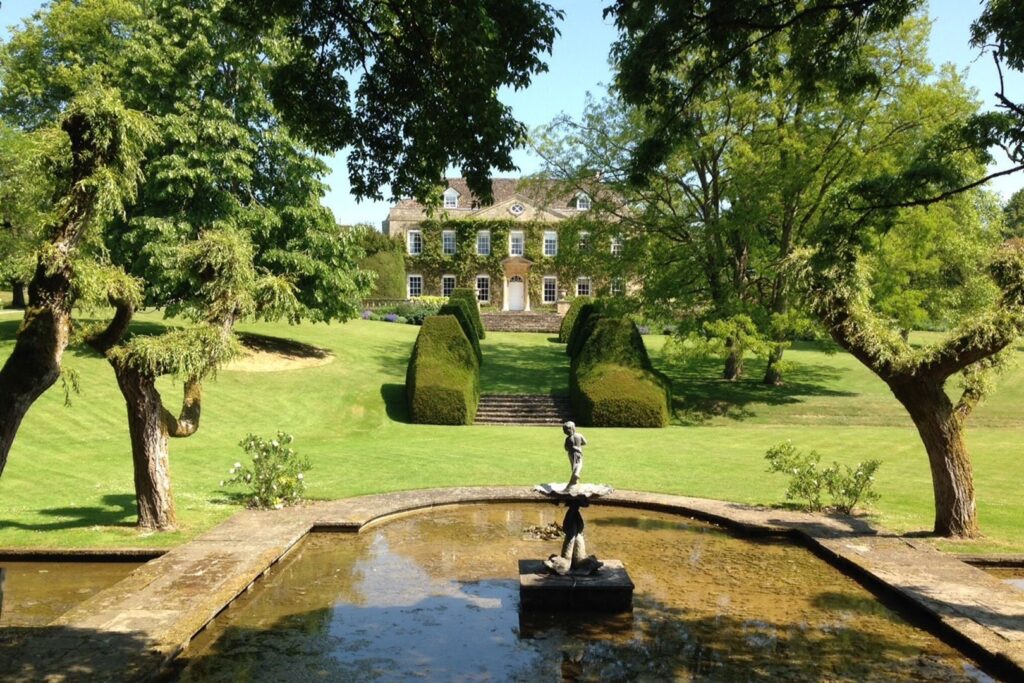
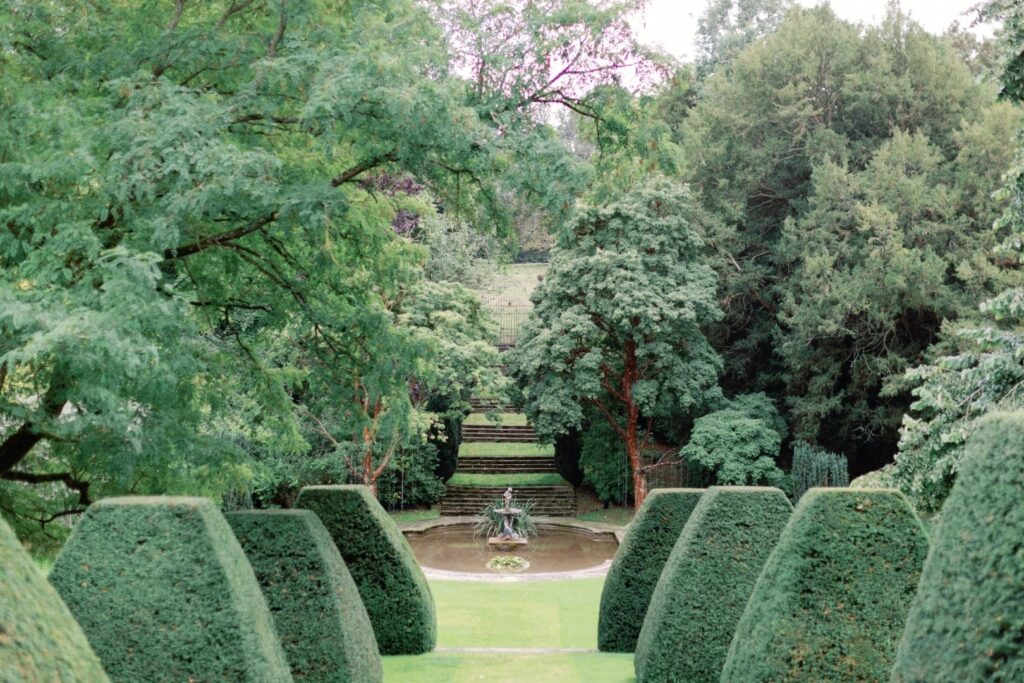
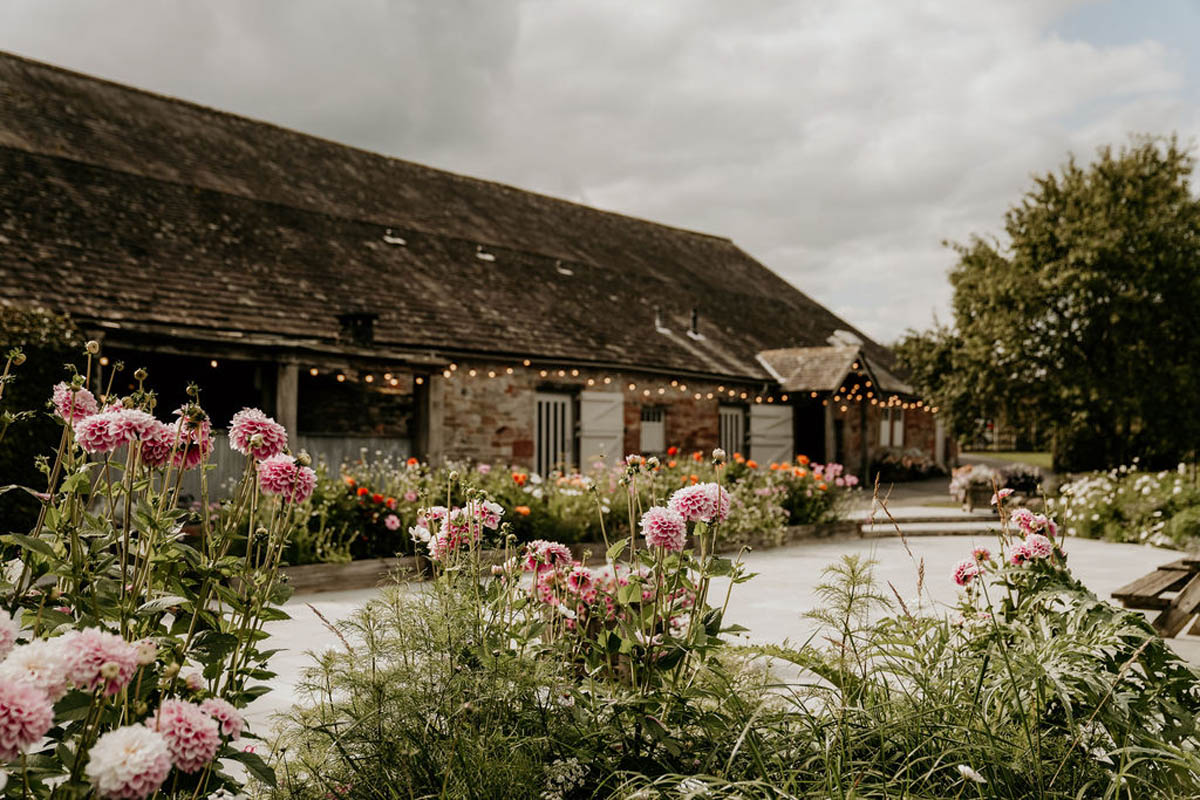
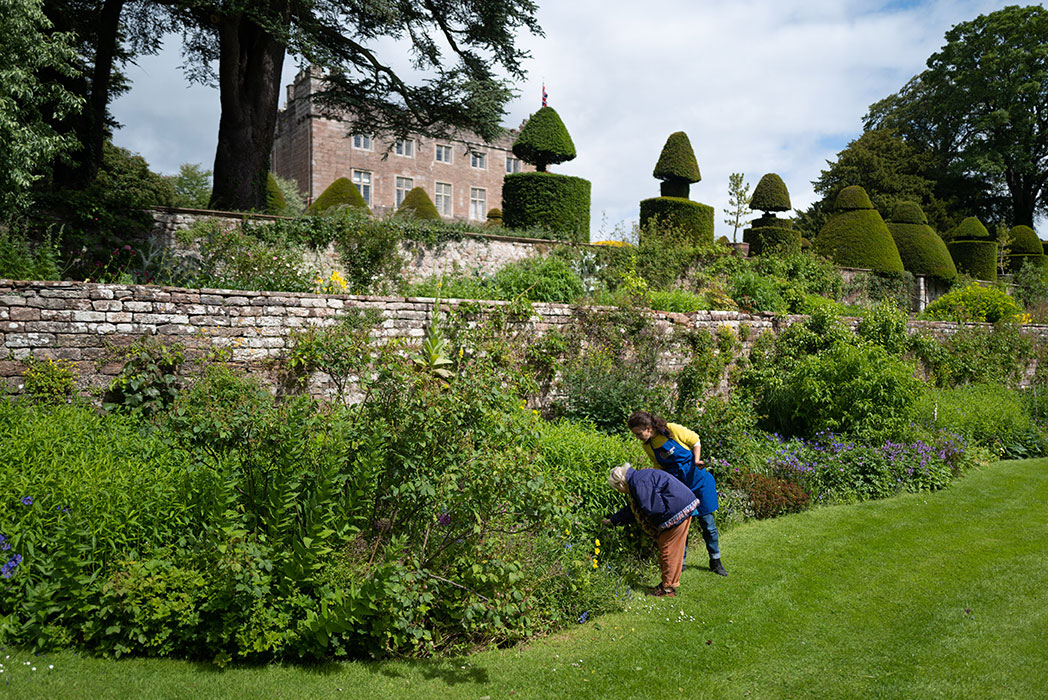
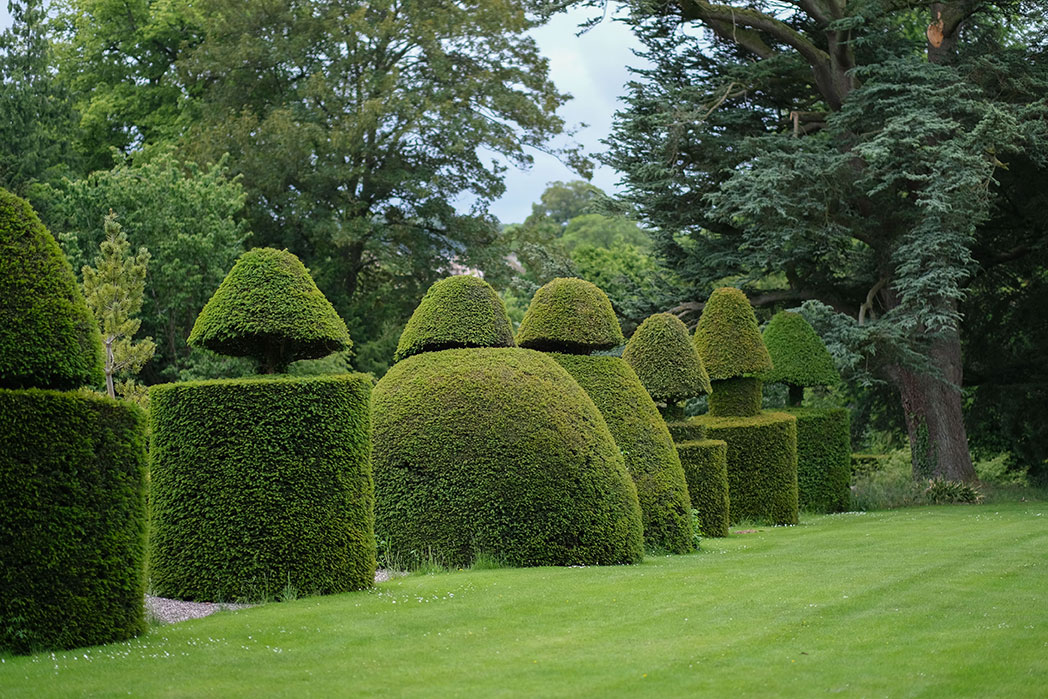
The formal gardens cover about four acres and owe much of their present form to the late Countess of Lonsdale, a keen gardener who worked closely with the garden team on them. The terraces are listed Grade II and carry the herbaceous border, 230 feet long and at its fullest in June and July, and the gardens are on Historic England’s Register of Parks and Gardens. The older topiary dates from the 1800s; the Jubilee border was planted by the Countess for the Silver Jubilee in 1977.
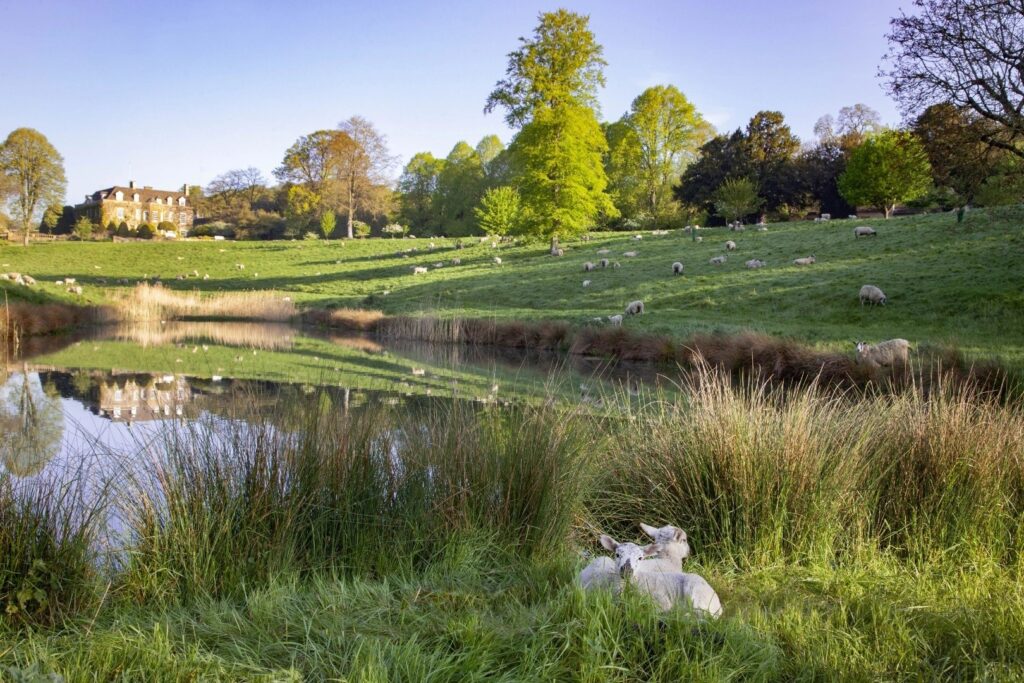
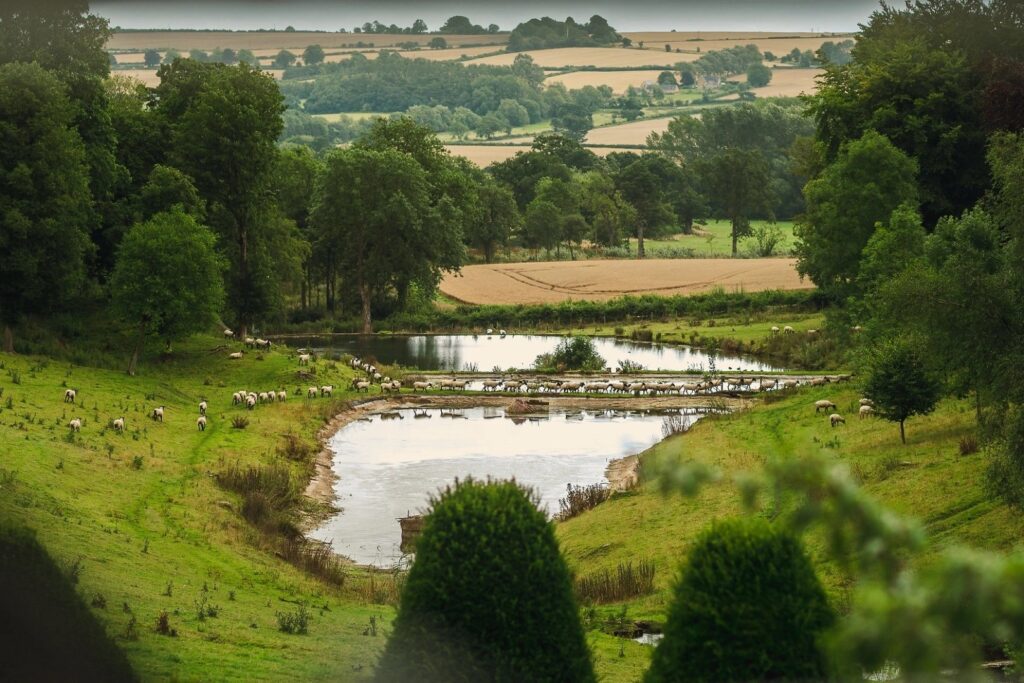
The estate is farmed, and livestock are kept on it all year, so fireworks are allowed only on New Year’s Eve. For confetti outdoors, dried flower petals are suggested.
Beef, pork and vegetables from the estate
Catering is in house; only wedding cakes and cheese displays may come from outside. The menus rest on the estate’s own farming, which changed after foot and mouth disease reached the Lowther estate in 2001 and the family began to bring its produce more directly to the public, starting at the George and Dragon. Charles Lowther keeps a herd of Beef Shorthorn cattle, and the hall’s own produce includes Gloucester Old Spot and Saddleback pork, lamb from a flock of Rough Fell sheep on Askham and Helton Common, and venison from the red deer on Shap Fell.
The kitchen gardens are worked organically on a no dig system. Hotbeds stretch the growing season by almost five months, and a hillside garden of just over half an acre was made in 2020 in what had been a pig field. For a wedding, the kitchen sets a seasonal menu of up to six canapés, three courses, tea and coffee with local fudge, and evening food.
Two nights in the house
A wedding at Askham runs over at least two nights. The hall has 19 double bedrooms, each with its own bathroom, sleeping up to 42 guests. Booking ten rooms for the first night and 15 for the second reserves all the accommodation for the wedding party. Lonsdale, a light first floor room over the front lawn and terraces, once the choice of Queen Elizabeth II, is the room suggested for the couple. No two rooms are alike: the Train Room has a timber mezzanine above the bed, Cherry has red damask walls, and the Stable and the Tack Room, off the courtyard, are fully accessible on the ground floor. There is no lift, so the Medieval Hall and the upper bedrooms are reached by stairs. Dogs are welcome in every bedroom outside the Pele Tower.
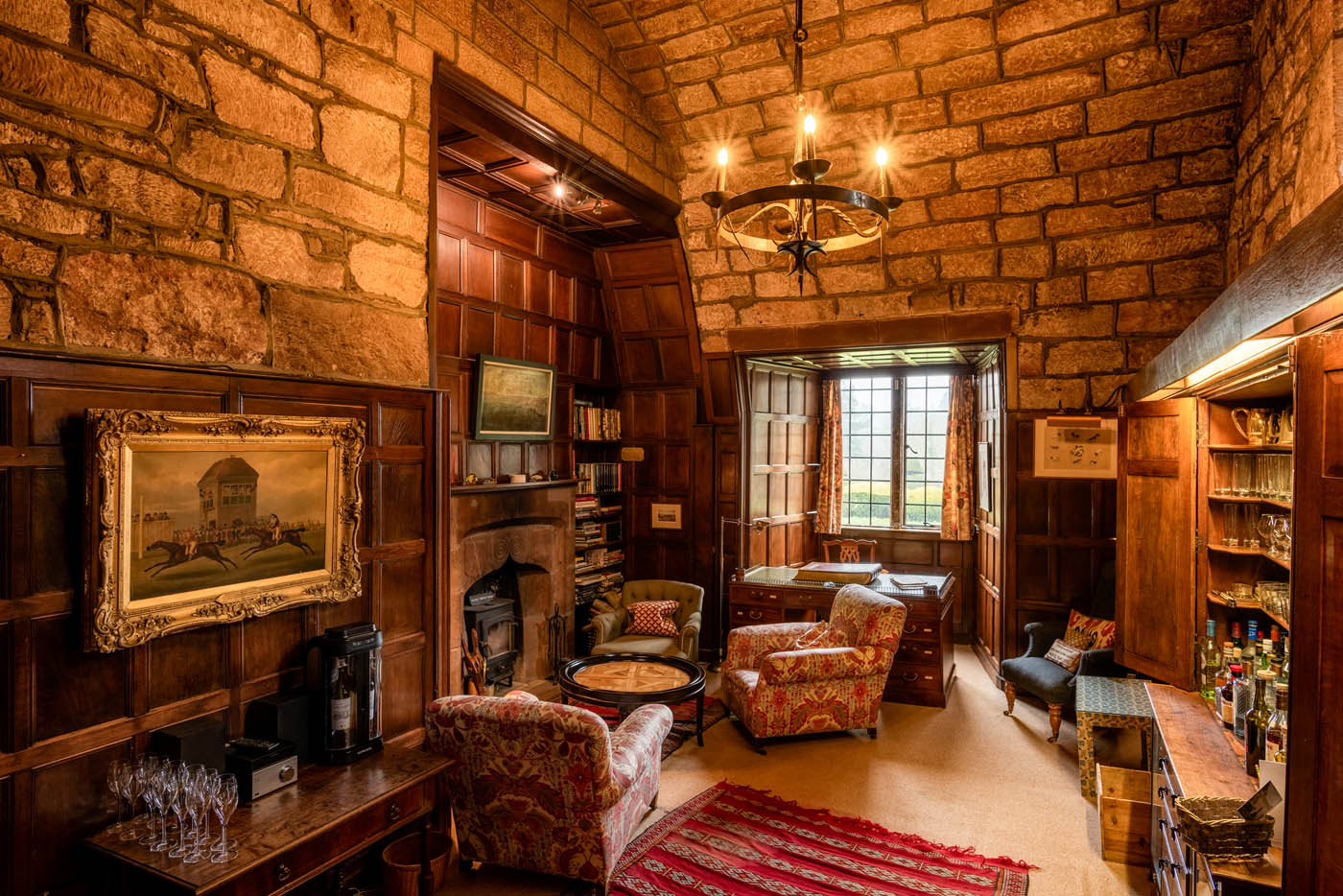
Three sitting rooms are open to guests, each with an open fire: the Front Hall, with a grand piano and French doors to the garden; the Stone Room, with an honesty bar; and the French Room, whose shelves hold books the family has kept for centuries. The heated outdoor pool and hot tub open to residents between June and October, and the sauna all year. The night before the wedding, a barbecue or a drinks party can welcome the guests, and the Medieval Hall has eight trestle tables for informal seating that evening.
Midweek or the weekend
Askham is 6.6 miles, about 20 minutes by car, from Penrith and junction 40 of the M6, and buses run from Penrith to the village; Carlisle airport is about 45 minutes away. There is a car park at the house and two overflow car parks near the barn.
In 2026 Bank Barn hire starts at £1,800 for a Thursday and £2,800 for a Saturday from January to March and in November, rising to £3,300 and £4,800 in July and August. The minimum room booking costs from £4,640 for a Wednesday and Thursday or £5,450 for a Friday and Saturday, with breakfast, and catering starts at £85 a head. Thursdays need at least 50 day guests; Saturdays need 60 from November to March and 80 from April to October. So the first decision is the night itself: a Thursday wedding with the house taken from Wednesday, or a Saturday with the house from Friday and a guest list large enough to meet the weekend minimum. Read the Askham Hall profile, see weddings in the Lake District and Cumbria wedding venues, and when the night is settled, check your date.