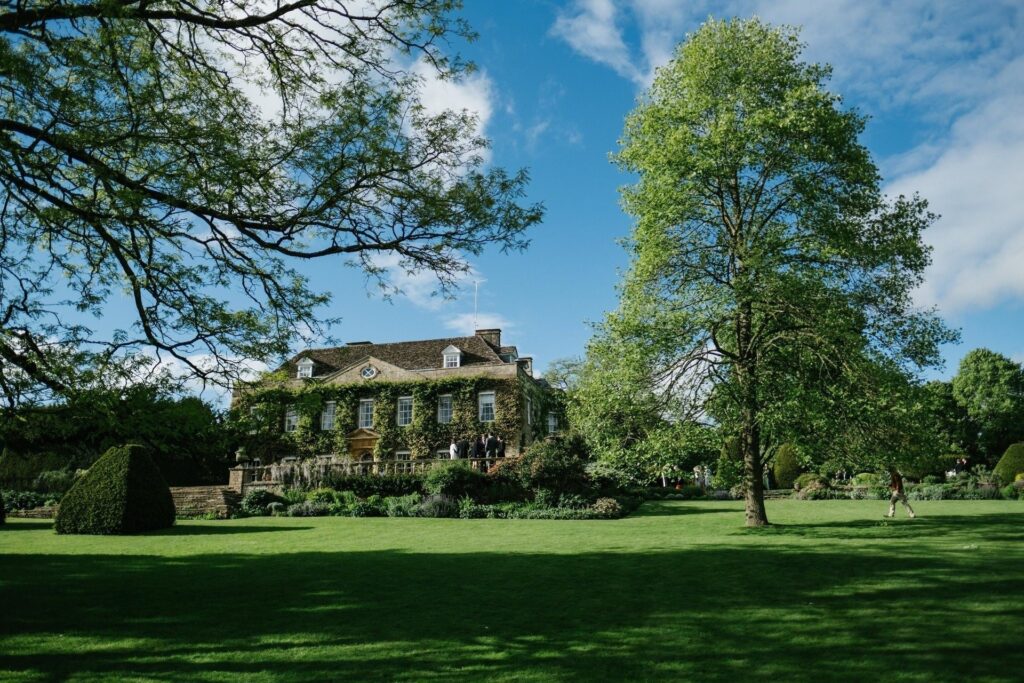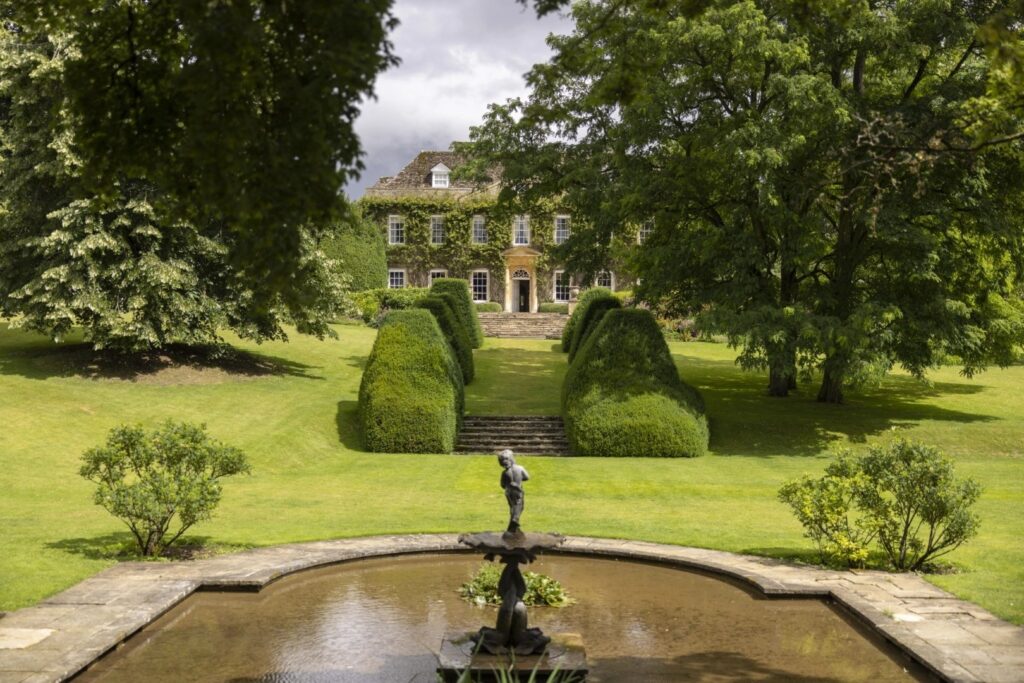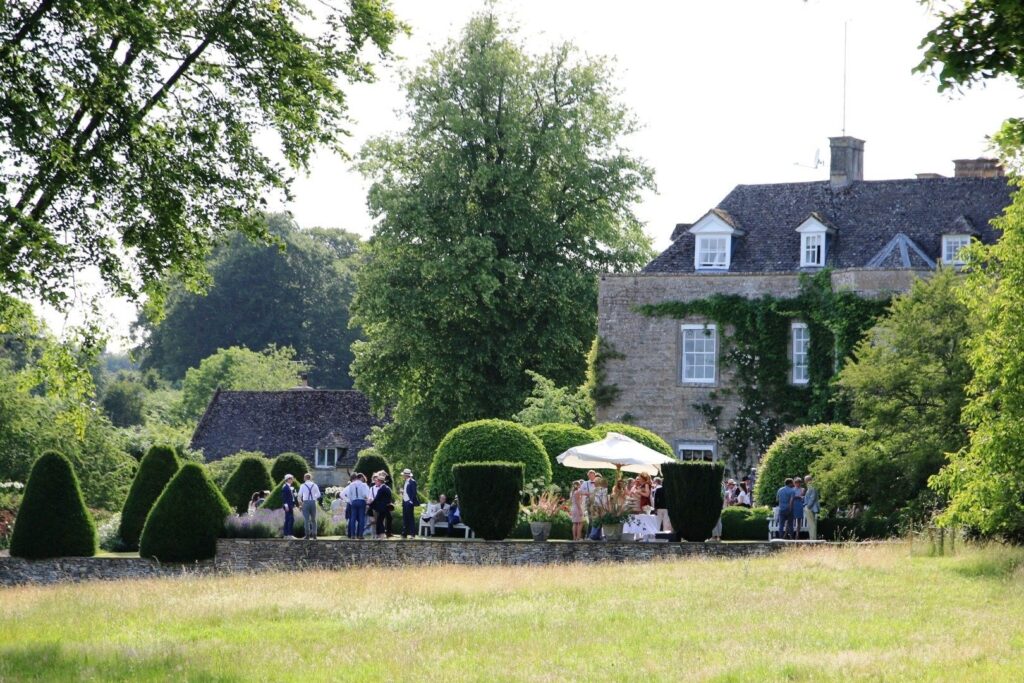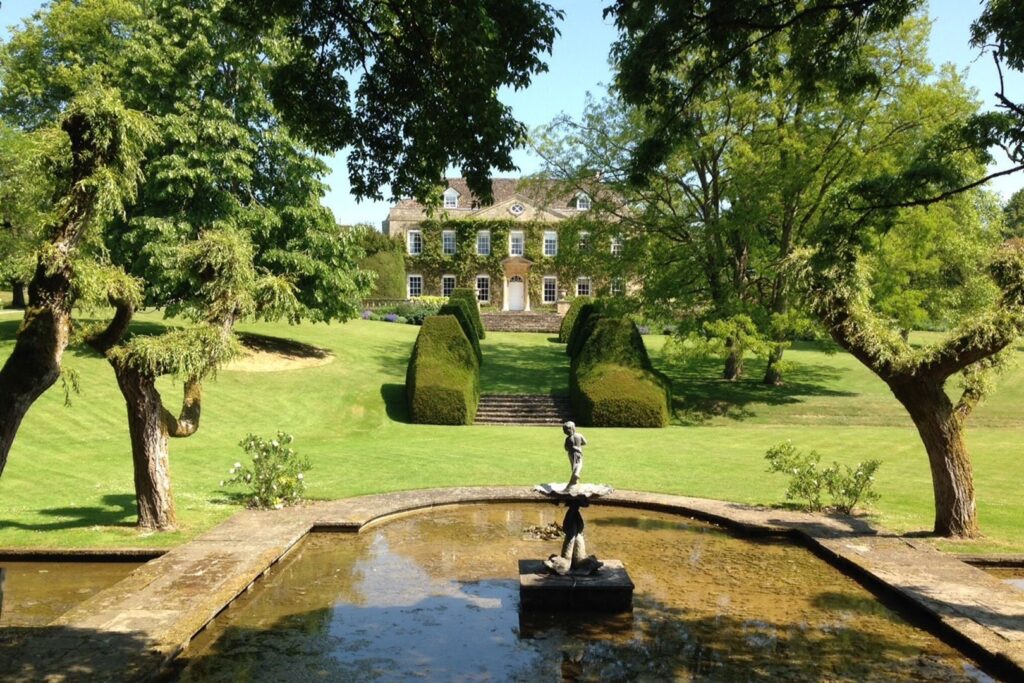
For four centuries Amberley was a residence of the Bishops of Chichester, known by the fourteenth century as their summer palace. In 1377 Bishop William Rede was licensed to crenellate the house at the foot of the South Downs, and the curtain wall, the gatehouse and the portcullis built under that licence still enclose it. Amberley Castle is now a Relais & Châteaux hotel of 19 bedrooms near Arundel in West Sussex, and the portcullis is still lowered every night. Couples marry inside the walls, in rooms that run from a Norman hall to a panelled chamber named for Charles I, and the whole castle can be taken for exclusive use.

A summer palace for the Bishops of Chichester
Cædwalla, King of Wessex, gave the land to the see of Selsey in 683, and it stayed with the bishops when the see moved to Chichester after the Norman Conquest. The first recorded building was a timber framed hunting lodge put up by Bishop Ralph Luffa in 1103. Luffa also built the parish church next door, and the Norman church of St Michael still stands beside the castle.
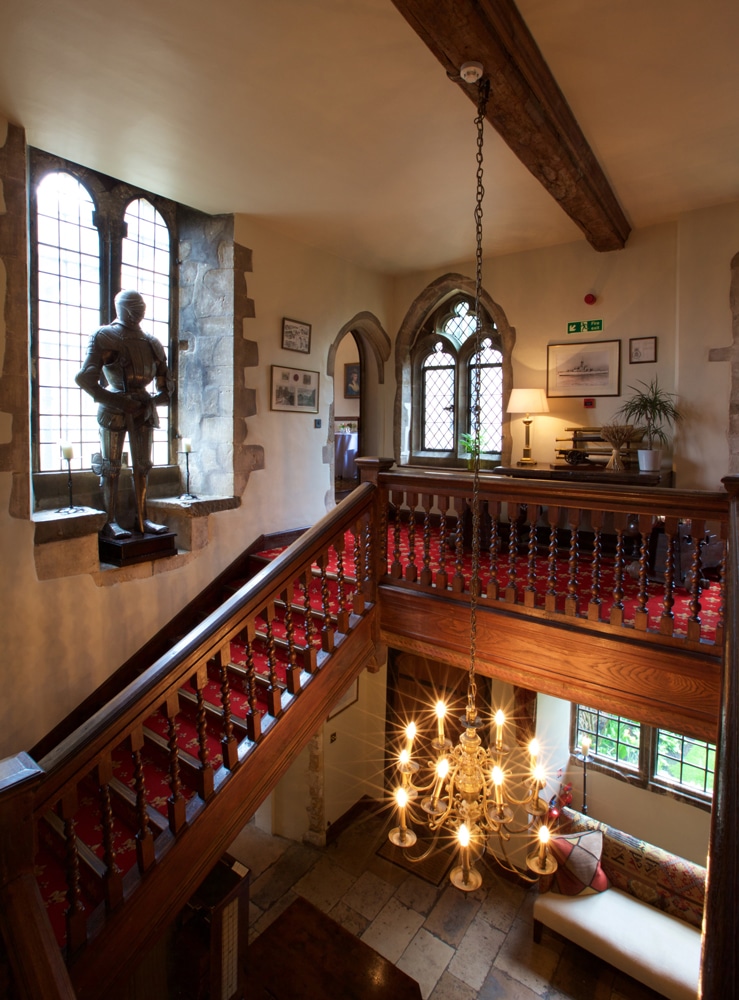
Bishop Seffrid I replaced the lodge with a stone hall in 1140, and the Norman entrance of that first small hall can still be seen in the hotel’s reception. Seffrid II added an east wing around 1200, and Bishop John Langton, who held the see from 1305 to 1337, built a larger great hall and improved the domestic rooms. By then the house was known as the Bishop of Chichester’s Summer Palace.
The licence of 1377
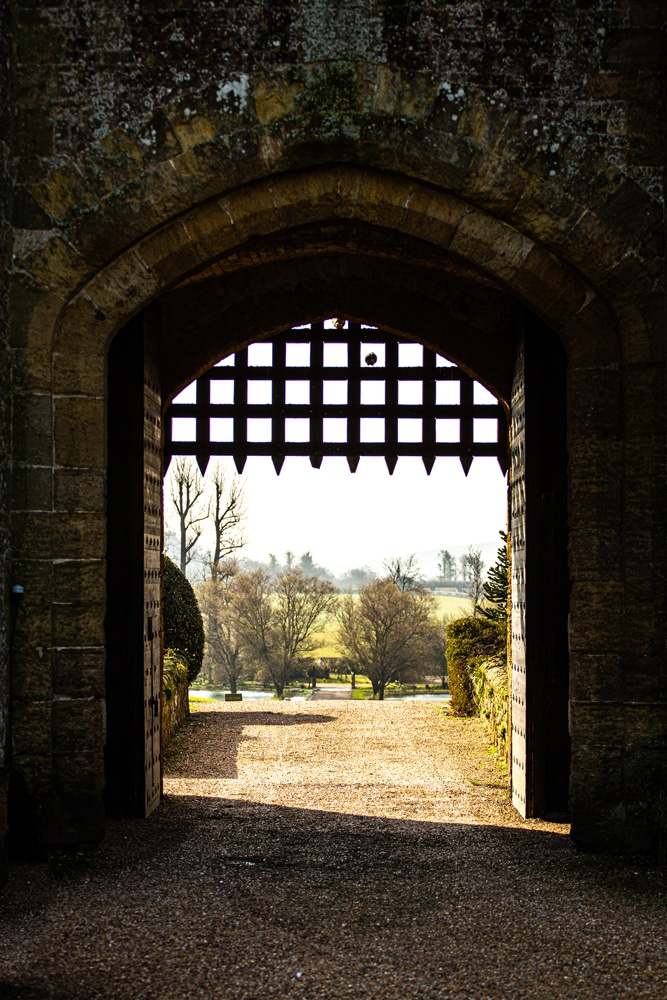
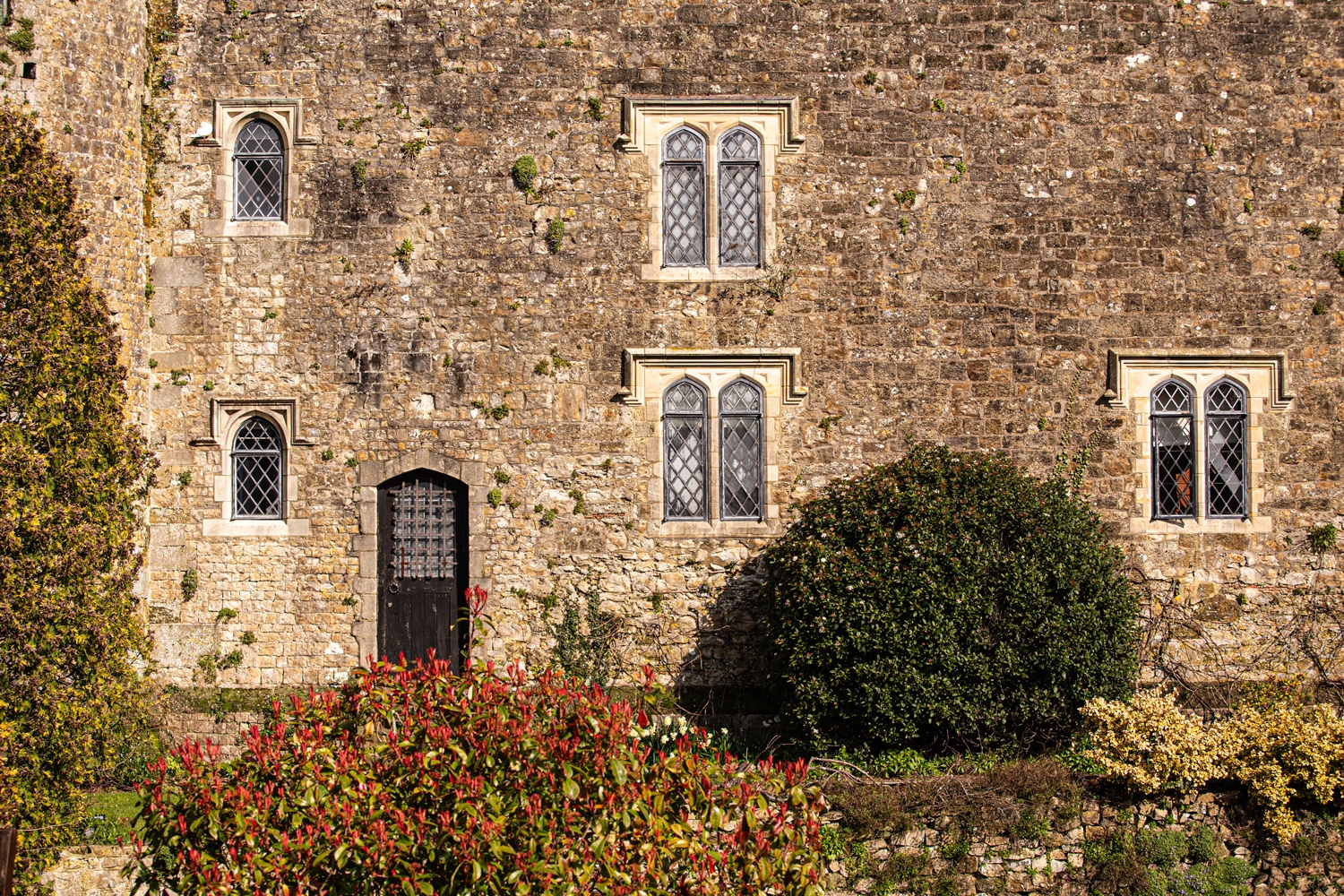
The castle took its present form under Bishop William Rede. With the south coast exposed to French raids, he obtained a licence to crenellate from Richard II, granted on 10 December 1377, and between then and at least 1382 the house was enclosed in a parallelogram of ashlar walls 42 feet high, with square towers in the corners. Two semicircular towers, 58 feet high, flank the gateway in the south wall, and outside it runs a dry moat that never had a drawbridge. The castle is listed Grade I, and its uninhabited parts are scheduled as an ancient monument.
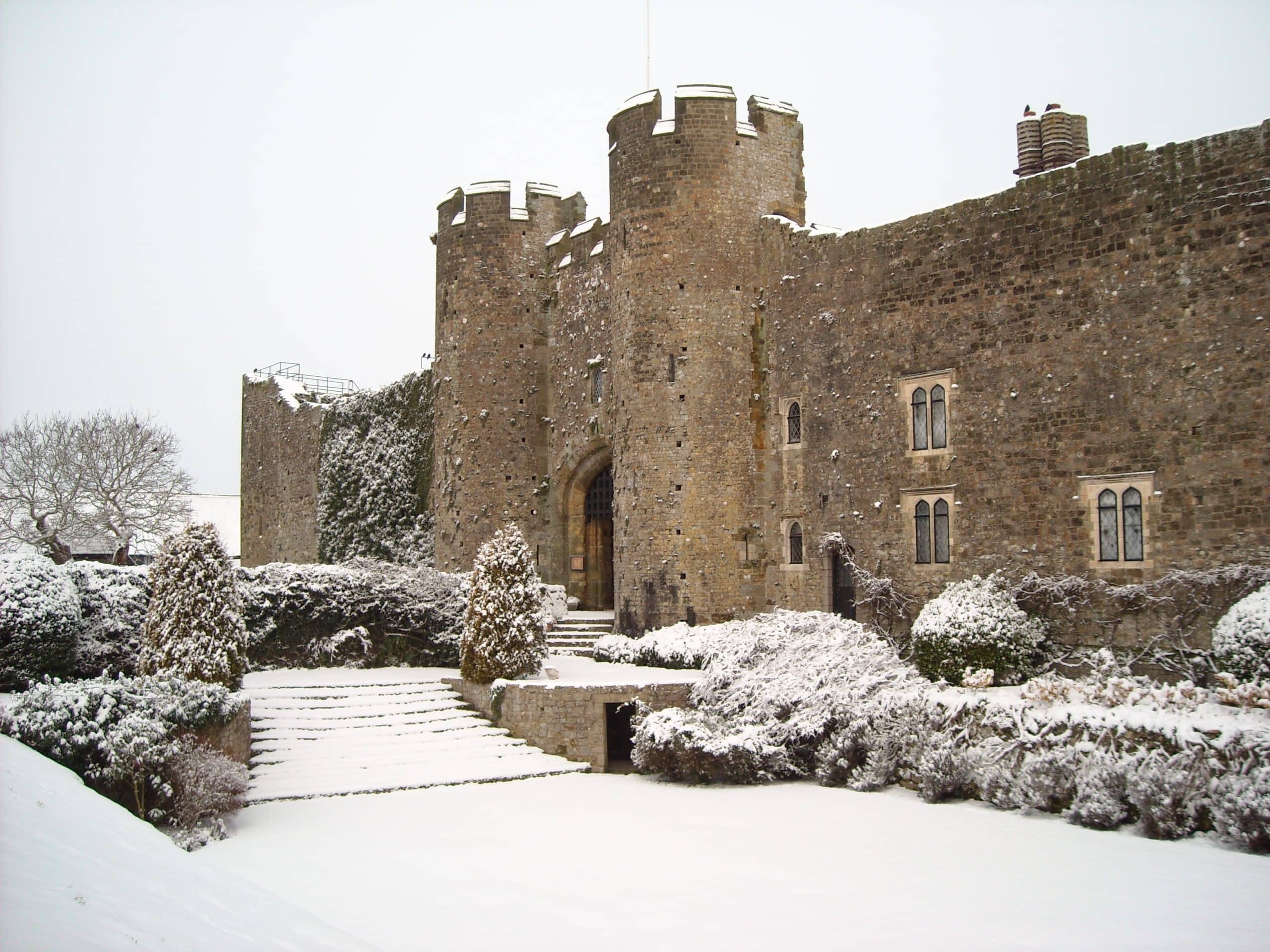
The portcullis is a working one. It weighs two and a half tons and was put back by Hollis Baker, who owned the castle from 1982 to 1987. Cars pass beneath it to the drop off point at the turning circle inside the walls, and parking on site is free.
Royalists, a cloth merchant and the Builder Duke
Robert Sherborne, bishop from 1508 to 1536, was the last to live at Amberley, and he altered much of the house. The Queen’s Room keeps paintings of Cassandra, Tomyris and other figures from his time, attributed to Lambert or Theodore Bernardi of Amsterdam, who came to England in 1519. After Sherborne the castle was let to tenants. The tenant at the time of the Civil War was a Royalist, and in 1643 General William Waller, sent by Oliver Cromwell, dismantled the defences and destroyed the great hall. Parliament sold the estate to John Butler, a London cloth merchant, who built the manor house from the ruins of the hall.
At the Restoration in 1660 the castle went back to the bishopric, and the Butlers stayed on as tenants. Their successor, Sir John Briscoe, commissioned the mural in the Queen’s Room, which carries the arms of Charles II and Catherine of Braganza and shows the king and queen hunting, a tribute to Charles II’s visits to Amberley. When the small hall was joined to the remains of the east turret, the first floor room added above was dedicated to Charles I for the castle’s Royalist past. It is the panelled King Charles I Room.
The church sold Amberley in 1872 to Lord Zouche of Parham House, who used it as a hunting lodge. In 1893 it passed to Henry Fitzalan-Howard, 15th Duke of Norfolk, known as the Builder Duke for modernising Arundel Castle and building Arundel Cathedral; he had the stonework over the portcullis repaired. Joy and Martin Cummings bought the castle in 1988 and converted it into a hotel, opening the restaurant for trial runs in February 1989. It joined Relais & Châteaux in 2004, and Andrew and Christina Brownsword have owned it since October 2011.
Three rooms for the vows
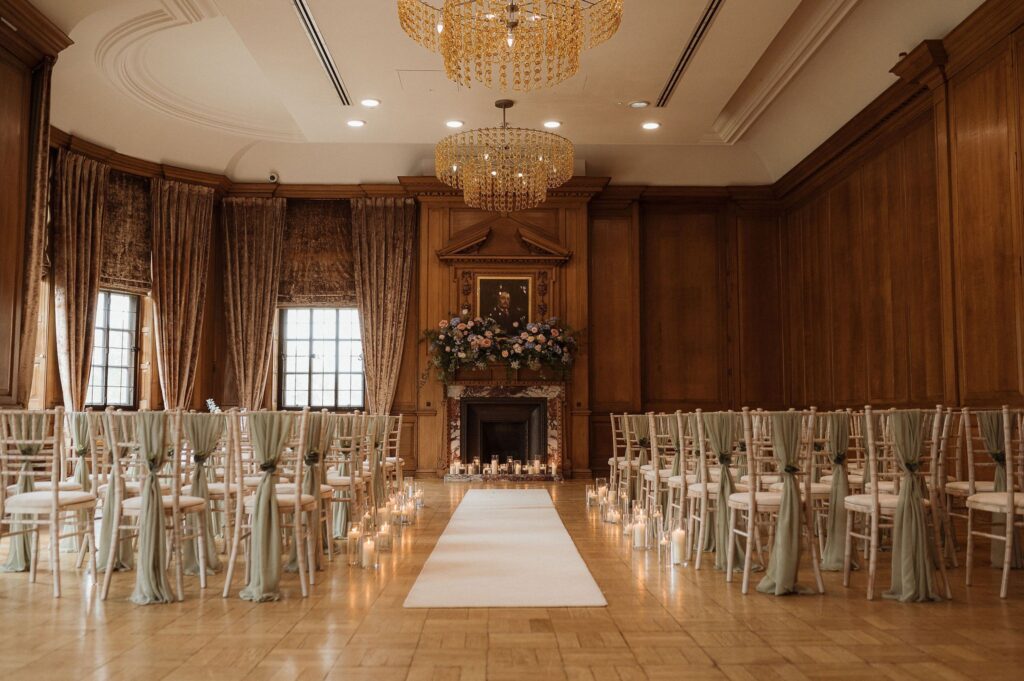
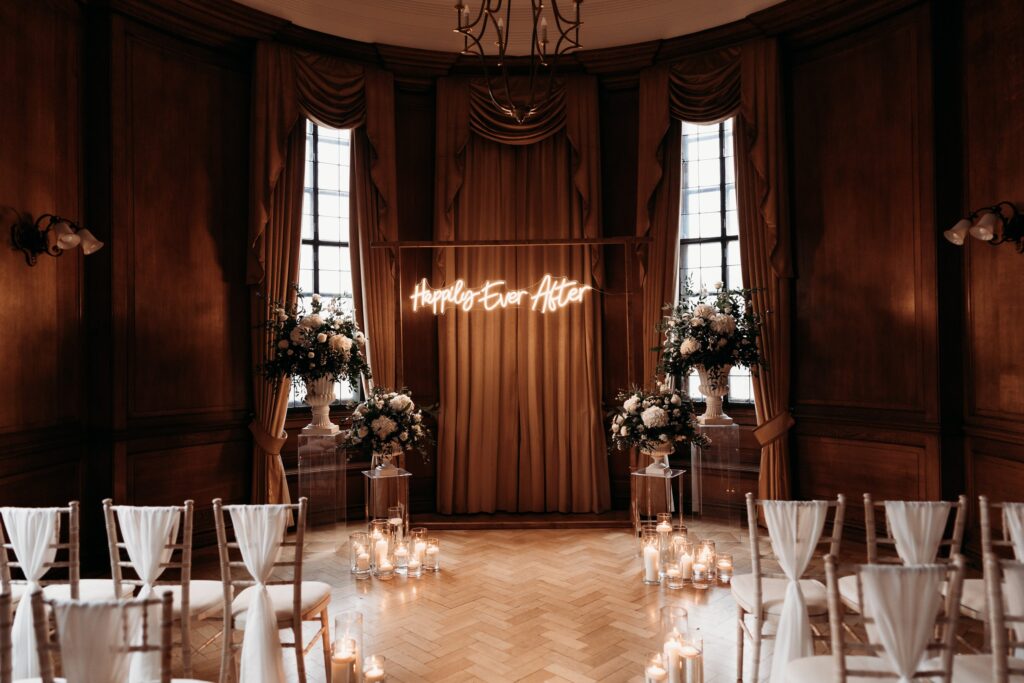
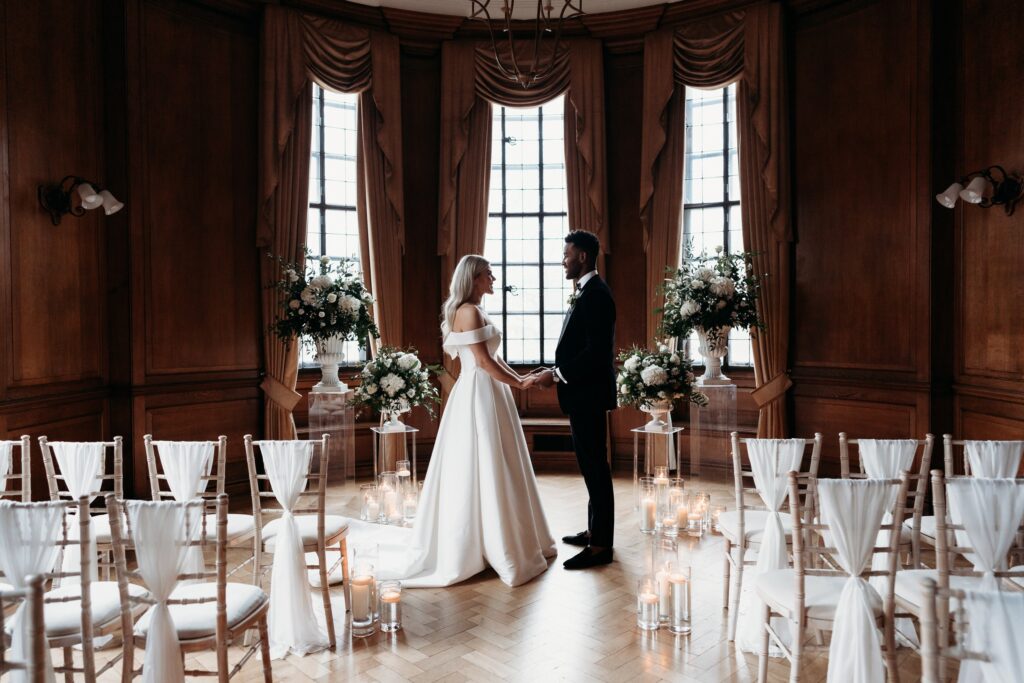
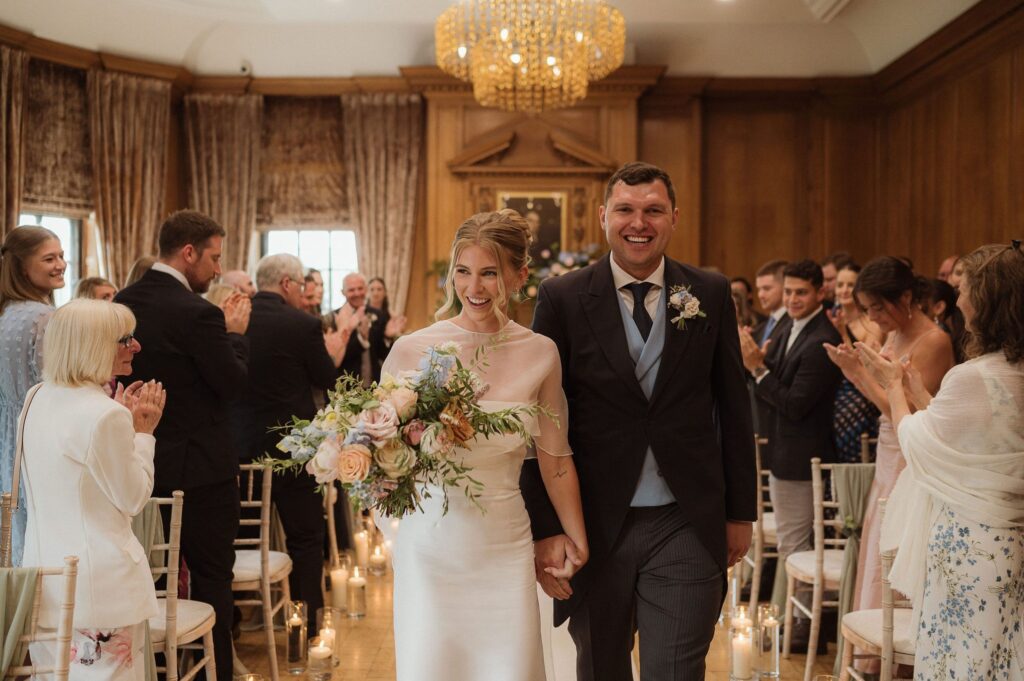
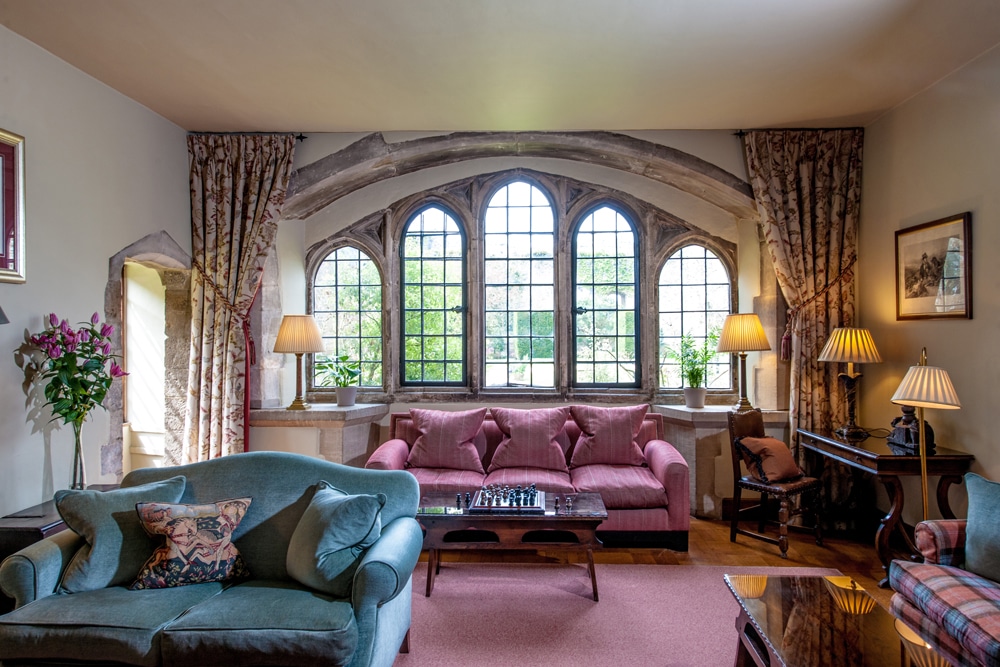
Civil ceremonies and civil partnerships are held in three licensed rooms, each from a different chapter of that history. The Great Room, a Norman hall with tall windows and oak floors, seats up to 56. It looks across the courtyard and opens directly onto the gardens.
The Queen’s Room, under a twelfth century vaulted ceiling with an open fire, holds the Sherborne paintings and the Briscoe mural, and with the Great Room it is where the hotel’s restaurant serves dinner. The King Charles I Room, panelled in wood, with a fireplace and views towards the South Downs, is licensed for up to 12, which suits a ceremony with only the closest family present.
Dinner inside the walls
Champagne and canapés come first, in the courtyards or the gardens, and the three course wedding breakfast follows in one of the castle’s three dining rooms, the King Charles I Room among them. Indoors the wedding breakfast seats the same 56, with fine wines and a toast, and the exclusive use and marquee packages add an evening buffet.
All the food comes from the castle’s own kitchen; outside caterers are not used. Matt Gillan, executive chef since July 2026 and formerly of The Pass at South Lodge and his own restaurant, Heritage, writes tailored menus for the castle’s exclusive use events from West Sussex producers and the seasons. The castle holds four AA Red Stars and three AA Rosettes.
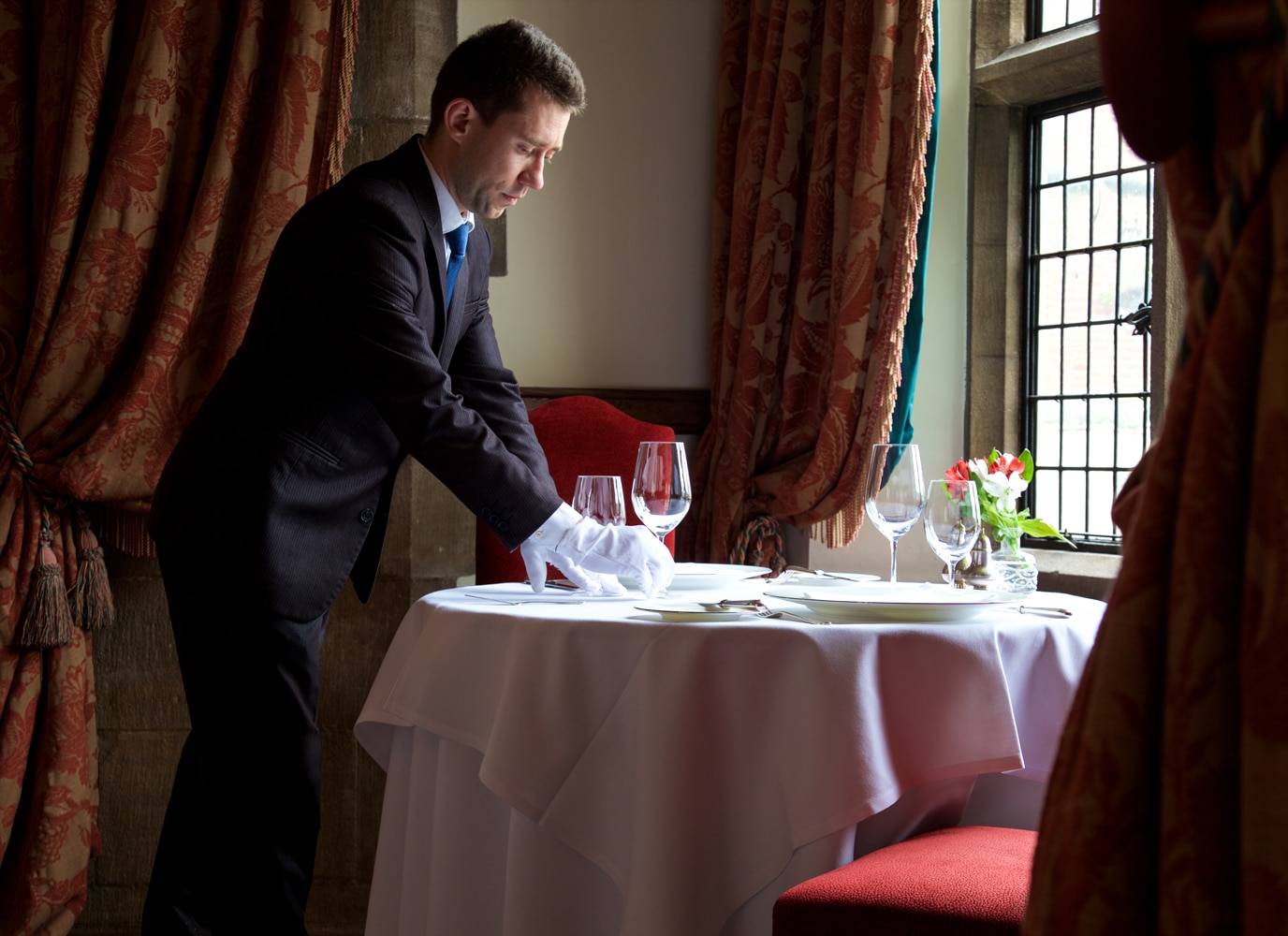
A larger wedding moves outside the old rooms. With the castle taken for exclusive use, a marquee can be raised in the gardens for up to 170, and the marquee package includes exclusive use of the castle’s accommodation.
Nineteen bedrooms named after Sussex castles
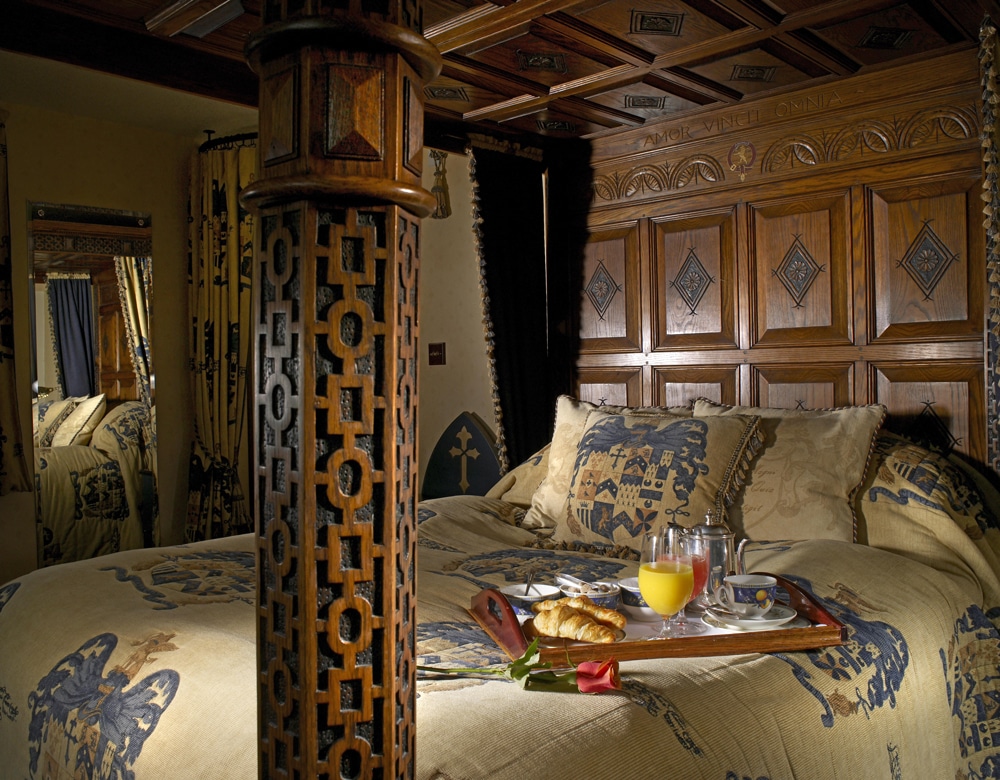
Each of the 19 bedrooms and suites is named after a Sussex castle, and they sit in different parts of the estate: the manor house, the Tower House Mews, and the seventeenth century Bishopric Dairy just beyond the walls, which holds the Gatehouse Suites with their separate lounges. The Premier Deluxe rooms keep original features, and one of them is the couple’s room in every wedding package. Some rooms look across the dry moat, the lakes and the Downs, while others face the gardens or the castle itself. On an exclusive use wedding every room belongs to the wedding party, so the guests who stay have the castle to themselves until the morning.
Twelve acres at the foot of the Downs
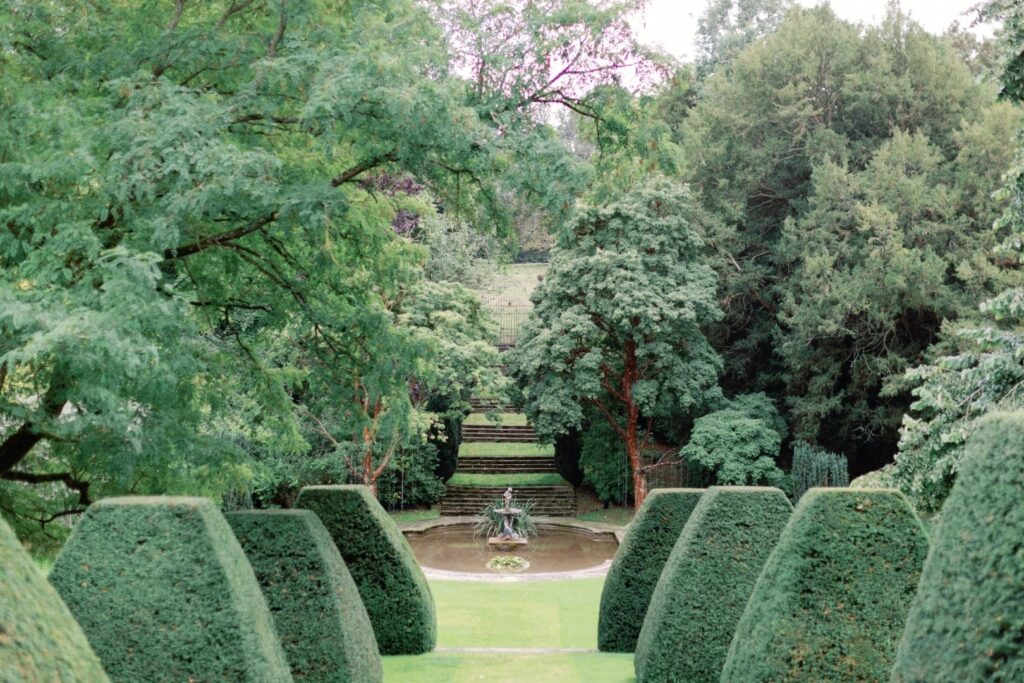
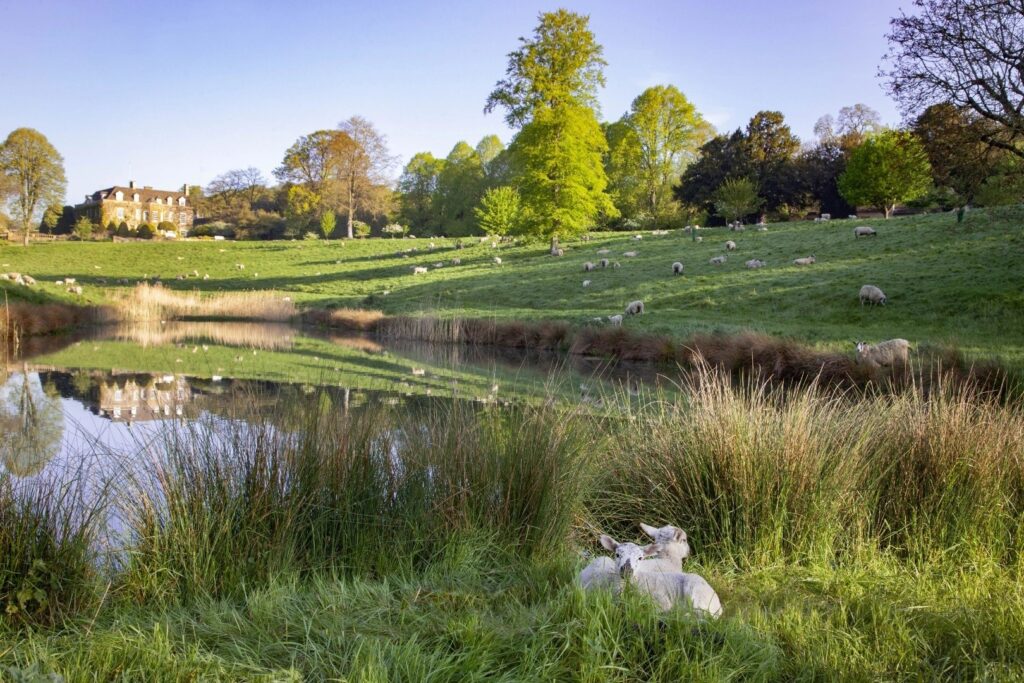
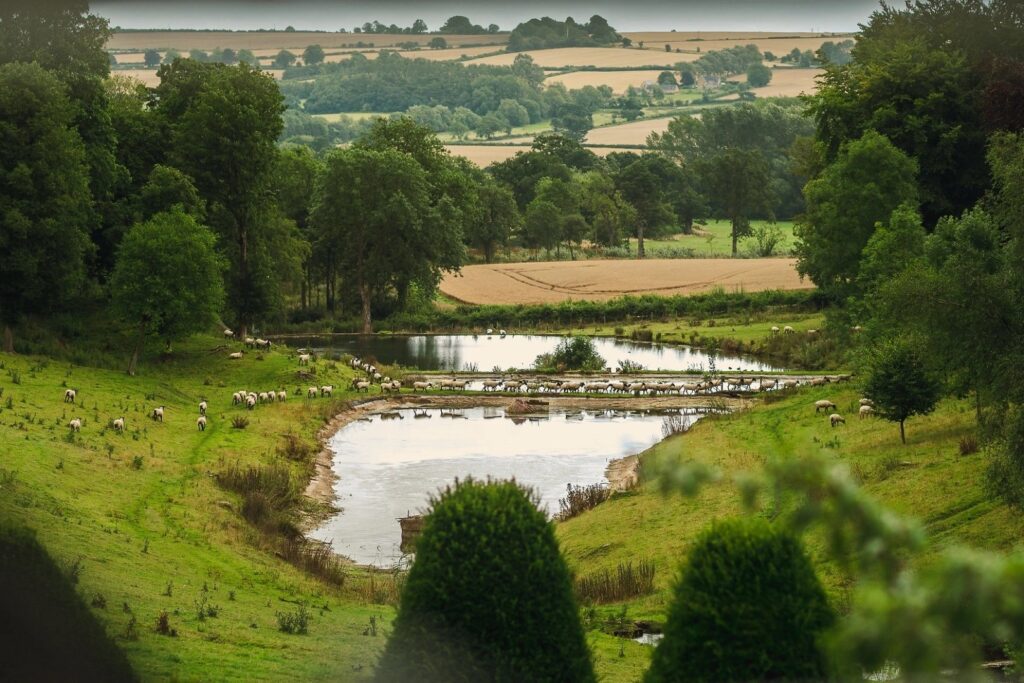
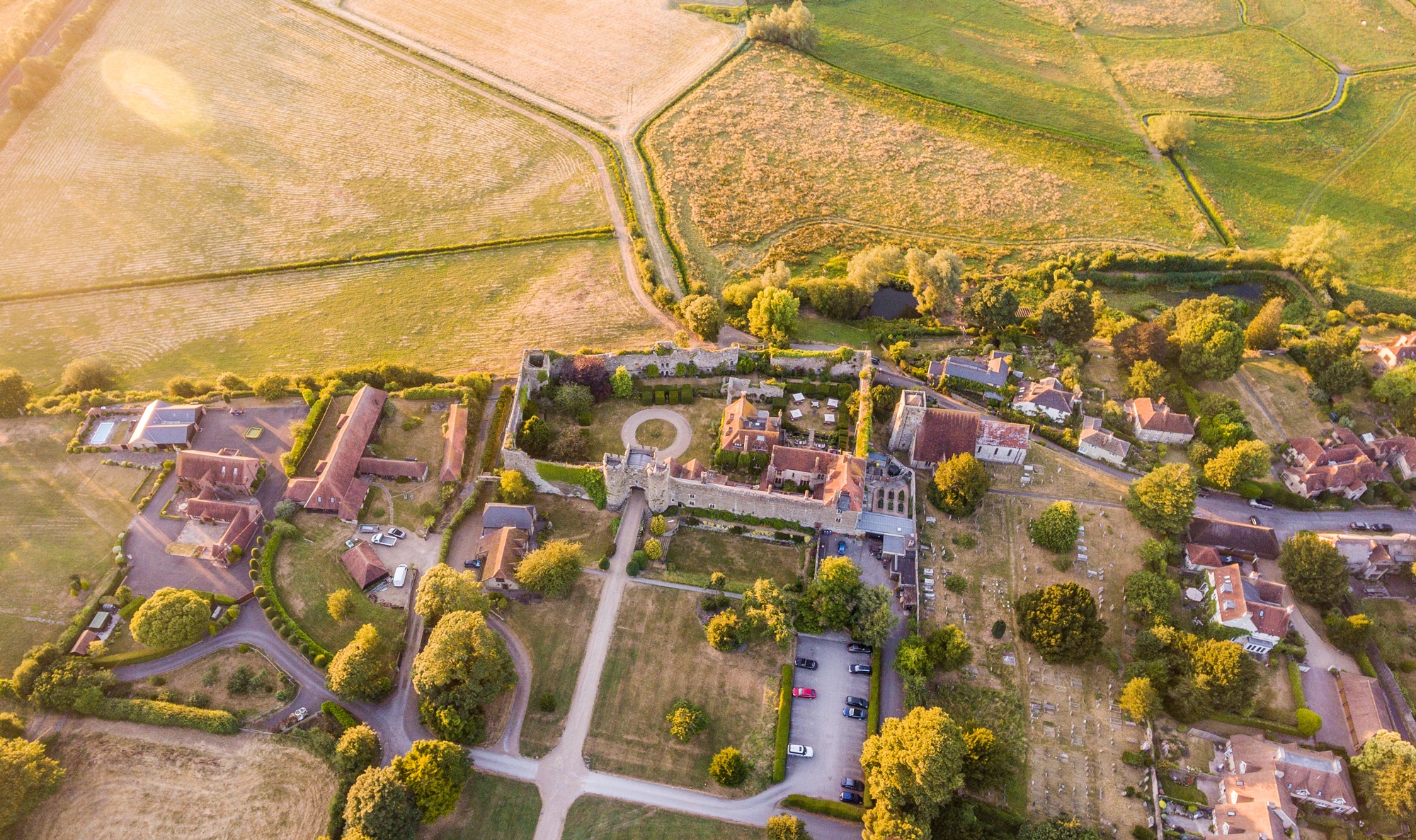
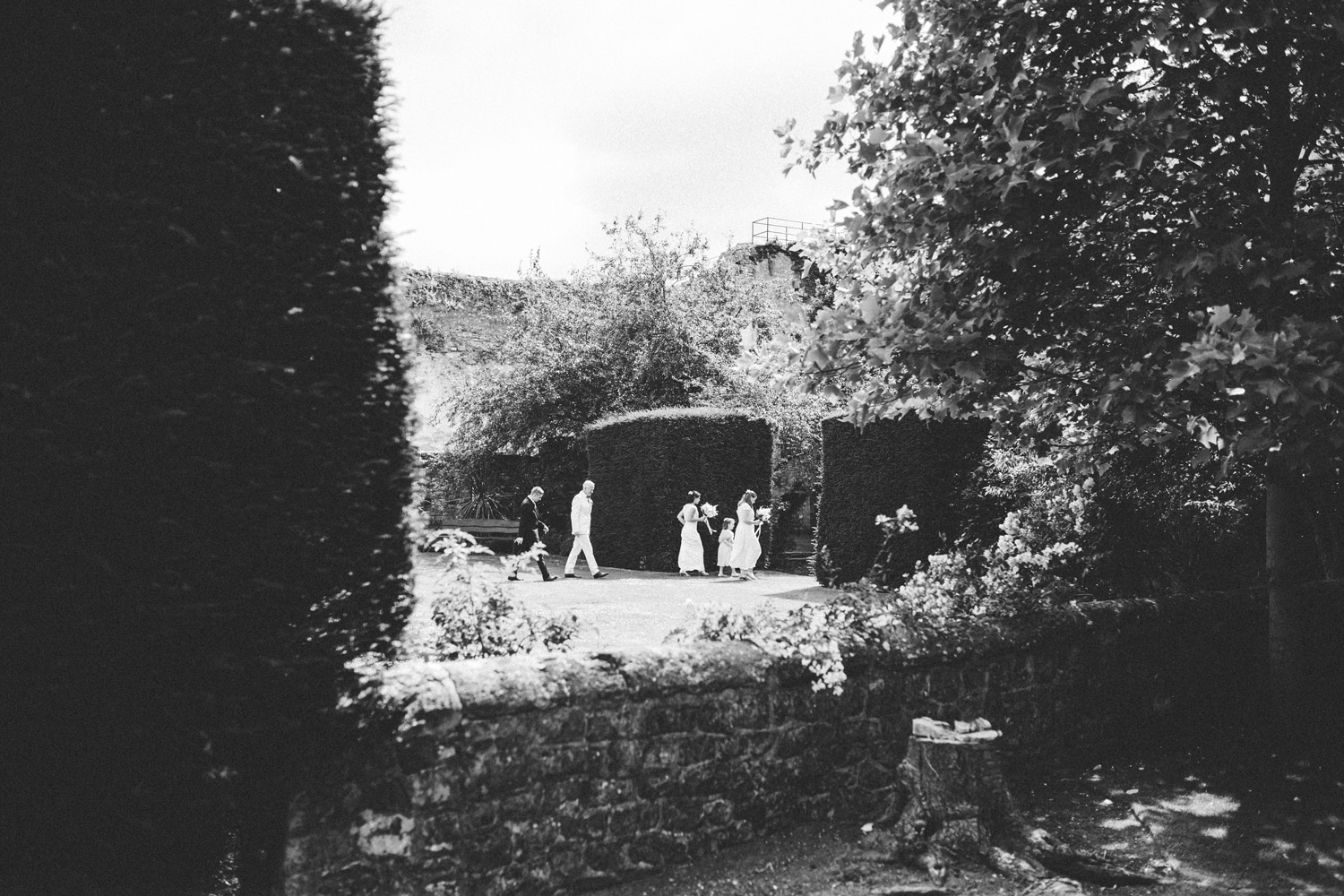
The castle sits in twelve acres of gardens, home to a resident white peacock, with two lakes, an 18 hole putting course, a croquet lawn and a tennis court, and the ramparts can be climbed for views across the South Downs. The village of Amberley, with its thatched cottages, lies at the foot of the Downs four miles north of Arundel. To its north is Amberley Wild Brooks, the tidal plain of the River Arun, a Site of Special Scientific Interest that floods in winter and draws wildfowl. The South Downs Way runs close by, and Arundel Castle, Amberley Museum and the Roman villa at Bignor are near enough for guests staying the weekend.
Amberley station, on the Arun Valley line with direct trains to London, is under a mile away, about ten minutes on foot. The castle is less than 60 miles south west of London and 22 miles from Brighton, and Gatwick is about 40 minutes by road.
Four ways to marry at Amberley
Every wedding package includes Champagne and canapés, a three course wedding breakfast with fine wines and a toast, linens, a silver cake stand, printed stationery and a Premier Deluxe room for the couple. Intimate ceremonies start from £2,000, and day weddings and civil partnerships from £15,000. Exclusive use of the whole castle starts from £25,000, and a marquee wedding from £35,000.
Within the walls or under canvas
Amberley suits couples who want a walled medieval house to themselves for a night, with the vows, the dinner and the bedrooms all inside one curtain wall and a station within walking distance. For other castles, read our Edits on Leeds Castle in Kent and Highcliffe Castle or the UK castle venues guide; for the region, see weddings in West Sussex and the United Kingdom Wedding Atlas.
The decision to make first is the size of the guest list: up to 56 can marry and dine in the castle’s own rooms, and anything larger means the marquee in the gardens. Then read the Amberley Castle profile and check your date.