Scotland lets you marry almost anywhere: a ceremony can take place at any indoor or outdoor location, as long as your registrar or celebrant can reach it. What it does not allow is a surprise wedding. Both of you must give notice to the registrar for the area where the wedding will be held, and booking a registrar is not the same as giving notice. If either of you lives outside the UK, you may also need a certificate from your own country, delivered at least 29 days before the wedding. This guide sets out what the official Scottish pages say, and which of our Scottish venues describe their ceremony settings.
Getting married in Scotland at a glance
| Question | What the official pages say |
|---|---|
| Who can marry | Anyone aged 16 or over, not married or in a civil partnership with someone else, not closely related, and capable of understanding what marriage means and consenting to it |
| Who conducts the ceremony | A registrar, or a religious or belief celebrant; if you choose a celebrant, check with your local registrar that they are authorised |
| Where | Any indoor or outdoor location that your celebrant or registrar can reach |
| Witnesses | Two people aged 16 or over |
| Notice | Both of you complete a notice form and send it to the registrar for the area of the ceremony; plan ahead, especially in a popular area |
| Surprise weddings | Not possible: without proper notice a marriage can be postponed or prevented |
Giving notice: the M10 form
Under the National Records of Scotland guidance, both of you must submit notice forms to the registrar of the area where the marriage will take place, and each of you completes and signs your own declaration. The notice is Form M10, made under section 3(1) of the Marriage (Scotland) Act 1977. You give the date and place of the wedding and details of the celebrant if it is not a registrar.
The form lists the documents that go with it. Everyone encloses a birth certificate. If you have been divorced, or a previous marriage or civil partnership was annulled or dissolved, you enclose the decree. If a former spouse or civil partner has died, you enclose the death certificate. If you are in an existing civil partnership or marriage, you enclose the relevant certificate. If you are subject to the marriage laws of a country outside the UK, you enclose a certificate of no impediment from that country. The form says you need not submit one if you have lived in the UK for at least two years immediately before giving notice, but you should say how long you have lived here.
The pages we have read give no minimum notice period for UK residents and no fee, so ask your registrar how early they want your notice. The guidance asks you to plan ahead with the registrar, particularly if the ceremony is in a popular area, and to contact whoever is conducting the ceremony before you complete any forms.
Where you can marry
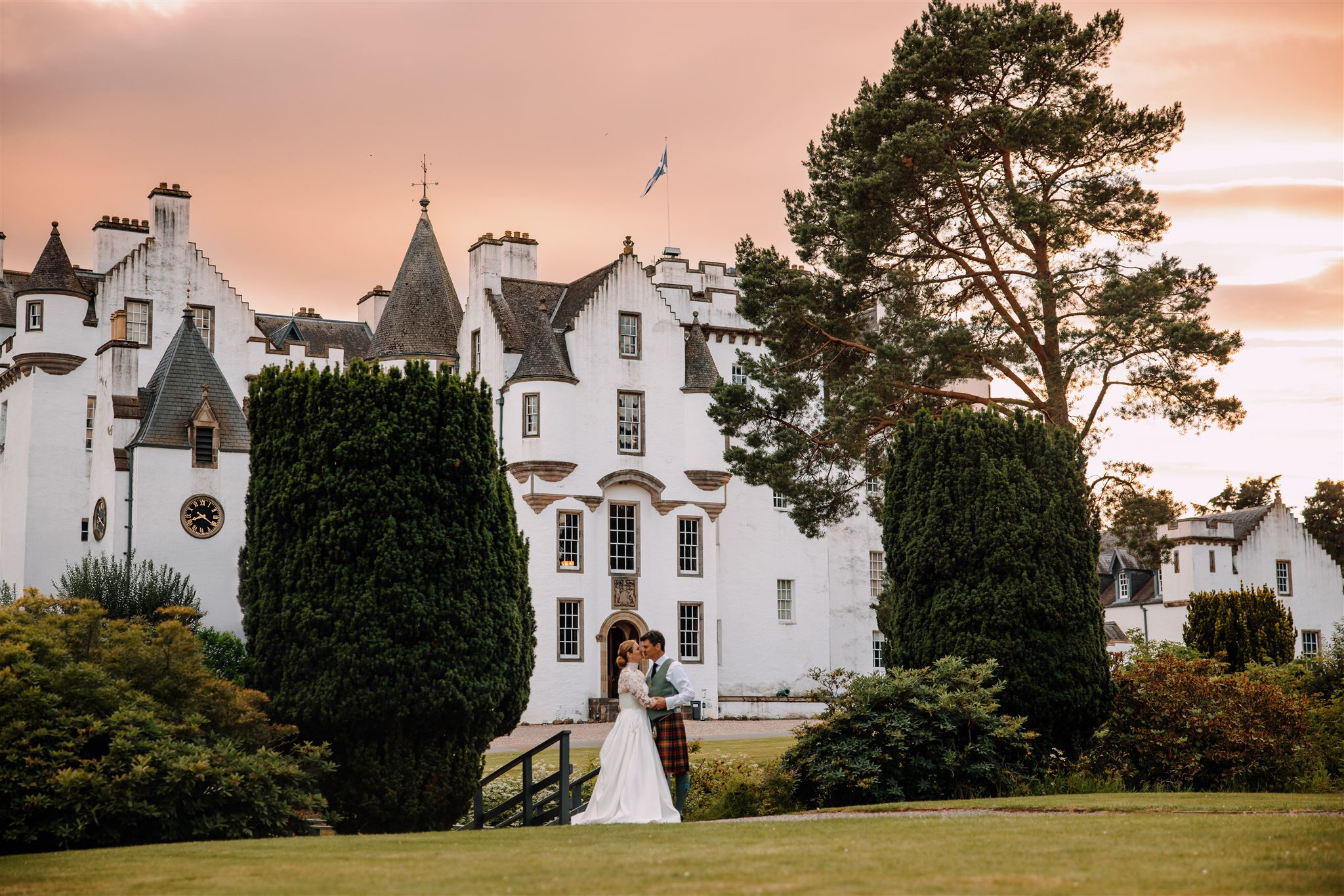
Because a ceremony can take place at any indoor or outdoor location a registrar or celebrant can reach, the practical question is which spaces your venue offers and whether your officiant can attend. These Scottish venues on 5 Star Weddings describe their ceremony settings:
| Venue | Where | Ceremony settings |
|---|---|---|
| Blair Castle | Blair Atholl, Perthshire | An outdoor ceremony setting; ceremonies for up to 300 |
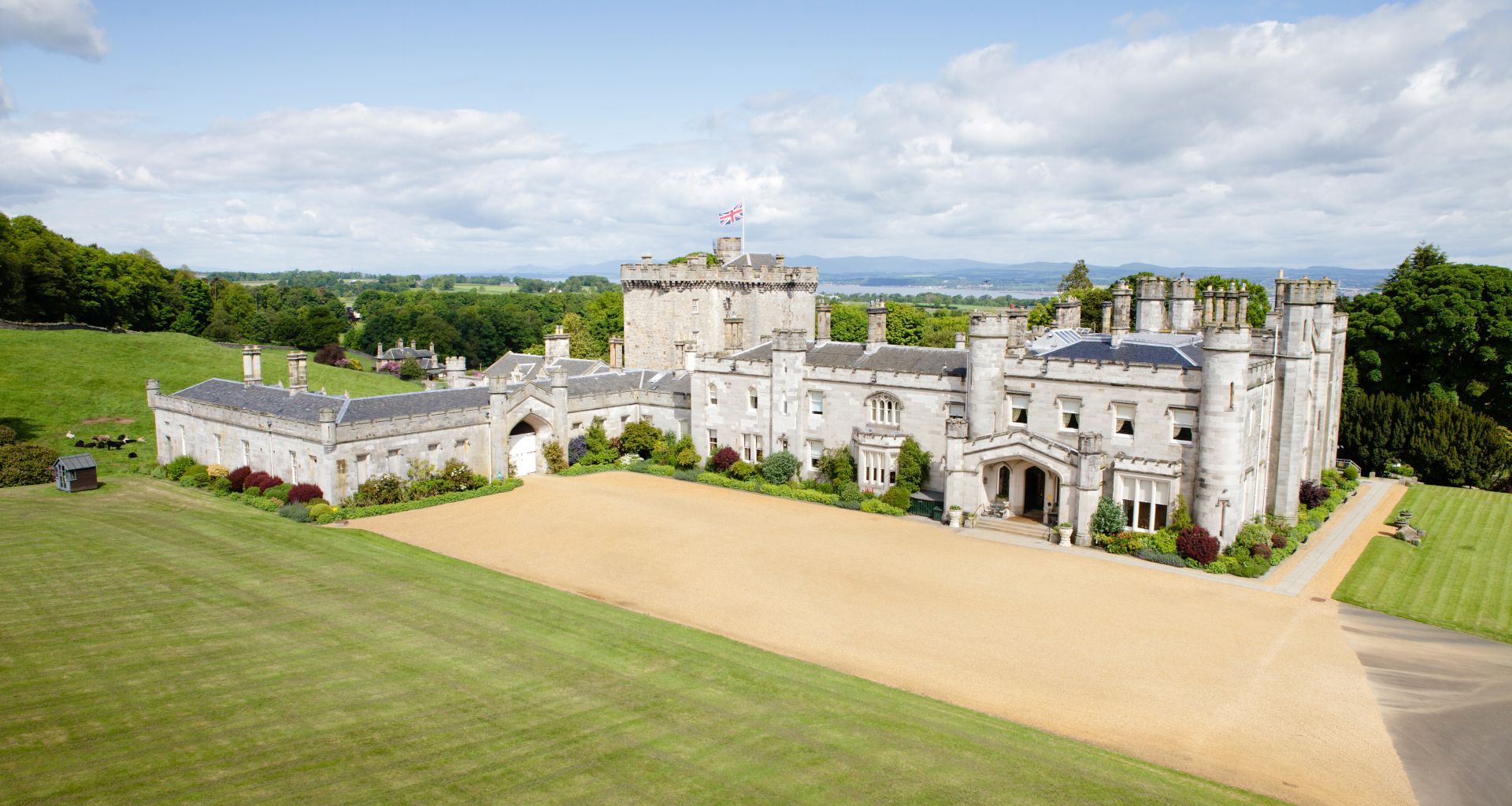
| Dundas Castle | South Queensferry, near Edinburgh | An outdoor ceremony setting; ceremonies for up to 200 |
| Borthwick Castle | Midlothian | Ceremonies for up to 80 |
| Guthrie Castle | Near Forfar, Angus | The walled garden, the castle, the chapel or the village church |
| Greywalls Hotel | Gullane, East Lothian | The house or the Jekyll gardens, up to 120 outdoors |
| Mar Hall | Bishopton, near Glasgow | The Burgundy Suite for up to 150, or the balcony above the River Clyde |
| Inverlochy Castle Hotel | Torlundy, near Fort William | The Great Hall, the drawing rooms or the loch side grounds |
| The Old Course Hotel | St Andrews, Fife | The Conservatory for up to 150, the Ballroom, the Hall of Champions, the Library or the West Deck |
Carlowrie Castle in West Lothian is described as fully licensed for wedding ceremonies, and Gleneagles offers ceremonies in its Ballroom or in any spot you choose. For the wider picture of regions and seasons, see our Scottish Highlands wedding guide and the United Kingdom guide.
If one of you lives outside the UK
mygov.scot says you may need a certificate from your own country saying there is no reason you cannot marry, and that you should ask the registrar whether you must provide it. If the certificate is not in English you need a certified translation. If it is required, it must reach the registrar with your notice at least 29 days before the wedding, and if you cannot provide the evidence you may not be able to marry in Scotland. UK citizens living abroad do not need the certificate.
The Scottish pages do not mention visas. Whether you need one to travel and give notice is a separate question, so check it with the UK government before you book, and see our guide to getting married in the UK for the visa rules it describes for England, Wales and Northern Ireland.
Planning your Scottish wedding
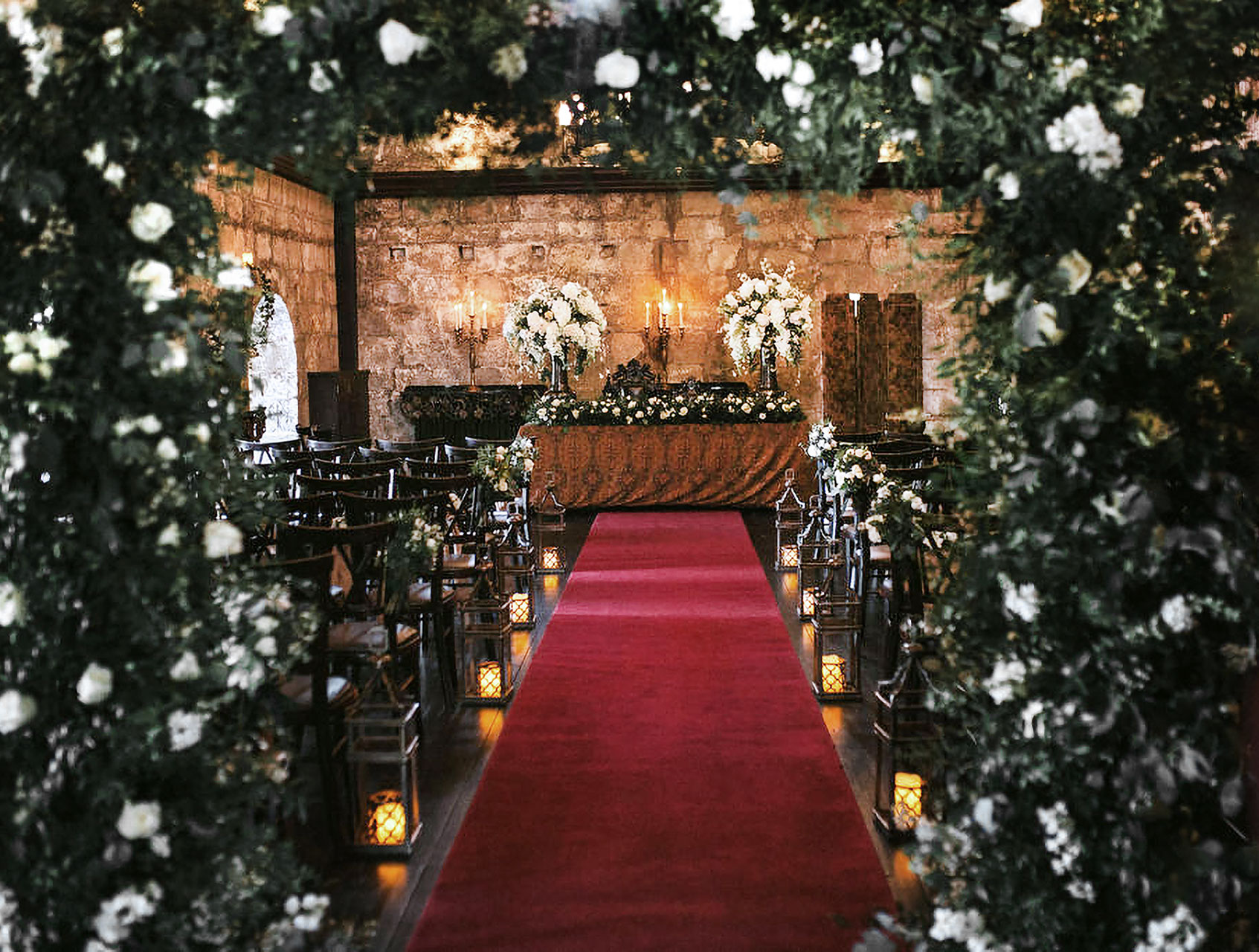
Choose the place first, then speak to the registrar for that area, and to your celebrant if you are not using a registrar. Ask whether they can attend at your chosen date and location, how early they want your notice, and which documents they will need from each of you. Then confirm with your venue which space will hold the ceremony and what the plan is for rain.
Questions couples ask
Can we marry anywhere in Scotland?
The official guidance says ceremonies may take place at any indoor or outdoor location, as long as it is accessible to your chosen celebrant or registrar. Check access, permission from the landowner and the plan for weather with your venue and officiant.
How far ahead do we give notice?
The pages we have read give no minimum for UK residents, so ask the registrar for your area. Booking the registrar is not notice, so do both. For people living outside the UK, a certificate from their own country, where it is required, must reach the registrar at least 29 days before the wedding.
Do we need a registrar?
No. You can choose a religious or belief celebrant instead, but check with your local registrar that they are authorised to conduct the ceremony.
Check your date with the venues that suit your plans.
Updated 28 November 2026