A wedding in London can be legally binding in a register office, in a venue approved by the local council, or in a registered place of worship. The choice decides the paperwork, the person who conducts the ceremony and what the ceremony itself may contain. This guide sets out what each route involves, how notice of marriage works, which documents the register office asks for, and what the London venues on 5 Star Weddings have said about the ceremonies they can host. It summarises official guidance and is not legal advice, so confirm the detail for your date with the register office or the church.
Decide the ceremony before the venue
A garden or a ballroom is only a legal wedding setting if it is approved for ceremonies. Government guidance describes two kinds of ceremony. A civil ceremony can be held at a register office or at any venue approved by the local council, such as a stately home or a hotel. A religious ceremony can take place in any registered religious building.
The two differ in what they may contain. A civil ceremony needs at least two witnesses and a registrar who carries out or attends it. It can include readings, songs and music, but nothing religious, such as hymns or Bible readings, although a religious blessing can be added afterwards. Every marriage includes an exchange of vows. Settle which route you want, then shortlist venues that can host it.
Civil ceremonies: licensed rooms in London
Venues say their licence covers named rooms or spaces, so the useful question is which room. These London venues say they hold licences:
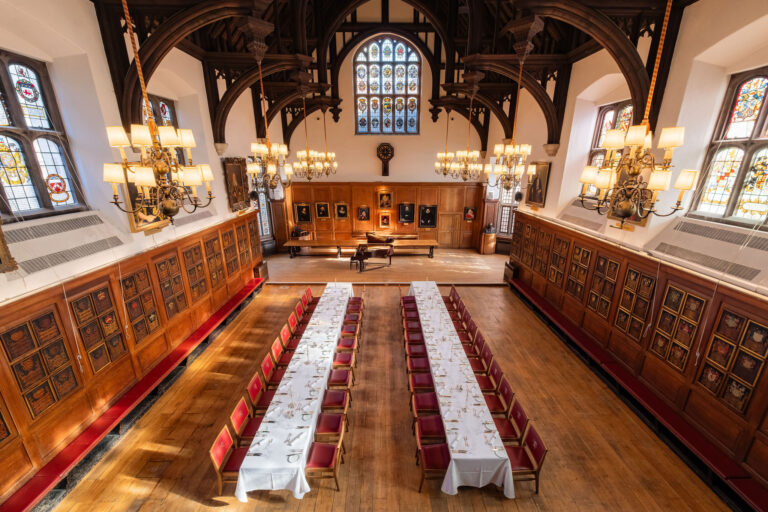
- Gray’s Inn has three licensed ceremony spaces: the Hall, the Large Pension Room and The Walks, its private gardens, which are licensed for outdoor weddings in the warmer months.
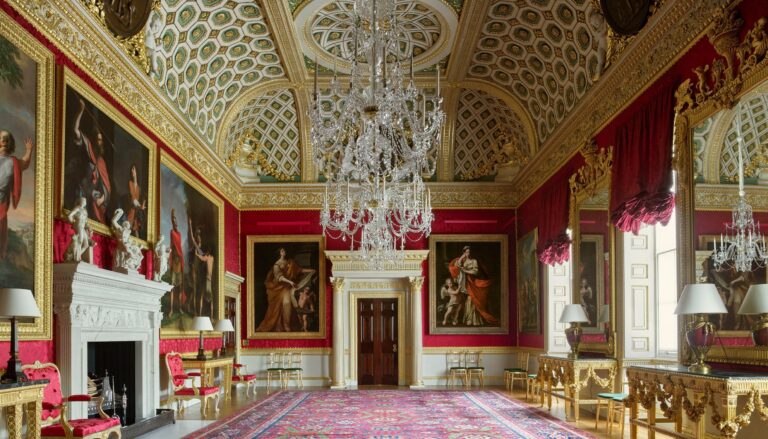
- Spencer House licenses four State Rooms for civil ceremonies: the Great Room, Lady Spencer’s Room, the Dining Room and the Palm Room.
- Fulham Palace has four licensed rooms, among them the Great Hall and Bishop Sherlock’s Room.
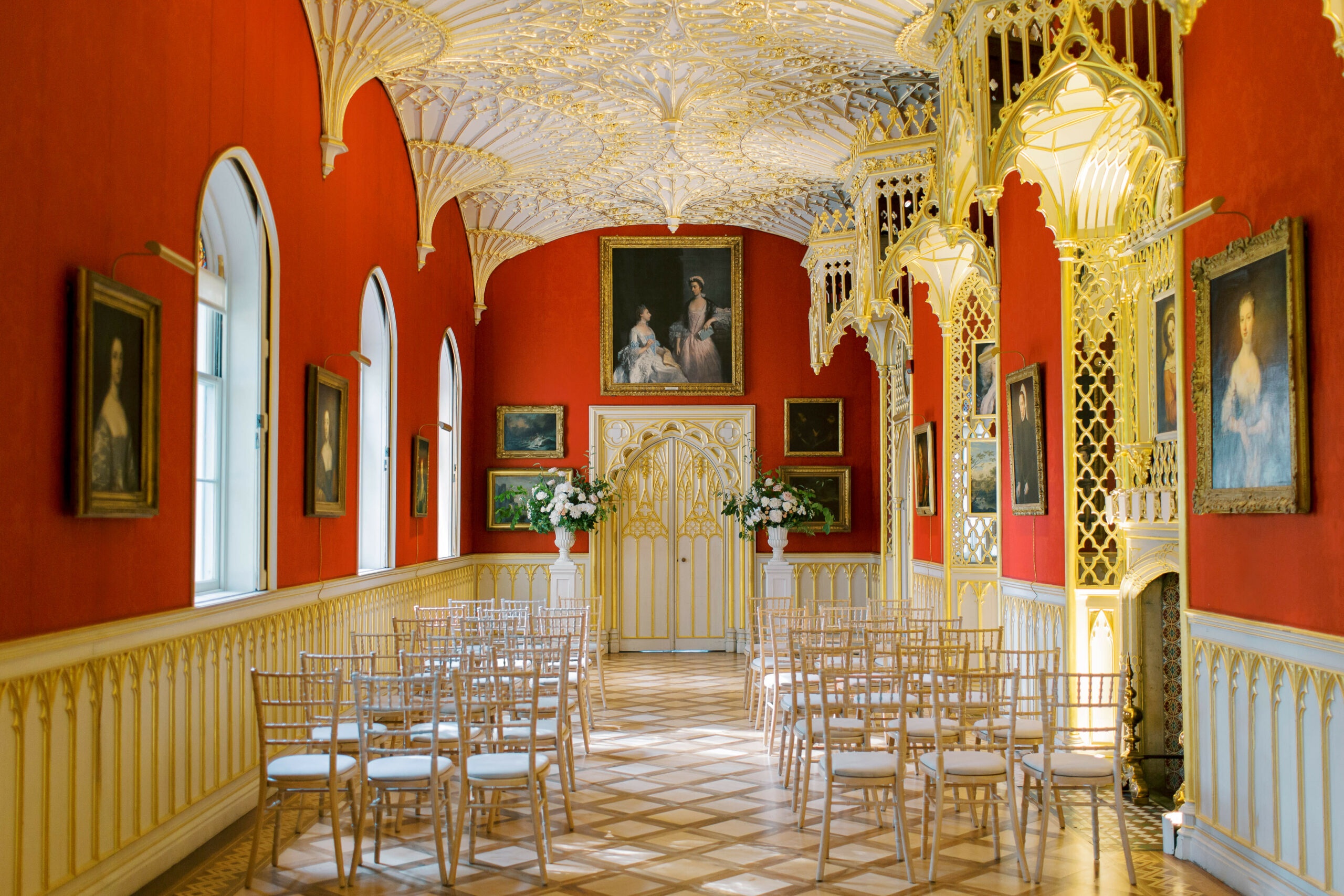
- Strawberry Hill House licenses its Gallery for civil ceremonies for up to 84 guests.
- 116 Pall Mall has a Grand Staircase licensed for civil ceremonies, and the Carlton, the Waterloo and the Nash are also licensed.
- The Berkeley lists its Ballroom and the Wilton, Knightsbridge and Belgravia rooms as licensed for civil ceremonies and civil partnerships.
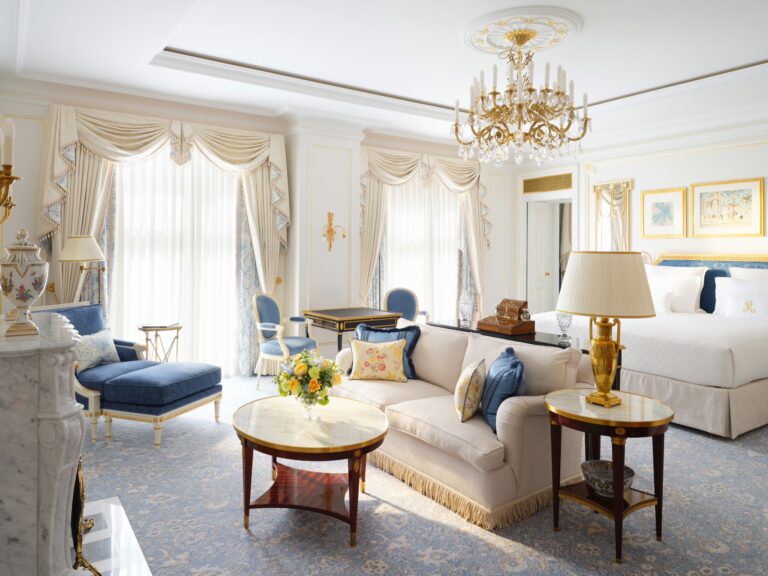
- The Ritz London says William Kent House holds a licence for wedding ceremonies, and that the Queen Elizabeth Room is licensed.
- Syon Park names the Great Hall and the State Dining Room at Syon House as licensed for civil ceremonies.
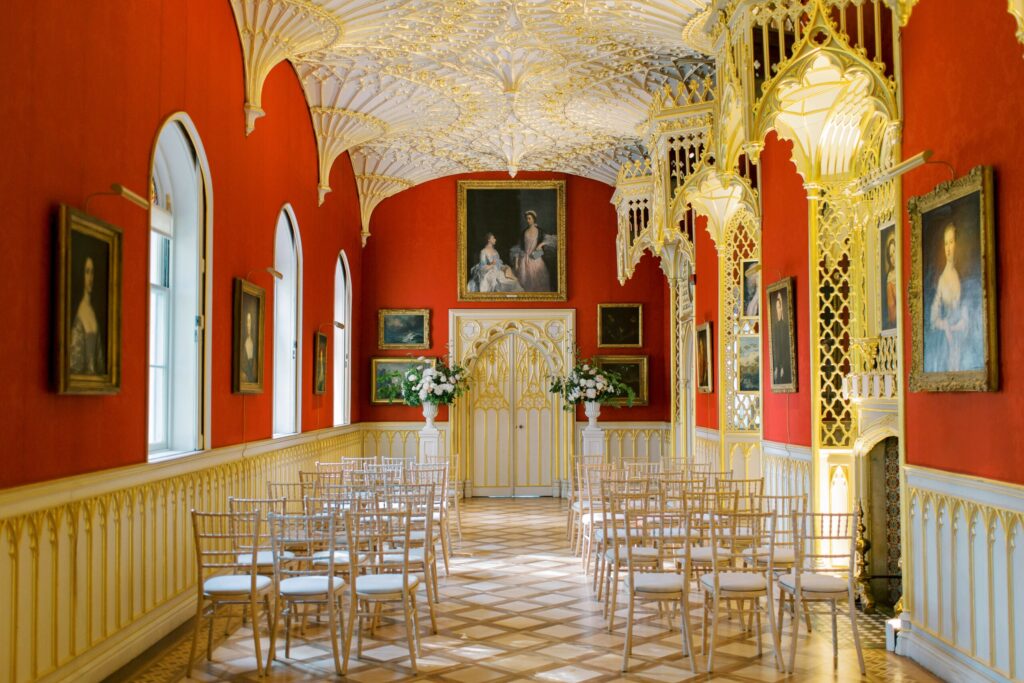
Licensed rooms have their own limits on guest numbers, so a licence for the Gallery at Strawberry Hill House for up to 84 guests is a different thing from the size of the reception that follows. Ask for the ceremony capacity of the specific room and the days it can be used.
Some venues arrange the registrar. 116 Pall Mall says its registrar is arranged through Westminster Registry Office and the fee is paid on top of the venue hire. At a register office the registrar’s fee is £62; at other approved premises it may differ, so ask the venue for the figure. Some venues sit close to a register office: The Landmark London holds a civil ceremony licence and stands opposite Marylebone Register Office, and The Greenhouses holds the licence for its Regency Greenhouse, with the register office at Old Marylebone Town Hall a few minutes away.
Giving notice at the register office
Before any civil or registrar-led wedding you give notice of marriage. Government guidance says you usually make an appointment at your local register office, and you must have lived in that registration district for the past seven days. If you live in different districts, you each give notice separately, though not necessarily on the same day.
The timing rules are fixed. You must give notice at least 29 days before the ceremony, and the ceremony must take place within 12 months of giving notice. At the appointment you will need the details of your final ceremony venue, so the venue has to be settled before you go.
Documents, including for partners from outside the UK
Each of you brings original documents to the notice appointment. Government guidance lists:
- proof of your home address, such as a UK or Irish driving licence, a recent utility bill or bank statement, a Council Tax or mortgage statement from the last 12 months, or a current tenancy agreement;
- a valid passport or a UK birth certificate showing your age, with evidence of your parents’ nationalities if you were born after 1 January 1983 and use a UK birth certificate;
- proof of any change of name, such as a deed poll;
- the decree absolute or final order, or a former partner’s death certificate, if you have been married or in a civil partnership before.
If your normal address is outside the UK, you need a UK contact address. If one of you is from outside the UK, a passport-sized photograph of each of you is needed, together with proof of current immigration status, such as a share code or the visa in your passport, and a translation of any document not in English.
The rules also change where one of you is from outside the UK or Ireland. You must then give notice together at a register office in the district where at least one of you lives. That does not apply if you both have British or Irish citizenship, or settled or pre-settled status under the EU Settlement Scheme. Unless an exception applies, you also need a visa to give notice and to marry in the UK. The Marriage Visitor visa is for people who will not live in the UK afterwards and will stay less than six months, and you cannot give notice or marry on a Standard Visitor visa. If notice is given without the right visa, the Home Office is told, may ask questions about you and your relationship, and you may need to wait up to 70 days before marrying.
Church of England and other religious weddings
A religious wedding takes place in a registered religious building, and an authorised person such as a minister signs the marriage schedule. If there is no authorised person, a registrar must be booked. Government guidance notes that Anglican weddings may follow a different process, so check with the church.
The Church of England says banns are normally read in church on three Sundays during the three months before the wedding, in the parish where each of you lives and in the church where you will marry. A licence replaces banns where there is not enough time, or where one or both of you are British but live outside England and Wales. The church warns that the granting of licences is not always guaranteed. Where either of you is not a UK or Irish national and lacks EU Settlement Scheme status, it says you will need a Superintendent Registrar’s Marriage Schedule, which comes from the register office. The Church also says a divorce does not necessarily rule out a church wedding, although not every vicar will agree to one, and government guidance says same-sex couples cannot marry in an Anglican church.
Several London venues combine a licensed room with a church or chapel nearby. The Connaught is licensed for weddings and civil partnerships and has Farm Street Church within a few minutes’ walk. The Goring is licensed for ceremonies on the premises and names Westminster Cathedral, St Peter’s in Eton Square and St Michael’s in Chester Square nearby. The Hurlingham Club licenses Palm Court for civil and religious ceremonies and its Sunken Garden for civil ceremonies only. At Fulham Palace, Bishop Tait’s Chapel hosts blessings for up to 90 guests; the venue describes it as a blessing space, not a licensed civil room.
For the cost of London venues, see how much a London wedding venue costs; for whole-venue hire, exclusive-use venues in London; and for rooms, where guests stay. The wider picture is on the London wedding venues page.
Questions couples ask
Do we still need a registrar if the venue is licensed?
Yes for a civil ceremony. Government guidance says a registrar must carry out or attend it, and the licence concerns the room, not who conducts the wedding.
How many witnesses do we need?
At least two for a civil ceremony. You, your partner, your witnesses and the registrar sign the schedule.
Can we have a religious blessing as well?
A civil ceremony must not include anything religious, but a religious blessing can be added afterwards. Ask the venue whether it hosts one: the London Hilton on Park Lane, for instance, says it is licensed for civil ceremonies and religious blessings.
Ready to match a date to a licensed room? Check your date with the London venues.
Updated 31 October 2026