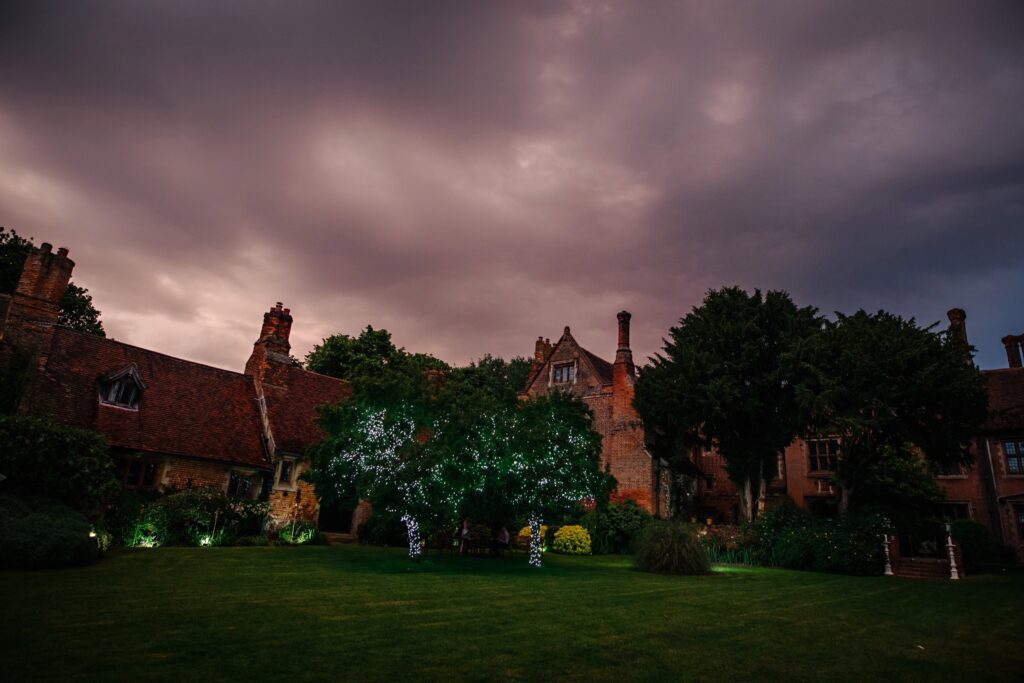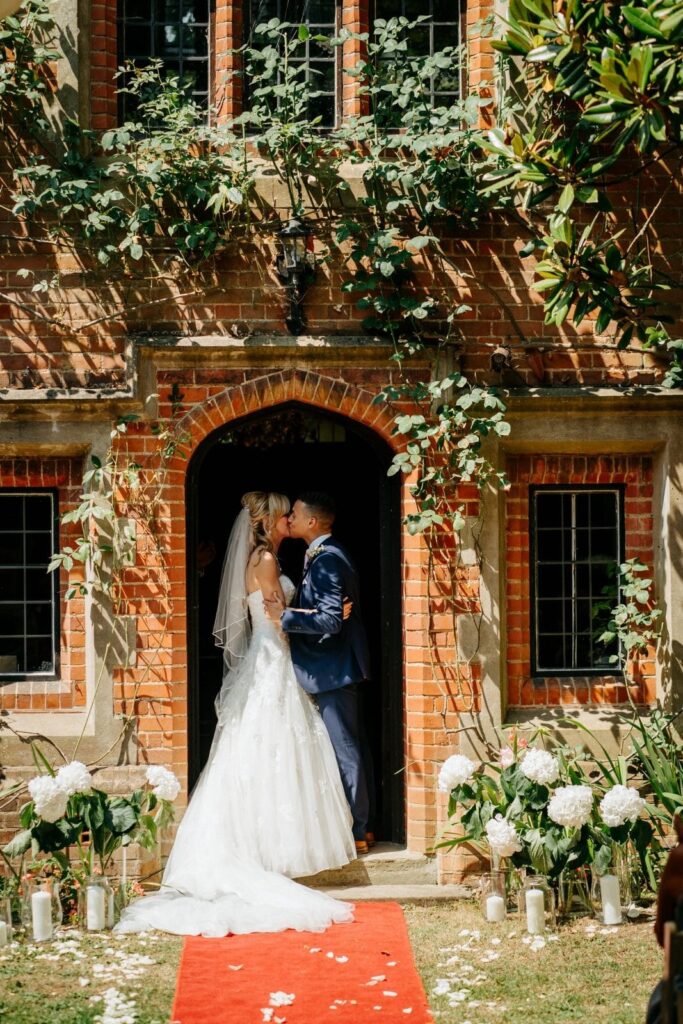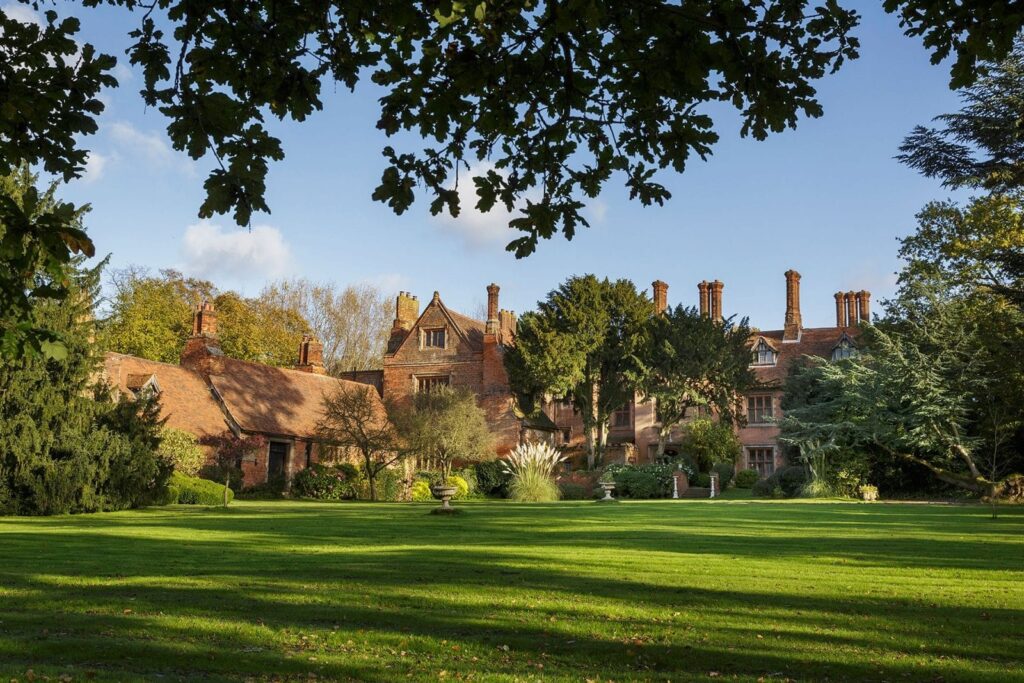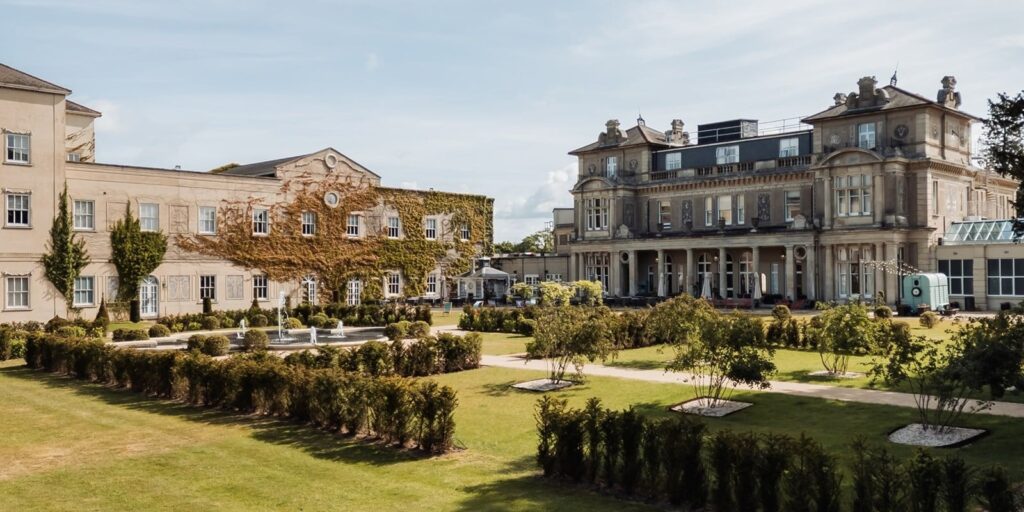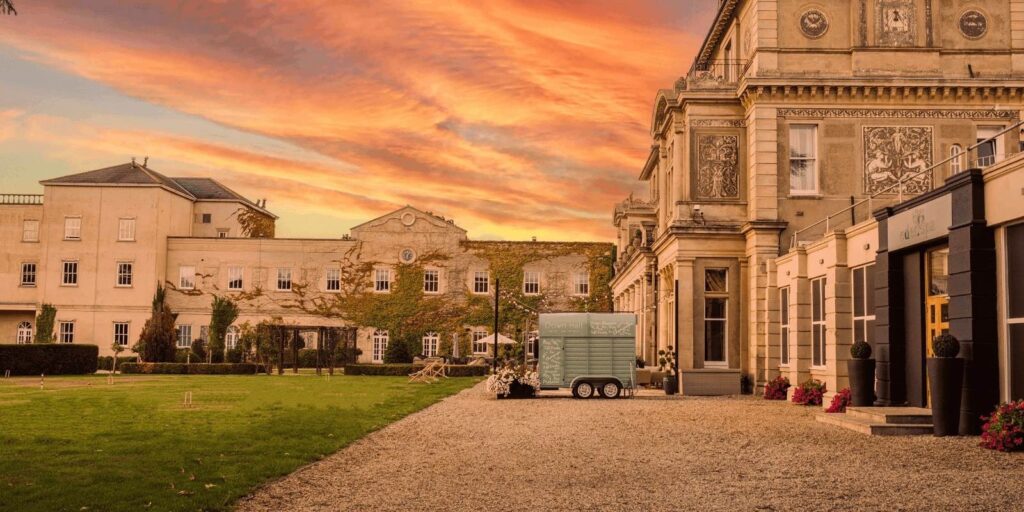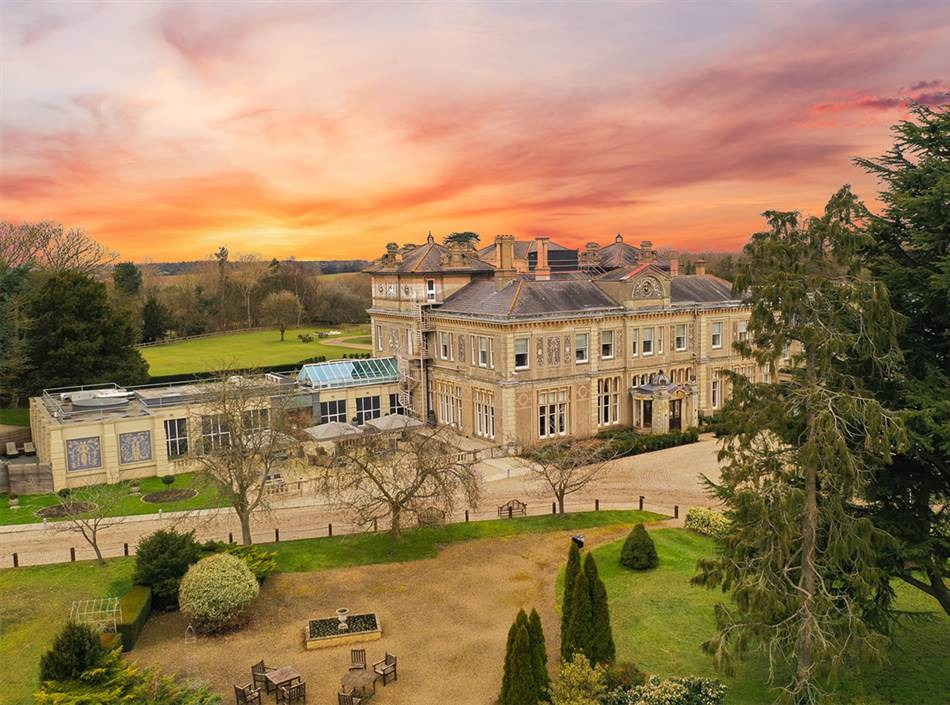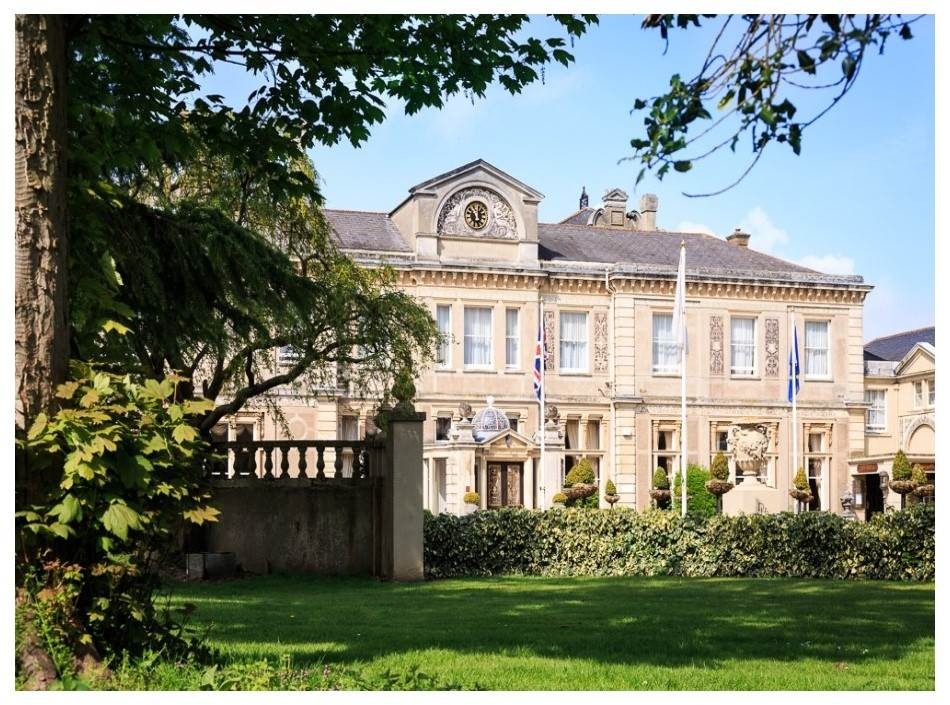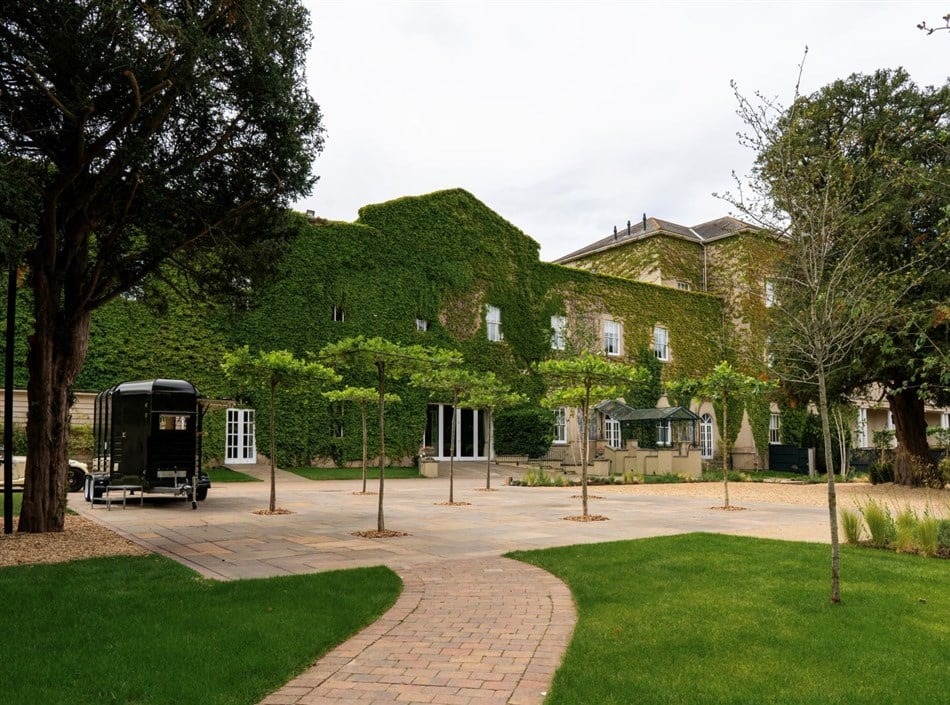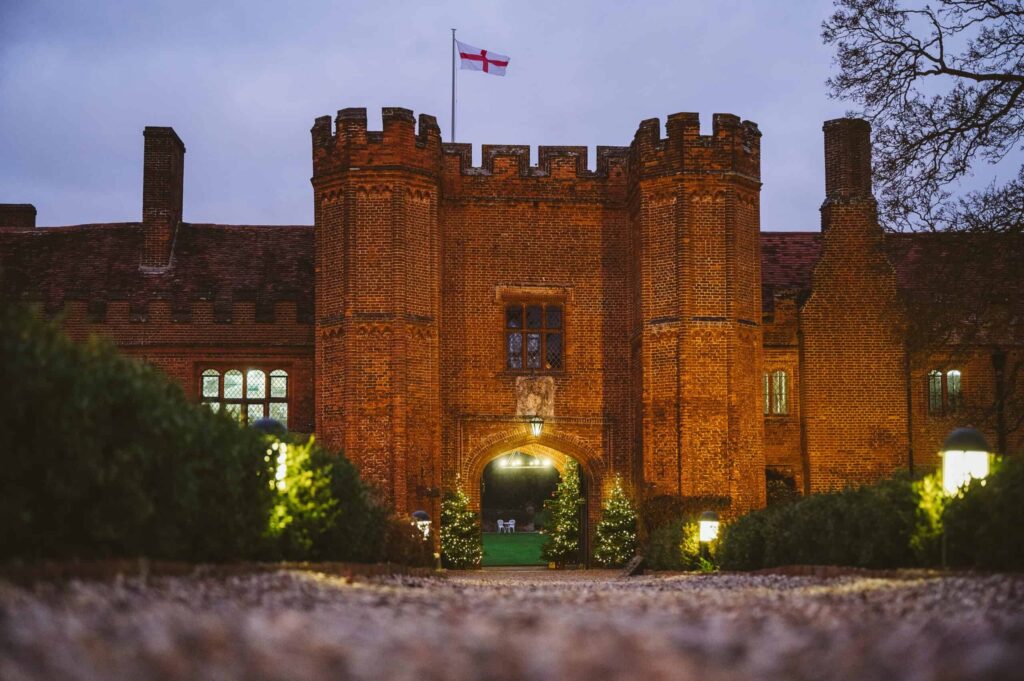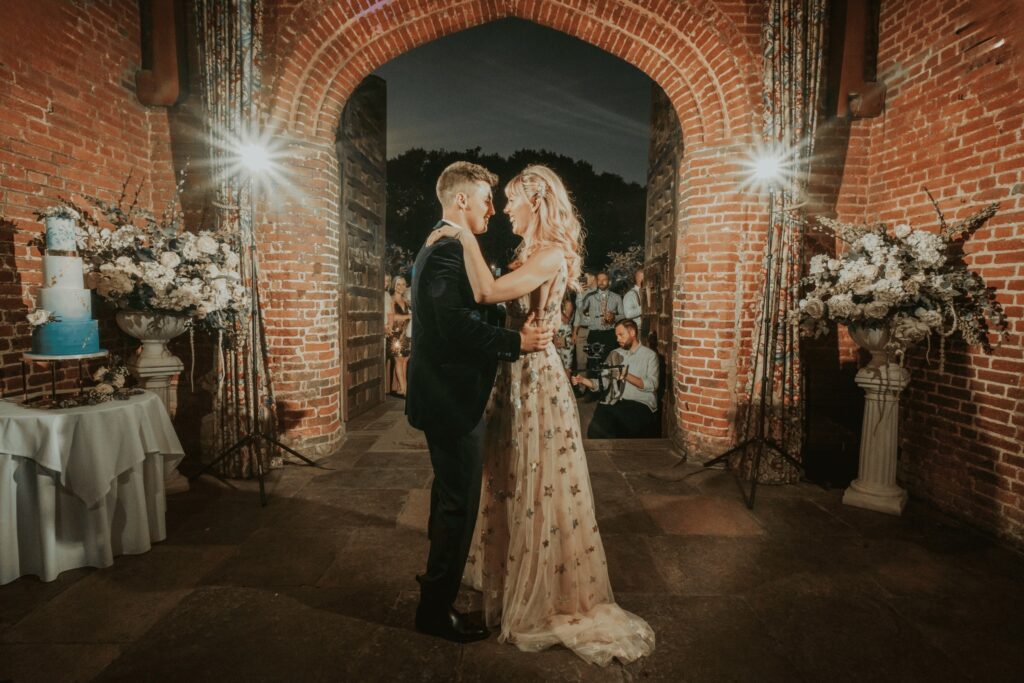
Hubbard’s Hall, the Essex manor house that hosts weddings as That Amazing Place, has a medieval hall at its heart. Historic England dates the hall to about 1400, when the manor still belonged to the Huberds, the Harlow family who gave it their name, and records every timber in its roof as heavily blackened by smoke. Six centuries of building have gathered around it since, including a wing of the early 1930s by Clough Williams-Ellis, the architect of Portmeirion. The house has hosted weddings since 2015, and today it is given, with its lake and marquee, to one wedding at a time, half a mile along a drive off Churchgate Street in Old Harlow.

The Huberds and the abbot’s manor
Hubbards was one of the five medieval manors of Harlow, and it was held of Harlowbury, the estate that the thegn Thurstan, son of Wine, gave to the abbey of Bury St Edmunds in 1044. The abbey kept Harlowbury until its dissolution in 1539. Harlowbury, about 1.8 kilometres north north east of Hubbard’s Hall, still keeps its Norman chapel, listed at Grade I and the oldest building in Harlow.
The family name arrives in the thirteenth century, when Abbot Hugh granted land in Harlow and the right to hold a manor court to Hubert, son of William of Harlow. Hubert’s grandson John Huberd served as a coroner and a verderer of the forest and was still alive in 1324. His son Thomas was serving in France in 1346 and later sat as a keeper of the peace and a judge. A run of Huberds named Robert followed, and the last of them died in 1428 or 1429; the hall at the centre of today’s house went up in their time.
Francis Reeve bought the manor in 1606. His will, proved in 1639, left £100 to build almshouses for four poor widows, though the almshouses in Sheering Road were not built until 1716. In 1920 Major Horace Calverley sold Hubbards Hall with 13 acres to Mrs Swire of Hillingdon House, who gave it to her son, John K. Swire, in 1934. The grounds that come with a wedding today run to 14 acres, with a lake, an orchard and a gated secret garden.
A hall built for two storeys and an attic
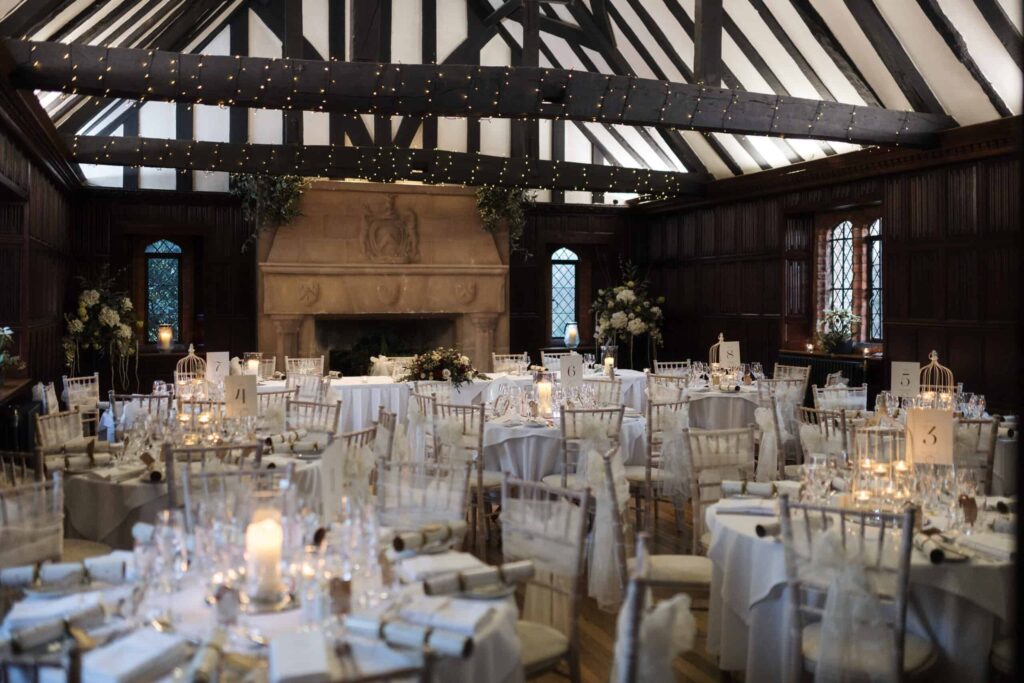
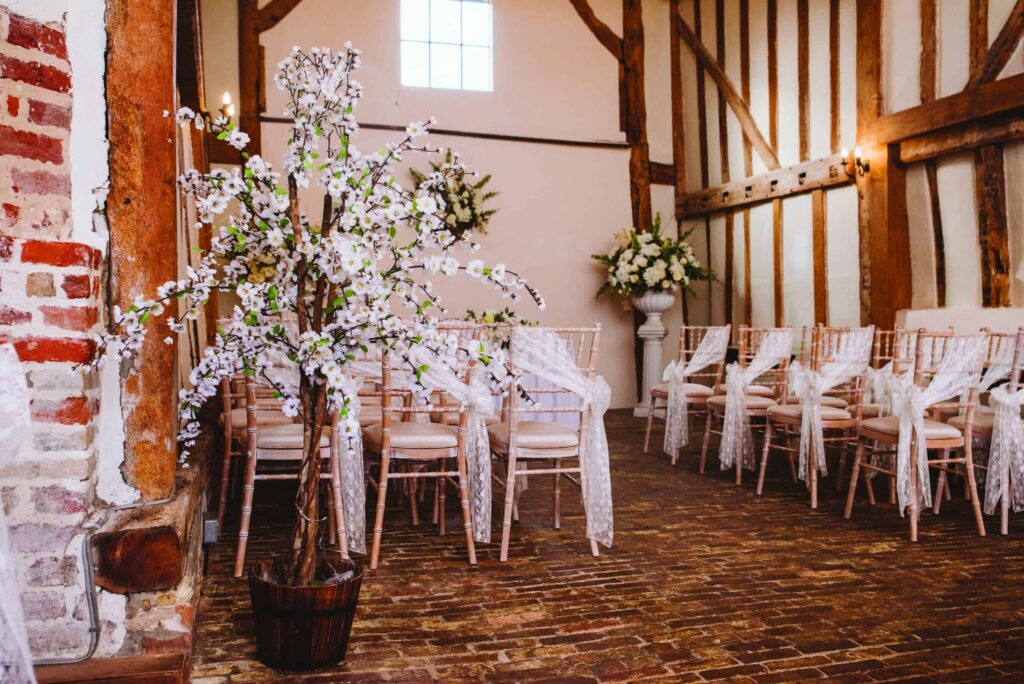
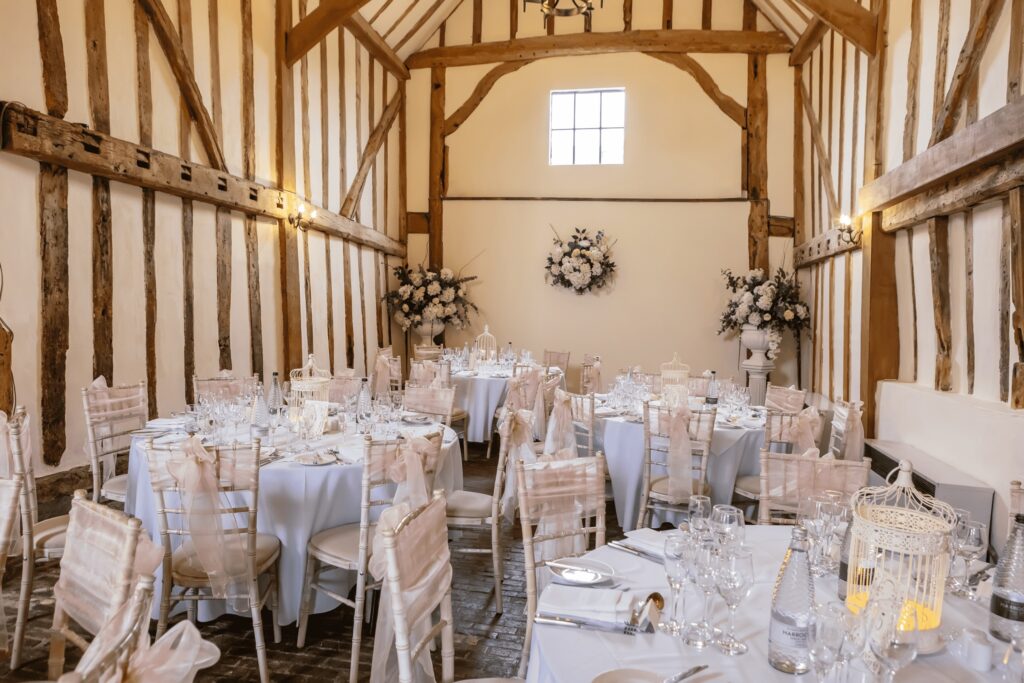
The medieval hall runs north to south over three bays and measures about 11.9 by 7.9 metres. Historic England remarks on its size, notes a height enough for two generous storeys and an attic, and compares it with the hall at Harlowbury, the manor on which Hubbards depended. Its roof is of crown post construction with a collar brace to every pair of rafters. The crown post of the main truss is octagonal, with a moulded capital and base; the one at the south end, beside the old cross entry, is plain and very tall. Timbers from the medieval hall were reused in the roof, among them a length of moulded wall plate and a large moulded mullion from the main window.
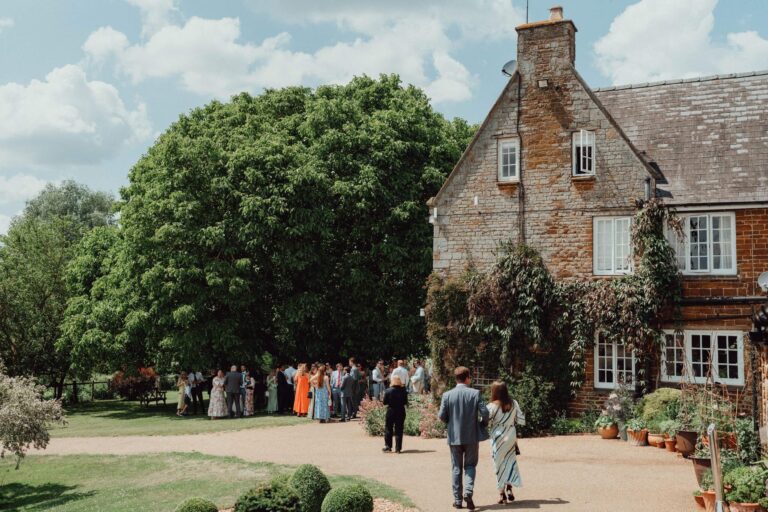
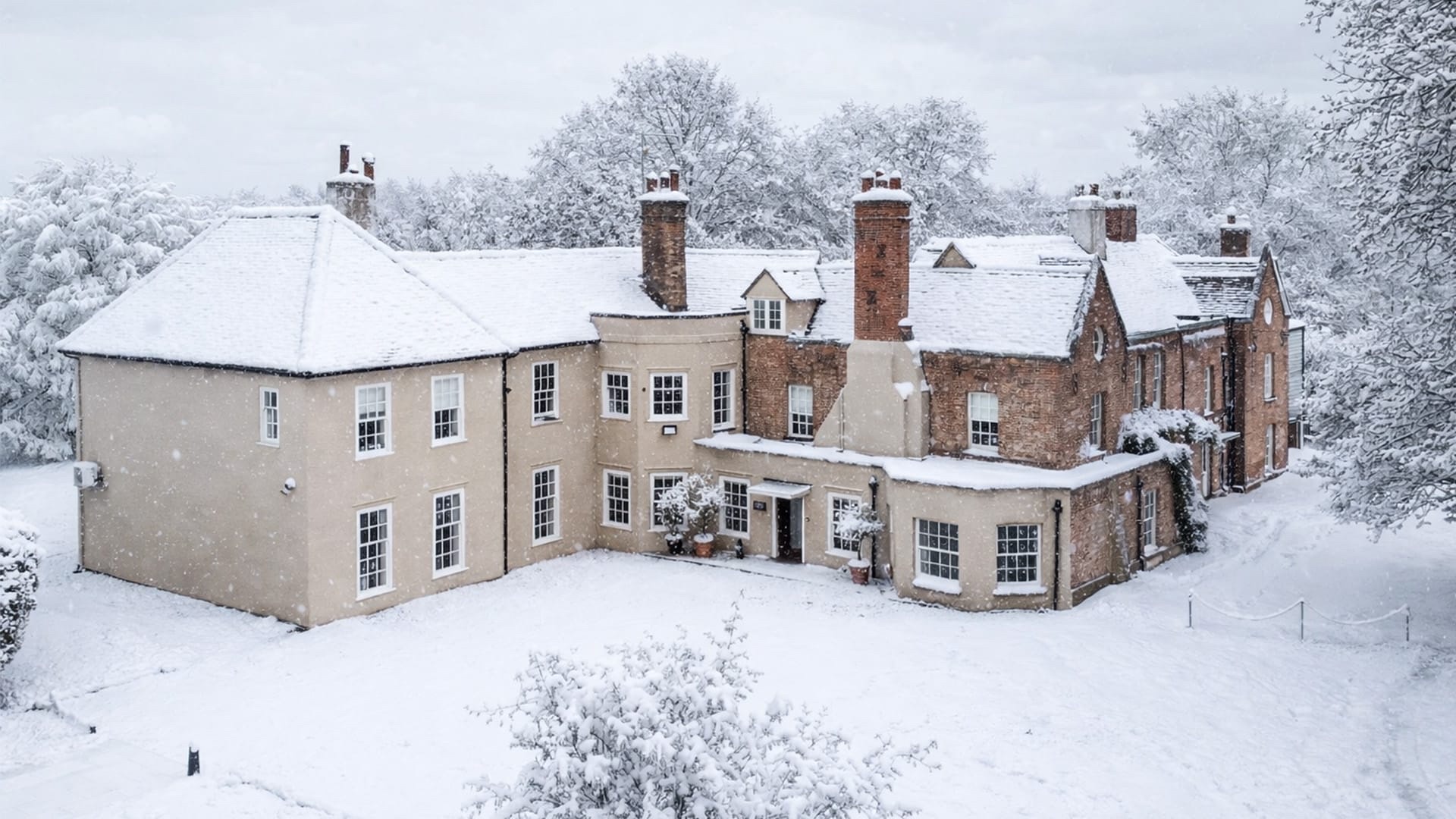
Later owners divided the great room. A chimney stack was built through its middle bay and upper floors were put in, and crosswings were added to the north in about 1600 and to the south early in the seventeenth century. The west front of the hall and its first two crosswings were faced in red brick laid in English bond, under roofs of handmade red clay tiles, and the windows became double hung sashes of the eighteenth and nineteenth centuries, with round windows in the gables. Inside, many walls keep a panelled dado of the late eighteenth century with fabric stretched on a frame above it and papered over, which Historic England describes as a rare survival.
A new entrance by the architect of Portmeirion
The original way in was from the west, at the south end of the hall. In the early 1930s, while the Swires owned the house, Clough Williams-Ellis gave it a new entrance hall on the north side, a large reception wing to the north east and service quarters to the south east. Williams-Ellis, who lived from 1883 to 1978, is known chiefly for Portmeirion, the Italianate village he created in North Wales on land he acquired in 1925.
Ceremonies in the house and beside the lake
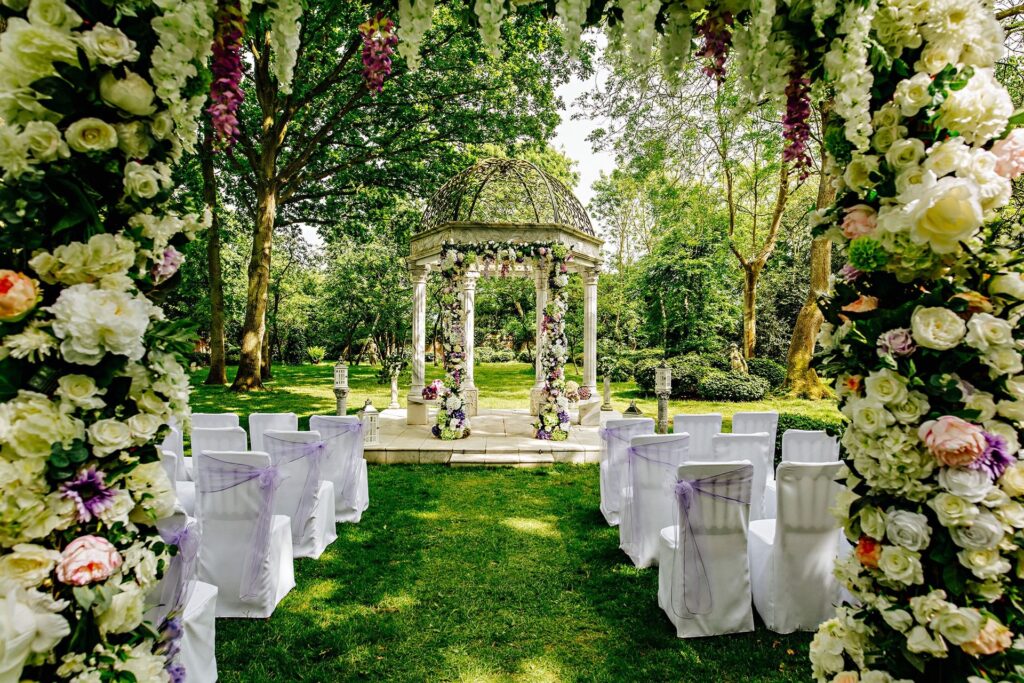
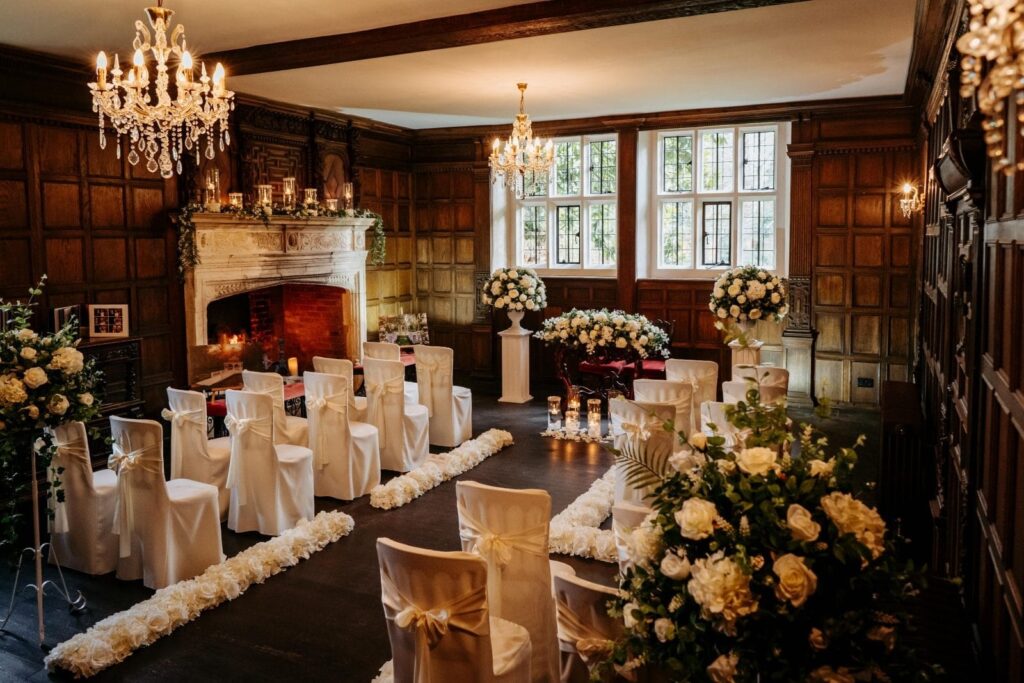
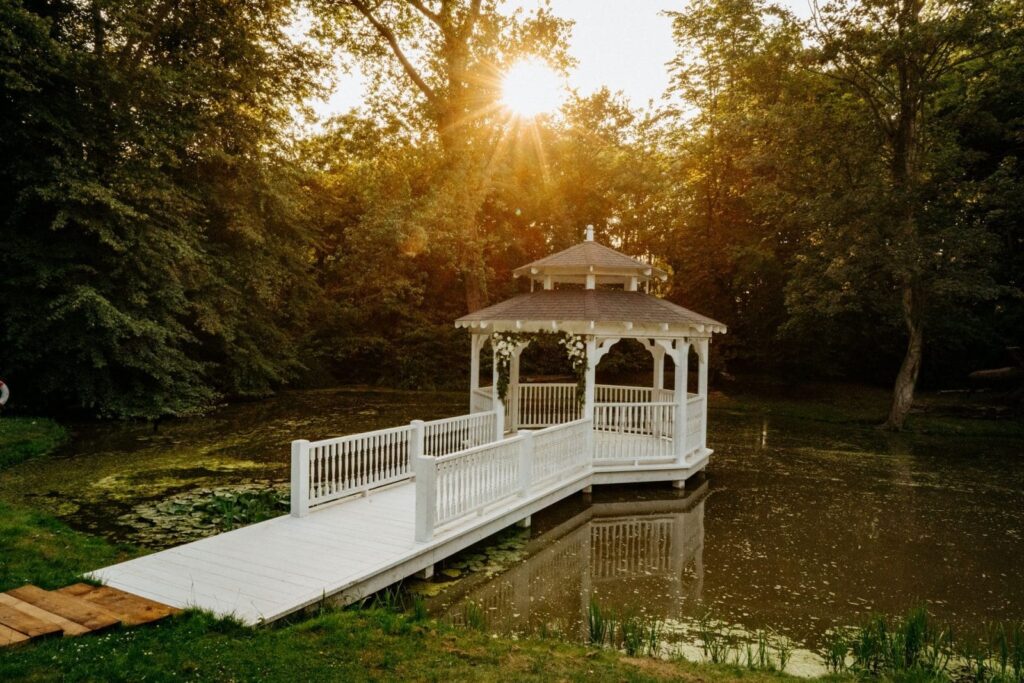
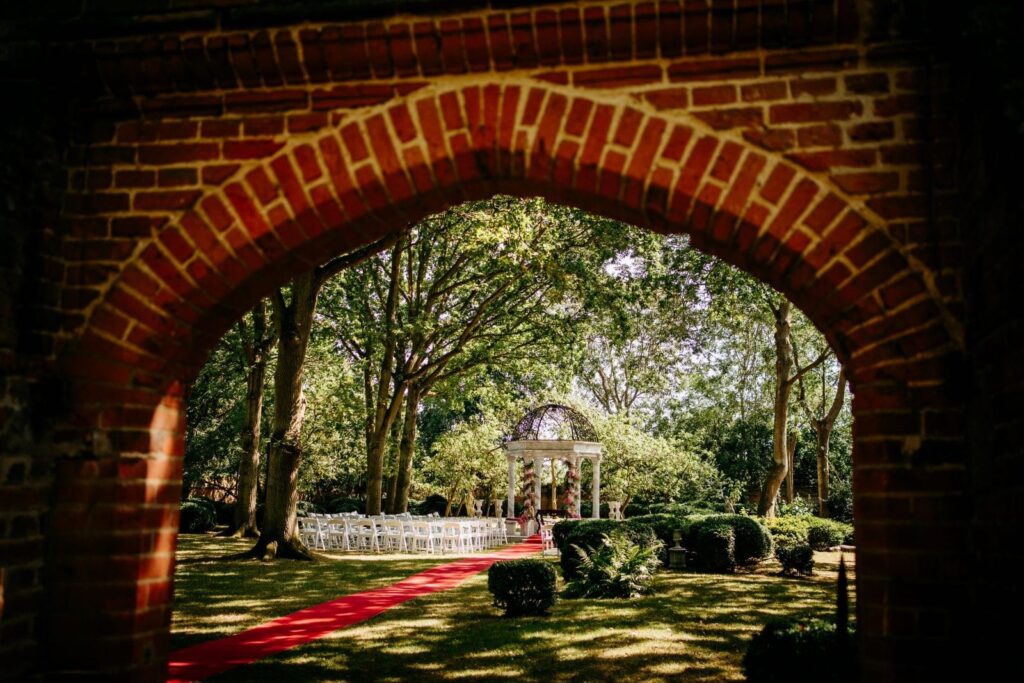
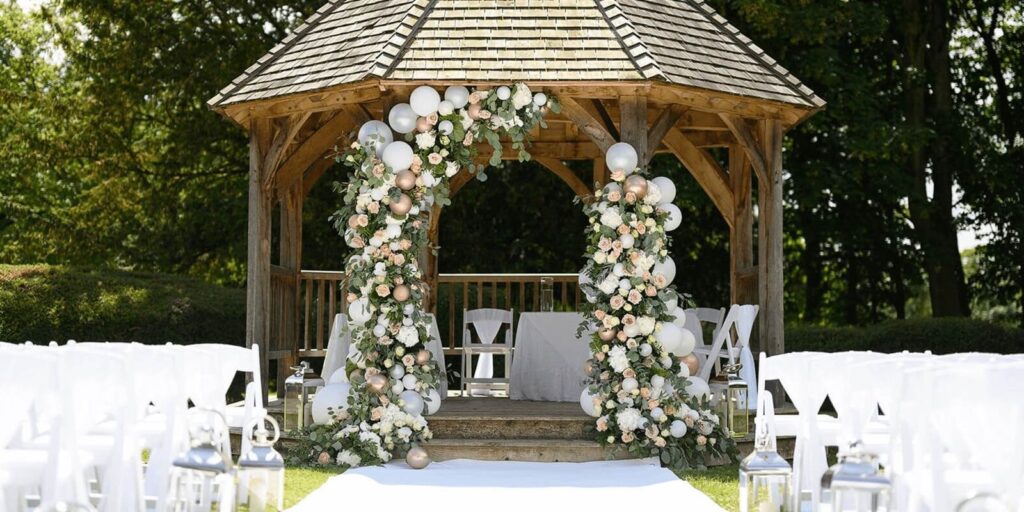
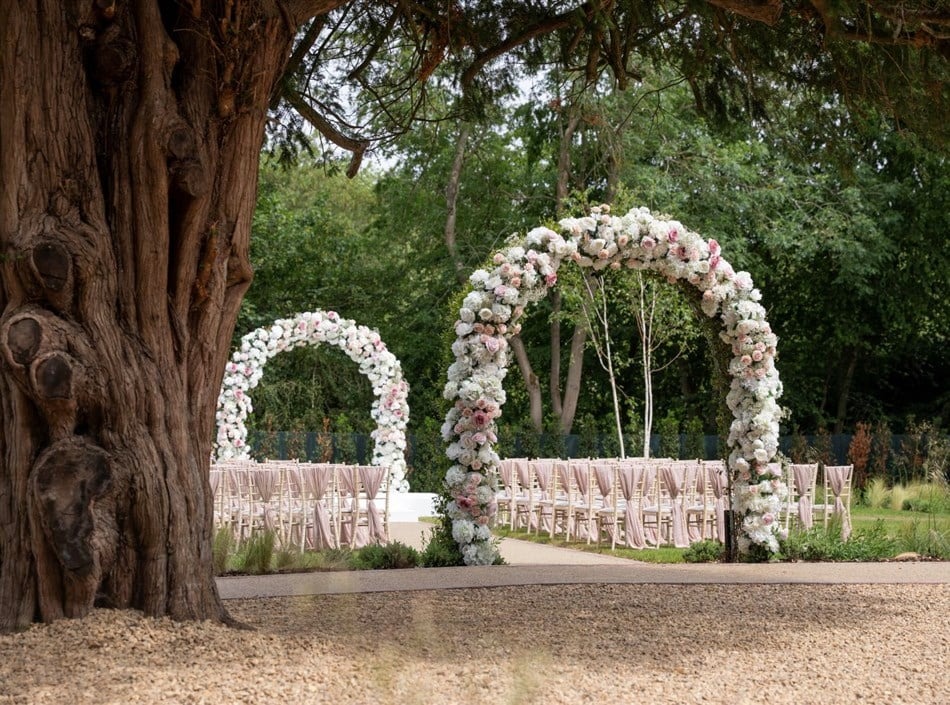
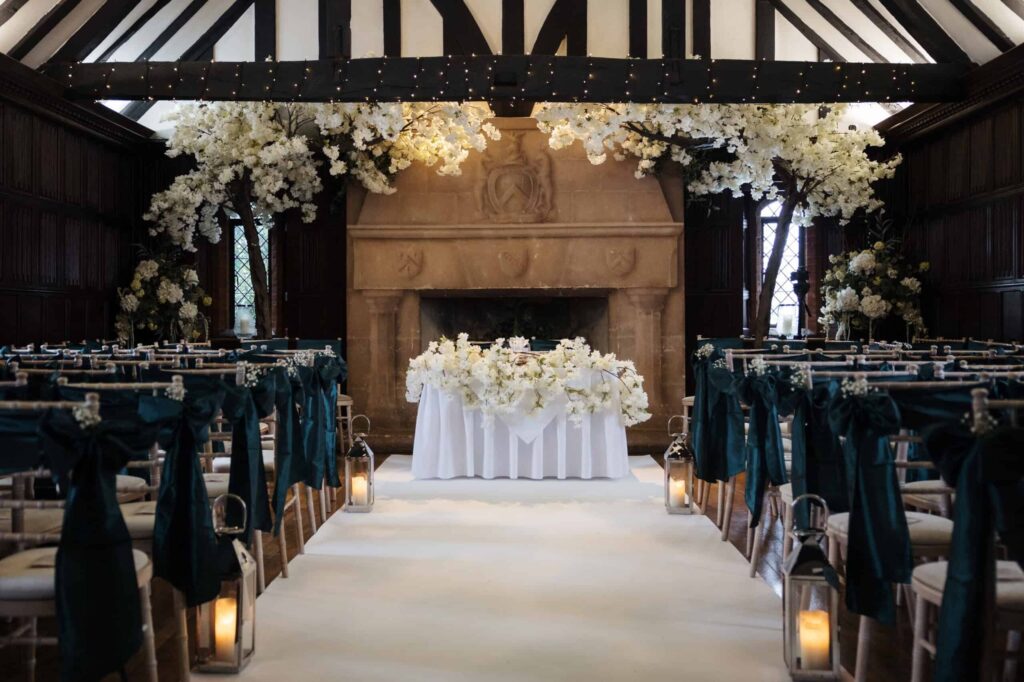
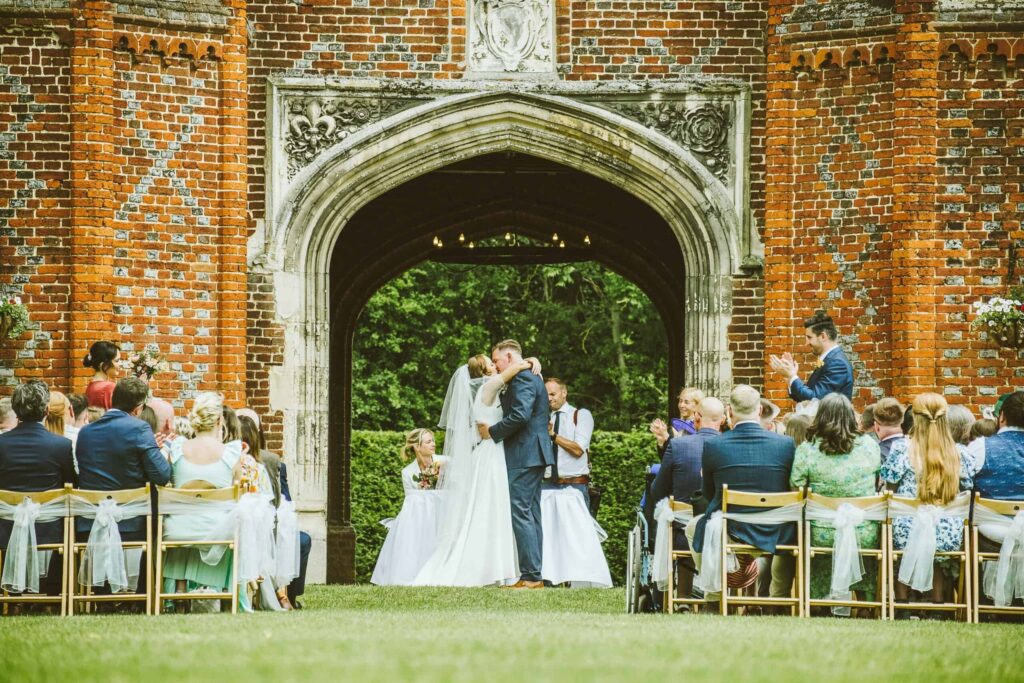
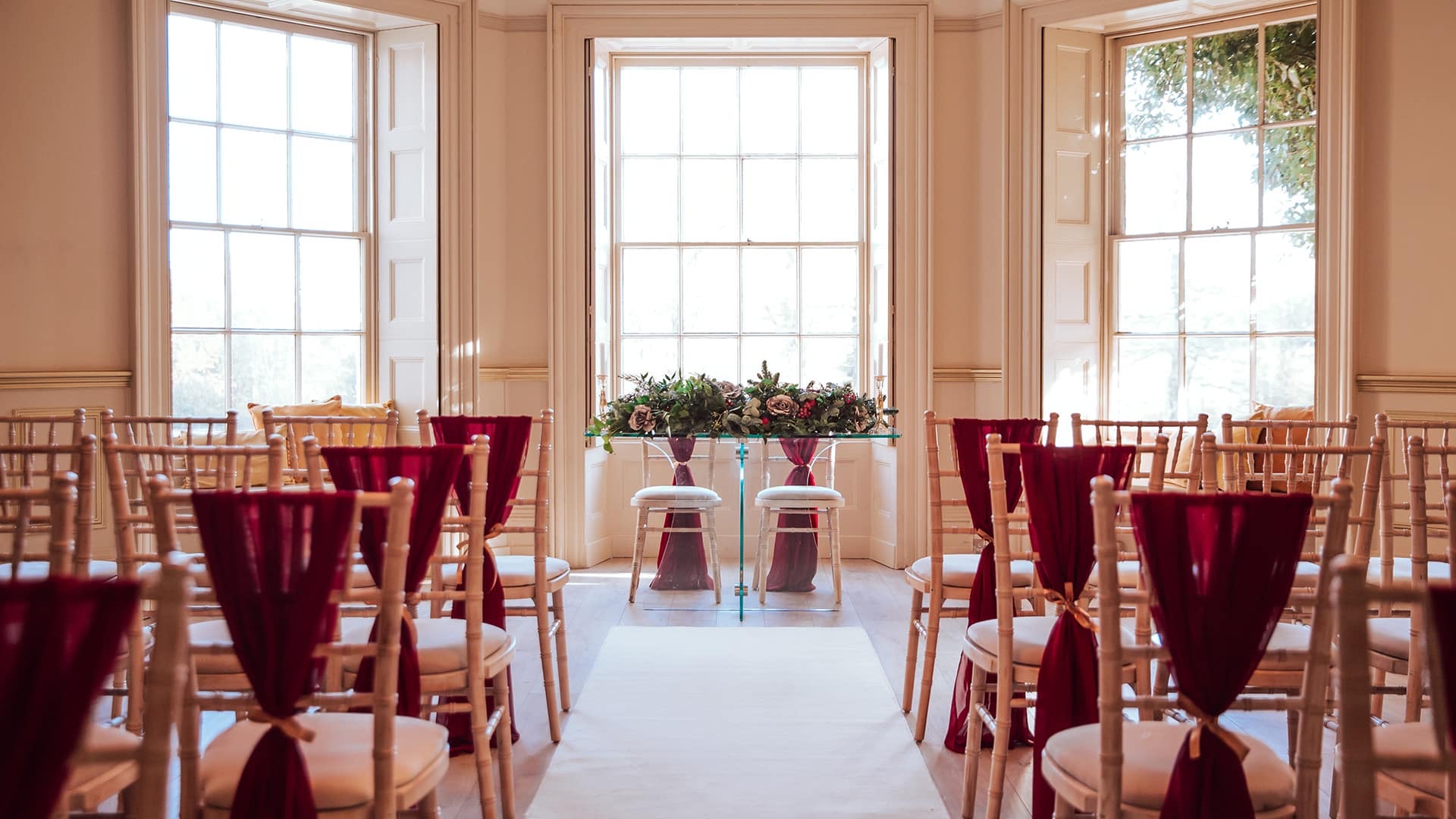
That Amazing Place is licensed for civil ceremonies, and couples book and pay for their registrars through the Essex Registration Service. The Lakeview Lounge, with bay sash windows looking over the grounds, holds up to 70 guests. The Hall, the largest room in the house, holds up to 100 and has chandeliers, a large mirrored wall, an original fireplace and sash windows. In the summer months a gazebo beside the lake takes ceremonies of up to 150 with the water behind the couple, and the marquee takes 100 to 150 in any season. There is no minimum number of guests, so a wedding of a dozen has the whole house to itself just as a wedding of 150 does.
Dinner, dancing and the marquee
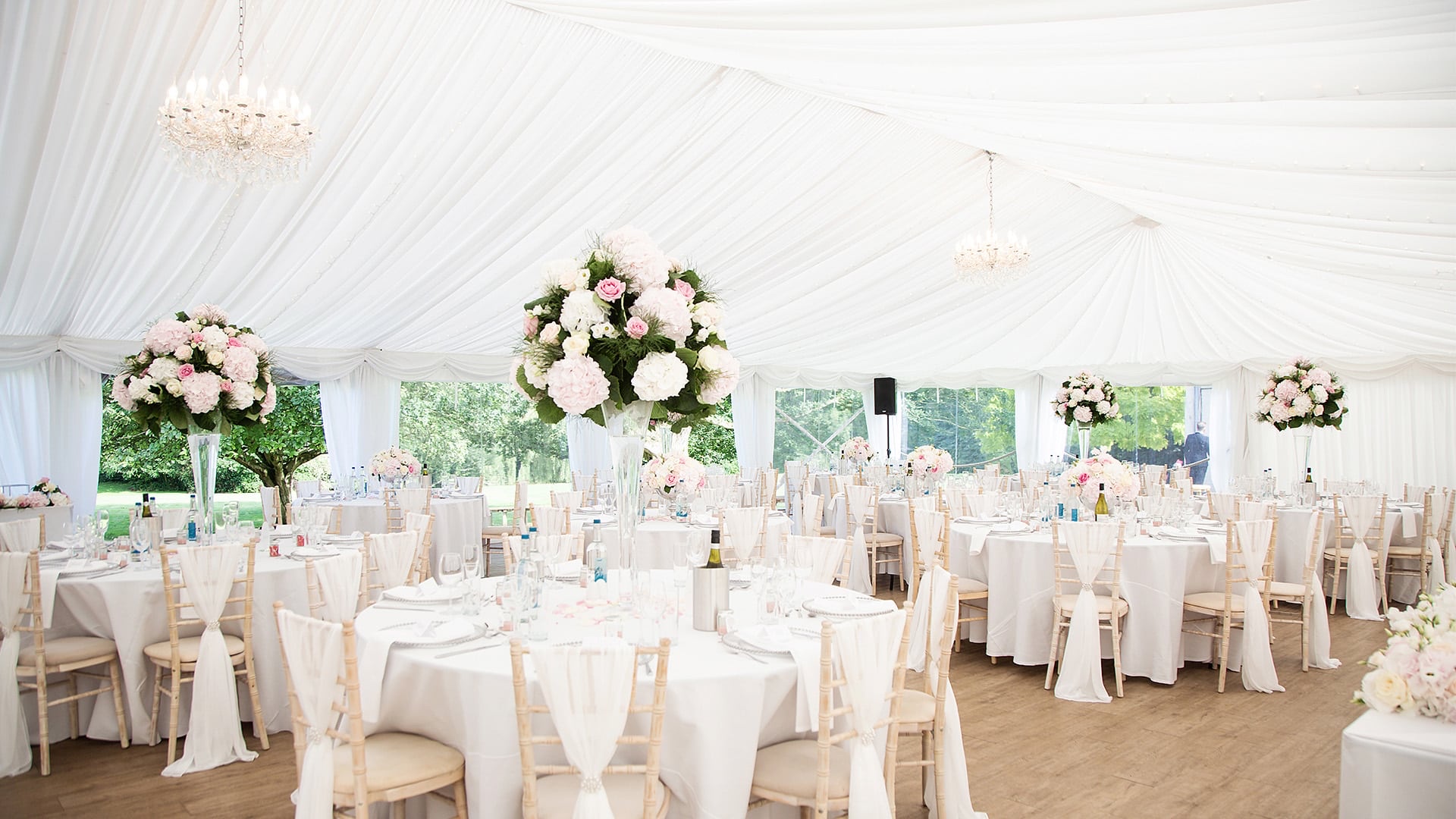
Up to 80 guests can sit down to the wedding breakfast in The Hall. Larger parties dine in the marquee, which seats 150 and has white linings, chandeliers and panoramic walls that open in warm weather. In the evening the marquee holds up to 200 when the house DJ, Herts Events, plays. Indoors, the Lakeview Lounge can become a dance floor close to the bar.
Food comes from the house’s preferred caterers, Magpie Catering and Plenty of Thyme among them, with Danton & Marshall also offering menus for the evening Twilight Party. Menus run from a formal three course wedding breakfast to barbecues, hog roasts and afternoon tea, and if no preferred caterer suits, the team works with the couple to find another. There is no corkage and no full dry hire. Photographers, florists and other suppliers are the couple’s own choice.
Fifteen bedrooms and a lodge for the night before
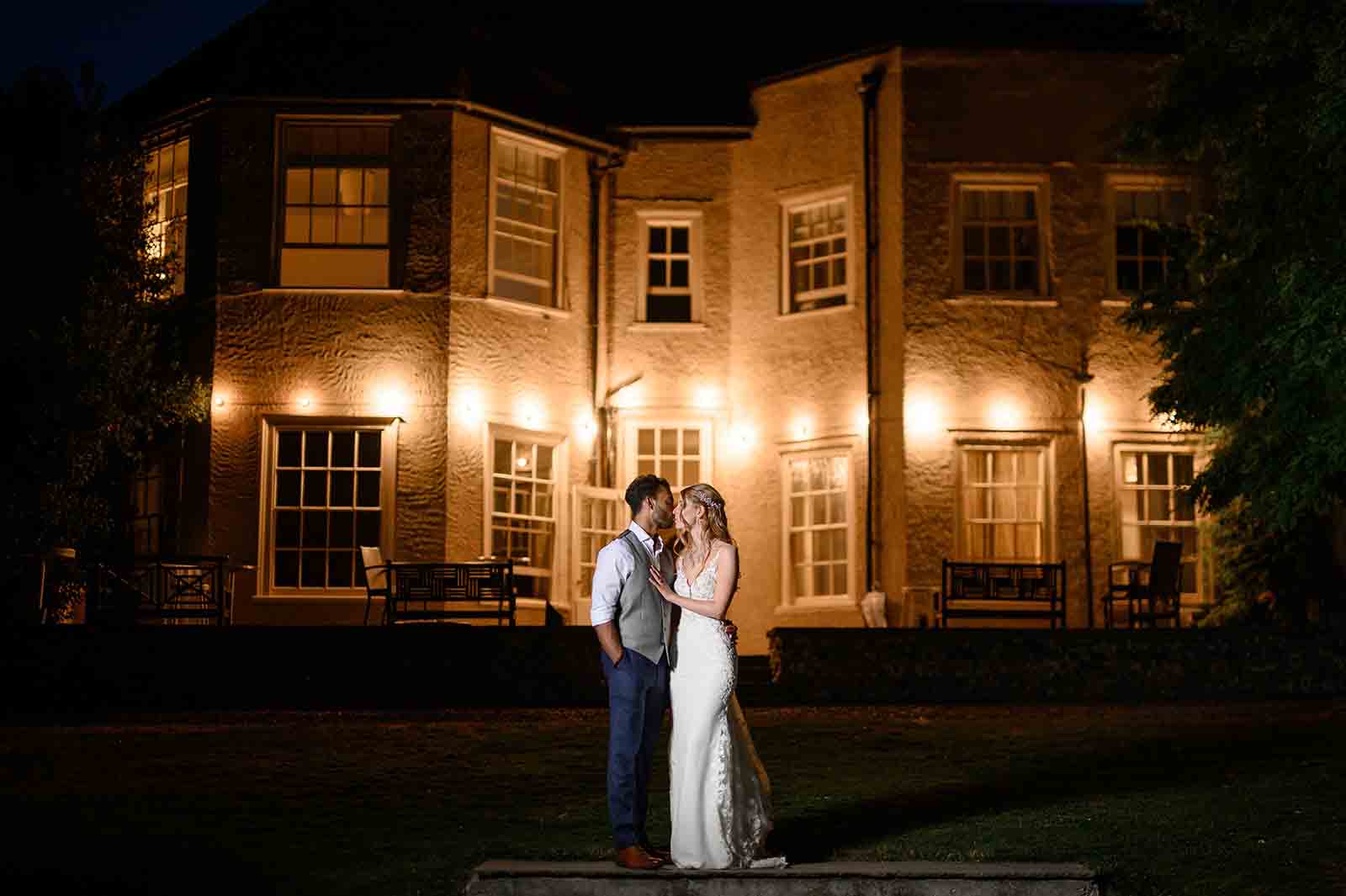
The wedding has the house from 11.30am on the day until 10am the next morning, or from 3pm on the Twilight Party. Its 15 bedrooms sleep 31: the Honeymoon Cottage for the couple, ten doubles and twins, a two bedroom family apartment, a family room for four and a single. All 15 are taken together for £2,500 a night on top of the package, and on a Friday or Saturday they must be booked with the Classic, Relaxed and Twilight Plus packages; from Sunday to Thursday, or with the Twilight Party, a couple can book the Honeymoon Cottage alone. Guests cannot book directly, so rooms are arranged through the couple; they check in from 2pm and have breakfast in the house the next morning.
The night before, the wedding party can stay in the Wedding Lodge, a four bedroom house a few steps from the venue that sleeps eight, with two rooms set aside for getting ready, a kitchen and dining area and a private garden. Dogs are welcome at weddings. The age of the building limits access: there is a ramp and a toilet with a grab rail, and two ground floor bedrooms suit guests who prefer to avoid stairs, though neither is a fully accessible room.
Old Harlow and the journey from London
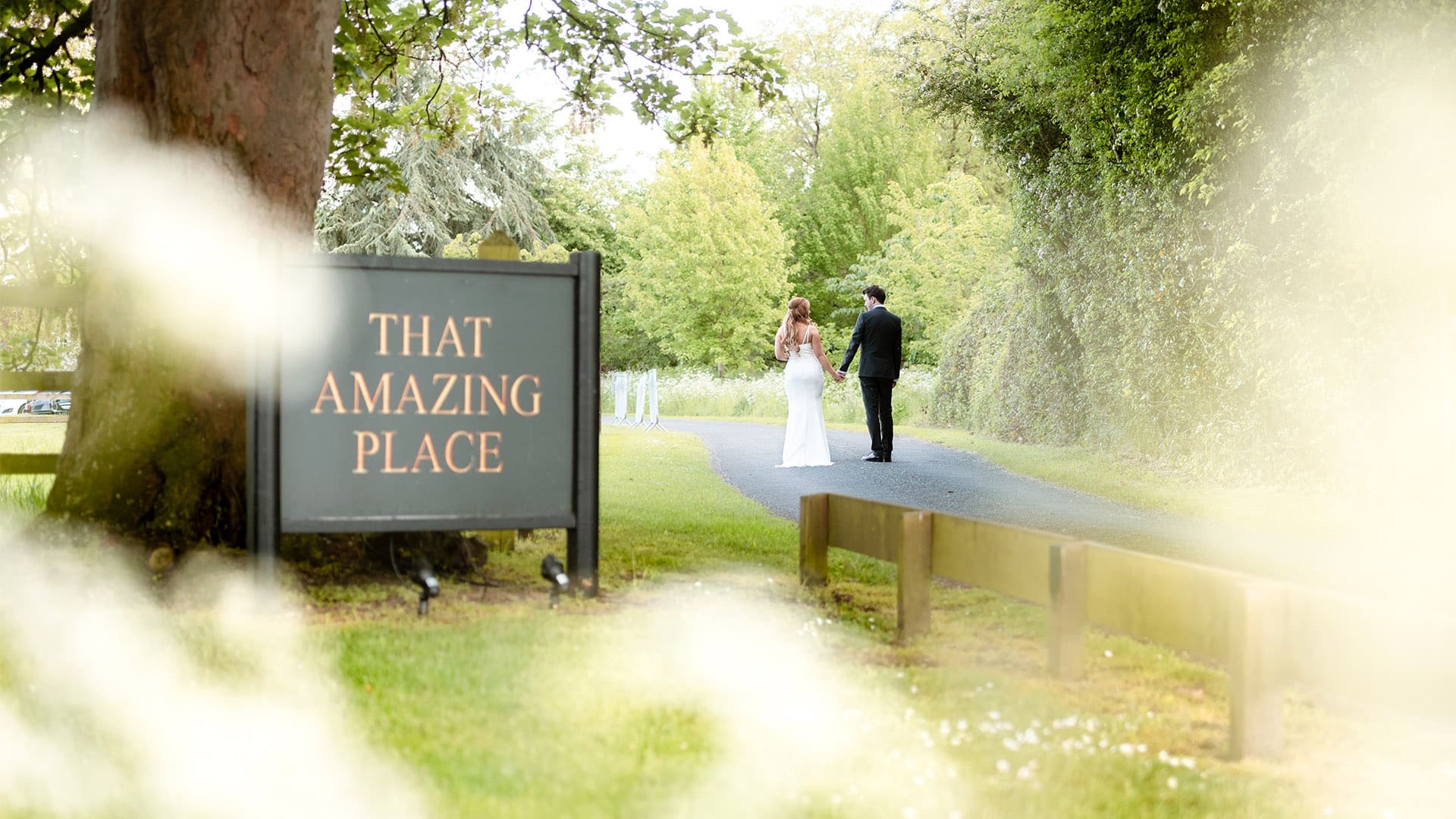
Harlow was designated a new town in 1947, and Frederick Gibberd’s masterplan put the new centre and estates mostly to the west and south, so the old town around Churchgate Street, now Old Harlow, has kept the character of a village. The house is reached from junction 7 of the M11 and lies about 20 minutes from London Stansted. Harlow Town is about 35 minutes by train from London Liverpool Street, and Harlow Mill, also reached from Liverpool Street, is the nearest station; Epping, the closest Underground station, is about 20 minutes by taxi. The bar closes and the music ends at 11.30pm from Thursday to Sunday, with the house closing to guests who are not staying at midnight; from Monday to Wednesday both come half an hour earlier.
Packages start at £6,500 for the Twilight Party, for 60 guests on a weekday in the low season of January to March and November: a 6pm ceremony, prosecco, one course of evening food, a DJ, an event manager and the couple’s night in the Honeymoon Cottage. The Classic package, for up to 150, includes reception drinks, a three course wedding breakfast and wine. Prices rise in April, October and December and again from May to September, and include VAT. Other houses in the county are gathered under Essex, and the United Kingdom Wedding Atlas explains how to marry in the United Kingdom.
The house or the marquee
One number shapes a wedding at Hubbard’s Hall, and it is the guest list. At 80 or fewer seated, the day can stay inside the medieval house from the vows to the last dance; beyond 80, dinner moves out to the marquee on the lawn. Settle that number first, then check your date at That Amazing Place.