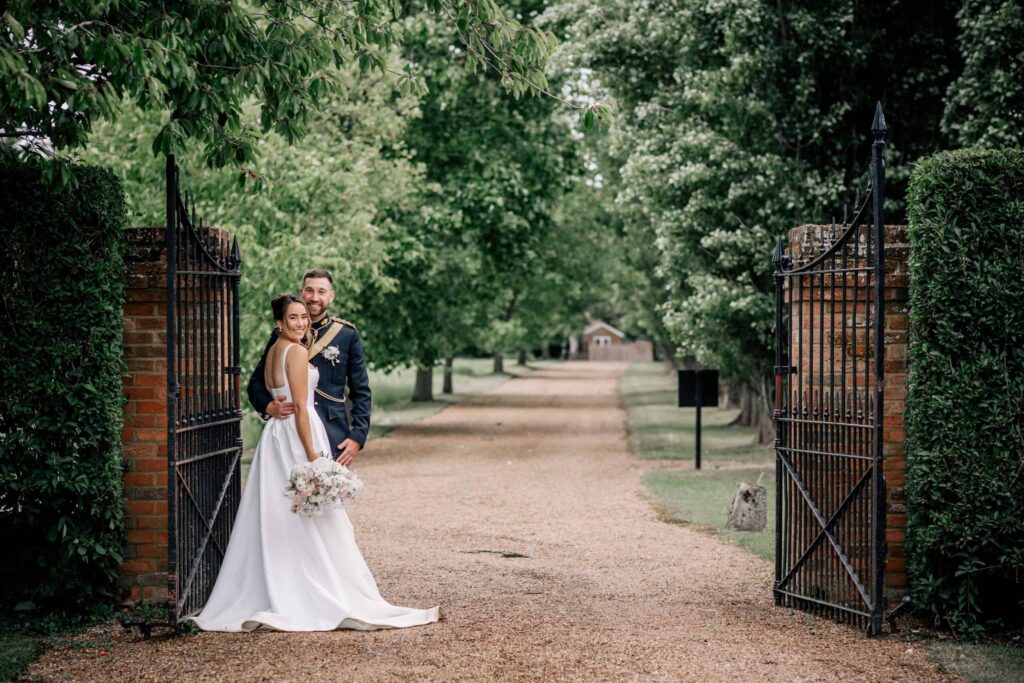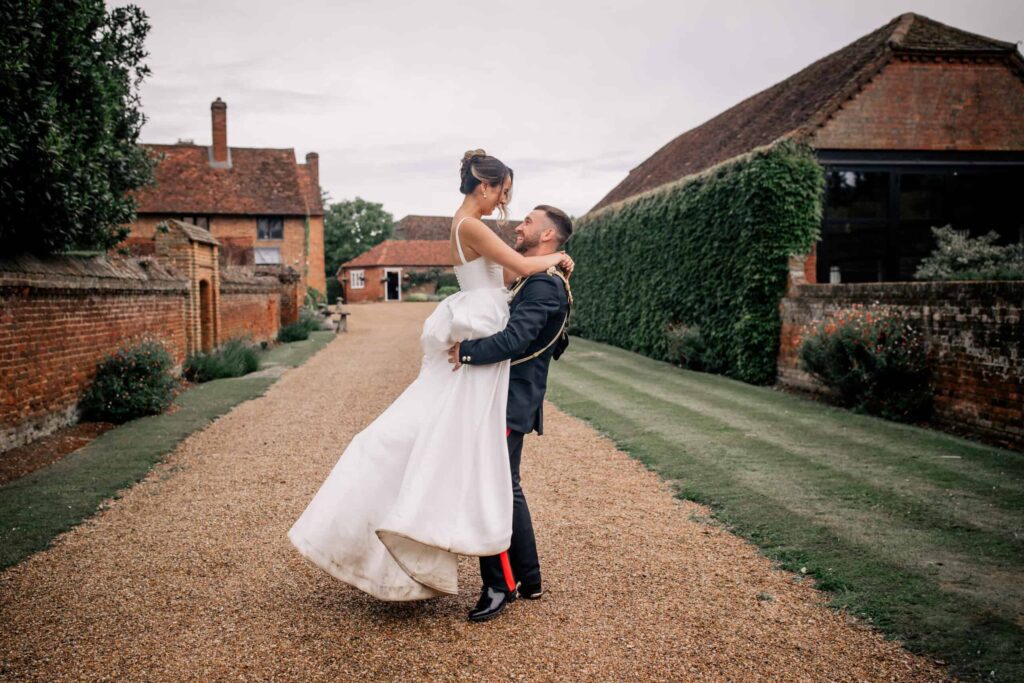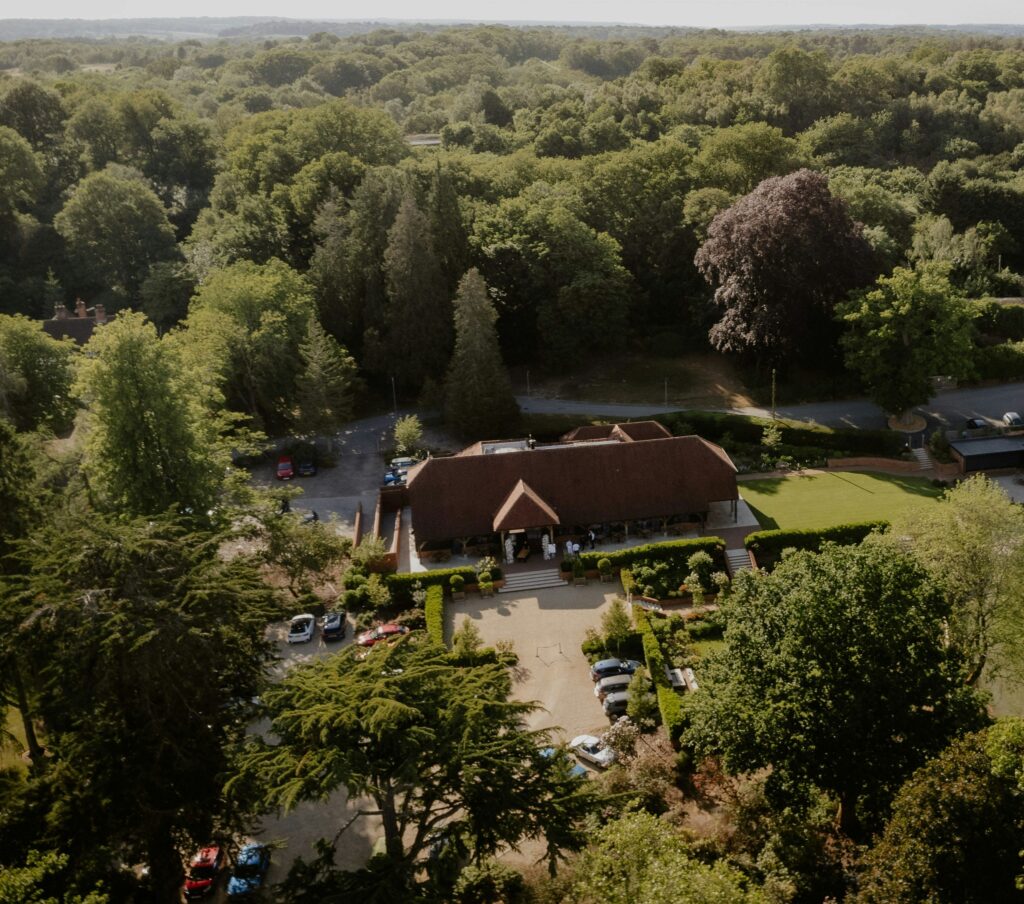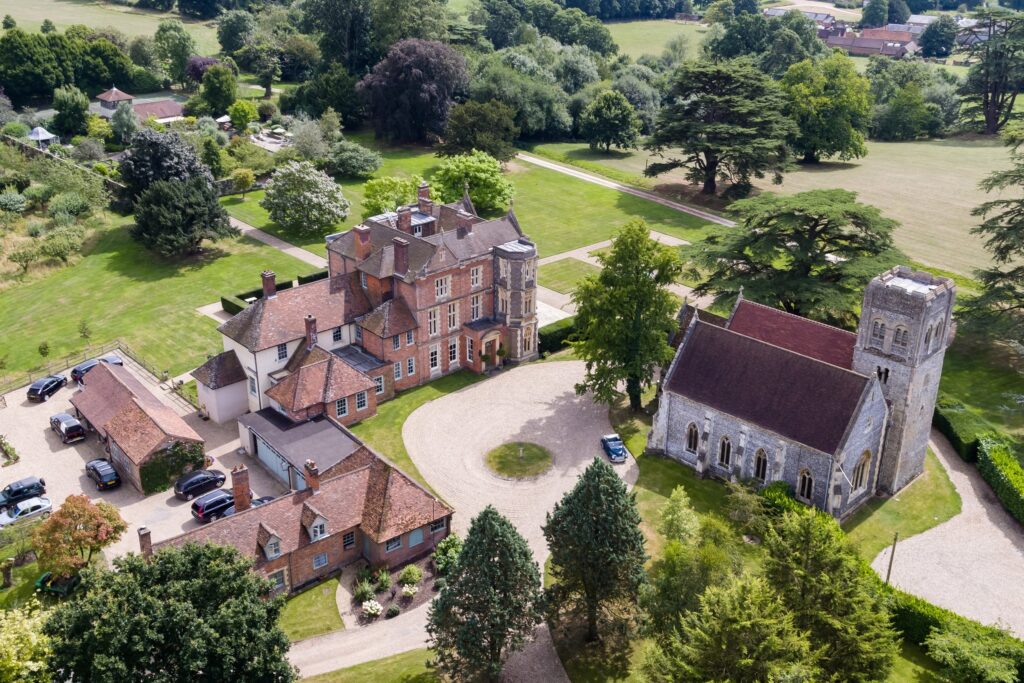
Wasing was bought with a London publishing fortune. In 1759 John Mount, of Mount and Page, publishers of sea charts and pilot books, bought the estate near Aldermaston in Berkshire and settled his family on the land. His descendants still own it, and the working yard that once served their house is now Wasing Park, a wedding venue taken for exclusive use: a battlemented brick barn, a granary on staddle stones, a round dovecote and a former forge, set around a courtyard beside a Grade I parish church.

A family of chart sellers
Richard Mount and Thomas Page founded their firm in 1701. Its imprint became known worldwide on nautical charts; the list included the Atlas Maritimus Novus, or New Sea Atlas, of 1702 and John Barrow’s Navigatio Britannica of 1750, and government contracts helped it prosper. Richard’s grandson John Mount (1725 to 1786) did well enough to leave London, and around 1770 John Hobcraft built him a new house, Wasing Place, above the valley of the River Enborne.
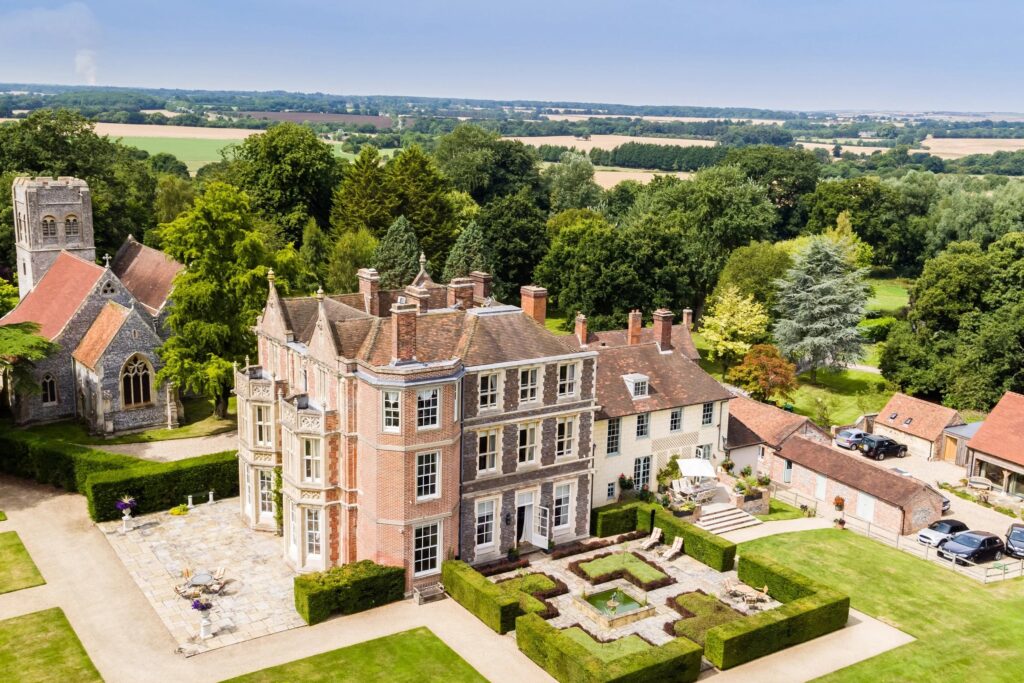
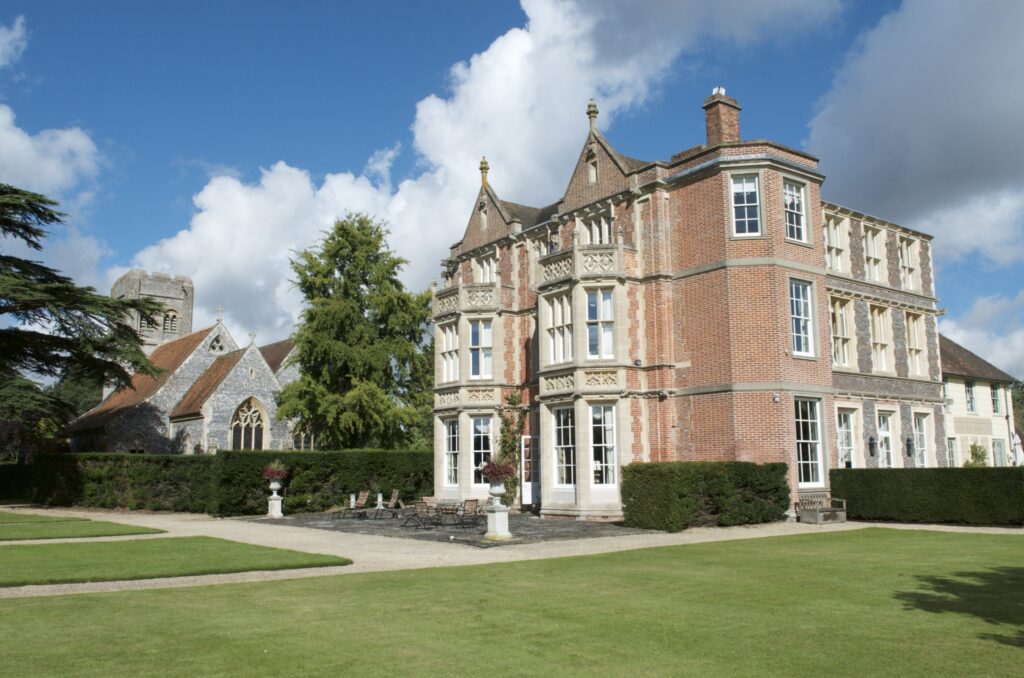
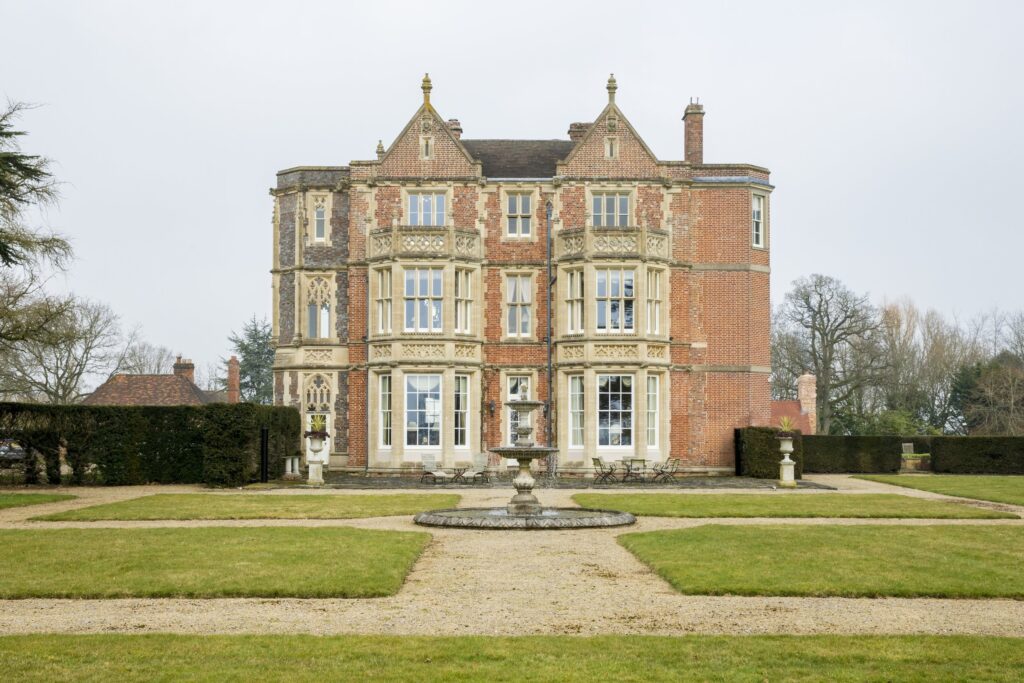
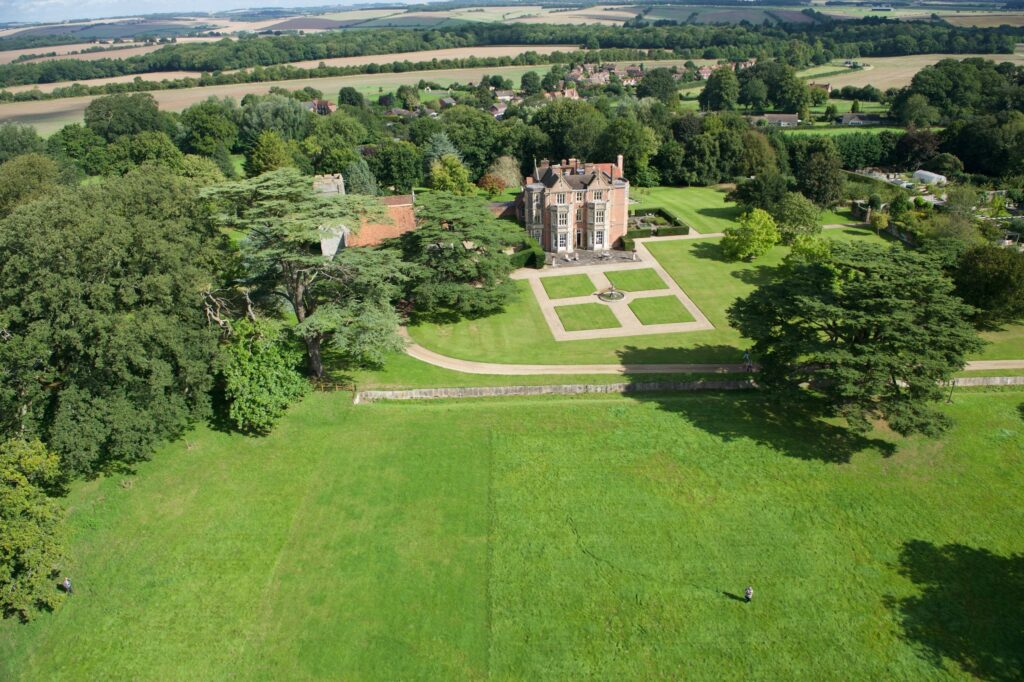
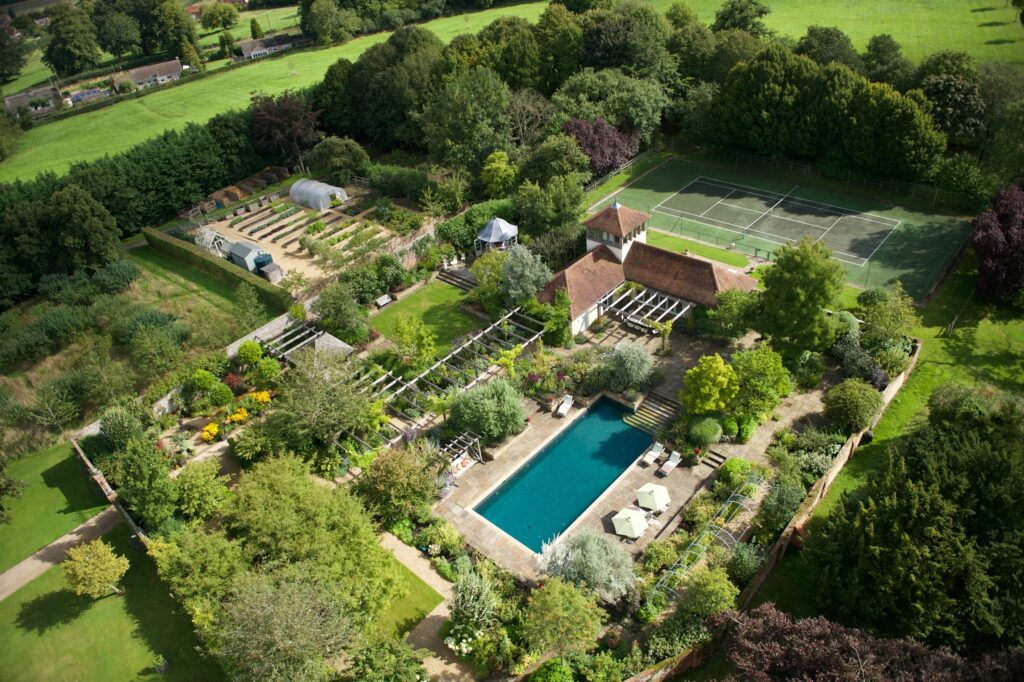
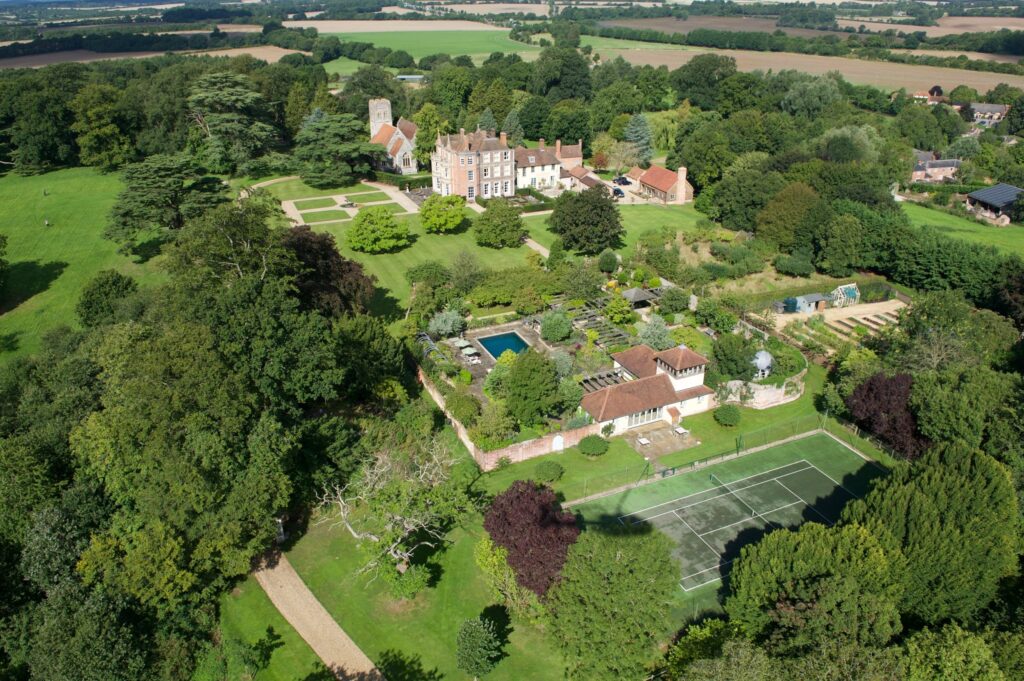
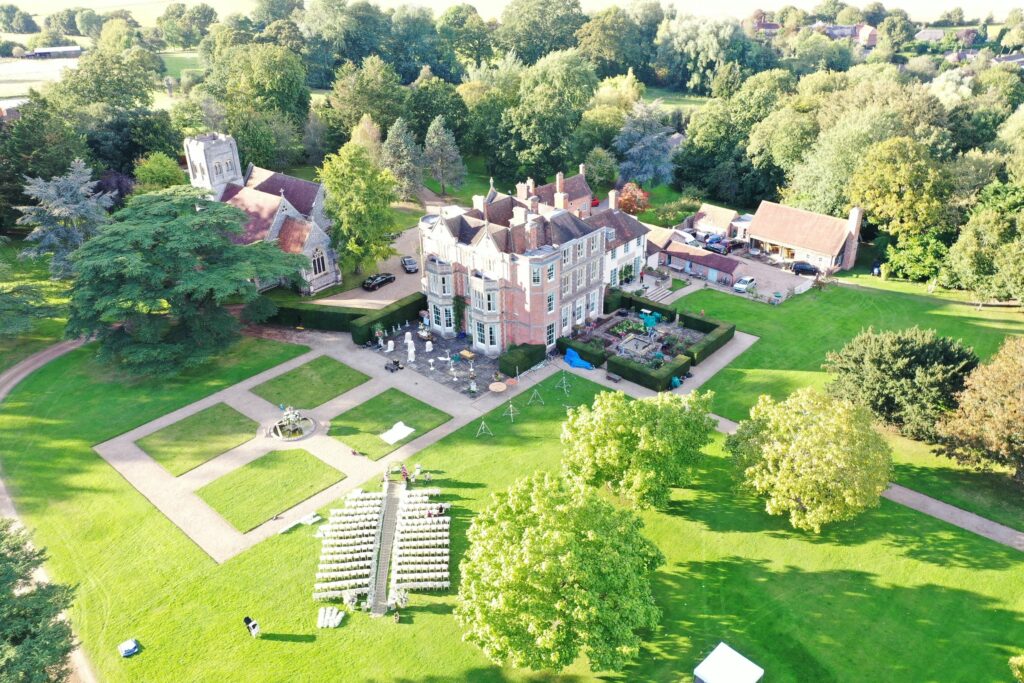
In the Second World War the Great Western Railway requisitioned the house, and in February 1945 a fire left little more than its main walls. Rebuilt in the 1950s, much reduced, it stands just east of the venue and is not part of the hire. Since the death of his mother in 2018 the estate has been in the care of Joshua Dugdale, the seventh generation of the Mount family, and besides weddings it runs a farm, fisheries and a marina. The 125 hectare park, registered at Grade II, falls away to a lake in the valley and keeps a cricket ground with a thatched pavilion.
The yard behind the house
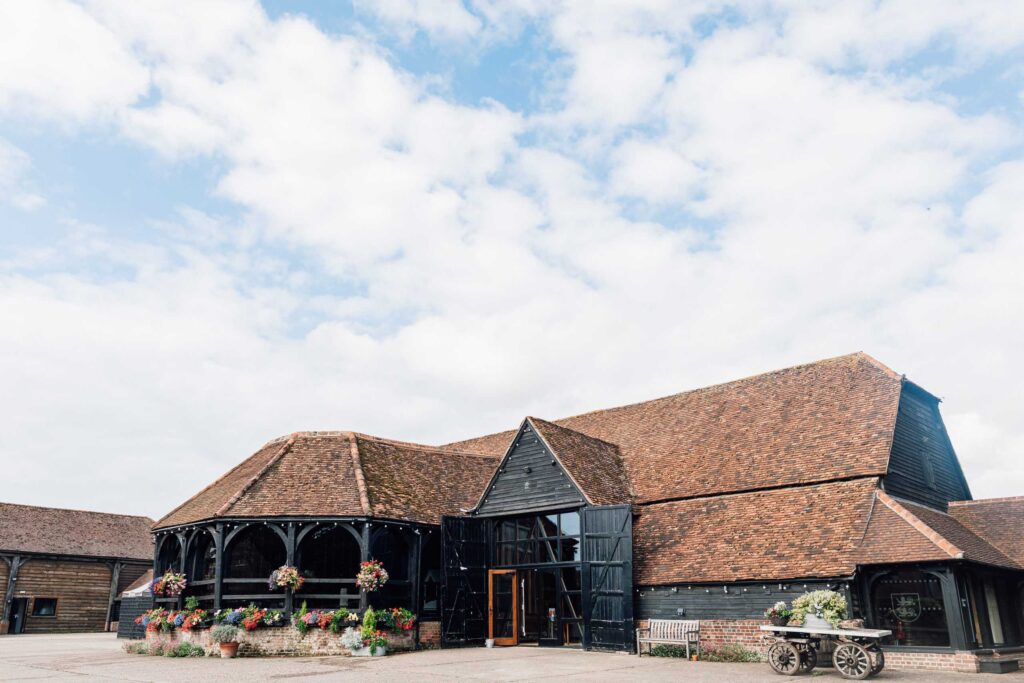
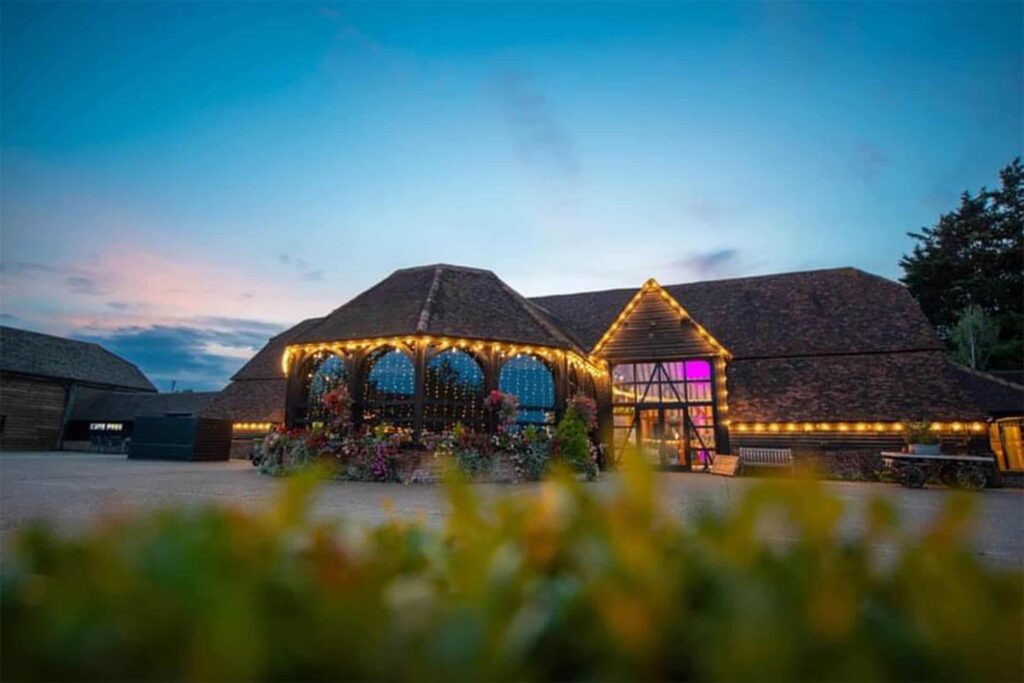
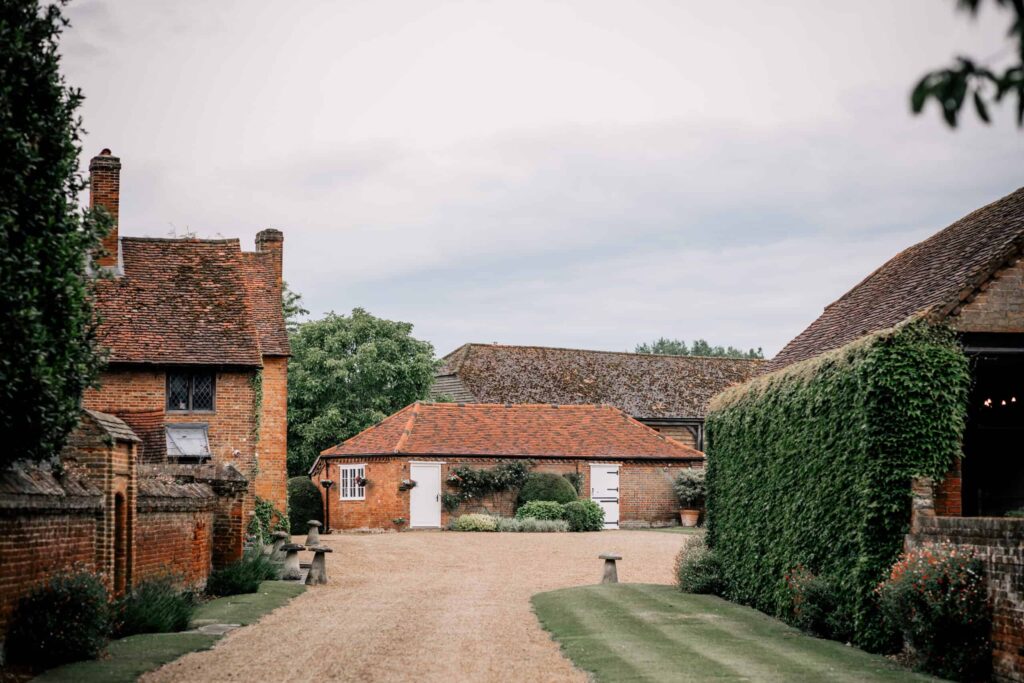
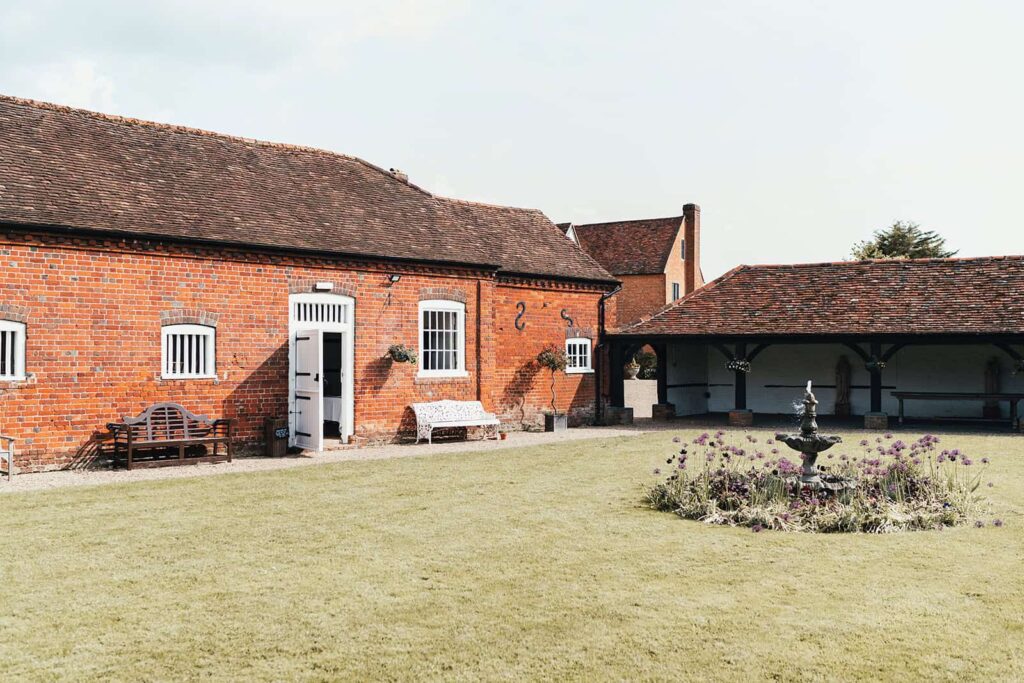
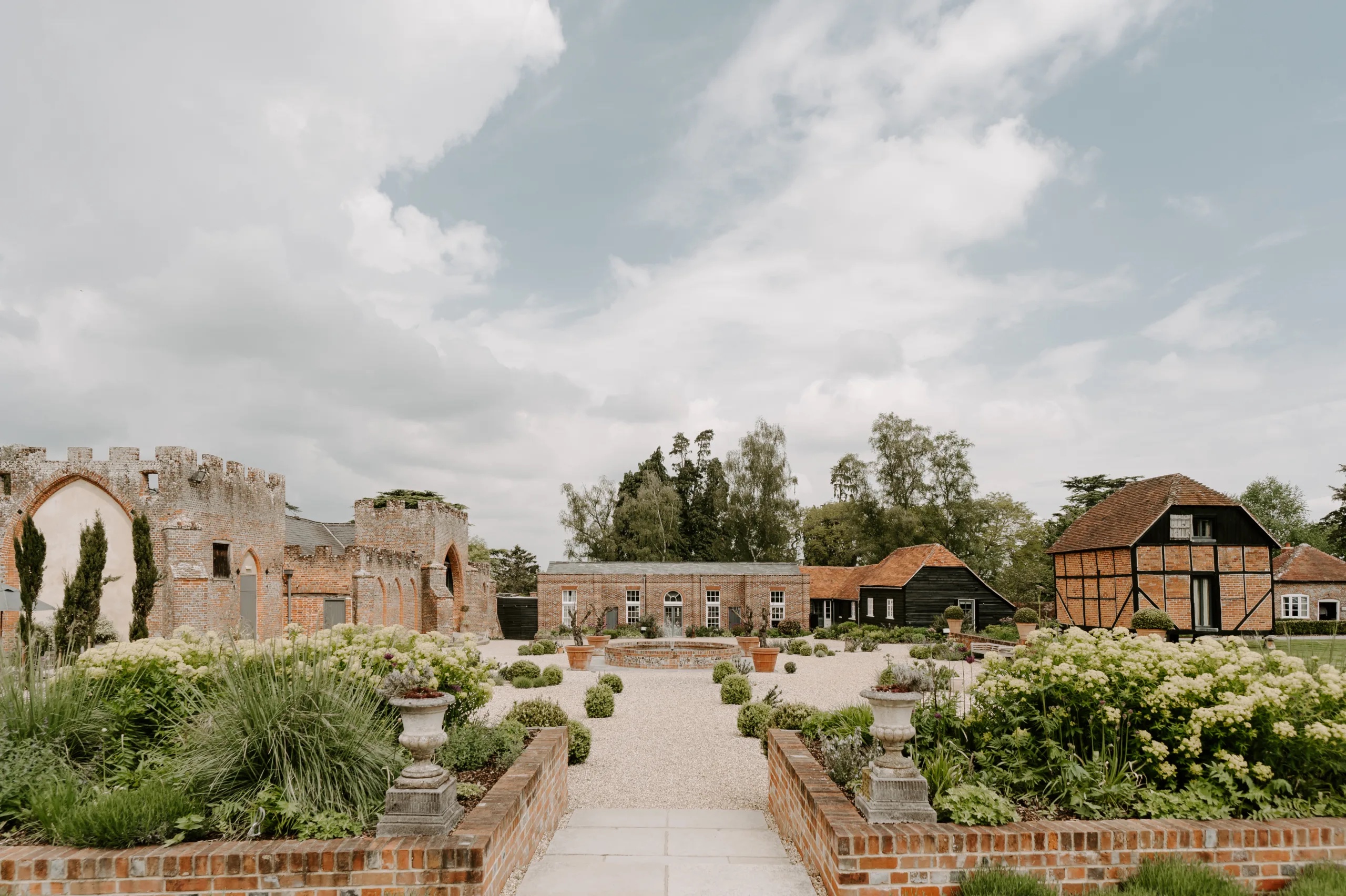
About 150 metres west of Wasing Place lies the old service yard. Its three historic buildings are each listed at Grade II. The Castle Barn, of red and grey brick, is seven bays long, with diagonal buttresses, a battlemented parapet and a great blank Gothic arch on its south side; inside, queen post trusses carry an old tiled roof, and narrow arrow slits pierce the brick walls. The Granary is timber framed with brick infill and stands on twelve staddle stones, lifted clear of the ground to keep the grain dry. The Dovecote, from the late 18th century, is a drum of grey brick under a conical roof and cupola, with brick nesting boxes built into its walls. The Smithy was the blacksmith’s forge.
The ceremony settings, the barn and the suites are all within a minute’s walk of one another, so no wedding car is needed, though in bad weather a car can drive right up to the barn and the Garden Room.
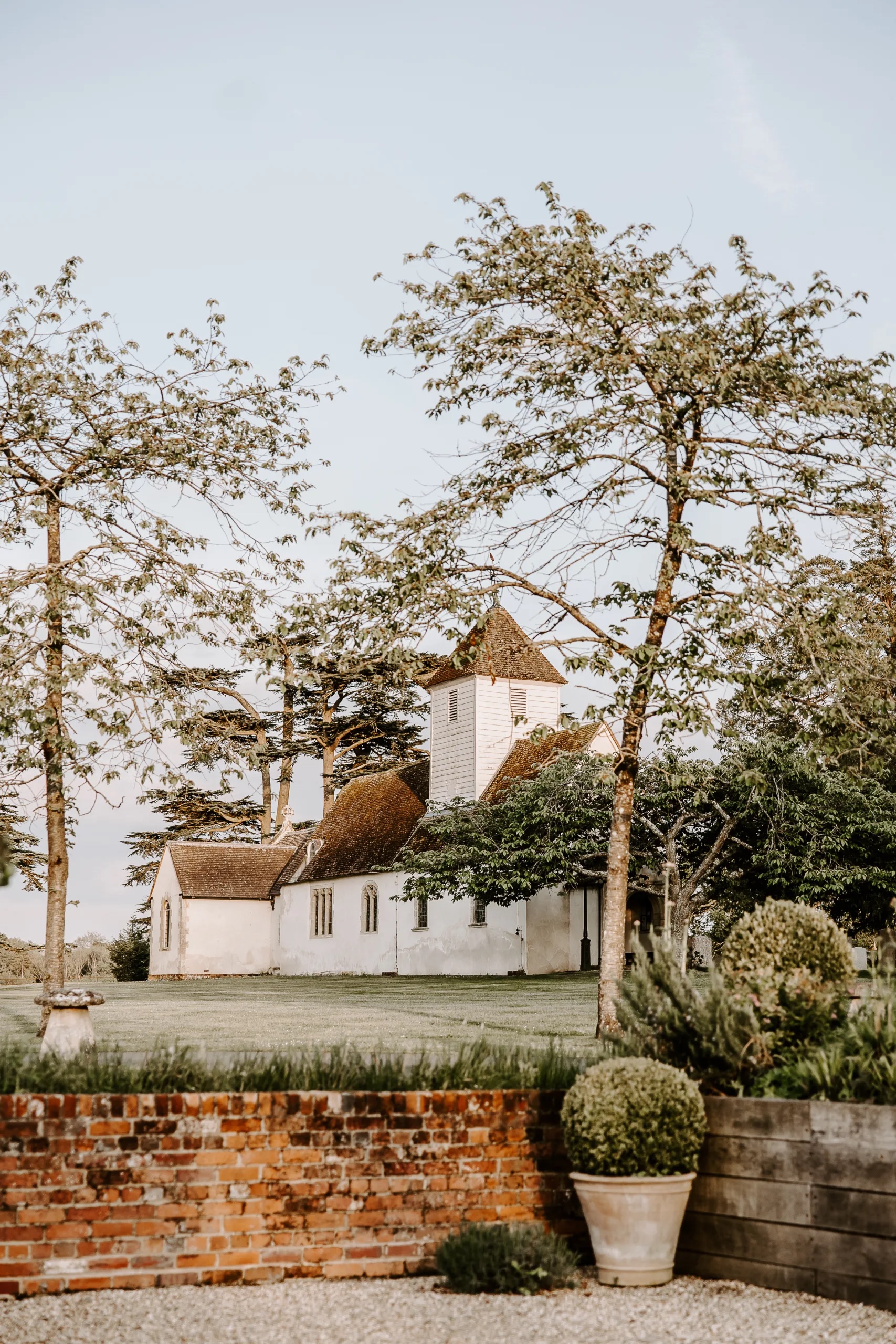
A Grade I church beside the yard
Because of its isolation, St Nicholas has remained almost a private chapel to the house. Its fabric is 13th and 15th century, refaced in the 18th, with a west porch dated 1761 and a Victorian restoration in 1875. The walls are roughcast and the bellcote is weatherboarded; inside are old tie beams, a 17th century octagonal pulpit and Flemish and German glass, some of it dated 1649.
The church seats about 100. Couples from outside the parish can marry there if they meet one of the qualifying connections, which can take time to establish. St Nicholas is still a parish church rather than part of the venue, so another service can take place on a wedding day, with its congregation coming in from the road on the far side.
Vows in the garden
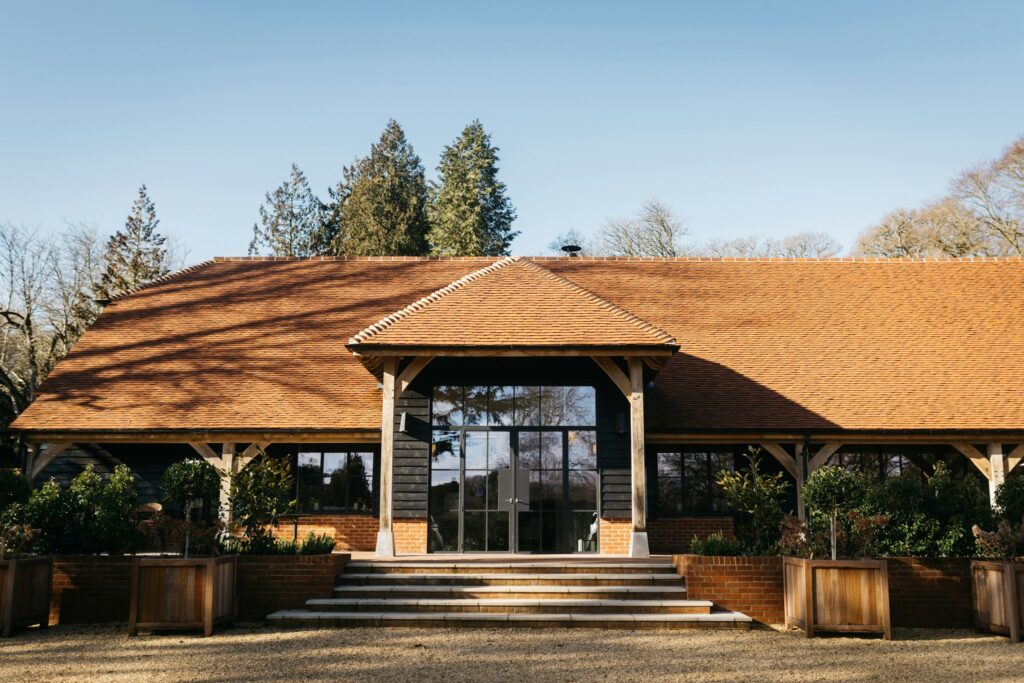
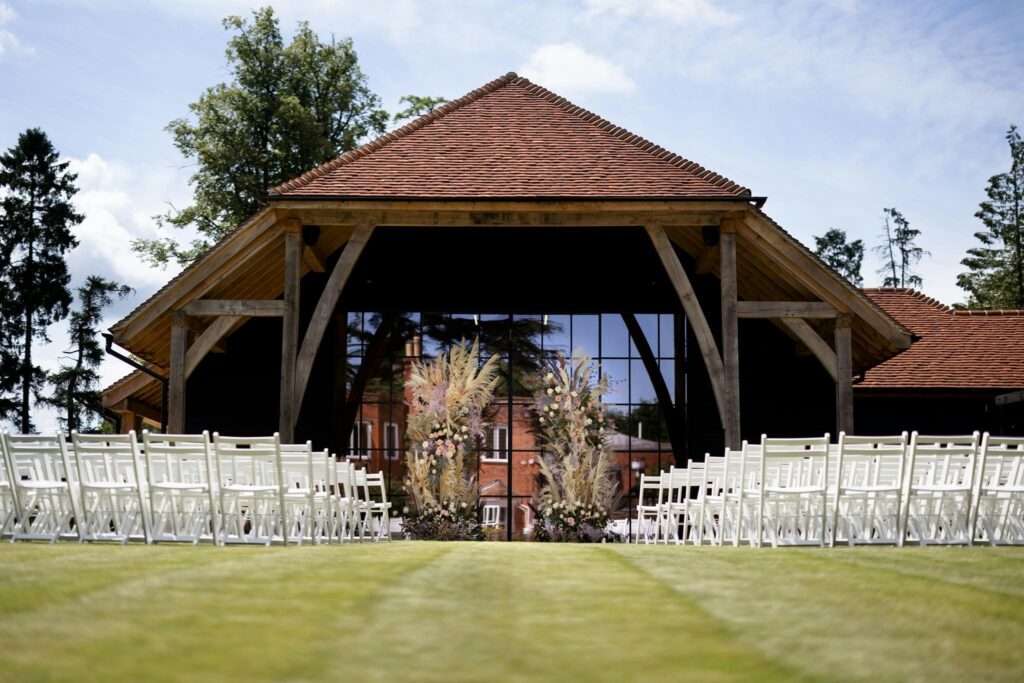
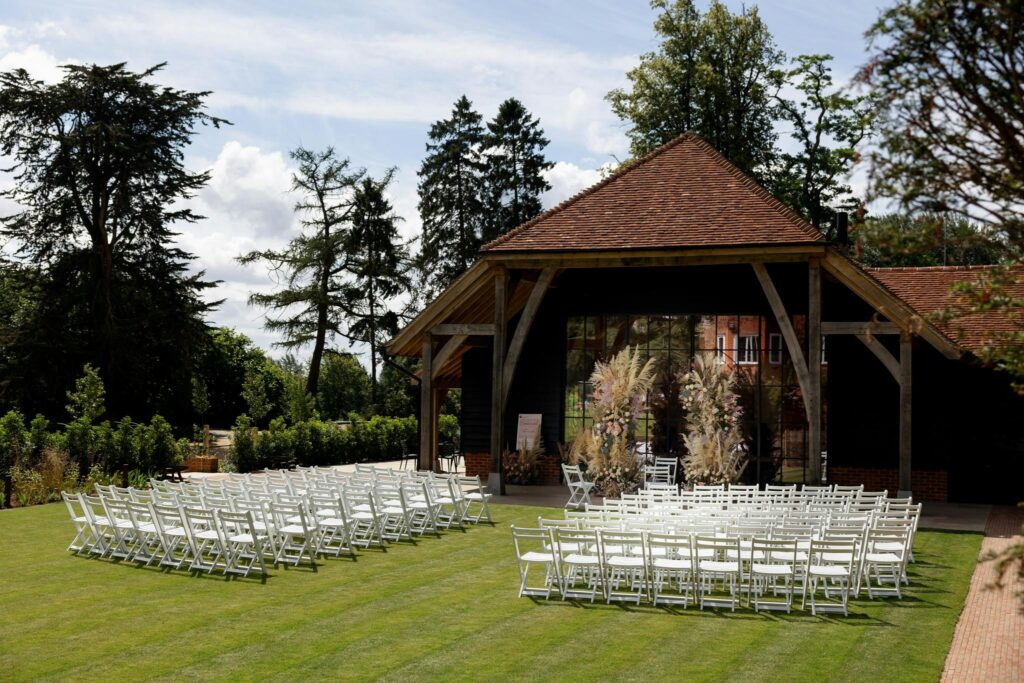
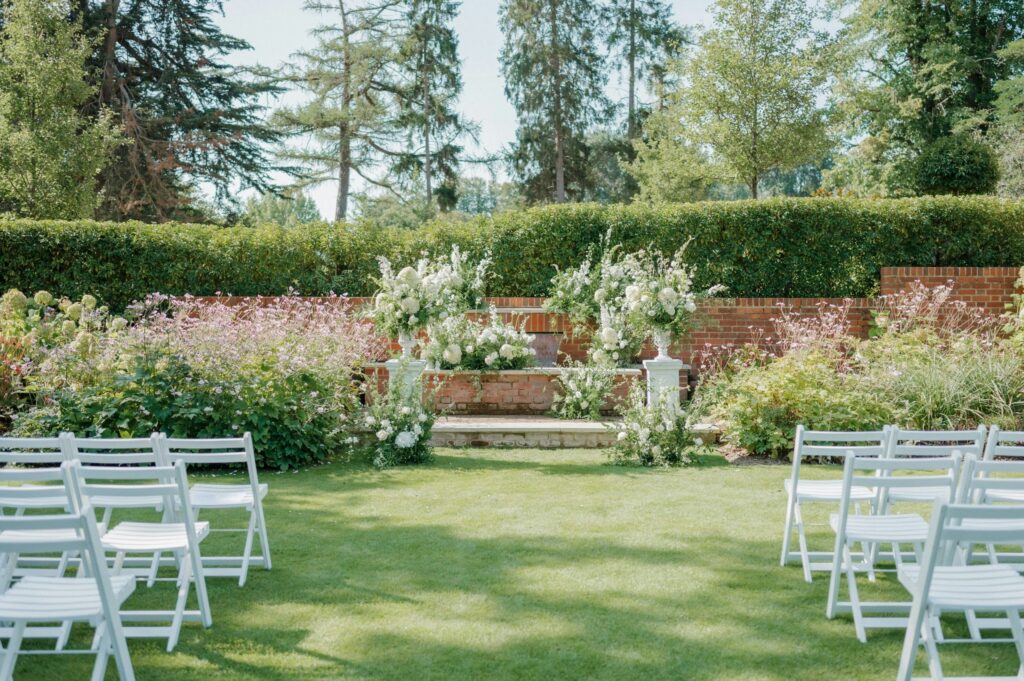
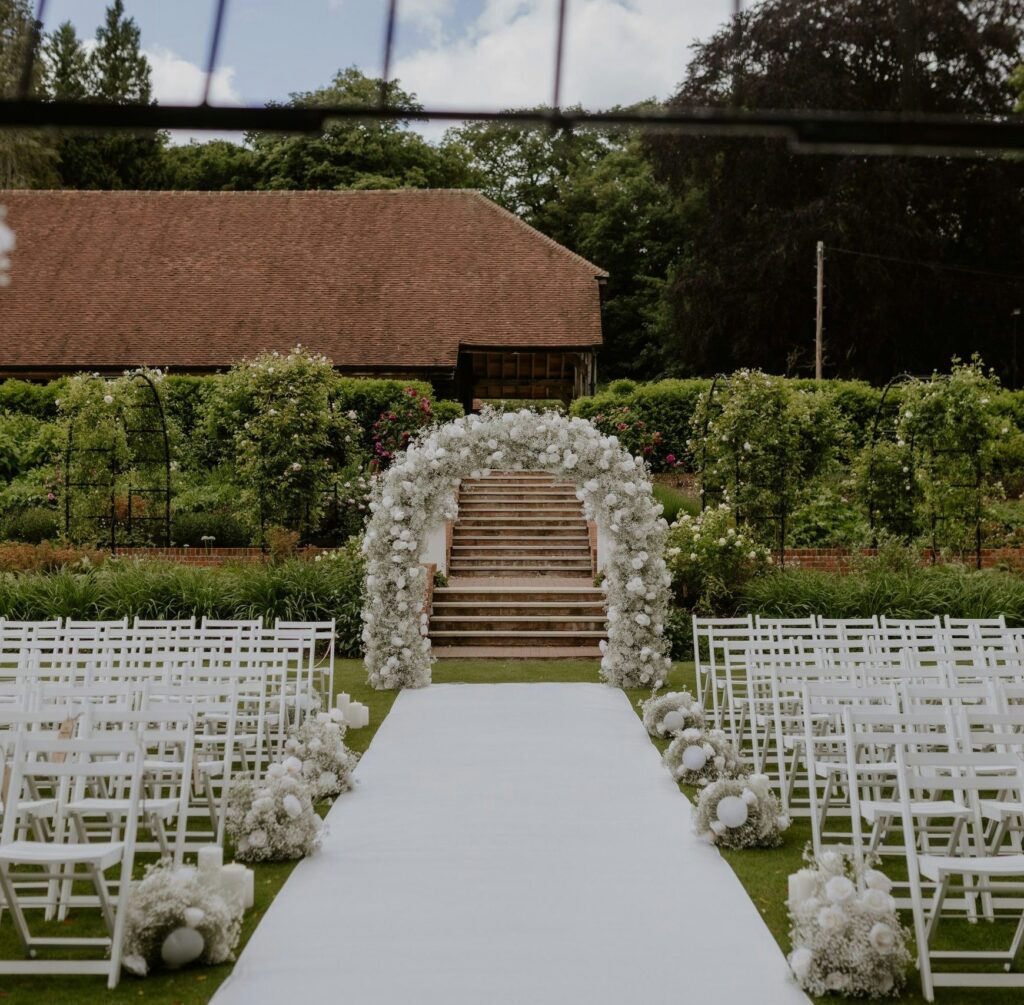
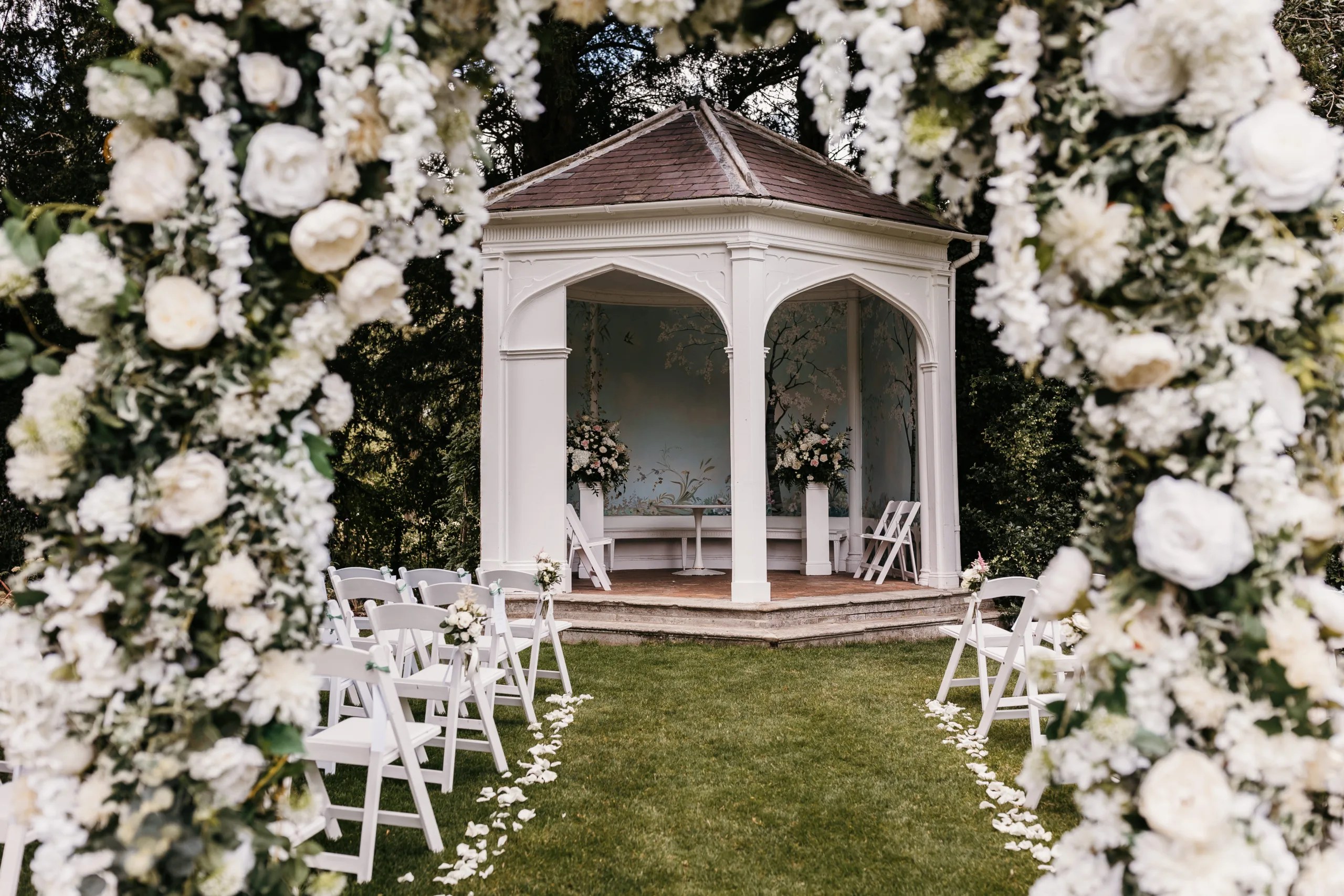
For a civil ceremony, booked with the West Berkshire registrars, there are two settings in the gardens. The Garden Room has oak beams and walls of folding glass doors that look across to the Castle Barn; it is licensed for up to 140 guests, or 160 with conditions. Outside, the white Victorian Summerhouse has a hand painted mural of blossom trees and wildlife, and the walk to it runs from the Honeymoon Suite through the gardens. Both seat up to 160, and if the weather turns, the Garden Room takes the ceremony. Drinks follow in the Garden Room or out on the terrace.
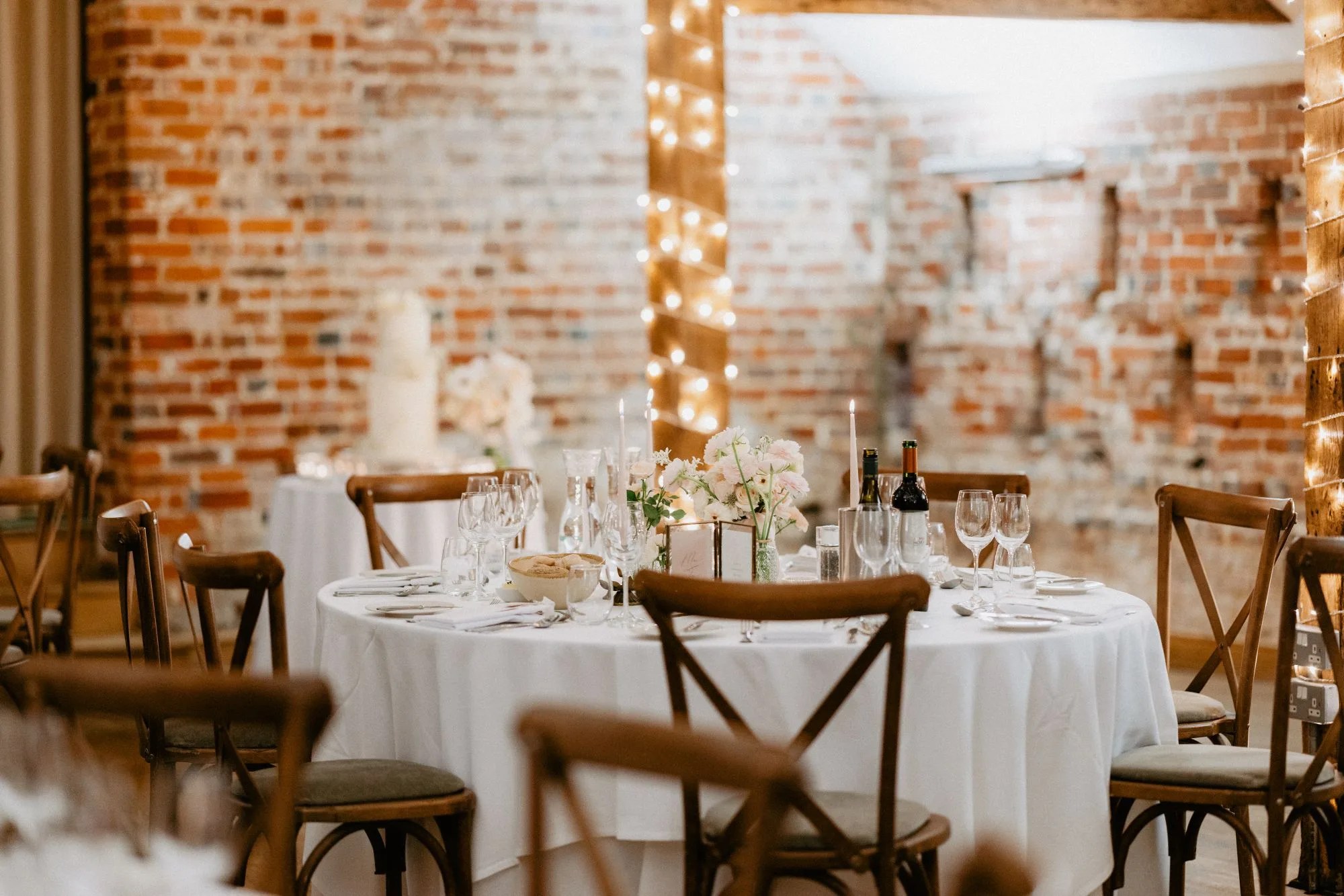
Dinner under the battlements
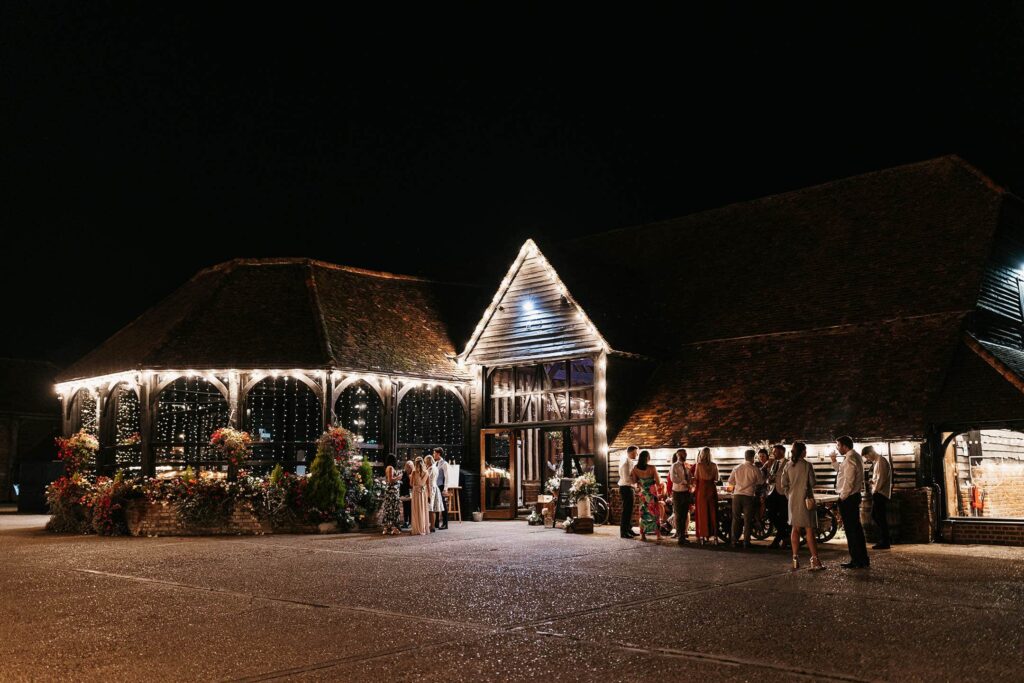
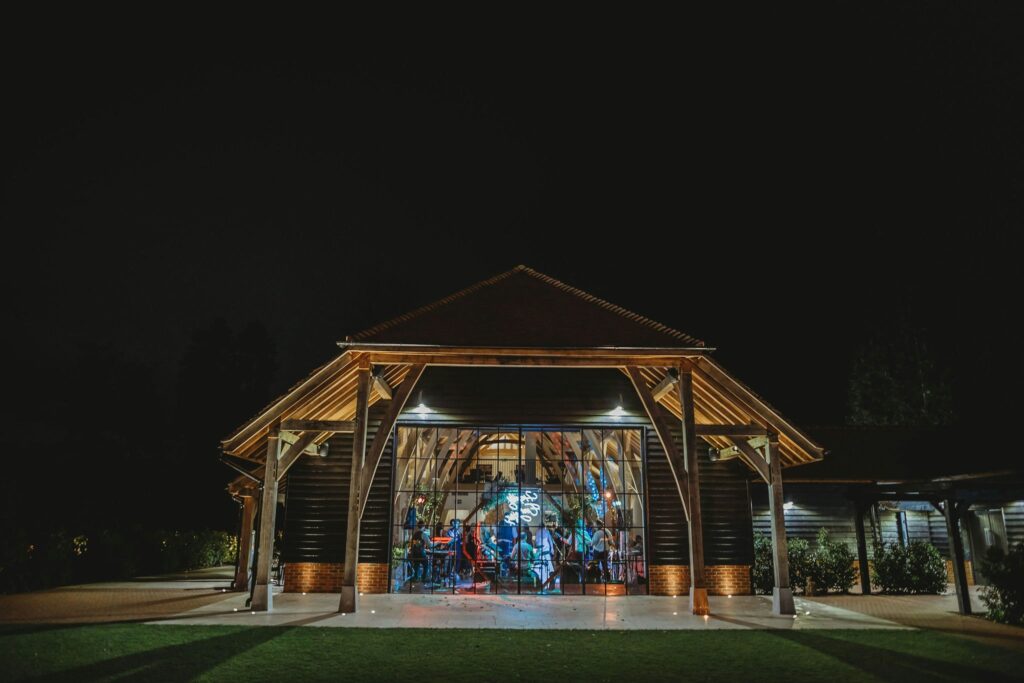
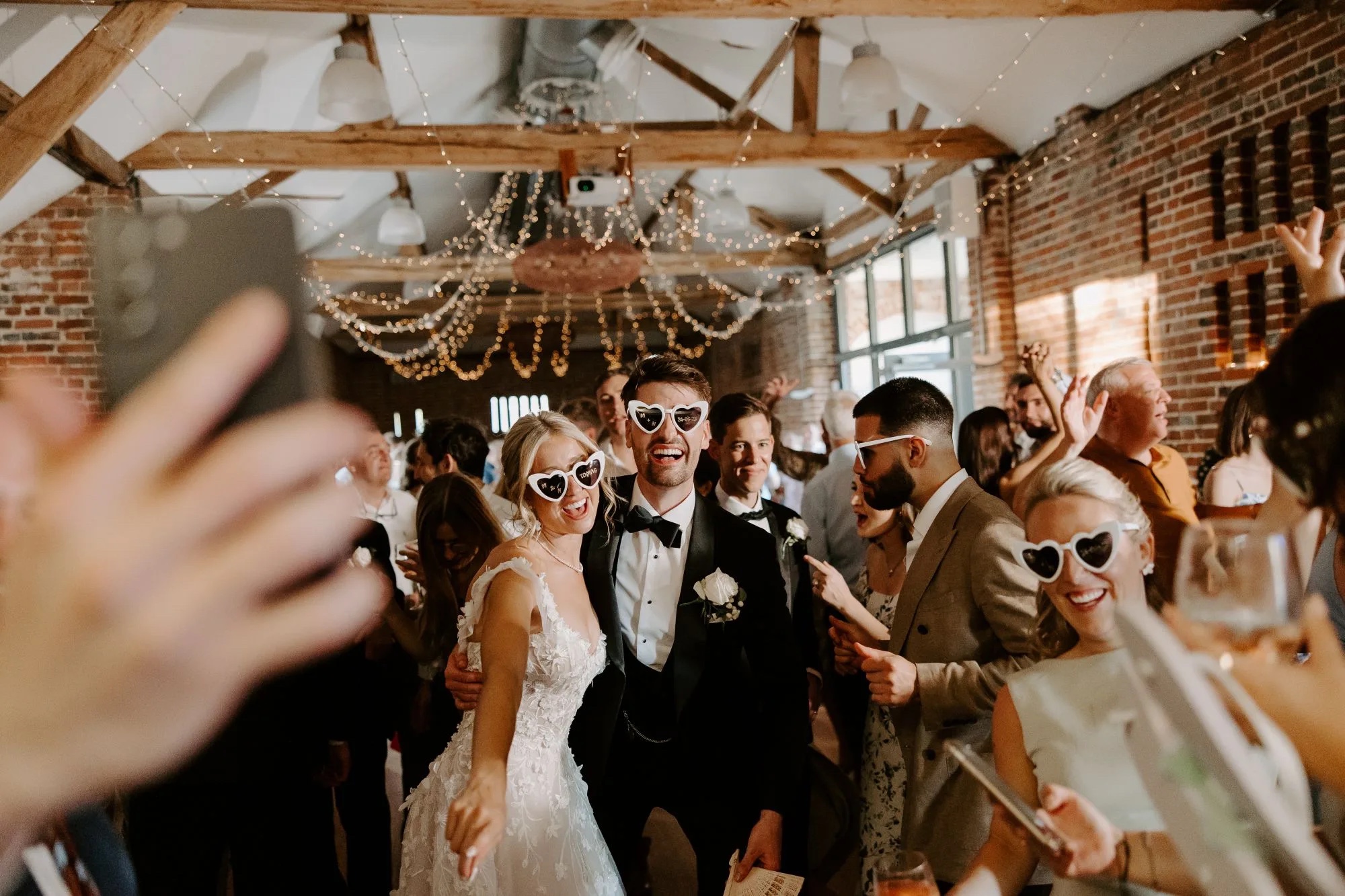
The wedding breakfast is served in the Castle Barn, which seats from 50 to 160, the top figure with some restrictions. Its own oval tables take up to ten; long banqueting tables suit up to 102. The evening party can grow to 250, day guests included. Bands and DJs have their own stage, there is no noise limiter, and the barn has underfloor heating. Table candles go out after dinner, but tea lights can stay lit in the arrow slits.
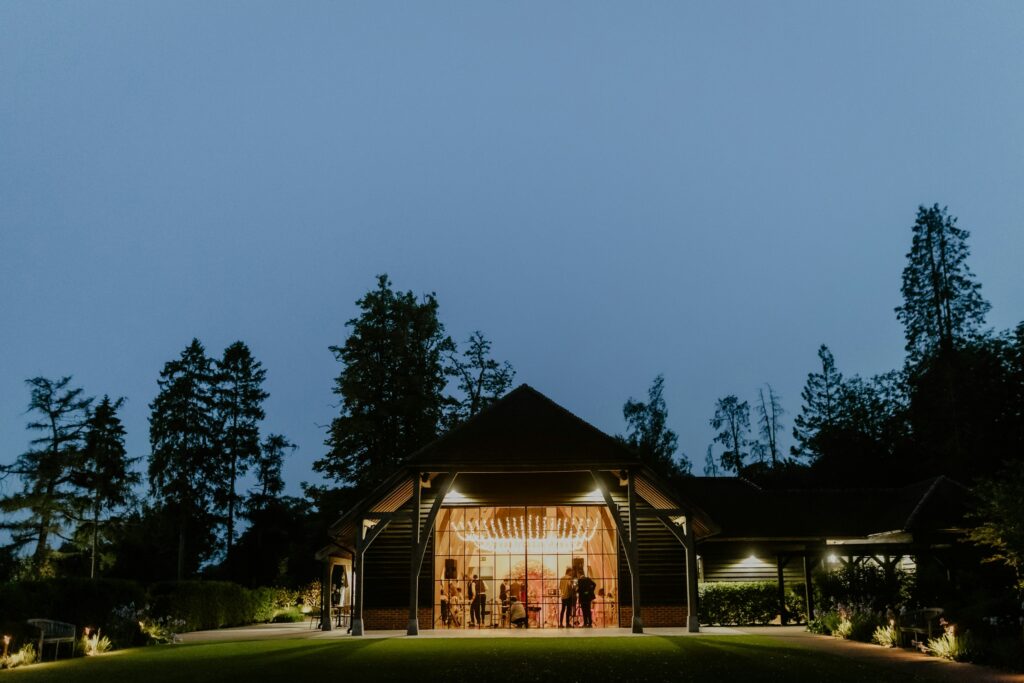
Glass doors open onto a covered terrace under a stretch tent, warmed by patio heaters. Beside it is an outdoor kitchen, where the chefs cook over a fire pit and in a wood fired oven. Evening menus include hand rolled pizza from a wood fired oven, street food cooked in giant woks on the terrace and a charcoal barbecue with Wasing’s own sausages. Music in the barn stops at midnight and the bar closes at 12.30 am, or couples can take their resident guests on to the late bar in the Stables Lodge.
The estate is a working farm. Red Sussex cattle often meet guests on the main drive, and out of consideration for the livestock and the neighbours there are no fireworks, sky lanterns or balloons. Florists should know that the venue is free of floral foam.
Beef from the estate herd
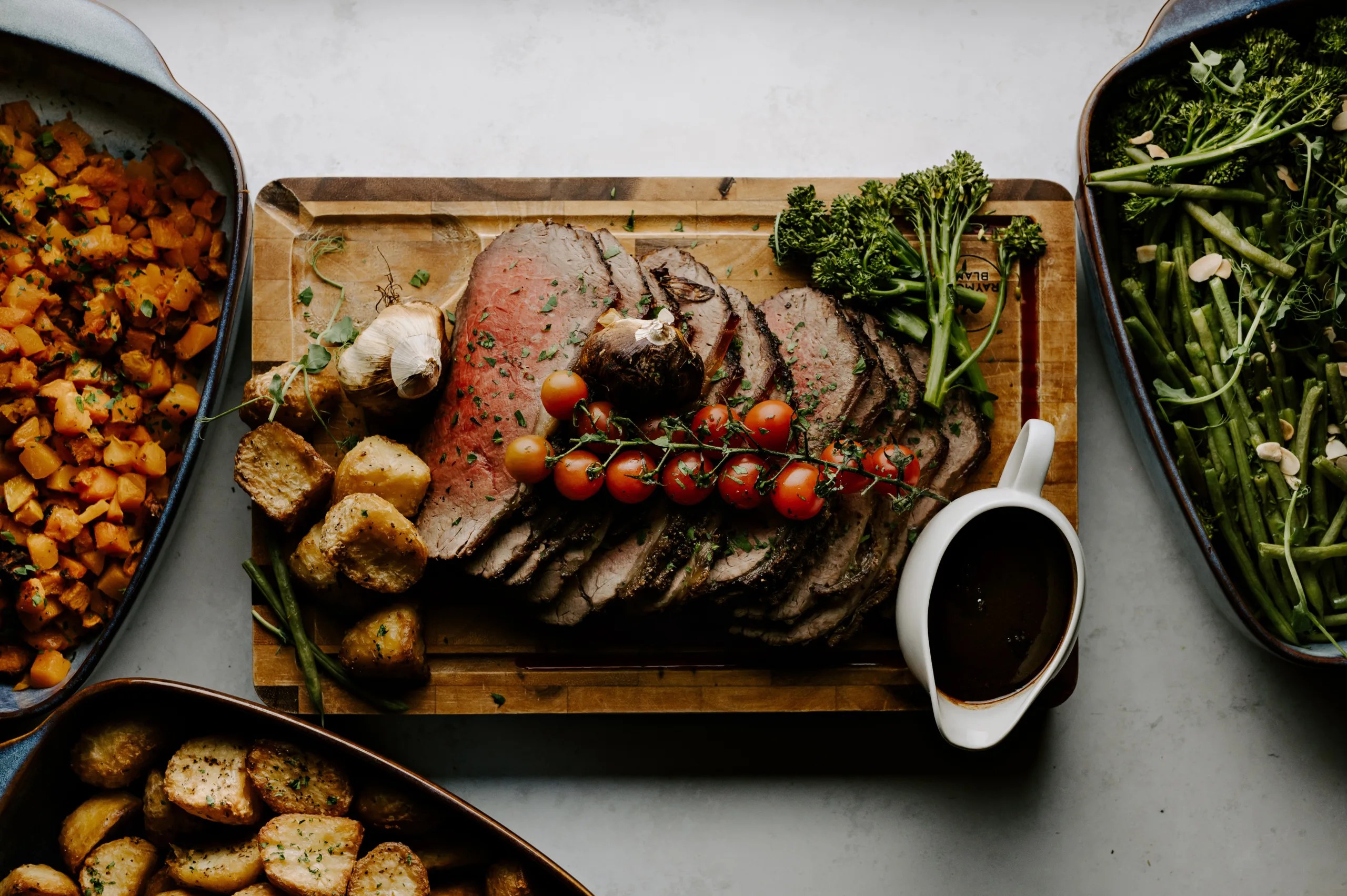
Catering is in house. The farm is working towards organic status, and its herd of Red Sussex cattle supplies the Nose to Tail dishes that can be added to the wedding menus. The kitchen can also serve wild venison from the Wasing woodlands, crayfish from the estate’s rivers and smoked trout from the River Test. Beer comes from Rebellion in Marlow and Renegade in nearby Yattendon, and the gin bar pours Wasing gin, flavoured with lemons, rosemary, thyme and blackcurrant leaves from the walled garden.
The four wedding packages are named after the farm buildings: Dovecote, Granary, Farmhouse, built around a canapé starter and sharing boards, and Smithy, with four courses and English sparkling wine for the toast. In 2026 they run from £109 a head off peak to £159 at peak, including reception drinks, wine and a toast.
Sleeping in the farm buildings
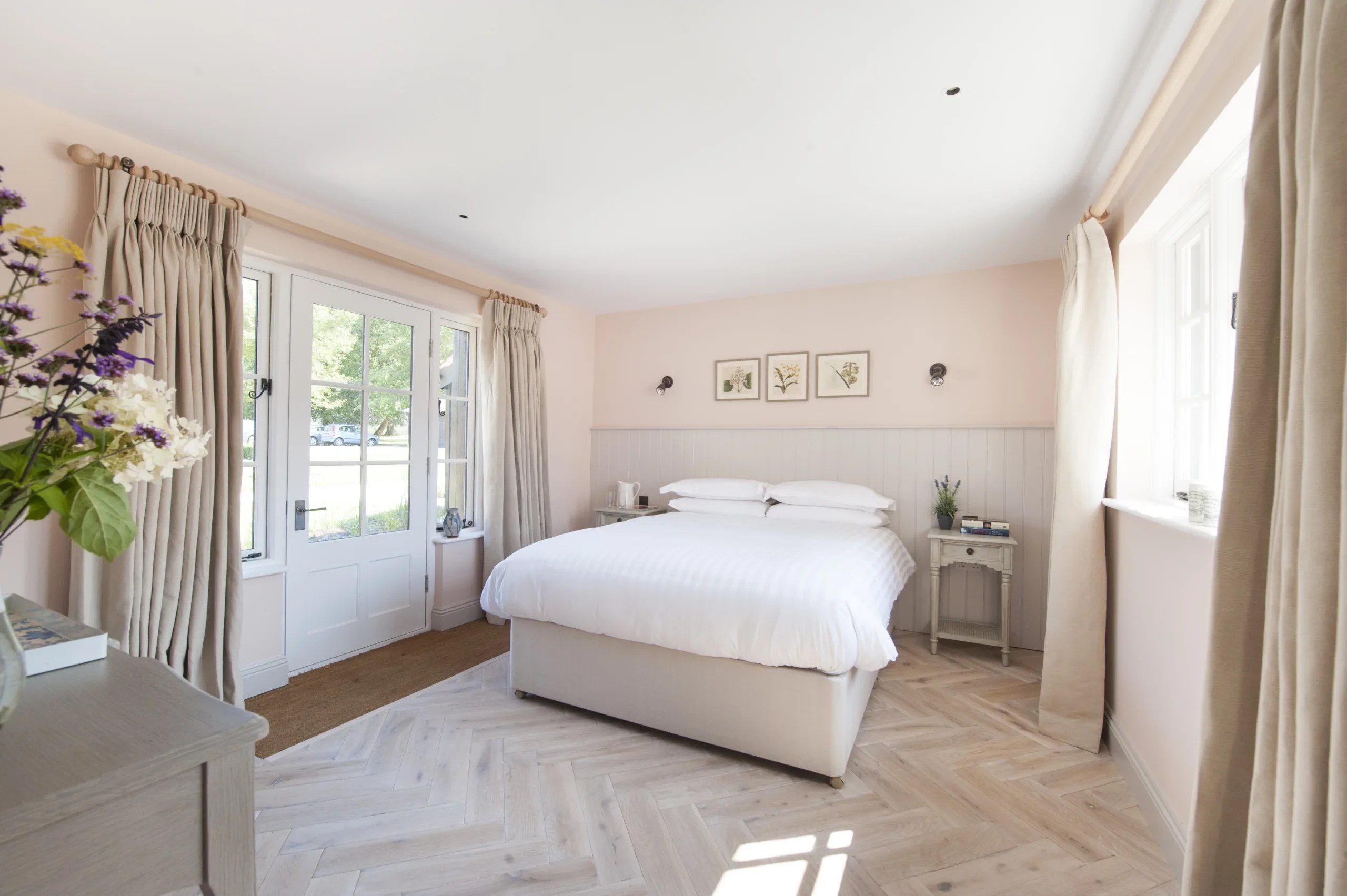
Twenty six bedrooms on the estate sleep up to 64 guests. Nine suites, the Old Estate Rooms, are booked together for the wedding party. The Honeymoon Suite is a former hayloft with original beams over the private gardens, and it is ready for the couple from midday. The Granary has a freestanding copper bath upstairs and twin beds below. In the Dovecote a triangular bed sits beneath the old nesting boxes, now filled with fairy lights, and the Smithy keeps its forge fireplace beside an emperor bed. Five two storey suites in the Coach House, with roll top baths and sofa beds, suit families.
The remaining 17 rooms, in the Stables Lodge, the Mews and the Pump House, open to guests once the Old Estate Rooms are taken, and two of them are accessible. Booking the Old Estate Rooms also brings Kitts Cottage, a four bedroom cottage a short drive away that sleeps seven, for the night before.
A second day on the estate
Wasing also hosts two day weddings, with the day before or after given to a family style feast in the Stables Lodge, a courtyard barbecue, a paella party on the terrace or a cricket match at the pavilion. In the woods there is a lake for wild swimming, with a jetty and a larch clad Scandinavian sauna heated by wood; it can be hired privately for at least three hours before or after the wedding.
Finding Wasing
Wasing lies a kilometre west of Aldermaston, about seven and a half miles south east of Newbury. Midgham station is two miles away but has no taxi rank; Theale station is 15 minutes away, and Newbury, Reading and Basingstoke stations about 25. Coaches enter by the West Gate, which the team opens on request. Venue hire in 2026 runs from £3,200 for a Monday to Wednesday in January or February to £11,150 for a Saturday in July or August, with food, drink and rooms on top. For another Berkshire estate, read our Edit on Coworth Park, or browse wedding venues in Berkshire.
Church or Summerhouse
For a wedding of up to 160 that wants the ceremony, dinner, dancing and beds for its closest guests in one restored farm hamlet, Wasing holds the whole weekend. The first decision is where to marry: the church beside the yard has to be settled with the parish before anything else, while the Summerhouse and the Garden Room need only a date with the registrars. Read the Wasing Park profile and check your date.