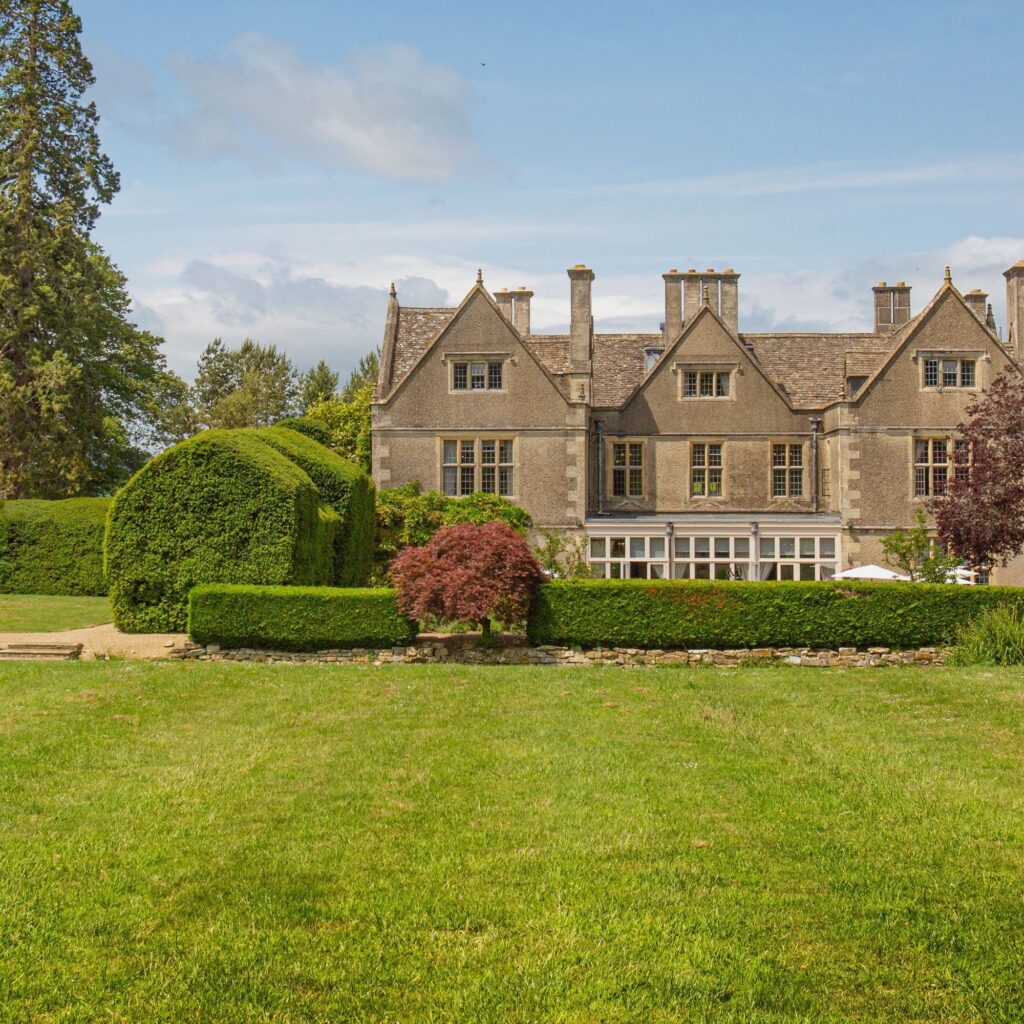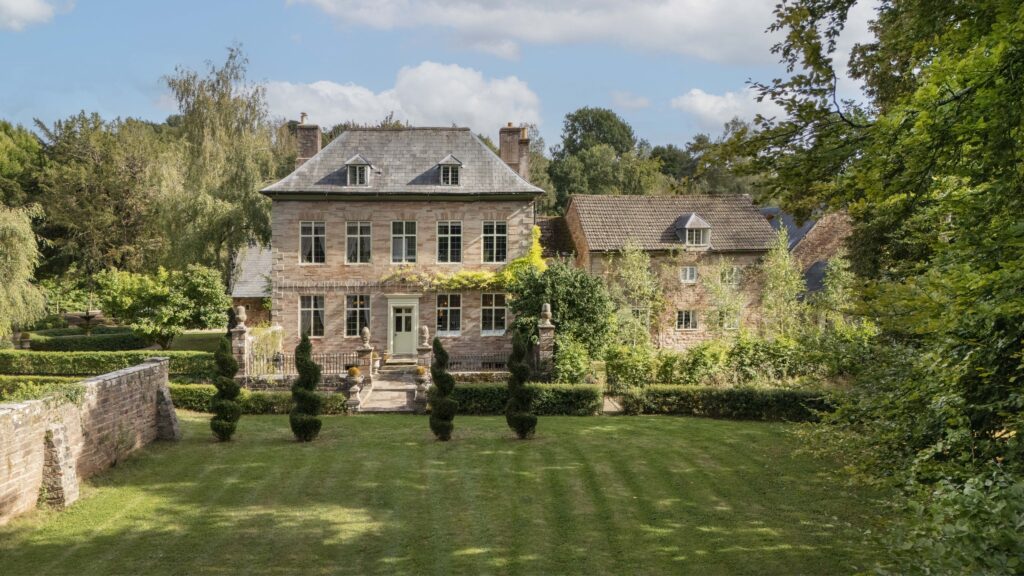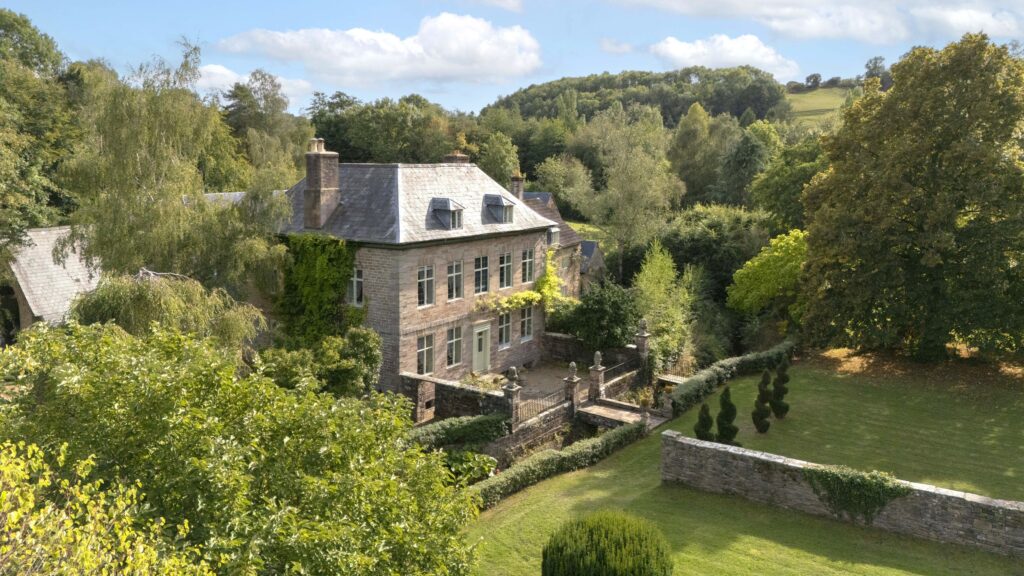
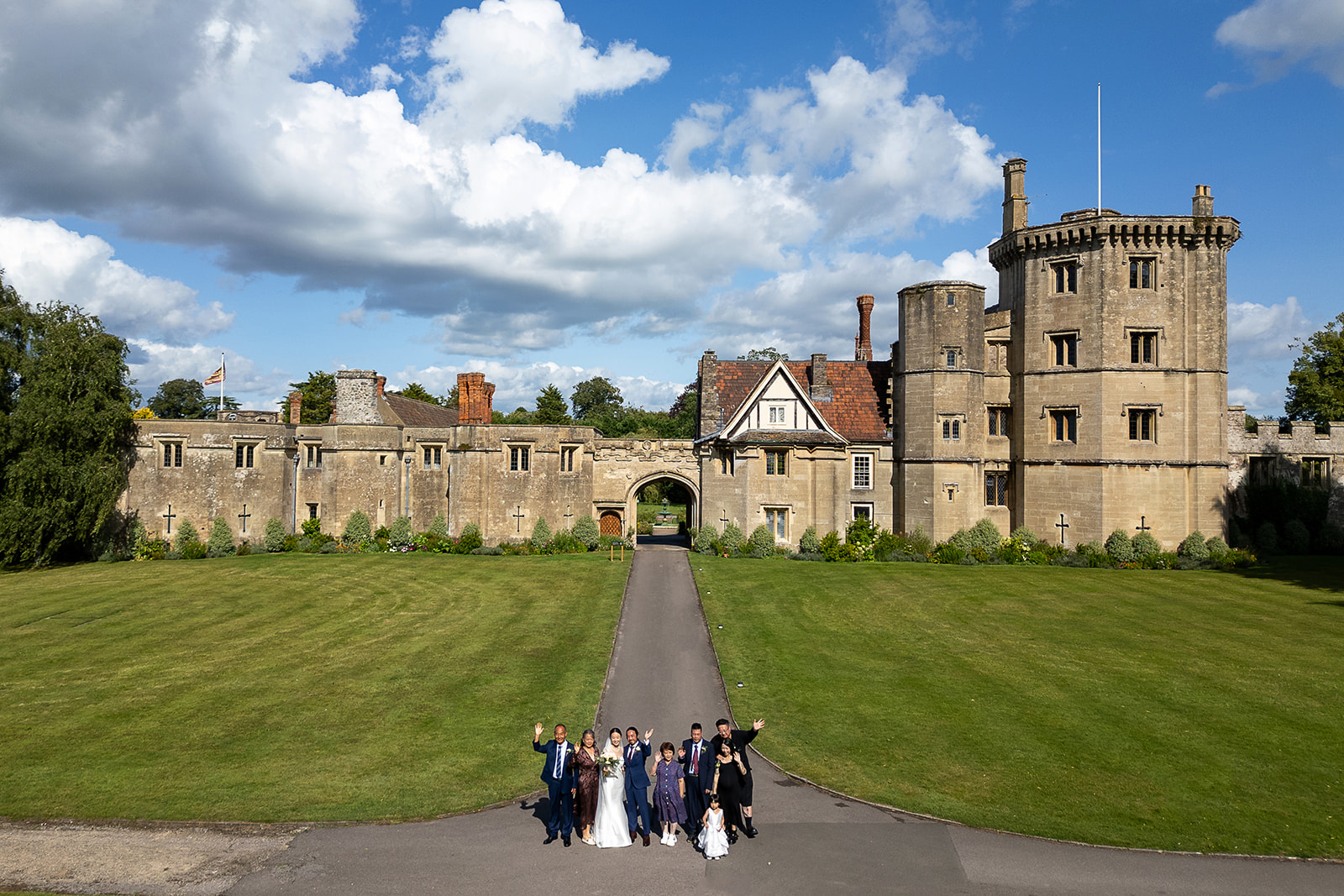
Above the gateway at Thornbury Castle a carved inscription records that the gate was begun in 1511, in the second year of Henry VIII’s reign, by Edward Stafford, Duke of Buckingham. Ten years later the duke was beheaded for treason and the building stopped, and the west front still shows how far it got. Thornbury Castle is now a Relais & Châteaux hotel of 26 bedchambers in South Gloucestershire, near Bristol, and couples marry inside that unfinished Tudor palace: in its Library, in its walled gardens, and at dinner in what was once the castle’s kitchen.

A duke’s answer to Richmond Palace
Stafford inherited the family estates in 1498 and made the old manor house at Thornbury his principal seat. In 1510 he was licensed to fortify, crenellate and embattle it, and he set about building a palace castle apparently inspired by Richmond Palace, then the most splendid royal residence in England. Between 1510 and 1517 he also enclosed 1,500 acres of parkland.
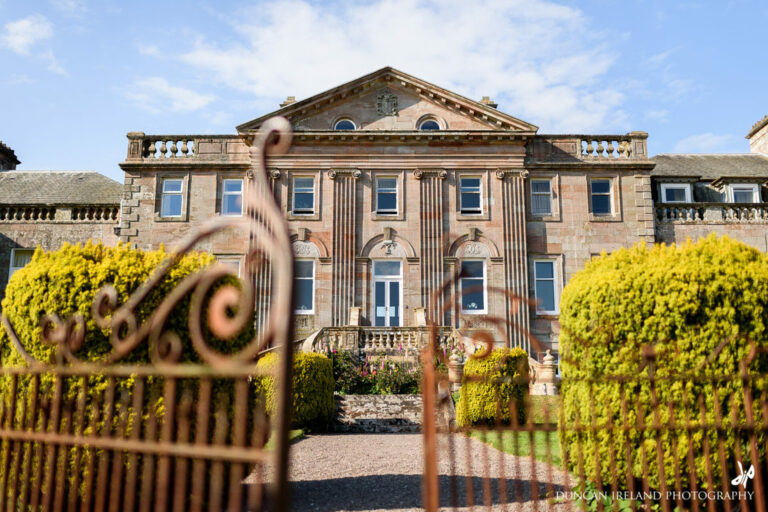
The ambition shows in the stonework. The gatehouse arch carries a groove for a portcullis and, beside it, a small pedestrian gate, an arrangement almost unique in an English castle. Above the openings are the duke’s badges, among them the Stafford knot, a white hart and a swan, and his motto, meaning henceforward. On the south range, which held his own apartments above the duchess’s, three great compass windows face the garden, a grouping The Buildings of England judged probably the finest of its date in existence. An elaborate brick chimney stack on the north side carries the date 1514 on a scroll at its base.
From the Crown to the Howards
Stafford’s wealth and display deepened the suspicion with which he was viewed, and in 1521 Henry VIII had him executed for treason; the estate passed to the Crown. Work never restarted. The west range was meant to have four great polygonal towers; only one was raised to full height, and the rest of the front was left at two storeys, which is how it stands today.
The Crown kept the buildings in repair and used them from time to time. Princess Mary, then nine, stayed for 18 days in 1525, and in 1535 Henry VIII and Anne Boleyn stopped at Thornbury on a royal progress, staying ten days because of an outbreak of plague in Bristol. Queen Mary returned the castle to the duke’s son in 1554, but the upkeep proved too much and it slipped into ruin. A branch of the Howard family owned it from 1637 until the 1960s, and in 1849 Henry Howard commissioned the Victorian architect Anthony Salvin to restore it as a house.
In 1966 the chef Kenneth Bell bought the castle for £26,000 and opened a restaurant there; the food writer Nigel Slater worked in its kitchen early in his career. Bell later opened a few bedrooms, the first step towards the hotel it is today. It joined Relais & Châteaux in November 2021. The inner court is listed Grade I, the outer court and the garden walls are listed Grade I separately, and the gardens are a registered historic park and garden.
Where the vows are made
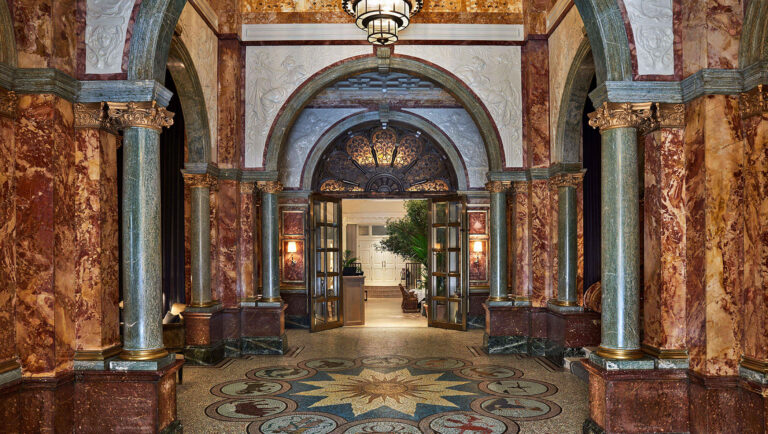
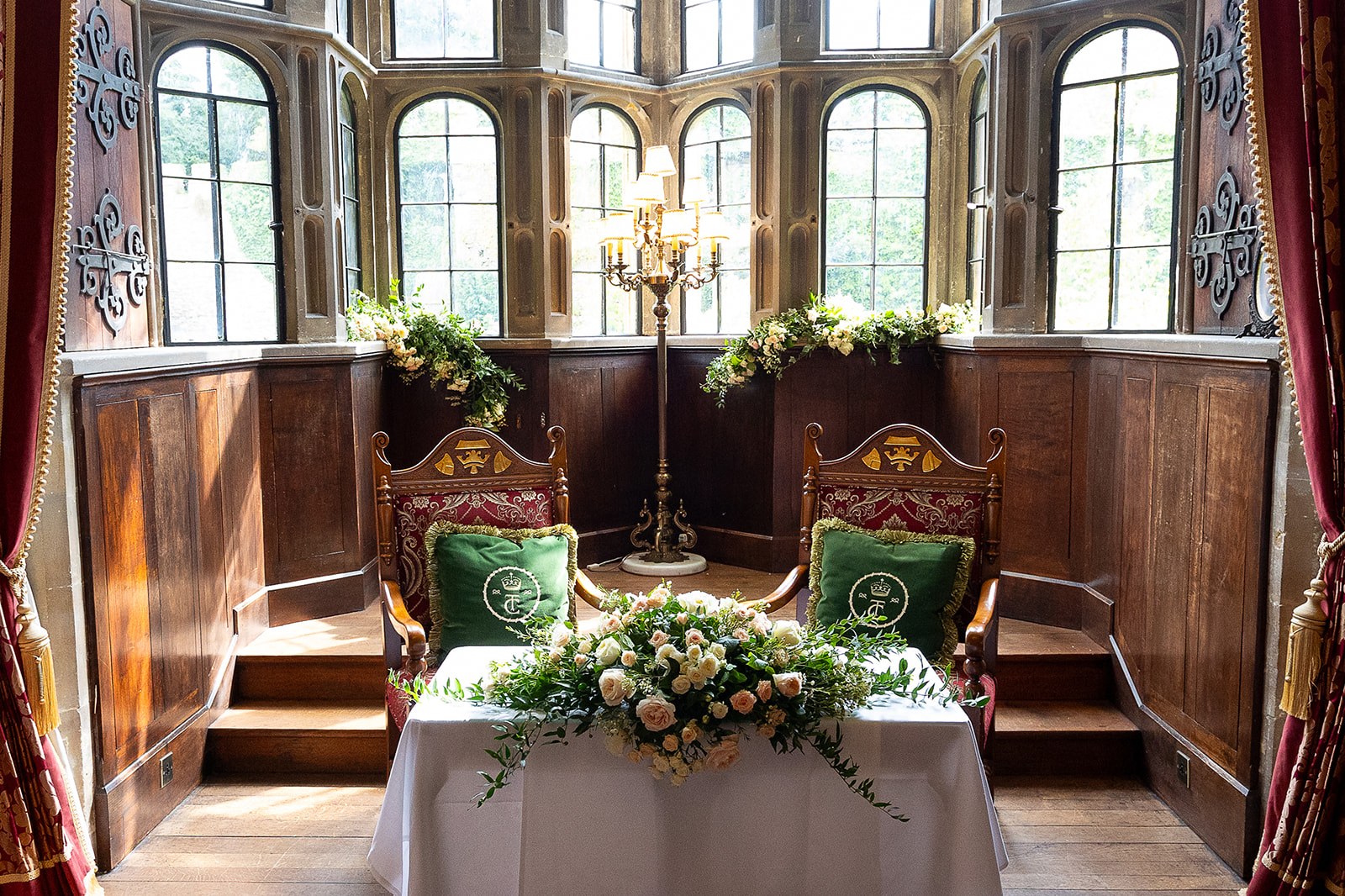
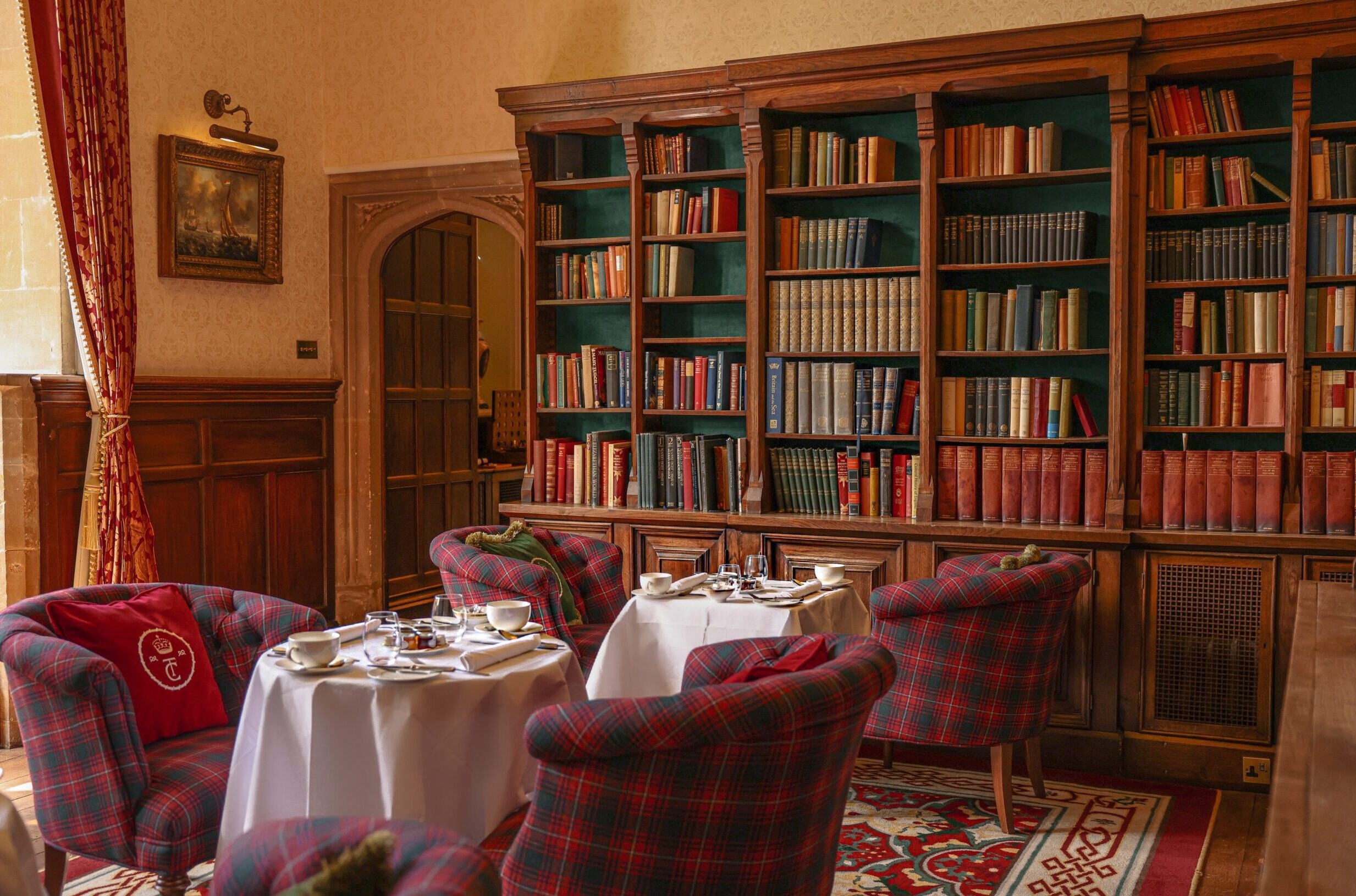
Civil ceremonies take place in two licensed rooms: the Tudor Hall, for up to 70 guests, and the Library, for smaller groups. The Library sits on the ground floor of the south range, in what was once the largest chamber of the duchess’s apartments; Salvin turned those rooms into the castle’s principal public spaces, with Tudor style panelling and compartmented ceilings, and the Library is next door to the main lounge.
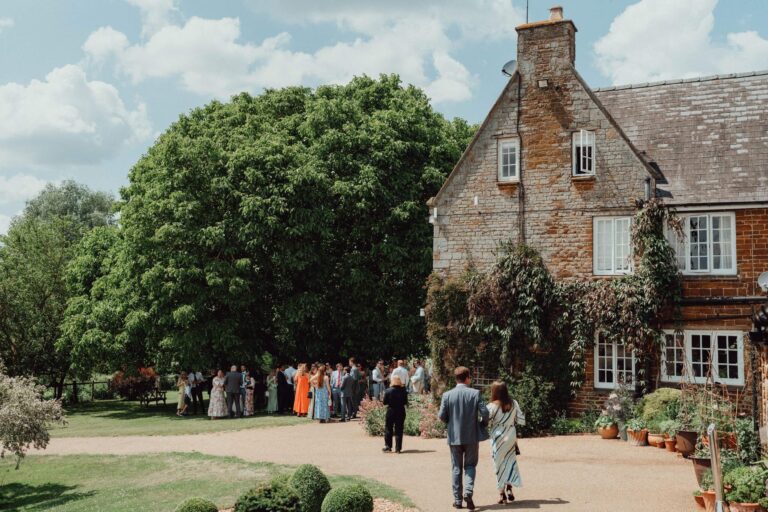
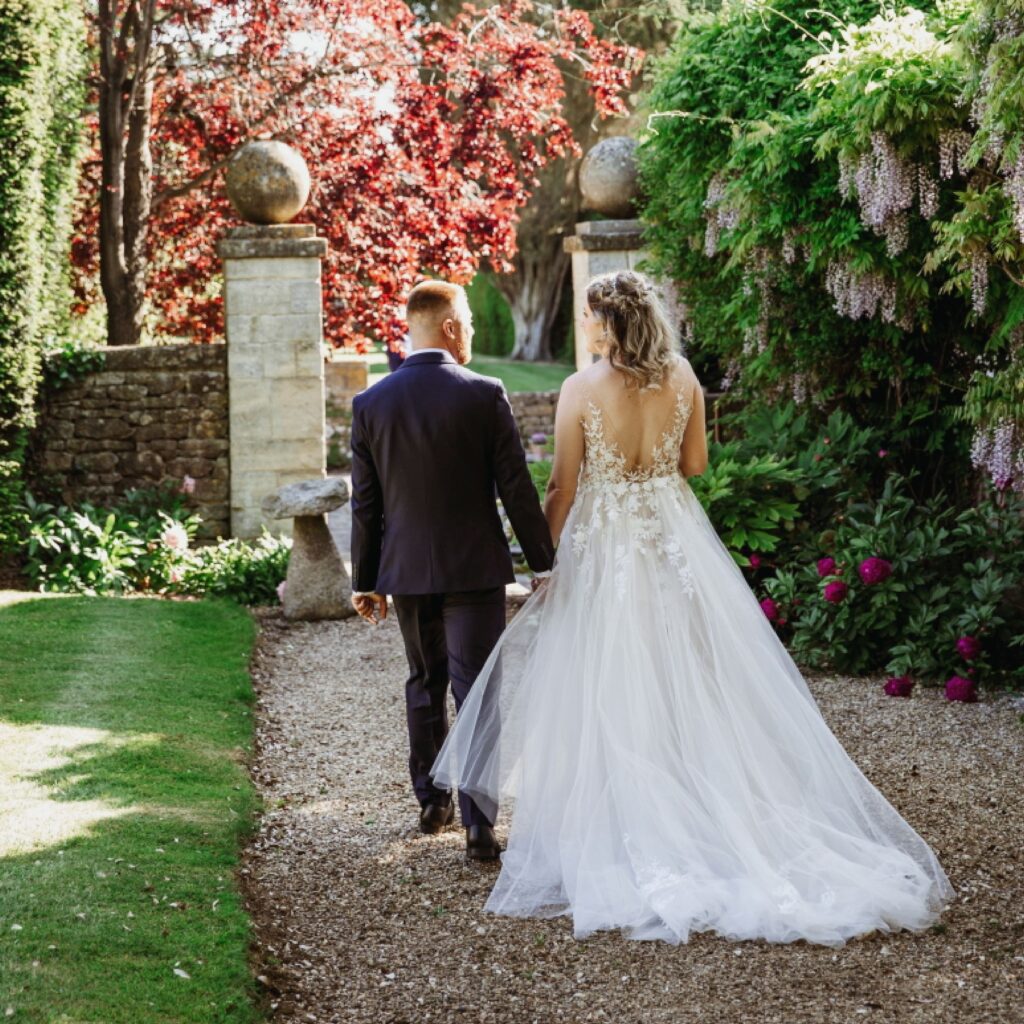
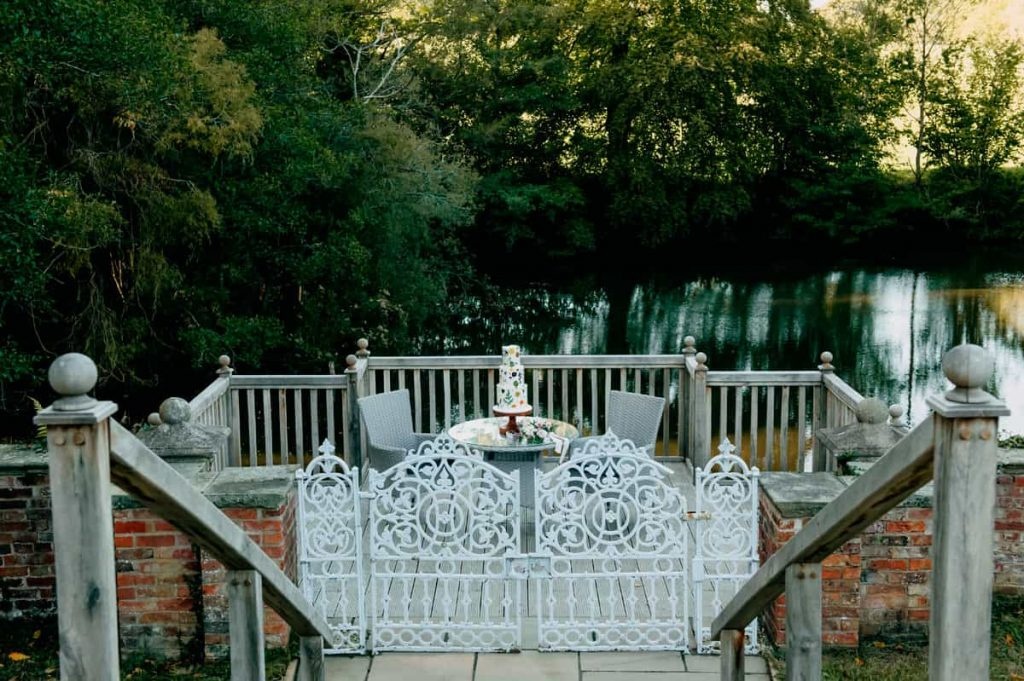
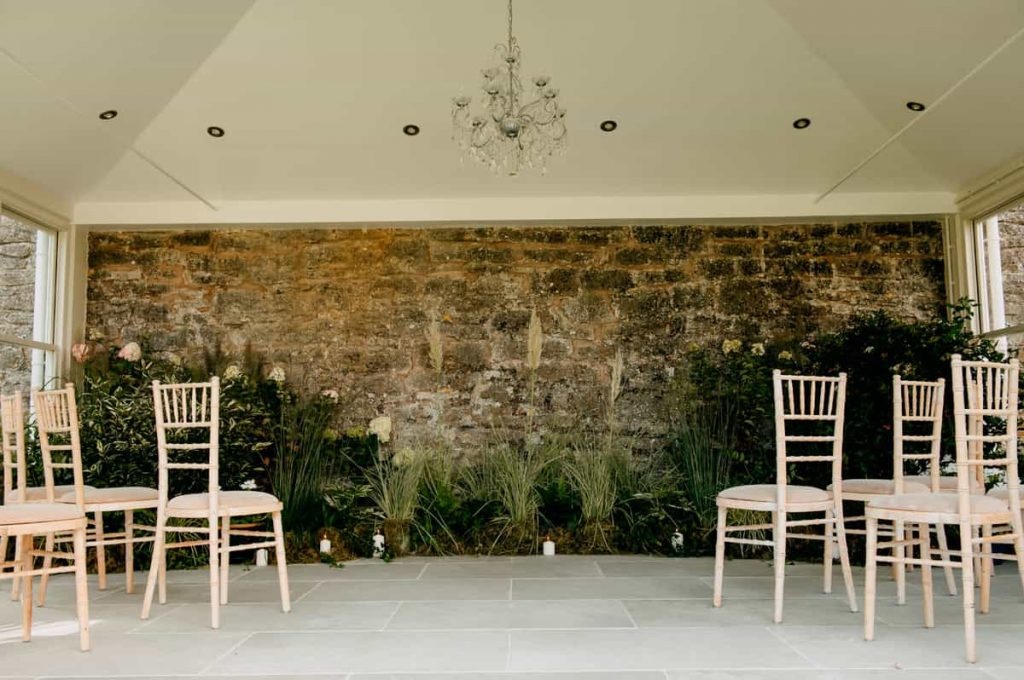
Outdoors, ceremonies are held in the Goodly Garden, inside the original stone walls, and in the Rose Garden, which has a gazebo and a summerhouse. For a religious service, the parish church of St Mary the Virgin stands immediately beside the castle. It is listed Grade I, and in the duke’s time a two storey timber gallery ran from his apartments, through the garden wall and across the churchyard to a private pew at the east end of the church.
Dinner in the old kitchen
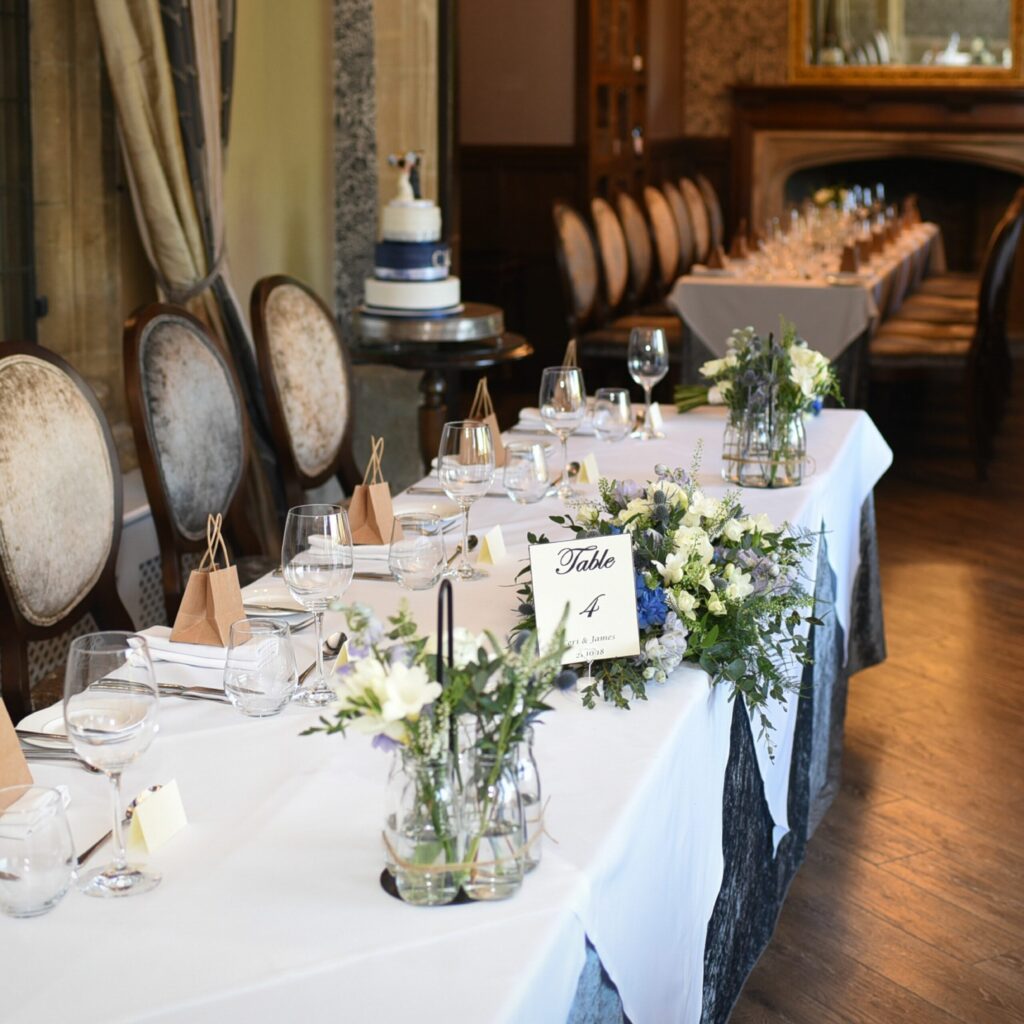
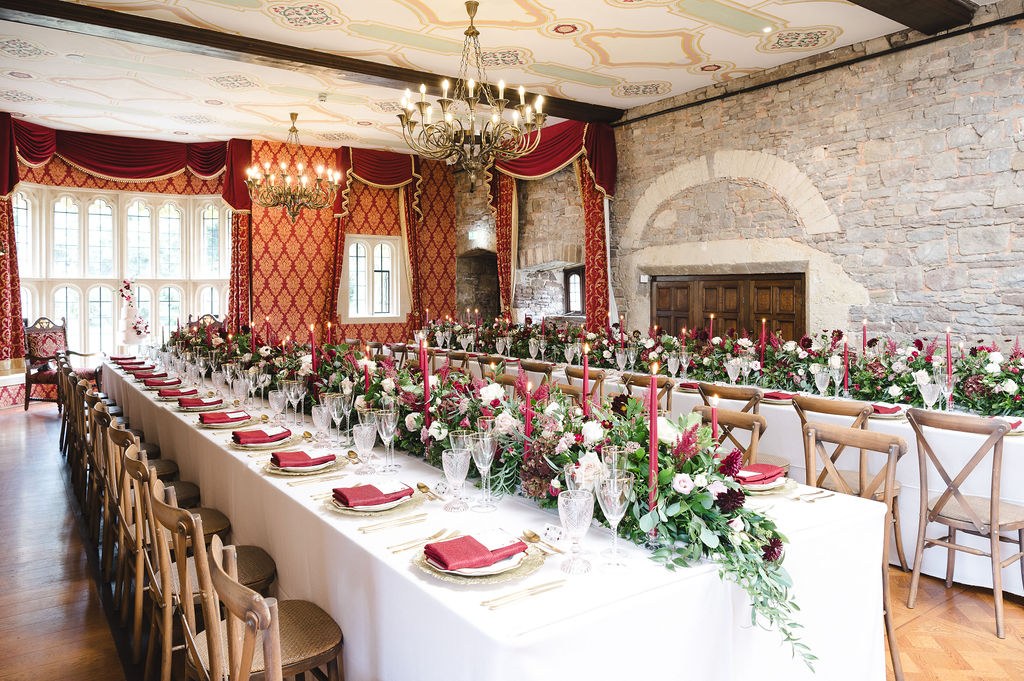
The Tudor Hall, where the wedding breakfast is served, is the castle’s large kitchen in the north range, remodelled and still keeping its large fireplace. It has stone walls, a hand painted ceiling and doors opening onto the fountain and croquet lawn, along with a reception area, a small lounge and its own bar in the Boyling House. It seats up to 70 for dinner and holds up to 120 for an evening reception, with a private bar and a late licence.
Smaller parties move upstairs. The Barons Sitting Room and the Chancellors Lounge, on the first floor overlooking the fountain and the front gardens, keep their original oak panelling and a stone fireplace, and suit a drinks reception and dinner for a small group. The Tower and Oriel dining rooms sit side by side, with high ceilings, chandeliers, a minstrels’ gallery and arrow slit windows.
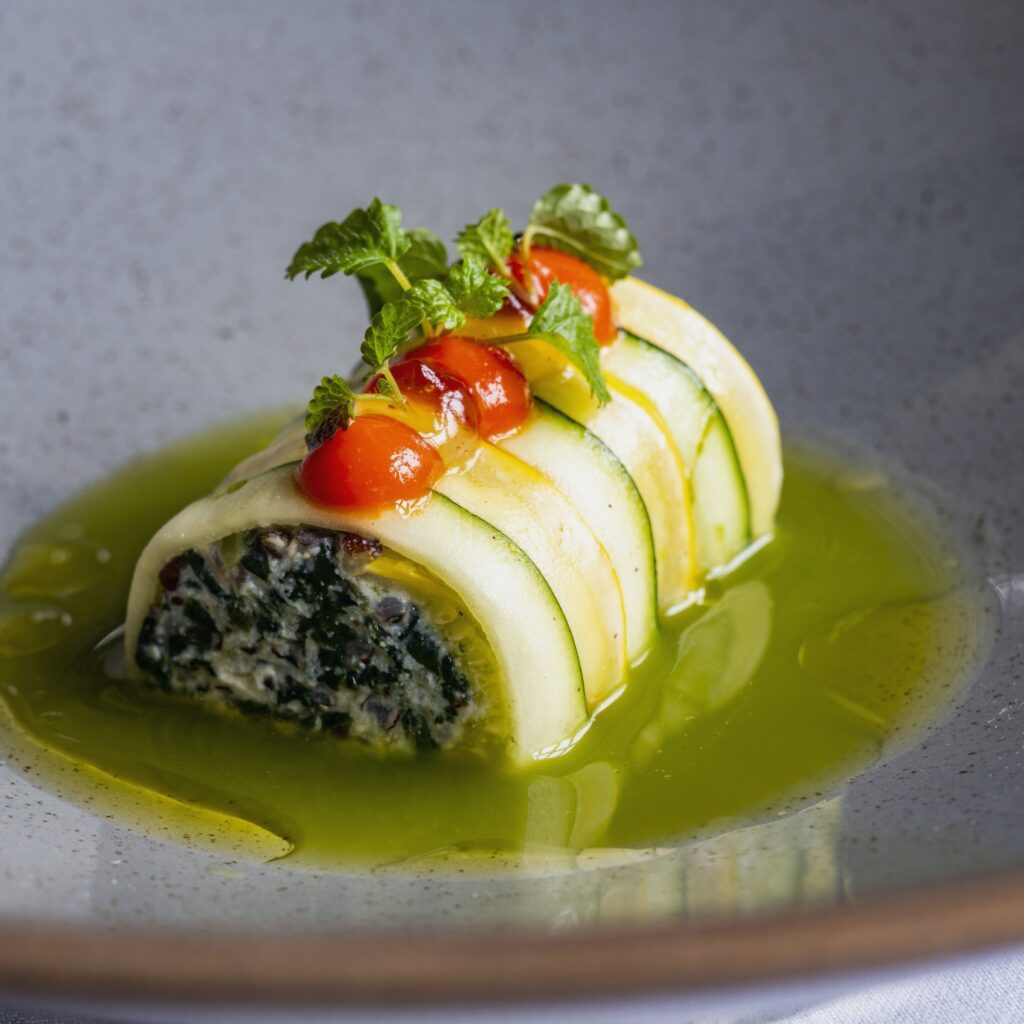
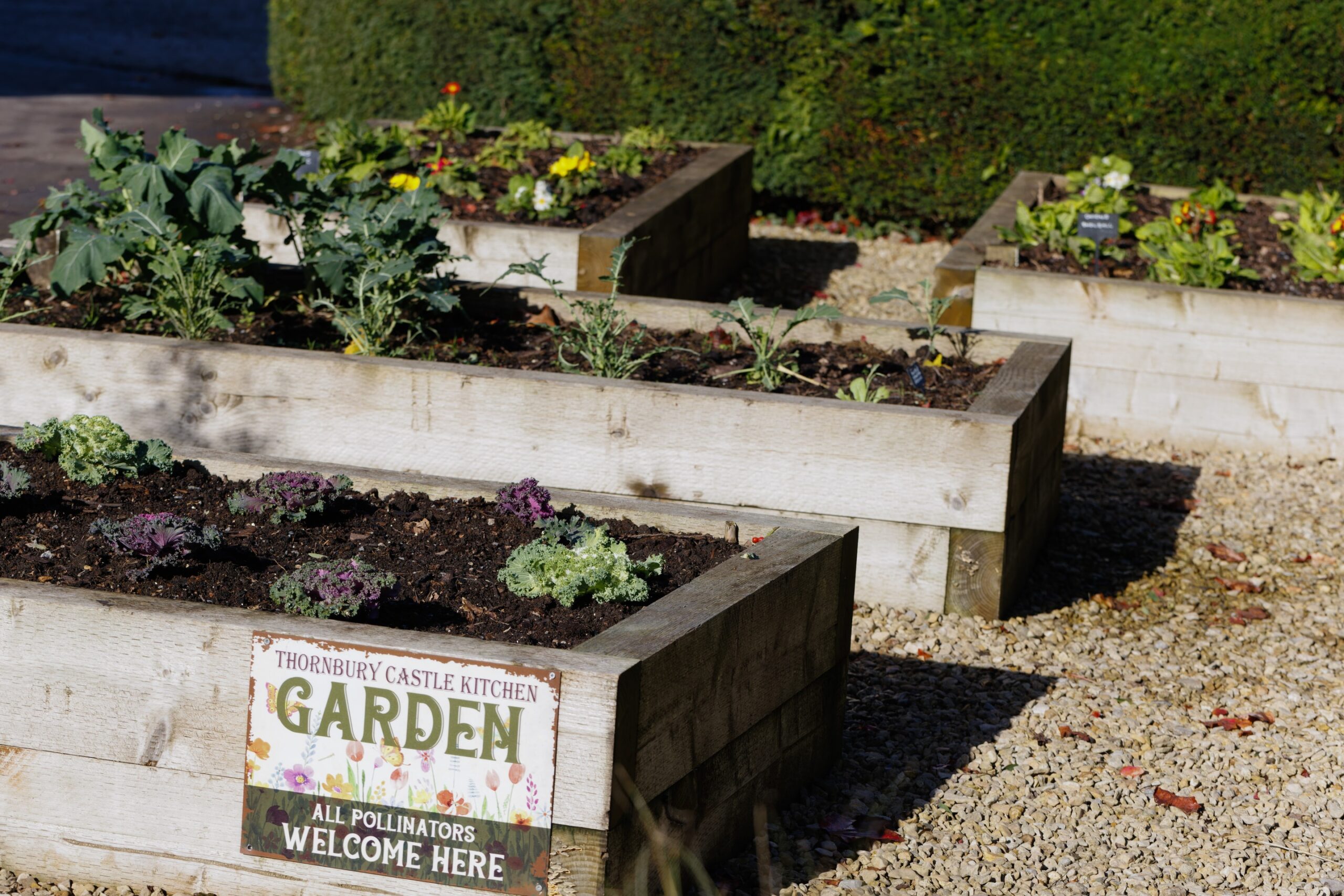
All the catering is done in house. The restaurant holds three AA Rosettes for its food and four AA Red Stars for service, and the three course wedding breakfast is written by the kitchen with wines to match. David Williams, culinary director since 2024, trained with Joël Robuchon in Paris. Much of the produce on the dinner menu comes from the castle’s own kitchen garden, worked on a no dig method and harvested each morning, with kitchen and coffee waste returned to it as compost. For the end of the evening, fireworks are possible: displays are run by Chase Lane Fireworks after a risk assessment, and the local fire service is told before each one.
Fifteen acres inside Tudor walls
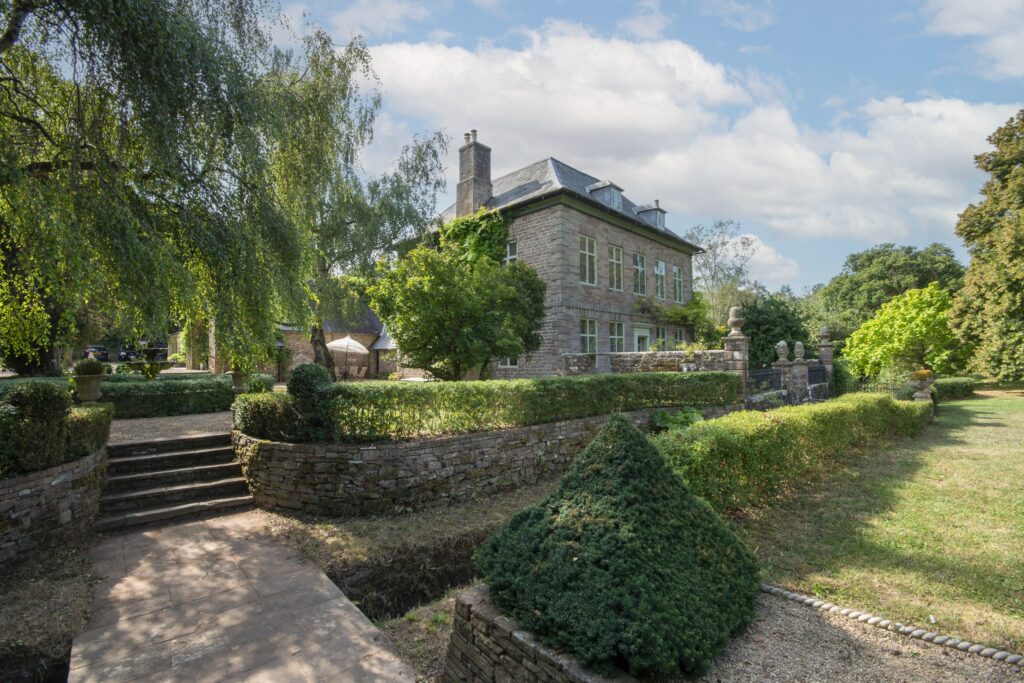
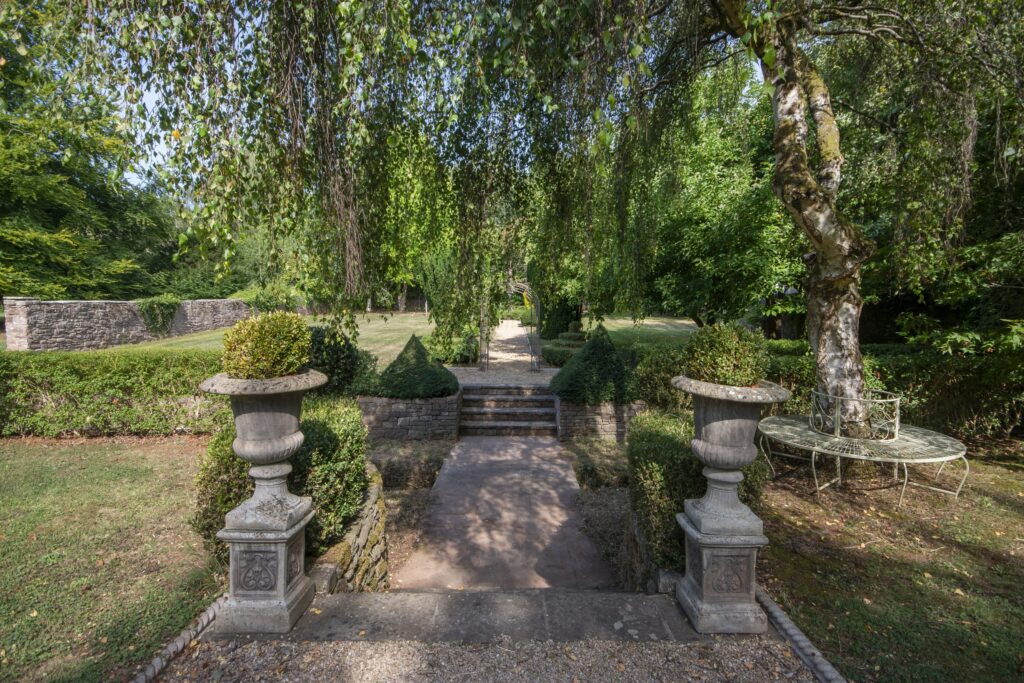
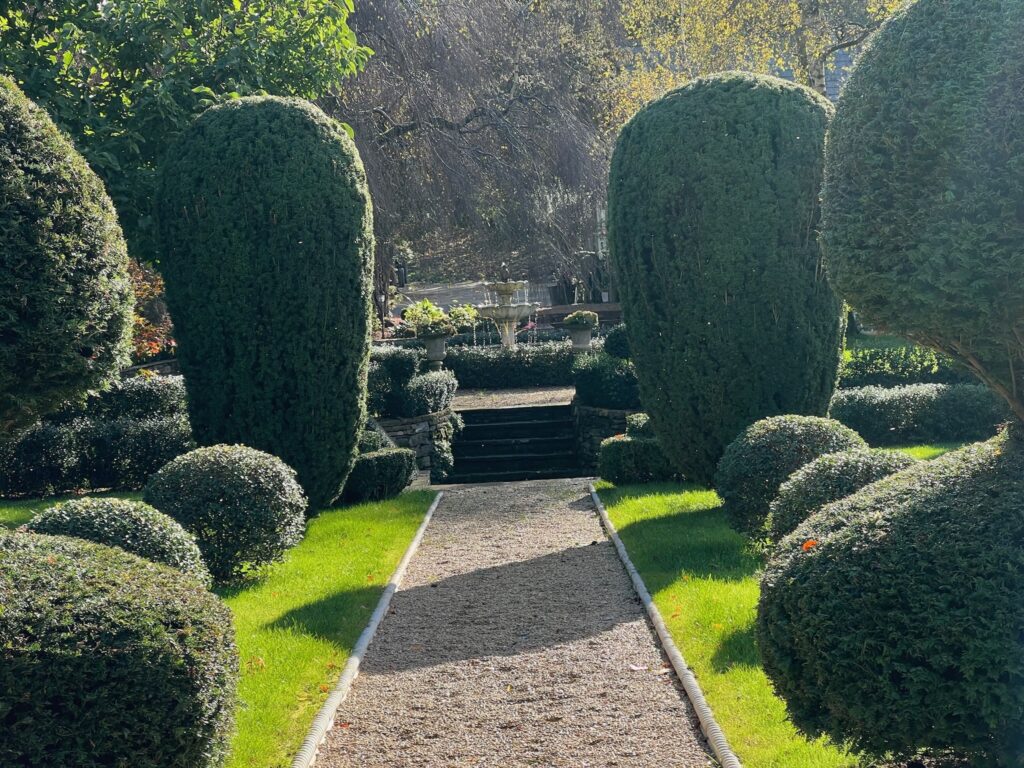
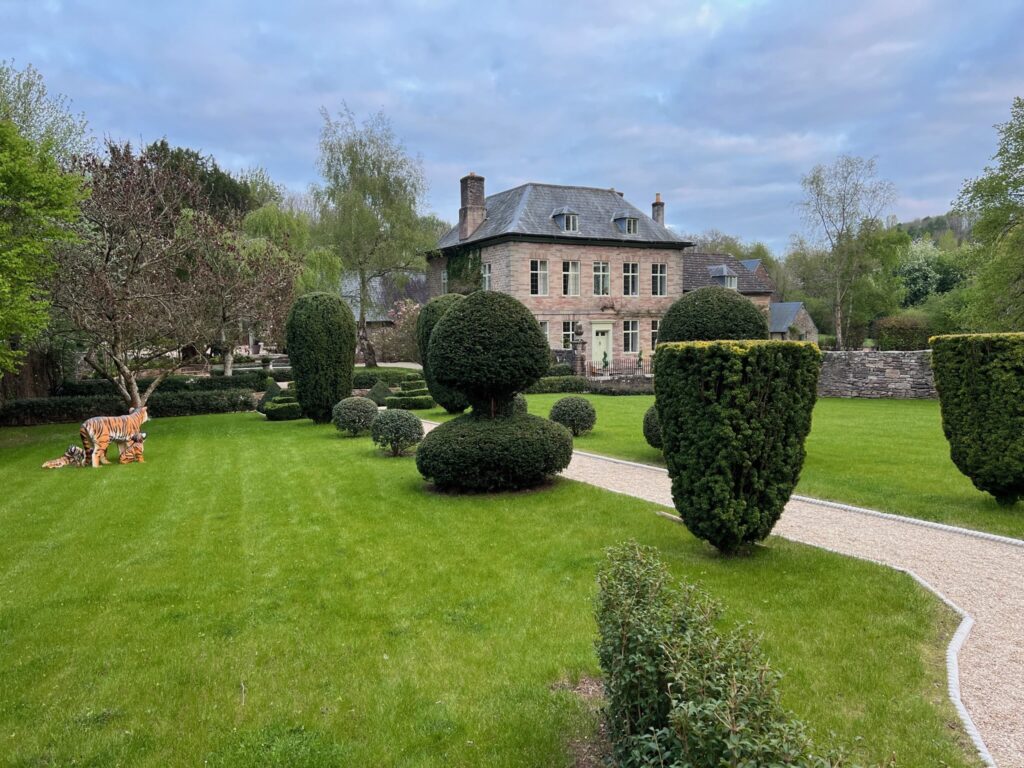
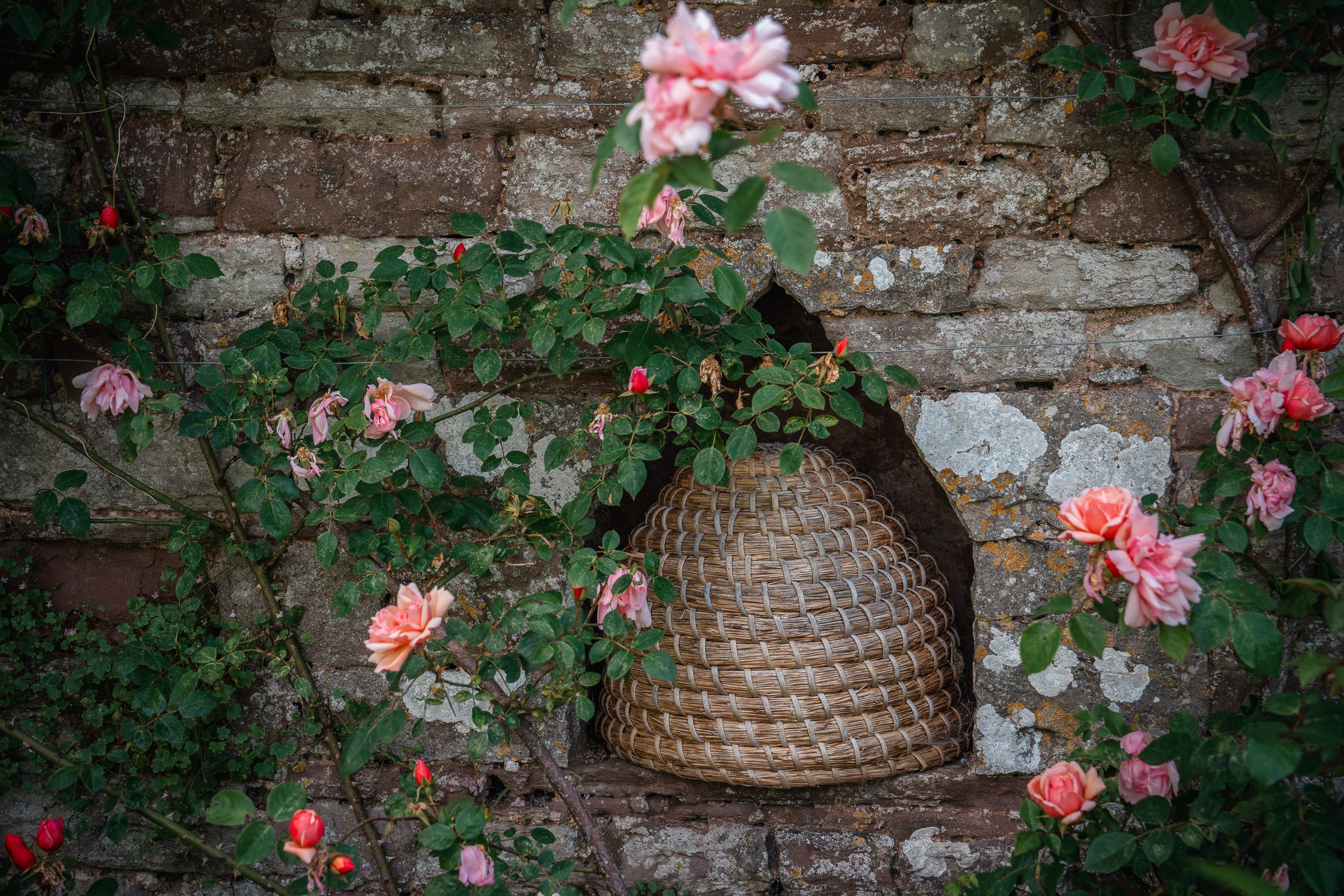
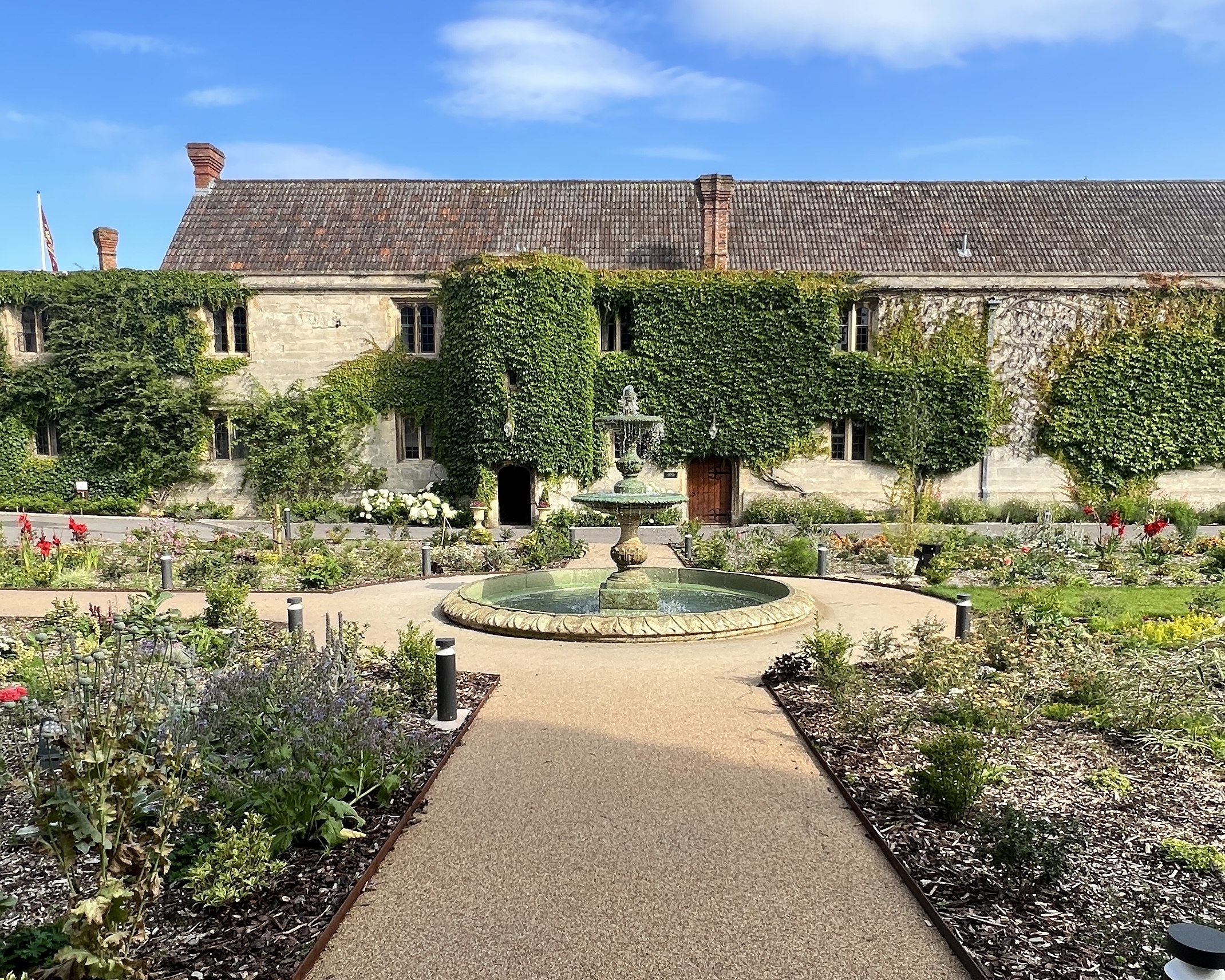
The castle has 15 acres in all, and they include a Tudor walled garden. Rubble walls four to five metres high, with an embattled parapet, enclose a pleasure garden in two halves. The Privy Garden, directly below the south windows, has an octagonal lawn with a sundial and a small shrub maze, and its magnolia comes into bud in March. The Goodly Garden beyond it is divided by crenellated yew hedges into rose gardens and an open lawn, and its walls still hold the bee boles where Tudor gardeners kept their hives; today they shelter twelve straw skeps.
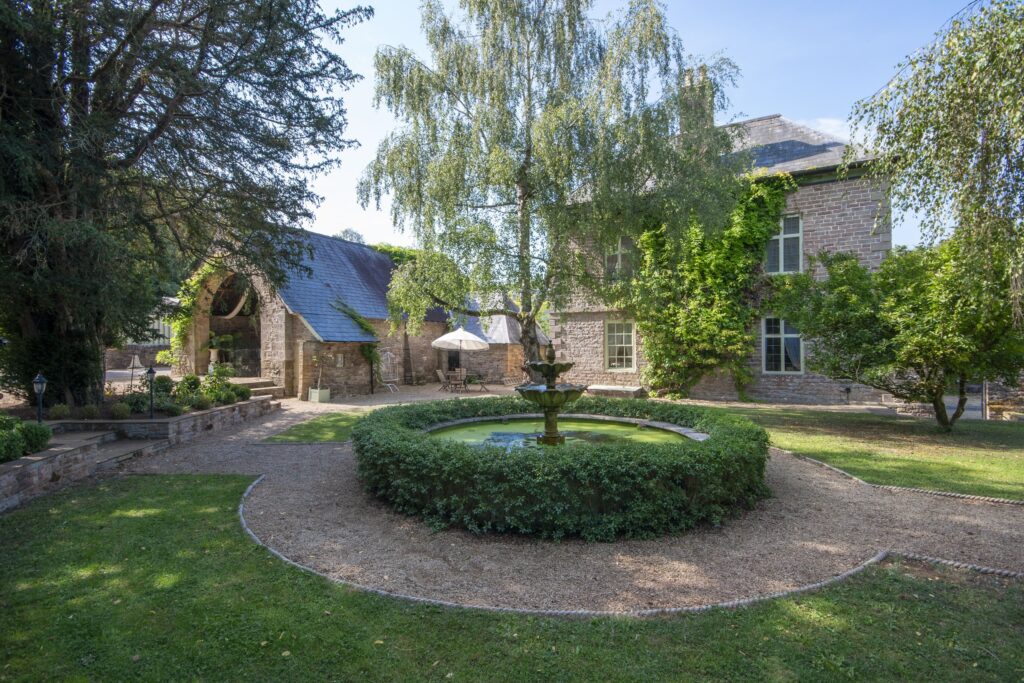
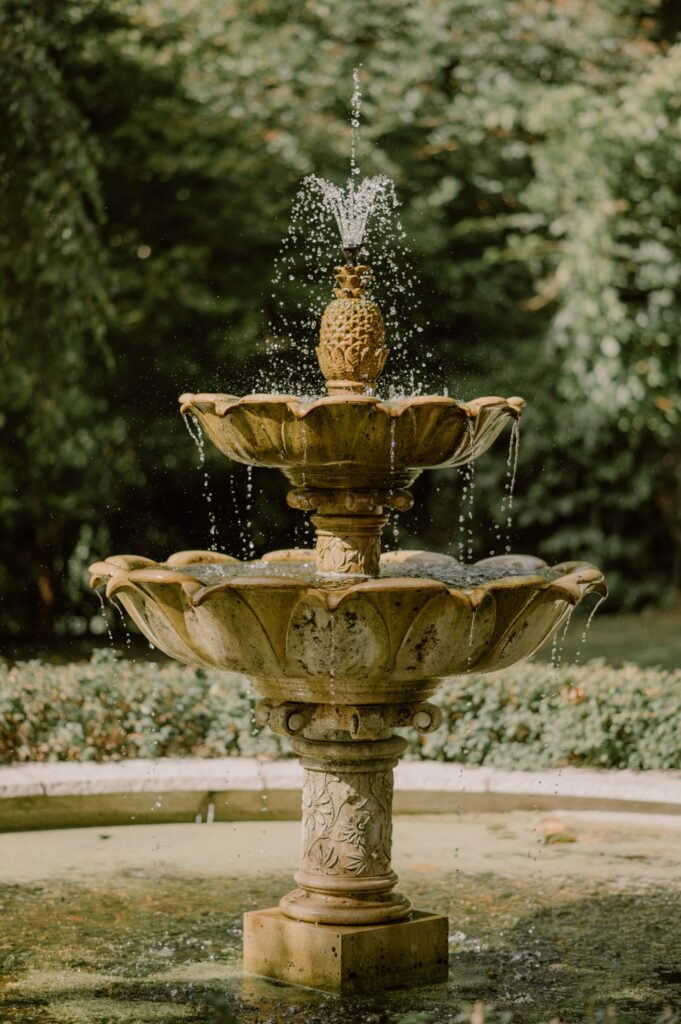
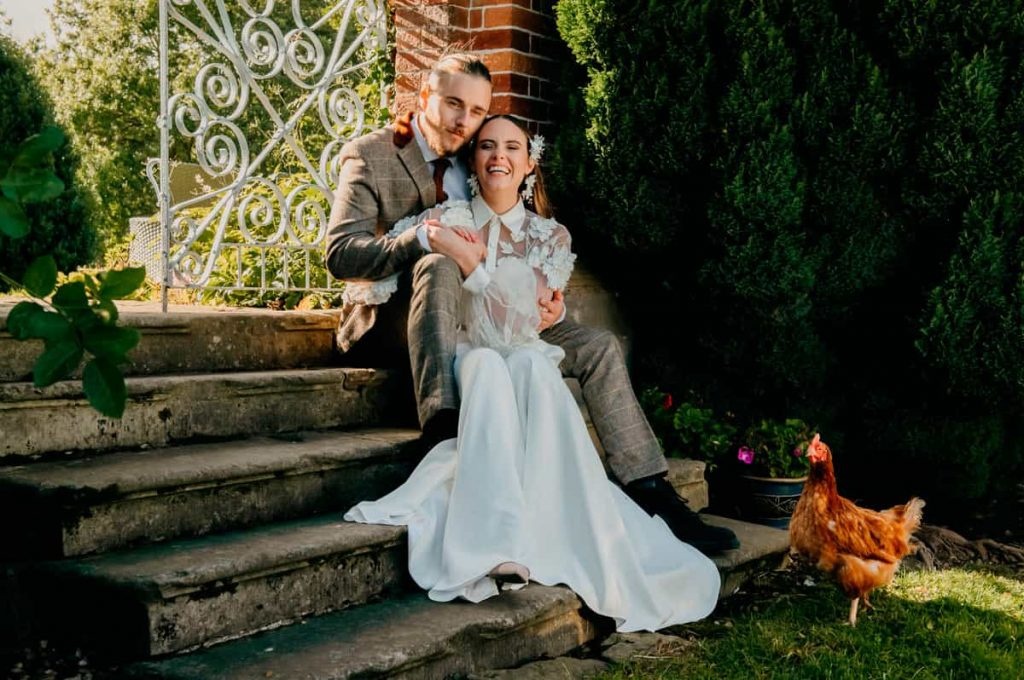
The Rose Garden has some 200 roses chosen for their history, and at the entrance the Courtyard Garden is laid out around a fountain that is lit at night. For photographs there are the old walls, the yew topiary, the wildflower garden and the roses.
Bedchambers named for the Tudor court
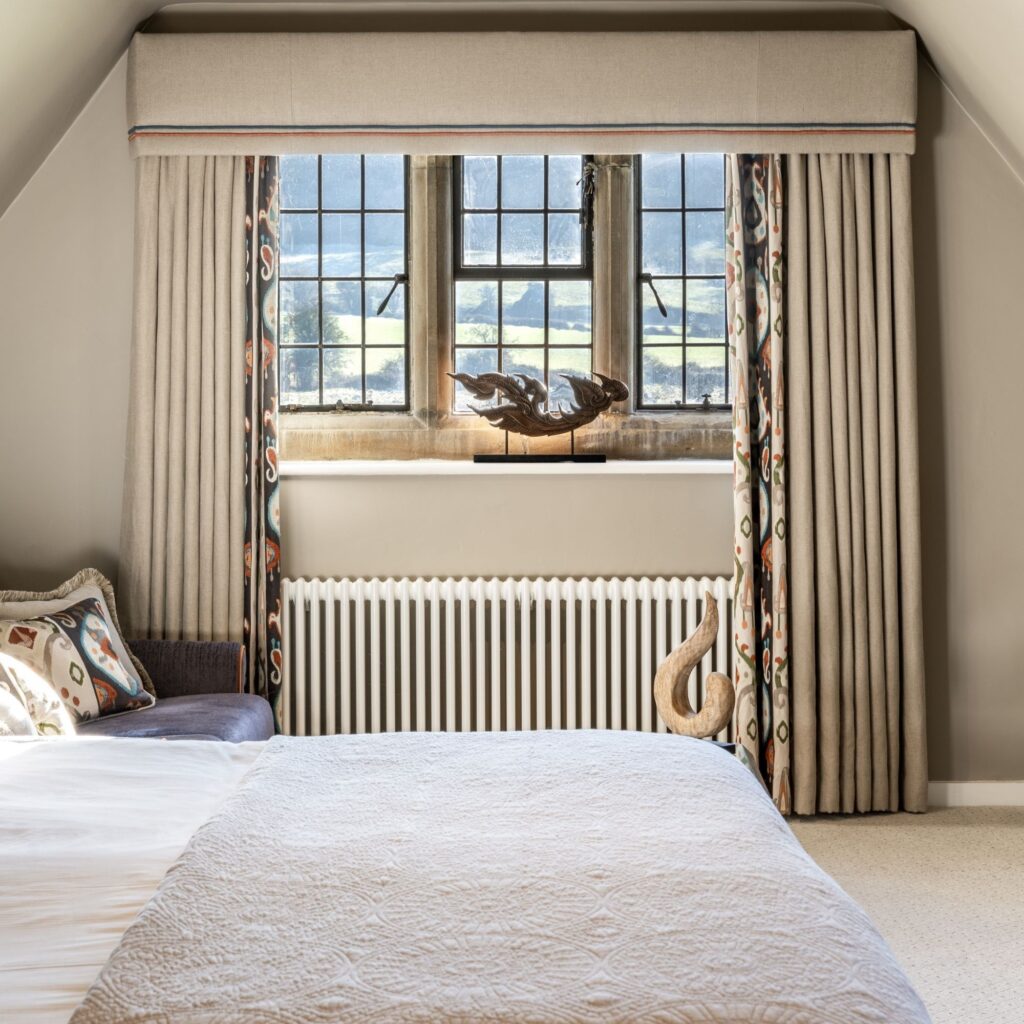
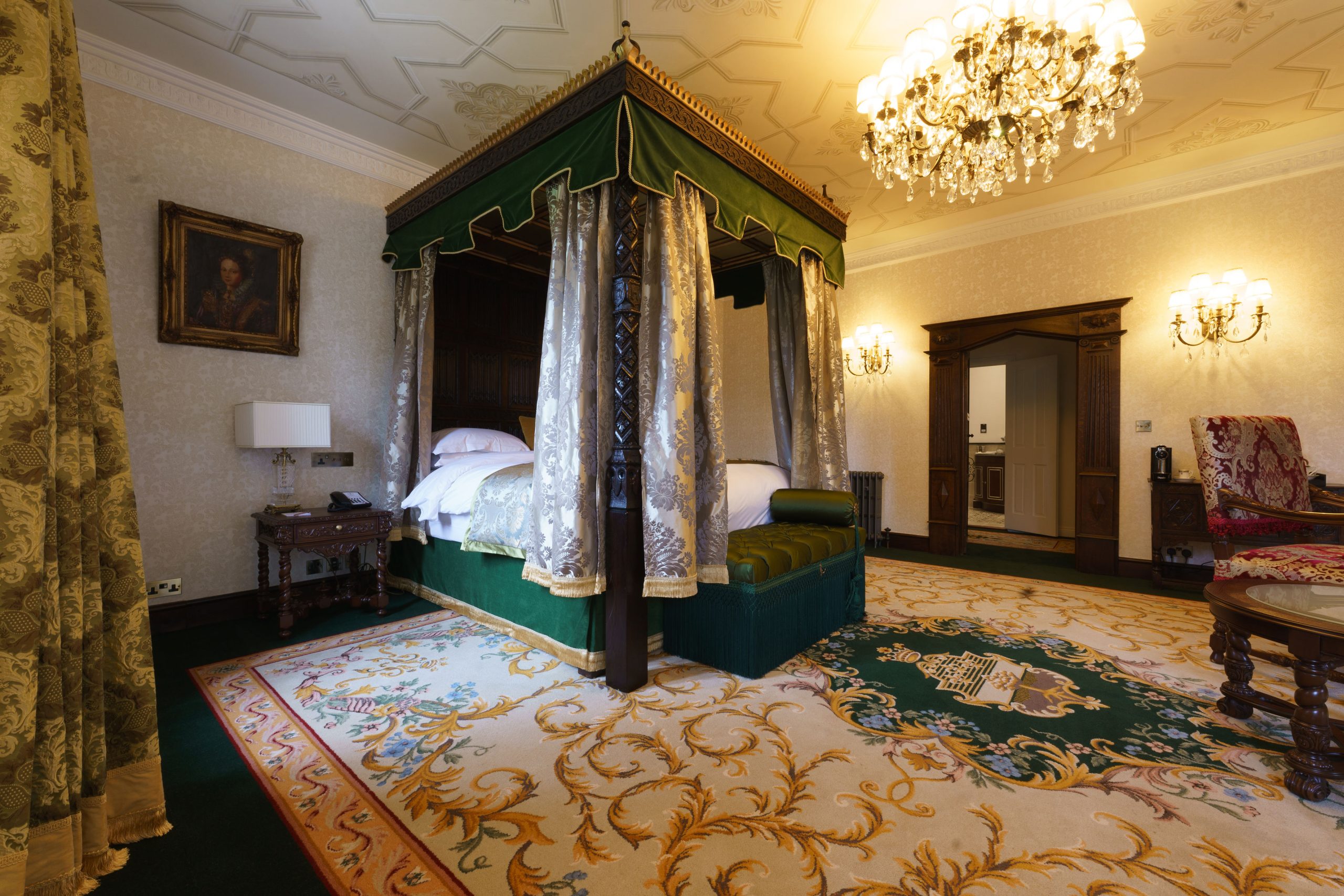
The 26 bedchambers sleep 52 guests and take their names from figures of the period. Four are Deluxe Castle Suites. The Henry VIII Suite is kept as the room the king and Anne Boleyn shared in 1535. The Jane Seymour Suite is in the main tower, up a spiral staircase, with views to Wales, and the Catherine of Aragon Tower Suite is at the top of the tower, 77 steps up, with 24 carat gilding; the Henry VII Suite has a separate lounge that can become a second bedroom for a family. Below them are six Castle Suites, nine Superior Deluxe rooms and seven Deluxe rooms.
A wedding package includes seven bedchambers on the wedding night, one of them a suite for the couple, and other guests are offered preferential rates. Taking the castle for exclusive use, for a minimum of one night, brings all 26 bedchambers with bed and breakfast, the Tudor Hall, the lounges and the Library, both dining rooms and all the grounds, with the wedding breakfast charged separately on a bespoke quotation.
Thornbury, between the Cotswolds and the Severn
The castle stands on Castle Street at the north western edge of Thornbury, a market town on the plain between the Cotswolds and the Severn. Bristol is about 20 minutes by car and Bristol Airport around 40 minutes, the M4 and M5 are close, and there is a helipad in the grounds. A short film made by the castle, Weddings at Thornbury Castle, is on Vimeo. For another castle in the county, read our Edit on Clearwell Castle in the Forest of Dean; further afield, see Amberley Castle, Leeds Castle and the UK castle venues guide, or browse weddings in Gloucestershire and the United Kingdom Wedding Atlas.
The whole castle, or the Tudor Hall
The choice to settle first is whether to take Thornbury for exclusive use, with every bedchamber and all 15 acres held for the wedding, or to book a package built around the Tudor Hall and seven bedchambers. Read the Thornbury Castle profile and check your date.