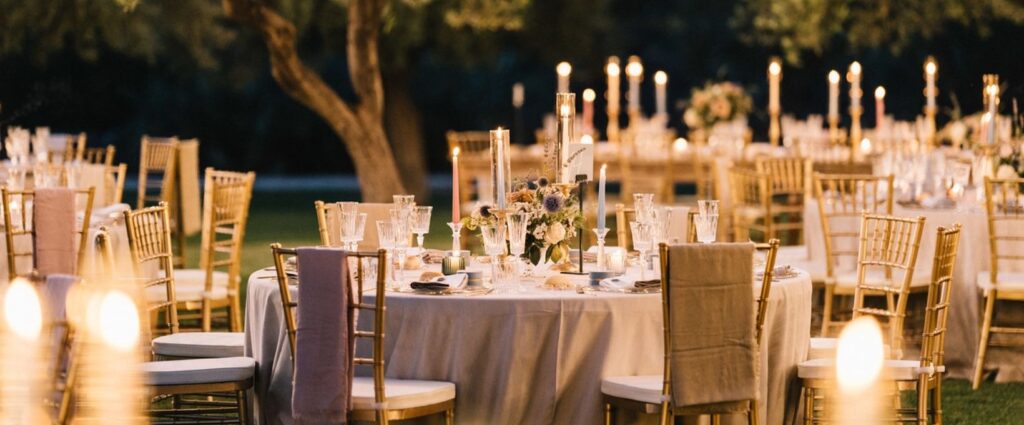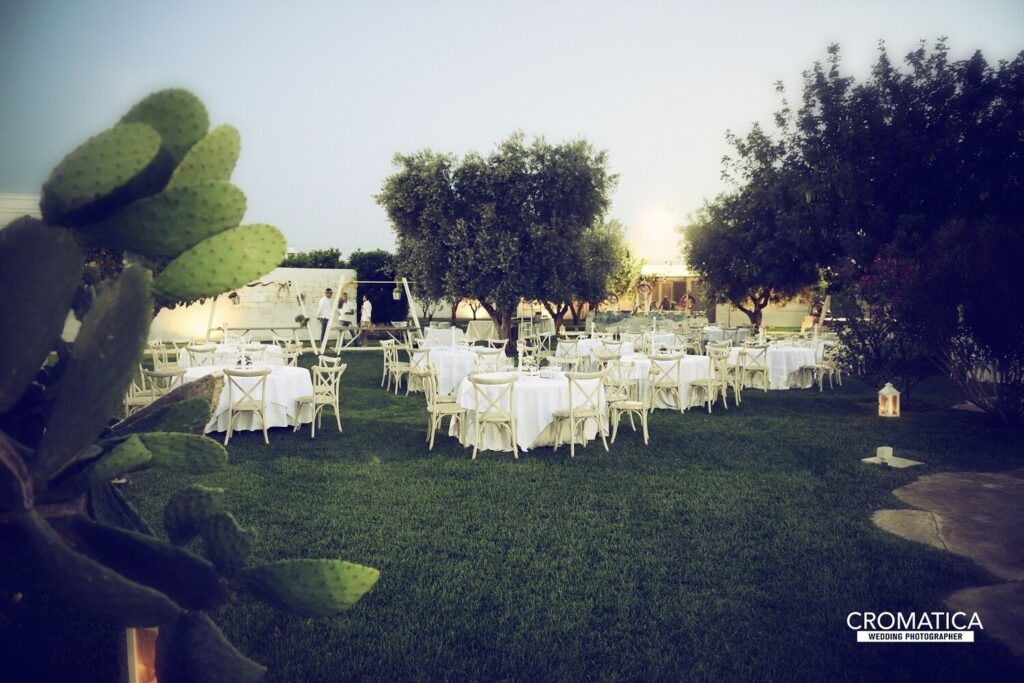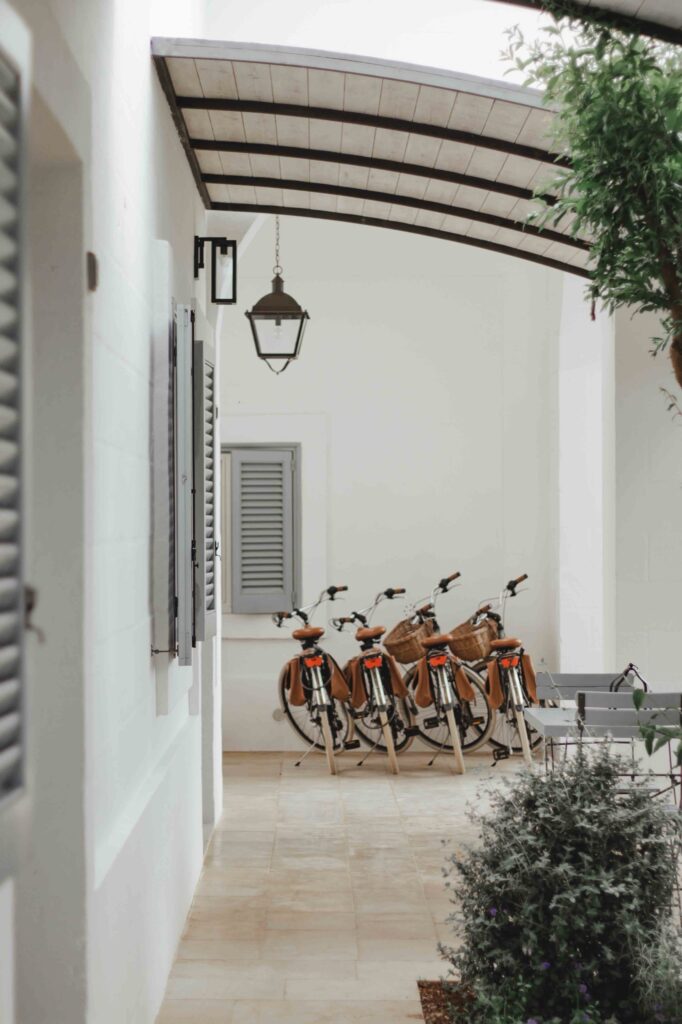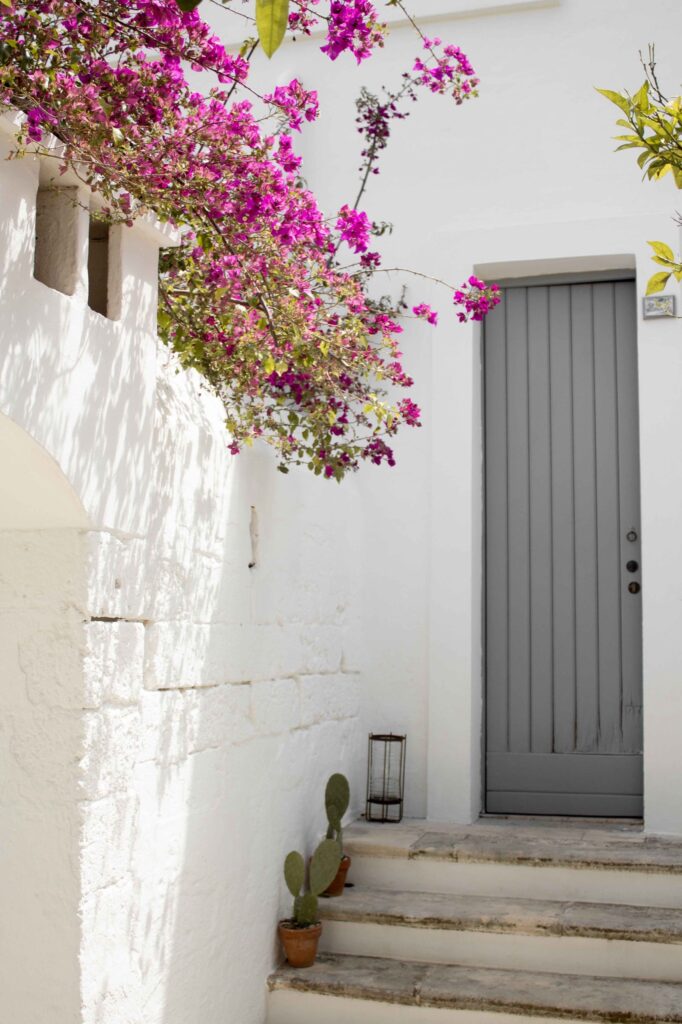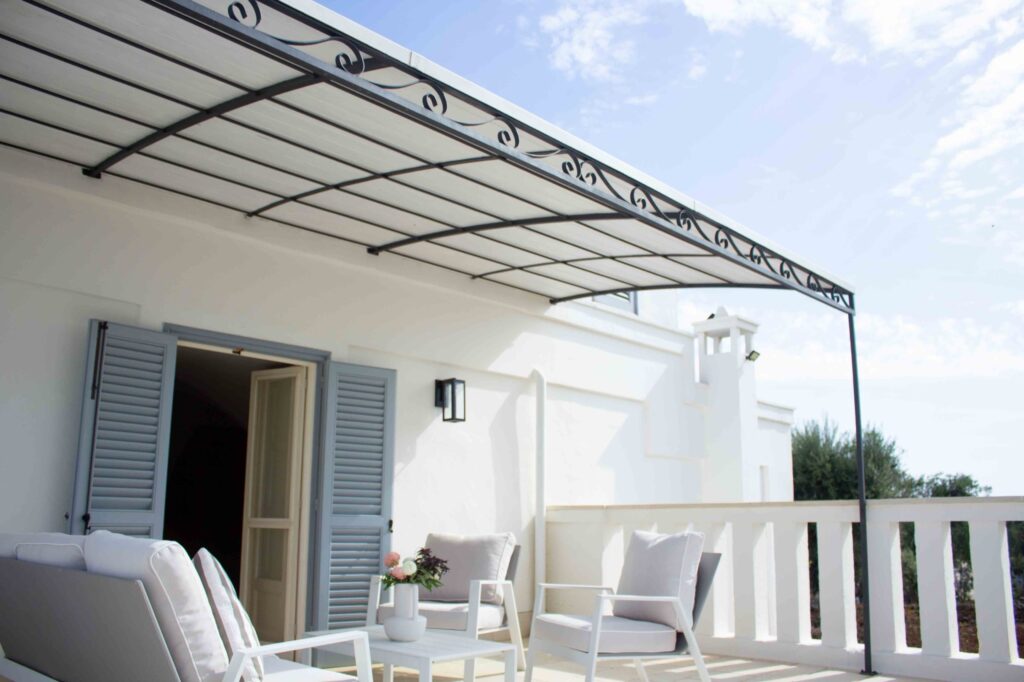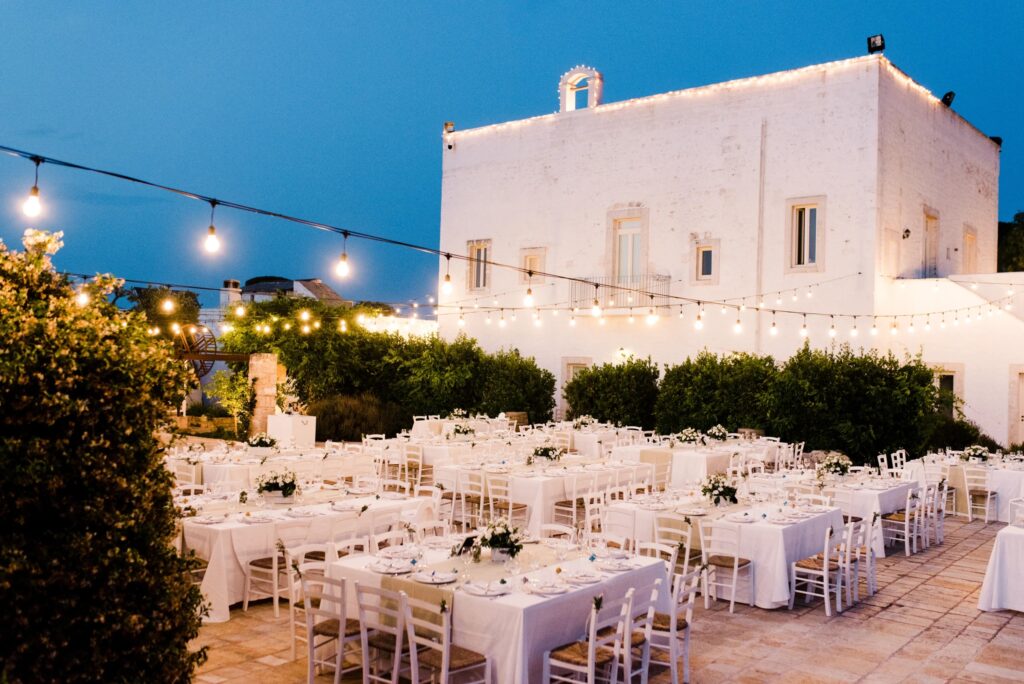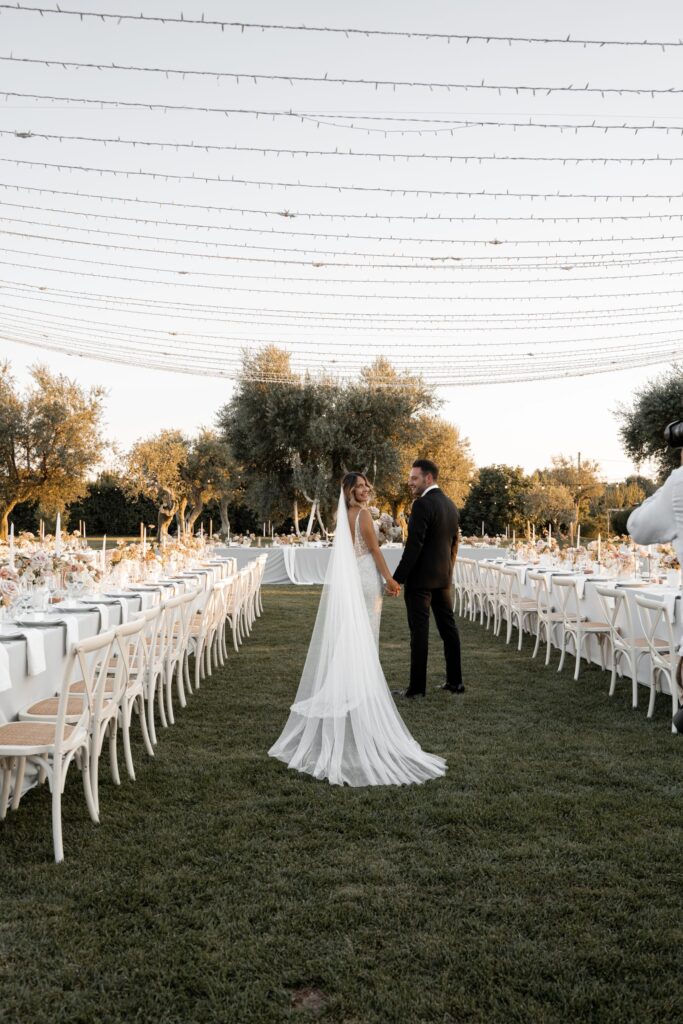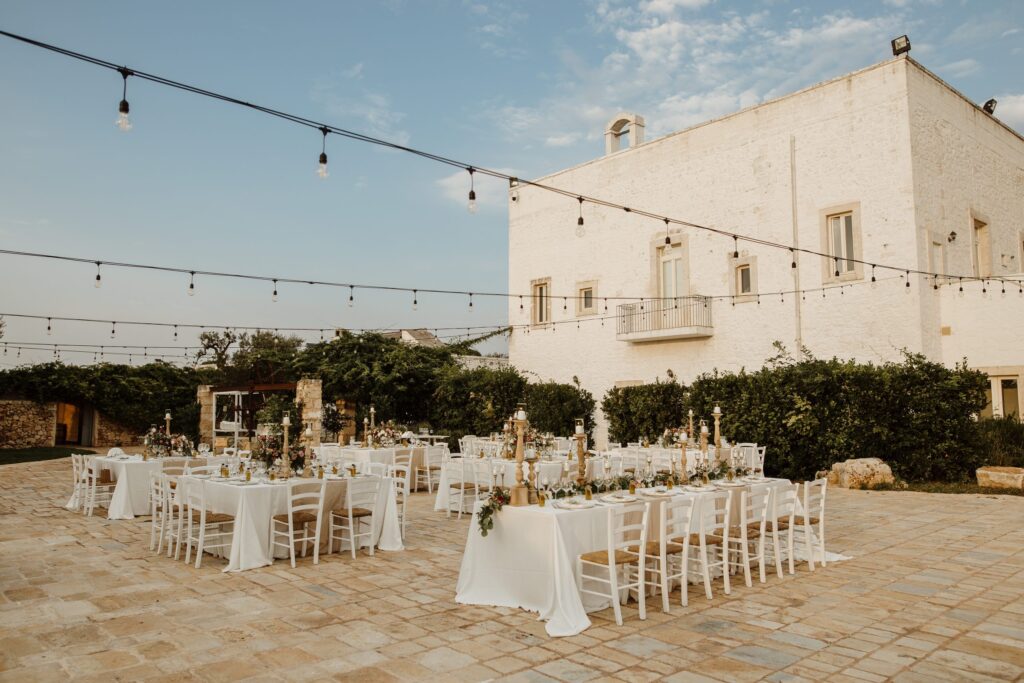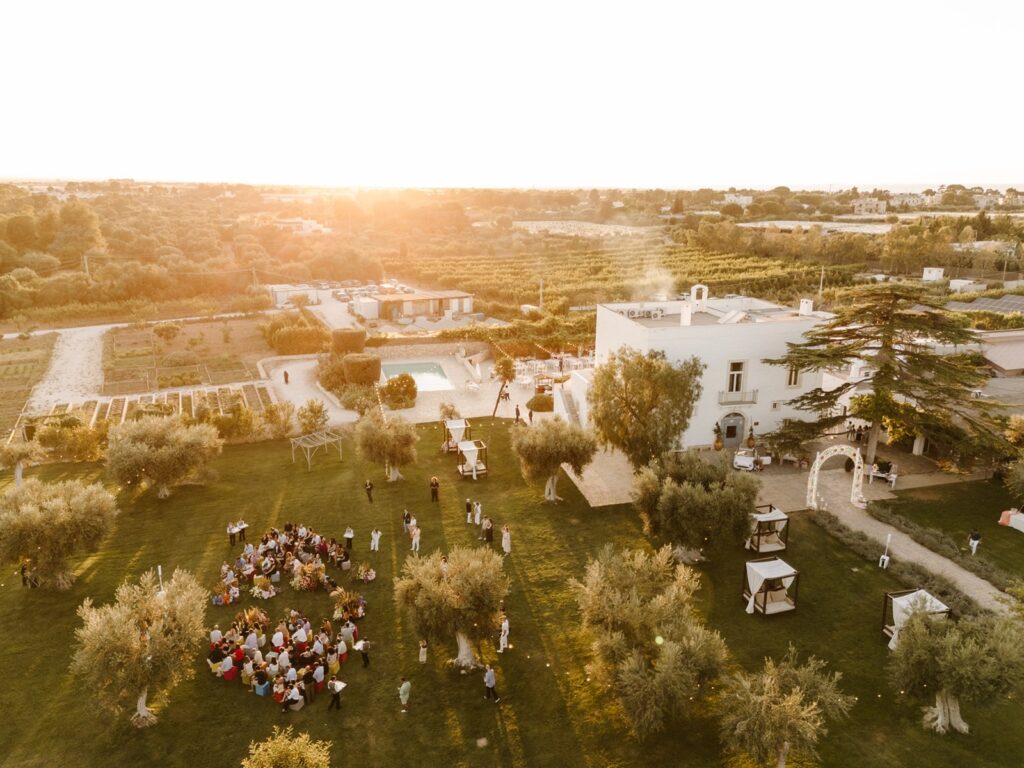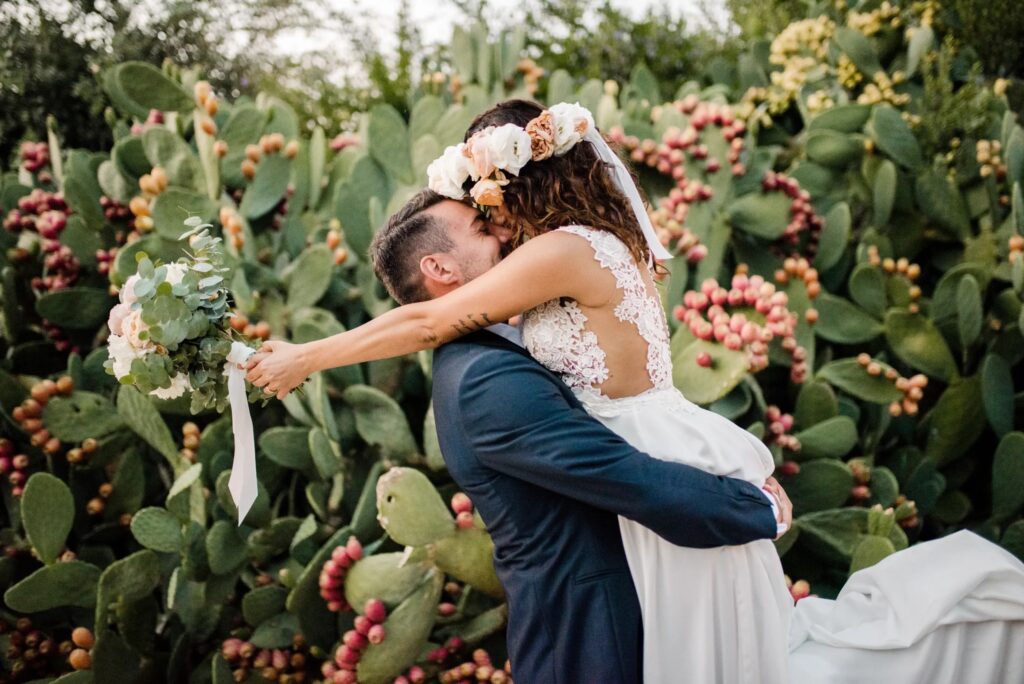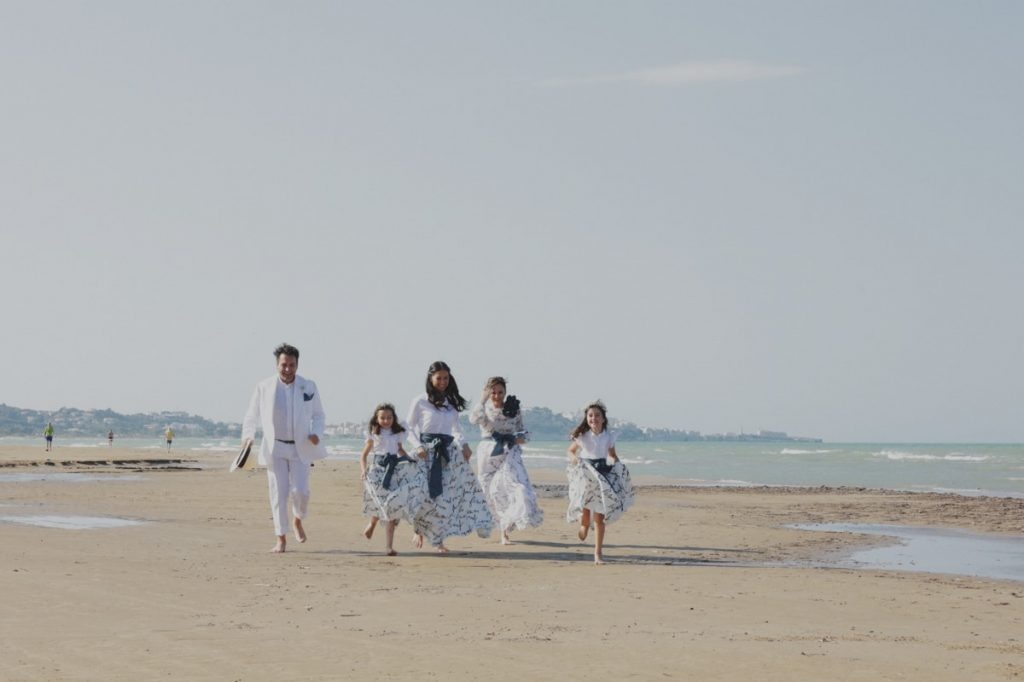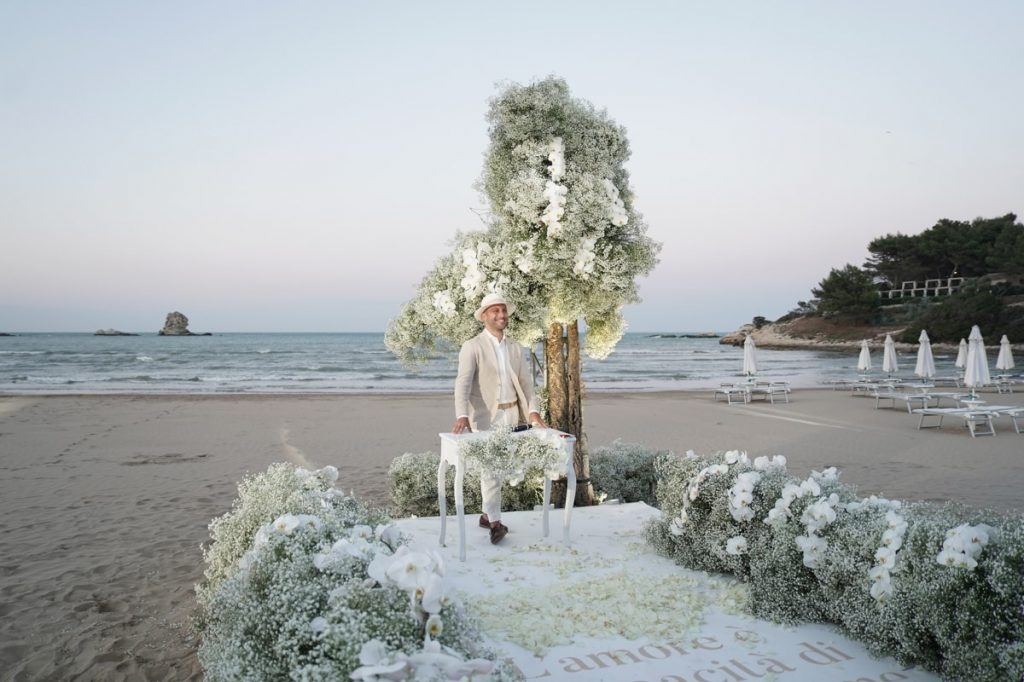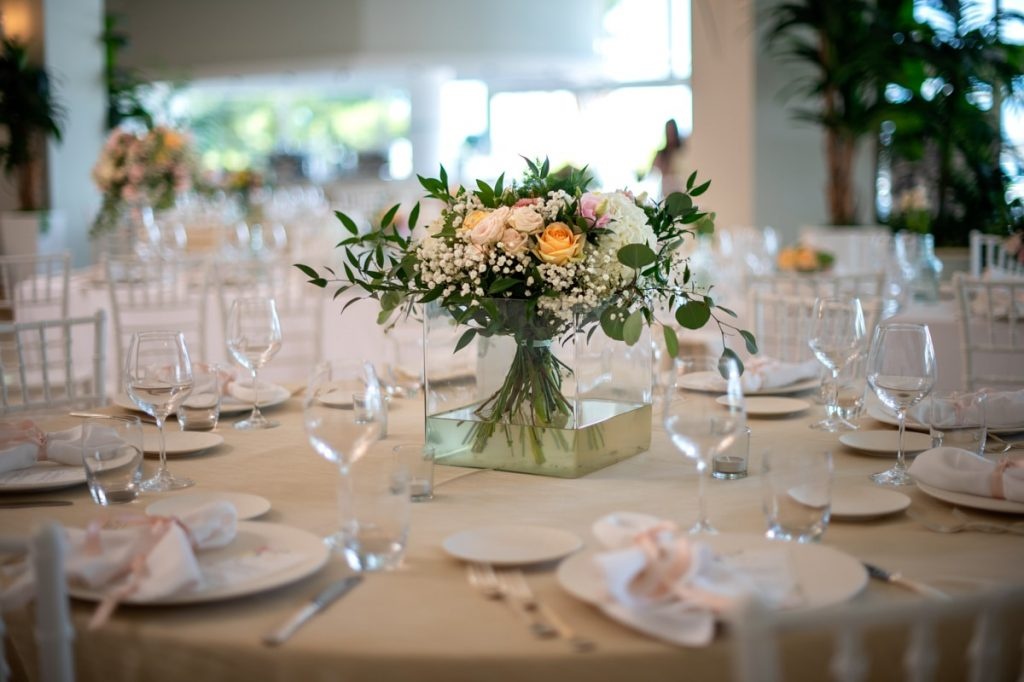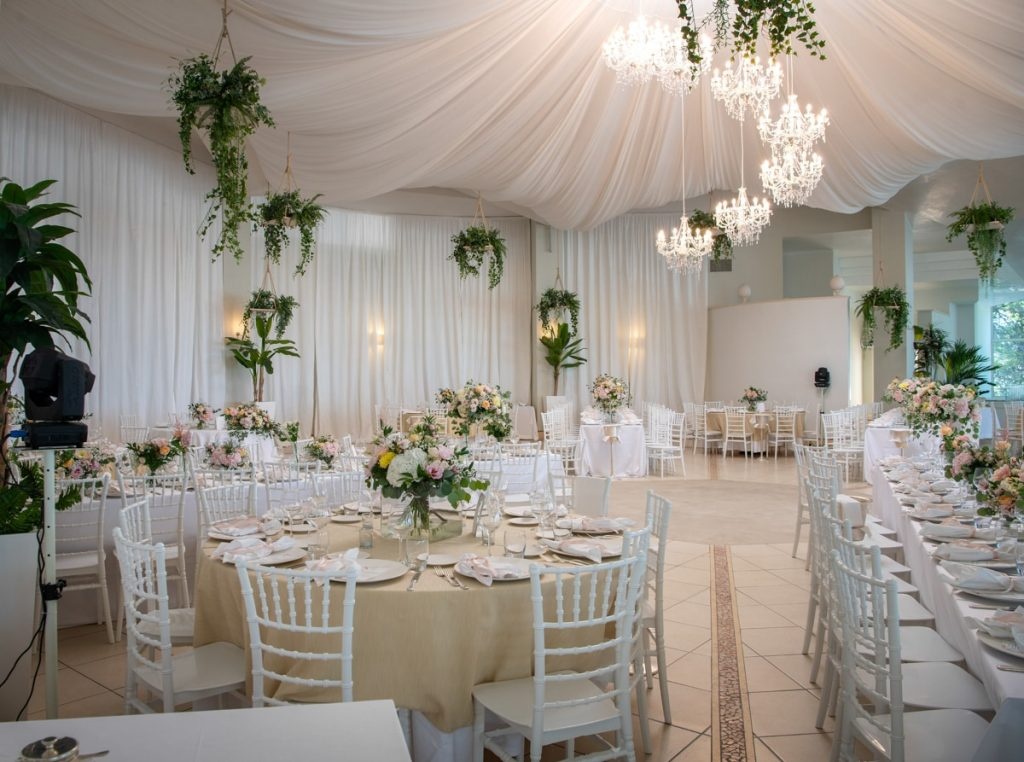
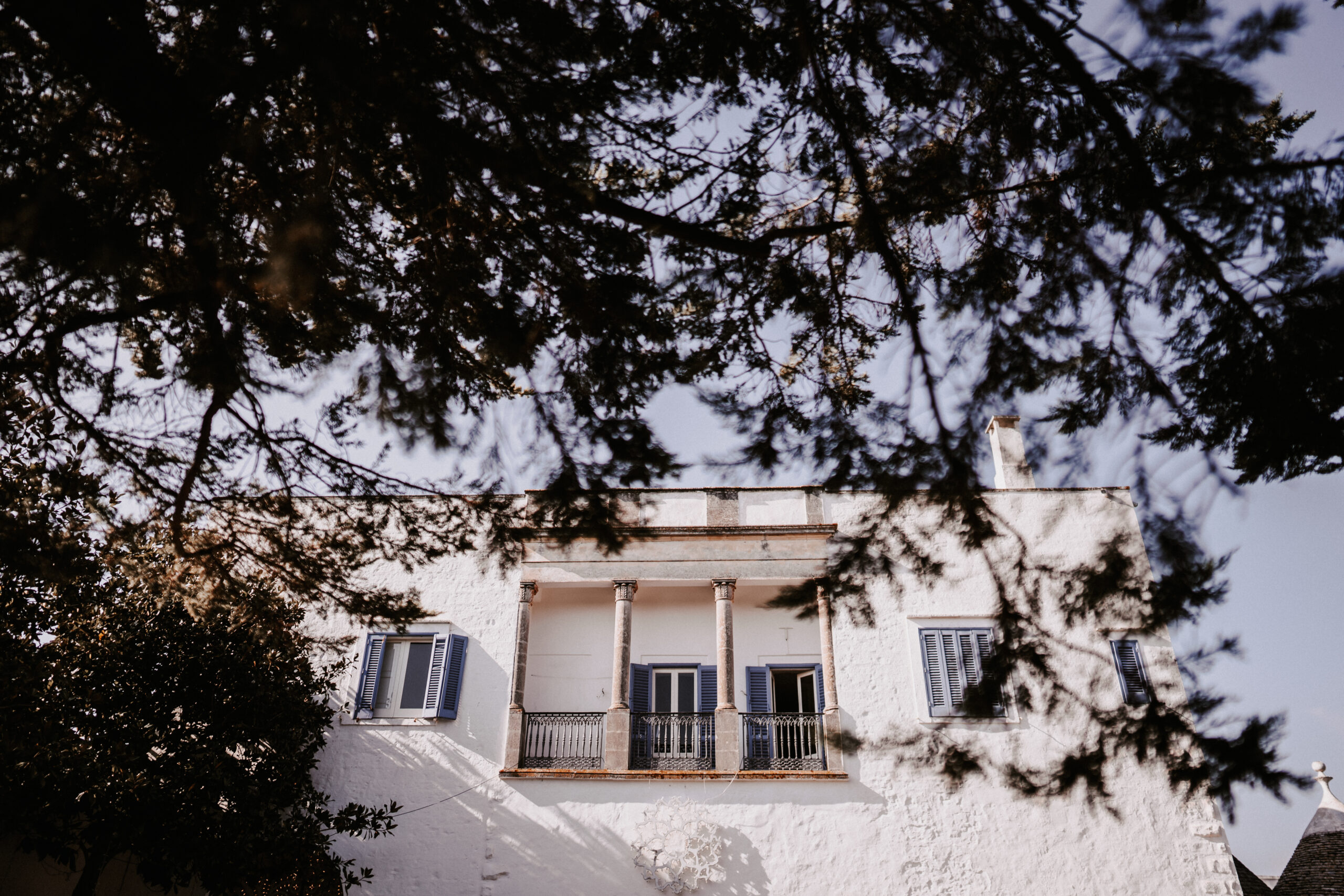
Villa Cenci Relais Masseria sorts its bedrooms into four kinds: Suites, Trulli, Lamie Superior and Lamie Standard. The names come straight from the building types of the Itria Valley, the trullo with its cone of dry stone and the lamia, the plain single room dwelling of the southern countryside. Both stand on this seventeenth century masseria in the hills of Cisternino, beside a whitewashed villa with blue shutters, and a wedding here moves between them: drinks on the lawns by the pool, vows in the gardens, dinner by candlelight, and a night under a stone vault or a conical roof.
A farm estate in the hills of Cisternino
A masseria is the farm complex of southern Italy: houses for the owner and the workers, stables, stores for fodder and harvest, and rooms for making wine, cheese and oil, usually arranged around a walled courtyard. The word comes from the massaro, the steward who gathered in the harvest for the owner. Many were founded between the sixteenth and eighteenth centuries, and in Puglia, the Itria Valley above all, a good number have survived, more and more of them restored and put to new use.
Villa Cenci is one of them. The old masseria was restored to keep its existing structure, with reclaimed materials used in the work. Its 13 hectares of olive groves and countryside lie beside the provincial road from Cisternino towards Ceglie Messapica.
Cisternino stands at 394 metres on the last edge of the south eastern Murgia and looks south west over the Itria Valley. It is one of I Borghi più belli d’Italia, was named Cittaslow City of the Year in 2014, and lives from tourism, olives, grapes and dairy farming. Despite the sound of it, the name probably owes nothing to cisterns: the toponymist Giovanni Colella derived it from Cis-sturnium, the settlement beyond Sturnium, an ancient town near present day Ostuni.
The Itria Valley below is not strictly a valley at all but a karst depression in the lower Murgia, shared by the provinces of Bari, Brindisi and Taranto. Its name probably comes from the Madonna Odegitria, the Virgin who shows the way and patron of travellers, venerated by Basilian monks who founded a monastic site in a natural shelter in the valley.
Trulli, lamie and the white villa
The trullo is the building most people picture when they think of this part of Puglia. It is a dry stone hut with a conical roof, a type specific to the Itria Valley, raised as a field shelter, a store or a home by small proprietors and farm labourers. The roof has two skins, an inner vault of limestone closed by a capstone and an outer layer of slabs tilted outwards to shed the rain. The stones to begin one came from digging the cistern every house needed, because this karst plateau has no permanent surface water. Trulli are found well beyond Alberobello, around Locorotondo, Fasano, Ostuni, Martina Franca, Ceglie Messapica and Cisternino itself.
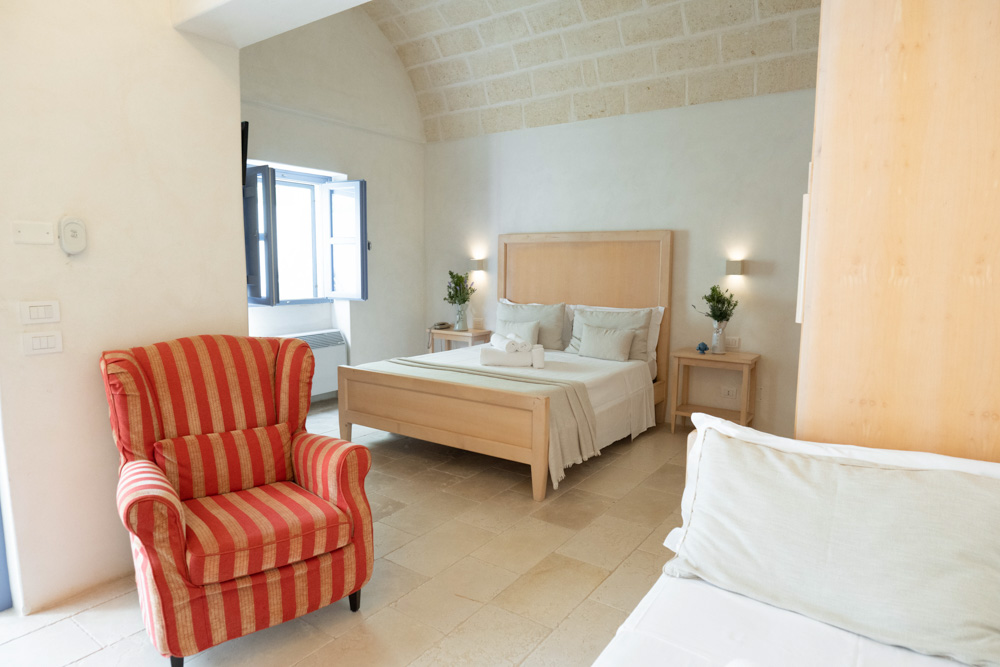
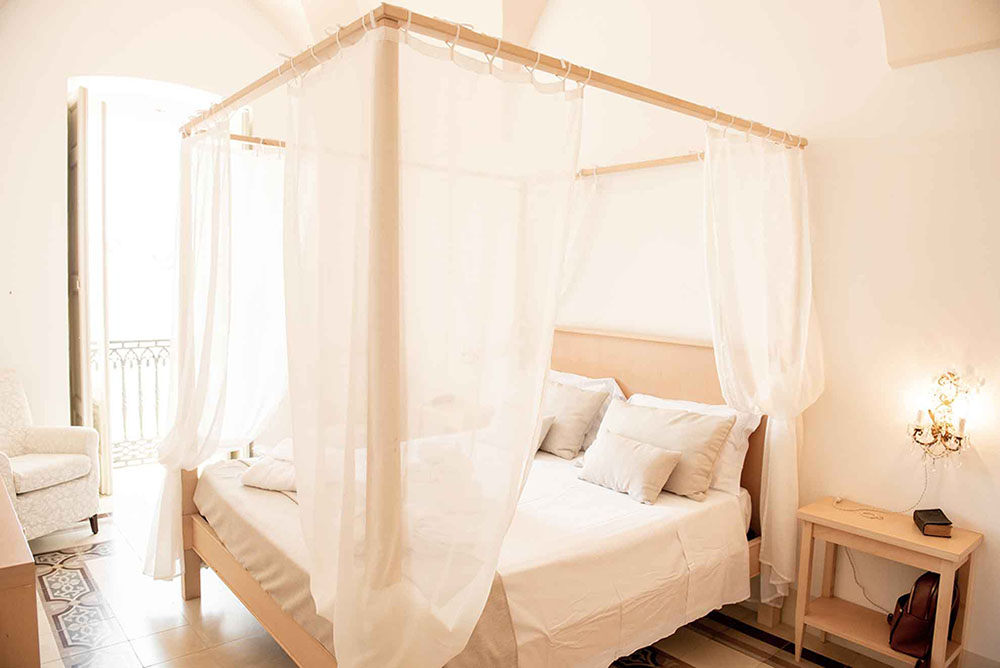
The lamia is the trullo’s plainer neighbour, a square dwelling of a single room. At Villa Cenci both have become bedrooms. The 34 rooms are spread around the pool, through the villa and into the seventeenth century trulli. Suites are for two guests, the Trulli take two or three, and the Lamie come in Superior and Standard versions. The estate has between 80 and 90 beds in all.
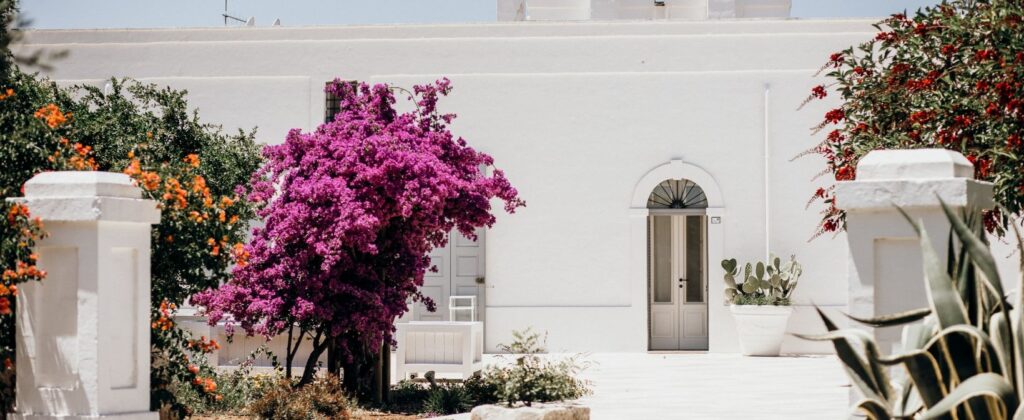
The villa is whitewashed, its upper floor opening onto a loggia with columns, its shutters and doors painted the blue of the Apulian sky and sea. Beside the rooms the estate keeps a restaurant and a reading room.
Lawns, gardens and a large pool
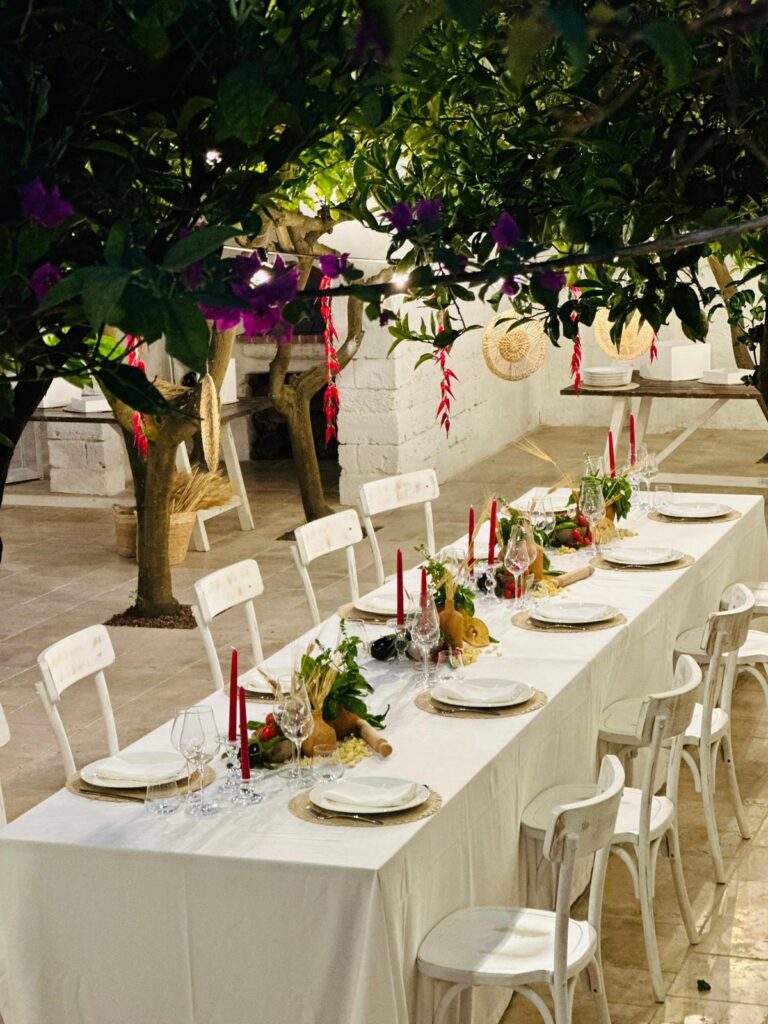
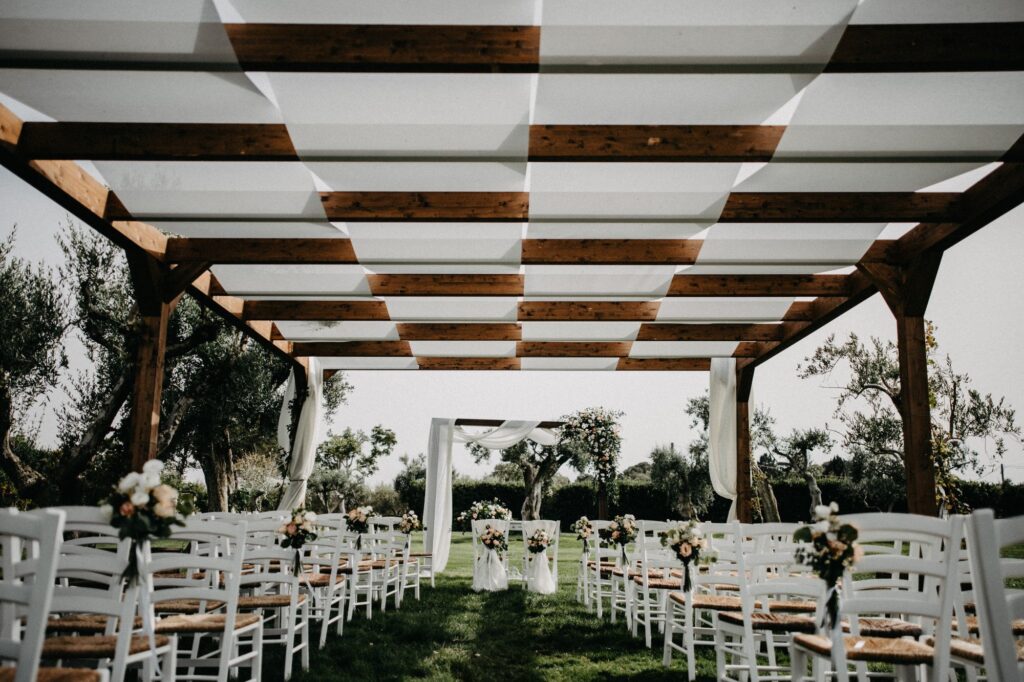
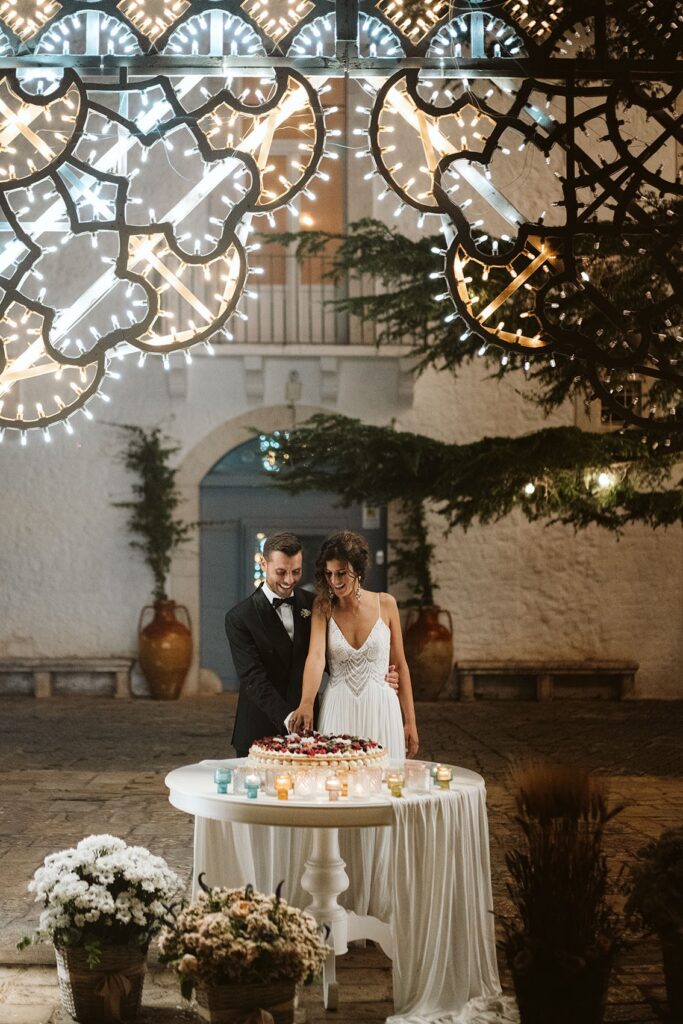
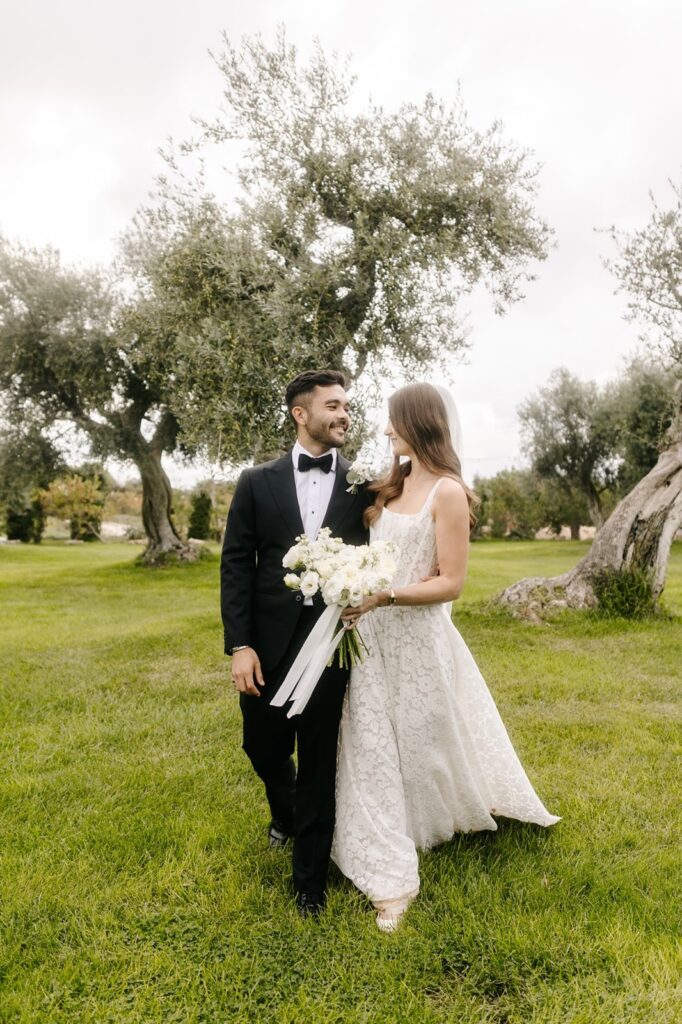
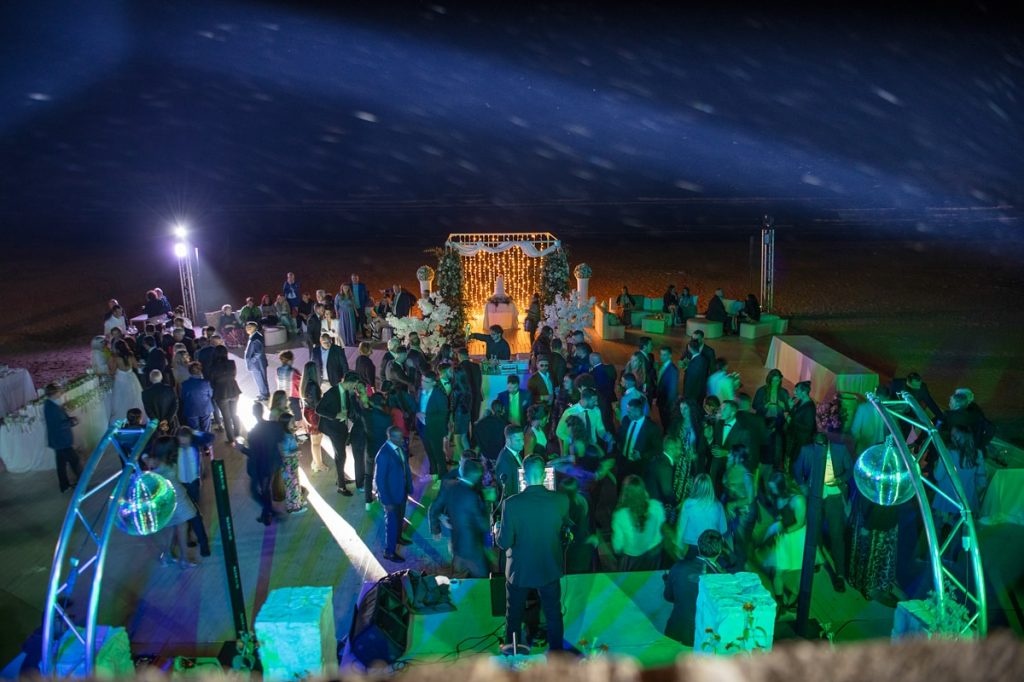
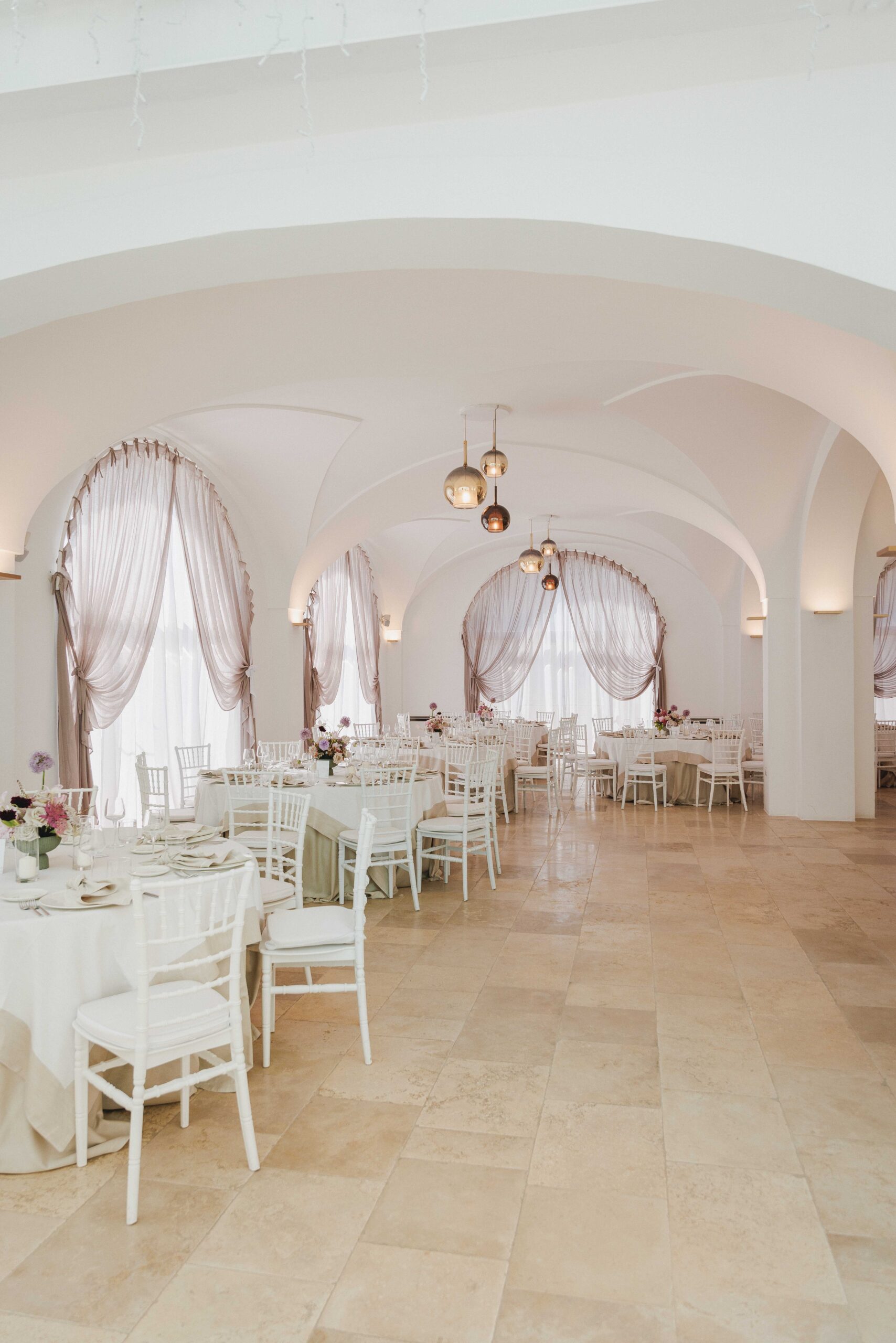
Weddings take the whole estate, for up to 180 guests, and a celebration can run over several days. The grounds hold a large park crossed by small lanes and avenues of acacia, oak, pine, magnolia, palm and lilac, with little squares under the trees, a lawn and a large pool. Drinks are served on the lawns beside the pool. The gardens, planted with citrus trees and herbs and shaded by pergolas hung with vines, are used for ceremonies and photographs, and in the evening the pool becomes the setting for candlelit dinners.
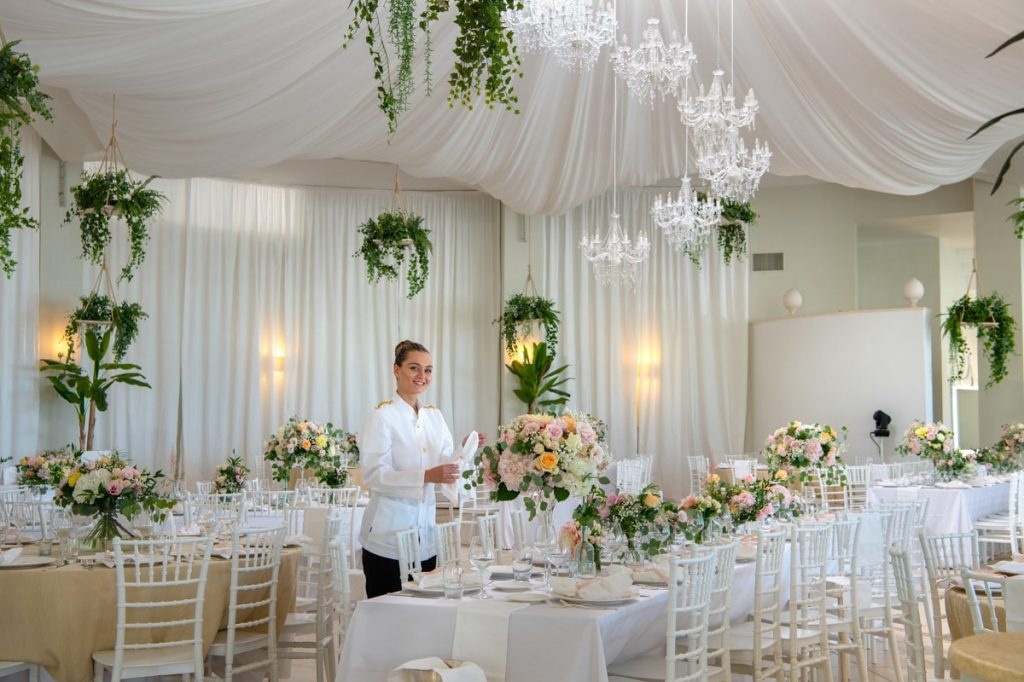
The estate can be scaled to the guest list. A smaller party can keep to the candlelit courtyards, while a larger reception spreads across the open lawns under a marquee. An in house events team works with couples and their planners on decoration, entertainment, menus and the timing of the day. Pets are welcome, and the season for eating outside runs from May to October. Night Reflections, a film made by the estate, shows the villa and its trulli lit after dark.
A civil ceremony with legal effect is a question for the first conversation with the estate, and couples from abroad will also need to check which documents they must show to prove they are free to marry.
Cooking from the Itria Valley
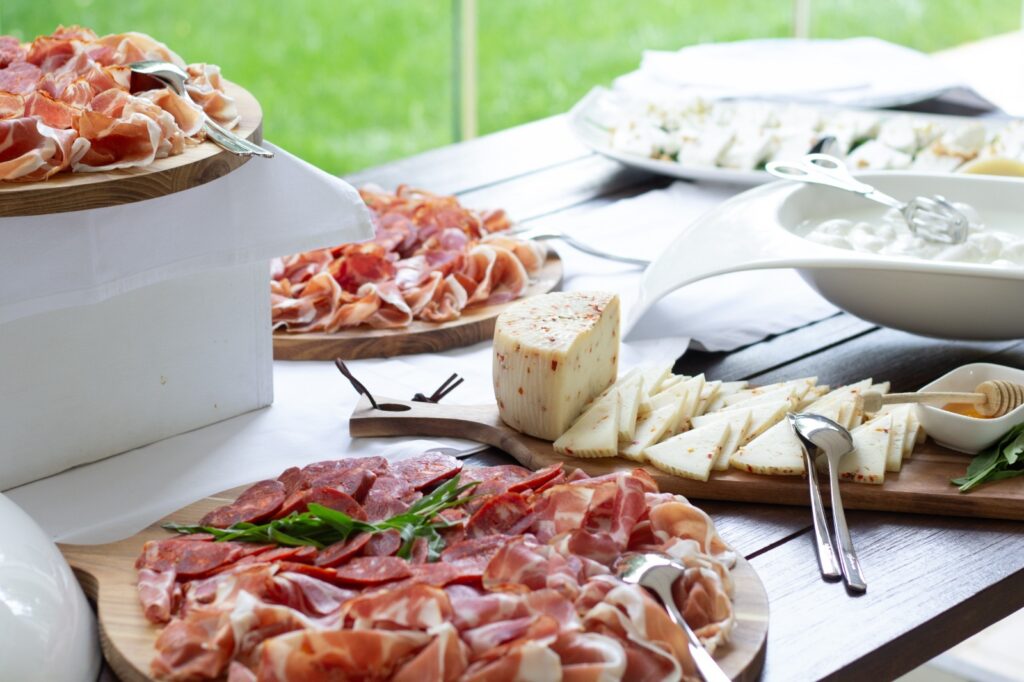
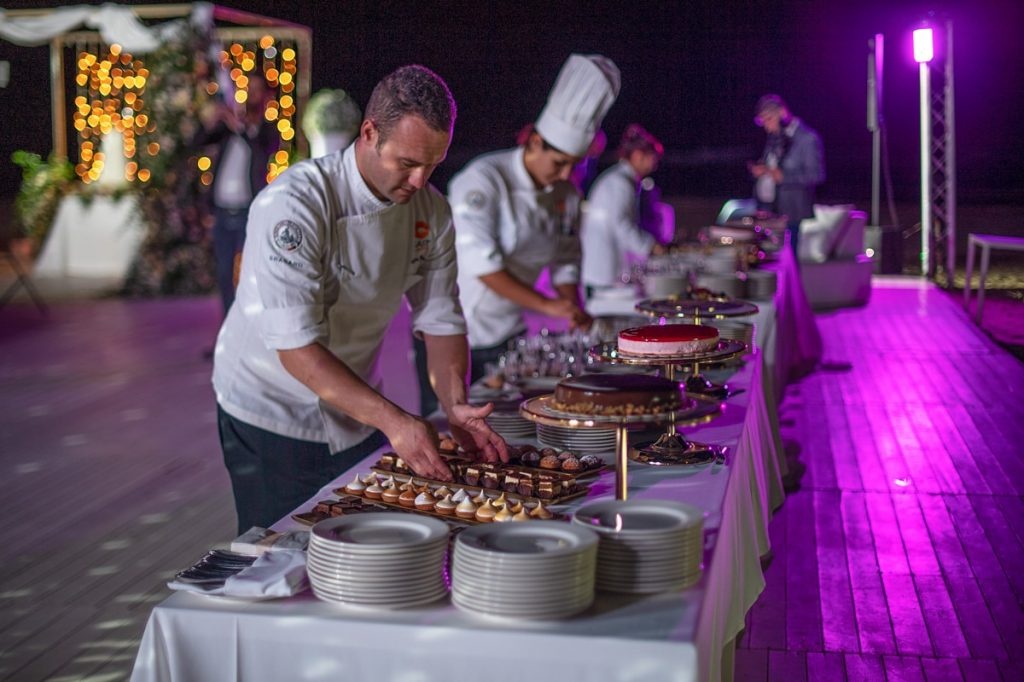
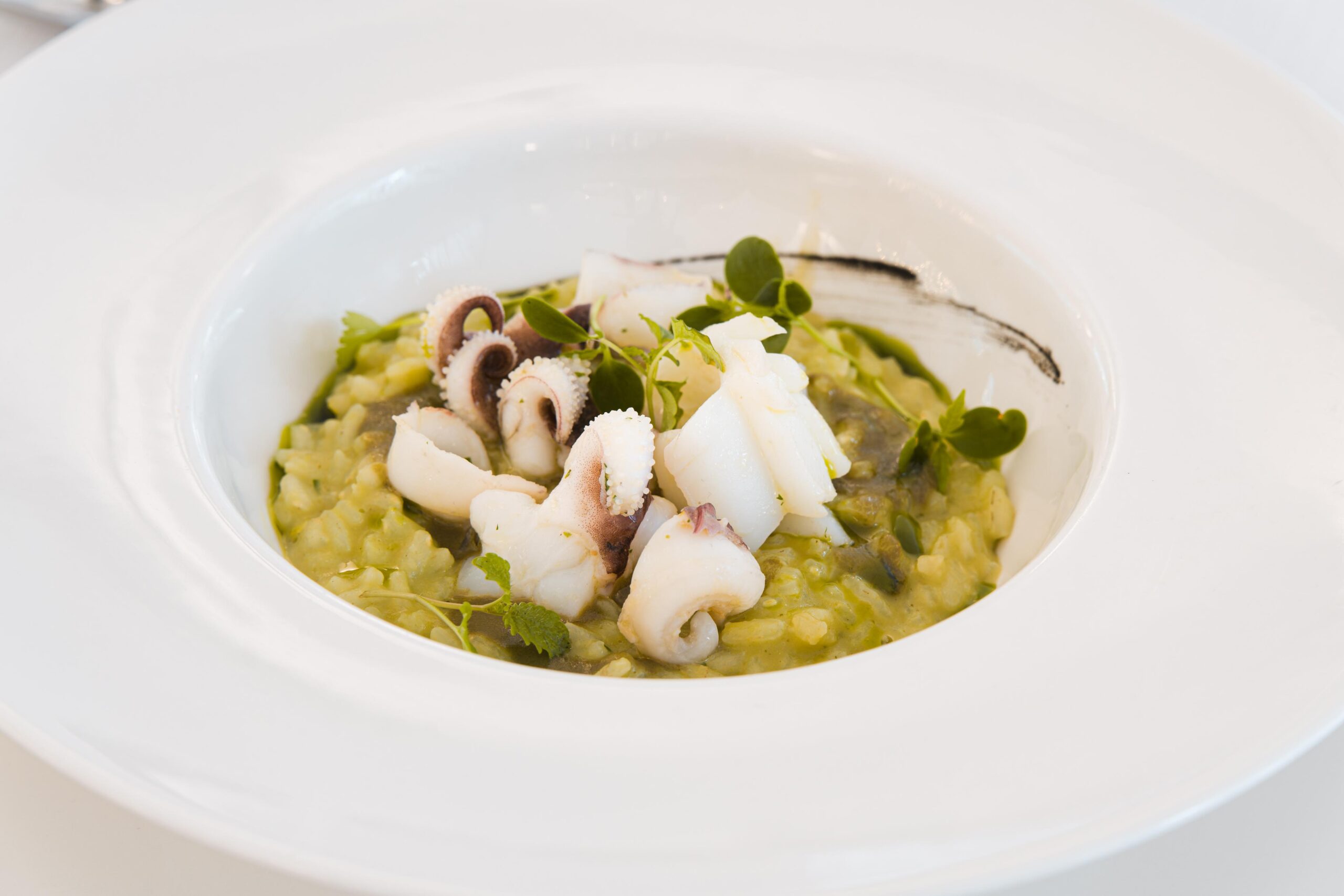
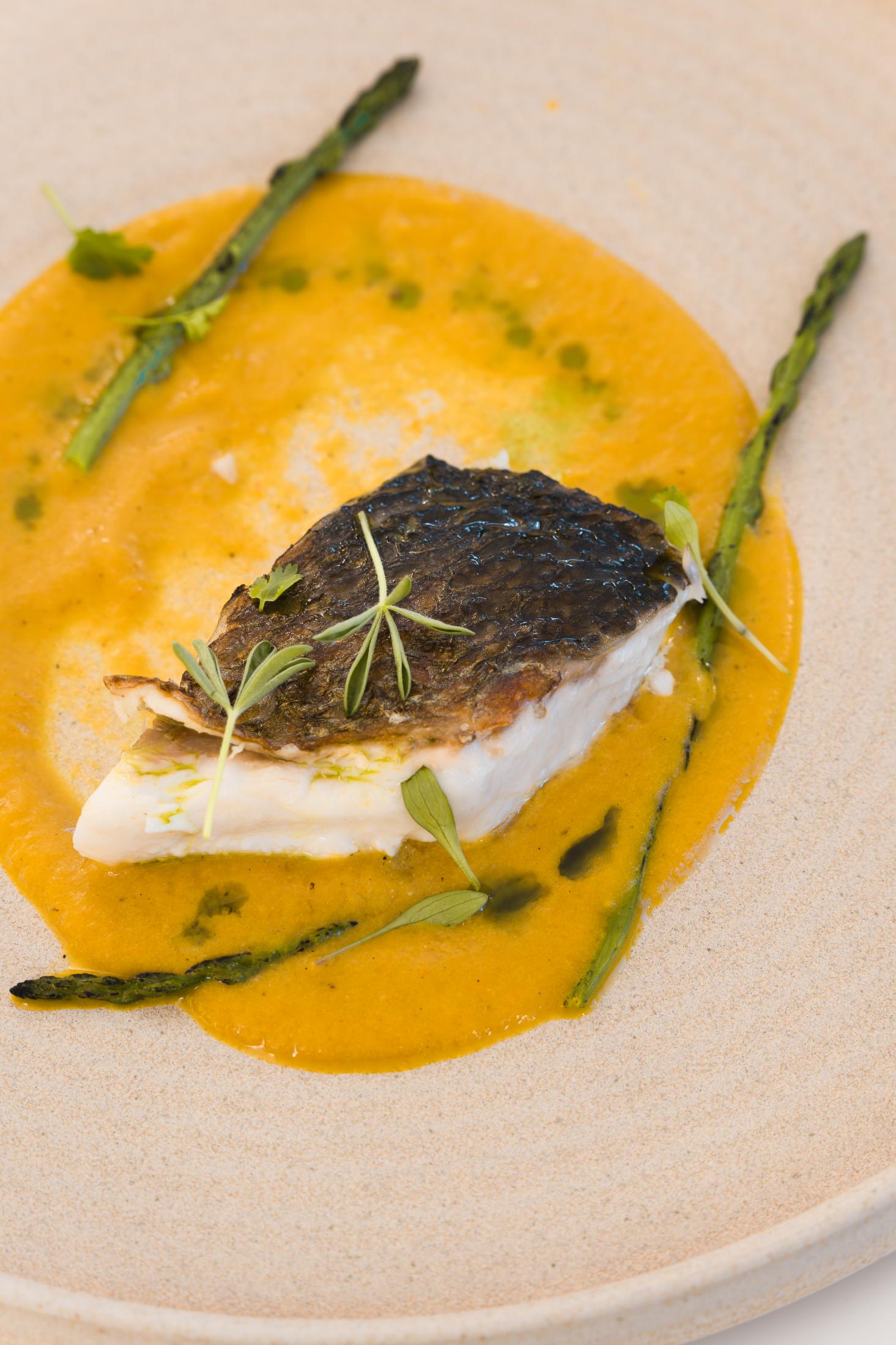
Catering is in house. The restaurant cooks the flavours of the Itria Valley, finished with the decoration and invention of its chef, and wedding menus are written to order around organic produce from the estate’s own gardens. Wine tastings, olive oil ceremonies and cooking classes can be added for guests, and the valley’s white wines include Locorotondo DOC and Martina Franca DOC.
Cisternino’s own table runs to broad bean purée with wild chicory, orecchiette with braciole and meatballs, and bombette, small rolls of roasted pork. When Villa Cenci held a summer party in its gardens in August 2023, the kitchen made its bombette with aubergine and scamorza. For a Ferragosto lunch by the pool it cooked orecchiette alla crudaiola and octopus seared on the barbecue with stracciatella, with a glass of wine from San Marzano or Rivera.
A weekend in the Itria Valley
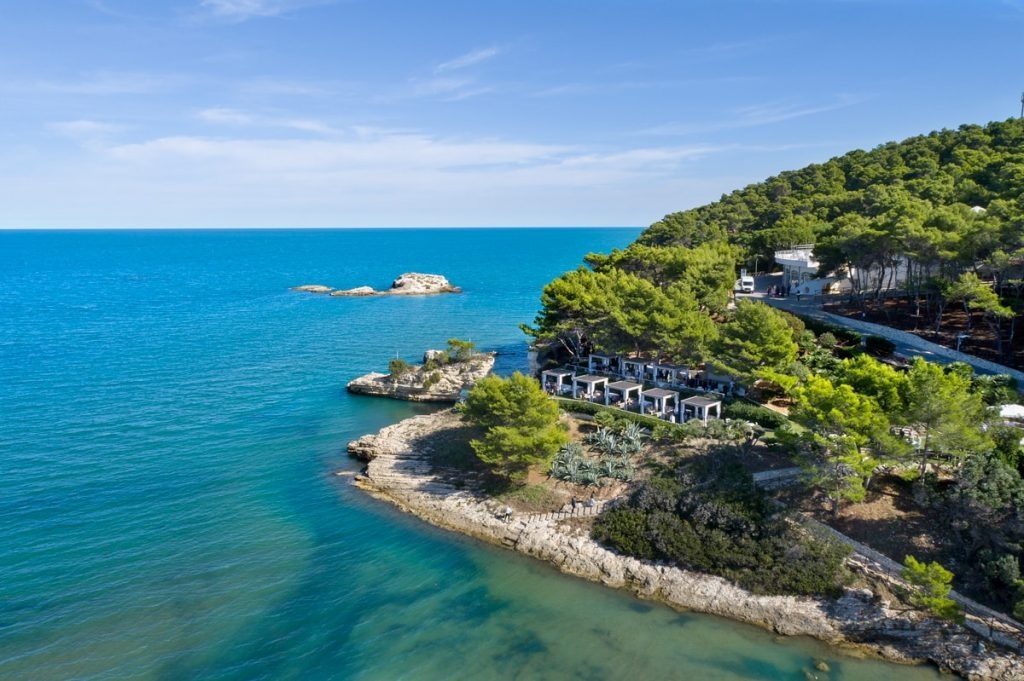
The estate is laid out for a wedding weekend rather than a single day. Welcome drinks, a rehearsal dinner, a pool party and a farewell brunch can all be held on the property, and poolside yoga and private spa treatments can be arranged between them. The coast and the Itria Valley are both a few minutes away by car. Ostuni, the White Town, stands on its hill about 8 kilometres from the sea, and Martina Franca, Locorotondo and Ceglie Messapica also look over the valley.
In February 2024 Villa Cenci opened its doors to the local wedding trade for Tratti d’Amore, a wedding showcase at which local suppliers, among them a floral designer, a photographer, a videographer, a bridal atelier and a fashion designer, showed their work.
Brindisi’s Salento airport is 55 kilometres away, about 45 minutes by car, and Bari Palese 90 kilometres, about an hour. Cisternino station is 3 kilometres from the estate and Ostuni station 15. By road, guests leave the SS16 and follow the signs for Cisternino.
Who stays on the estate
Villa Cenci suits couples who want a wedding weekend inside the architecture of the Itria Valley, with the vows, the dinner and the rooms on one estate and the whole property to themselves. The decision to make first is who stays: the estate takes more wedding guests than it has beds, so a full guest list means choosing who sleeps in the trulli and the lamie and who travels in each day. See the Villa Cenci Relais Masseria profile for the rooms and the gallery, read about Puglia in the Wedding Atlas, or read the Edits on Masseria Don Luigi near Fasano and Mastropà. Ready to plan? Check your date.