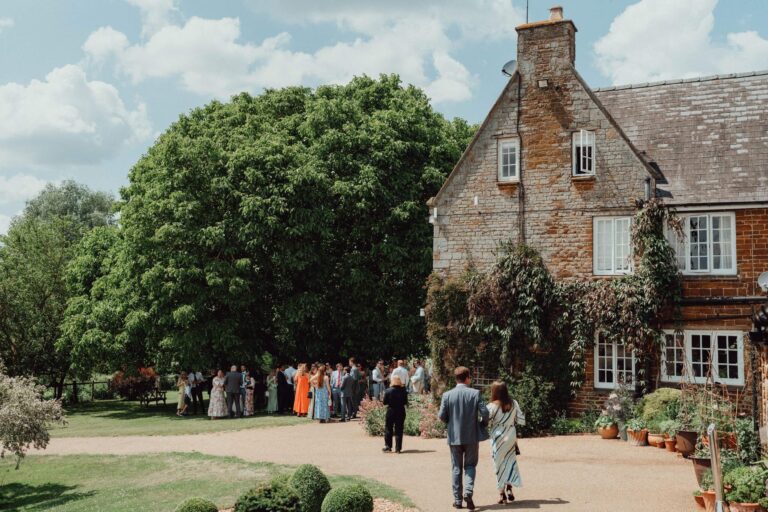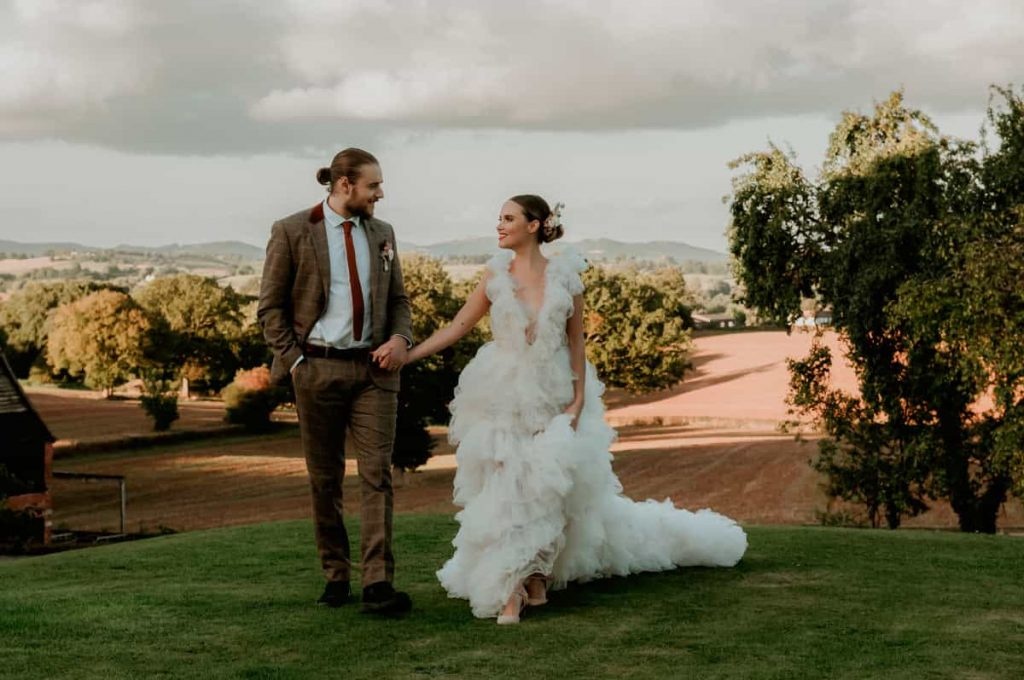
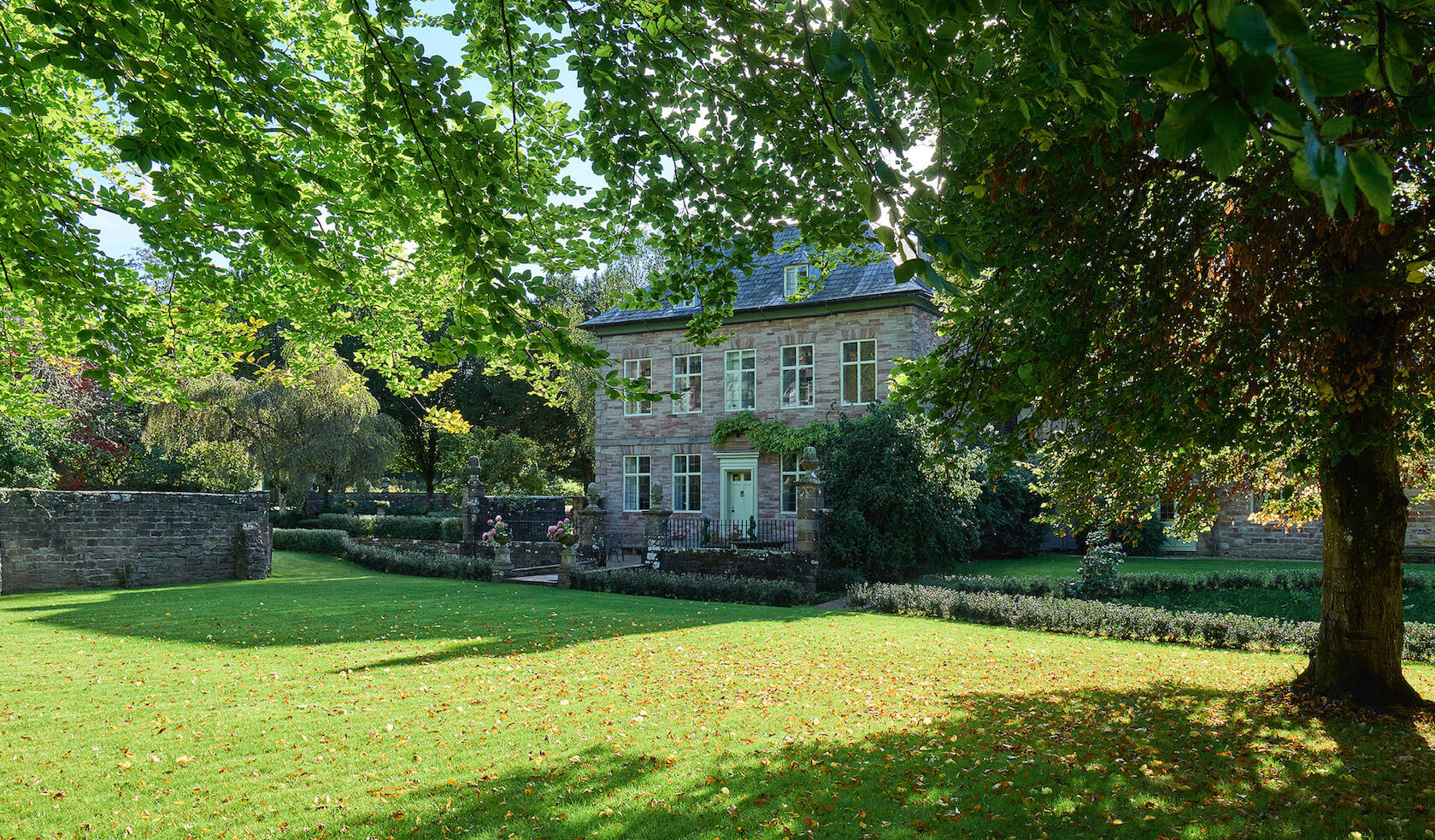
In 1695 the lane running down the valley below Newland church in the Forest of Dean was called Barkhouse Lane, after the tanneries on the brook beside it. Tan House, a square stone house of 1709 on that lane, takes its name from the tannery the Probyn family worked behind it for most of the eighteenth century. The lane is Laundry Lane now, and the trade on it has changed: Tanya and François, who host at Tan House, give its gardens, a stone barn and a dressed teepee in the courtyard to one wedding at a time, for up to 70 guests.

Bark from the Forest, hides for Bristol
Tanning suited this valley. The muster of 1608 records five tanners in Newland, most probably working on Valley brook, where bark from the Forest woodlands was close at hand and the River Wye gave them a route to the Bristol trade. A stream from Clearwell was diverted to serve the tannery behind Tan House, and the liquor for the pits was made from Forest bark. The trade could turn rough. In 1587 a Newland tanner, Edward Whitson, took a cargo of calfskins from Brockweir to a French ship lying in the Bristol Channel, and met a violent reception from Bristol merchants who claimed the export of calfskins as their own monopoly.
A branch of the Probyns were tanners at Newland for at least six generations, and by the end of the seventeenth century they had settled at Tanhouse Farm. Edmund Probyn, the last of the family to live there, stopped working the tannery in 1773 and let it. By 1817 it ran to a corn mill, water powered bark mills and 100 tan pits, but tanning probably ended around 1818 with the bankruptcy of James Rogers, who had bought the house and tannery in 1807. In the 1820s Samuel Philips added the farm to his Newland Valley estate, the name that still appears in the address. Some of the tannery buildings and a bark house still stand.
A square house of 1709
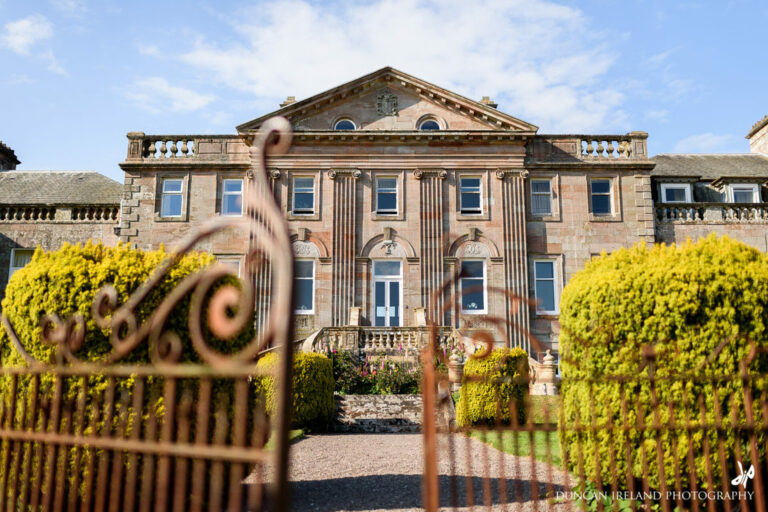
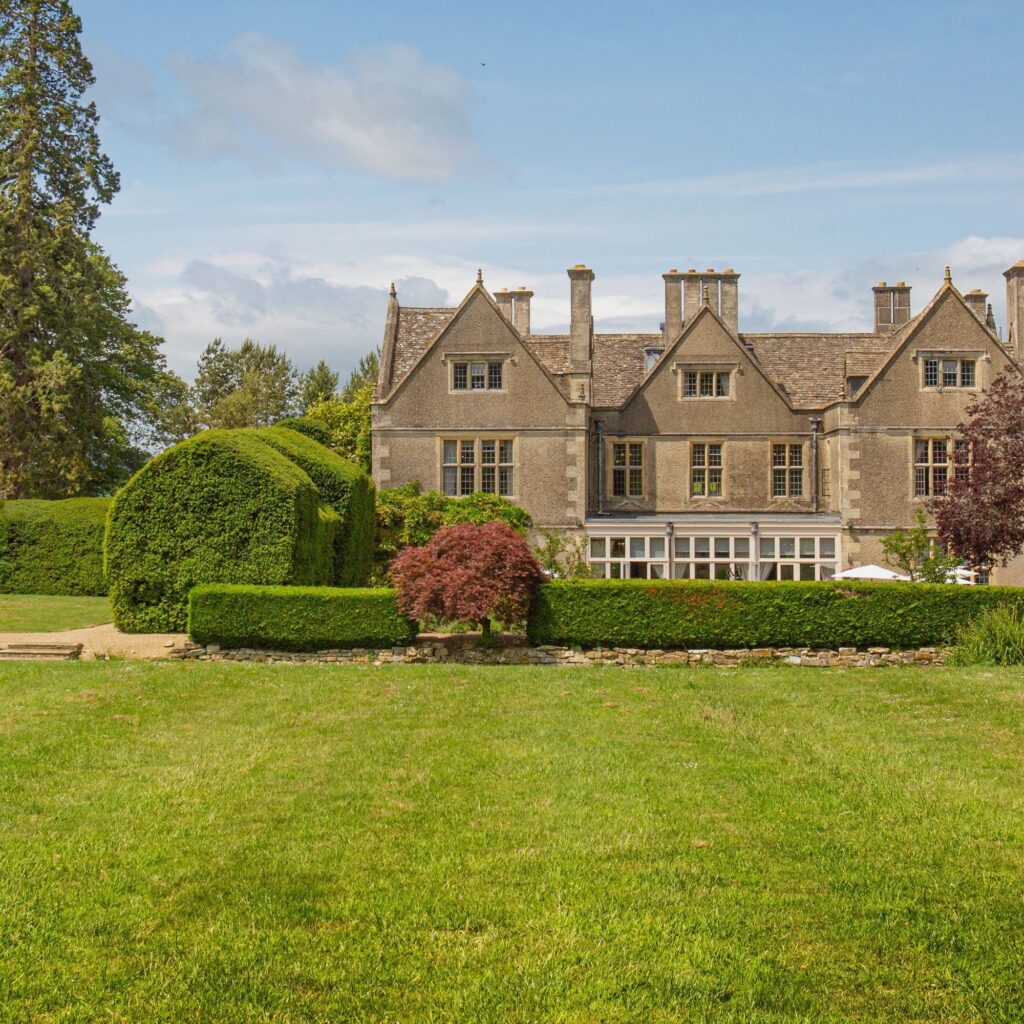
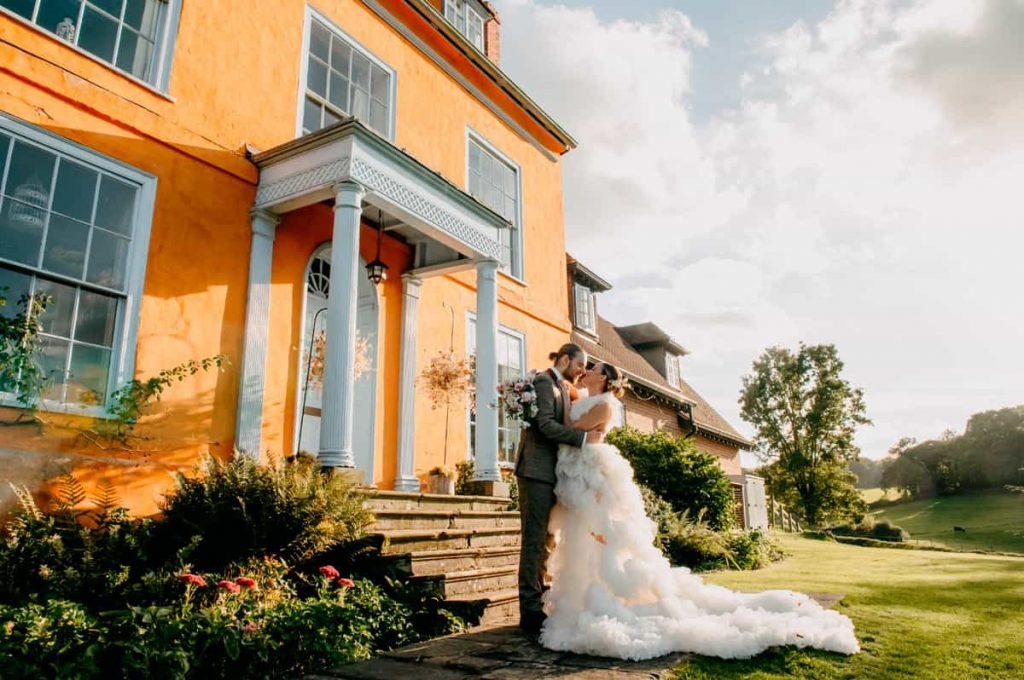
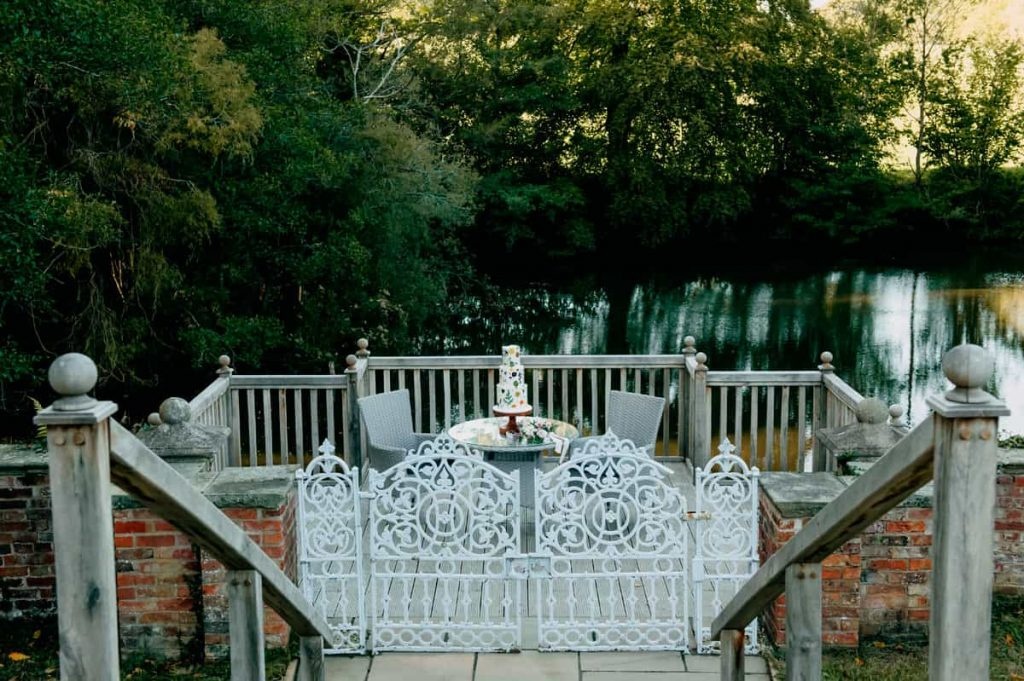
Historic England lists the house at Grade II, together with its garden wall, railings, piers and the small bridge in front of it. It is built of coursed and dressed rubble stone under a swept hipped roof of slate, two storeys and an attic high, with five windows across the front, wooden mullion and transom casements and two hipped dormers. The front door sits in a central doorcase with a bolection moulded architrave. Inside, much of the original joinery survives, including a fine panelled room at the back and an oak staircase of the same period. The protection covers the main block; the lower wing to the right is excluded.
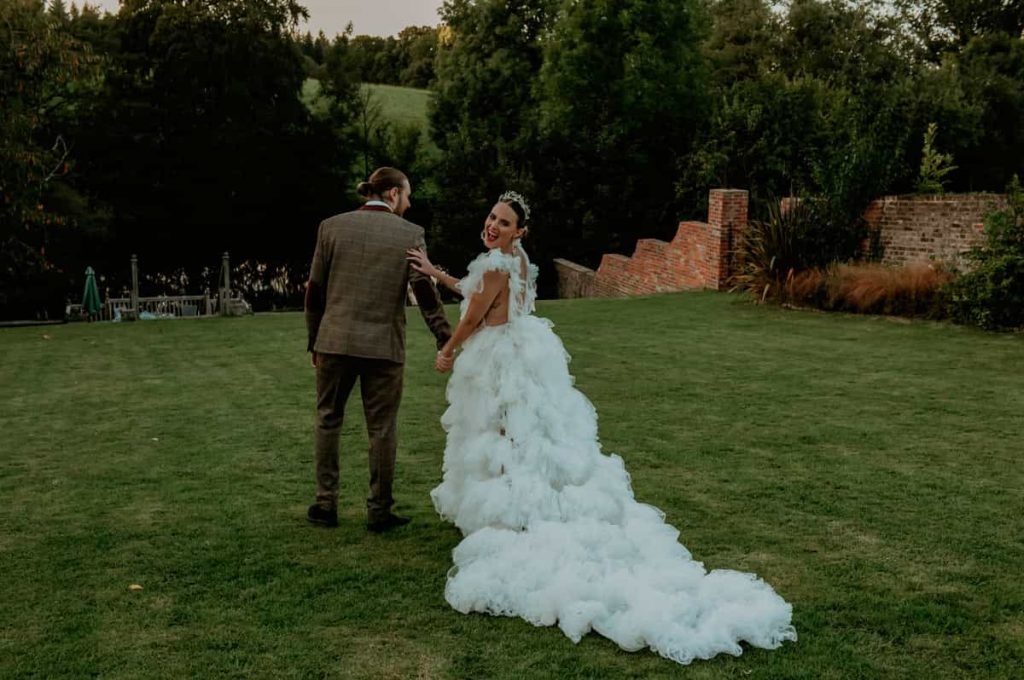
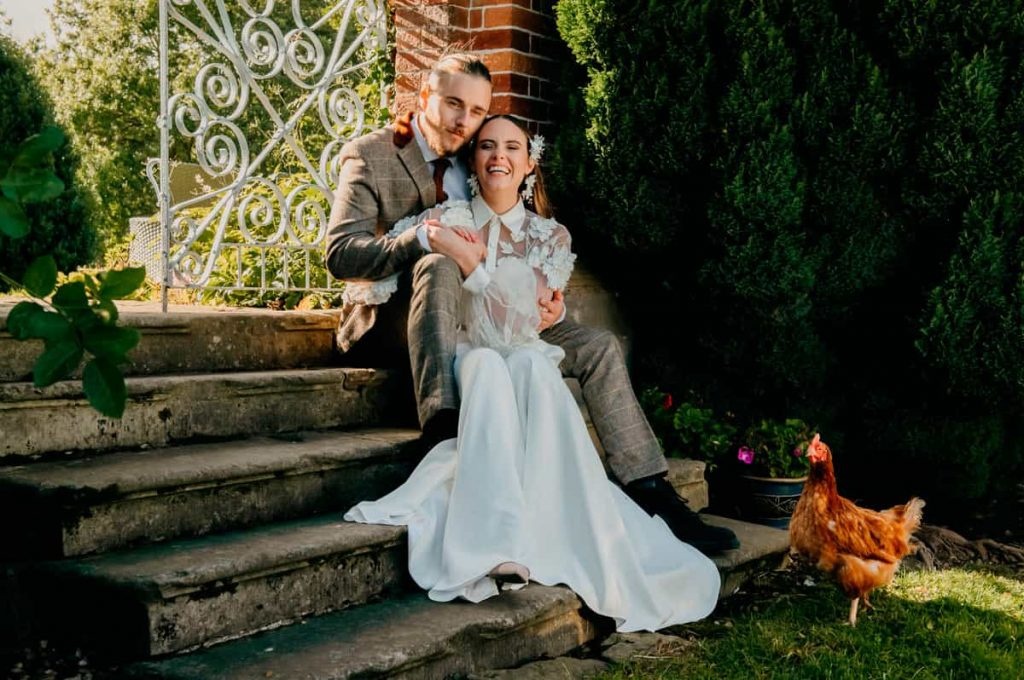
The four stone piers along the garden wall carry pineapple finials, with iron railings and gates between them, and the pineapple turns up again in the garden below, on top of a tiered stone fountain. The grounds step down from the house in clipped topiary, a gravel topiary avenue and lawns, and beyond the formal garden there are an orchard, meadows and woodland.
Vows in the Ark
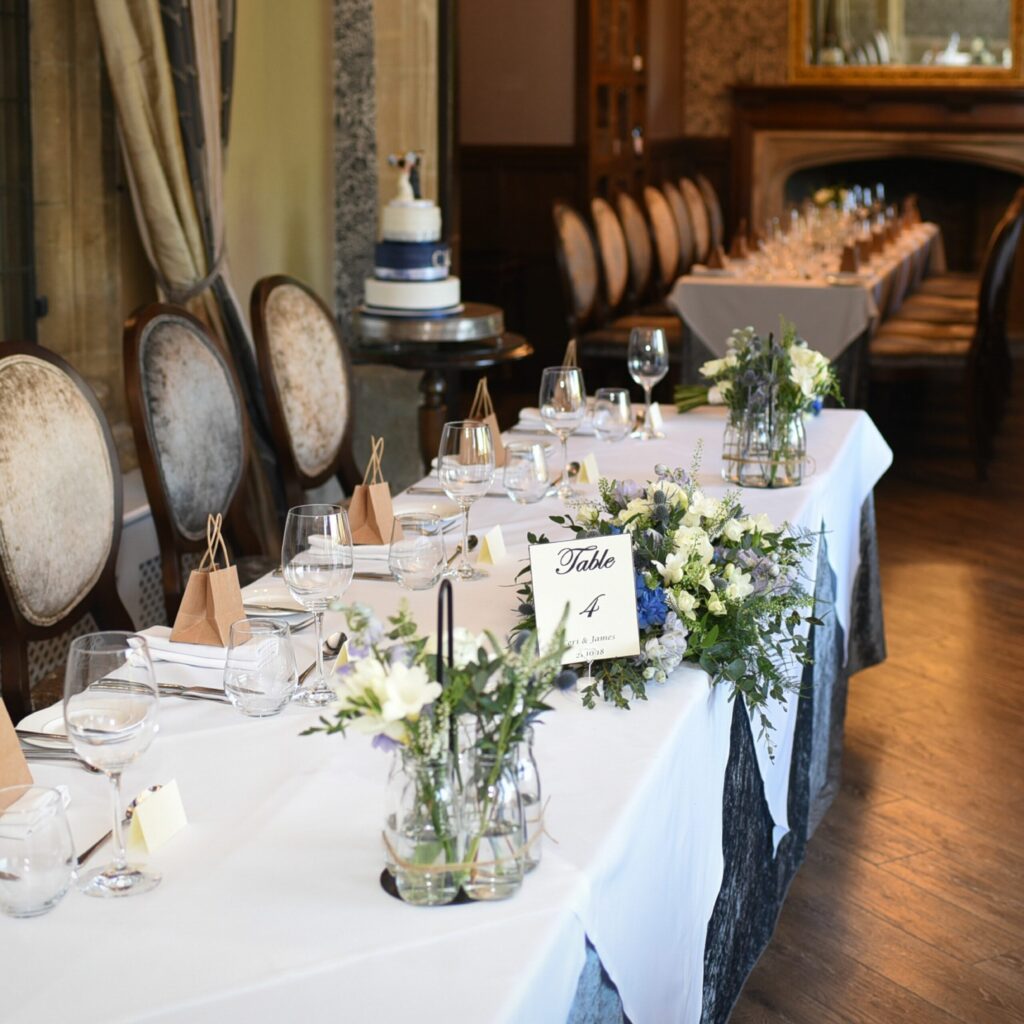
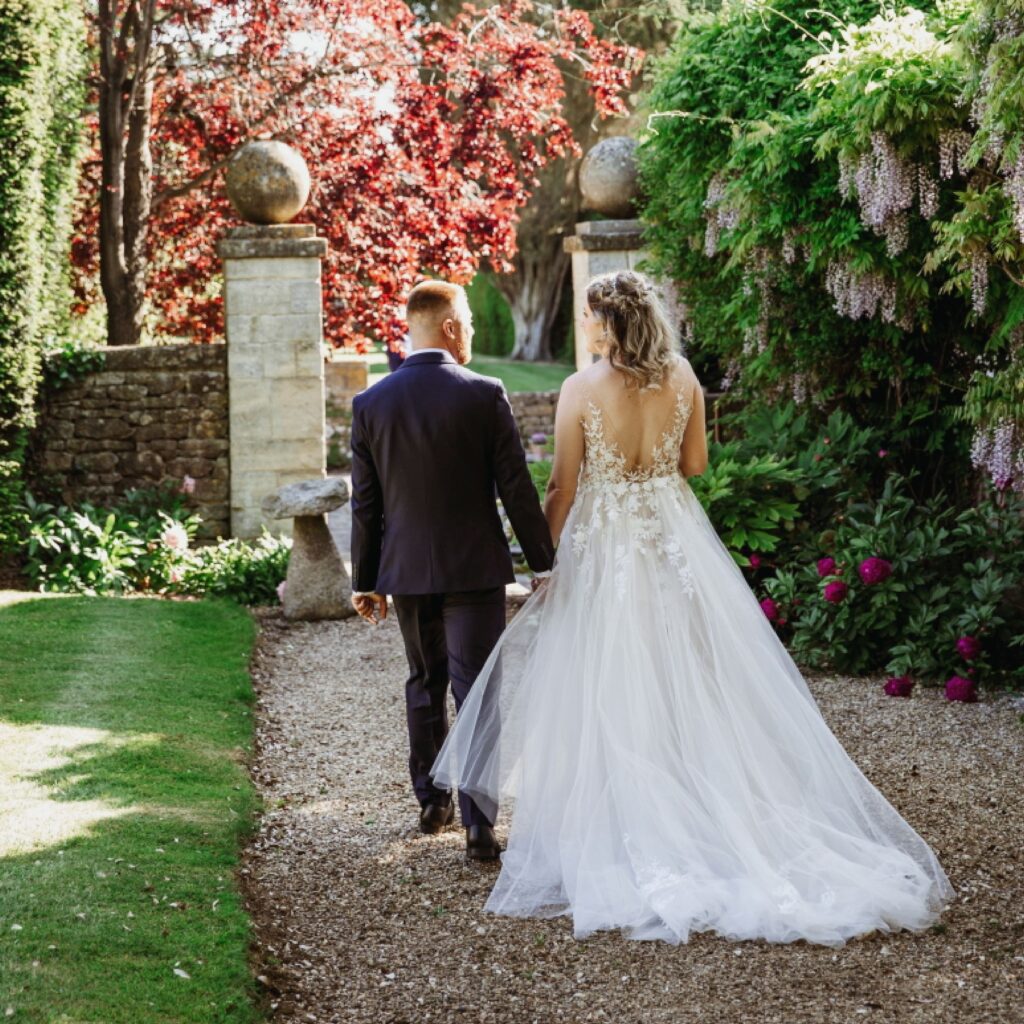
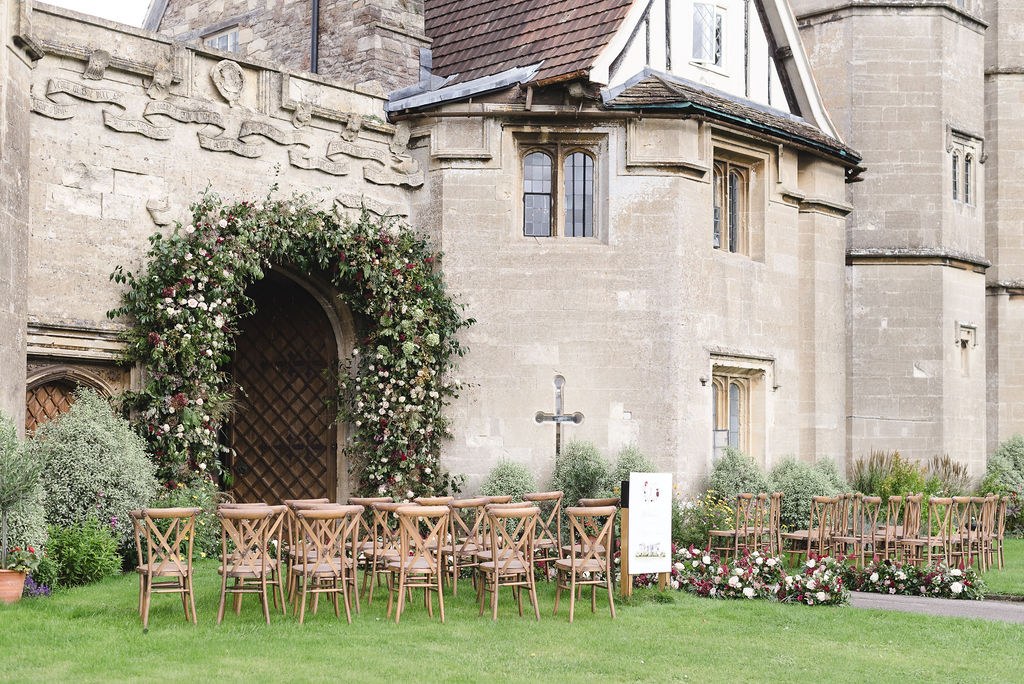
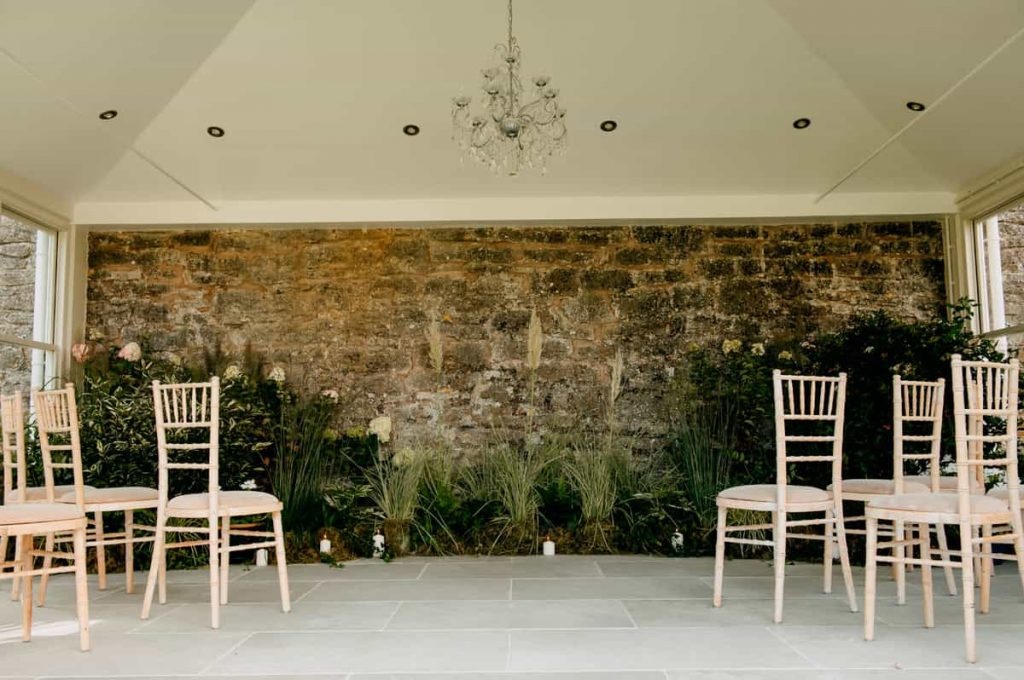
Tan House is not licensed for civil marriage. Ceremonies here are humanist or led by a celebrant, and the legal formalities are completed separately at a register office. That leaves a couple three settings to choose between: the teepee, the gardens, or the Ark, an arched stone barn that opens onto the pleasure garden, the topiary avenue and the pineapple fountain. For a wedding the barn is draped with white voile and hanging greenery, and it serves as well for drinks after the ceremony or for dinner at a single long table.
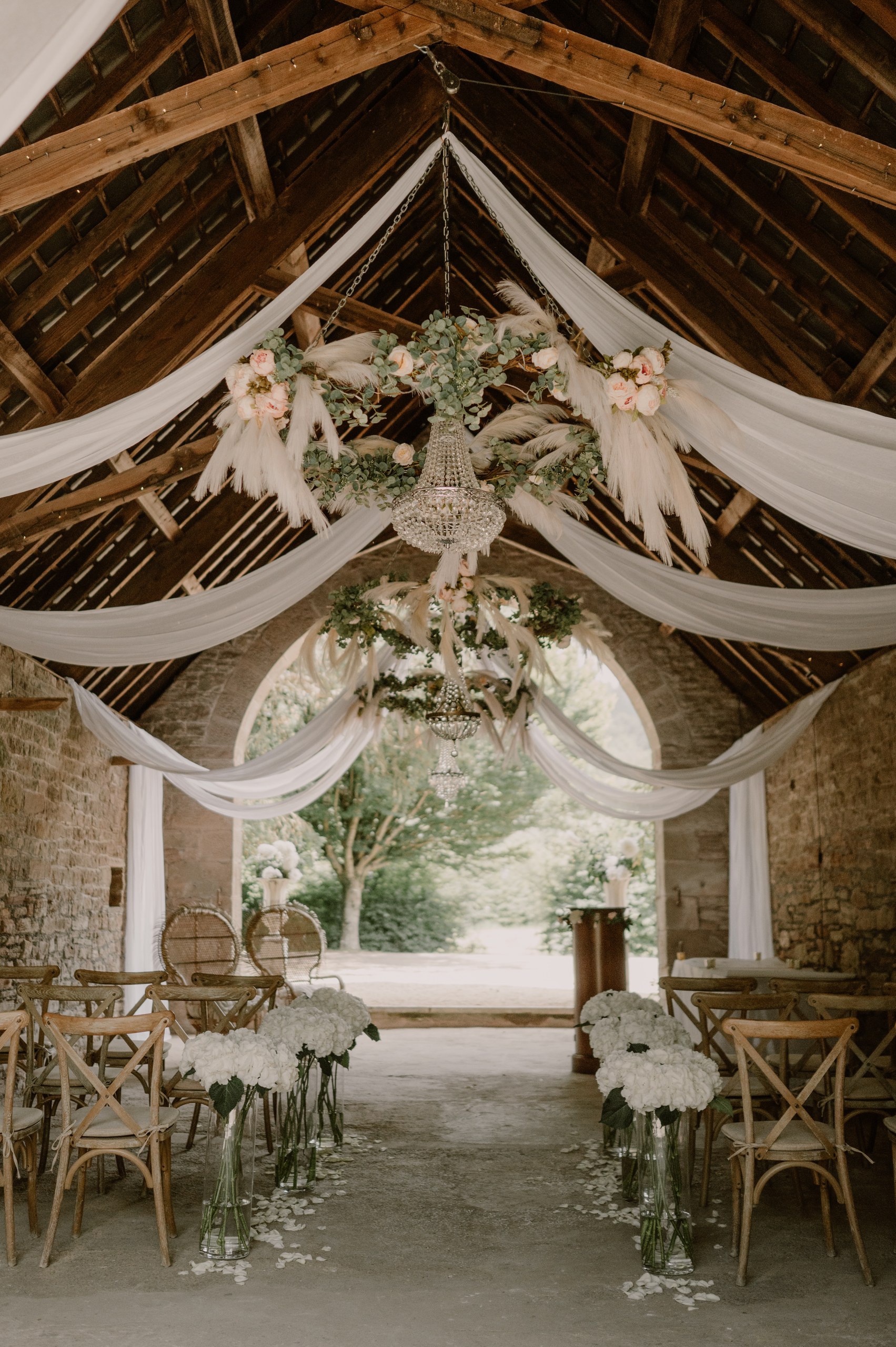
Whichever setting the ceremony takes, the wedding breakfast and the party follow in the teepee, so the day never leaves the grounds.
Dinner under canvas
The teepee stands in the gravel courtyard, and it is where dinner and the dancing take place, for up to 70 guests. It comes ready dressed, so no extra décor is needed, though couples can add touches of their own. Inside are long wooden trestle tables set with votives, cross back chairs, sofas around a central fire pit, LED uplighters and fairy lights, a photo booth with a chest of props, and a cocktail bar stocked with the drinks the party brings. It is heated, and the sound system runs through an acoustic limiter.
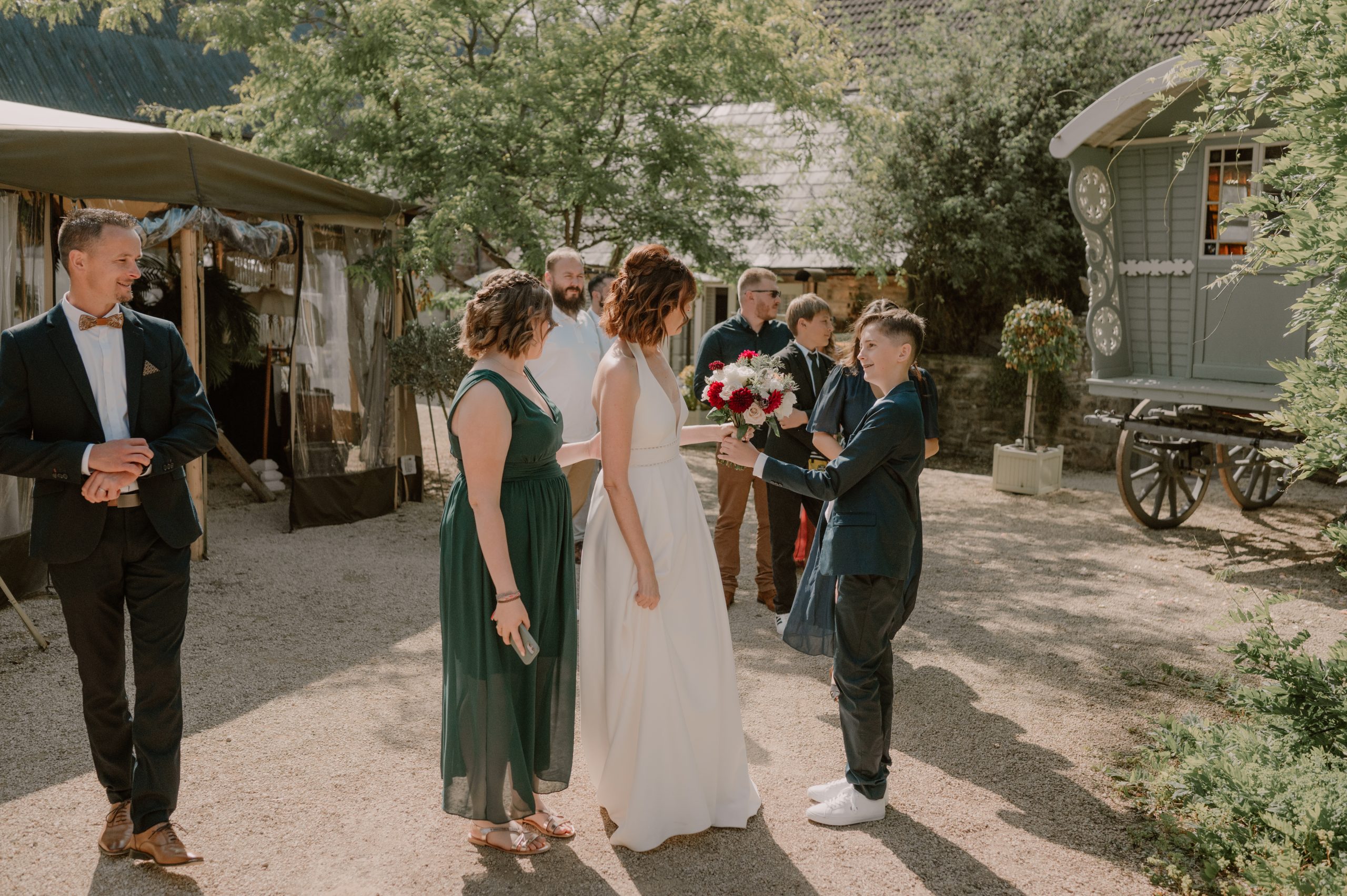
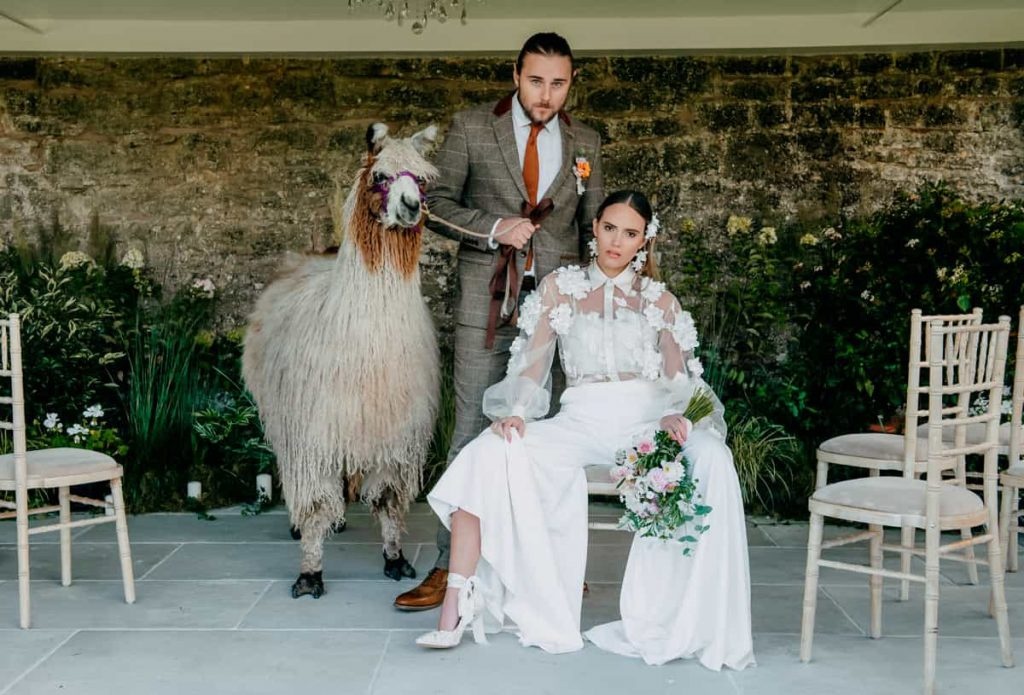
The styling is the hosts’ own. Model zebras, giraffes, tigers and flamingos stand among palms, olive trees and Balinese umbrellas in and around the teepee, a menagerie that carries on into the topiary garden. After dark, chandeliers hang in the trees, and uplighters, candles and fairy lights pick out the garden.
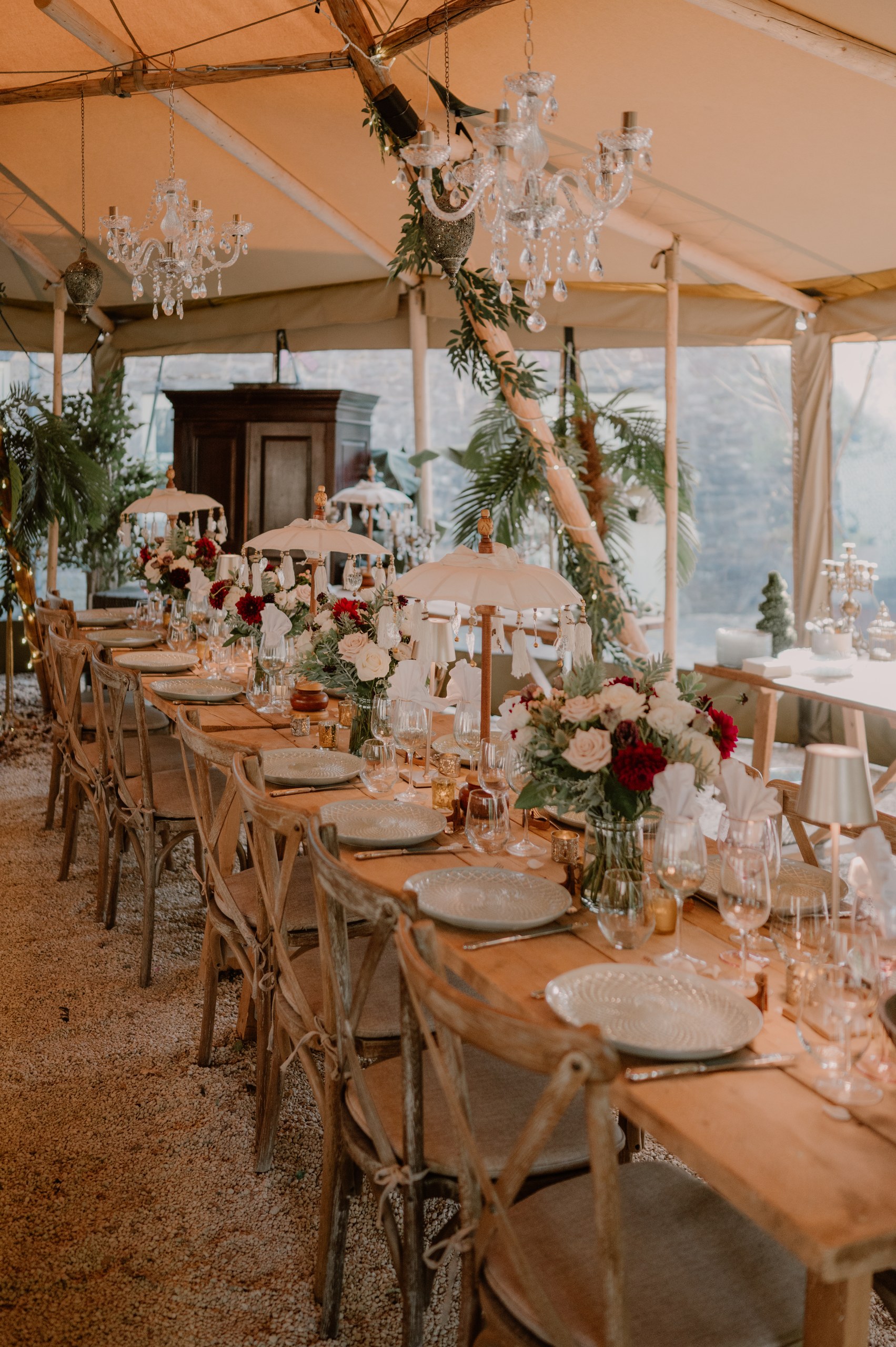
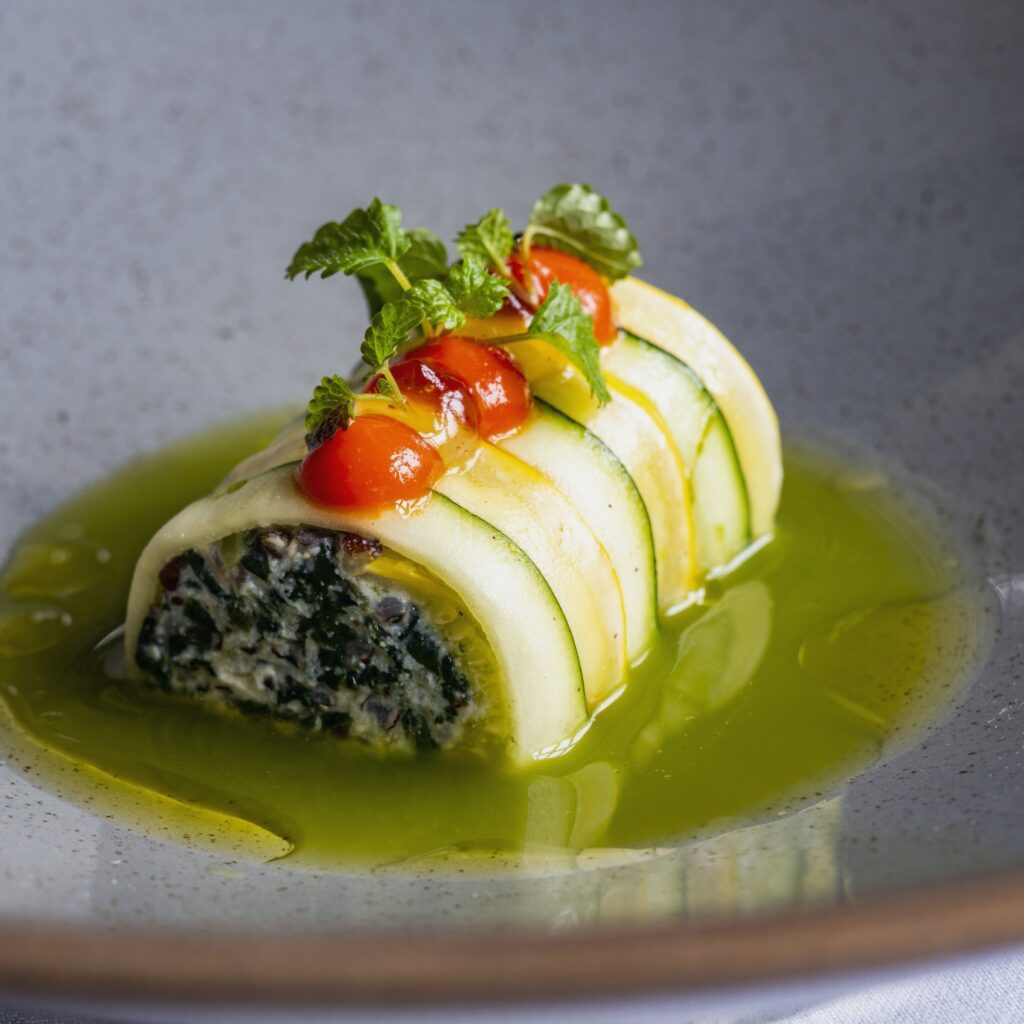
Food comes from the Tan House kitchen or from a caterer of the couple’s choosing. The in house chef begins each menu with a conversation about the occasion and the people at the table, cooks with the seasons, uses local suppliers where possible and bakes bread fresh for the evening. Dinner can be plated courses or generous sharing dishes passed along the table. For the meals either side of the wedding there are wood fired pizza ovens, barbecues and fire pits beside the guest houses, and suppers are served beneath the parasols at The Buttery.
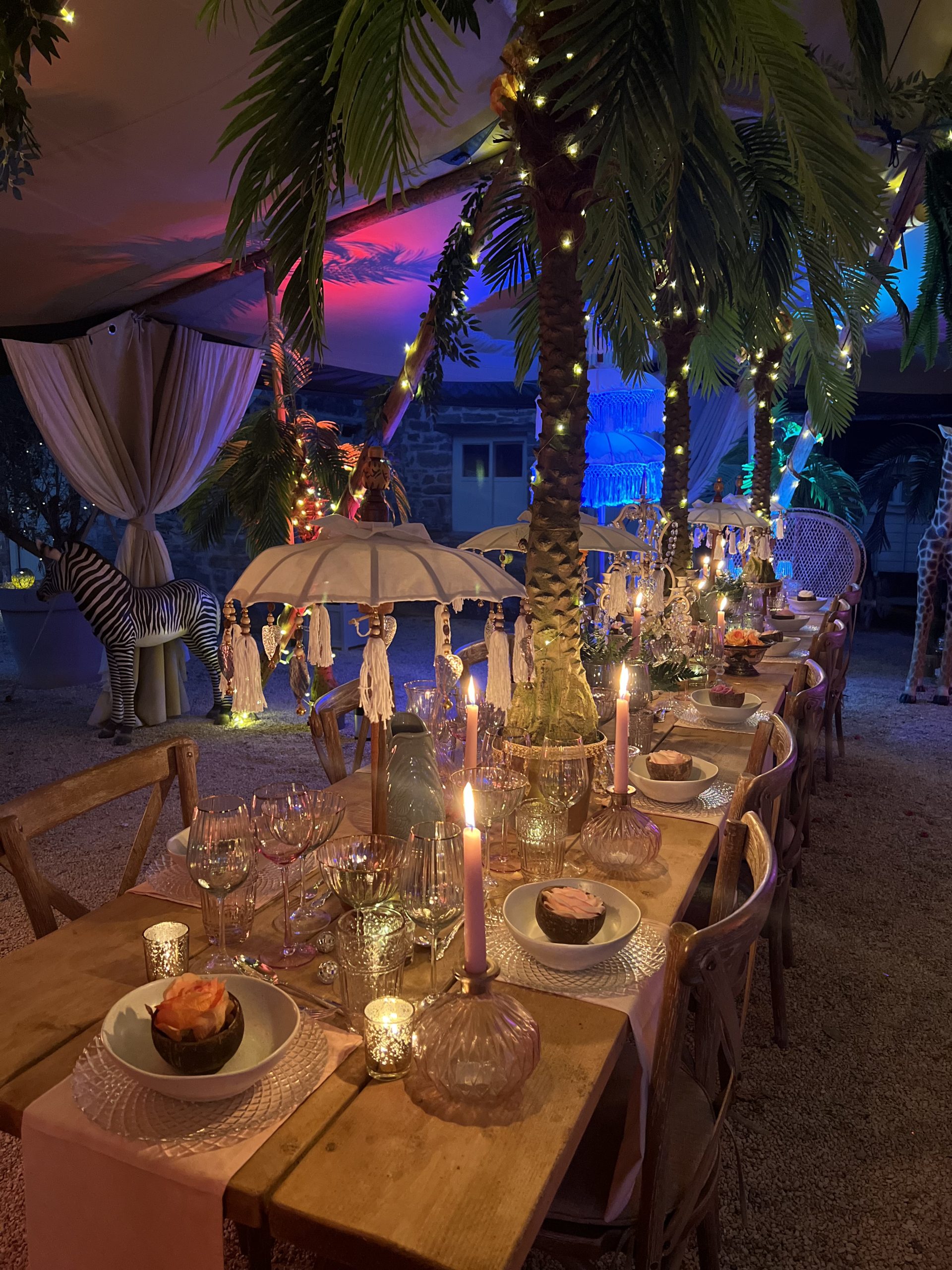
A weekend for sixteen
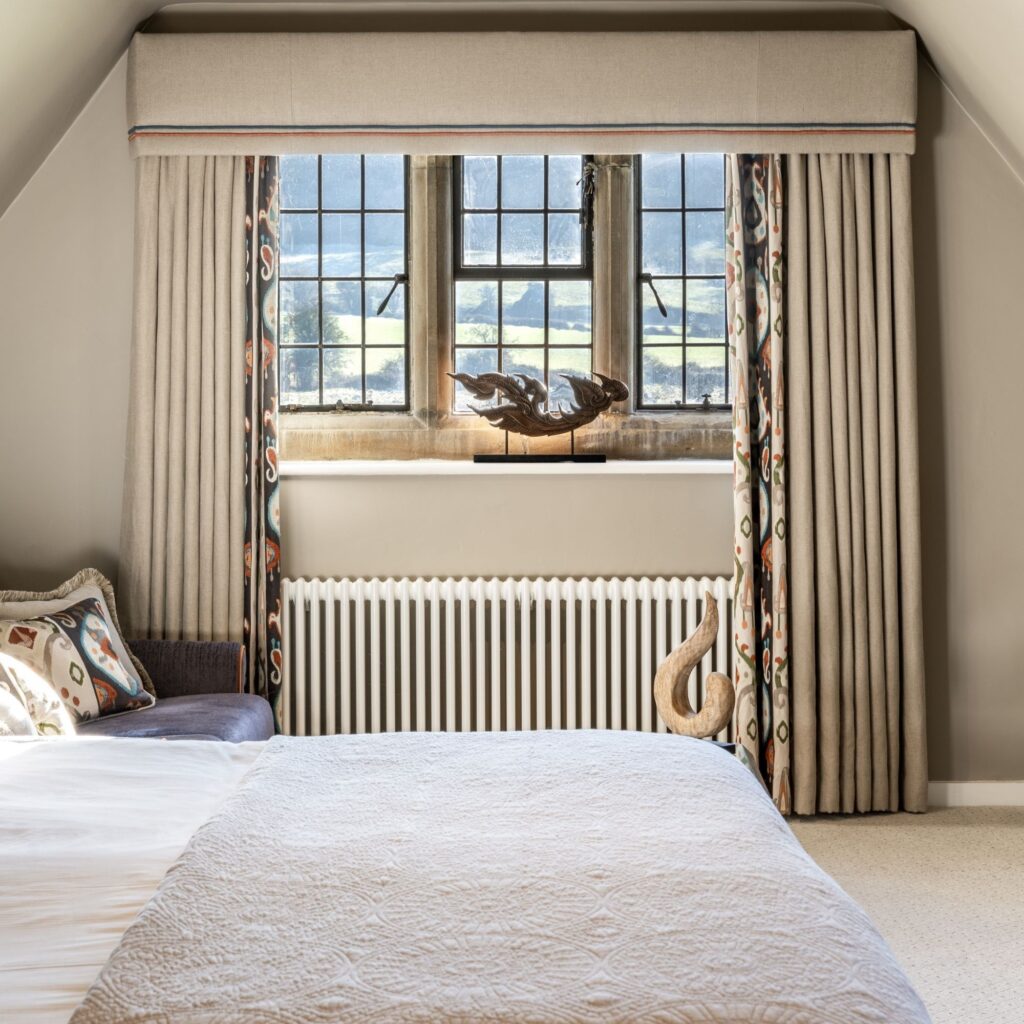
A stay here is a minimum of two nights, and a wedding weekend usually runs from a Friday arrival to a Sunday departure at noon. Up to 16 guests can sleep on the grounds. Wilderness Retreat, a former dairy beside Tan House, has five bedrooms and three bathrooms for ten, with a kitchen built around a Lacanche range and its own wood fired hot tub. Hilly Haven is a bungalow set into the hillside, looking over the valley and its wild meadows, with three bedrooms and two bathrooms for six, a double sofa bed on request, and a deck with a hot tub, pizza oven, fire bowl and Kamado barbecue.
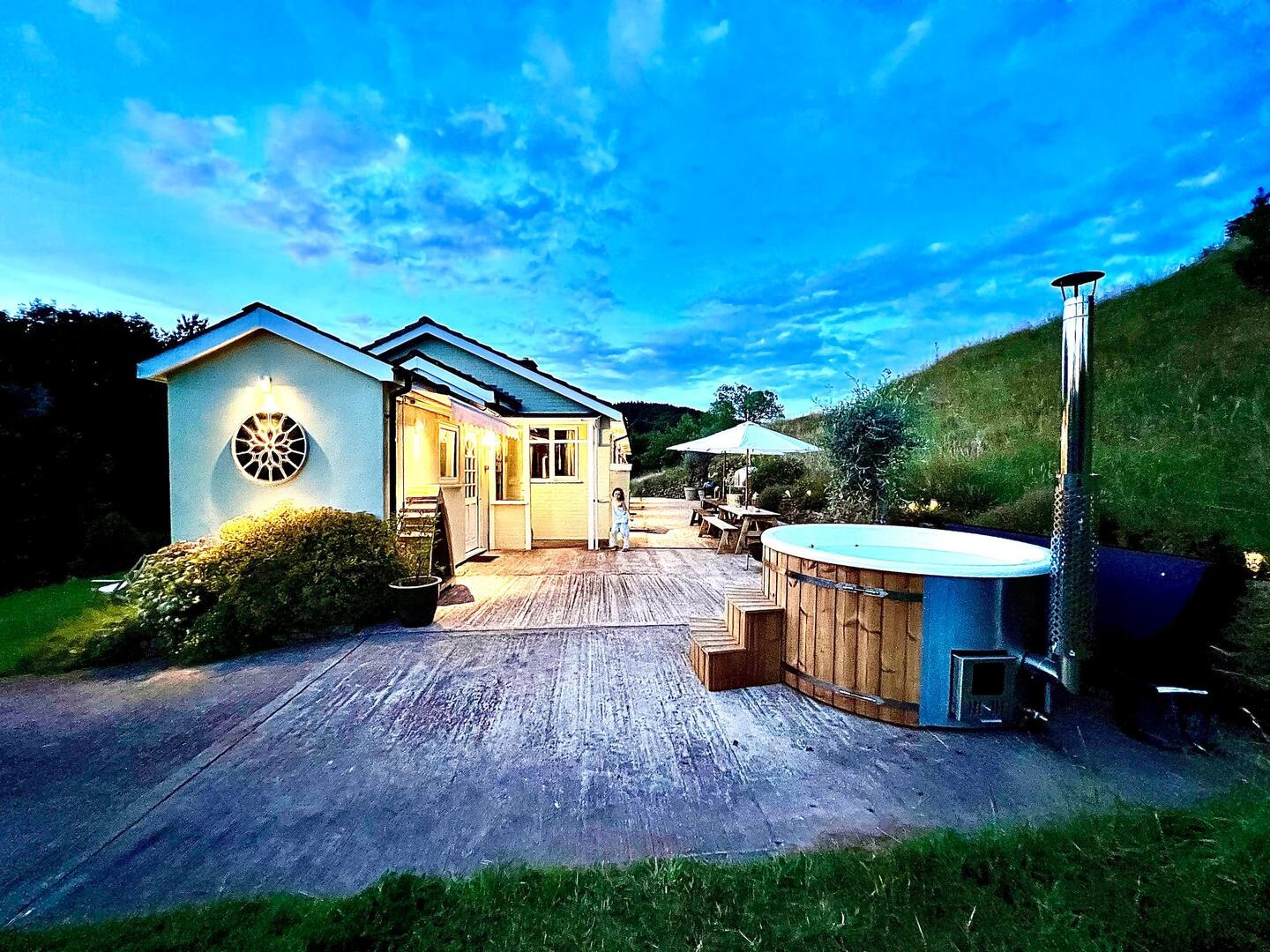
Cavanilla, a painted showman’s wagon with a super king bed, can be added by separate request. Robes, slippers and crisp linen come with every room. Wellness sessions, styling and outings can be arranged around the wedding, and picnic hampers can be packed for a day in the Forest.
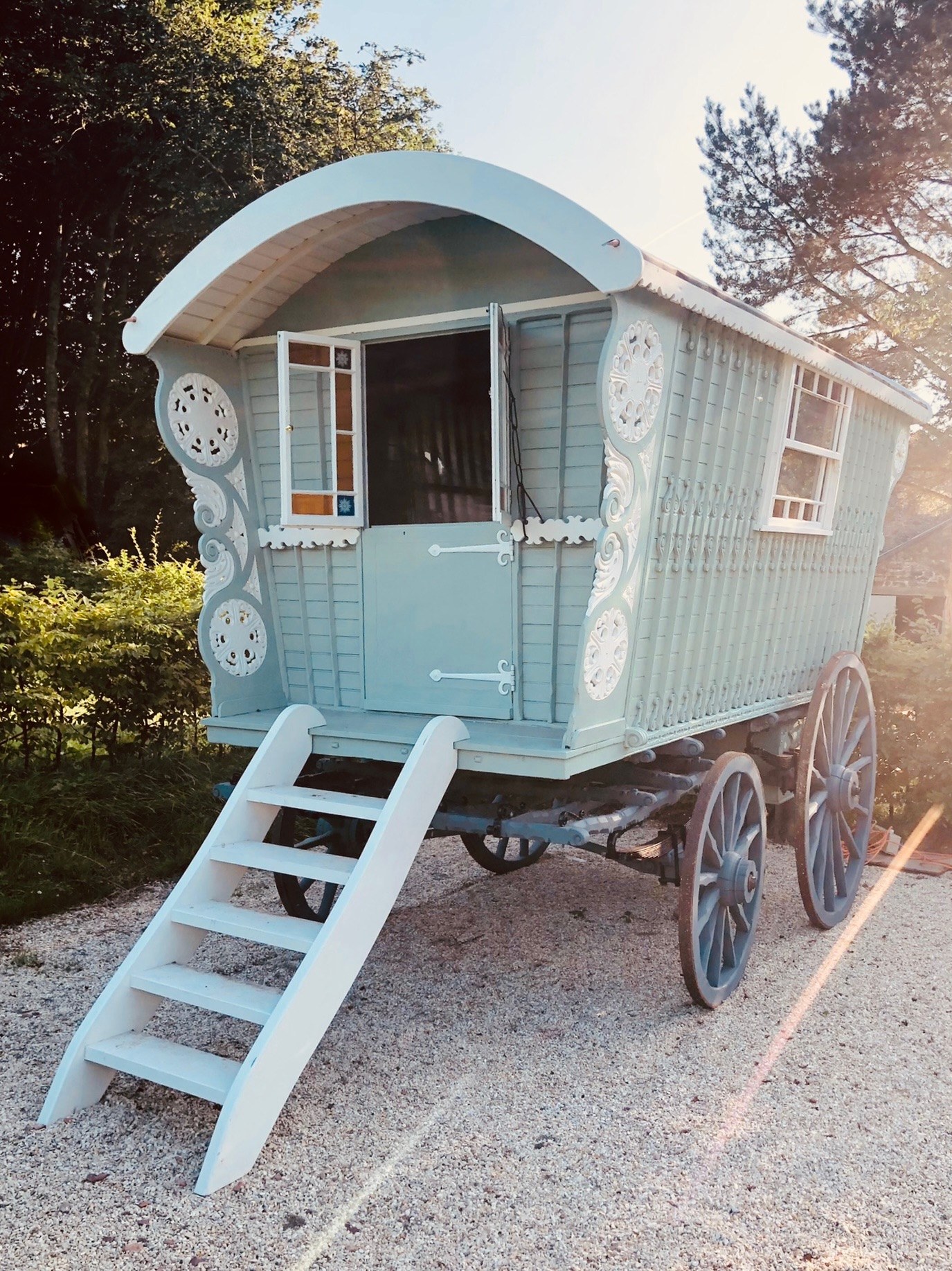
Newland and the Forest beyond
Newland was cleared from the Forest of Dean in the early Middle Ages, and its parish church of All Saints, founded shortly before 1216 on a low hill above the valley, is still known as the Cathedral of the Forest. Inside is the Miners’ Brass, a small medieval brass of a Forest miner with a hod and pick in his hand and a candlestick held in his mouth, adopted as the unofficial emblem of the Forest. The Ostrich Inn, the village pub, is 0.3 miles from the house.
The free day of a wedding weekend can go on Puzzlewood, Clearwell Caves, Hopewell Colliery or the Forest of Dean Sculpture Trail, all close by, or on the National Trust’s Westbury Court Garden, a Dutch style water garden from the 1700s. Newland sits on the east side of the River Wye, about three miles south east of Monmouth and close to Coleford. Bristol, the nearest airport, and the M4 are about 45 minutes away by road; Lydney station is about seven miles off and Chepstow about ten, and there is parking at the house. Prices depend on the date and the plans.
For other Gloucestershire weddings, read our Edits on Clearwell Castle, close by in the Forest, and Elmore Court, or browse wedding venues in Gloucestershire and the United Kingdom Wedding Atlas.
Sixteen to stay or seventy at the table
The decision that shapes a wedding at Tan House is its size. Sixteen guests can sleep on the grounds, so a wedding of that size becomes a house party from Friday to Sunday, with everyone staying among the gardens, the hot tubs and the teepee. Up to 70 can share the ceremony and dinner, but beyond the first sixteen they will need rooms elsewhere, in Coleford, Monmouth or the villages around. Read the Tan House Newland profile and check your date.