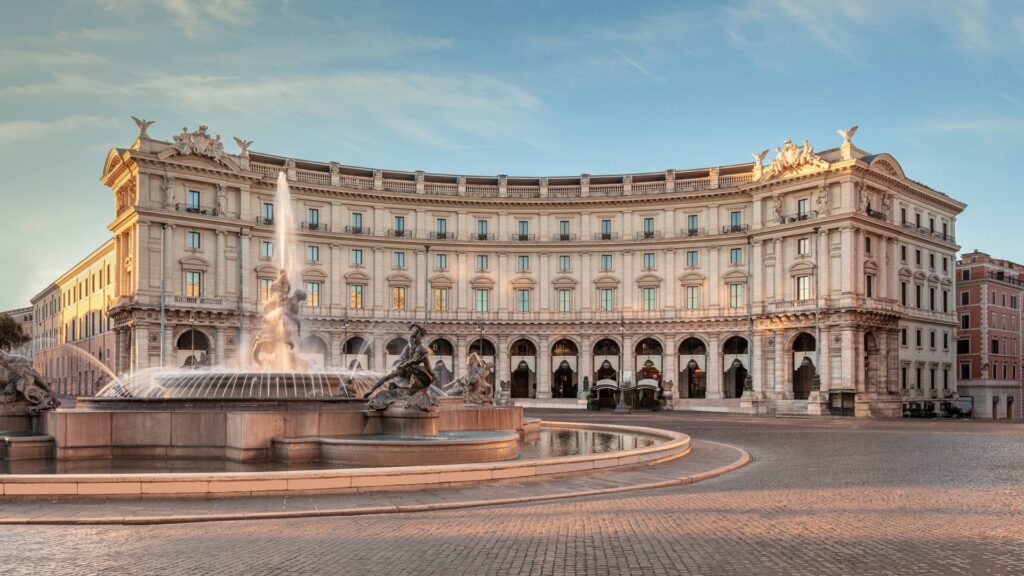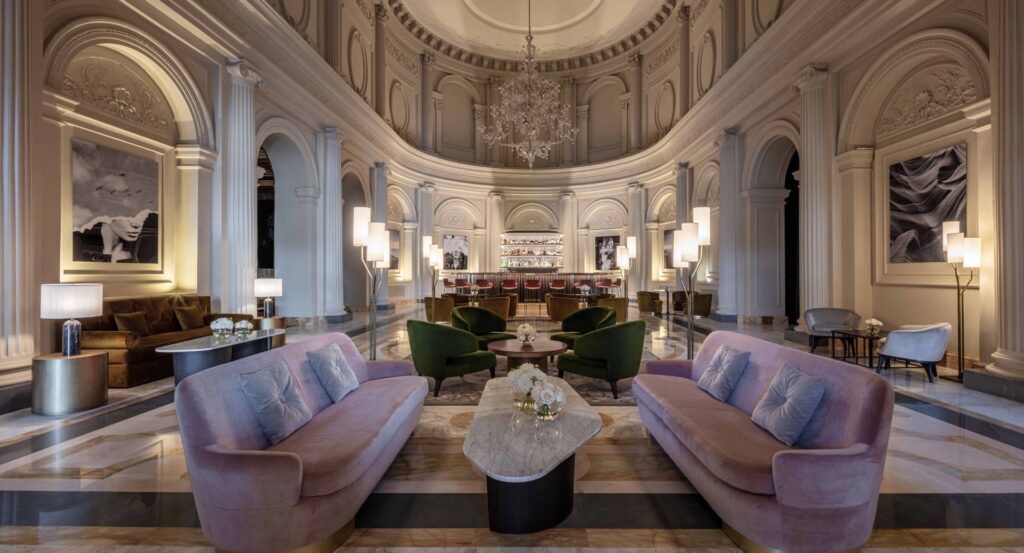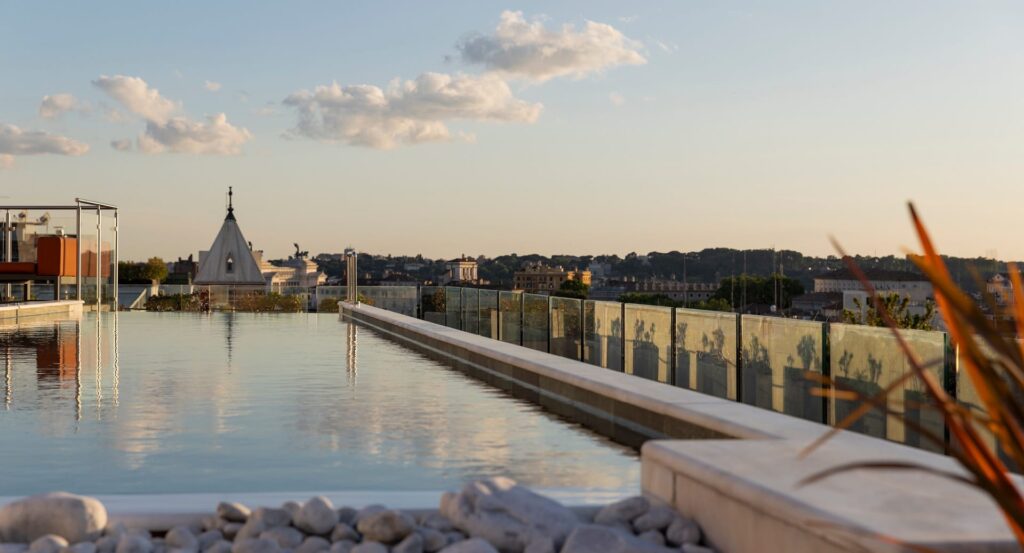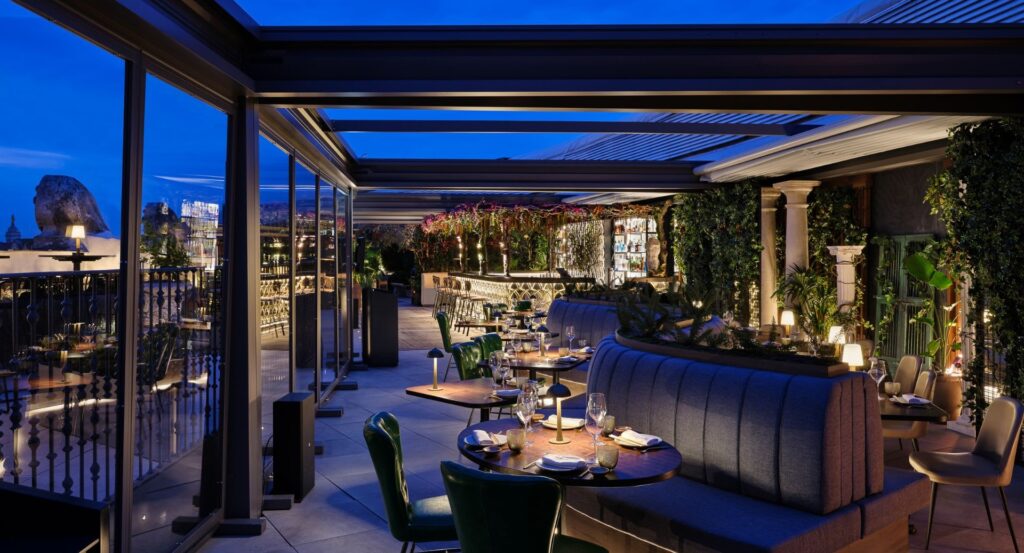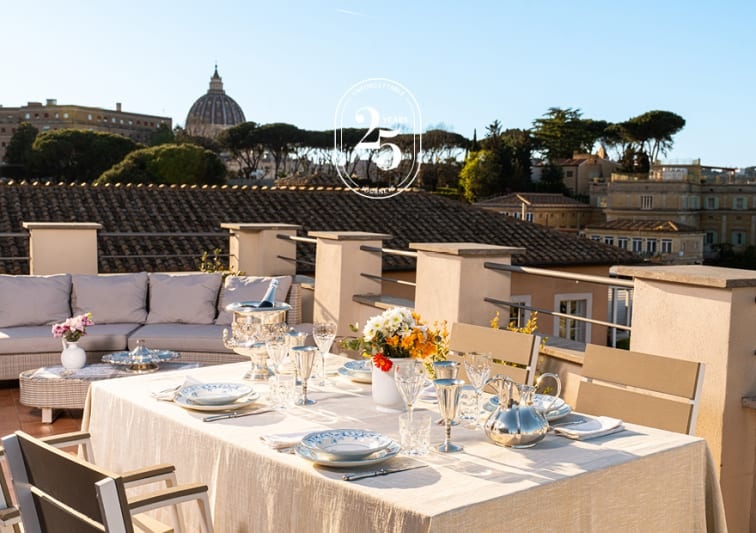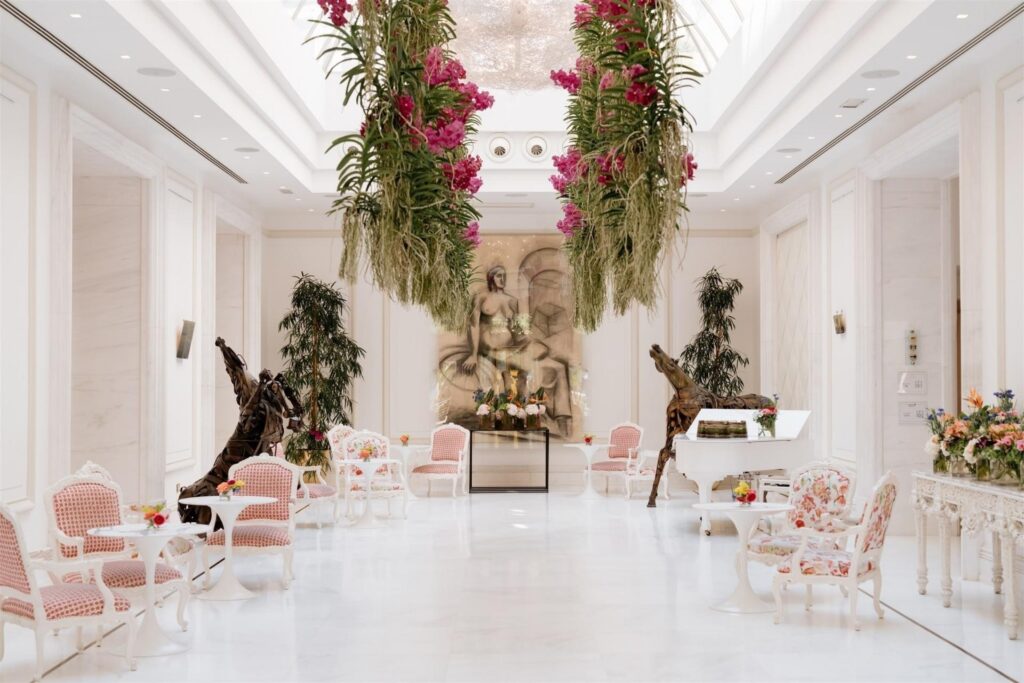
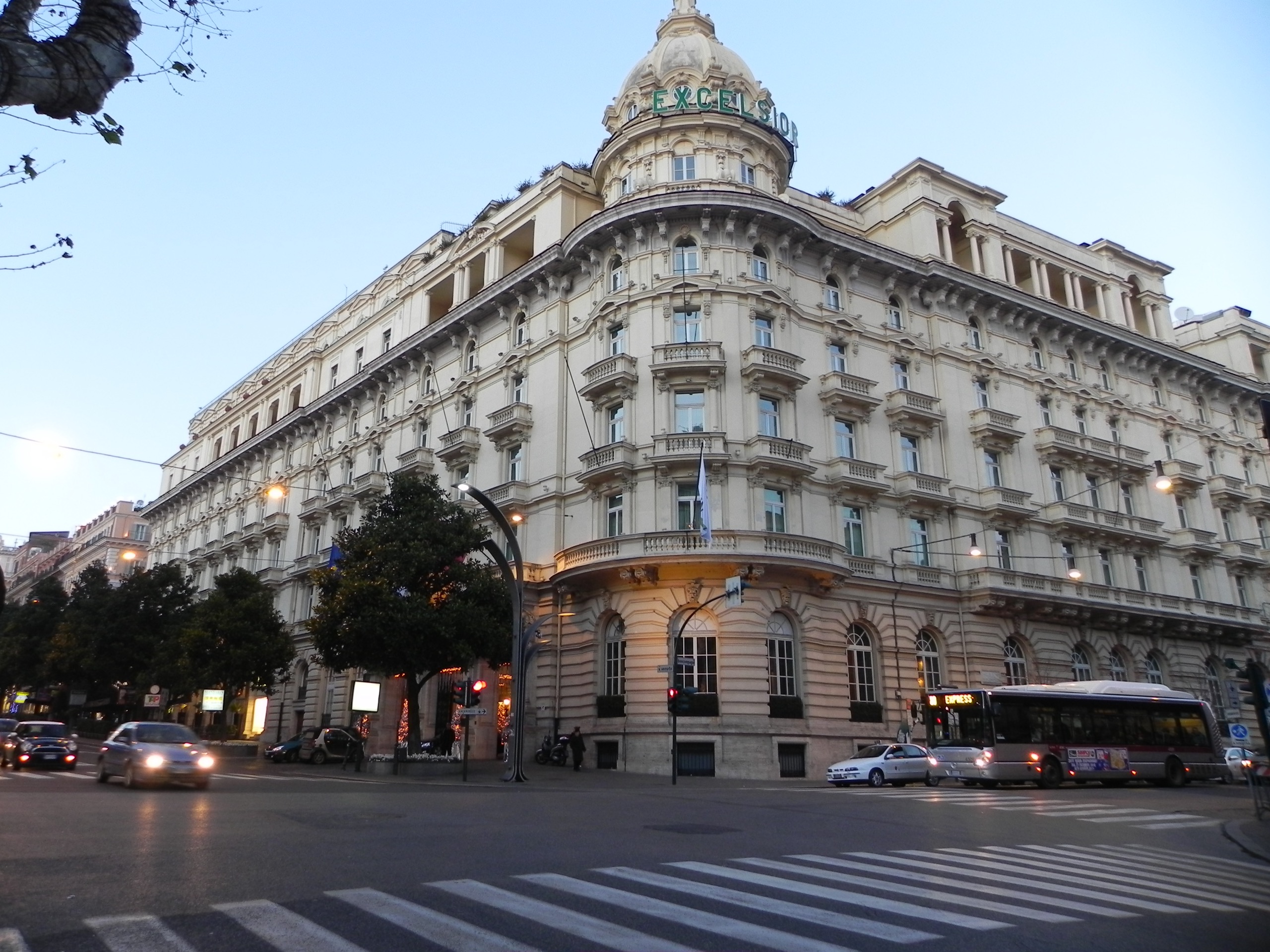
The Westin Excelsior Rome opened on 18 January 1906 on Via Veneto, on land that twenty years earlier had been the park of the Villa Ludovisi, whose gardens Stendhal counted among the most beautiful in the world. Weddings at the hotel are held in six salons, and two of them, Ludovisi and Boncompagni, share their names with the family who sold that park; the hotel stands on the corner of Via Boncompagni. A couple can hold a symbolic ceremony, a dinner and an evening reception in those rooms, with 316 rooms and suites upstairs and a two floor suite beneath the dome on the corner.

The park that became Via Veneto
In the 1620s Cardinal Ludovico Ludovisi assembled an estate from vineyards near the Porta Salaria, on part of the ancient Gardens of Sallust. Domenichino designed the main building, where the cardinal kept part of his collection of Roman antiquities alongside modern works such as Bernini’s Pluto and Persephone. Guercino’s Aurora, painted on a ceiling of the estate’s casino, gave that building its name, the Casino dell’Aurora.
The villa later passed to the Boncompagni Ludovisi family. In 1885 Prince Rodolfo Boncompagni Ludovisi, in financial difficulty, sold it to the Società Generale Immobiliare in spite of protests from intellectuals. The park, about 25 hectares between the city walls and the Trevi and Colonna districts, was divided into building plots, the sculptures were dispersed and most of the buildings came down. Only the Casino dell’Aurora survives.
The Ludovisi quarter rose on the land, and Via Veneto was laid across the old grounds as its main street. Like its neighbours it was first named after a region, Venetia; after the First World War it was renamed for the Italian victory at Vittorio Veneto in 1918. The street was completed in 1906, the year the Excelsior opened opposite Palazzo Margherita, Queen Margherita’s palace, which now houses the Embassy of the United States.
A hotel built in little more than a year
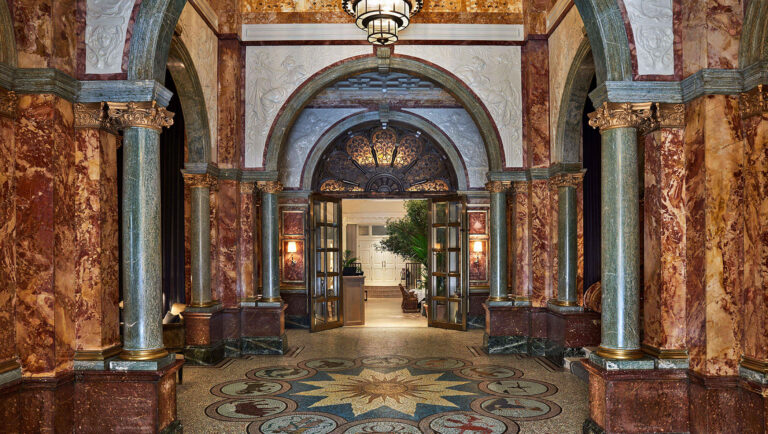
The Excelsior was built for a company from Lucerne, the Schweizerische Actiengesellschaft für Hotelunternehmungen, to designs by Emil Vogt and Otto Maraini. The plans were approved in 1904, and the press of the day reported that the building went from foundations to completion in little more than a year. The reception rooms on the ground floor were modelled on those of the palace in Stuttgart, in the Directoire style: mostly white, with elaborate stucco and artificial marble. Shortly before the opening the owners gave a private dinner whose guests included Prime Minister Fortis and Foreign Minister Di San Giuliano.
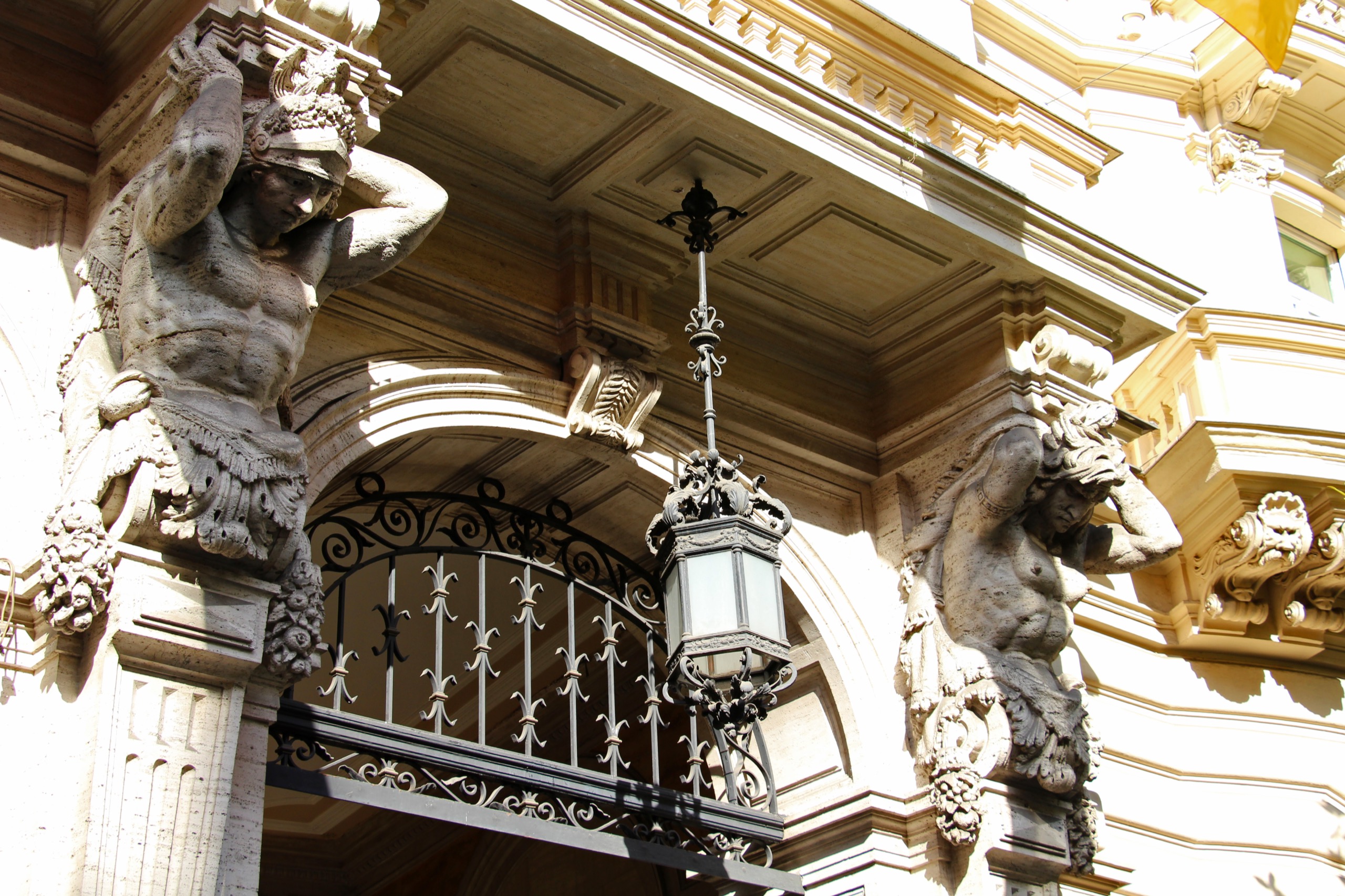
The Italian hotel group CIGA bought the Excelsior in 1923. In 1953 it acquired the Banco di Napoli building on the northern half of the block, rebuilt that facade to match the hotel and added a sixth floor across the whole building. In 2000 the hotel moved to Westin, took its present name and was renovated throughout, and the former tearoom became Doney.
Two wars and the dolce vita
During the First World War two floors served as a military hospital run by the Italian Red Cross. After the German occupation of 1943 the hotel was the residence and office of Kurt Mälzer, the German military commander of Rome, and when the Allies entered the city in 1944 General Mark Clark made it his temporary headquarters. It reopened to guests in 1947.
In the 1950s and 1960s Via Veneto was the centre of the dolce vita, its cafés and restaurants frequented by Audrey Hepburn, Anita Ekberg, Gary Cooper, Orson Welles and Coco Chanel. The cast and crew of Ben-Hur stayed at the hotel during filming in 1958, Federico Fellini shot La Dolce Vita around it, and Two Weeks in Another Town was filmed inside it in 1962.
Six salons for the ceremony and the dinner
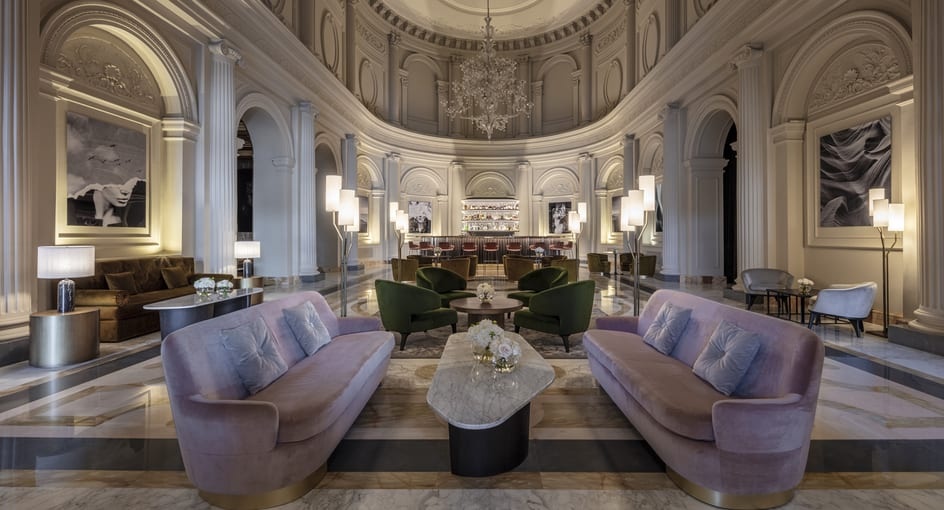
A wedding at the Excelsior is a symbolic ceremony followed by the celebration, both held in the salons. The six rooms run from Sala Pincio, named for the Pincian Hill and kept for small ceremonies and private dinners, to the gilded Sala Boncompagni, with Borghese, Campidoglio, Ludovisi and Trianon in between. Sala Trianon also serves as a private dining room for smaller celebrations and for gatherings before the wedding day. The salons are decorated in the manner of the rest of the hotel, with stucco and chandeliers; Sala Boncompagni adds gilded columns, and the lighting in each salon can be adjusted for the occasion.
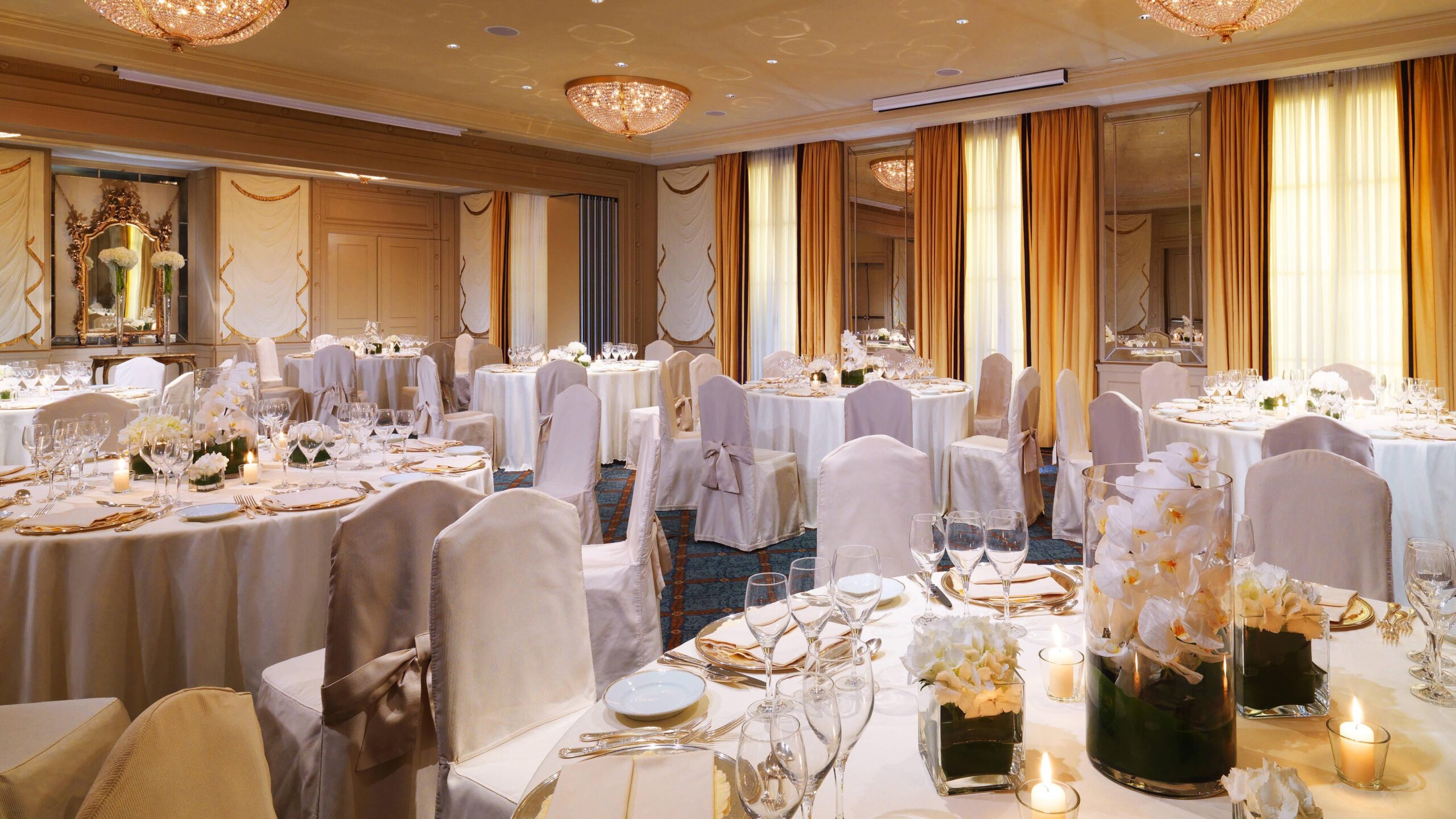
Symbolic ceremonies take up to 200 guests, a seated dinner up to 180 and a standing reception up to 300. Catering is in house, and the hotel’s own wedding team plans each celebration with the couple. Weddings are priced on enquiry, according to the date, the number of guests, the rooms and the menus chosen.
Doney and the Cardinale
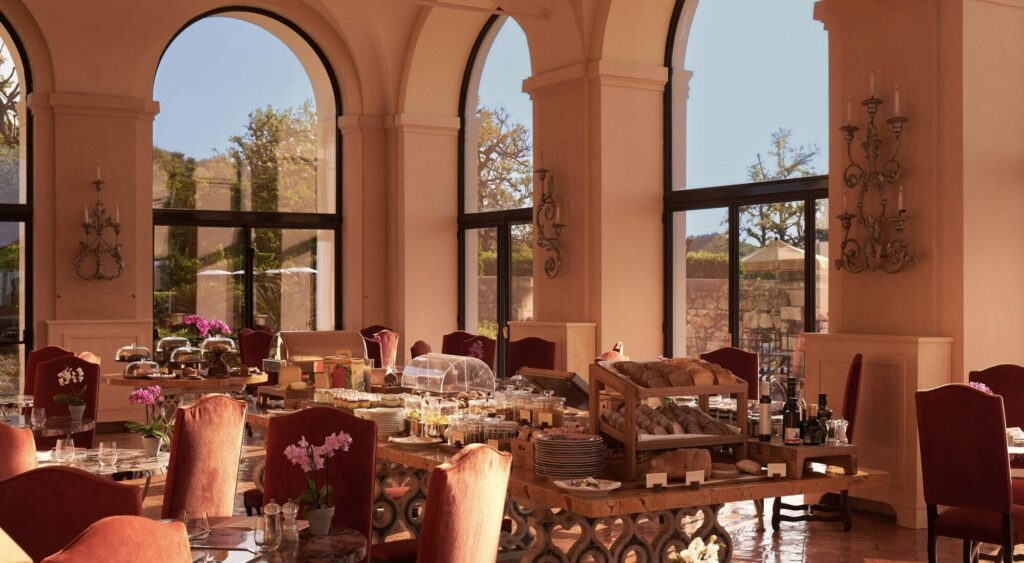
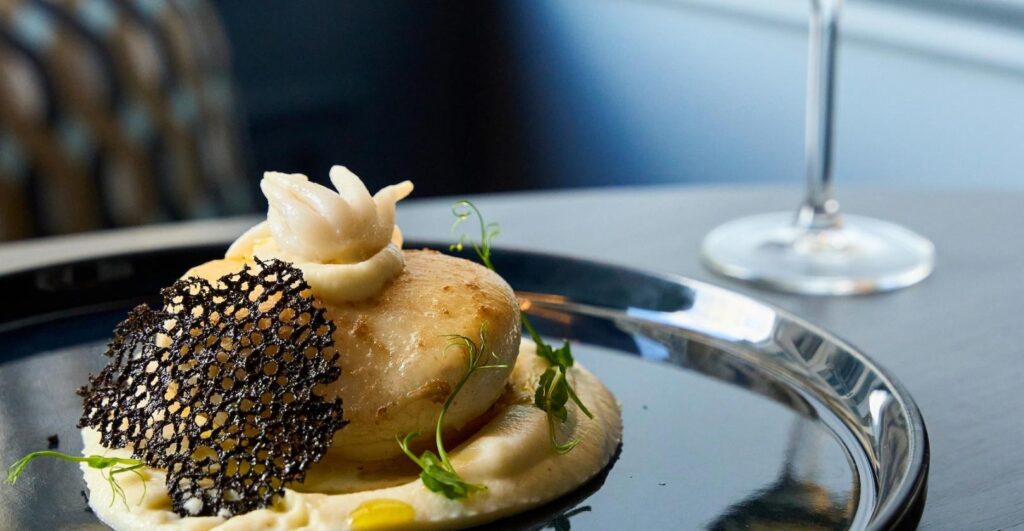
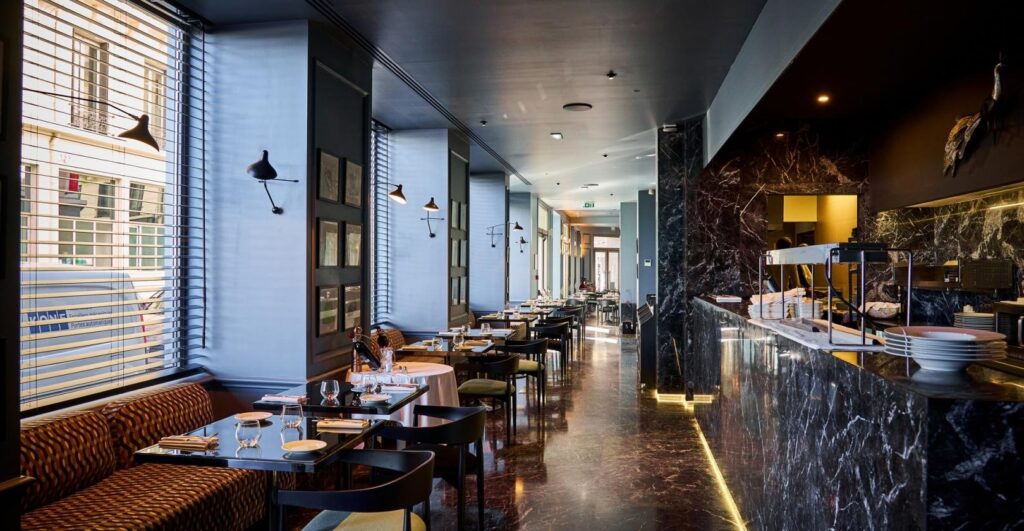
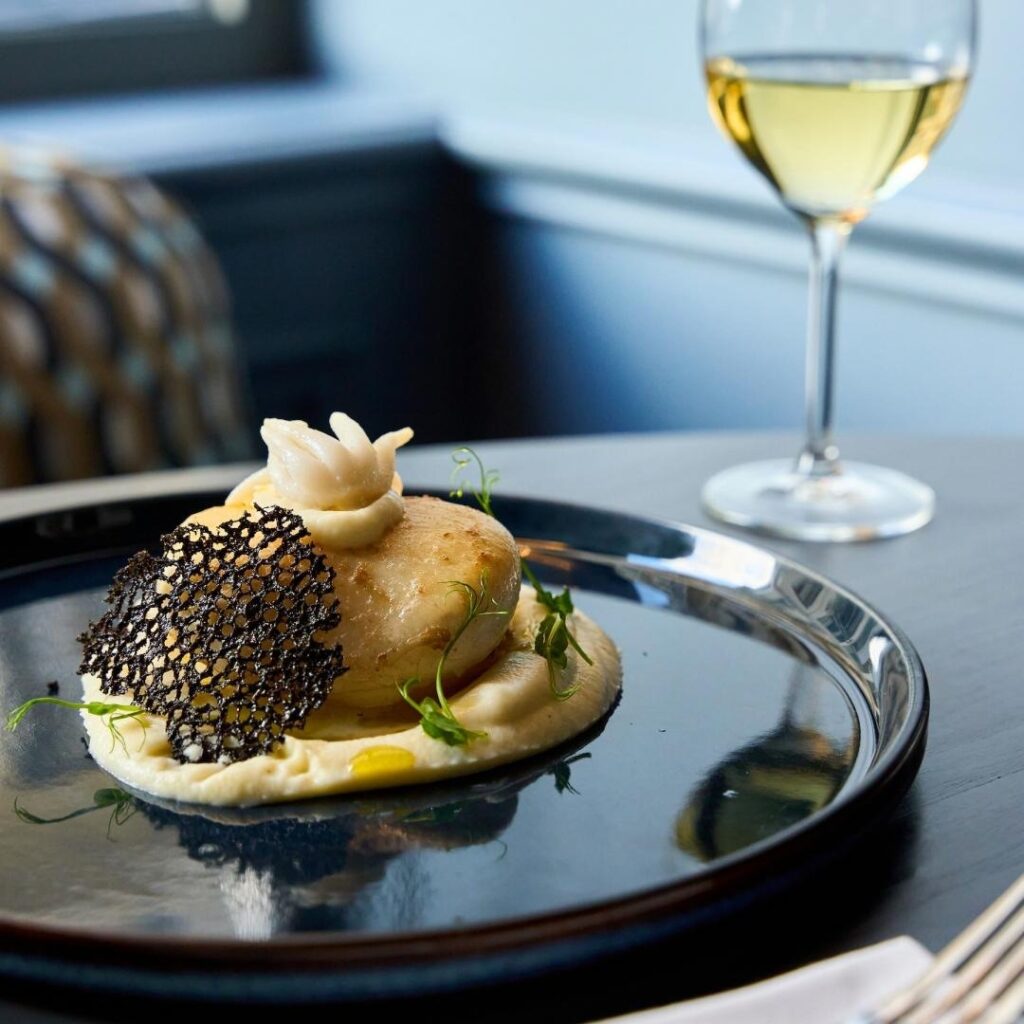
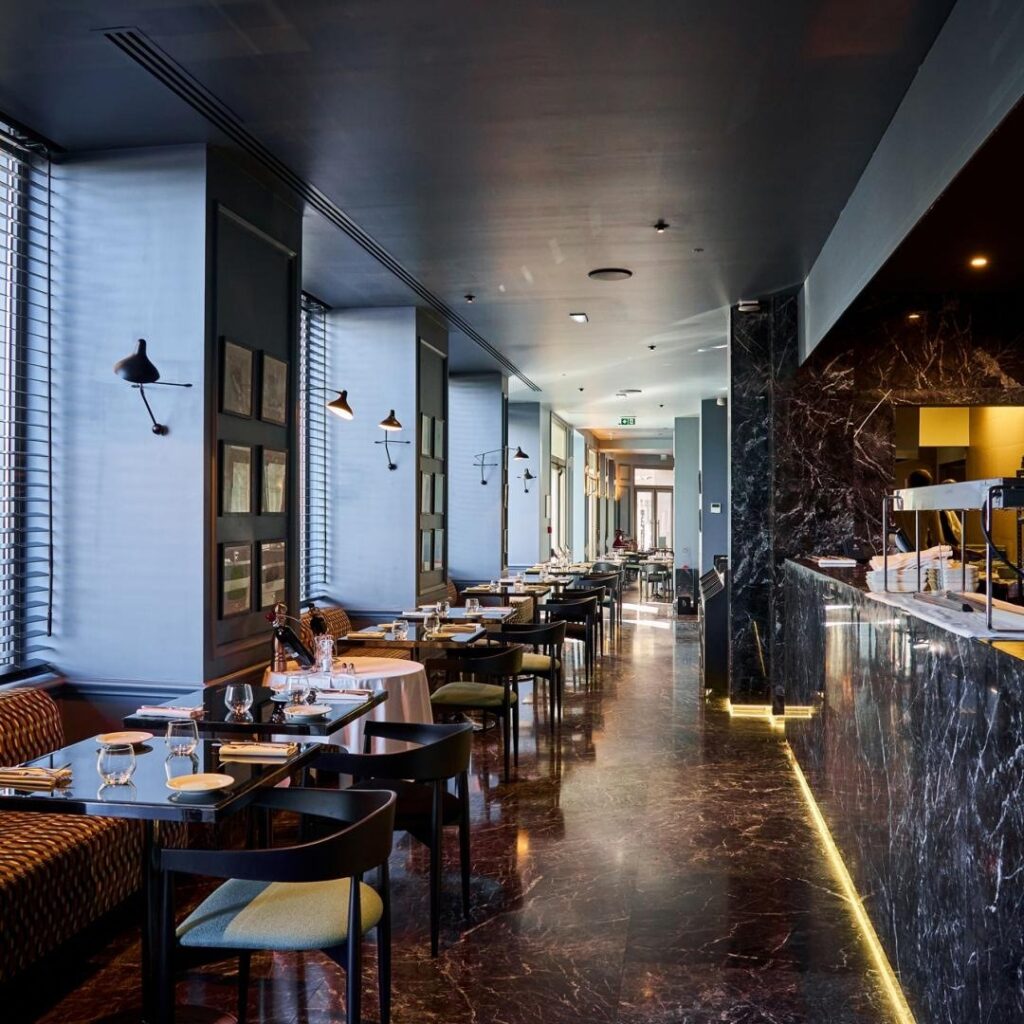
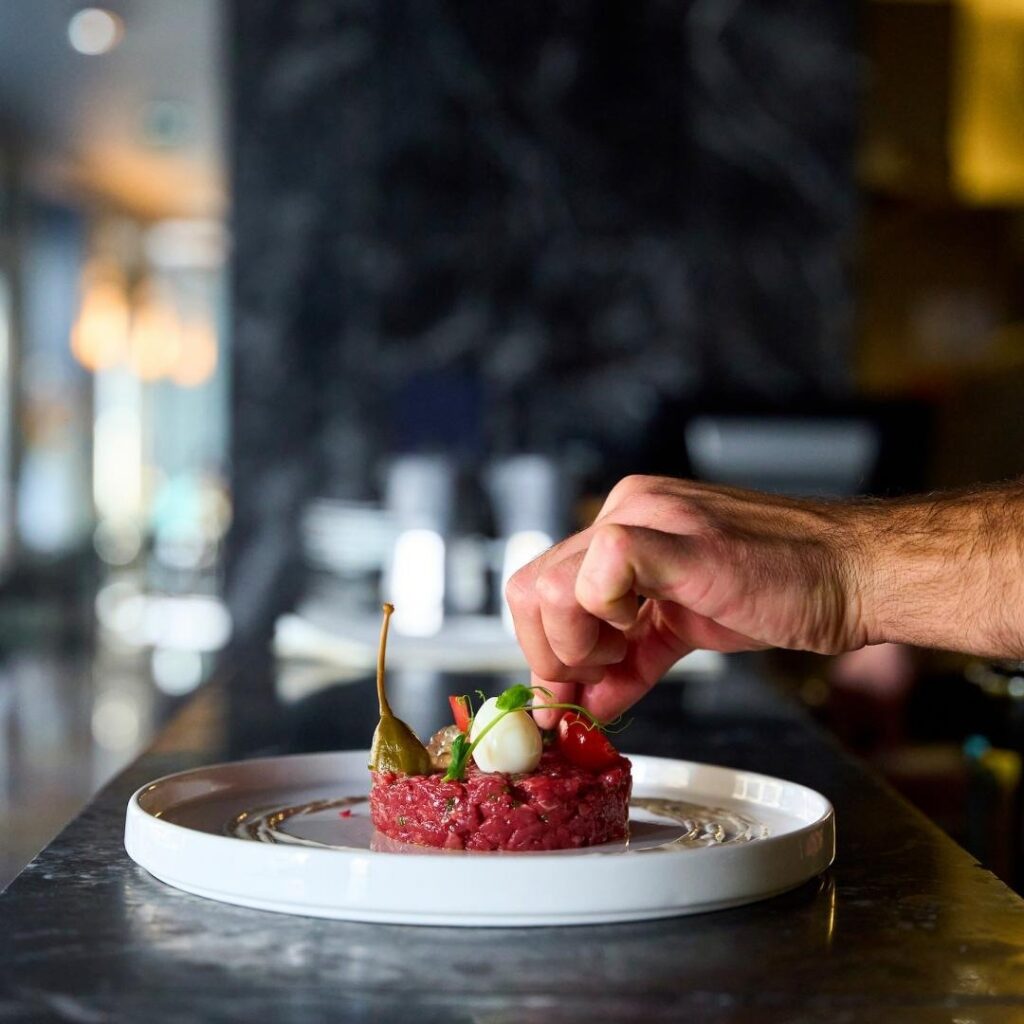
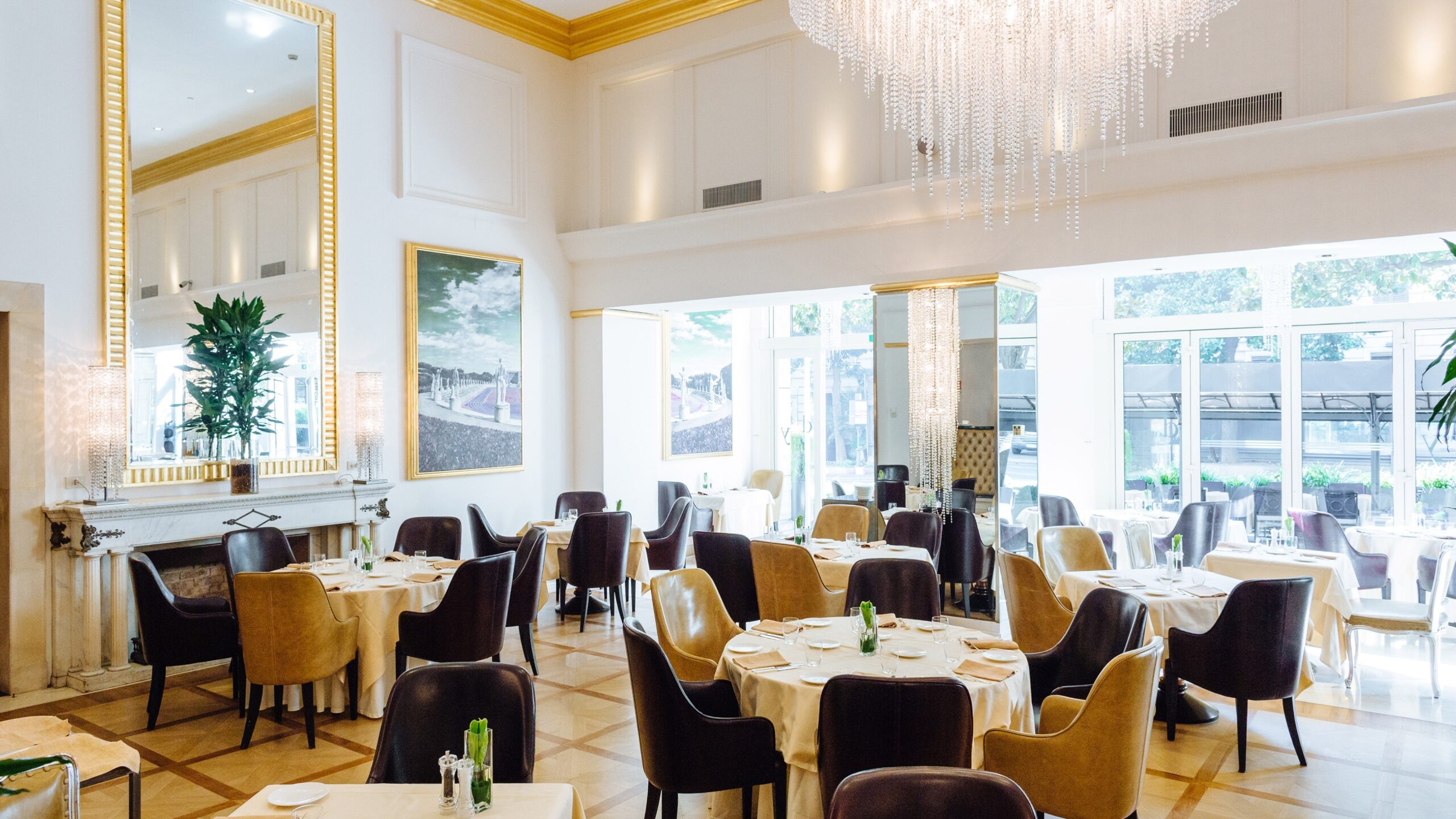
Doney, the hotel’s restaurant, looks onto Via Veneto, and its interior was redesigned with Artestudio and Baxter. The kitchen cooks Mediterranean food from local, seasonal ingredients, and wedding menus are tailored to each couple, from a morning gathering to a full dinner.
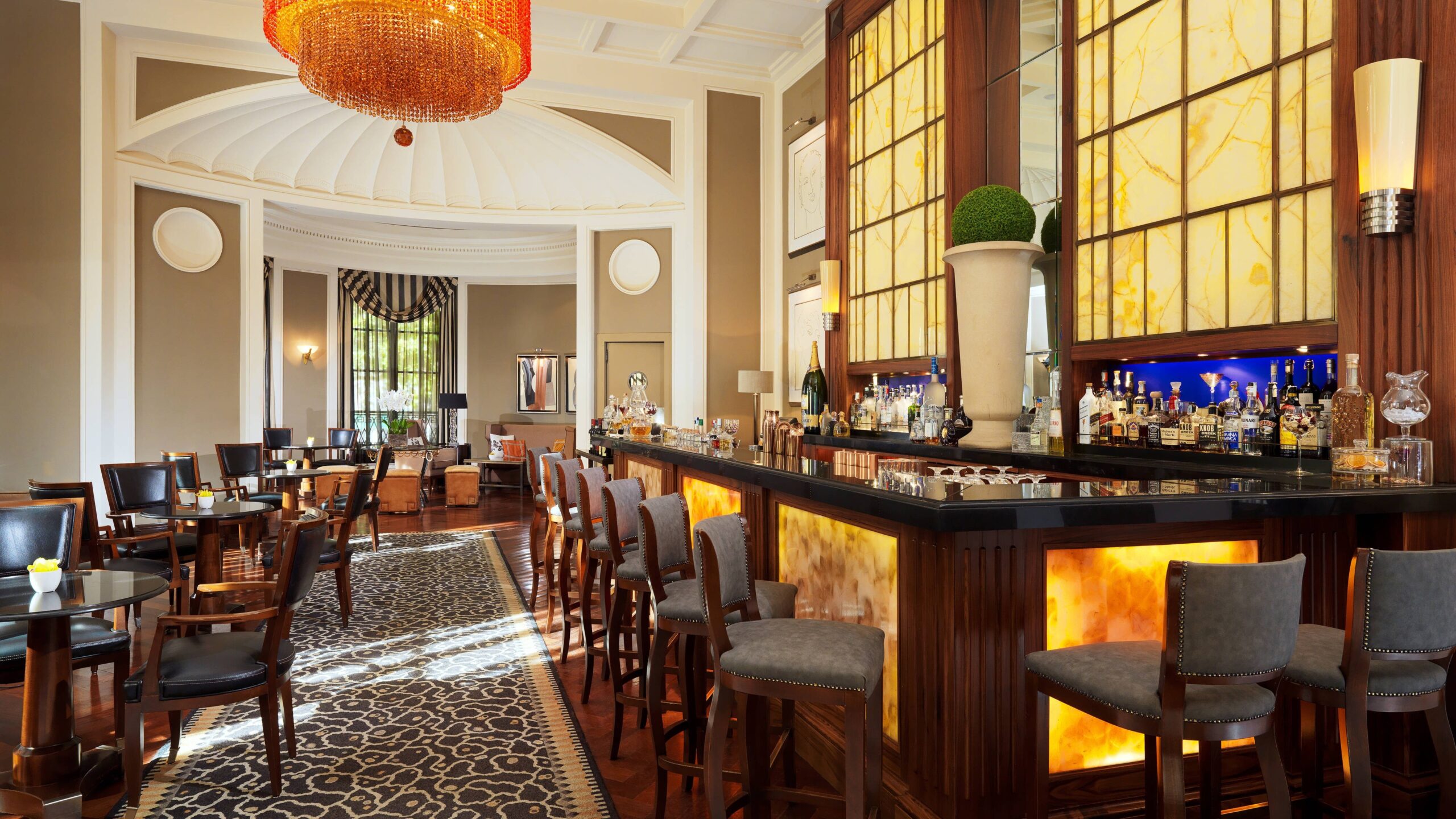
The aperitivo belongs to the ORVM Bar. Its house cocktail, the Cardinale, was created at the Excelsior in 1950, after a cardinal suggested a new combination of ingredients to the bartender, and it is still served there.
Villa la Cupola and the rooms upstairs
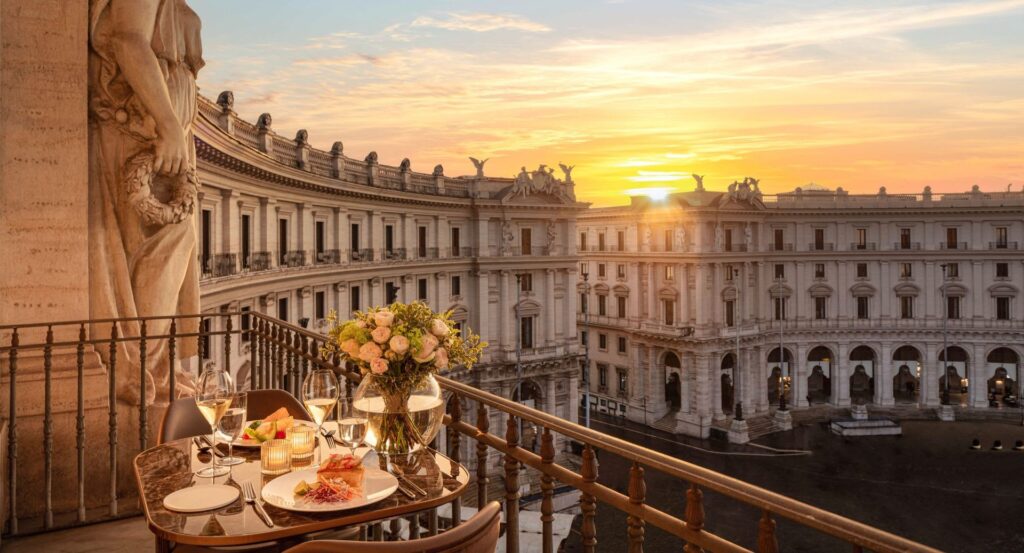
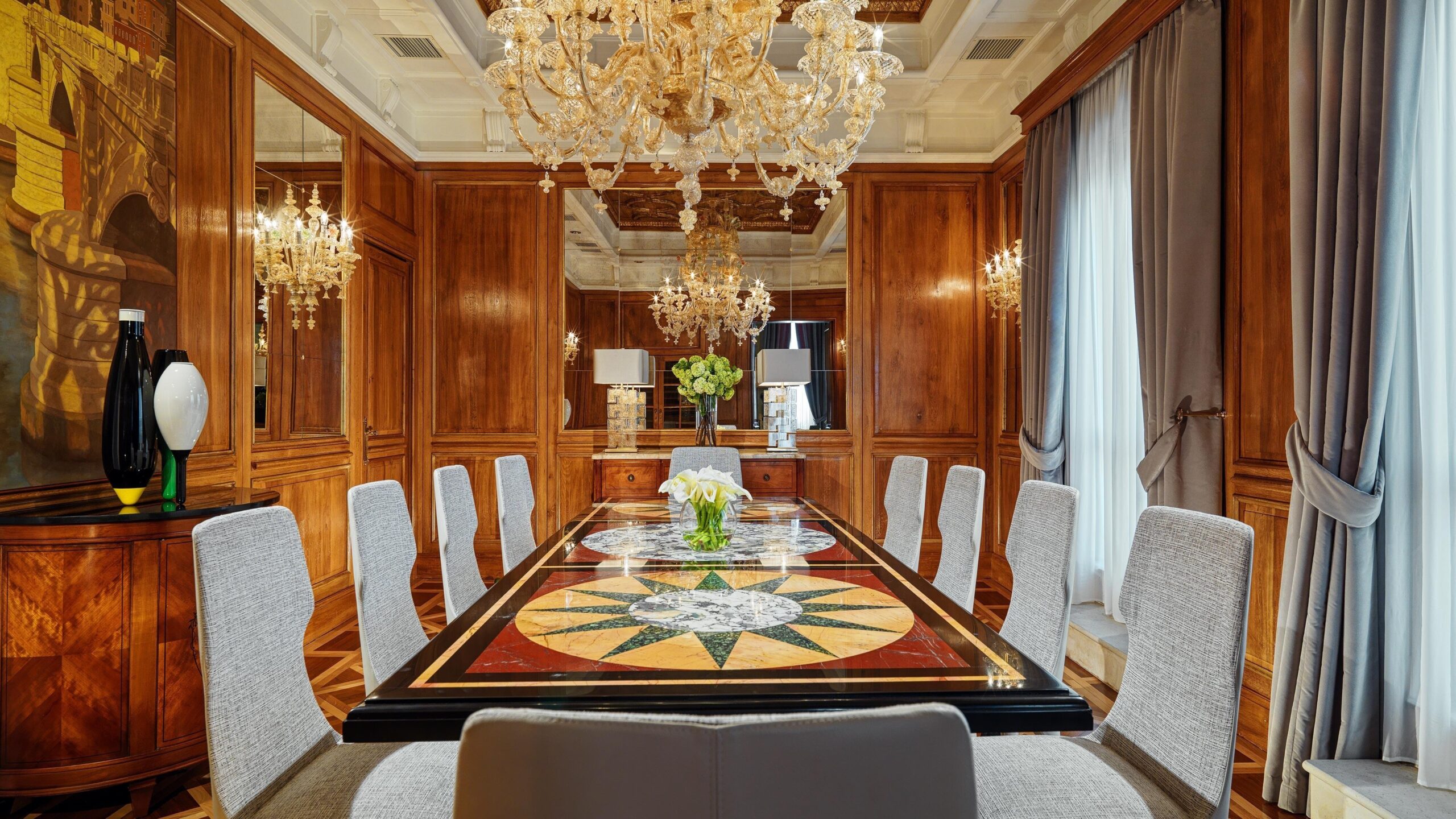
With 316 rooms and suites, from Deluxe and Grand Luxe rooms to the Veneto and Imperial suites, the wedding party and their guests can stay in the building where the wedding takes place. The three Veneto suites sit on the corner of the facade beneath the cupola, with marble floored living rooms looking over Via Veneto. The Imperial Suite covers 300 square metres, with a master bedroom and a guest bedroom, Louis XVI and Piedmontese furniture, an Aubusson carpet and a private dining room whose marble table seats 12.
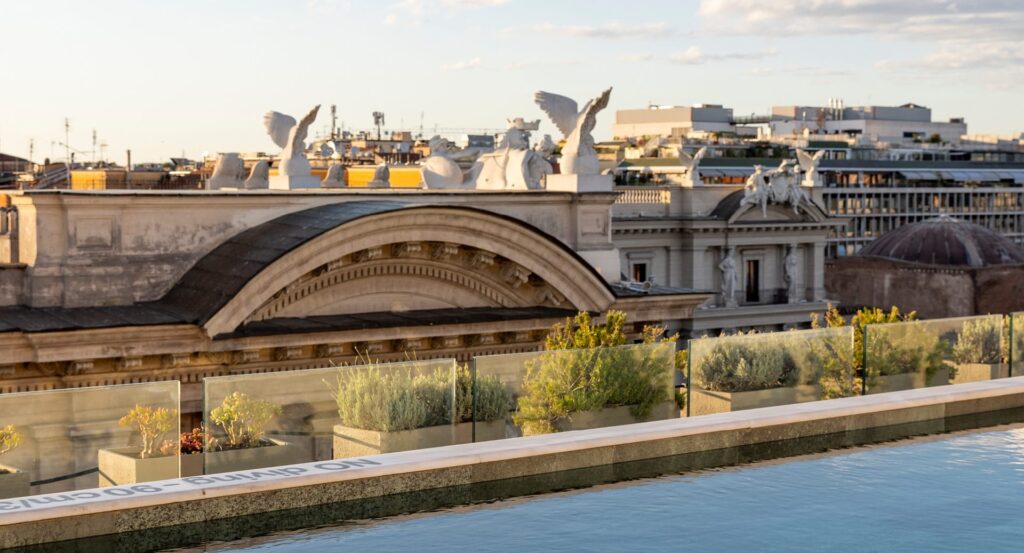
Villa la Cupola fills the fifth and sixth floors beneath the dome, more than 740 square metres over two levels. Its living room sits under a frescoed cupola, and the bedroom has a private balcony over Via Veneto. The upper floor holds a Pompeian style jacuzzi pool with a mosaic floor and a frescoed vaulted ceiling, a fitness area, a sauna, a steam bath and a rooftop terrace.
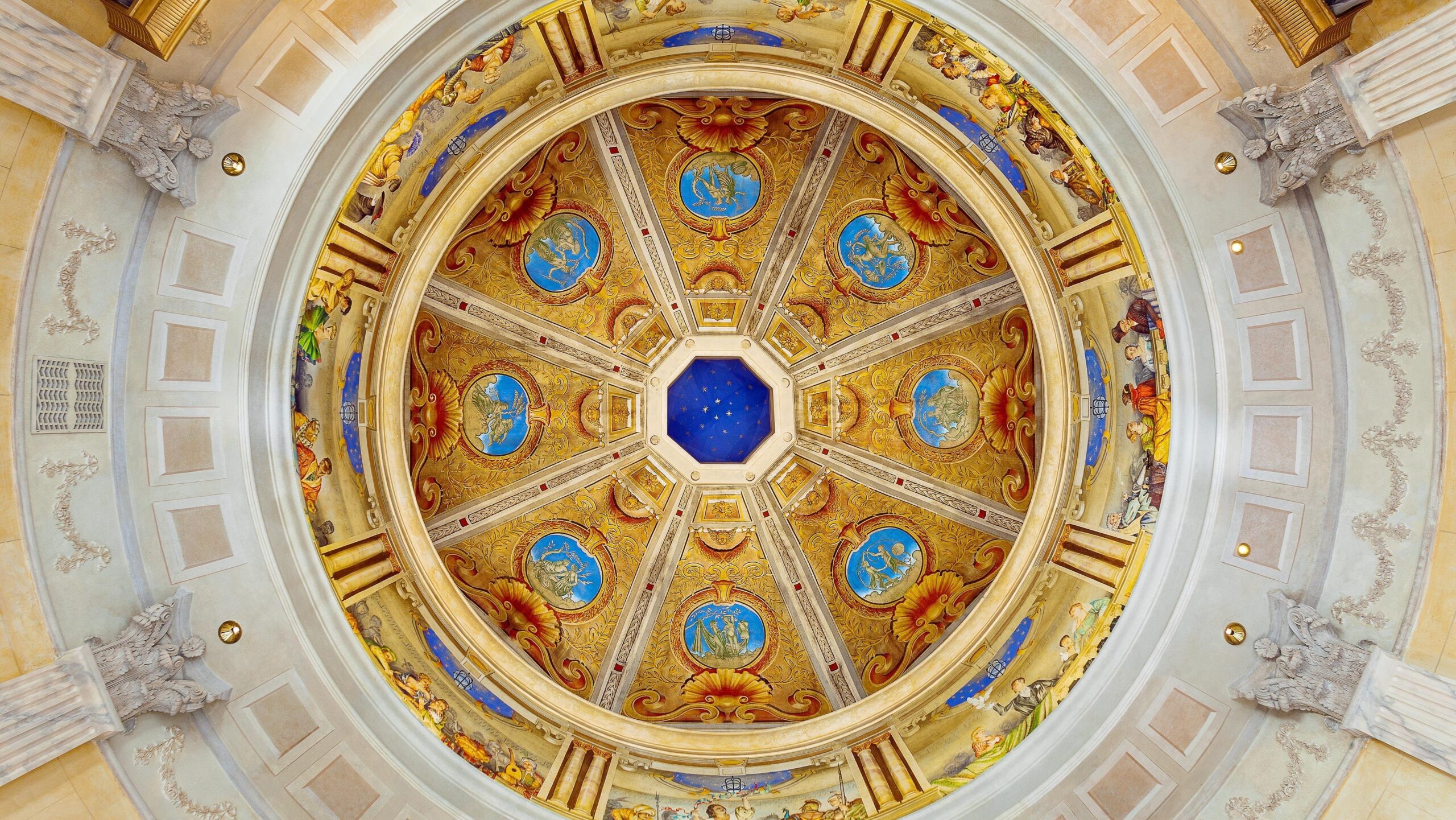
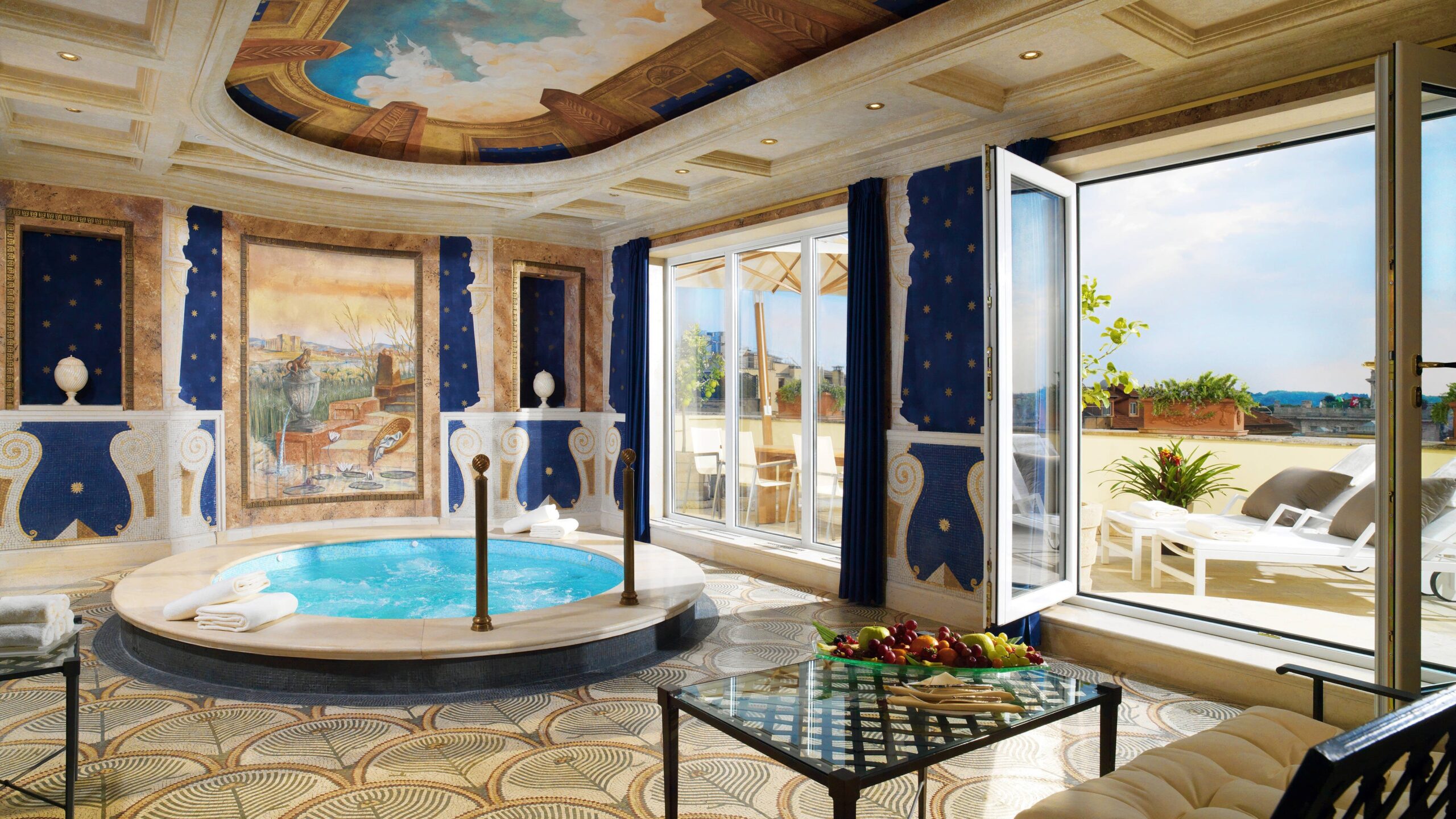
For the morning of the wedding the hotel has a spa and an indoor heated pool, and the couple and their families can get ready in their own suites.
Between Villa Borghese and the Spanish Steps
The hotel stands at Via Vittorio Veneto 125. The gardens of Villa Borghese are a couple of minutes’ walk away, and the Spanish Steps, the Trevi Fountain and Piazza del Popolo are a short walk. Barberini station, on Line A of the metro, serves the street, and Rome Fiumicino airport is about 40 minutes away.
Where the legal marriage takes place
The Excelsior holds the symbolic ceremony and the celebration; the legally binding marriage belongs to the comune and is arranged separately with the Rome registry. One of the city’s own wedding rooms is the Sala Rossa, on the ground floor of Palazzo dei Conservatori on the Campidoglio, the Capitoline Hill that gives Sala Campidoglio its name. It seats 20 and opens for weddings on Friday, Saturday and Sunday mornings, and the mayor or an official of the civil register conducts the ceremony. The decision to make first is where and when that civil marriage takes place.
Check your date with The Westin Excelsior Rome, read the full venue profile, see more wedding venues in Rome and the Rome Wedding Atlas, or compare The St. Regis Rome and Hassler Roma.