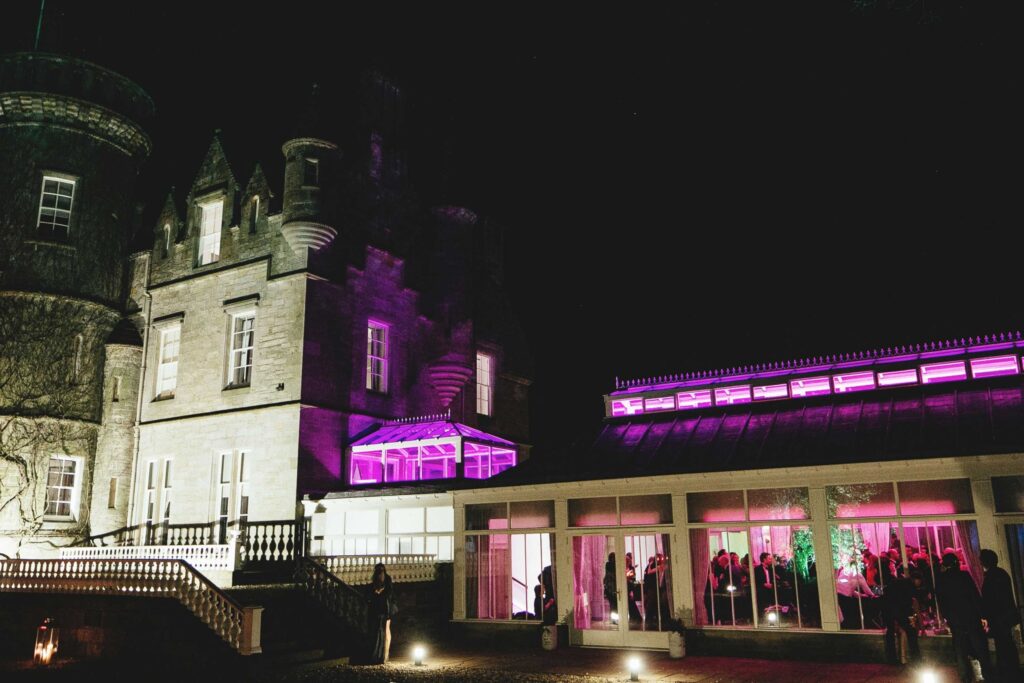
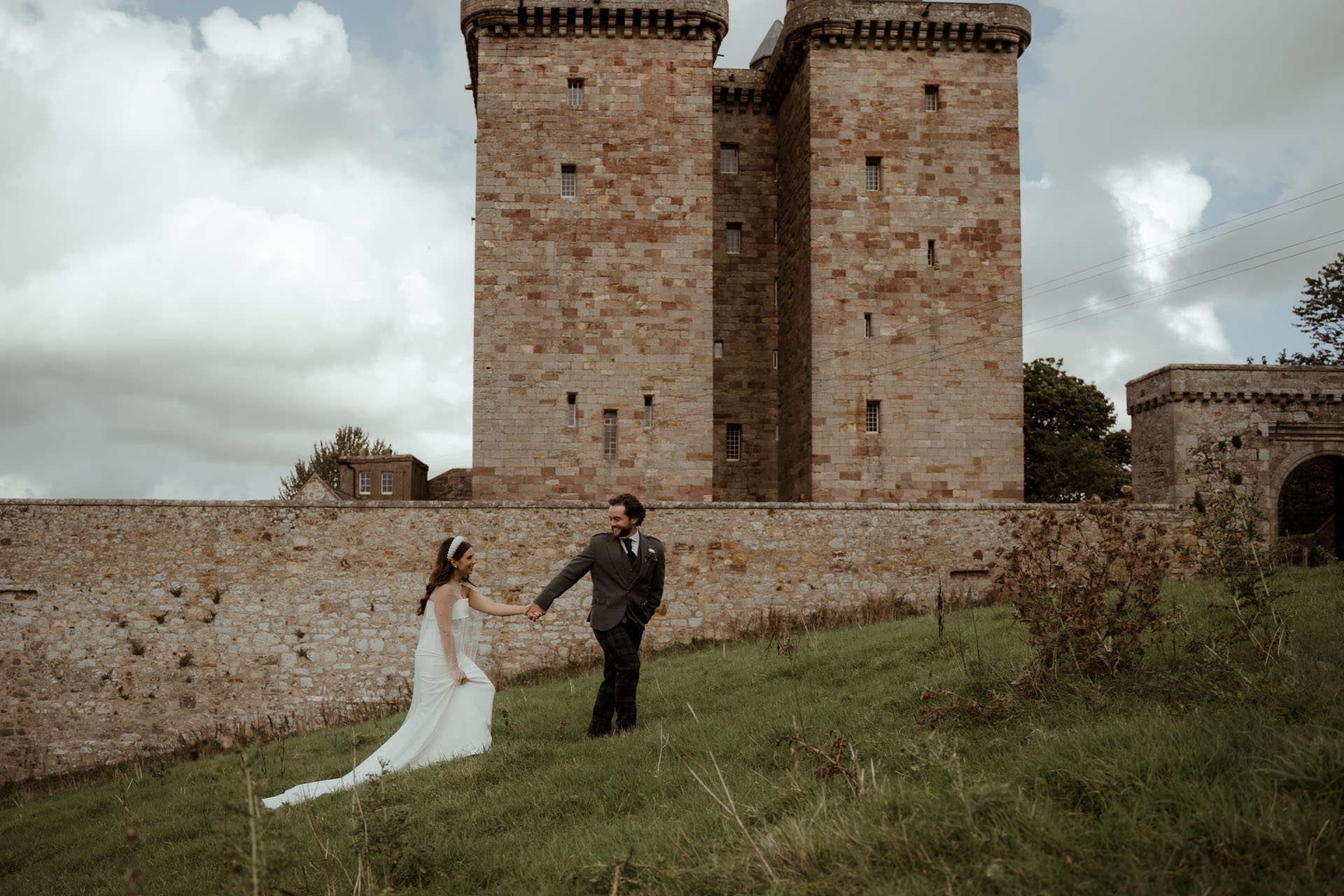
In June 1567 Mary, Queen of Scots left Borthwick Castle disguised as a page, while the lords who had surrounded the castle gathered support in Edinburgh. The keep she escaped from had been raised in 1430 by Sir William Borthwick under a royal licence from James I, and it still stands at North Middleton in Midlothian, 12 miles south of Edinburgh, with its interior little altered. Today it is let to one wedding party at a time, and the day moves through the tower floor by floor: vows in the Garrison at the top, drinks in the State Room on the middle level, dinner in the Great Hall, and bedchambers up the spiral stairs.

A castle built by royal licence
Sir William, later the first Lord Borthwick, bought the land, including a mound called the Mote of Lochorwart, and on 2 June 1430 the king granted him a charter to build a castle there. Permission of that kind was unusual, since Scottish nobles did not generally need the crown’s consent to build and fortify.
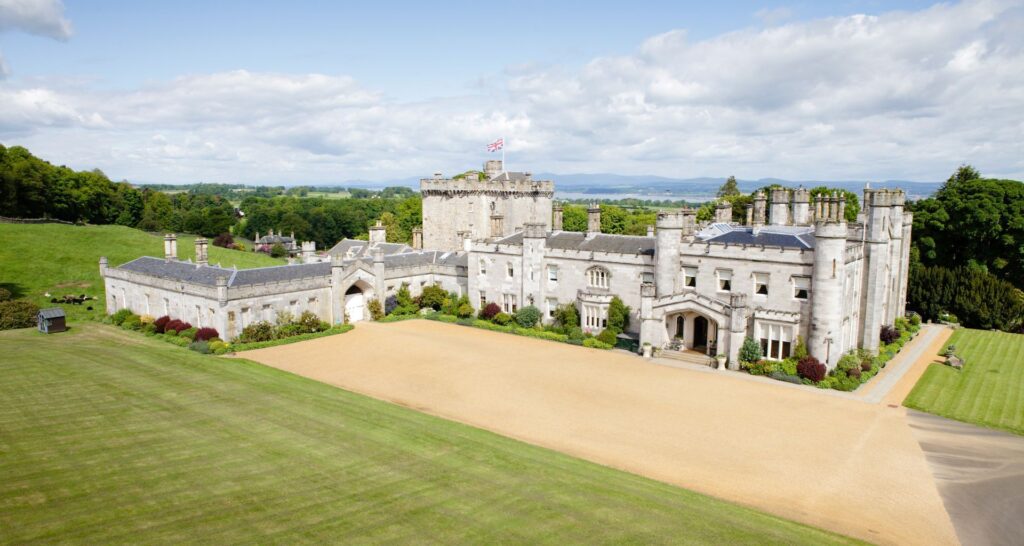
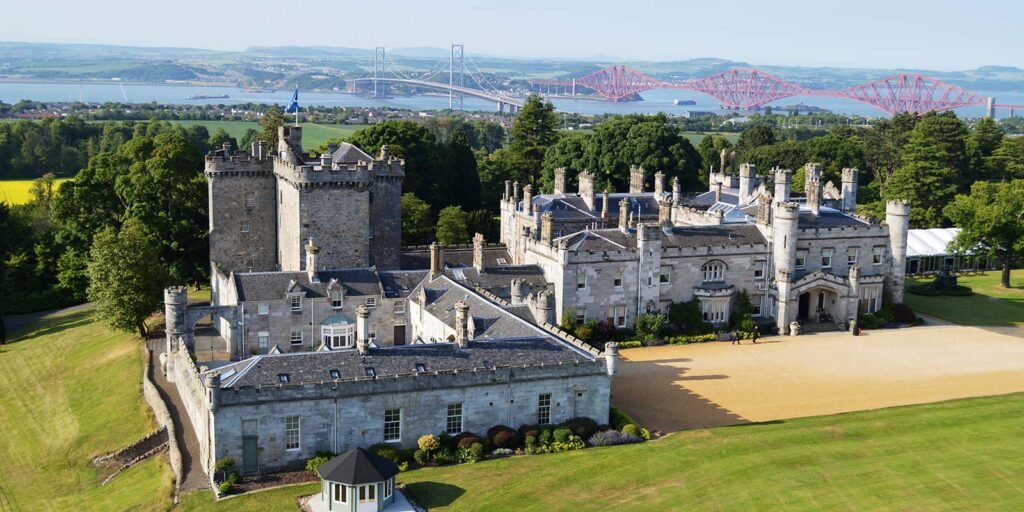
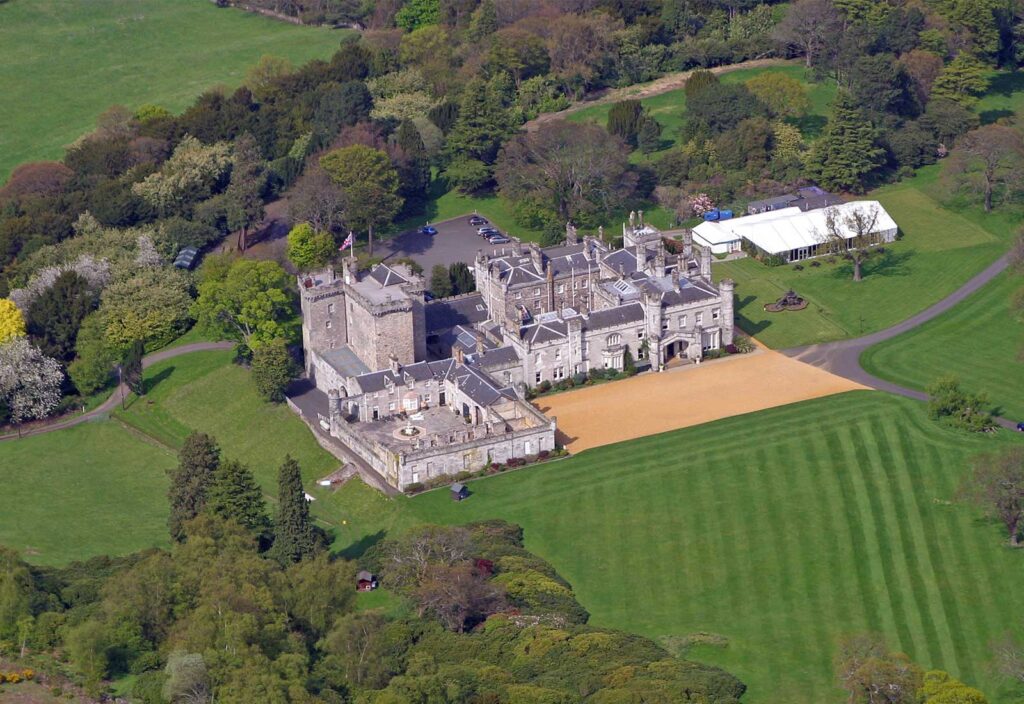
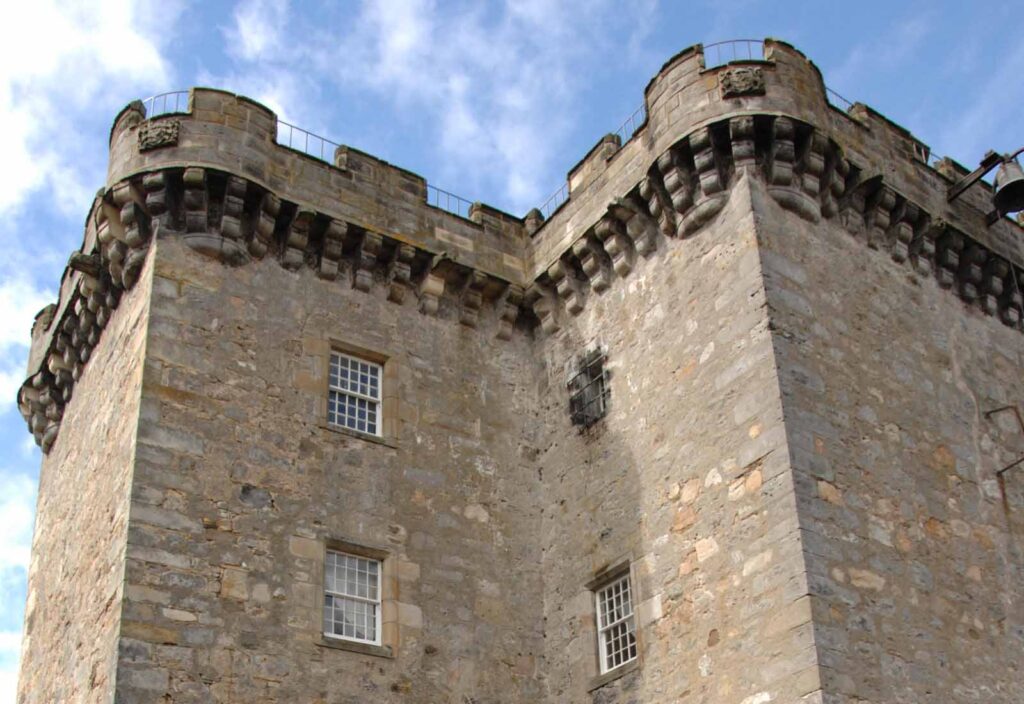
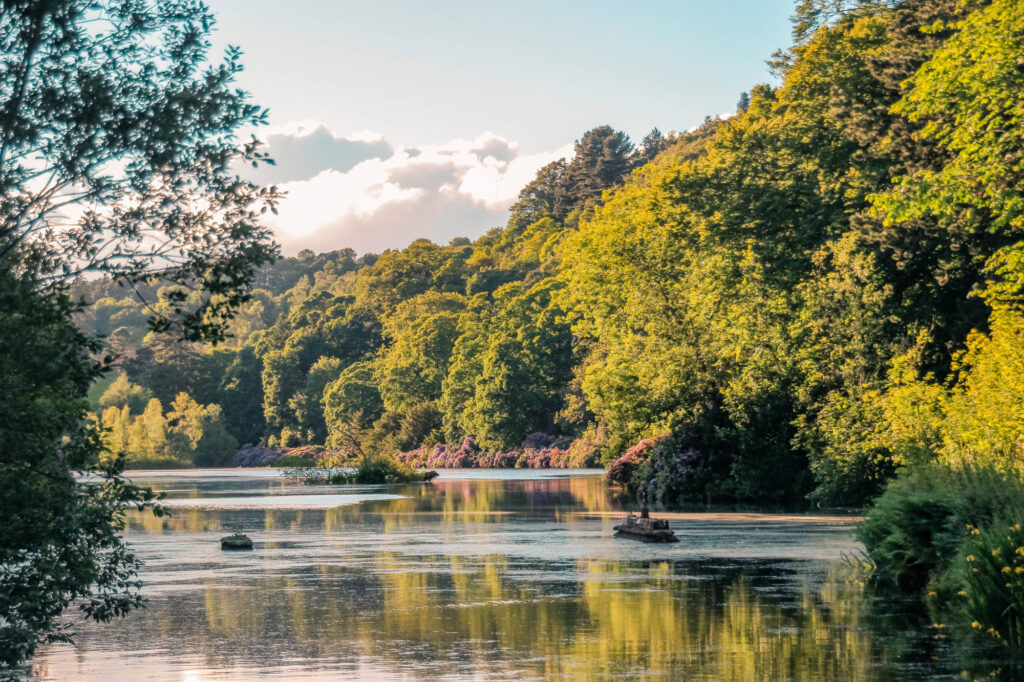
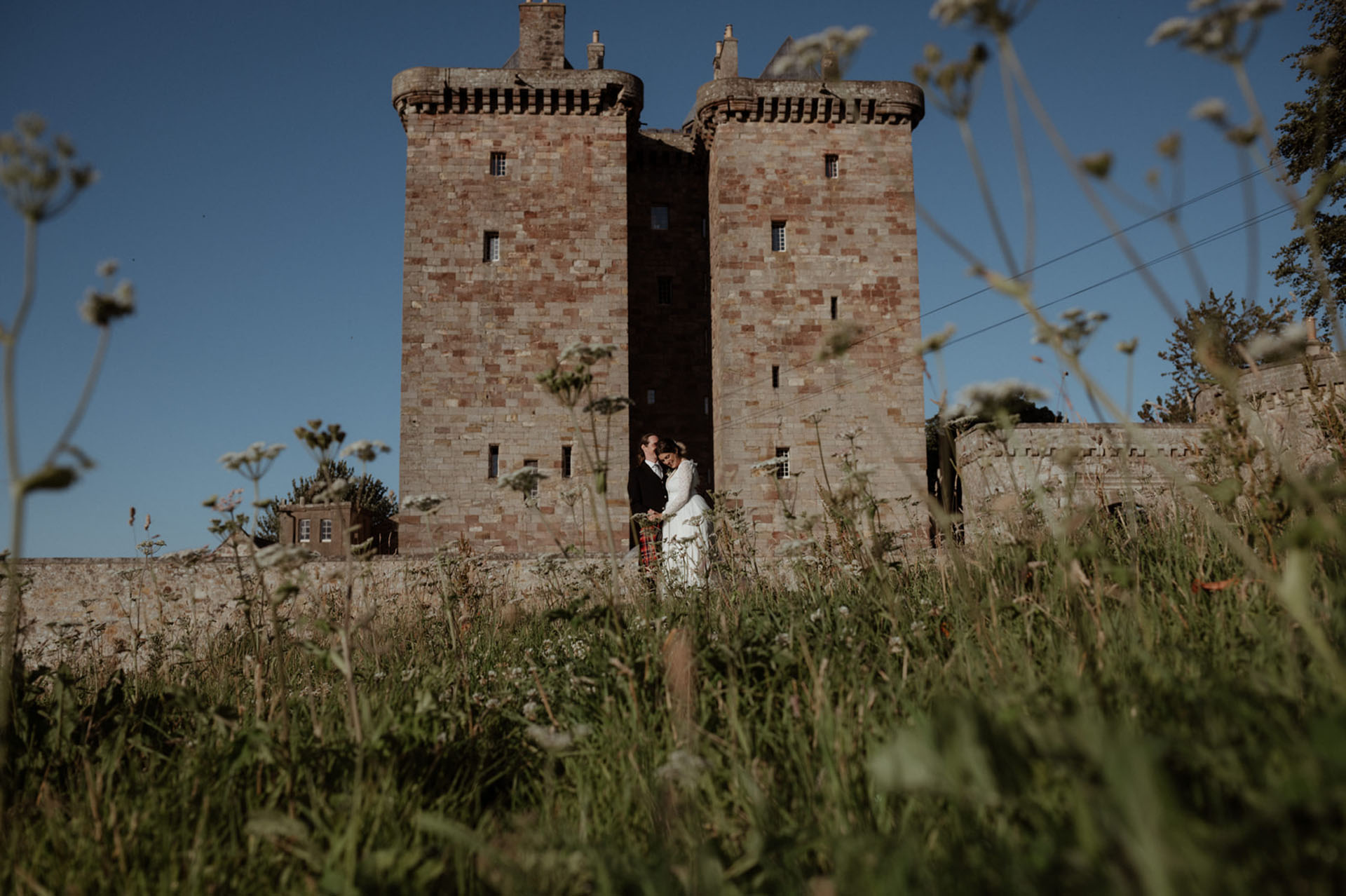
The tower is 74 feet long, 68 feet wide and 90 feet from the ground to the battlements, with walls up to 14 feet thick, on a site that falls steeply away on three sides, guarding the old road south from Edinburgh to the Borders. In plan it is a U: a main block of three storeys over a basement, between two wings of six, all within an outer curtain wall. Historic Environment Scotland lists it at Category A with its outer walls and gatehouse, and describes it as an extremely good example of a complete 15th century Scottish keep. Sir Walter Scott, writing in 1824, judged Borthwick the finest example of the Scottish castle built as a single tower inside an embattled wall.
The summer of 1567
Mary had visited Borthwick in August 1563 and October 1566. On 15 May 1567 she married James Hepburn, Earl of Bothwell, the chief suspect in the murder of her second husband, Lord Darnley, and in June the couple left Holyrood for Borthwick as guests of Lord Borthwick. On 11 June a party of nobles arrived with around a thousand horsemen. Bothwell had been warned and rode for Dunbar with a few attendants. When word came that Edinburgh would not oppose the lords, Mary left in the clothes of a page, took a path through the glen and met Bothwell at Black Castle. Four days later the two faced the lords at Carberry Hill, where she was taken and sent to captivity at Lochleven.
Cromwell’s cannon and two restorations
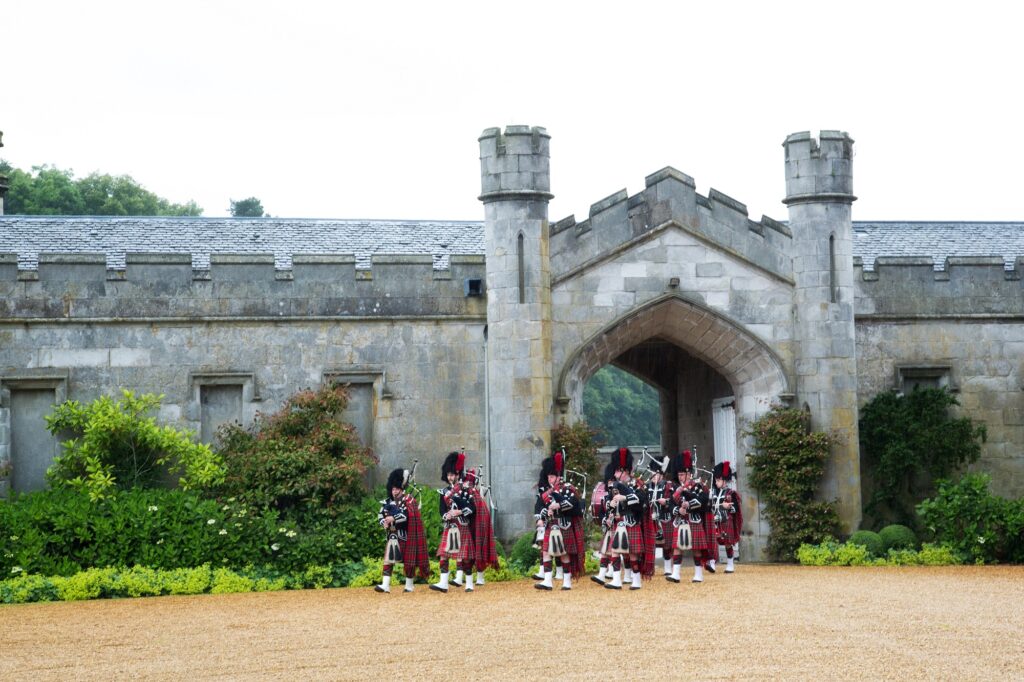
In 1650, with Oliver Cromwell’s army marching on Edinburgh, the tenth Lord Borthwick was ordered out of his castle. He refused, the castle surrendered after a few cannon shots, and the deep scar in the east wall is attributed to that bombardment. No Borthwick lived here again until J. Borthwick of Crookston bought the castle back in 1810. Restoration came at the end of the 19th century: around 1892 the outer walls and gatehouse were restored and the old gate, too low for modern vehicles, was replaced; cars now drive through to park in the courtyard inside the curtain wall. A major renovation followed in 1913, the year recorded on the armorial shield above the Great Hall fireplace.
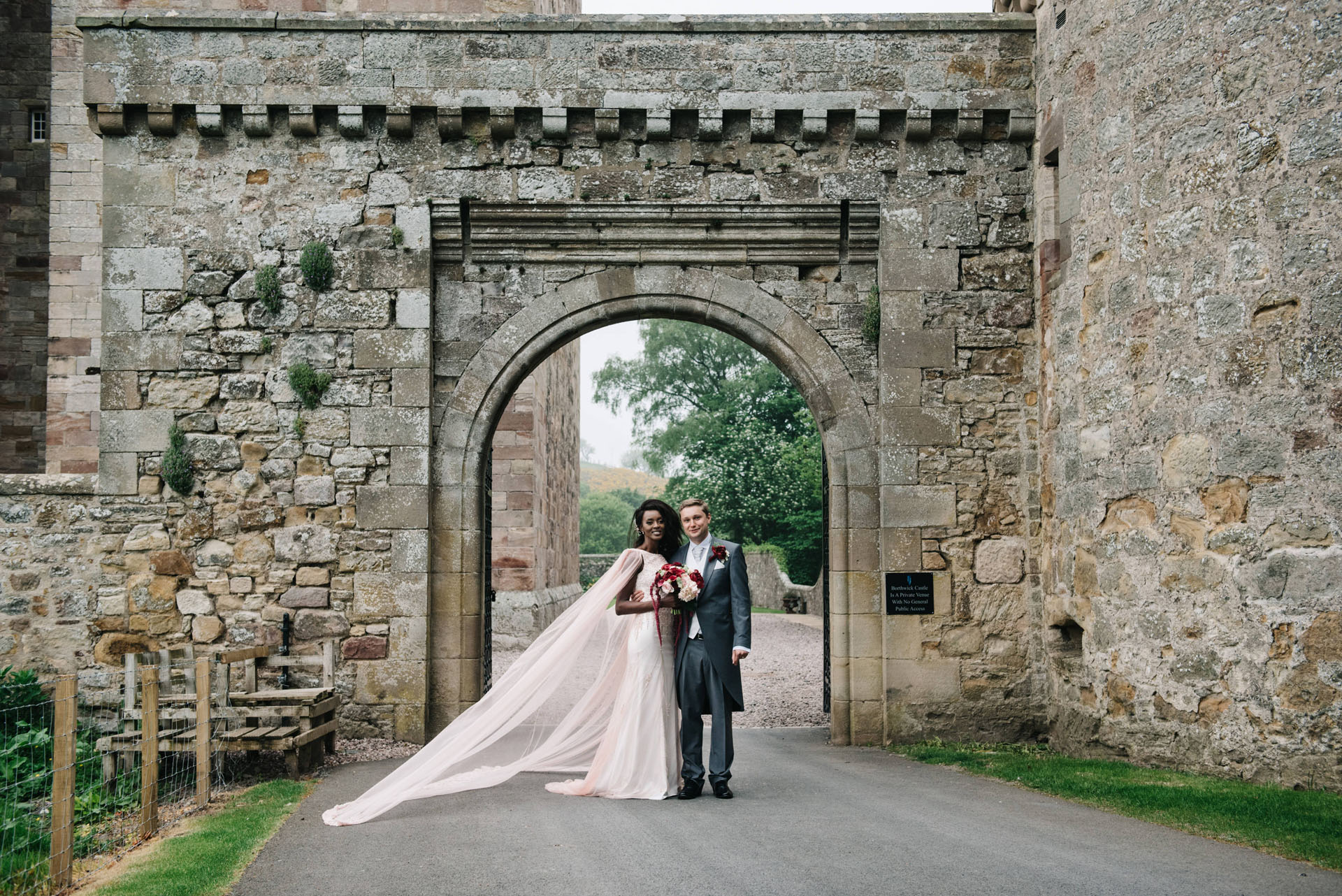
During the Second World War it held the nation’s treasures in safe keeping, and from 1973 it ran as a conference centre and then a hotel. In 2013, a hundred years after the last renovation, it closed for an overhaul that replaced the wiring, plumbing, roofing, drainage, kitchens and all eleven bathrooms, and it reopened for events in September 2015. Heat and hot water now come from a biomass boiler burning local wood chips.
Vows at the top of the keep
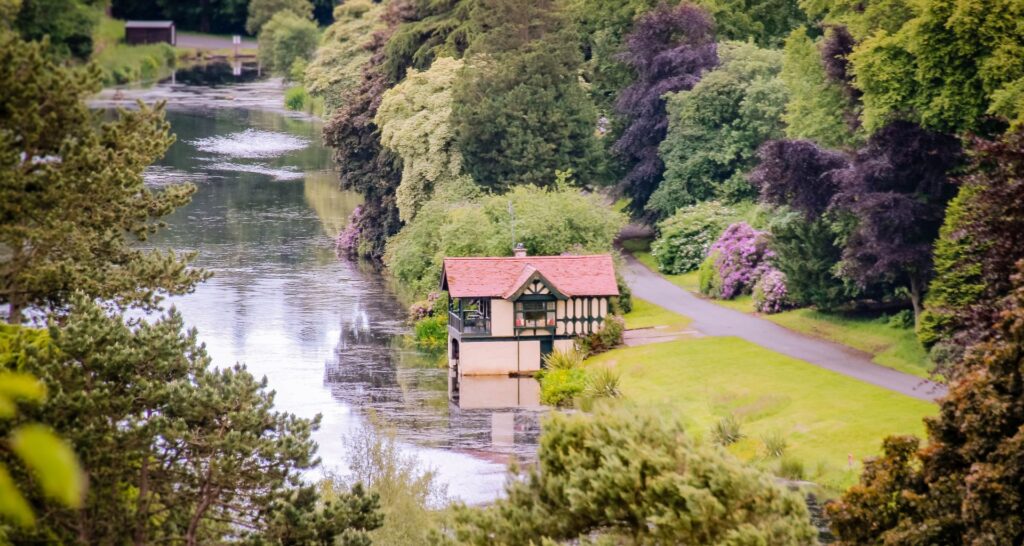
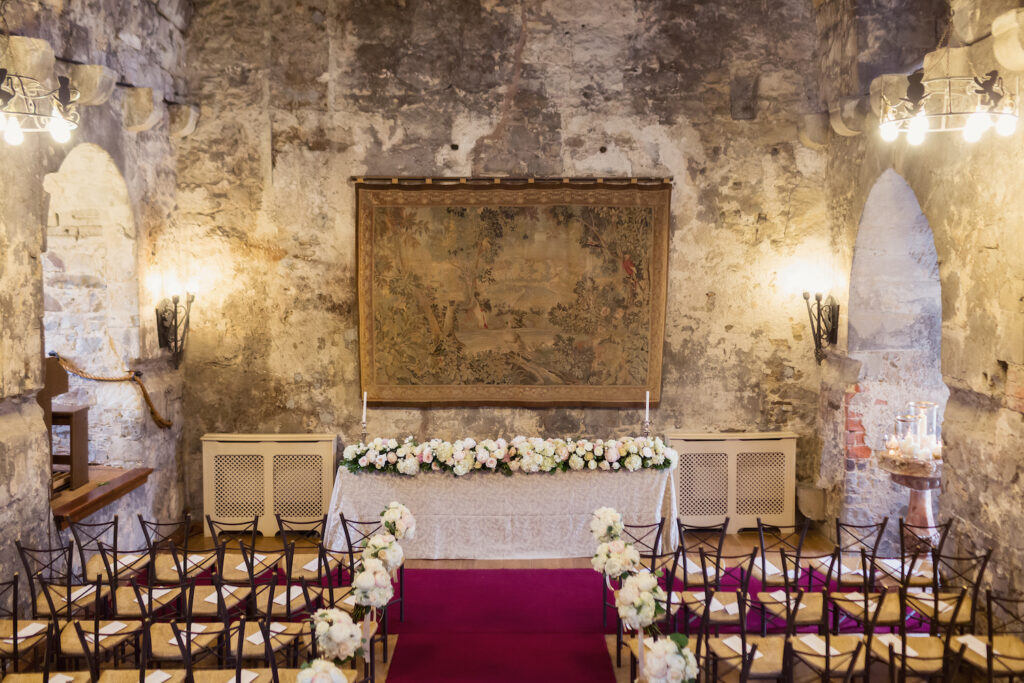
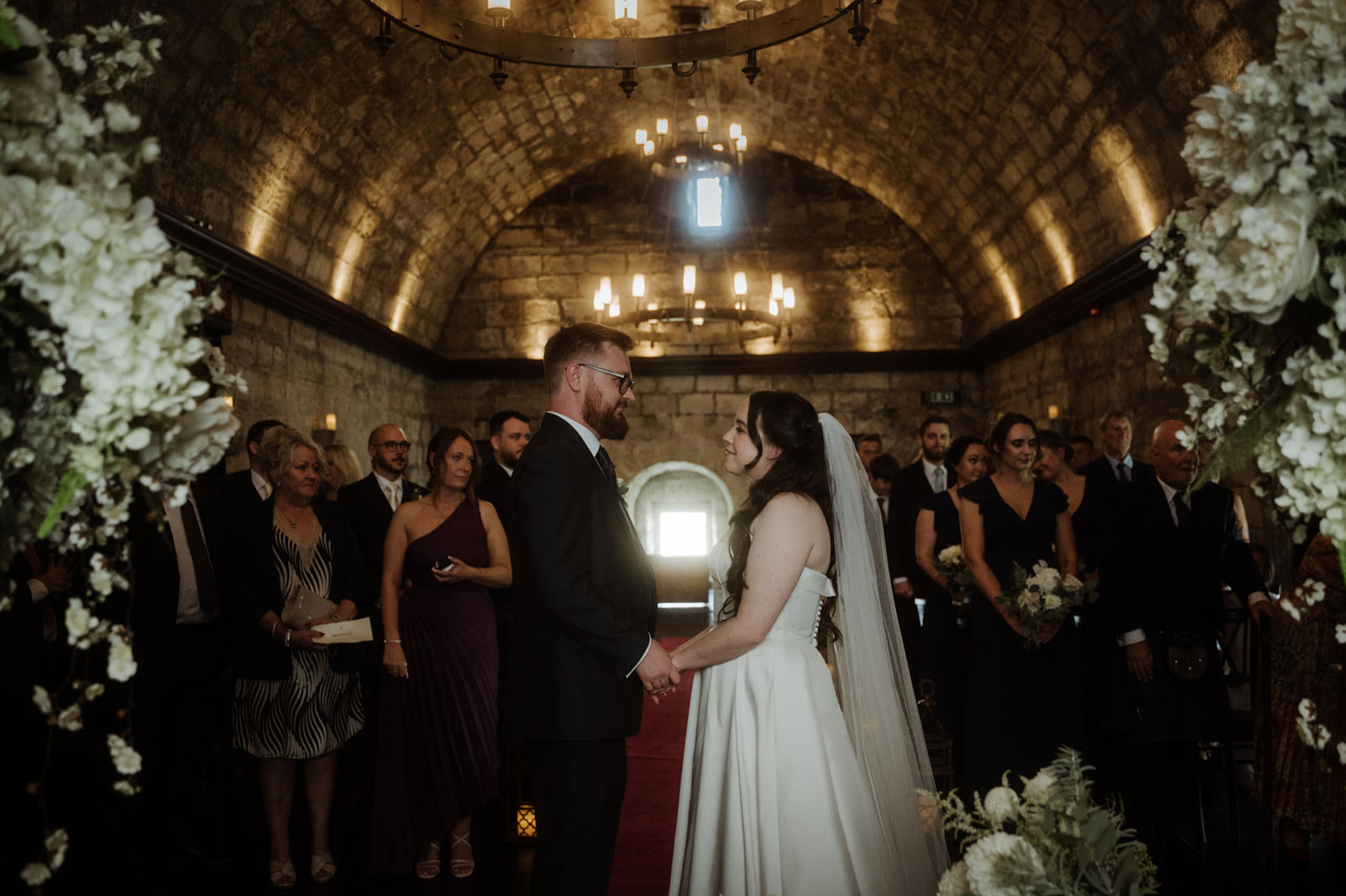
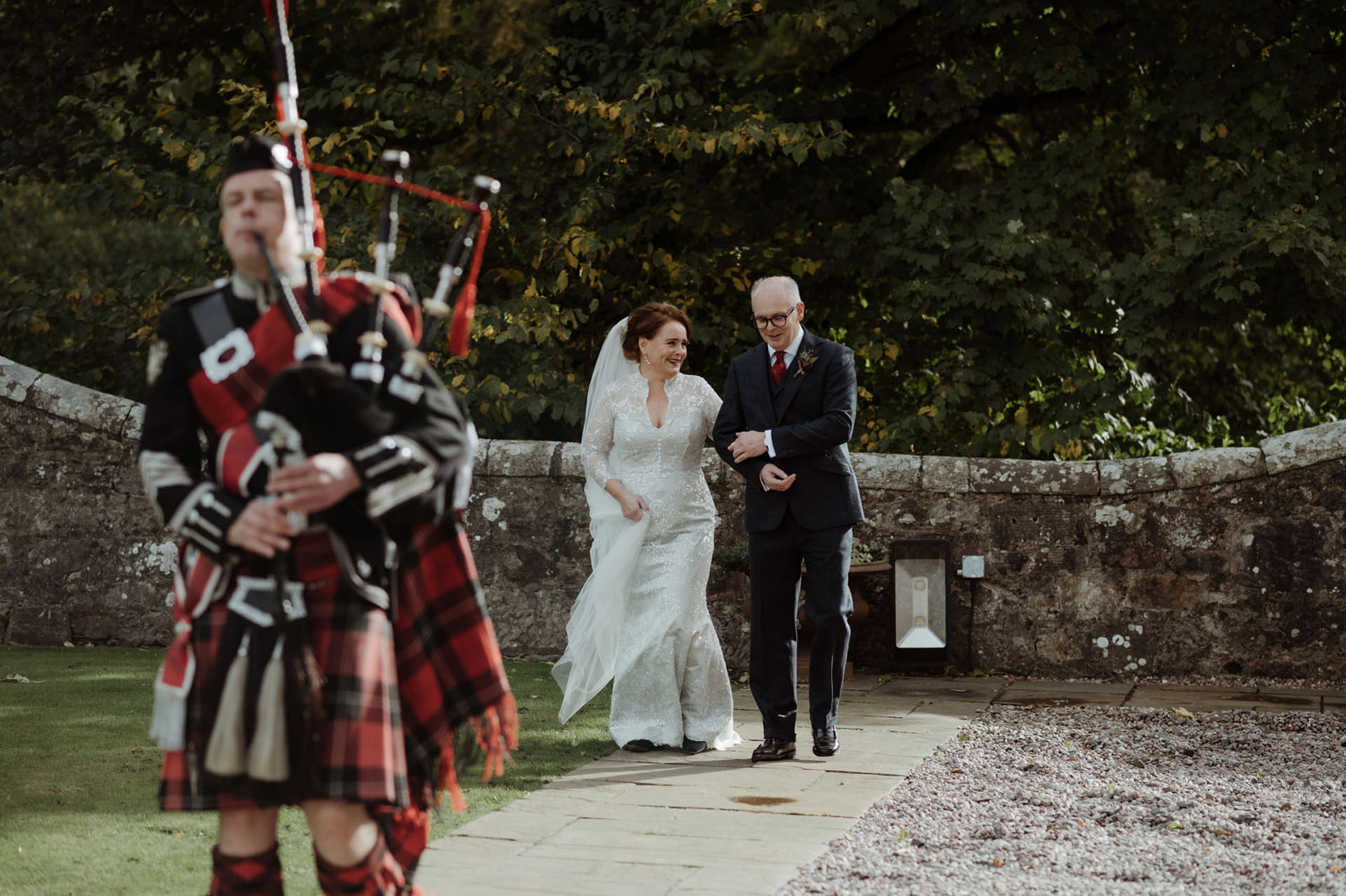
Every wedding is exclusive use: one party has the whole castle, its three reception rooms and its grounds. Ceremonies take place in the Garrison, the stone vaulted room on the top floor, which takes up to 80 guests and has candle chandeliers, a log burner and views over the countryside. The Great Hall can hold the ceremony instead, and couples can also marry outdoors in the grounds. The bridal party gets ready in the Gatehouse, a self contained suite in the grounds that becomes the couple’s bridal suite at the end of the night.
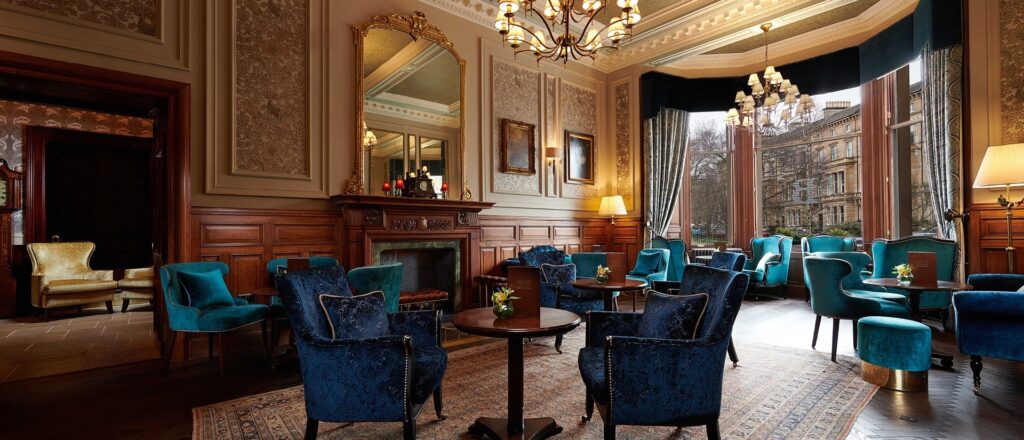
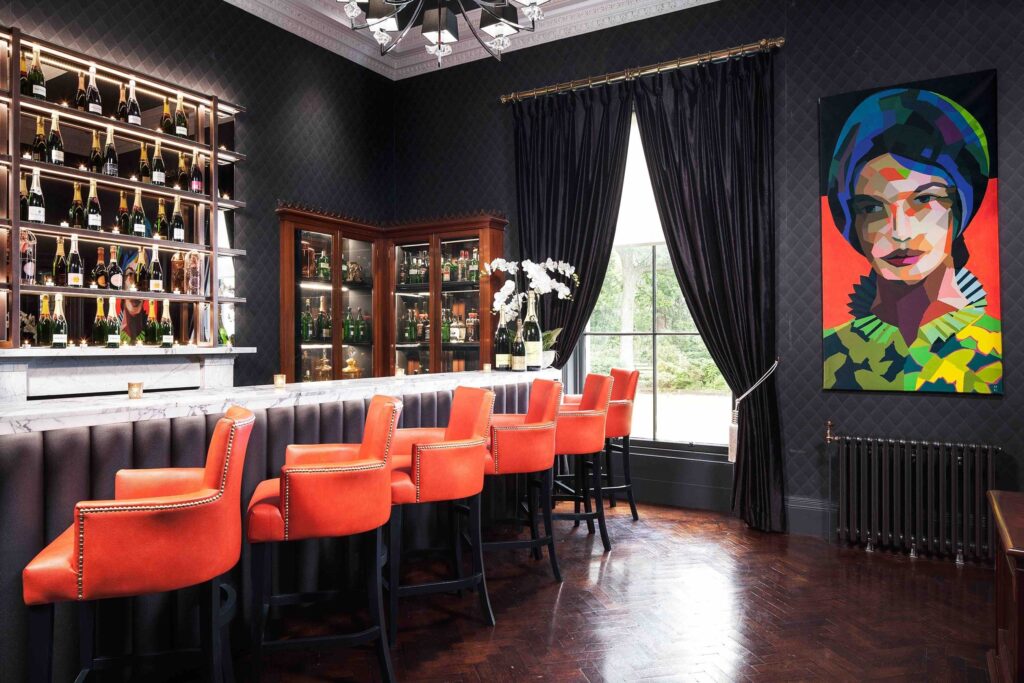
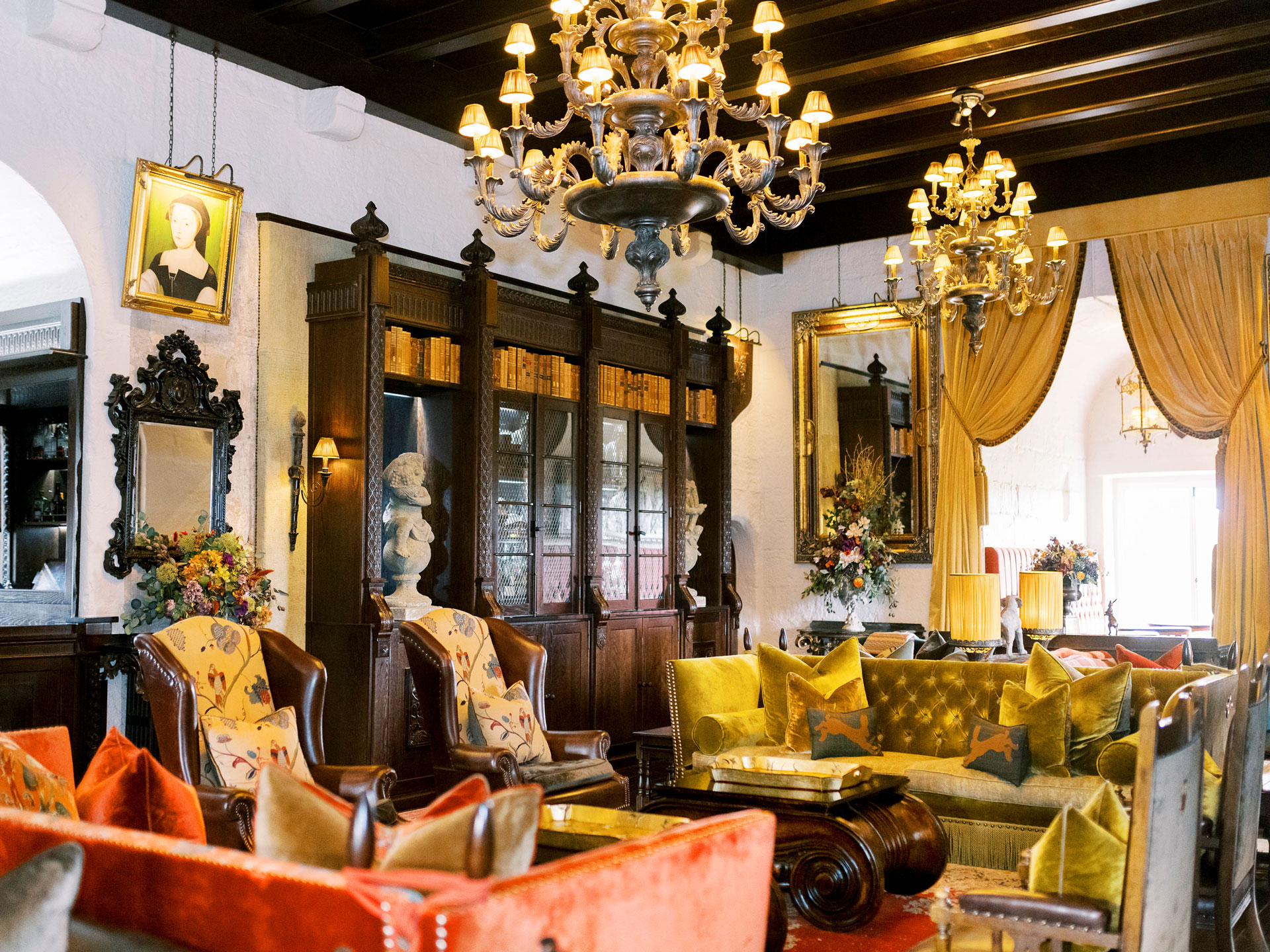
After the vows, guests come down to the State Room, the castle’s principal lounge, with a drinks bar, a large fireplace and room for 40. Drinks and canapés are served here, and the drinks reception can also move out into the grounds.
Dinner under the pointed vault
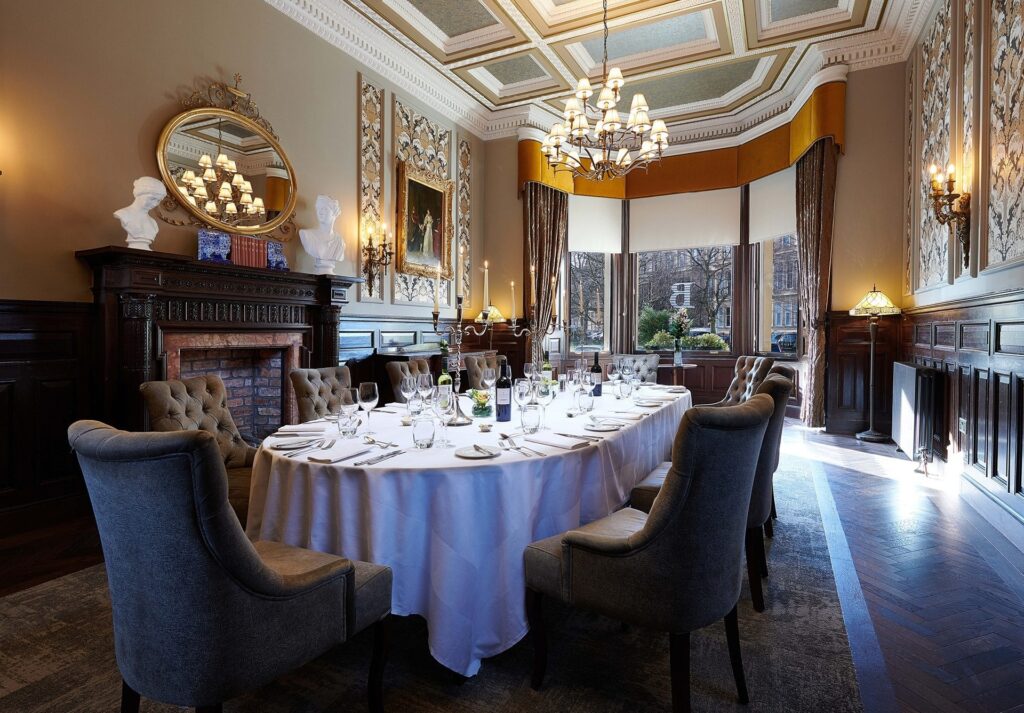
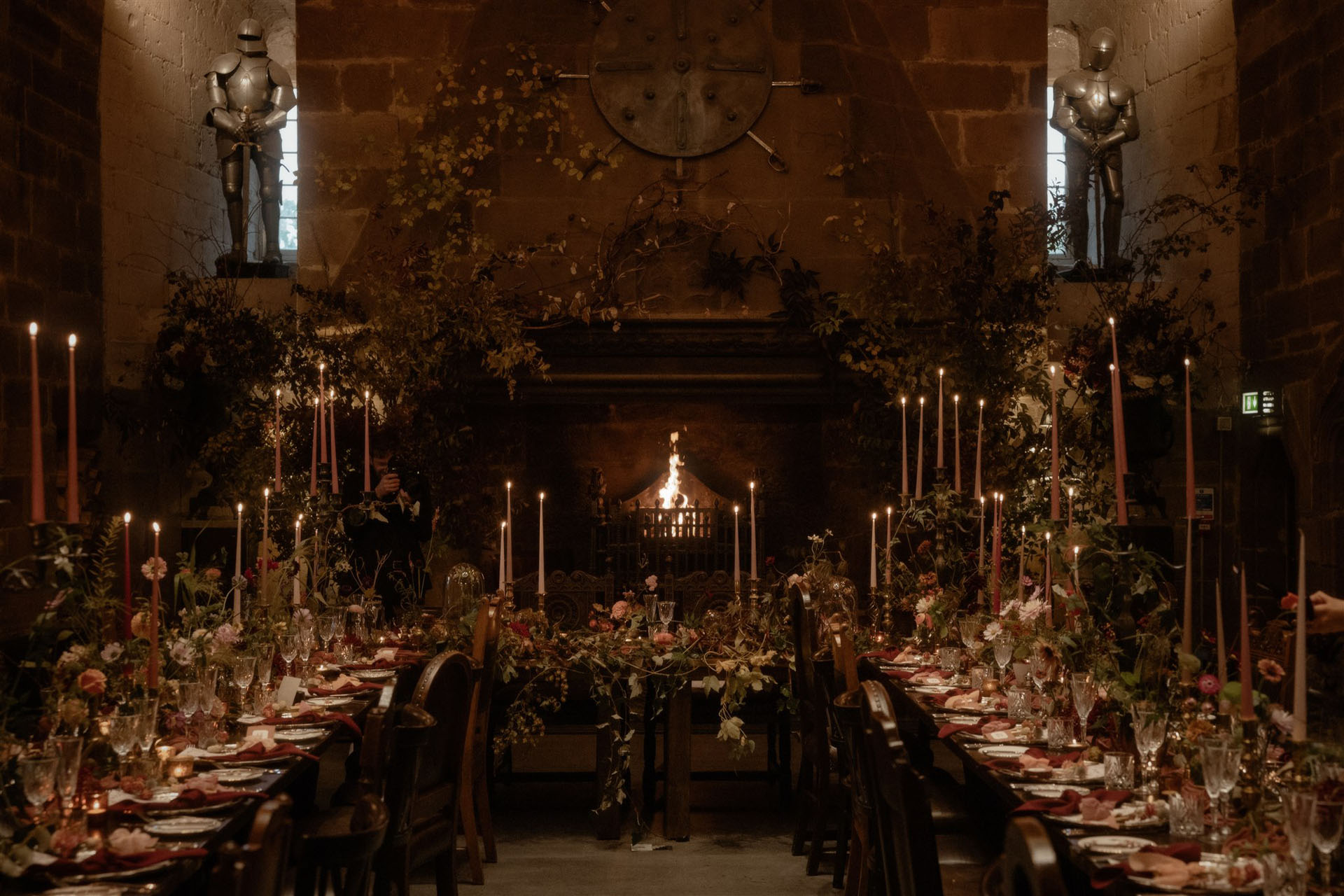
The Great Hall is on the first floor, reached through the castle’s principal door at the head of an outside stone stair. It is 40 feet long under a high pointed stone vault, with a music gallery at one end, and it seats 70 for the wedding breakfast. A 15th century wall piscina with a carved canopy survives at the north end, and the great fireplace has a lintel carried on paired columns. The walls and vault were once plastered and painted with allegorical scenes and inscriptions, among them “ye tempil of honour”; the paintings have gone, and the room is now lit by candles, iron chandeliers and the fire.
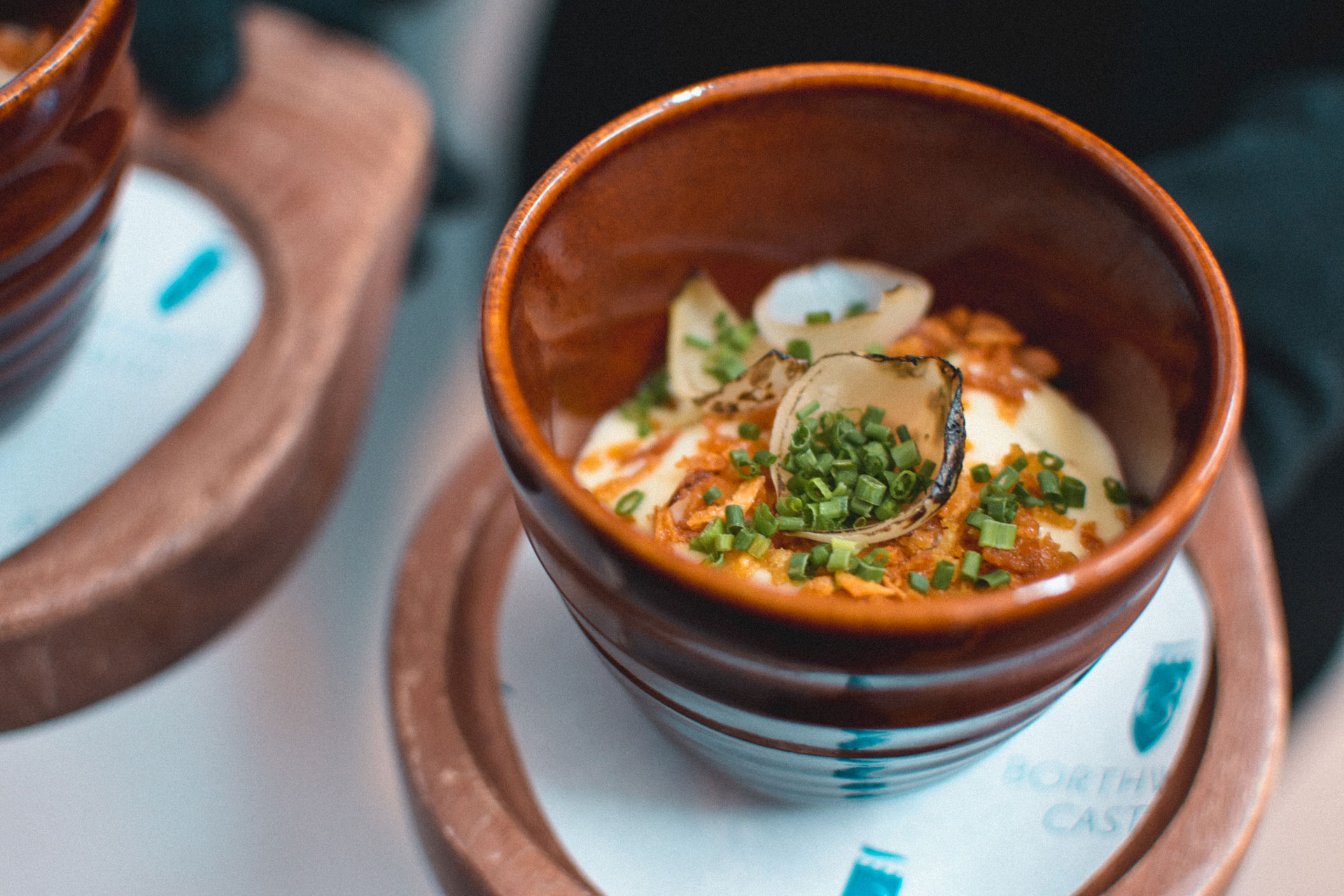
Catering is in house, led by head chef Craig Gibb, who began cooking in 1998 and has worked in Scotland, New Zealand and Jersey, including spells in Michelin starred kitchens. His cooking is Scottish and modern British, built on local produce, and there are no set menus: each couple plans a seasonal menu with the kitchen. Dinner can be seated or served as a buffet, and corkage is permitted for drinks a couple brings.
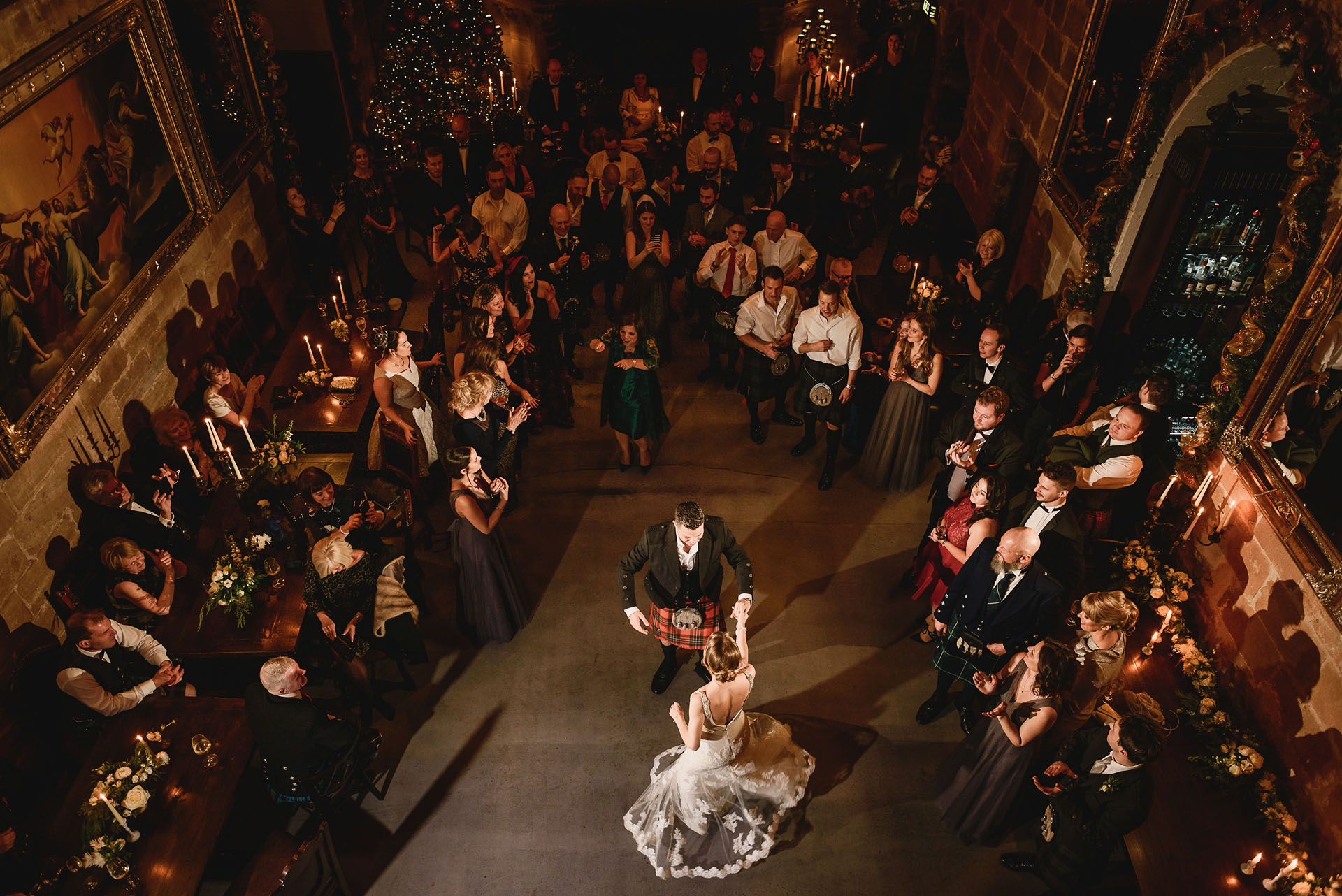
When dinner ends the hall becomes the dance floor, for a ceilidh or a party planned around the couple, and it can run on into the small hours. Guests who are staying can finish with a dram by one of the fires, and breakfast is served in the Great Hall the next morning.
A wedding that runs to a week
A celebration here can stretch across several days. The actor Graham McTavish first found Borthwick as a place for his 60th birthday; Covid delayed that party by two years, and when he married the author and illustrator Garance Doré here in January 2023, the couple gave a whole week to the wedding and the long delayed birthday.
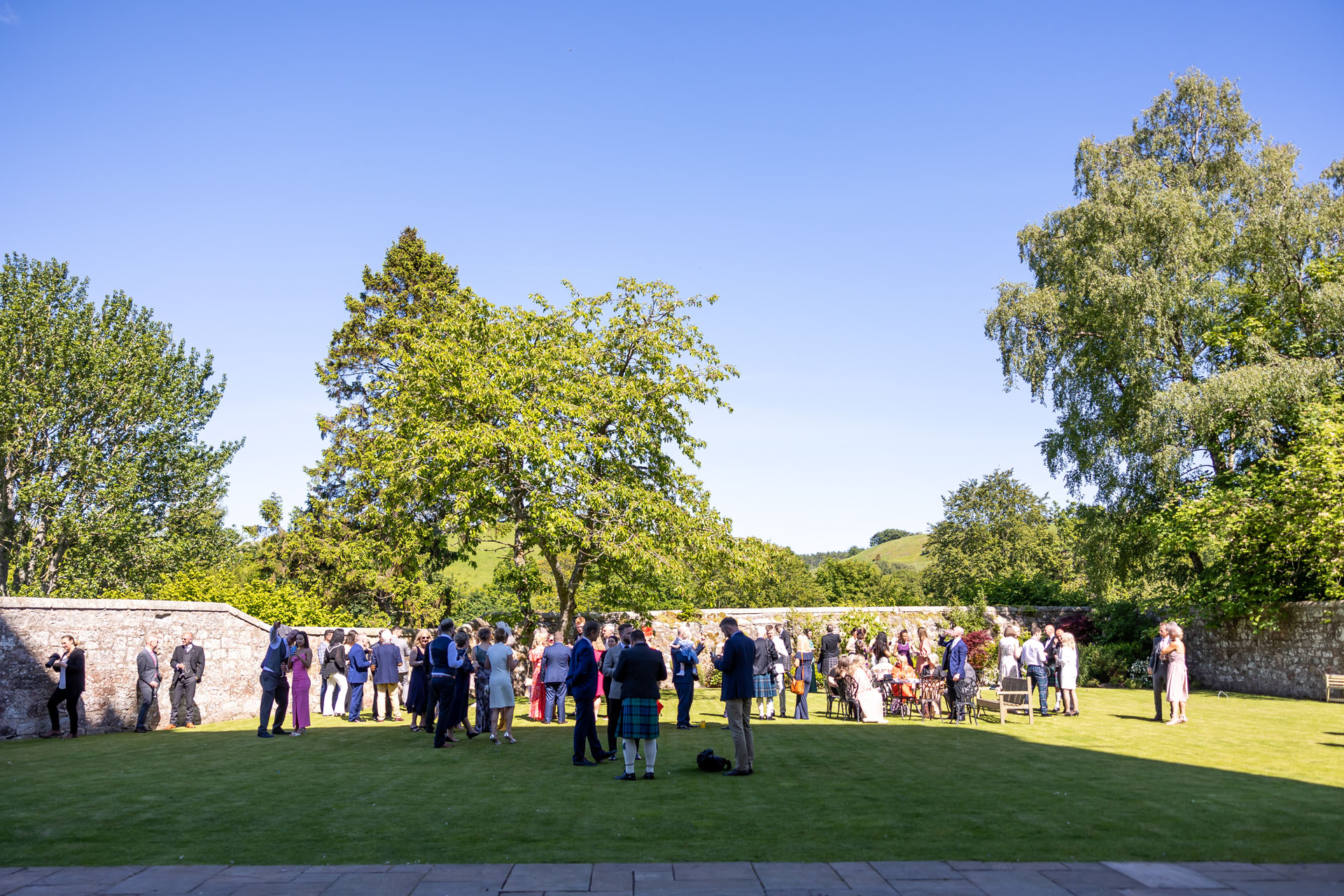
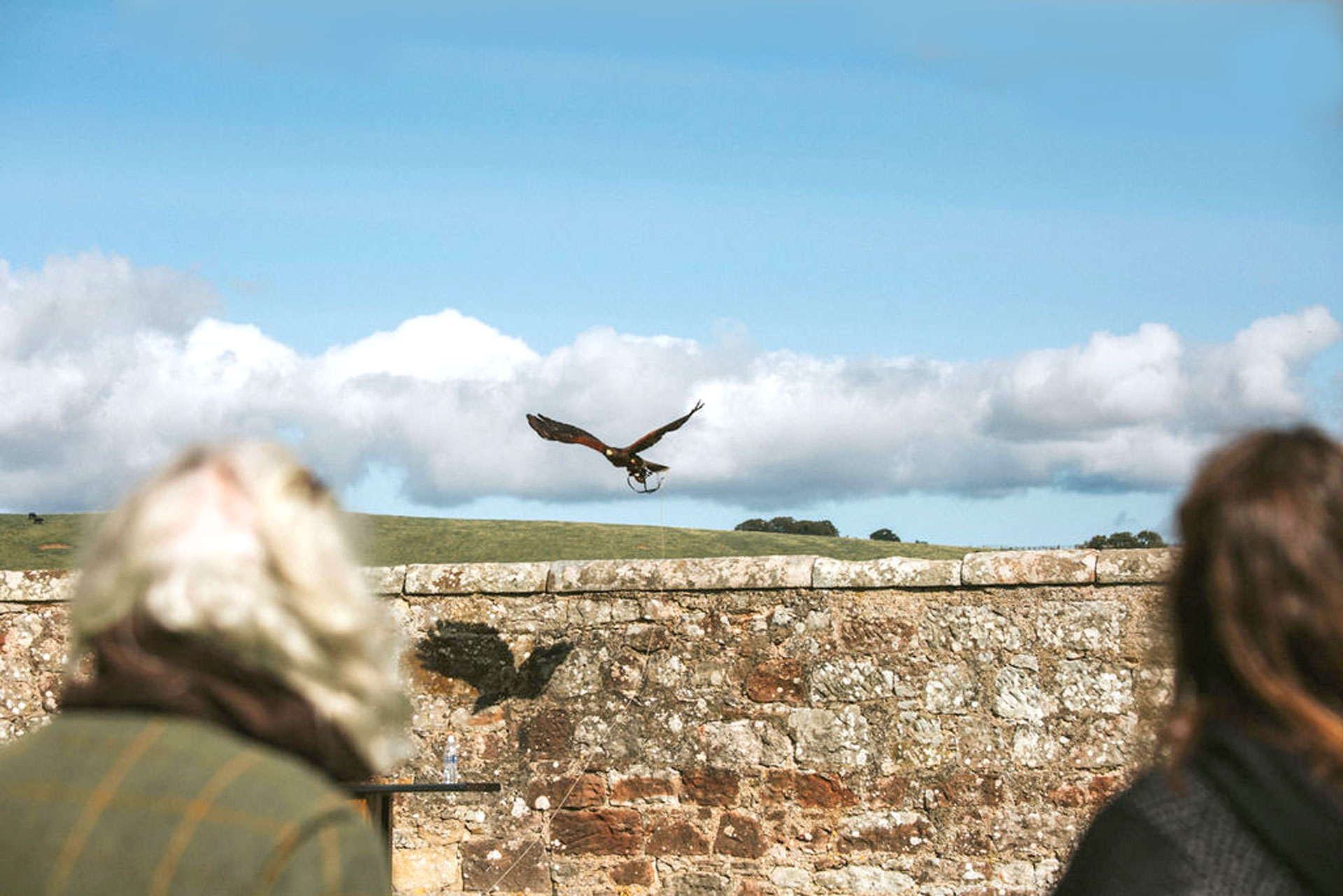
For the days either side, the team can arrange Highland games, archery and falconry at the castle, and the golf courses of East Lothian, the Glenkinchie distillery and Rosslyn Chapel are all within reach.
Bedchambers up the spiral stairs
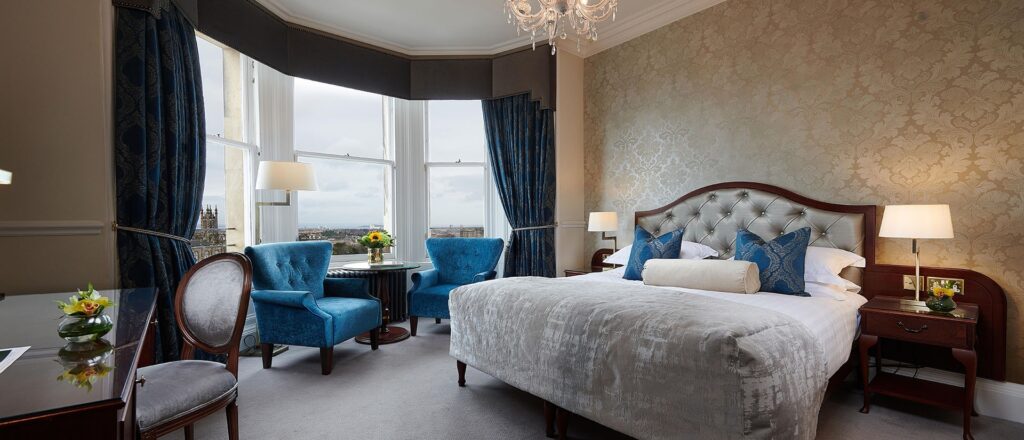
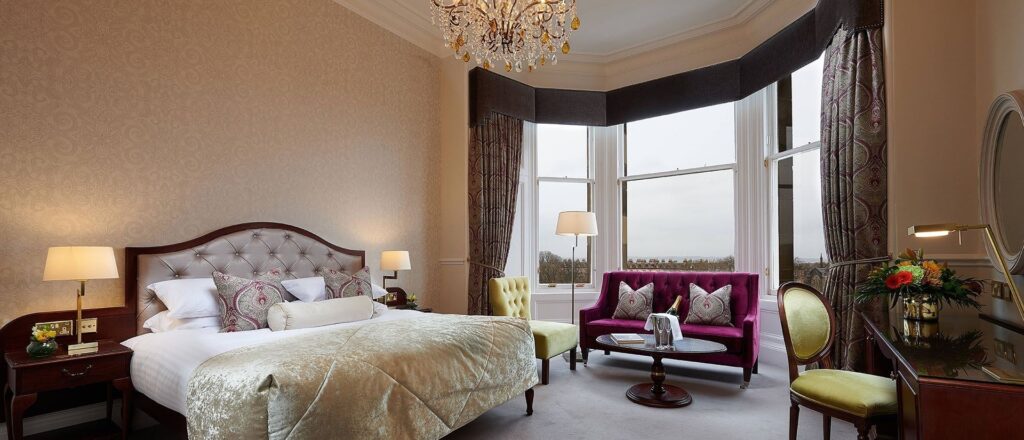
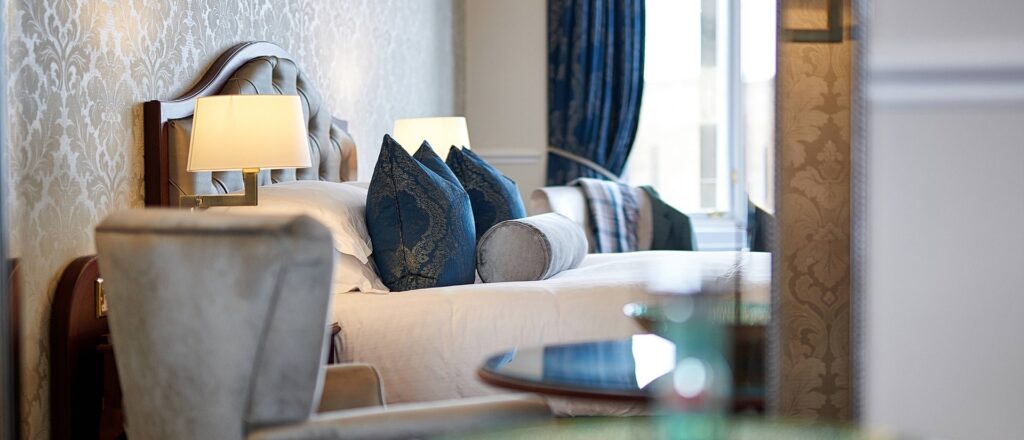
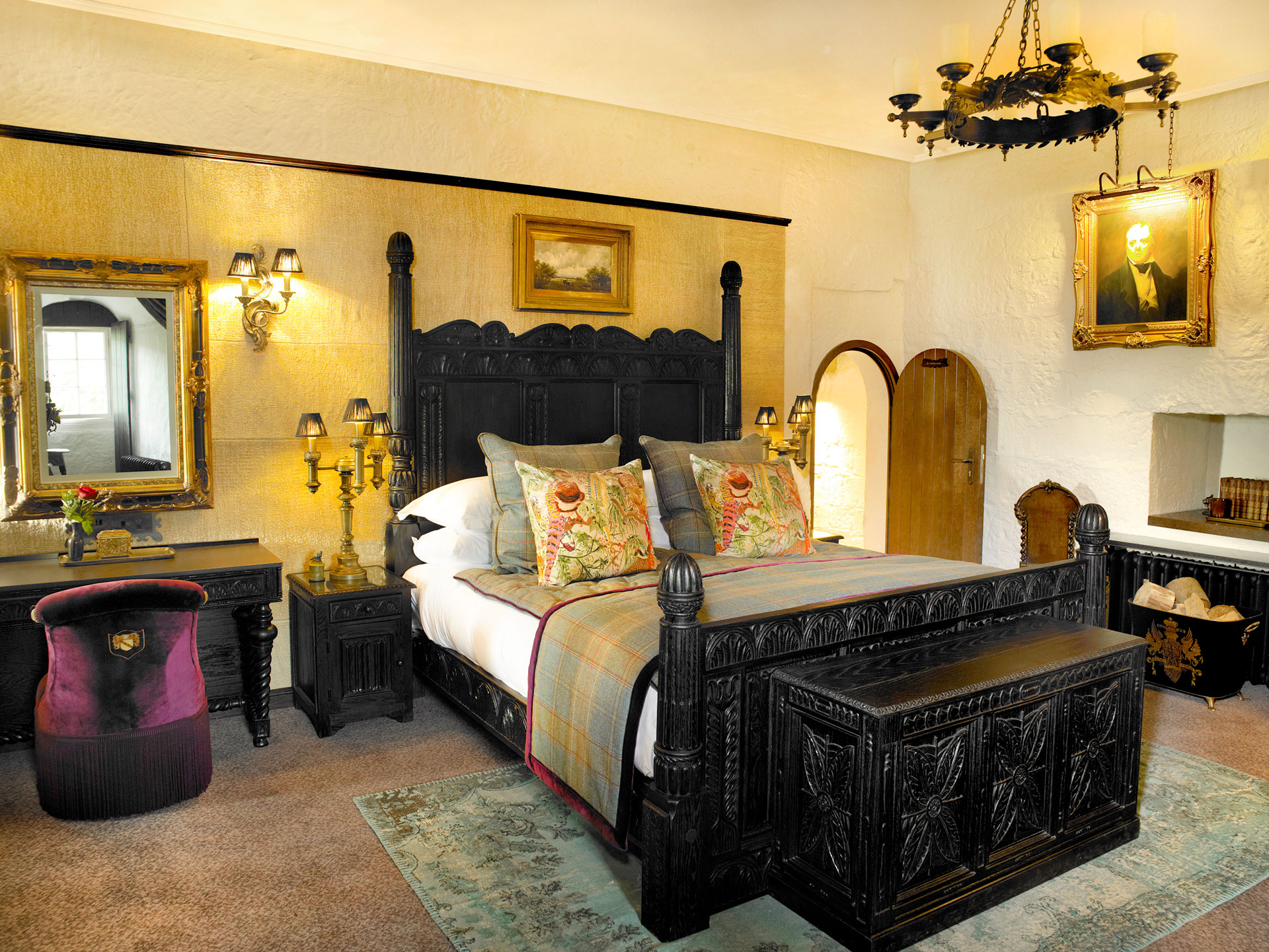
The bedrooms are spread through the keep, most reached by spiral stairs and some by secret doorways. The Mary, Queen of Scots bedchamber, midway up the south stair, has a private door to the State Room and to Mary’s chapel, a canopied oak bed modelled on Stuart royal beds and a large medieval fireplace. The Earl of Bothwell room, at the opposite end of the State Room, has the castle’s only full four poster, a carved copy of the bed of her son, James VI. The Red Rose room keeps the only surviving medieval ceiling mural in the castle, and the Wizard’s Tower, the highest and most private room, is reached only by a reopened secret staircase past the minstrels’ gallery.
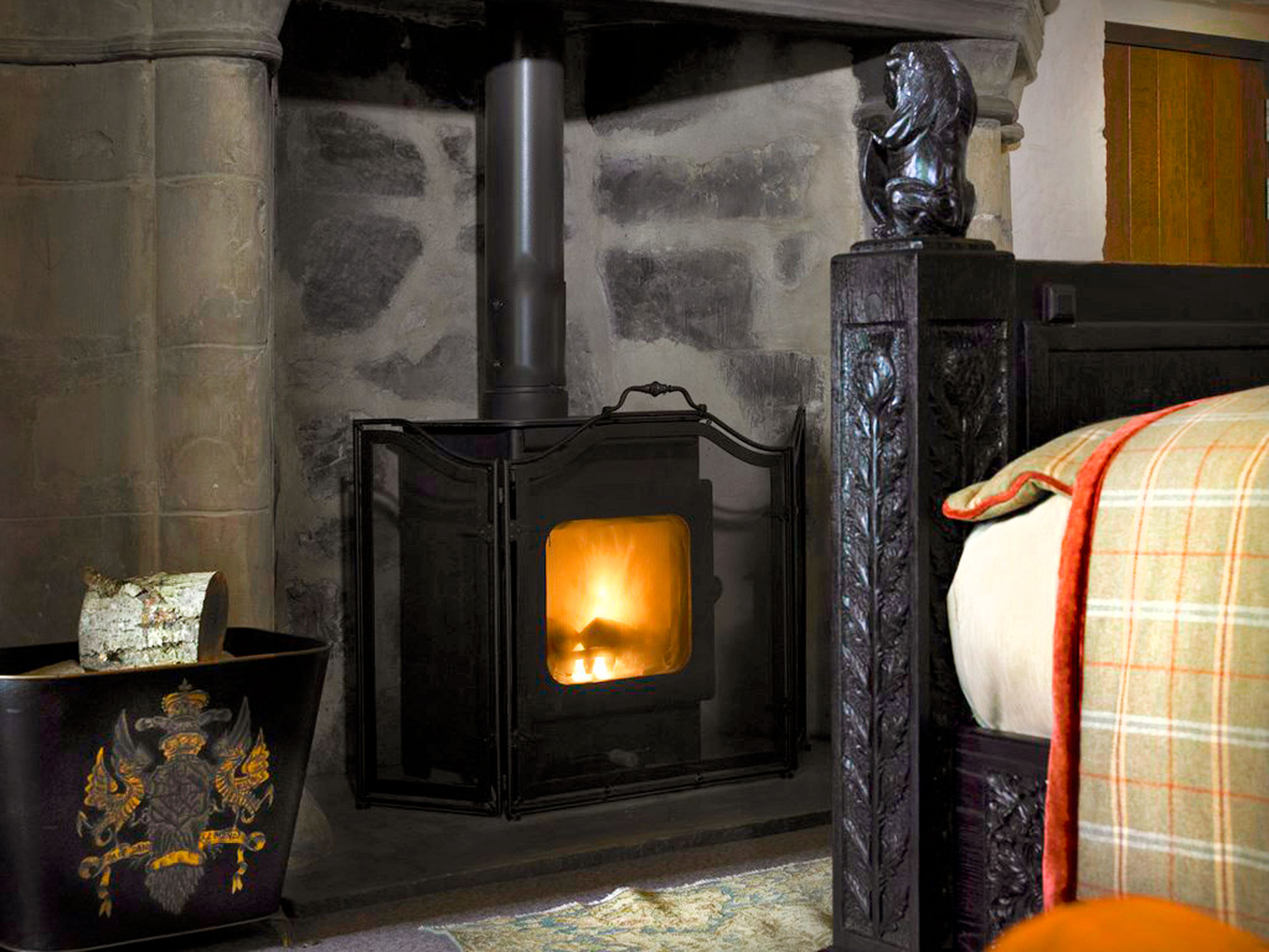
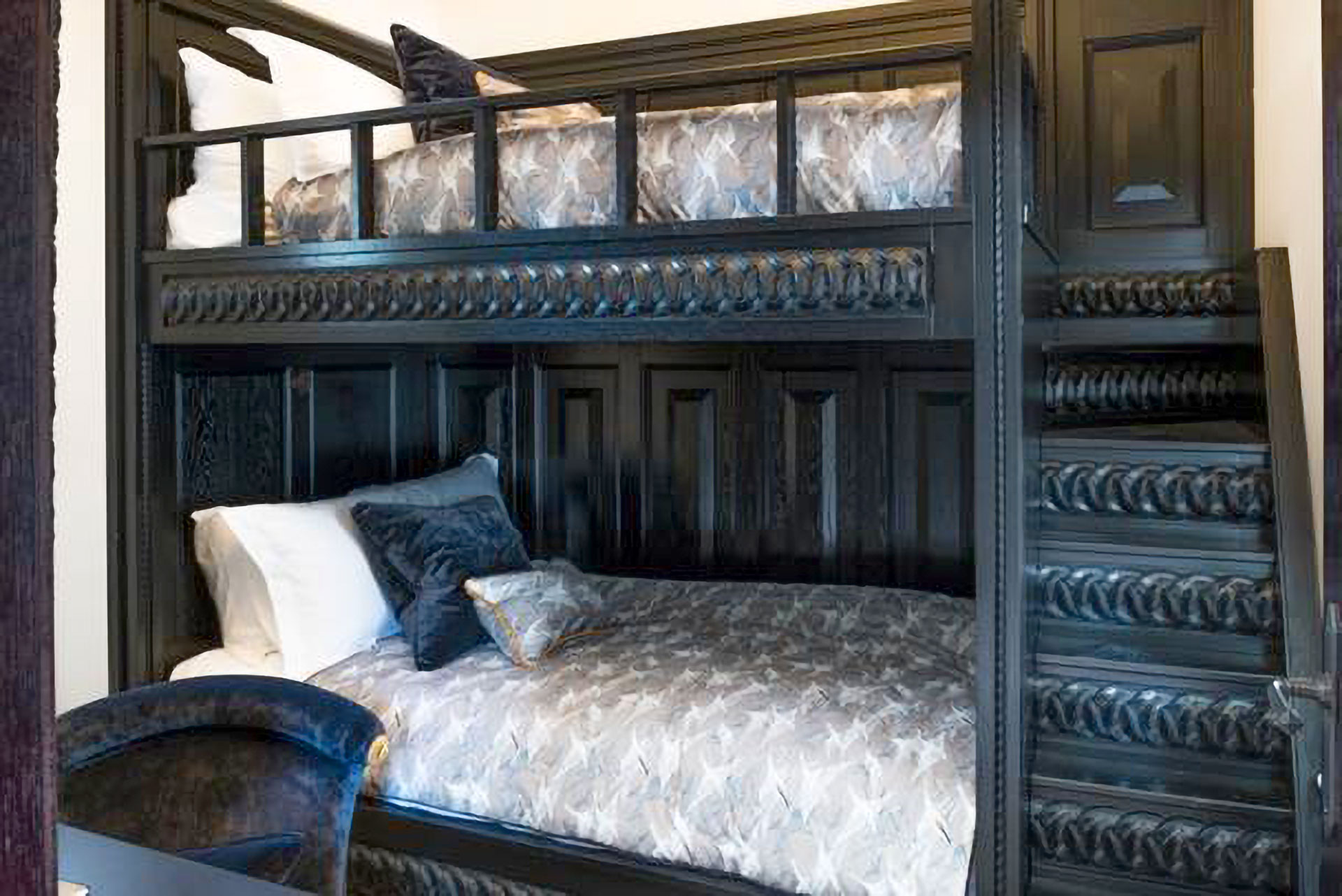
The Sir Walter Scott room has a hand carved copy of Scott’s own bed, and the Oliver Cromwell room, down a winding stair beneath the Great Hall, a copy of Cromwell’s bed carved with his coat of arms. In the grounds, the Gatehouse was refitted in 2016 around a copy of the marriage bed of Henry VII and Elizabeth of York, with a log burner and a roll top bath. Crookston Cottage, built in 1911, has a double room and a twin with carved bunk beds. Together the bedrooms sleep 28.
North Middleton lies a few minutes off the A7, and Edinburgh Airport is around 35 minutes away; the castle can arrange private transfers from the airport and from the city. The Borders Railway runs from Edinburgh Waverley to Gorebridge, under two miles away as the crow flies. Exclusive use of the castle starts from £11,000 a night, with the wedding catering charged on top.
For more castle weddings, read our Edits on Leeds Castle, Amberley Castle and Clearwell Castle, or our 40 castle wedding venues in the UK, and browse wedding venues in Midlothian, Edinburgh and the United Kingdom Wedding Atlas.
A keep sized for seventy
The guest list decides whether Borthwick is the right castle. The Garrison takes 80 for the vows and the Great Hall seats 70 for dinner, so a wedding within those numbers can marry, dine and dance inside a single 15th century tower, with 28 of the party sleeping at the castle. Read the Borthwick Castle profile and check your date.