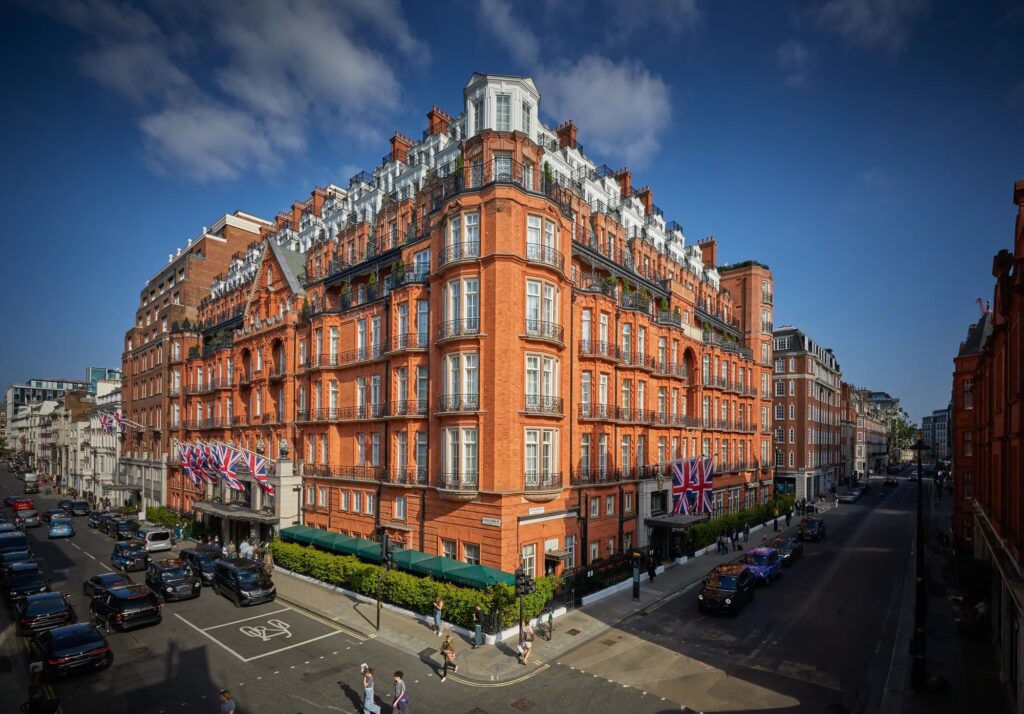
In 1929 Queen Mary laid the foundation stone of a new club on Great Russell Street for the Young Women’s Christian Association. Its architect was Sir Edwin Lutyens, who five years earlier had completed the dolls’ house made for the Queen that is still on show at Windsor Castle. The club was built as a home and meeting place for young working women in London. Today it is The Bloomsbury, a hotel where couples can marry in a library of first editions or in the hall that carries the Queen’s name, then hold the wedding breakfast in a room named after her husband, King George V.

“London, stand by your girls”
The idea came from abroad. In 1923 a YWCA official visiting from Australia found that London had nothing to match the association’s centres in Australia, Canada and the United States, and a public appeal followed. Buses and shop windows carried the slogan “London, stand by your girls”, the Duchess of York became the project’s patron, and money came from benefactors large and small. The Duchess of York, who had backed the appeal, formally opened the finished club.
The ambition went well beyond a hostel. Fundraising reached the top of London society, and the building was finished to a far higher standard than an ordinary YWCA. A swimming pool followed in the basement, opened by the Duchess of Kent in 1939. Royal patronage did not make the club pay, and it closed in 1998. The building reopened as a hotel in September 2000, and it is now owned and managed by The Doyle Collection, an Irish family-owned hotel group.
Lutyens on Great Russell Street
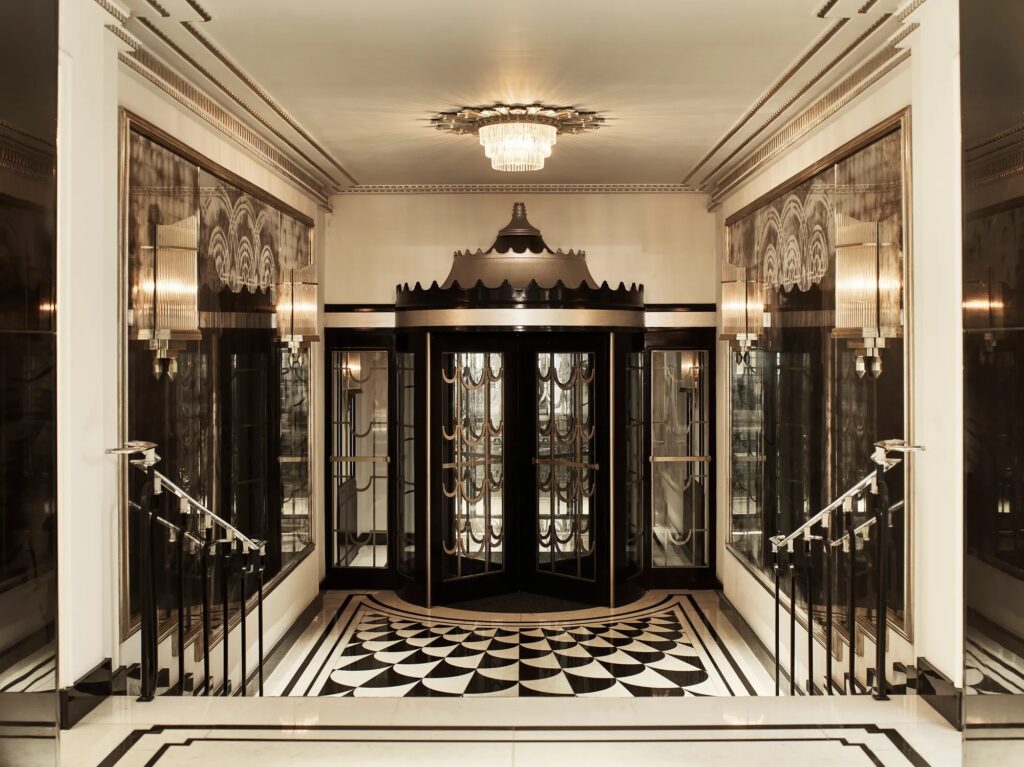
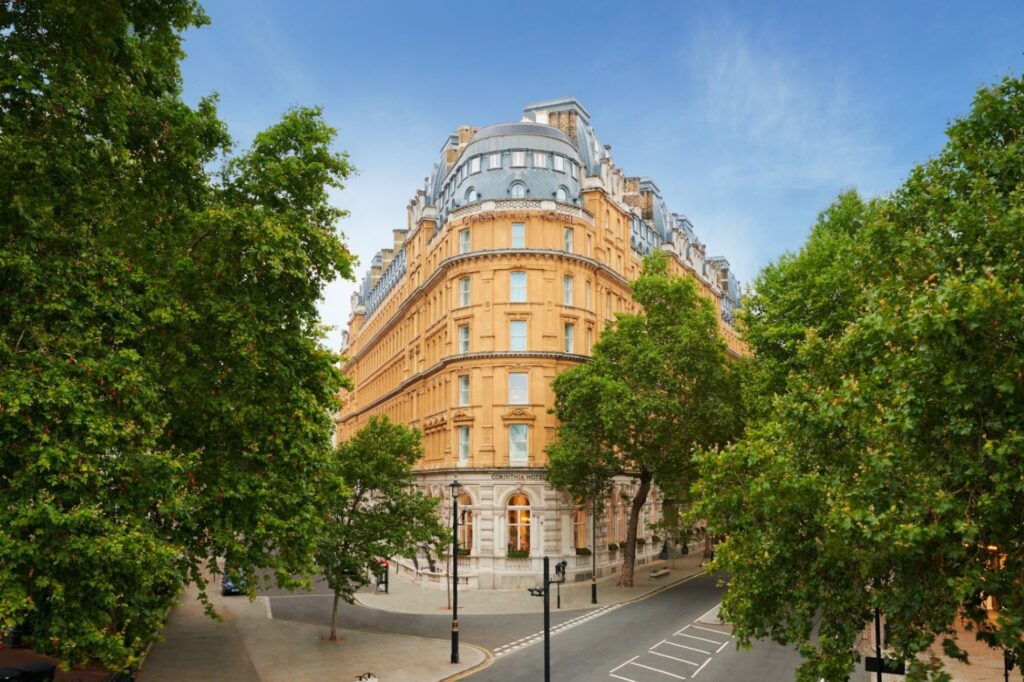
The building dates from 1928 to 1932 and is listed at Grade II as Queen Mary Hall and YWCA Central Club, together with its railings. It is neo-Georgian, in brown brick and stone under a slate roof, four storeys high with an attic and basement. The main entrance has a stone doorcase with Corinthian pilasters and an open segmental pediment dated 1932, reached by a double flight of steps with a wrought-iron balustrade. Martin Lutyens, as chairman of the Lutyens Trust, called it the architect’s finest neo-Georgian building in London.
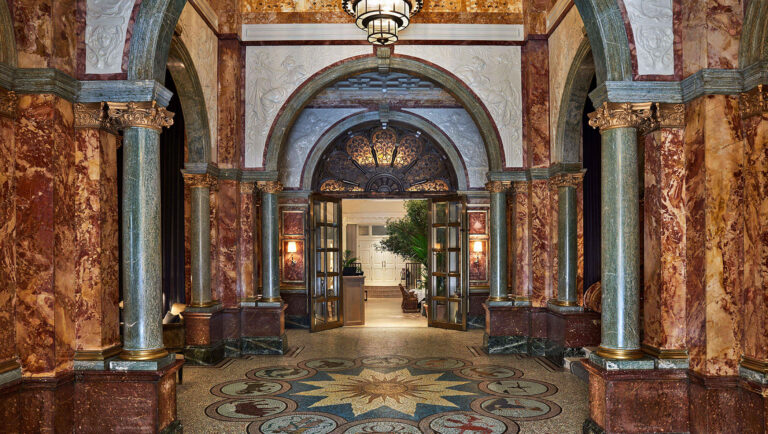
Inside, Lutyens fitted several double-height rooms and the old pool into a complicated sequence of levels that is hard to read from the street. His plan put an entrance hall at the front with a concert room above it, a large hall in the back wing, and a library and chapel on the first floor, the chapel lit from the sides by two half-moon windows. When the building was restored as a hotel, chairs and tables to Lutyens’ own designs were remade by his granddaughters’ company.
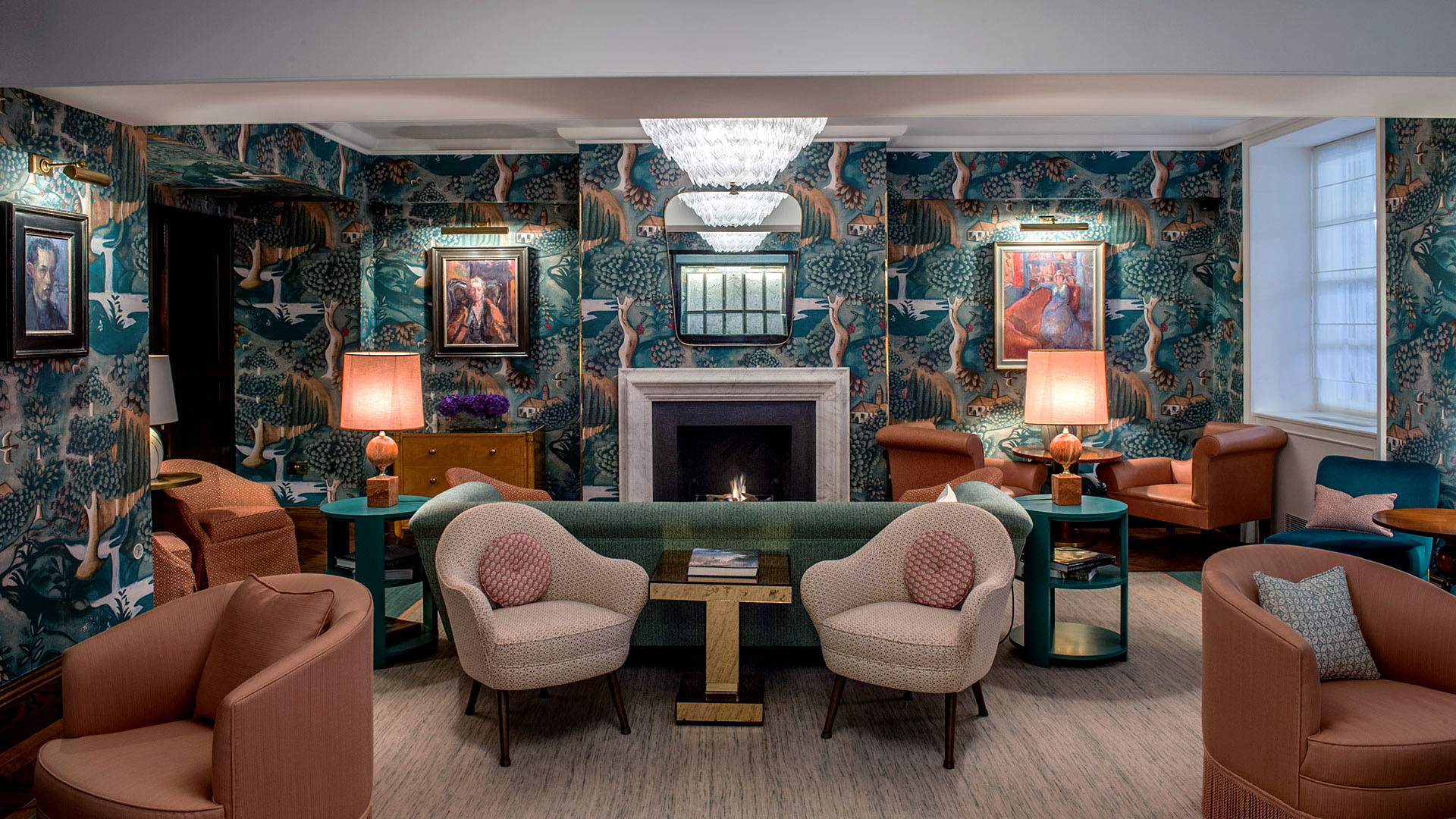
Two rooms licensed for the vows
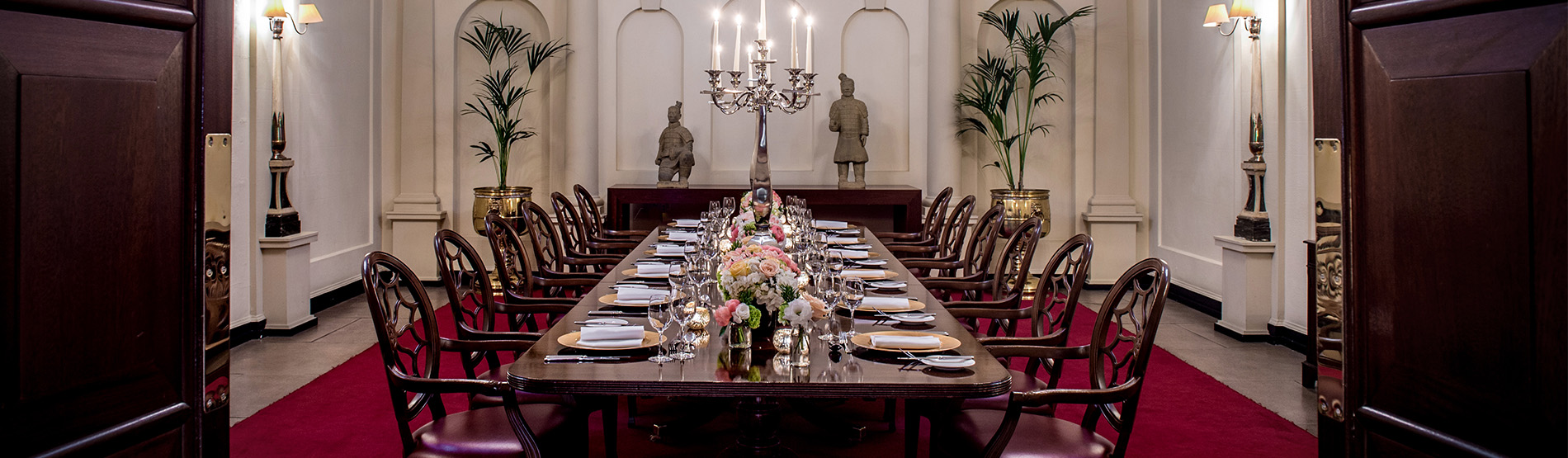
Two rooms are licensed for civil ceremonies, and they suit very different weddings. The Seamus Heaney Library, on the first floor beside the Chapel, seats up to 24. It is wood panelled, with parquet floors, a long oak table and Lutyens-designed spiderback chairs, and its shelves hold hundreds of first editions from the 1930s alongside twentieth century classics. The room is named after the Nobel Prize-winning Irish poet, a regular guest at the hotel, who opened it after its refurbishment in July 2011.
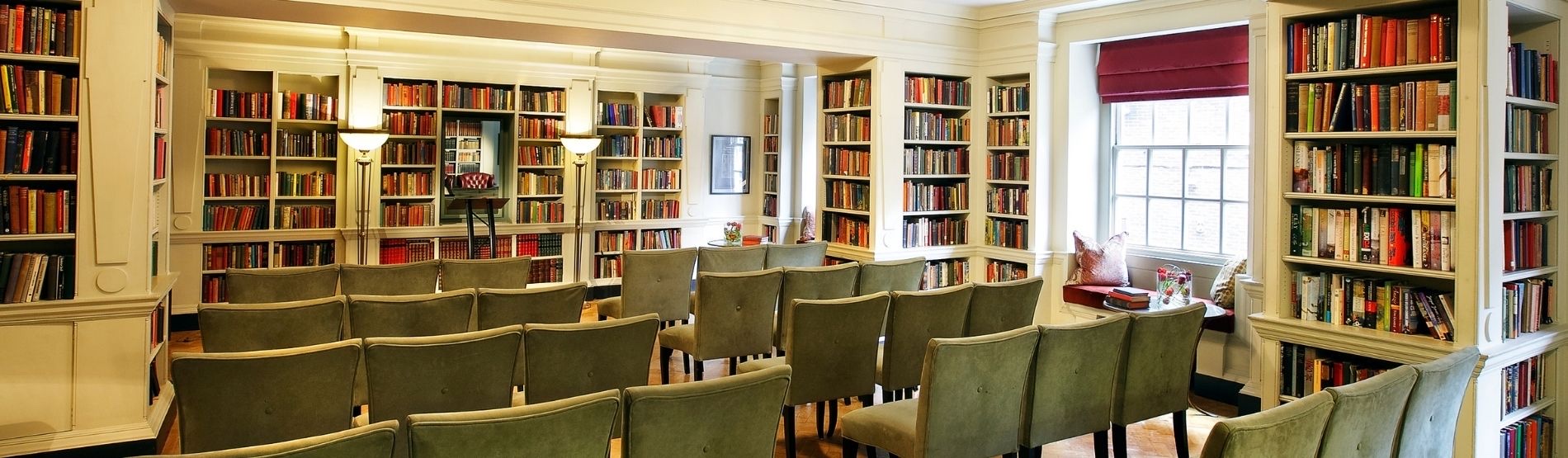
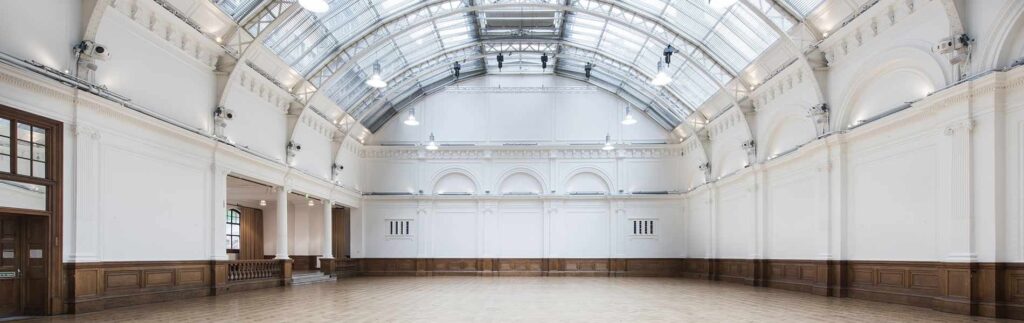
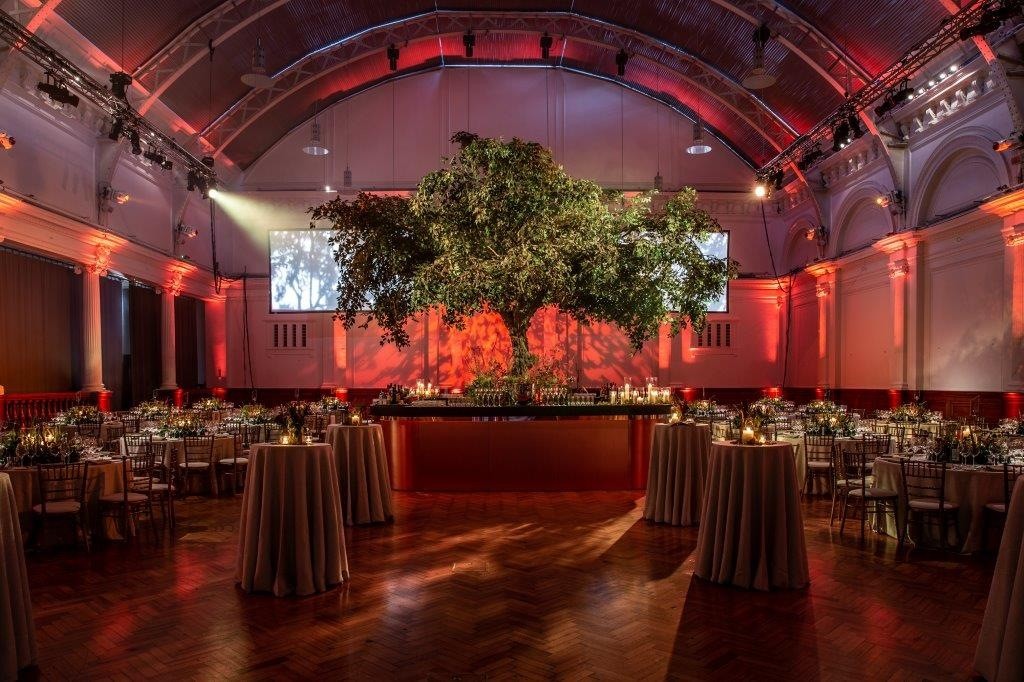
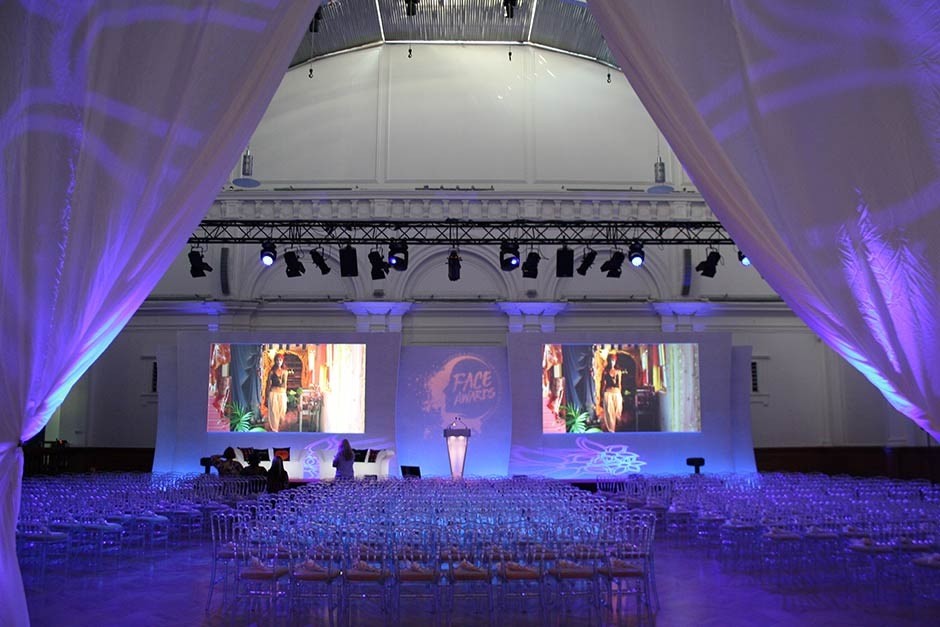
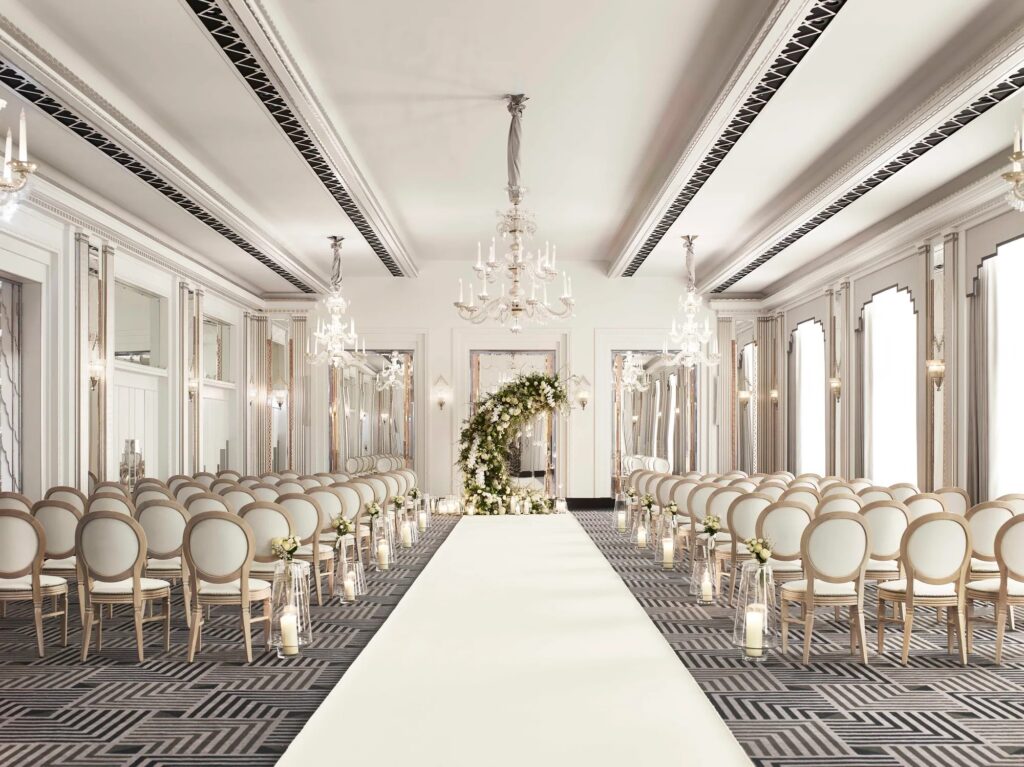
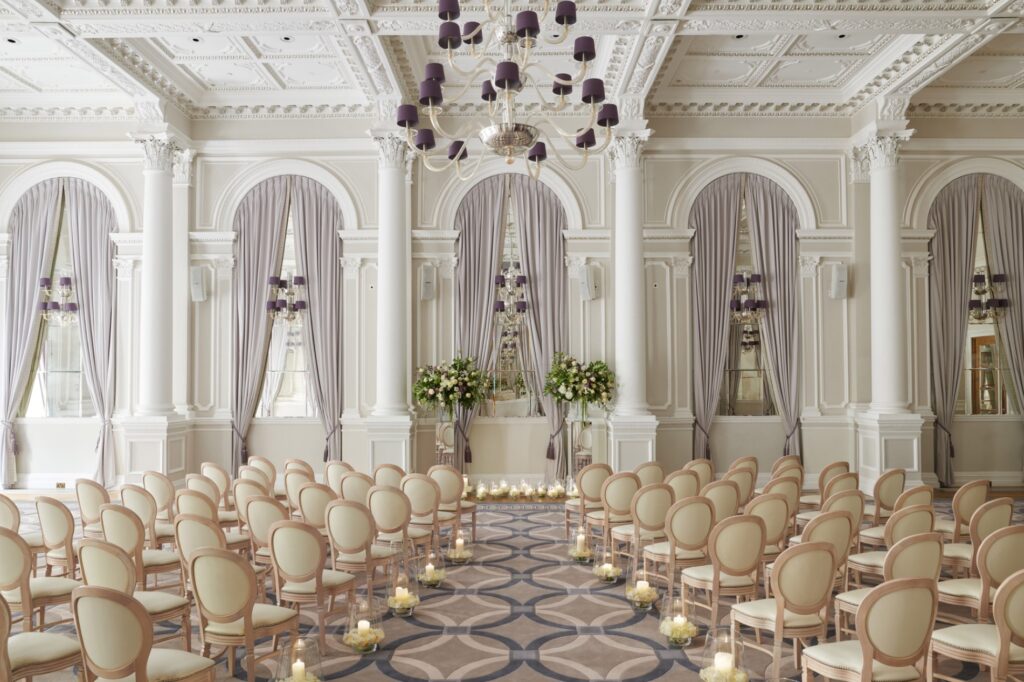
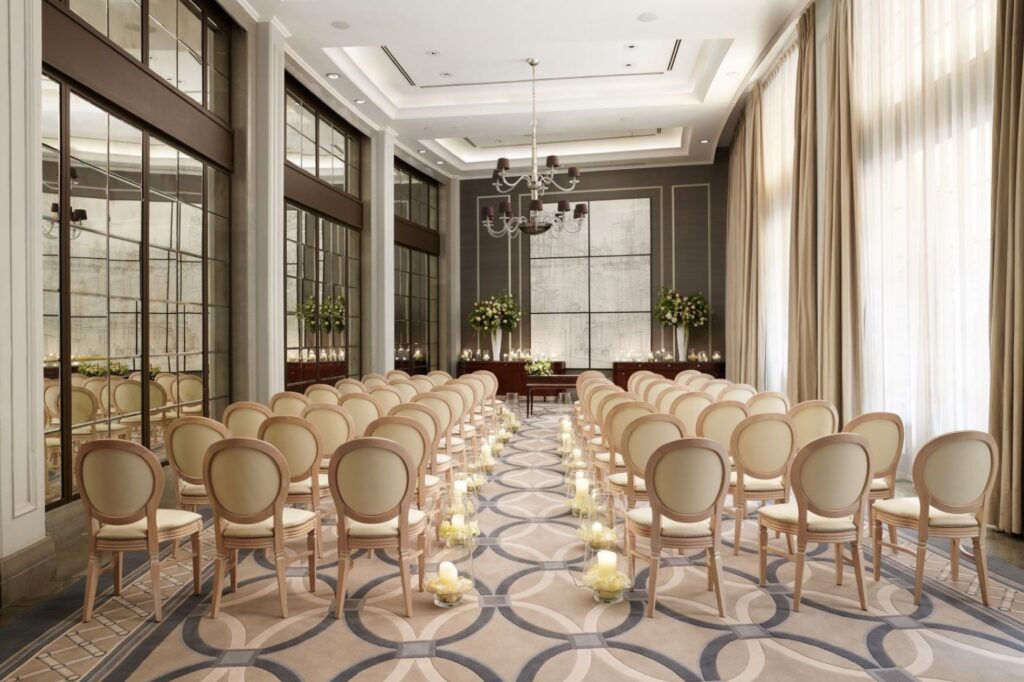
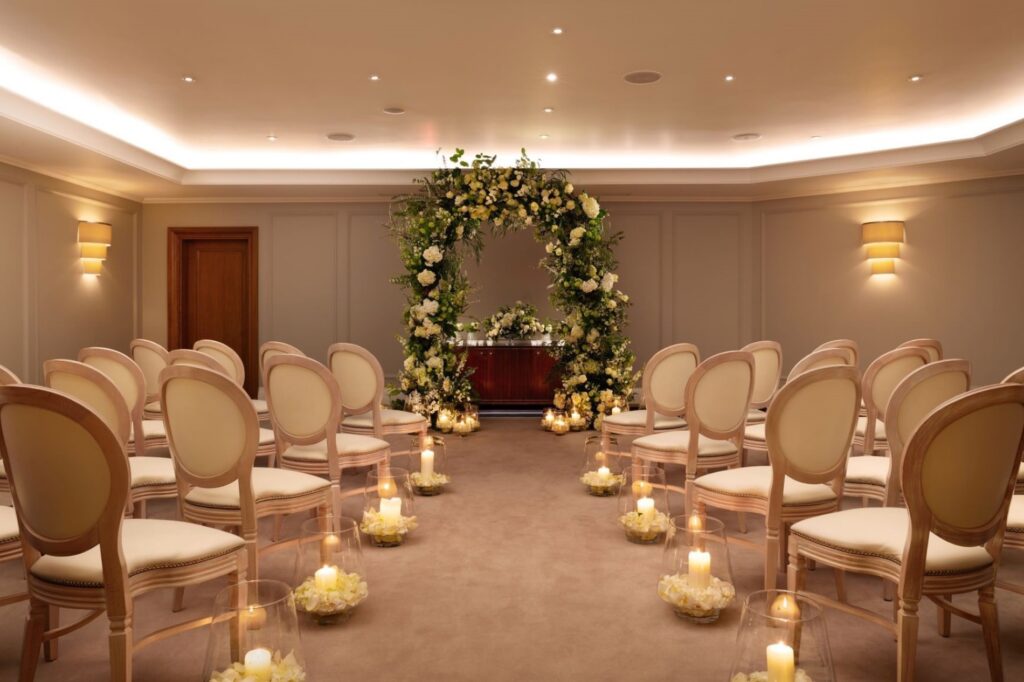
Queen Mary Hall, on the second floor, takes up to 180 guests seated in rows. It keeps its original features, a high ceiling and Waterford crystal chandeliers, and it was recently redecorated with a custom wallpaper by Adam Ellis Studio: an English garden at dusk, with pink skies, drifting clouds, birds and butterflies. The hall has natural light and a separate bar area. For a ceremony larger than the hall, the hotel suggests Camden Town Hall, about ten minutes away by car, with the celebration back on Great Russell Street.
The King’s hall for dinner
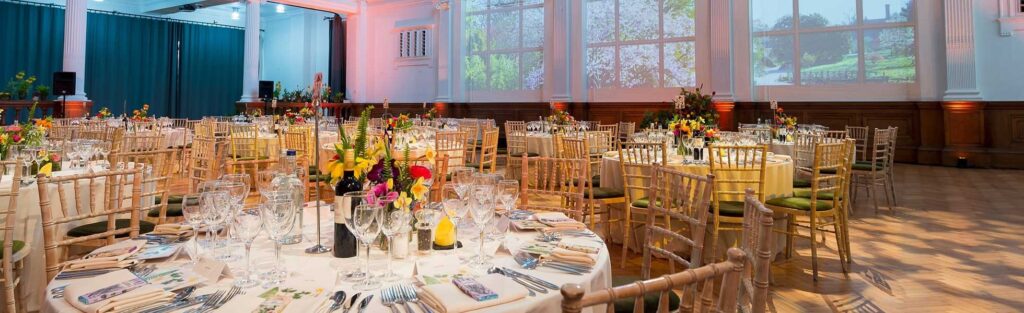
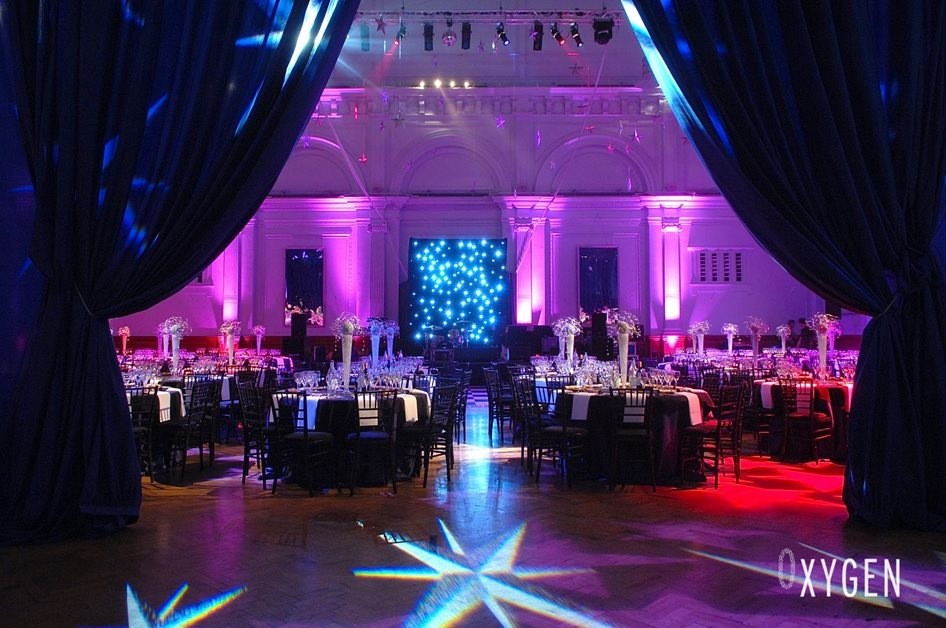
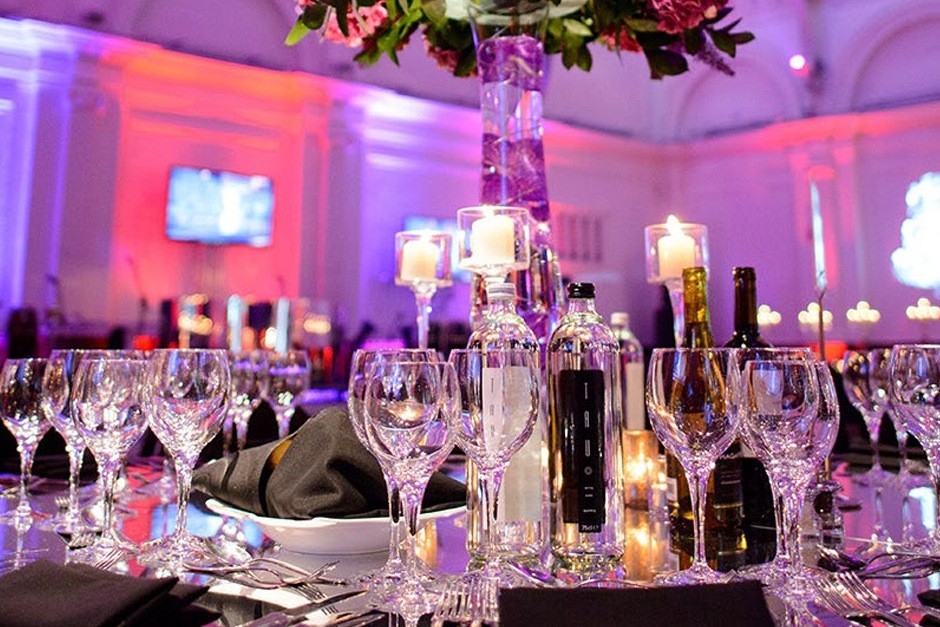
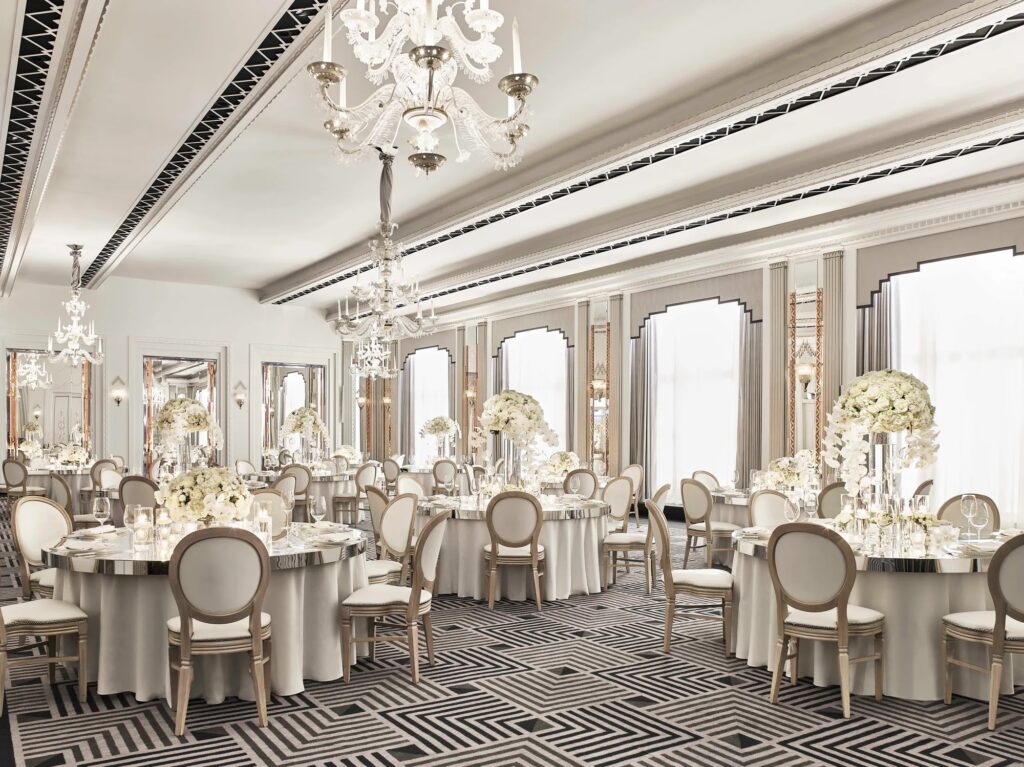
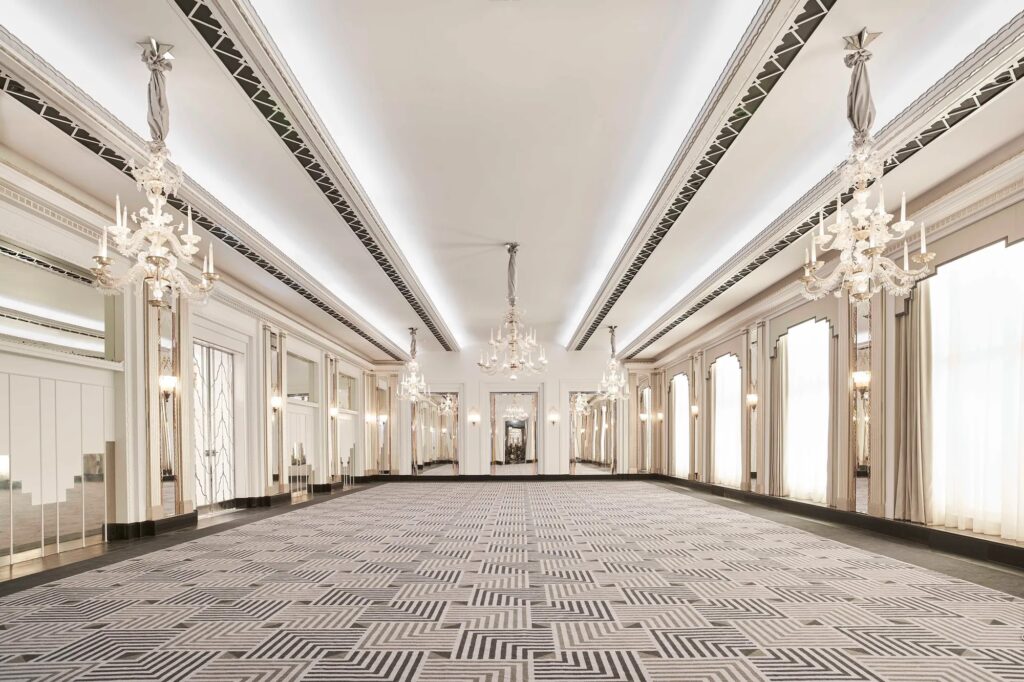
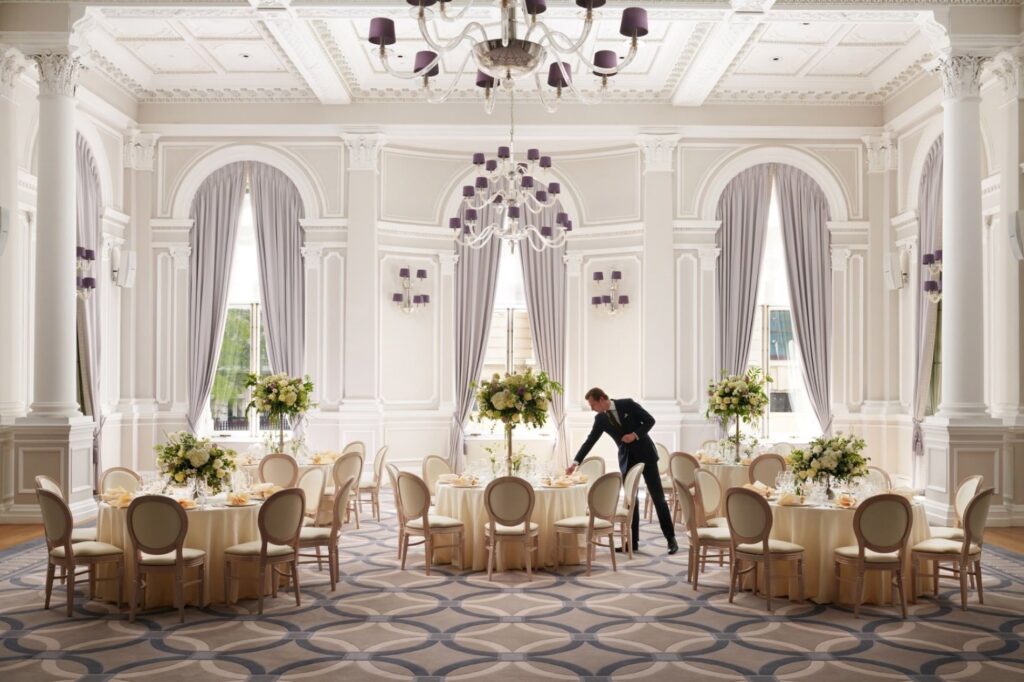
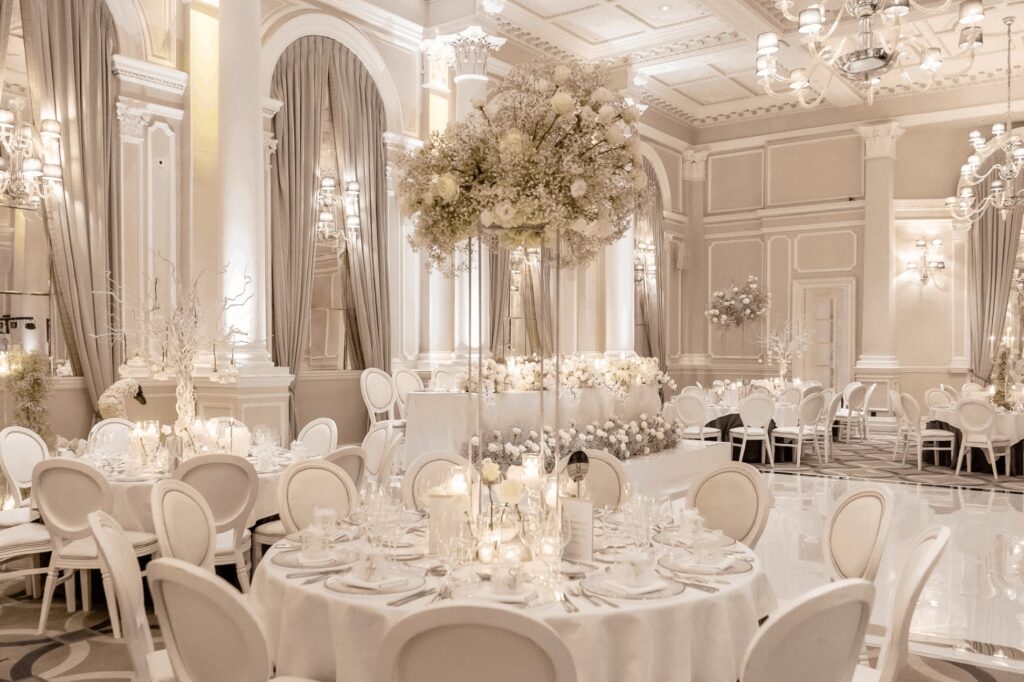
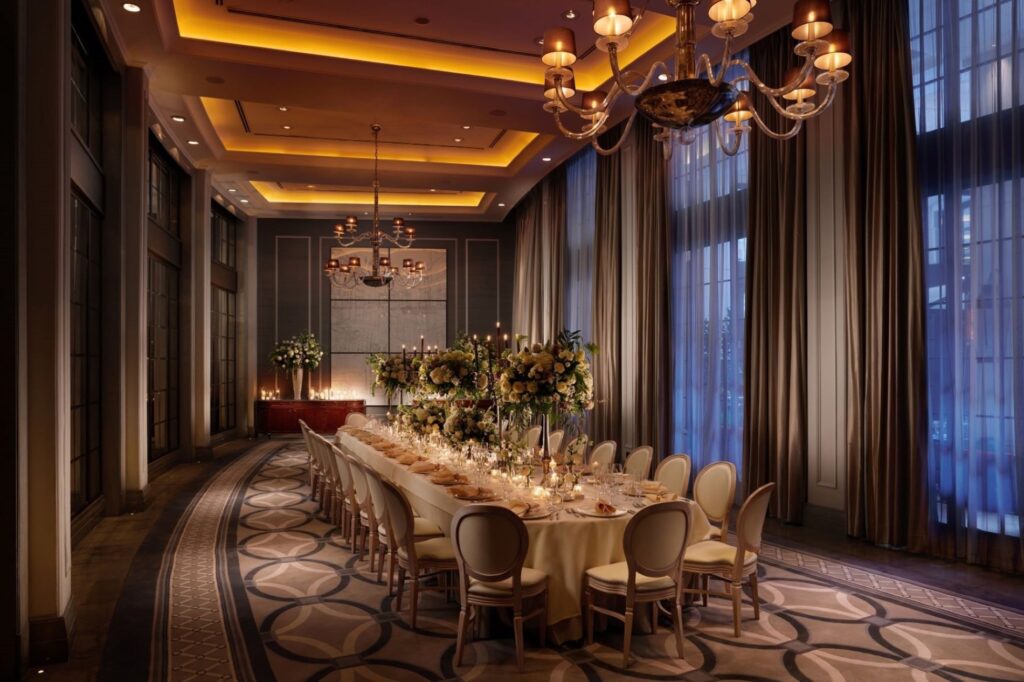
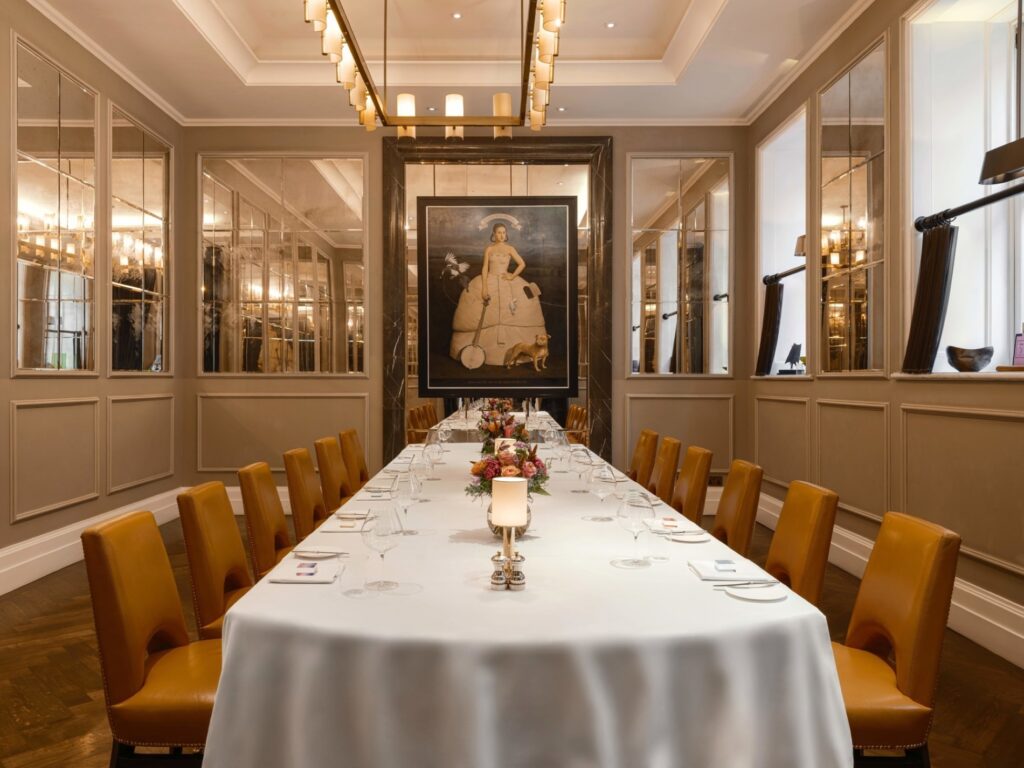
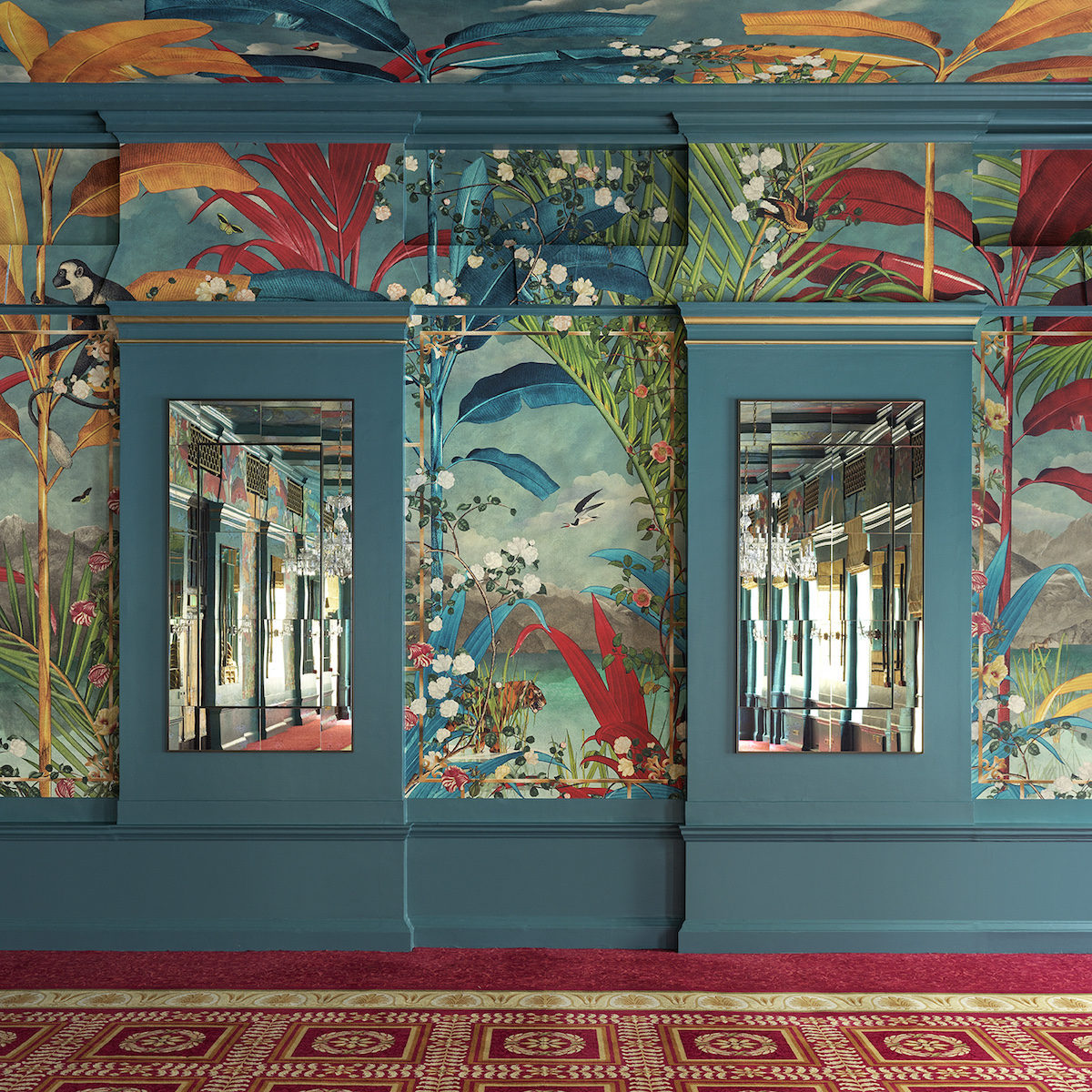
George V Hall, on the ground floor, is the largest of the wedding rooms, at 266 square metres. Its wallpaper runs around the whole room, a lakeside scene of tropical plants and animals from across the world that takes its theme from King George V’s travels. Large windows bring in daylight, and hand-blown Waterford crystal chandeliers hang from the ceiling. It seats 140 for a wedding breakfast and holds 200 for a standing reception. Queen Mary Hall seats 100 for dinner and also holds 200 standing, and the Library seats 24 for a private dinner.
The kitchen is the hotel’s own, and the Executive Chef plans the menu with the couple from seasonal ingredients. Outside caterers are not allowed, although couples may bring in their own wedding cake, and all wine and drinks are ordered through the hotel. Two packages are offered. Timeless Romance starts from £195 per guest and includes a glass of Champagne on arrival, half a bottle of wine with the meal, Champagne for the toast, a three course wedding breakfast, a menu tasting for the couple, and room hire with the hotel’s tables, chairs, linen and tableware. Happily Ever After starts from £240 per guest and adds a second glass of Champagne, four canapés, a dance floor and the couple’s wedding night at the hotel. Both have a minimum of 70 guests, with a discretionary service charge of 12.5 per cent.
DJs and live music are welcome. Candles are allowed; confetti is not. The hotel recommends a short list of London suppliers, from florists and stationers to hair and make-up, and couples are free to book their own.
A terrace named for Mrs Dalloway
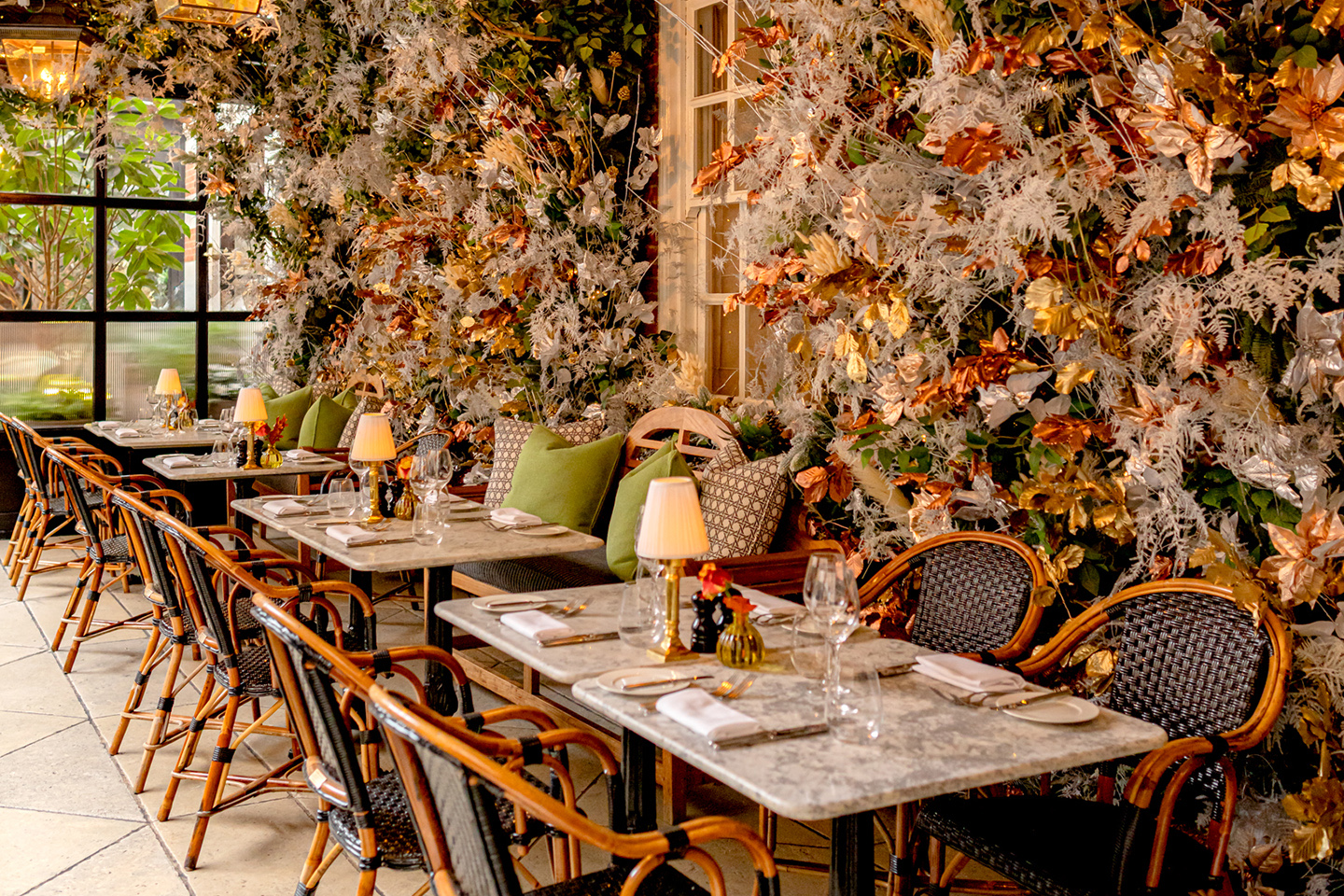
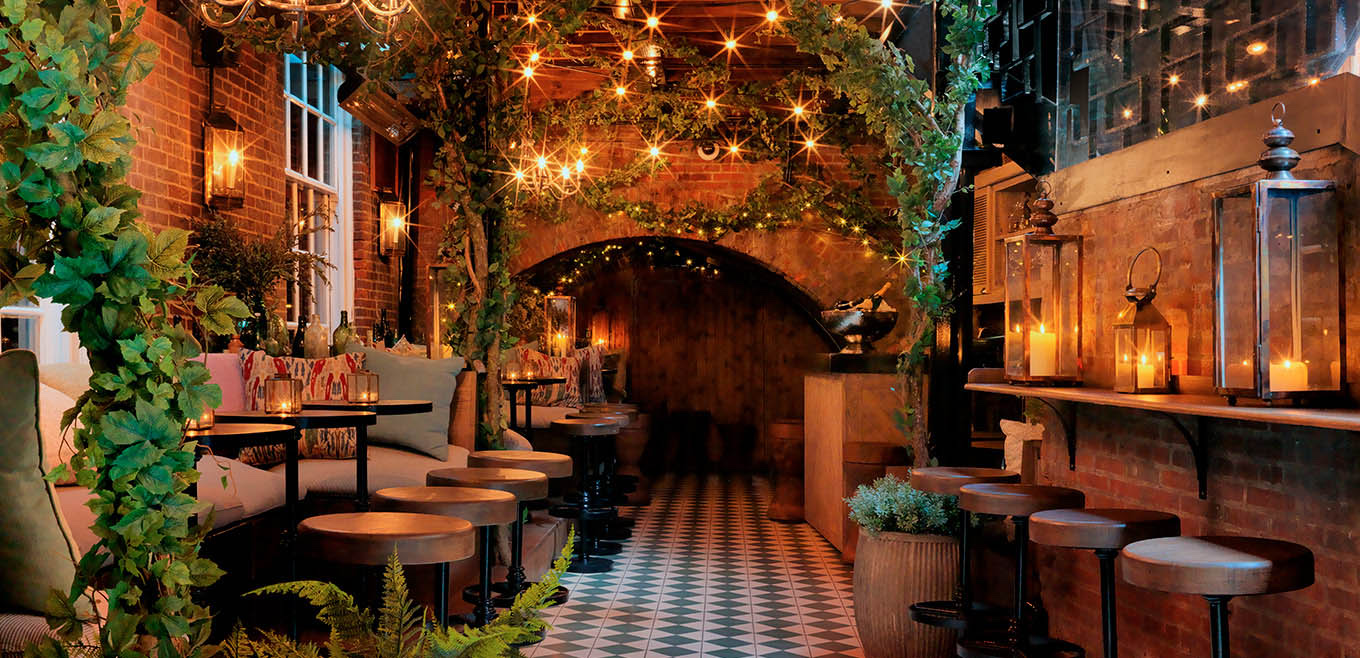
Bloomsbury was home to Virginia Woolf, E. M. Forster and John Maynard Keynes, and the hotel’s restaurant, Dalloway Terrace, takes its name from Woolf’s 1925 novel Mrs Dalloway. It is an outdoor restaurant used all year, with heaters and a retractable roof, and its floral installations change with the seasons. The hotel suggests it for a bridal shower before the wedding.
The Coral Room was designed with Martin Brudnizki and takes its cue from the 1920s, with coral-coloured walls, five Murano glass chandeliers and a marble bar. The Bloomsbury Club Bar is a cocktail bar with an indoor bar, an outdoor grotto and live jazz at weekends. The Chapel, deconsecrated and double height, still carries memorial plaques on its walls and is now hired for meetings and private dinners.
Staying on Great Russell Street
The hotel has 153 bedrooms, 12 of them suites, so the wedding party and guests can stay where the wedding takes place, and the hotel offers the couple’s guests a special room rate. The Luxury Studio Suites sit on the corners of the building for light and views, with Italian marble bathrooms, freestanding roll-top baths and separate showers, and couples can get ready in the hotel’s rooms and suites.
Tottenham Court Road station, on the Central, Northern and Elizabeth lines, is a couple of minutes’ walk away, and the Elizabeth line runs direct from Heathrow in about 70 minutes. There is no parking at the hotel, but there are public car parks nearby. The British Museum is a few minutes’ walk along Great Russell Street. The Doyle Collection’s own film of the hotel is on YouTube, as is LJ Edits’ film of Lizeth and Anthony’s Greek and Spanish wedding at The Bloomsbury. For other London weddings in historic buildings, read about St. Pancras London and Trinity House on Tower Hill, browse wedding venues in Holborn and across London, or see the legal requirements for marrying in London.
The decision that shapes a wedding at The Bloomsbury is where the vows are made. Up to 24 guests fit the Seamus Heaney Library, Queen Mary Hall takes a larger ceremony in the building itself, and anything bigger means Camden Town Hall first and the club’s halls afterwards. Couples who know their numbers can read the profile of The Bloomsbury and check your date.