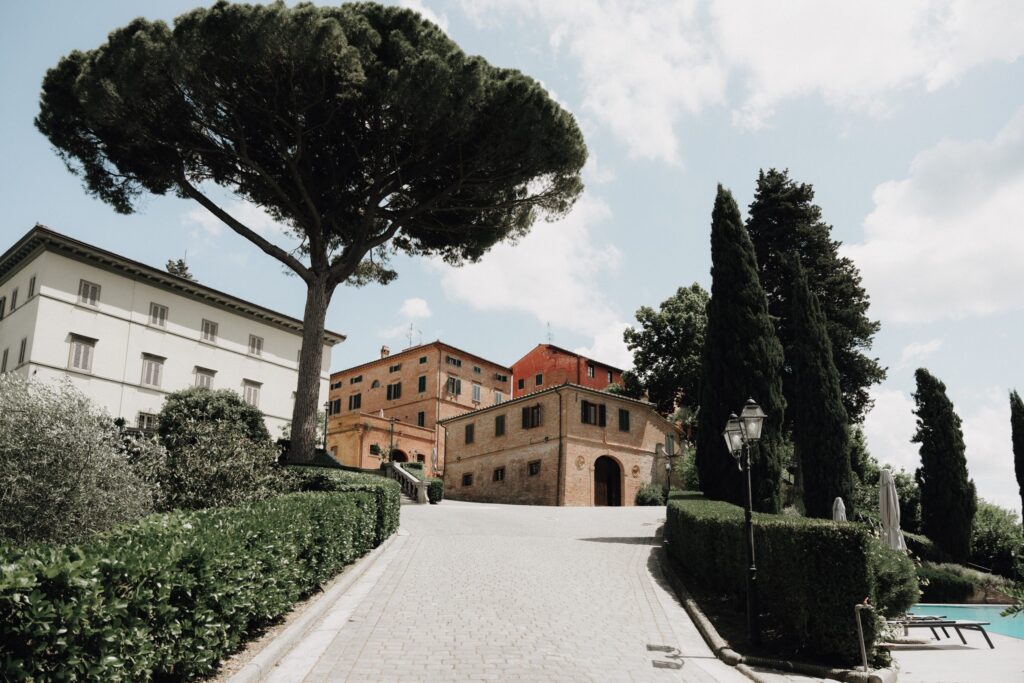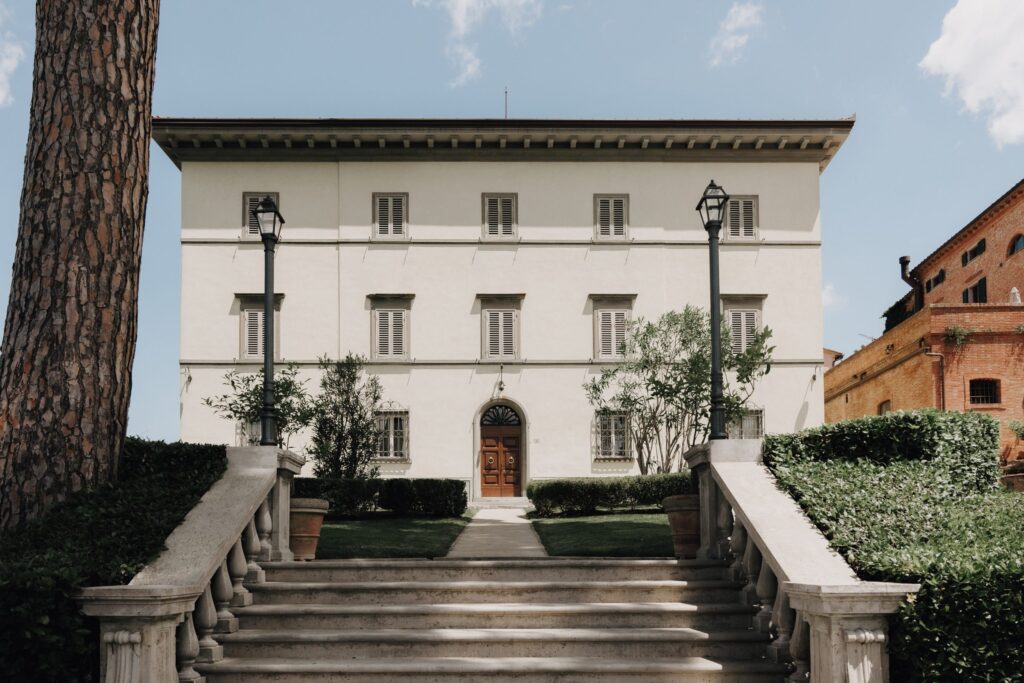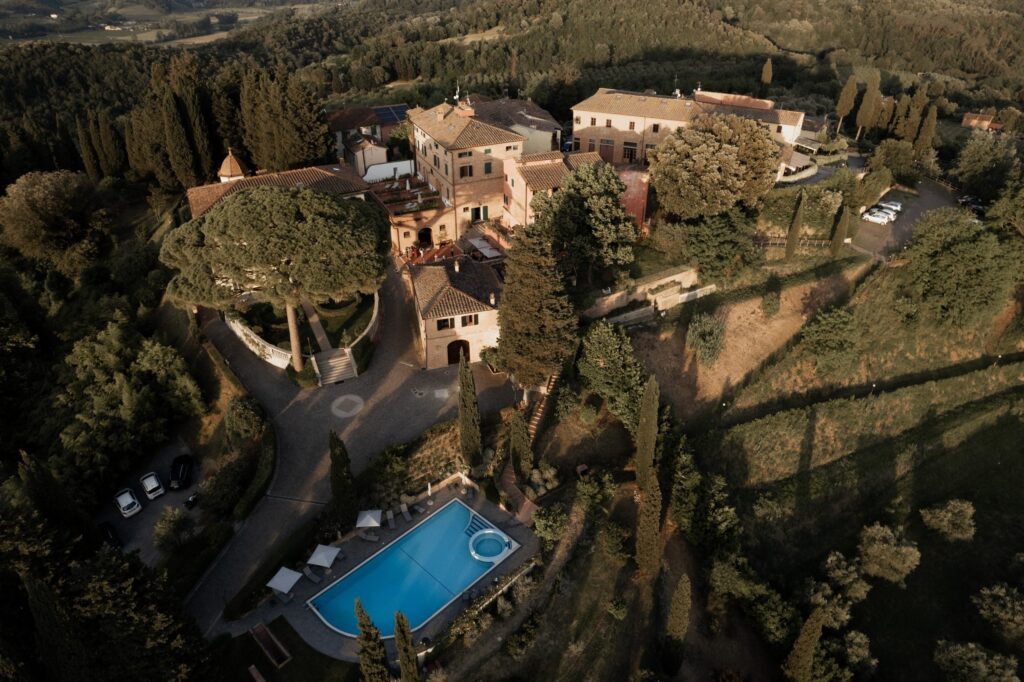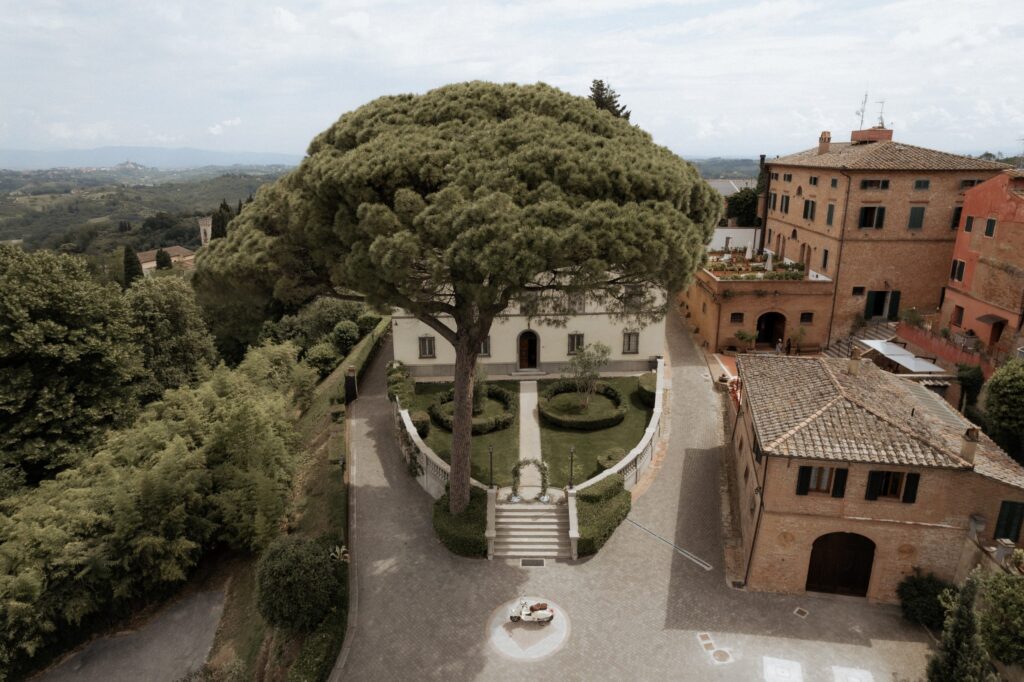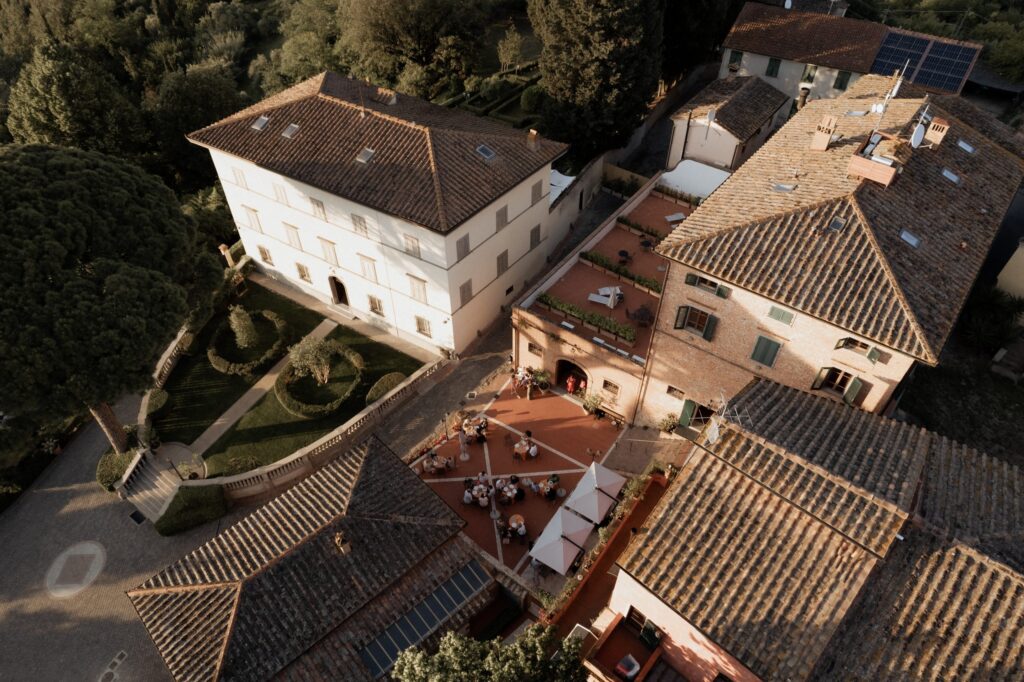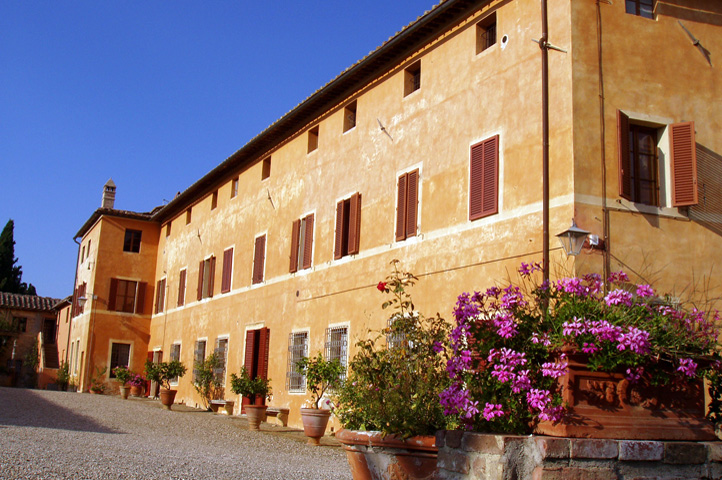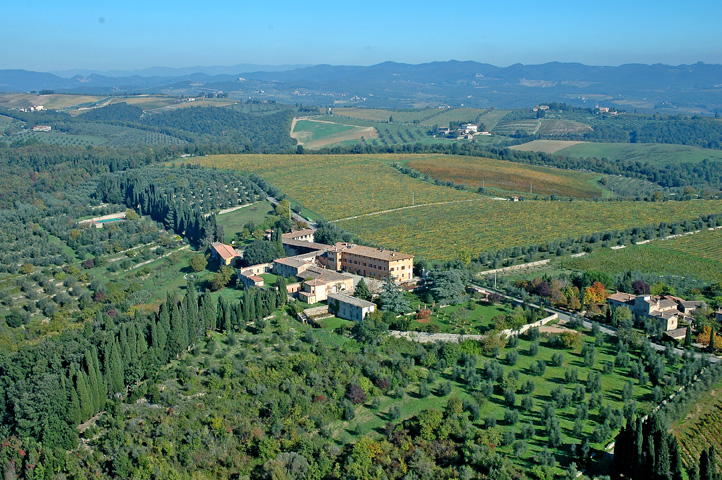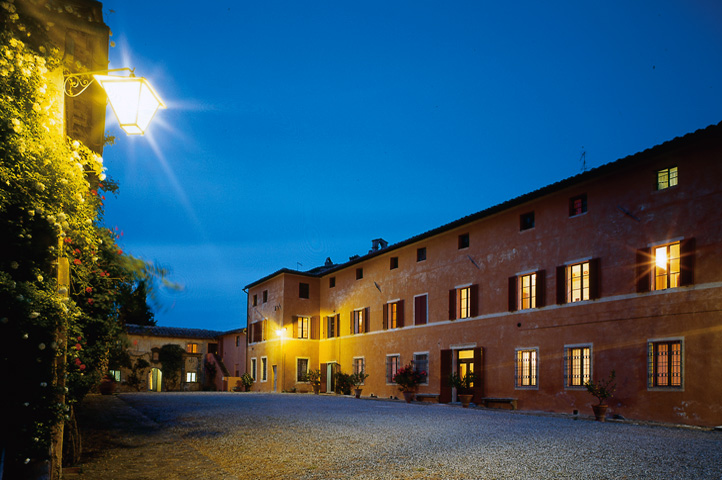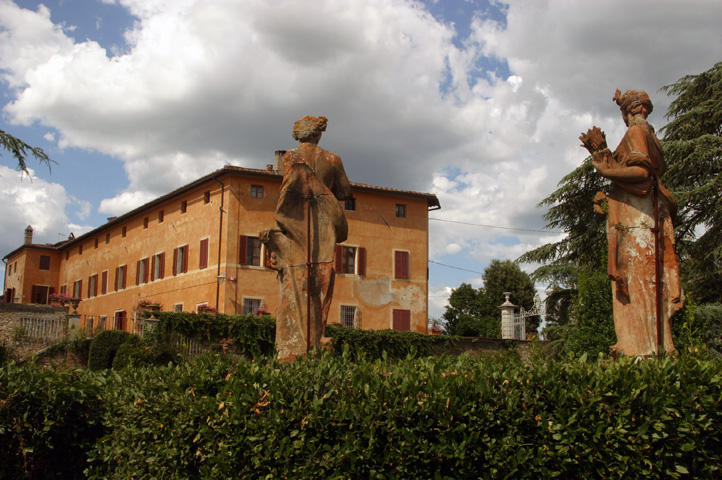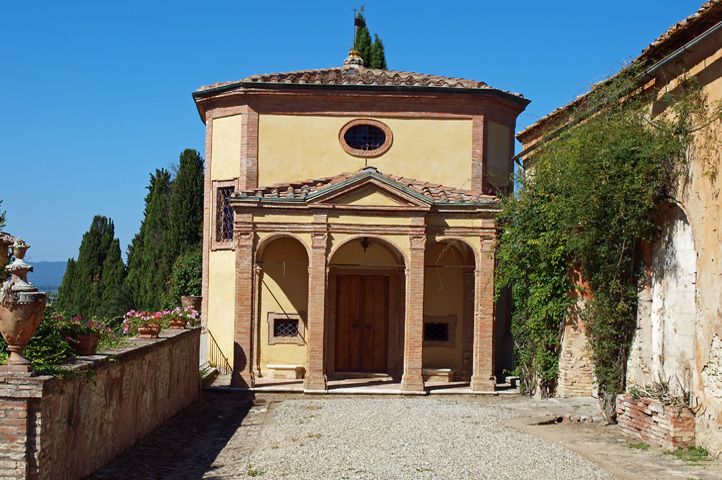
In 1911 the art critic Ugo Ojetti and his wife Fernanda bought a villa on the steep slope at Maiano, just below Fiesole, with Florence laid out beneath it. They stripped away much of what the nineteenth century had added and filled the rooms with books, paintings and sculpture. The house later held Stanford University’s programme in Italy and is now Il Salviatino, a hotel of 45 rooms and suites. Couples marry on its stone Terrazza facing the cathedral dome, in the Italian gardens below it, or indoors in the Biblioteca, a library salon lined with volumes bound in leather.

The little Salviati house
The building began in the fourteenth century as a farmhouse among terraced vines and olive trees. In 1427 the Bardi, a family of Florentine bankers, bought it with its vineyard and rebuilt it on the scale of a palace. In the sixteenth century Alamanno Salviati had it frescoed and furnished, and the diminutive name Il Salviatino set it apart from the family’s grander villa, Le Selve, near Lastra to the west. In 1685 Francesco Redi toasted it in his poem Bacco in Toscana: “viva il nome del buon Salviati, ed il suo bel Maiano”, long live the name of good Salviati, and his lovely Maiano.
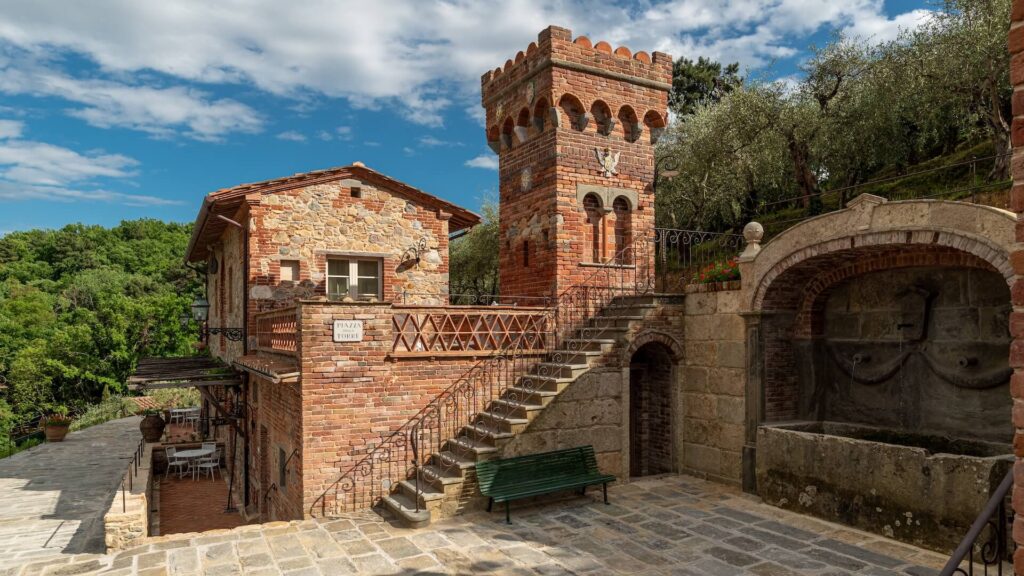
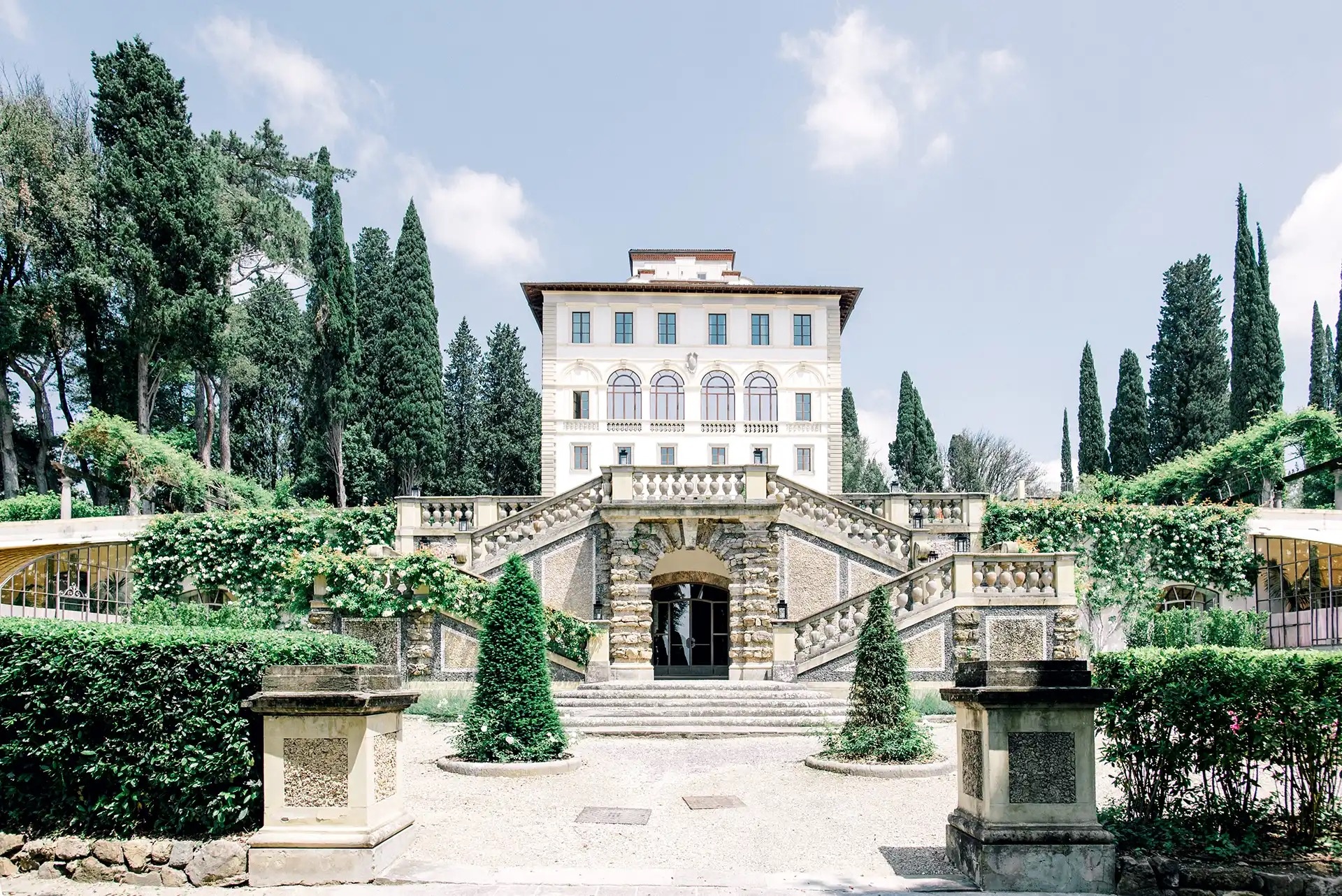
In the nineteenth century the tenor Giovanni Matteo Mario and the soprano Giulia Grisi held it briefly. Pietro Pagliano, who bought it in 1871, gave it a crenellated tower in the medieval manner. From 1882 the American Phelps Thomas had the villa restored and enlarged to designs by the antiquarian architect Corinto Corinti, who cut the tower down, built a central staircase and portals in the style of the sixteenth century, and added a vaulted carriage entrance with a garden on its roof that survives today. Corinti also laid out an Italian terraced garden with conservatories and a pergola, which the garden historian Penelope Hobhouse compared to the timber frames in the woodcuts of Francesco Colonna’s Hypnerotomachia Poliphili. Inside, the painter Augusto Bruschi decorated the walls with patterns in the medieval and sixteenth century manner.
A critic’s library on the hill
Ojetti contributed to Corriere della Sera from 1898 for the rest of his life and directed the paper for twenty months in 1926 and 1927. He launched the arts monthly Dedalo in 1920 and, in Florence, the literary review Pègaso in 1929, and in 1930 he was named to the new Royal Academy of Italy. At Il Salviatino he and Fernanda remodelled the house again and installed a library alongside their paintings and sculpture. Ojetti died in Fiesole in 1946.
From 1973 to 1987 the villa was the home of Stanford in Italy, the university’s overseas programme, with classrooms, offices, a library, dining rooms and rooms for students, and the University of Michigan and Sarah Lawrence College ran summer schools here as well. In the first decade of this century the Rovati family restored the villa as a hotel. Alessandra Rovati Vitali, its proprietor and creative director, runs it today, and the rooms are furnished with antiques, original portraits, old textiles and sculptural pieces.
Vows with the dome on the skyline
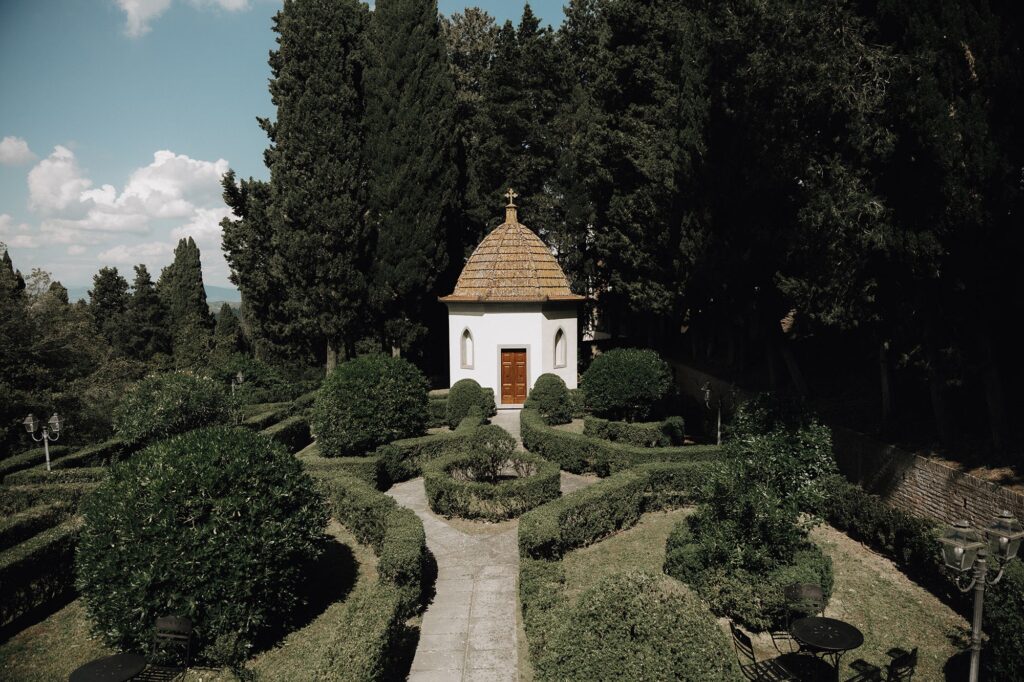
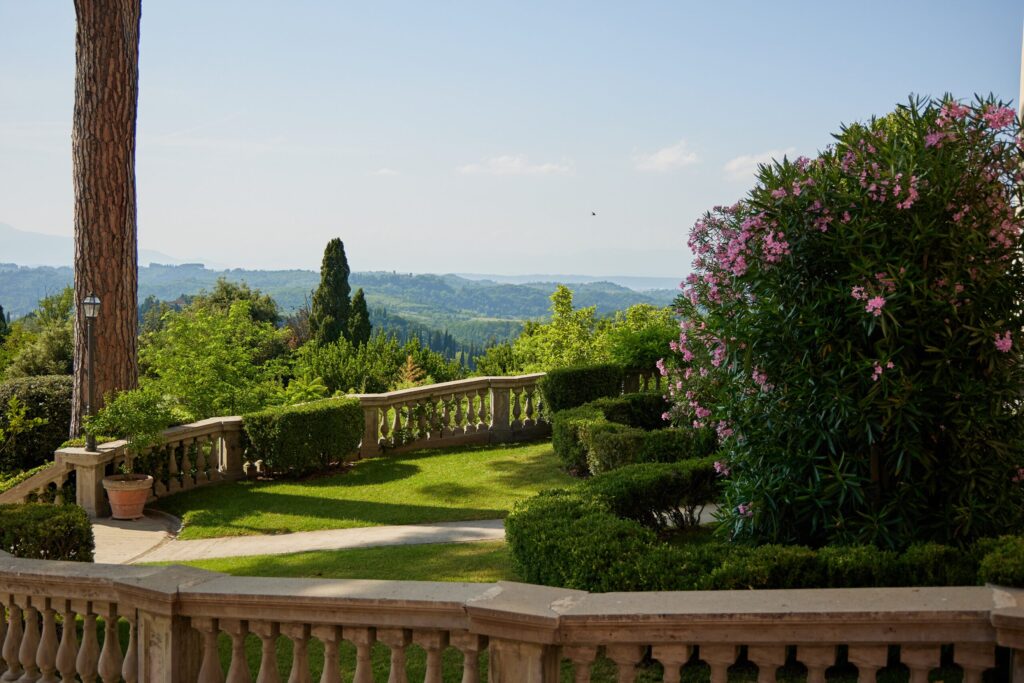
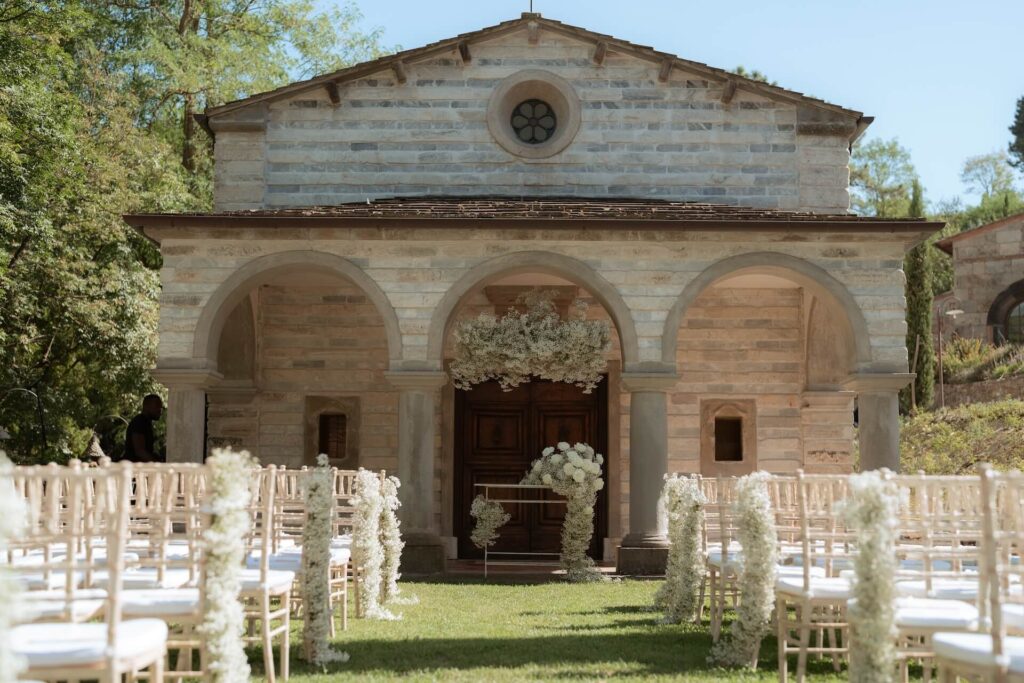
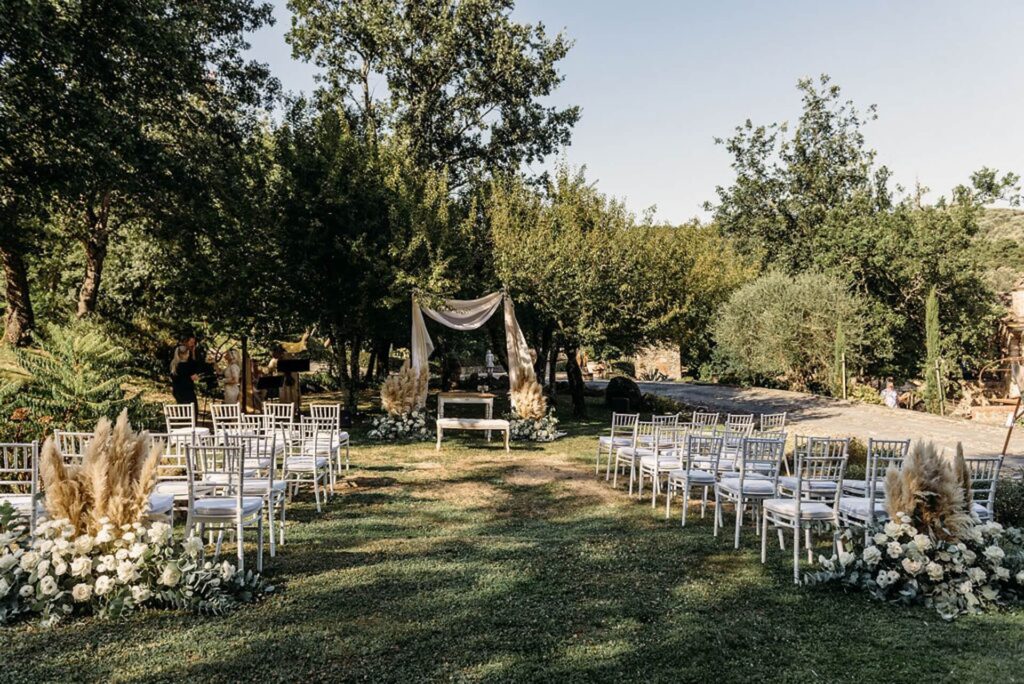
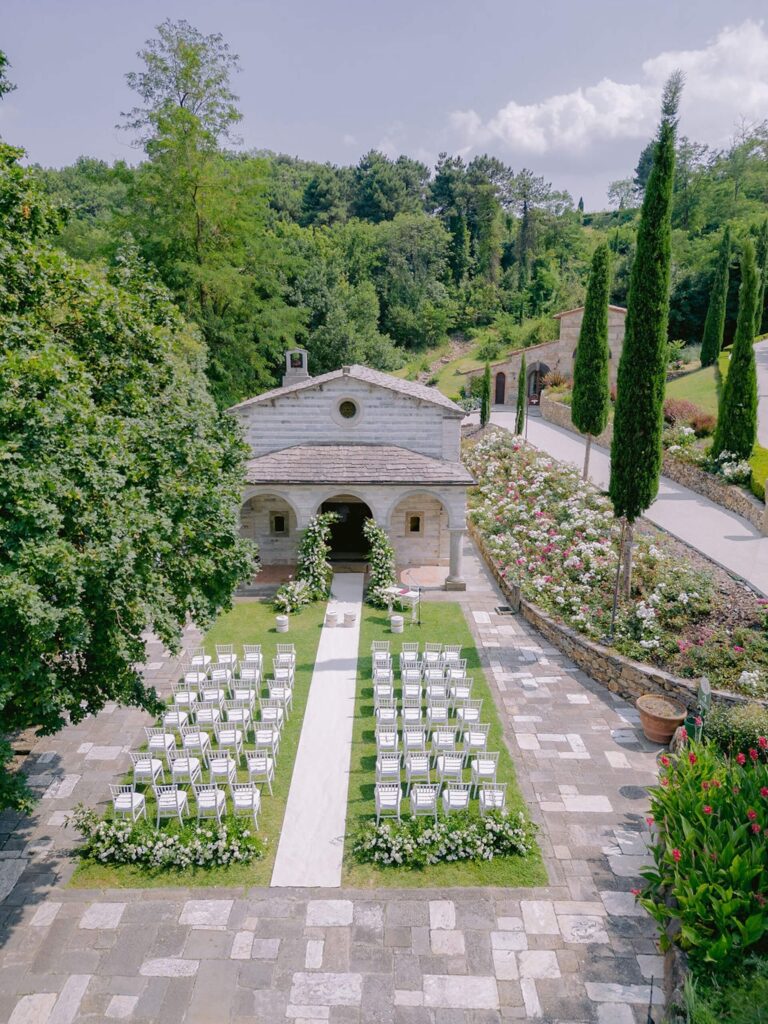
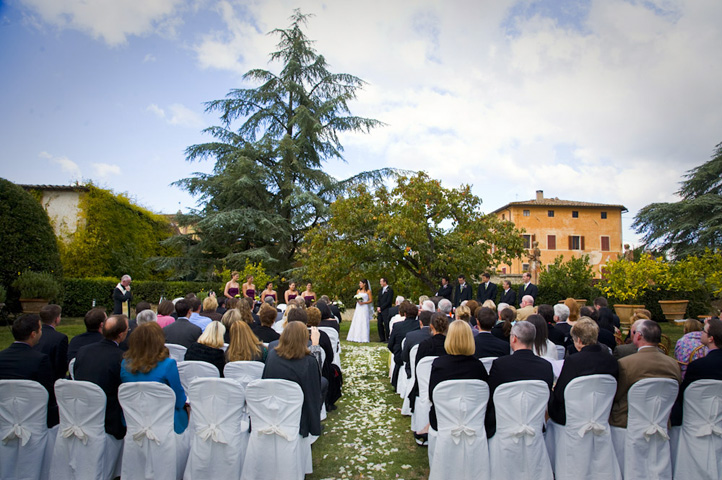
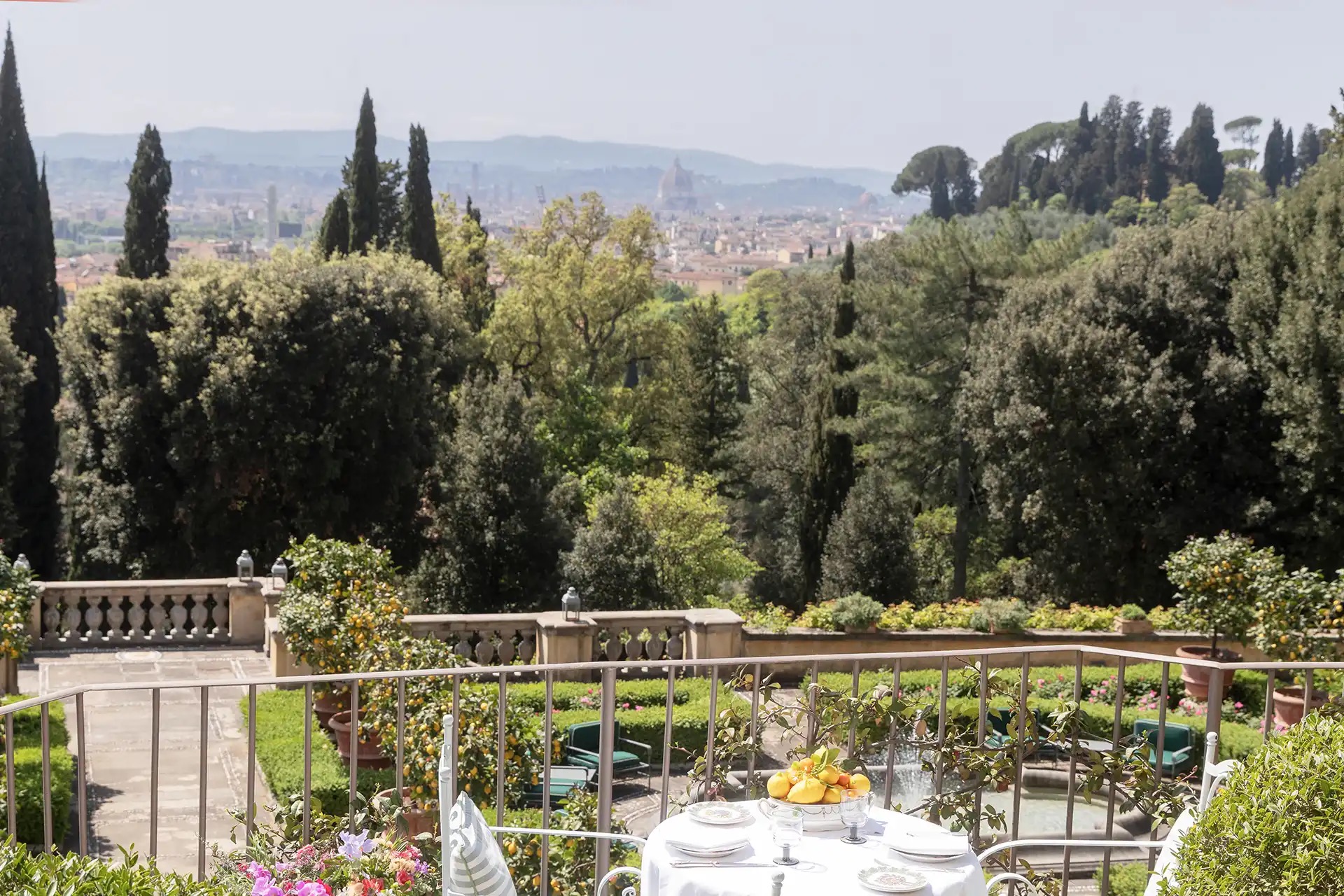
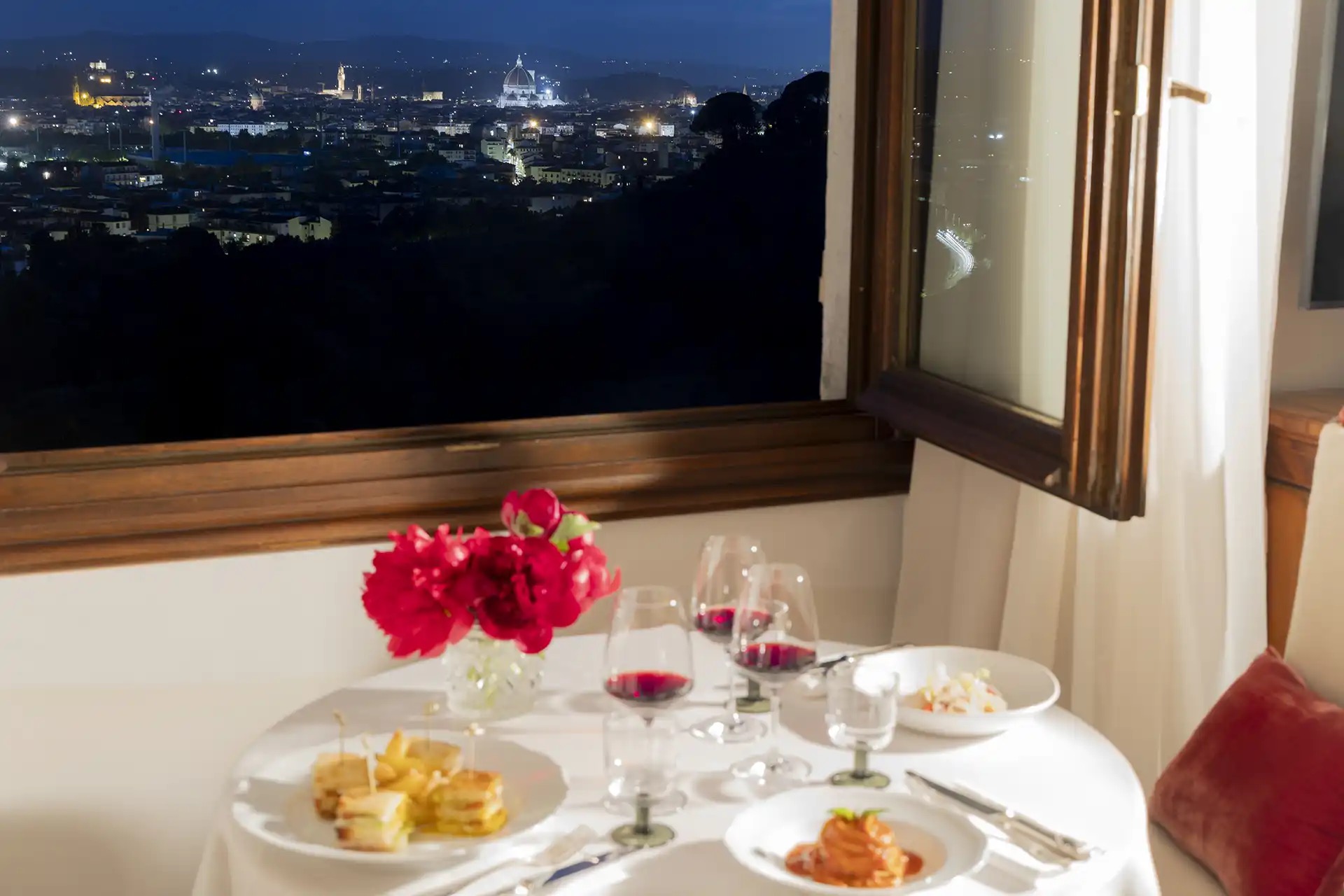
The principal wedding space is the Terrazza, a stone terrace with balustrades above the Italian gardens, looking across the city to the Duomo and the countryside beyond. It takes ceremonies and receptions of up to 250 guests. Below it, paths lined with cypresses run between stone balustrades and seasonal planting, and an arch of climbing roses frames an outdoor ceremony. The salons of the old house open onto terraces, which suits a drinks reception in the early evening.
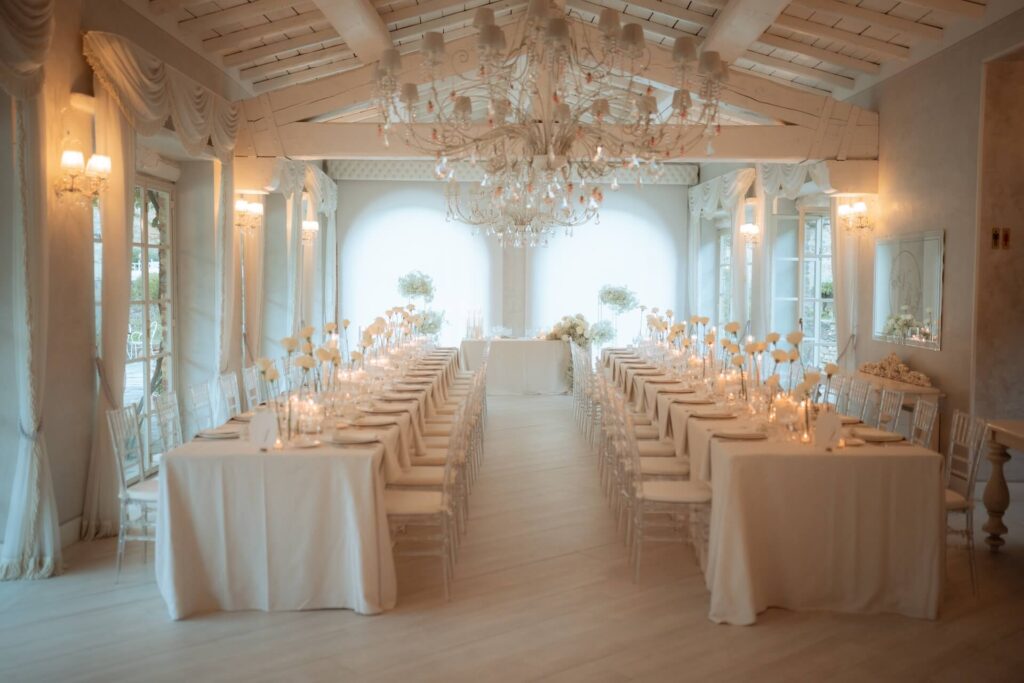
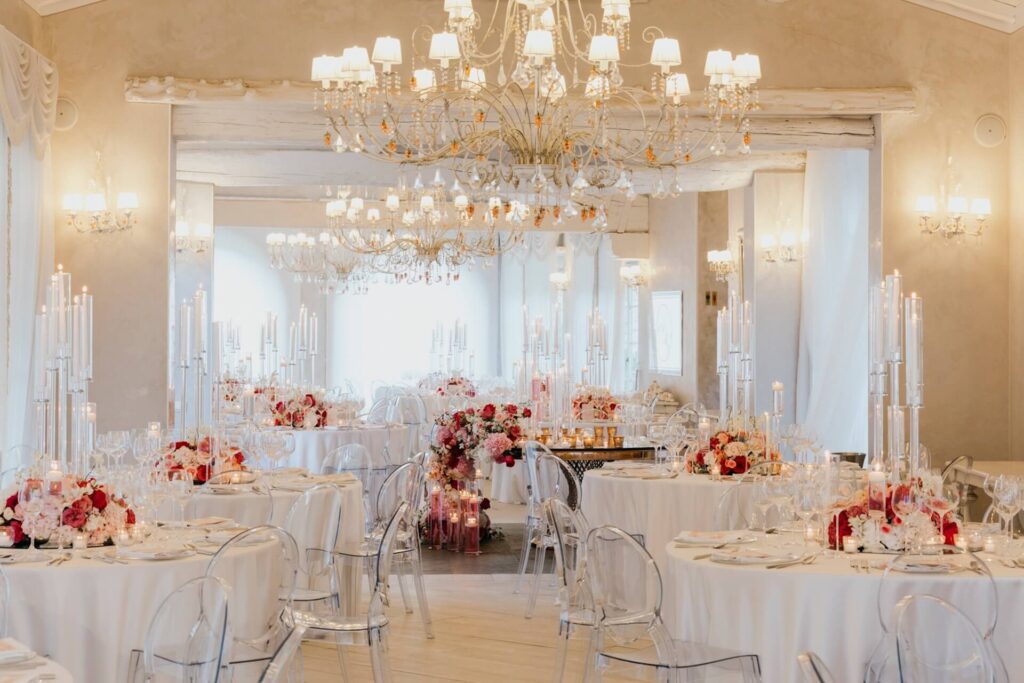
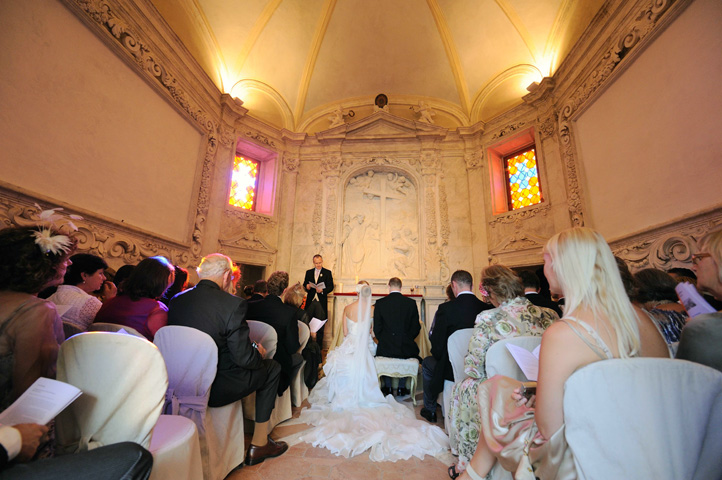
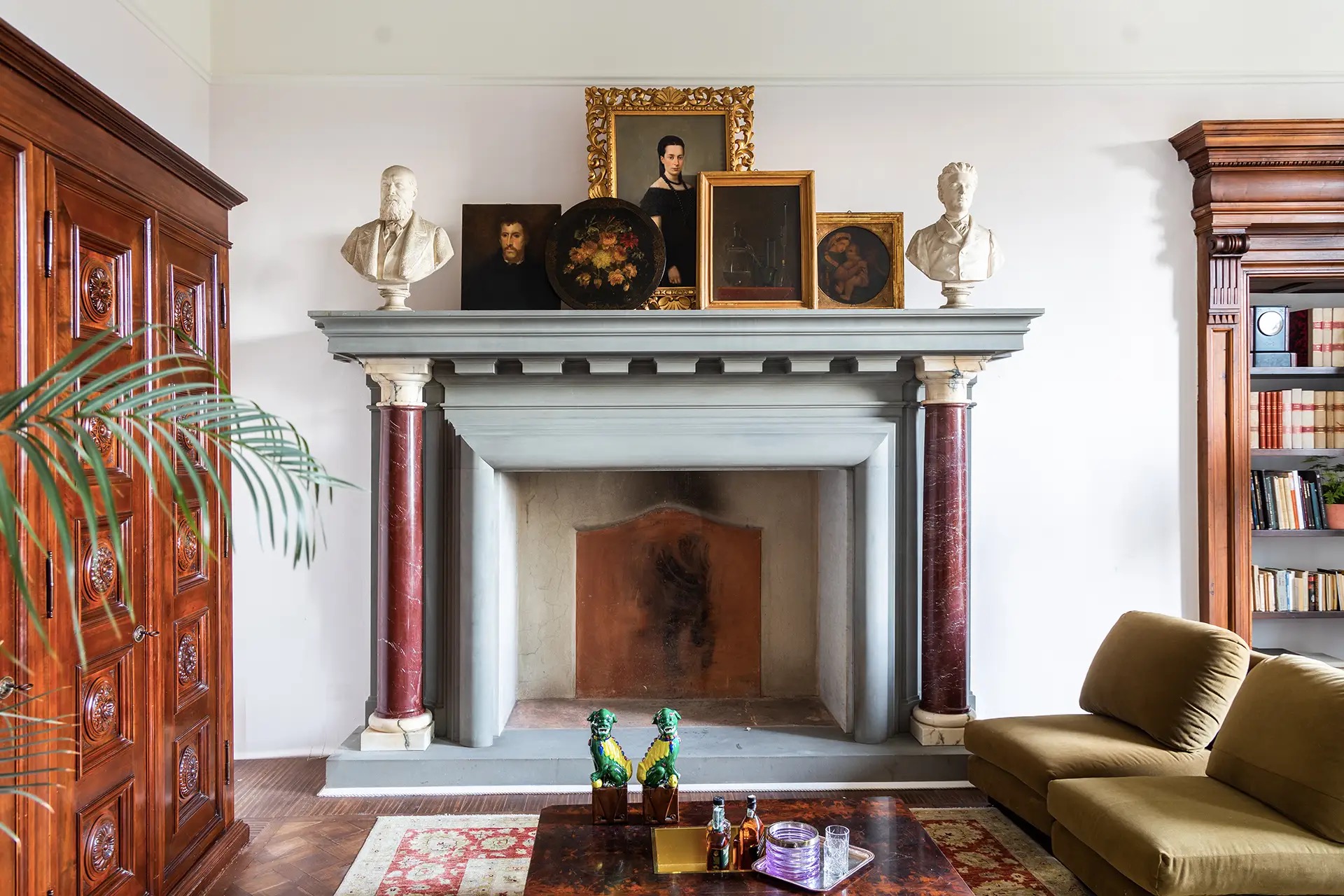
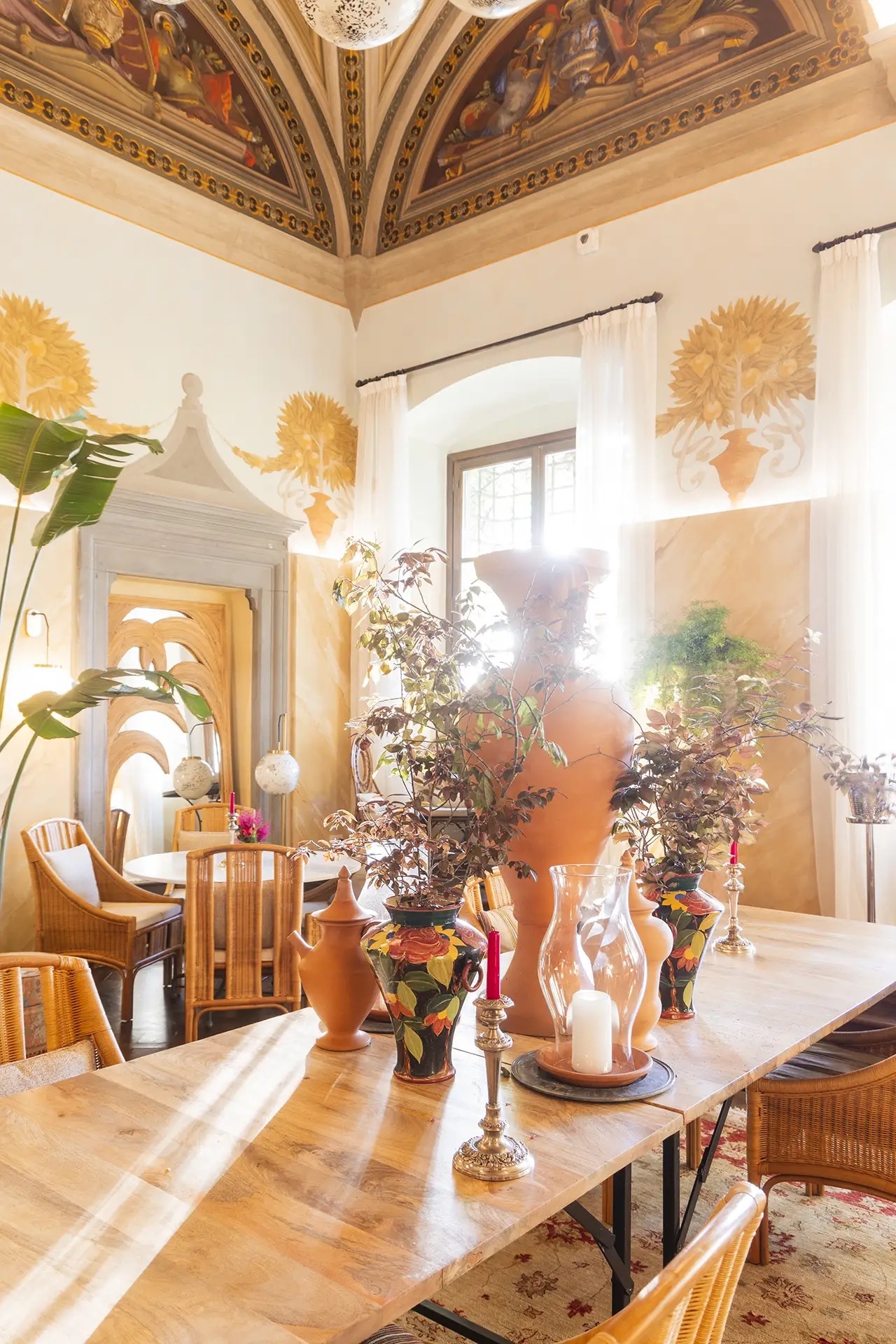
Three rooms indoors serve a smaller wedding, or a day when the weather turns. The Sala Affresco, a frescoed salon on the ground floor with tall windows, holds 40 for a ceremony or a wedding lunch. The Biblioteca, with its marble fireplace and antique portraits, takes ceremonies and receptions of up to 60. The Veranda, wrapped by the garden, is the third. Civil ceremonies with legal effect take place at the comune of Fiesole.
A Milanese table in the Florentine hills
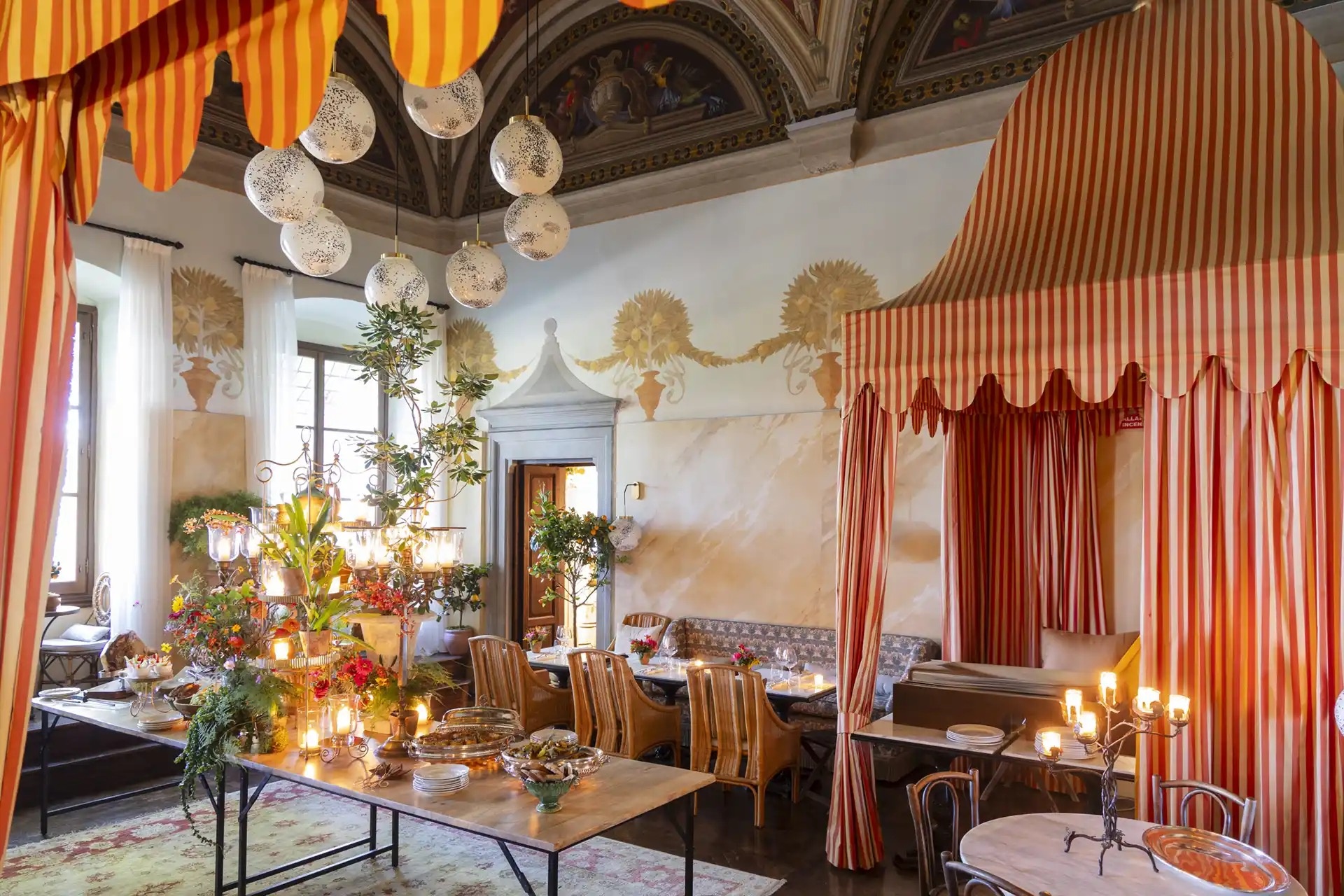
The wedding meal comes from Da Giacomo al Salviatino, the villa’s restaurant and an offshoot of the Giacomo restaurants that have fed Milan since 1958. Its kitchen gives pride of place to fish and the daily catch, with seasonal Italian cooking alongside. In warm weather it serves on a panoramic terrace; on cooler days it moves indoors to the Sala Affresco. Wedding menus are composed for each couple.
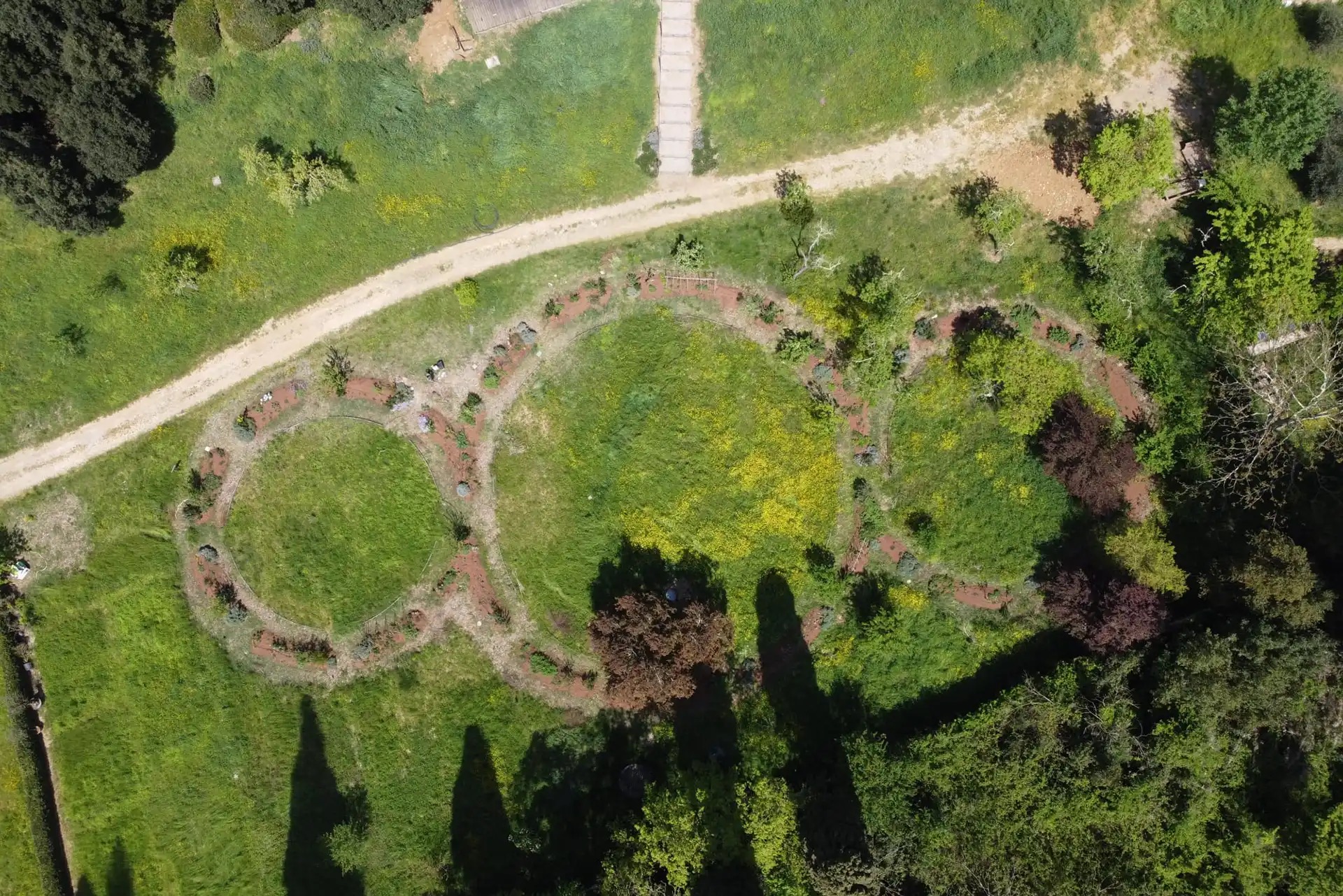
Part of the produce is grown on the estate, in an organic garden planted as a living version of Michelangelo Pistoletto’s Third Paradise, made with Galleria Continua. More than 3,000 plants form its three linked circles: the outer two stand for nature and for the world people have made, the central one for the two in balance. Before dinner the Rosa Bar handles aperitivi and cocktails. Dinner can be laid in the gardens under strings of lights, and the pool and its bar serve gatherings by day or in the evening.
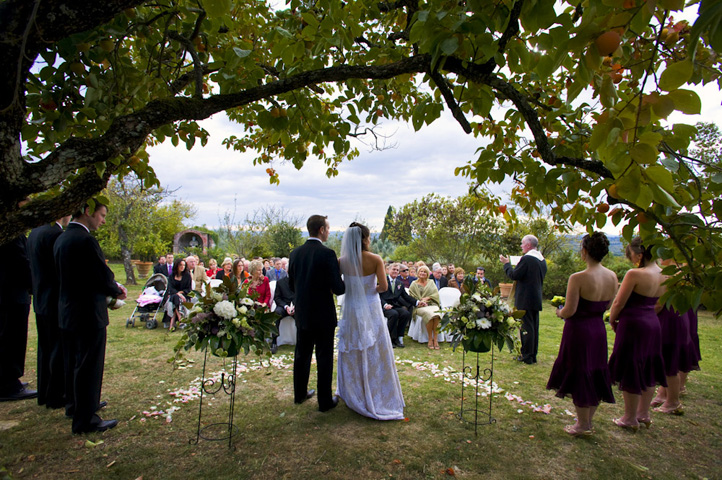
For a larger celebration the park offers an open lawn among old olive trees that can hold pavilions and structures built for the occasion. Flowers and styling can come from Tearose, the event and floral design company that Alessandra Rovati Vitali owns, and the villa’s events team works alongside a couple’s own planner.
Staying in the tower and under the vaults
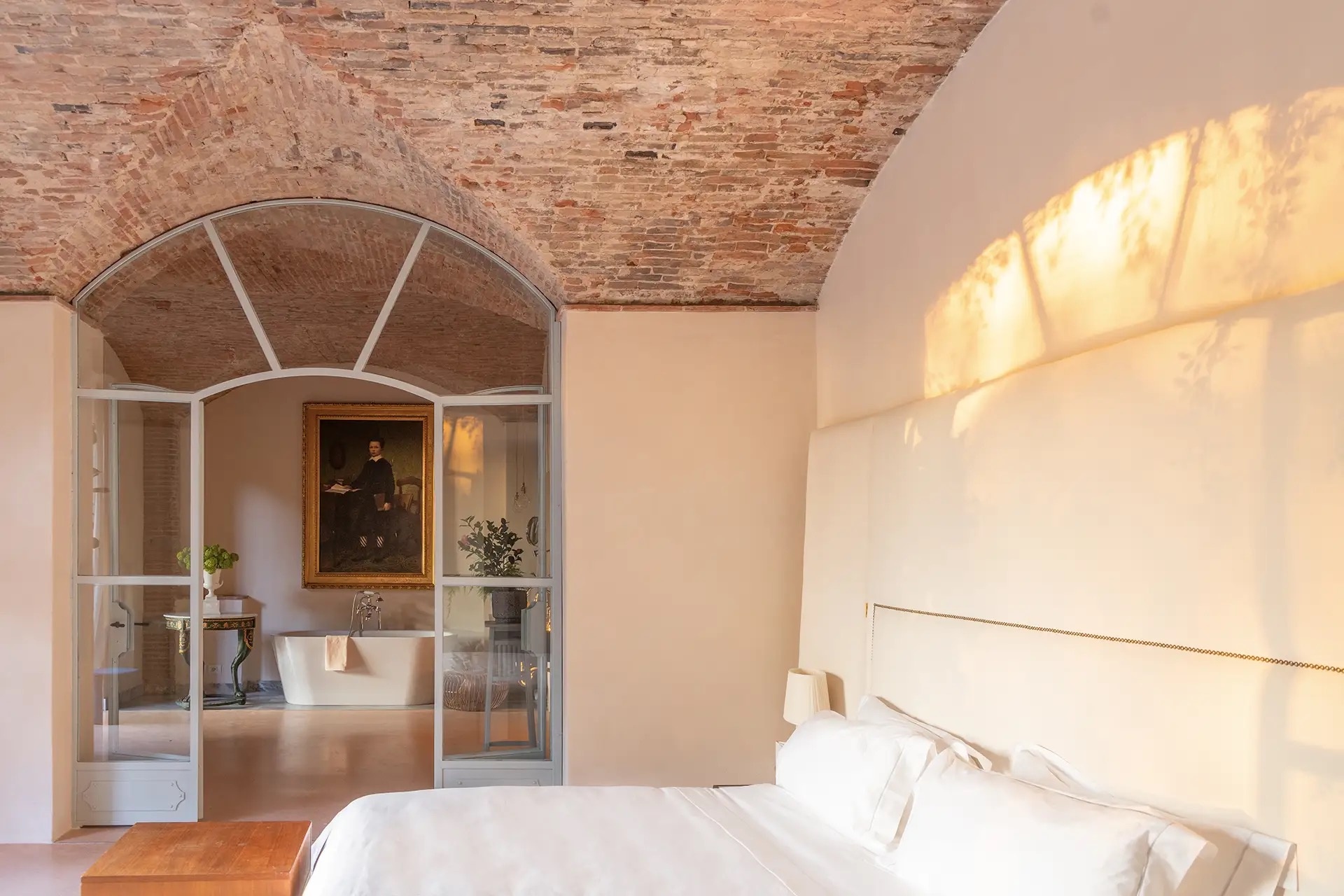
All 45 rooms and suites are designed individually, and several carry the house’s history in their names and ceilings. The Ojetti Penthouse sits at the top of the villa’s tower across two floors, with a rooftop Jacuzzi that faces the Duomo. The Suite Melodia keeps an original frescoed ceiling in gold and sage; the Greenhouse Suite lies beneath exposed brick vaulting; the Terrace Suite opens onto a private garden; and the Artist Suite is painted with murals from floor to ceiling. Guests staying on also have the Aquae Vitali Spa and an infinity pool set among the cypresses. The hotel also arranges outings for its guests, among them a pasta class with its chef, a painting lesson with the artist Eva Munarin, an hour on the Arno with the Renaioli and a full day through Chianti to Siena.
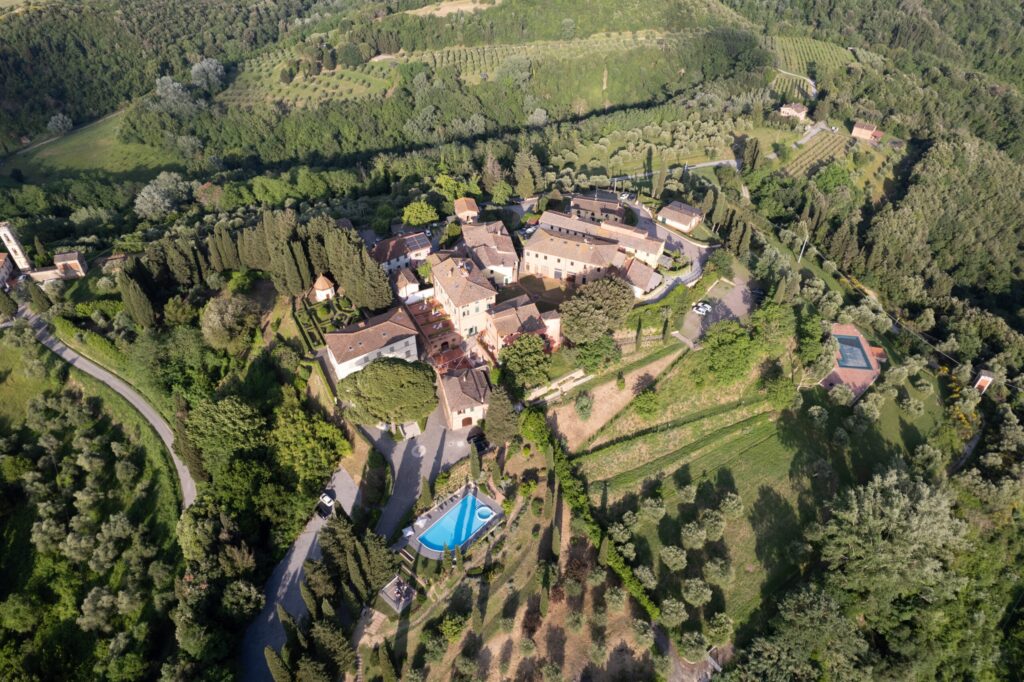
Il Salviatino stands at Via del Salviatino 21, in five hectares of grounds. The postal address is Florence, but Maiano belongs to the comune of Fiesole, the Etruscan hill town five kilometres north east of the city, where remnants of its Etruscan walls and a Roman theatre of 19 tiers of stone seats survive. The centre of Florence is about 20 minutes away by car and Florence Airport about 25, and the hotel runs a shuttle into the city. Pricing comes as a proposal written for each wedding. For a wedding beside the Arno read our Edit on The St. Regis Florence, for another historic villa outside the city the Edit on Villa Il Cerretino, or browse wedding venues in Tuscany.
Taking the whole house
The decision that shapes a wedding here is whether to take the villa entirely. From 70 guests Il Salviatino can be reserved for exclusive use: the house and gardens, the spa, Da Giacomo and all 45 rooms and suites, so the Terrazza, the Biblioteca and the penthouse in the tower belong to the wedding party for the length of its stay. Read the Il Salviatino profile and check your date.